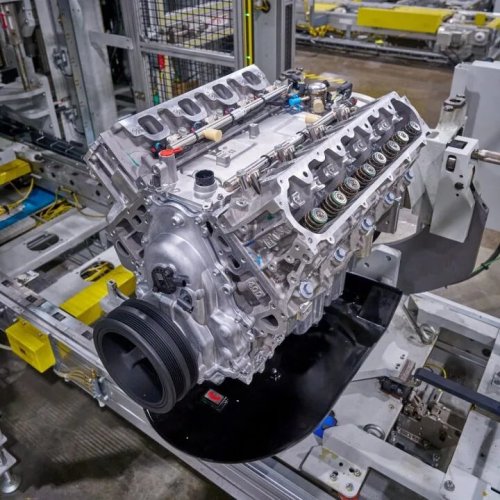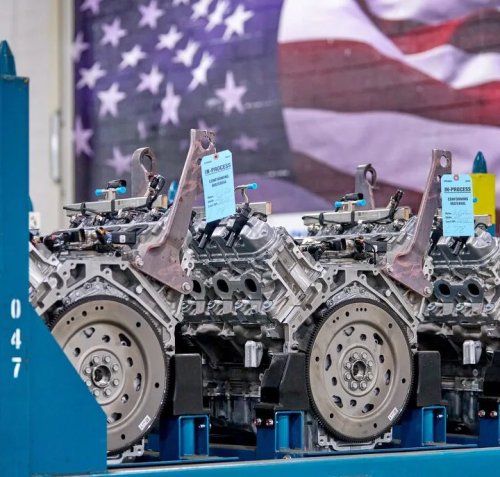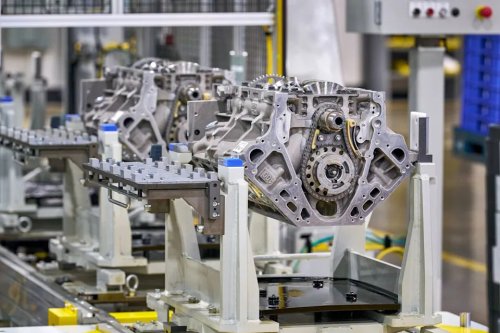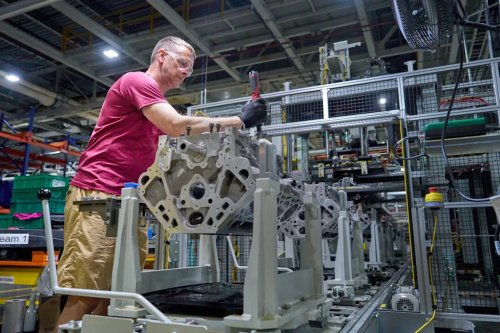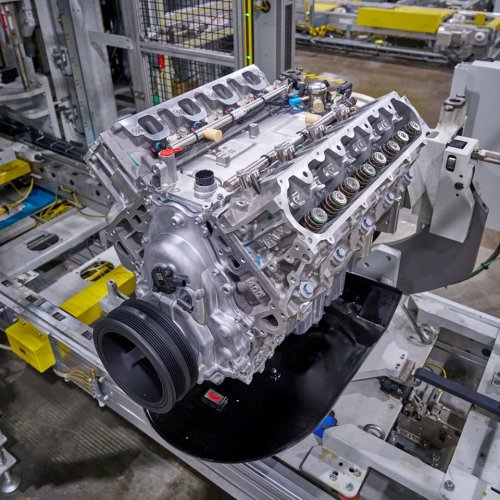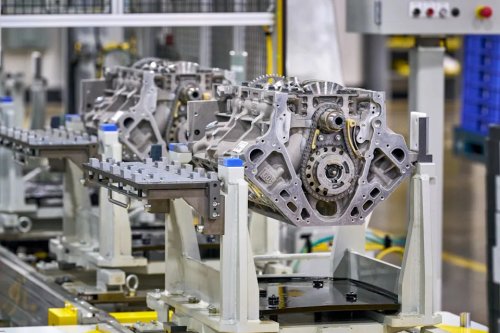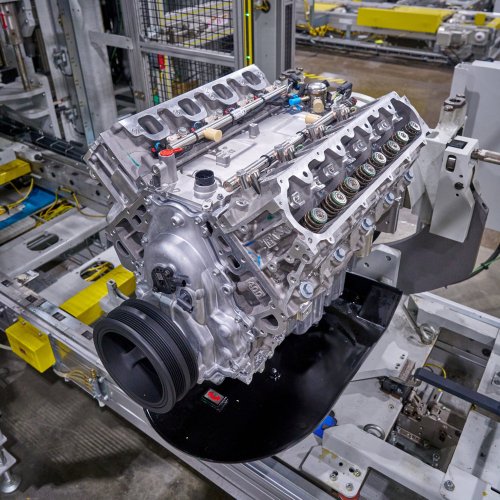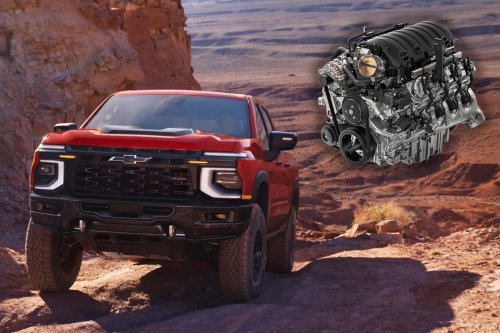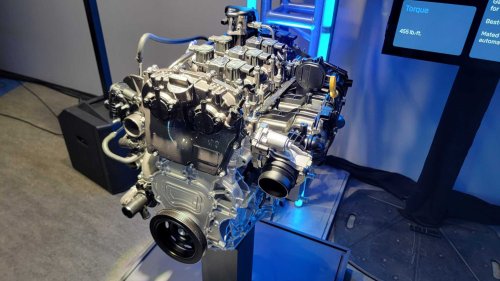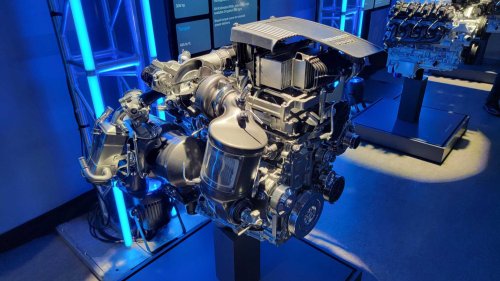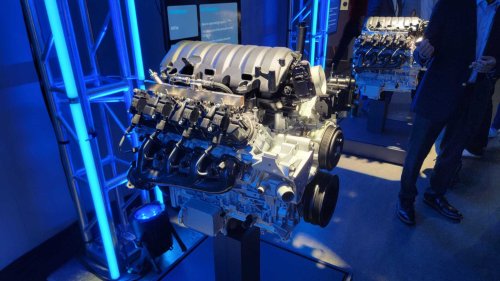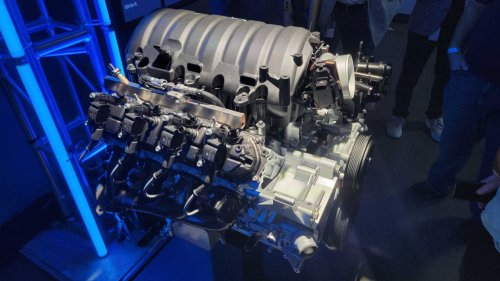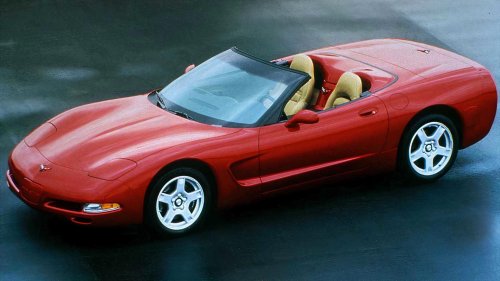
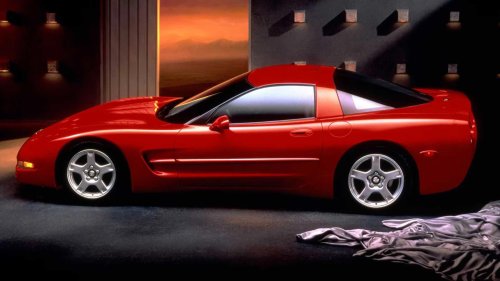
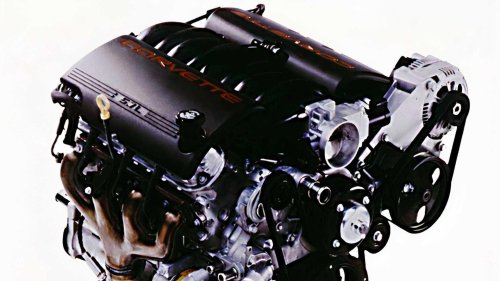
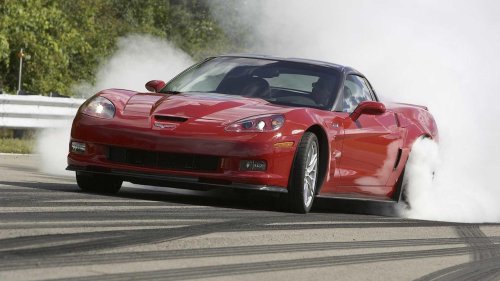
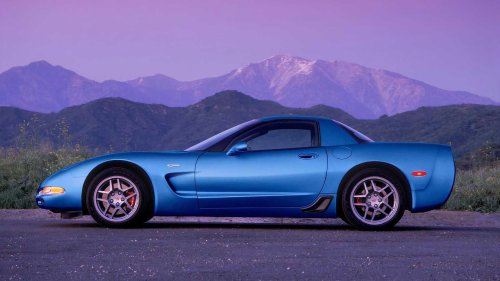
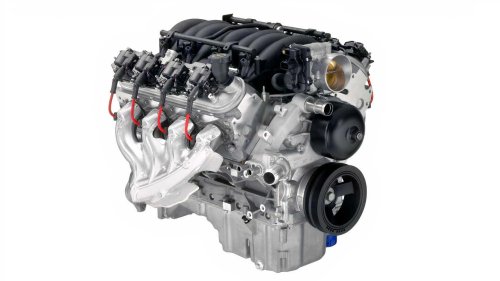
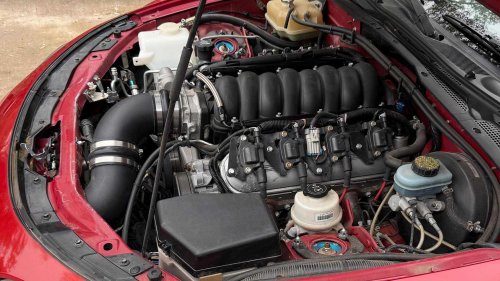



















There’s a saying that pops up in many circles of car culture when you’ve got a problem with the engine in your sports car, and that saying is "just LS-swap it." Repair bills for that V8 in your E39 BMW M5 got you down? Just LS swap it. Is the rotary engine in your Mazda RX-7 not reliable enough? Just LS swap it. Corvette buddies making fun of the V6 in your 350Z? Just LS swap it.The idea of stuffing General Motors' V8 into places it doesn’t belong isn’t new. Still, the LS established itself as a trend popular enough to be supported by its own sayings, memes, festivals, and numerous online communities that live and breathe this engine. In the late 2000s, the LS engine became a sort-of universal problem-solver, as ready-made kits made it easy to install this V8 into just about any vehicle you liked. Online culture showcased wildly diverse LS swapped builds that turned this iconic engine into a logical solution for folks looking for a performance boost. The mill established a reputation for durability, cheap power, and easy wrenching for DIY types, backyard builders, and so on.ChevroletWhy, 26 years after its debut, is the LS generation of Chevrolet’s small block V8 still the category killer? American performance culture's dedication to this design, with its roots back in the fifties, reveals something fundamental about reliable, real-world performance simplicity that newer engines just can’t match. Let's dig in for a closer look at why today’s "just LS-Swap it" mentality is so pervasive. The LS Makes Racing Cheap And Fun, ChevroletThe LS1 is the originator of the trend, first arriving in the 1997 C5 Corvette. An advanced ignition system and a new aluminum block let the LS1 deliver more power with less weight than its predecessors, and it soon caught on, in no small part thanks to a reputation for making racing fun and affordable in the aftermarket. The LS2 arrived in the 2005 Corvette, now with a 6.0-liter displacement and improved block casting provisions, as well as a focus on improved airflow using the latest computer-aided design.There was also the LS7, a particularly racy hero engine from the Corvette Z06 with 7.0 liters of displacement and plenty of revs. The engineers even added titanium connecting rods to this configuration, reducing each rod's weight by a third so that the engine could spin faster.The LT1 and LT4 versions arrived from 2014, featuring advanced cylinder deactivation and direct fuel injection technology. These two systems were fundamental in keeping the small block relevant on the consumer side. However, many builders and enthusiasts prefer the older-generation LS because it’s less complex, easier to tune, and has fewer failure points and electronics to complicate swaps and tuning.Chevrolet The Corvette’s LS engine got plenty of fame as a sort of holy-grail unit. However, 5.3-liter V8 of the same lineage were used in pickup truck and SUV models, taking highly affordable LS variations to the engine-swapping masses. From Corvette to Suburban, derivatives of this engine were widely available on the road and in salvage yards, lowering the cost of access to grassroots racing.ChevroletThe Corvette-based LS engine was the hero, though the 5.3-liter versions used for trucks could be picked up for a few hundred bucks, responded very well to modifications, and used a stronger iron block that many prefer for high-boost applications. The low entry cost into the world of LS building and swapping made it possible for countless folks to build and race a car while gaining wrenching experience and having affordable fun. It’s Easy To Work On, Too ChevroletWhile automakers everywhere switched to turbocharging and complex overhead-cam designs to squeeze out more power and better efficiency, Chevrolet’s small-block V8 stuck with a pushrod architecture to the present day. This ancient setup was ridiculed in some circles. A single camshaft in the cylinder block, operating pushrods, meant the valvetrain was simpler, helping improve durability. It was also easy to service, kept engine weight down to highly competitive levels, and eliminated the need for taller cylinder heads to accommodate overhead-cam setups.The LS engine was physically compact, making it a perfect fit under the low hoods of sports cars. The ease of serviceability and rebuildability, along with the lack of turbocharging or hybrid power, create a simple and highly effective performance engine. Whether building one as a DIY enthusiast or a racing team, the LS can fit a wide array of applications. And It’s Sized For Sports Cars Cars and BidsThe small-block V8 engine’s basic architecture has remained largely unchanged since its introduction in 1955, and the LS series is no exception. Running the same bore spacing and valvetrain layout as the original engine, the LS’s latest tweaks made the 1997 C5 Corvette shine when it arrived. The engine was compact because of its pushrod valvetrain, enabling it to fit beneath the latest Corvette's hood and be positioned lower within the body for the benefit of handling. The compact size of this V8 engine gave the C5 Corvette a power-dense punch compared to far more complex and exotic engines of the day, while also keeping weight down.The massive swapability of the LS engine is thanks in no small part to its reputation as a nearly universal problem solver for sports car builders who wanted big power and big buildability on the cheap. Getting 400 hp or 600 hp from your Nissan 350Z, Mazda RX-7, or Mazda MX-5 Miata can be a lot cheaper and more straightforward with an LS under the hood, especially if you’re looking at a blown-up project car that needs a new engine. Constant Evolution Of The Core Led To Cost-Cutting Standardizations ChevroletEconomies of scale meant that the LS was cheap to build, giving GM performance products a cost advantage in the marketplace. Standardization can save automakers money, especially when they’re creating families of engines that’ll power a multitude of different vehicle types with different expectations and demands. Behind the main story of the small block V8 is a story about economies of scale and cost reductions. A Recent Timeline Of GM Performance V8 Engines Chevrolet (1997) The LS engine family debuts with the LS1, offering significant advancement with its all-aluminum construction and use in the Chevrolet Corvette. (2001) LS6 Introduced: The higher-performance LS6 variant is released, enhancing the Corvette Z06 model with improved heads, camshaft, and a higher compression ratio. (2005) The Gen IV branch of the LS family debuts with improvements in casting provisions for displacement on demand, among other technological advancements. (2006) GM introduces the LSX cast-iron racing block based on the LS7 model at the 2006 Specialty Equipment Market Association (SEMA) show, featuring all-forged engine components. (2008) The LS3 engine is introduced with the Corvette, featuring a 6.2L engine size, producing up to 436 horsepower with specific enhancements, representing a significant performance upgrade from the LS2. (2009) The supercharged LSA and LS9 engines are launched, delivering up to 556 horsepower with the LSA and over 630 horsepower for the LS9. These engines power high-performance vehicles such as the Cadillac CTS-V and the Corvette ZR1. (2013) The LT1 marks a renewed naming convention with the introduction of the Gen V engine class. These models feature advanced tech like direct fuel injection and improved fuel management systems. (2014) The supercharged LT4 engine debuts, enhancing performance with significant boosts in power. (2020) Boasting the largest displacement in the LT family at 6.6L, the L8T crate engine offers direct fuel injection and a high-strength cast-iron block with great low-rpm torque. Part of that story, which has played out since the fifties, means that many common major engine parts (pistons, rods, crankshafts, cylinder head, and block combinations) are highly interchangeable, swap-in-swap-out ordeals. For experienced builders, this easy-to-navigate ecosystem is almost like creating an engine out of Lego. It’s A Cost-Effective Solution With Immense Aftermarket Support ChevroletTremendous amounts of documented knowledge, projects, how-tos, and fixes are available for the new LS swapper’s taking. The internet houses a whole universe of experience, dating back decades, to draw from. That gives swappers plenty of support, and they’ve got plenty of options, too. Holley currently offers an entire range of LS swap parts and kits covering at least 14 vehicles, with pricing for the required basic hardware starting under $800. To swap an LS into a Miata, V8roadsters.com sells an LSX Mounting Kit for $2,125, with a full swap package for the NA and NB Miata coming in from $7,450 to $9,150. The LS Swap Shop sells products and accessories designed to make your LS swap easier and less stressful, as well as various adapters that make it easy to cross-install or remove parts like air conditioning and power steering from your build, if you like.John_Long/Cars & Bids Companies like ICT Billet sell accessories that make swapping parts between various LS engines easy, as well as LS swap kits for applications ranging from the Chevrolet S10 to the Subaru BRZ to the Lamborghini Gallardo, which is especially hilarious blasphemy. There have been some astounding and unusual LS-swapped cars, including a Volkswagen Beetle, a Ferrari 550 Maranello, and a lawnmower, which isn’t even a car at all.Of course, the LS is just one of your options if you’re looking to stuff a big, powerful V8 engine where it doesn’t belong. Still, it’s probably your cheapest. Based on 2026 data from Hammer Engines, US junkyard prices for the 5.3-liter LS V8 engine typically range from $500 to $1,200. A 6.0-liter LS (LQ4 or LQ9) costs $800 to $1,800. The 5.7-liter Hemi V8 will relieve you of $1,500 to $3,000, while the 6.4-liter SRT Hemi will cost $6,000 to $8,000. The Coyote 5.0-liter V8 from Ford goes for about $3,500 to $5,500.