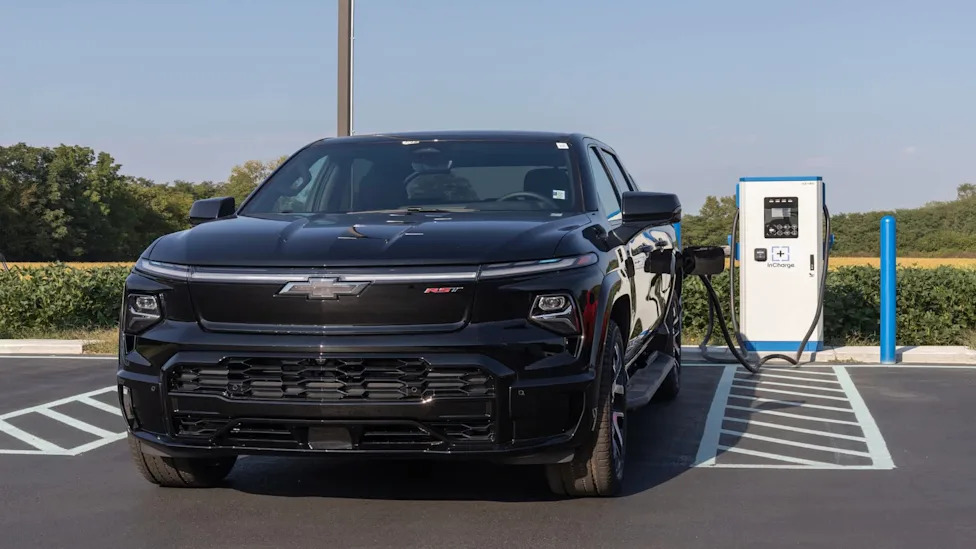
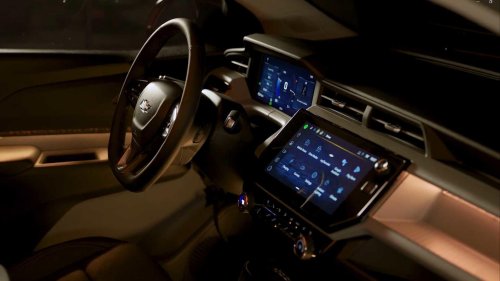
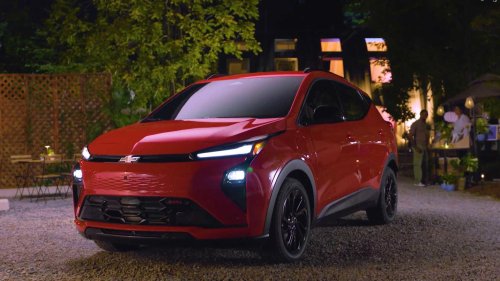
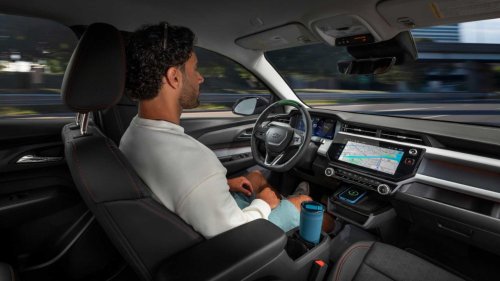
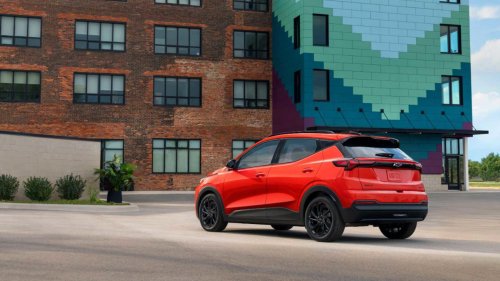
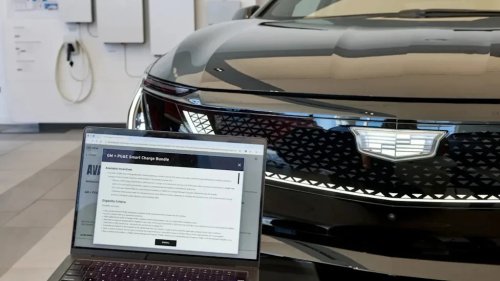
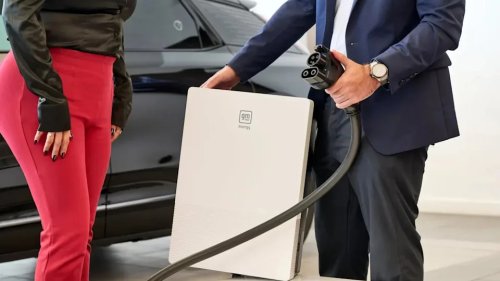
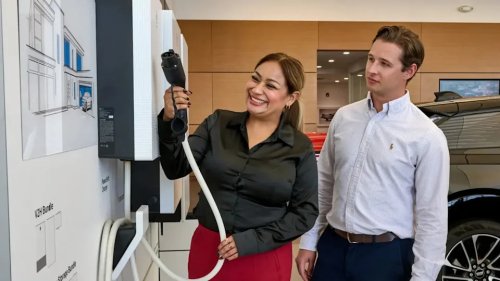
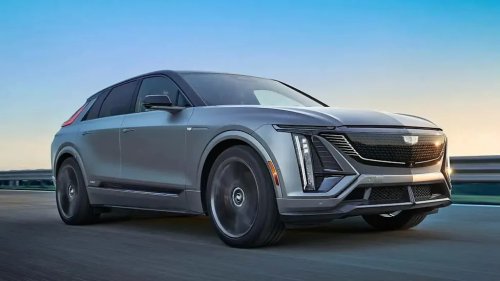
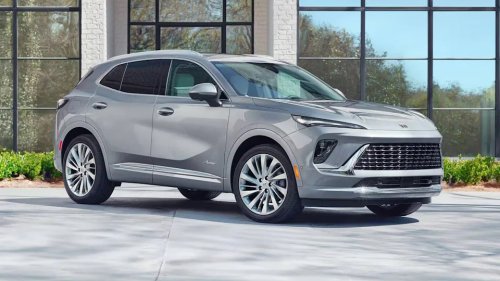
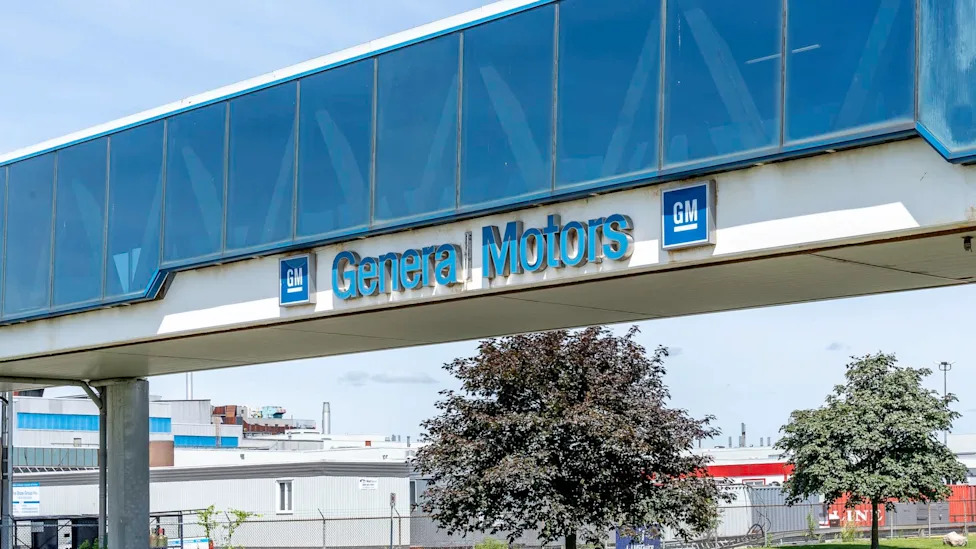
Photo Credit: iStockA parked EV could become part of the power system instead of waiting unused for its next drive. GM says hundreds of thousands of its electric vehicles are already equipped to send electricity back to the grid, but drivers will need utility and regulatory programs that make doing so worthwhile.What's happening?To grow vehicle-to-grid, or V2G, programs, GM is urging a public-private partnership between industry and government. These programs let EVs discharge stored energy to the grid during the hours when that electricity has the most value.AdvertisementAdvertisementAs PV Magazine USA reported, GM Energy Vice President Wade Sheffer said the company has already sold 250,000 V2G-enabled EVs now on the road and has committed to the technology "for all planned EVs going forward."GM is already running pilot programs with PG&E in California and DTE Energy in Michigan that involve V2G-capable vehicles and chargers.The company also sells the bidirectional chargers and home energy equipment needed to support that setup.In Sheffer's view, making EVs a distributed energy resource will require a "unified, forward-looking commitment" from utilities, automakers, and policymakers, along with "appropriate compensation" for EV owners who take part.Why does it matter?If V2G grows to a meaningful scale, it could cut overall grid costs and give EV owners another way to make money from vehicles they already have. The concept is straightforward: drivers would charge when electricity is cheaper, then return some of that stored energy to the grid during high-demand periods.AdvertisementAdvertisementIn a study for GM Energy, energy consulting firm E3 projected that V2G-capable EVs could create up to $7 billion in annual grid value across U.S. electricity markets by 2030.Much of that value would come from helping utilities handle peak demand and from postponing costly transmission and distribution upgrades.E3 also estimated that a V2G-capable EV could be worth $680 to $2,750 per vehicle each year across 14 U.S. electricity markets if payments are high enough to attract owners.Managed charging, by comparison, would be worth only several hundred dollars annually because it simply shifts when charging happens.AdvertisementAdvertisementThe biggest openings are expected in CAISO, ERCOT, PJM, and MISO, where stronger EV adoption overlaps with higher value per vehicle.Over time, that could mean more resilient grids, fewer disruptions caused by system strain, and lower grid costs that may reduce pressure on electricity bills.What's being done?GM says the hardware is mostly ready, but the surrounding programs and rules still need to catch up.E3 said it is "difficult" for V2G customers to be paid for providing grid capacity under current programs, even in places that already have capacity markets.The study also said one of V2G's main benefits, postponing transmission and distribution spending, is "not monetizable under today's programs." So while EVs may be able to save the grid money, existing market structures do not consistently pass those savings along to drivers.AdvertisementAdvertisementSheffer outlined three areas to focus on: increasing customer participation in utility V2G programs, adopting "modernized" tariffs and rate structures, and simplifying permitting and interconnection for bidirectional chargers in both "parking lots and driveways."If utilities and regulators revise those programs, bidirectional charging could turn some EVs into grid assets that produce income in addition to fuel and maintenance savings.Get TCD's free newsletters for easy tips, smart advice, and a chance to earn $5,000 toward home upgrades. To see more stories like this one, change your Google preferences here.



















 +49 others