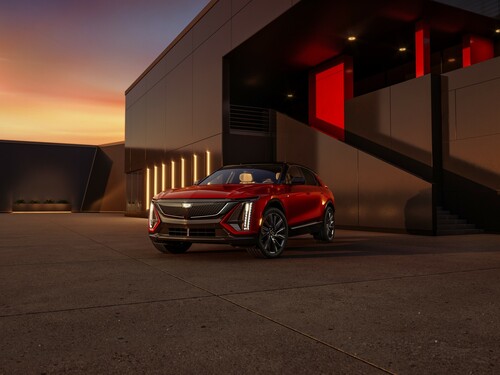
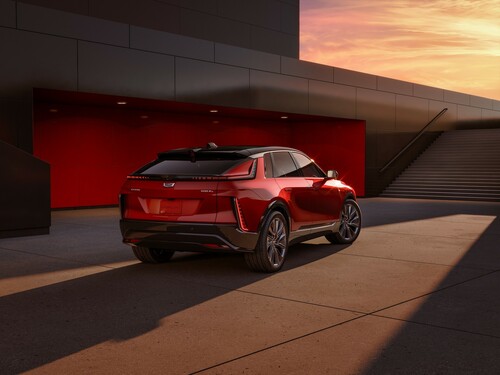
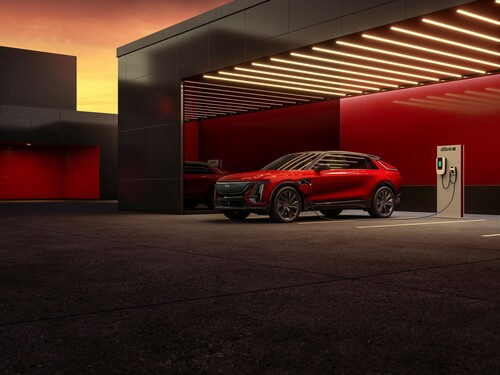
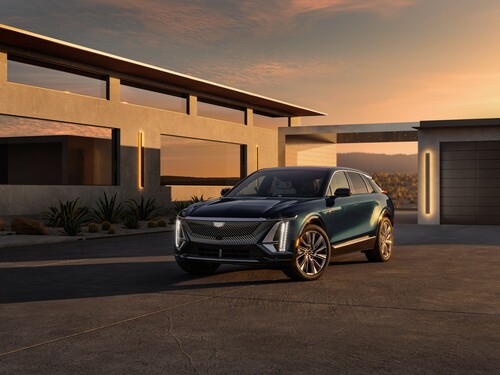
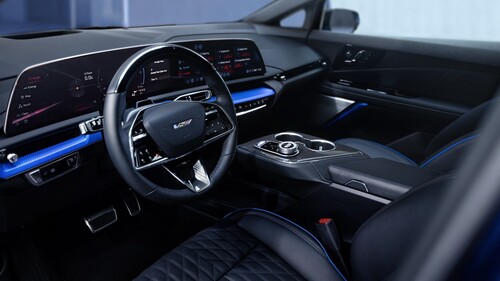
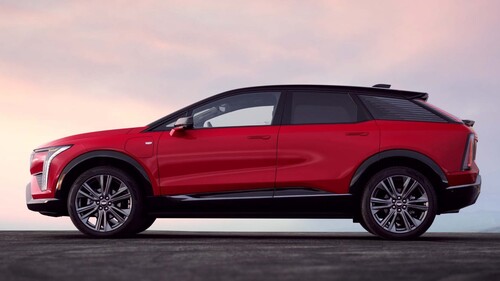
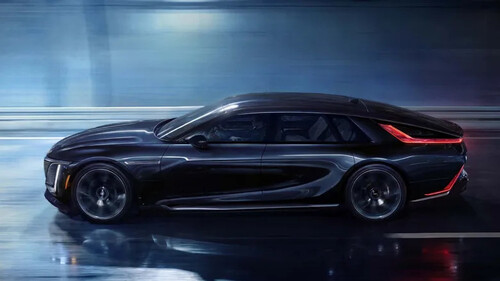
GM Starts Shipping EVs With Recycled BatteriesAutoblogDan MihalascuFri, September 25, 2026 at 1:15 PM UTCAdd us on GoogleAutoblog and Yahoo may earn commission from links in this article.If you ask environmentalists, one of the biggest downsides of electric vehicles is the difficult and costly process of recycling the drive battery, by far the most important and expensive component of an EV—as well as the most hazardous to the environment if not disposed of correctly.But automakers and battery recycling specialists like Redwood Materials, for example, have made significant progress in this area in recent years, to the point where brand-new EVs nowadays have reached the stage of being sold to customers with recycled battery cells.AdvertisementAdvertisementPorsche last week announced that it has replaced primary raw materials with fully recycled cathode materials and is now testing the battery cells under real-world conditions, anticipating that recycled materials will be available for new battery cell production starting from 2028.A Closed-Loop Recycling Pilot That's Starting to Show Results in the Real WorldGeneral MotorsNow, GM has taken things up a notch, announcing that it put recycled battery cells into brand-new EVs that are being shipped to customers. The achievement is part of a closed-loop recycling pilot that has enabled it to recover materials from end-of-life GM EV batteries, refine them and put them back into new batteries at the Ultium Cells LLC factory to power new EVs."This month, GM and our partners completed a pilot demonstrating a closed-loop recycling pathway: building our first EVs using battery cells made with 100% recycled nickel, cobalt, and manganese which includes material recovered from end-of-life GM EV battery packs," the automaker said in a release.GM noted that this important milestone comes after years of working with partners across recycling, materials, processing and battery cell manufacturing to recycle end-of-life batteries and build a pilot pathway for recovering and reusing critical materials contained in them.AdvertisementAdvertisementWith partner Cirba Solutions, 80 end-of-life batteries were recovered as part of the pilot program, recycled at their company's facility and converted into "black mass," which is a blend of battery materials created by disassembling and separation of end-of-life lithium-ion batteries.The next step was to convert the black mass into cathode material, which includes critical minerals such as nickel, cobalt and manganese that help determine a battery's cost, safety and performance. And that's not all, before the recycled content can go into a battery cell, it must also meet the same quality, performance, and safety standards as brand-new materials. The testing certified that it did, thus getting the green light to be used in brand-new electric vehicles.The First GM EVs With Recycled Cells Are Being Shipped to BuyersGeneral MotorsThis month, GM produced the first new Cadillac Lyriq, Lyriq-V, Vistiq, Escalade IQ and IQL, Chevrolet Silverado EV Trail Boss, and GMC Sierra EV AT4 at Spring Hill Assembly and Factory Zero powered by the first battery cells containing cathode active material made with these recycled critical minerals. Remarkably, these vehicles are now headed off to customers.GM did not say if customers will have a way of knowing their vehicles' batteries feature recycled materials.AdvertisementAdvertisementThis is a very promising development as GM claims recycling processes can recover substantial quantities of critical battery materials—up to 95% for nickel, cobalt, and manganese and up to 80% for lithium, depending on process conditions and battery chemistry. In the future, those recovery percentages may become higher.Besides battery cells, GM's remanufacturing and refurbishment programs are also designed to reuse more than 70% of battery pack components, helping extend useful life and reducing the need to build a completely new pack.As InsideEVs points out, the implications for the EV industry are significant, as large-scale recycling could help lower the cost of batteries as well as reduce the need for mineral extraction from expensive and environmentally damaging sites.This story was originally published by Autoblog on Sep 25, 2026, where it first appeared in the News section. Add Autoblog as a Preferred Source by clicking here.