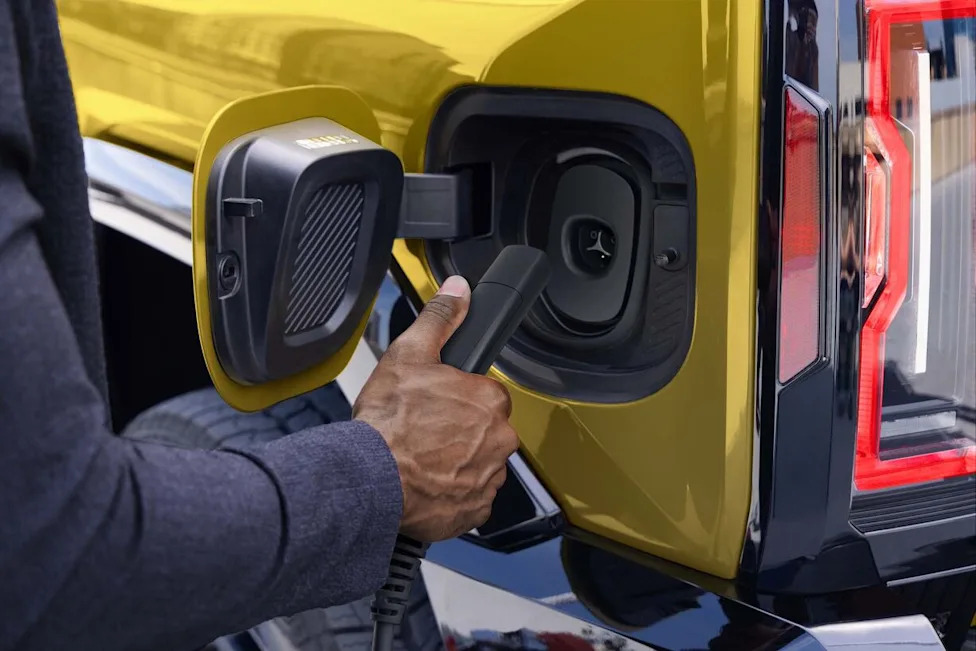
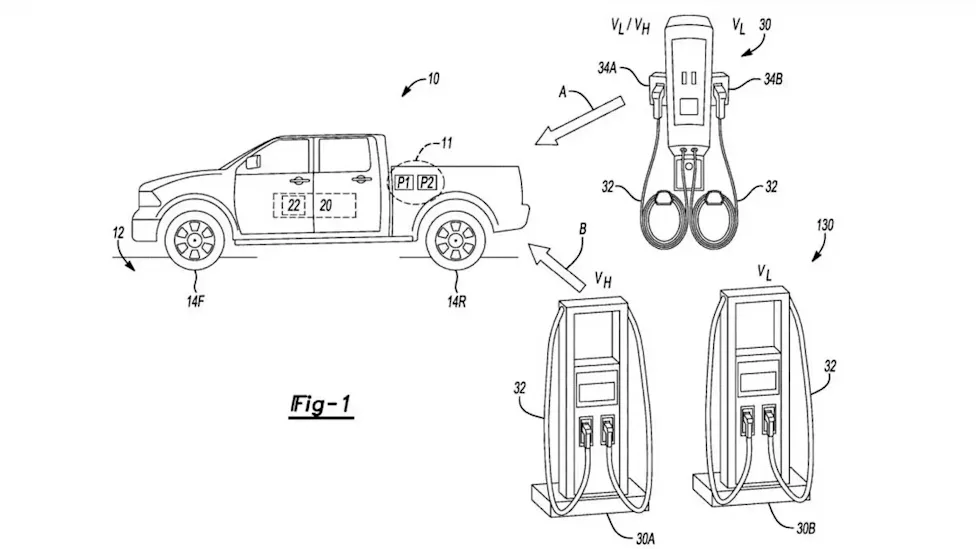
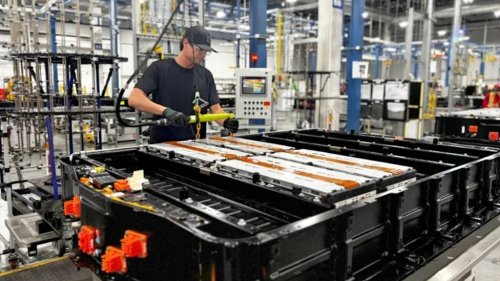
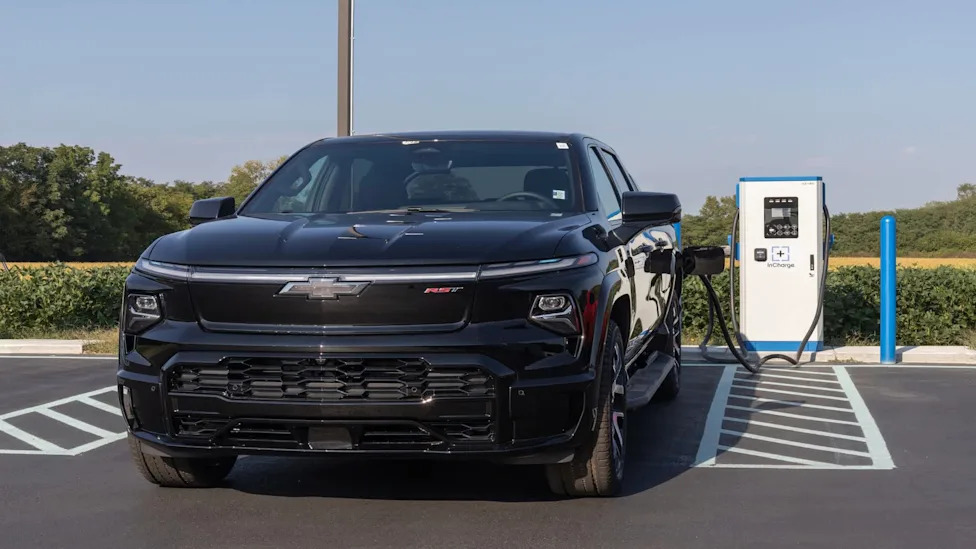
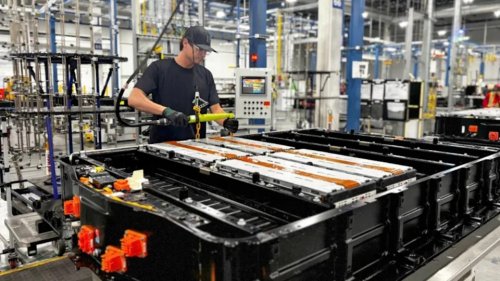
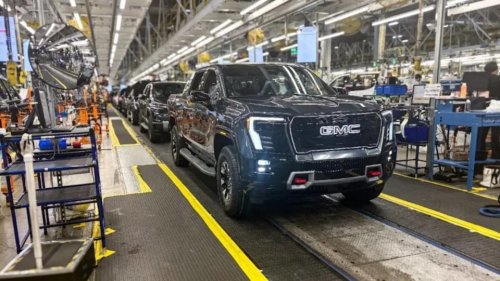
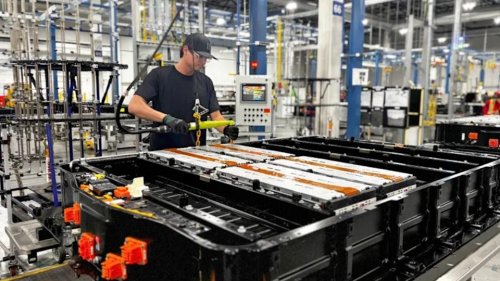
what happened to gm s dual charing port system designReplenishing massive electric vehicle battery packs, like the 200-plus kilowatt-hour one found in the GMC Hummer EV, can be a time-consuming process.To make charging faster and more versatile, General Motors has a patent detailing a dual-charging-port system designed to work with the automaker's double-layer battery architecture.The battery pack in GM's largest electric trucks and SUVs is composed of two distinct ~100 kWh layers stacked on top of each other. Through internal switches and control software, the two layers can operate in series as a single 800-volt battery or in parallel as two separate 400-volt packs. Adding a secondary charge port introduces several functional scenarios for managing power delivery.what happened to gm s dual charing port system designUnder a single high-speed charging scenario, plugging an 800-volt DC fast-charging cable into the primary port recharges the entire pack in series at maximum voltage. However, if an ultra-fast 800-volt charger is unavailable, the system can connect to two separate 400-volt charging cables simultaneously. In this configuration, the battery operates in parallel, drawing power from both stations at once to significantly cut recharge times.AdvertisementAdvertisementThe dual-port setup also expands bidirectional power capability. A vehicle could draw 800-volt fast-charging power through its main port while using the secondary port to simultaneously output 400-volt electricity to power jobsite tools or recharge another electric vehicle.Looking further ahead, GM's patent outlines upgrading both ports to support simultaneous 800-volt charging, establishing the framework for ultra-high-power energy transfer on future commercial models.While dual charge ports remain a patent-stage concept for passenger vehicles like the Hummer EV and Chevrolet Silverado EV, the technology offers significant value for commercial electrification. Large commercial vehicles such as semi-trucks and heavy dump trucks require immense battery capacities that can strain single-port charging setups. By virtually splitting the battery pack into two isolated circuits, fleet operators could maximize vehicle uptime using existing charging infrastructure.