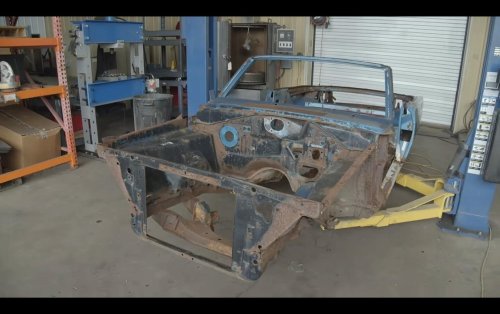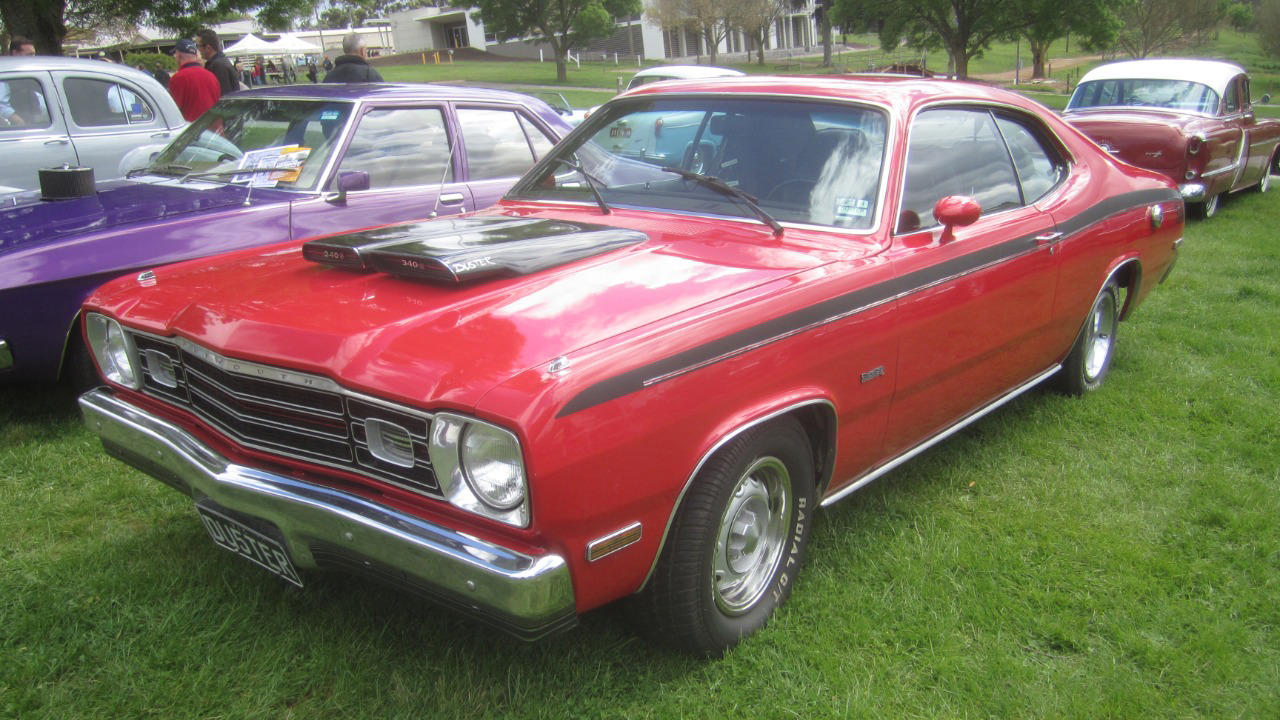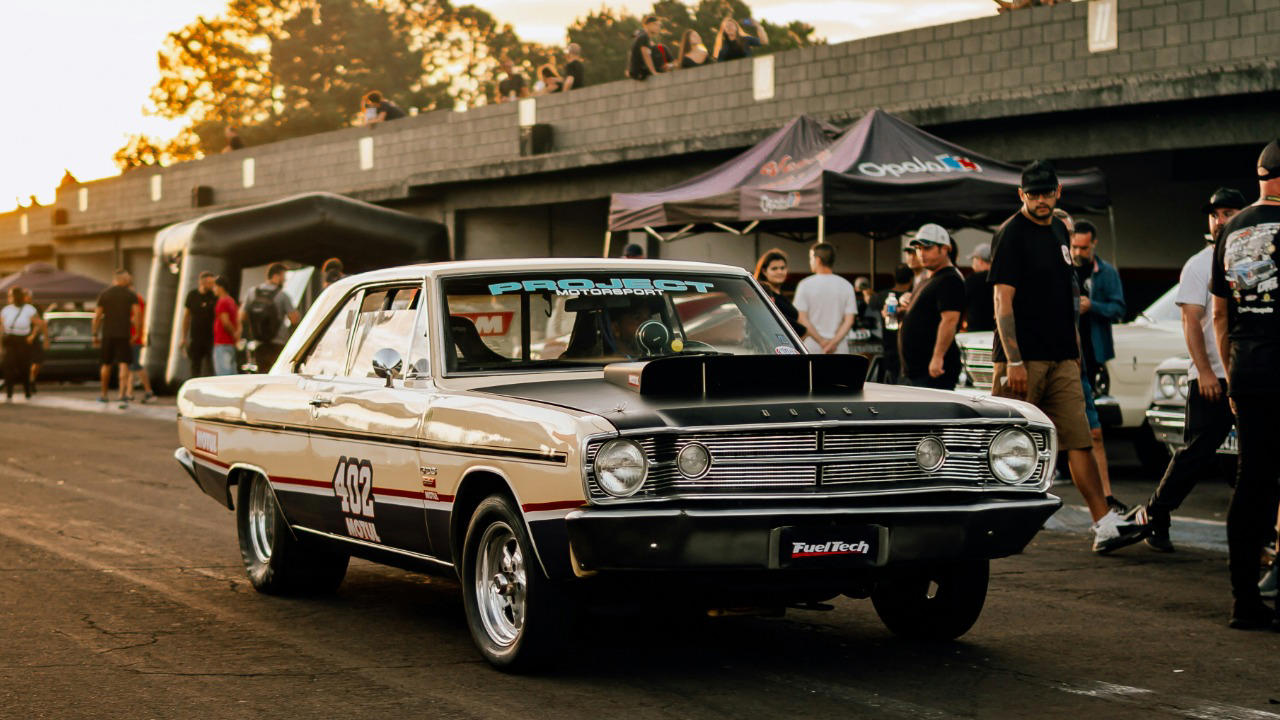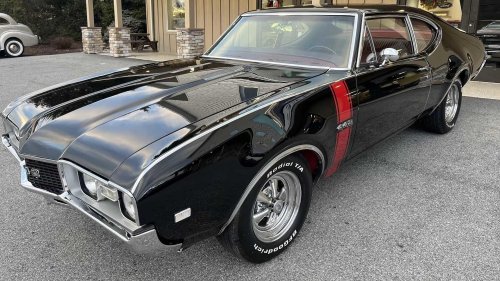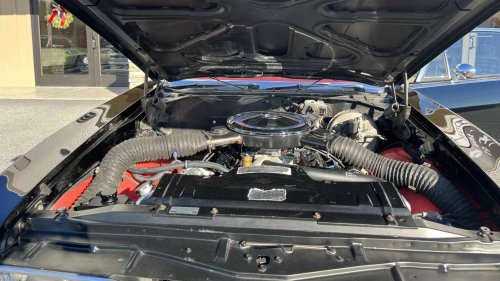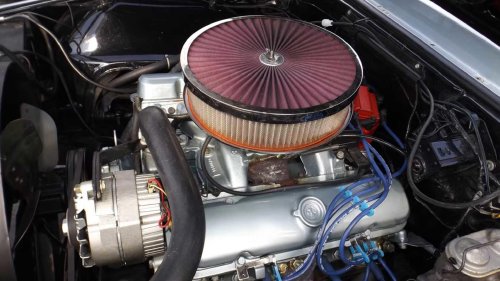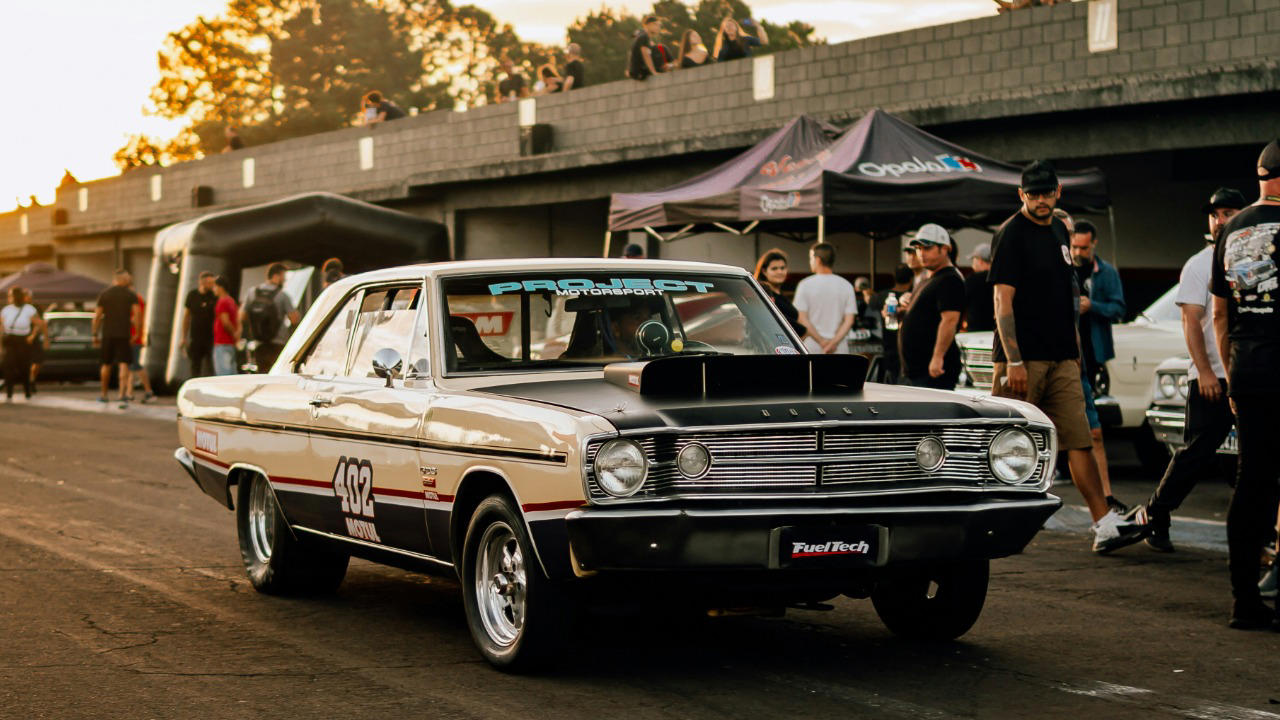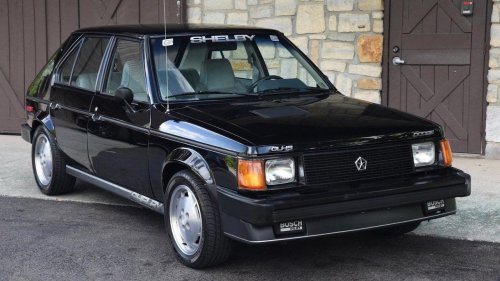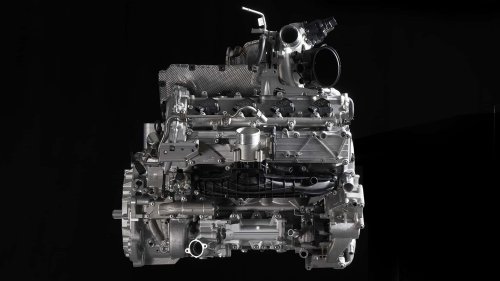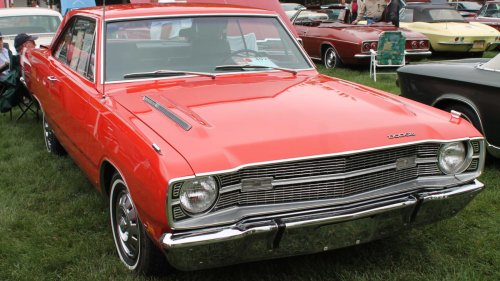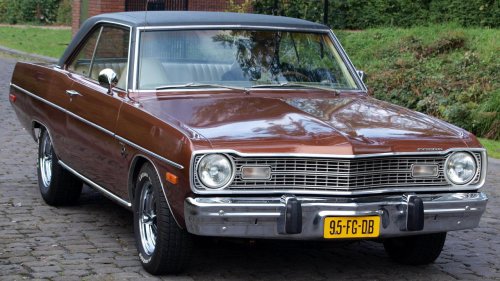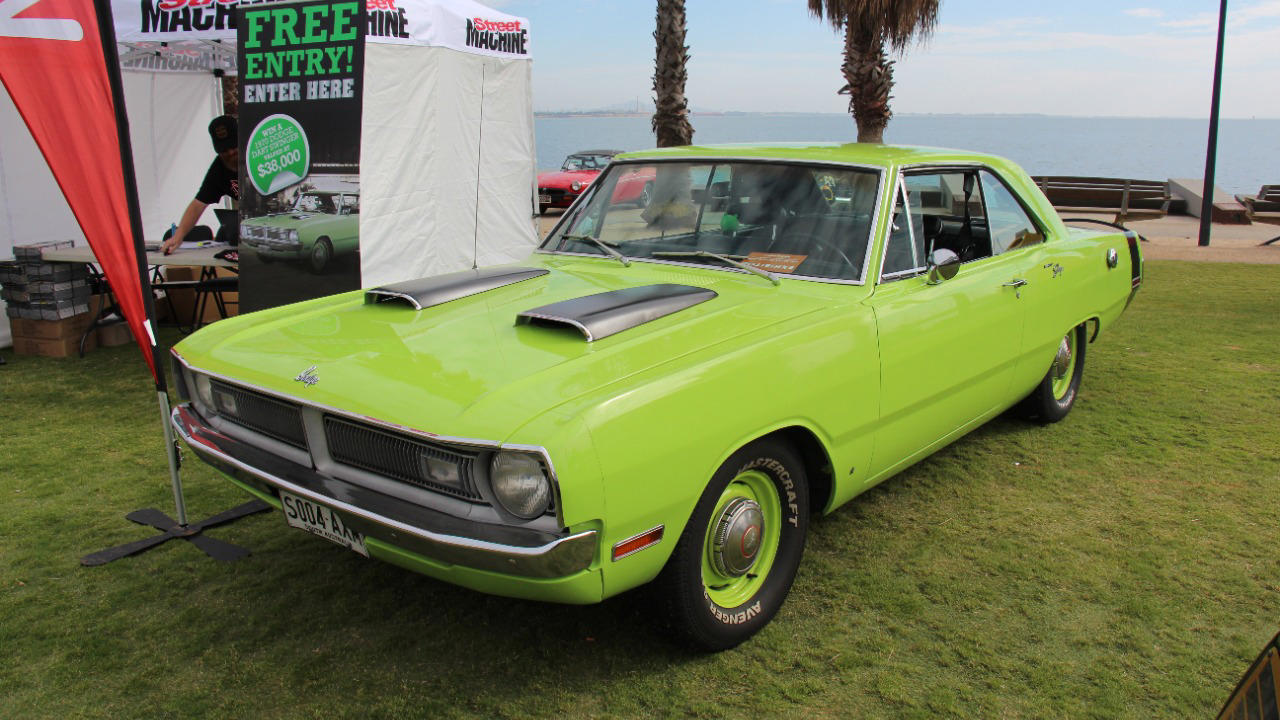



















The Dart Swinger showed how much performance could fit in a small packageThe Dodge Dart Swinger proved that a compact body did not have to mean modest performance. Built on Chrysler Corporation’s small Dart platform, it packed serious V8 power, real muscle car hardware, and a price that undercut many bigger, flashier rivals. The result was a car that showed just how much speed and character could be squeezed into a small package, a formula that still resonates with enthusiasts today. The moment the Dart went from sensible to serious When the Dart arrived in the compact segment, it was aimed at buyers who cared more about practicality than quarter-mile times. That changed when Dodge dropped the high-compression 340 small-block into the Dart Swinger and turned the sensible commuter into a factory hot rod. Earlier in the muscle era, Chrysler Corporation created a unique 340-cubic-inch V8 that was designed around performance rather than basic transportation, and the Dart Swinger 340 became one of its purest expressions. The 1969 Dodge Dart Swinger 340 package sharpened that focus. Factory information describes the car as a two-door hardtop fitted with a 340 CID V-8, Rallye Suspension, Firm Ride Shocks, and a Power Bulge hood borrowed from the GTS, all wrapped in the compact Dart shell that enthusiasts already knew as the GTS sibling. Period material notes that the 340 CID V-8, Rallye Suspension, Firm Ride Shocks, the Power Bulge hood, and the GTS connection were central to the Swinger’s identity. Pricing kept the car accessible. Contemporary comparisons of the 1969 Dodge Dart Swinger 340 list its sticker at $2,000.836, which works out to about $19,800 in modern money, and note that it sat below the Dodge Dart GTS and the rest of the brand’s muscle lineup. For buyers who wanted genuine V8 performance without paying big-block prices, that $2,000.836 figure made the Swinger a compelling alternative to more expensive Mopar offerings. Small body, serious engine The heart of the Swinger story is the 340 engine. Factory and enthusiast sources agree that the 340 cubic inch V8 in these cars was rated at 275 horsepower, with some period observers suggesting that real output crept higher. One detailed comparison of a Chevelle SS396 and a Dart Swinger 340 describes the Dodge’s engine as a 340 that was officially rated at 275 horsepower but likely closer to 325 horsepower, with strong Torque helping the compact car punch above its weight. The same comparison notes that the 1969 Dodge Dart Swinger 340 carried that 340 engine and still came in at $2,000.836, reinforcing how much power buyers were getting for about $19,800 in today’s terms, and that it was priced below the Dodge Dart GTS and the rest of the larger muscle field, as seen in the Chevelle versus Dart matchup. By 1970, Dodge was openly marketing the idea that this small-block loved to rev. Contemporary promotional material highlighted that the 340 combination could spin to 6,000 RPM while still sitting under what many buyers would have considered a premium price bracket. A detailed buyer’s guide notes that the company touted “6,000 RPM for under three grand” and explains how the 340’s internals, including its valvetrain and bottom end, were built to sustain that kind of use, confirming that 6,000 RPM was not just a marketing slogan but a realistic operating range for the engine when properly maintained, as detailed in a technical overview of the 1970 Dodge Dart Swinger 340. Other Darts of the same period underline how special the Swinger 340 was. A fact sheet on the 1970 Dodge Dart lists a base six-cylinder with Displacement of 198 cubic inches and Horsepower of 125 at 4400 RPM, paired with either a 4-speed manual or a Torqueflite automatic. That 198 cubic inch, 125 horsepower starting point shows how far the 340 option pushed the car beyond its economy roots, especially when combined with the optional Torqueflite and the more aggressive rear gearing documented in the 1970 Dart specifications. Chassis, brakes, and the sleeper mission Power alone did not define the Swinger. The car’s compact footprint and upgraded suspension hardware gave it a different personality from heavier intermediates. The 1969 Dart Swinger 340 package included a Rallye Suspension and Firm Ride Shocks, backed up by similar hardware on the Standard GTS equipment list that also referenced a 340 (4-bbl.) V8 and Firm Ride shocks. A surviving brochure shows that the Standard GTS specification shared much of the same Rallye Suspension and Firm hardware that made the Swinger so capable. Brake and chassis details from the broader Dart line show how Dodge tried to balance speed with control. Period documentation on the Dodge Dart notes that Standard equipment on performance variants included front disc brakes (only on the Swinger in some configurations) and a heavy-duty Rallye suspension, with Mechanical options such as power-assisted brakes and steering available to tame the car in daily use. These Standard and Rallye details help explain why the Swinger is remembered as more than a straight-line specialist. Contemporary descriptions of the 1970 Dodge Dart Swinger emphasize that it was Mopar’s compact powerhouse, small in size but full of muscle car attitude. The car combined the Dart shell with the 340 engine to create what some enthusiasts call a “mini muscle car,” and one detailed profile of an all-original survivor confirms that the 1970 Dodge Dart Swinger 340 carried a 340 cubic inch V8 in a relatively light body. That Dodge Dart Swinger example illustrates how the car’s compact dimensions and V8 power created a unique niche. Owners and historians often describe the 1970 Dodge Dart Swinger as a factory sleeper. A period photo feature explains that The Dodge Dart Swinger was one of those ultimate factory sleepers, Published as having 275 HP, yet enthusiasts believed that the 340 likely delivered about 320 HP in real-world tune. That same account of Dodge Dart Swinger notes the official 275 rating and the widespread belief in stronger actual output, which only added to the car’s street reputation. Performance numbers that embarrassed bigger cars Contemporary and retrospective performance figures show how effectively the Swinger translated its specifications into real-world speed. Enthusiast discussions of the Dart Swinger 340 describe 0 to 60 m times in the mid 6 second range, crediting the combination of the 340 engine and relatively low weight. One detailed comparison of the 1969 Dart Swinger 340 and a Firebird notes that The Dart Swinger 340 was quick, with 0 to 60 m times in the mid 6 second bracket, and highlights how the car’s compact mass helped it sprint and cover the quarter mile in roughly the mid 14s, as summarized in a performance summary. Later accounts of modified cars show how far owners could push the basic package. A detailed personal history of a 72 Dodge Dart Swinger describes a car pumping out over 500 horsepower, with the author noting that these Darts weighed only around 3000 pounds, about the same as a Porsche Cayman. That comparison of Darts and a underlines how a relatively light Mopar shell and a high-output small-block could produce modern sports car levels of performance when tuned. Factory style and suspension details also helped the car feel more composed than some of its peers. A profile of the 1970 Dodge Dart Swinger explains that The Dart Swinger was equipped with a performance-tuned suspension system that included a rear stabilizer bar and heavy-duty shocks, which gave the compact car better control on both the street and the drag strip. That same analysis of The Dart Swinger highlights how the car’s chassis tuning matched its engine output. Contemporary coverage of the 1970 Dart Swinger 340 also stresses braking upgrades. One overview of the model explains that front disc brakes were supplied to help not only get the beast stopped more effectively, but also to enhance driver confidence. That description of the front disc brakes shows that Dodge was not simply chasing straight-line numbers but also trying to deliver a more balanced driver’s car. Styling, stripes, and the 1971 evolution While the earliest Swinger 340s leaned heavily into the sleeper image, Dodge gradually gave the car more visual attitude. A detailed description of the 1971 Dodge Dart Swinger explains that the model was a compact muscle car that could be ordered with 340 and 360 cu in V8 engines, described as high-revving, high-compression small-blocks making 27 horsepower per cubic inch in period promotional shorthand. That same account of the Dodge Dart Swinger notes that the combination of 340 and 360 power made the car a lasting classic among muscle car fans. Styling cues on the 1971 Dart Swinger reinforced that message. Contemporary descriptions highlight a wide grille, bold body creases, and optional racing stripes that gave it a sporty look while still retaining the compact Dart proportions. One enthusiast summary of the 1971 Dodge Dart notes that these styling elements, combined with the available 340 and 360 engines, allowed the lightweight Dart to deliver strong acceleration and made it a beloved classic. Other period descriptions of The Dart Swinger emphasize its bold, aggressive styling with a distinctive grille, sporty stripes, and sleek lines that gave it a muscular stance. One account notes that it could go from 0 to highway speeds quickly and that the mix of performance, style, and affordability helped the car stand out among compact offerings. Those comments on The Dart Swinger reinforce how Dodge managed to give the car visual drama without losing its budget-friendly character. Paint and trim choices added another layer of personality. Factory color references for the 1970 Dart list shades such as Dark Gray under Chrysler codes like DT1418, showing that even understated hues were part of the palette. A detailed paint database entry for the Dart confirms that Dark Gray was one of the available factory finishes, which could be paired with stripes and trim to create either quiet sleepers or more extroverted combinations. Why the Swinger formula still matters Looking back, the Dart Swinger anticipated a formula that performance brands still chase. It combined a relatively small, light platform with a strong mid-size engine, serious suspension and brake upgrades, and a price that undercut many larger, heavier muscle cars. Modern compact performance cars and hot hatches echo that strategy, even if they use turbocharged fours instead of a 340 small-block. The aftermarket and restoration communities continue to support these cars, which helps explain their survival and rising profile. Spring specialists still catalog specific parts for the Dart and Dart Swinger, with application guides that break out components for the Dodge Dart, Dodge Dart-Swinger, Dodge Dart-GT, and Dodge Dart-GTS by model year. Those listings, which trace back to references such as the Dodge Dart Fact Sheet from Over Drive Magazine, show how companies like Eaton Detroit Spring have created dedicated Dodge Dart Fact based applications for 1969 and 1970 Darts and Swingers. More from Fast Lane Only Unboxing the WWII Jeep in a Crate 15 rare Chevys collectors are quietly buying 10 underrated V8s still worth hunting down Police notice this before you even roll window down The post The Dart Swinger showed how much performance could fit in a small package appeared first on FAST LANE ONLY.