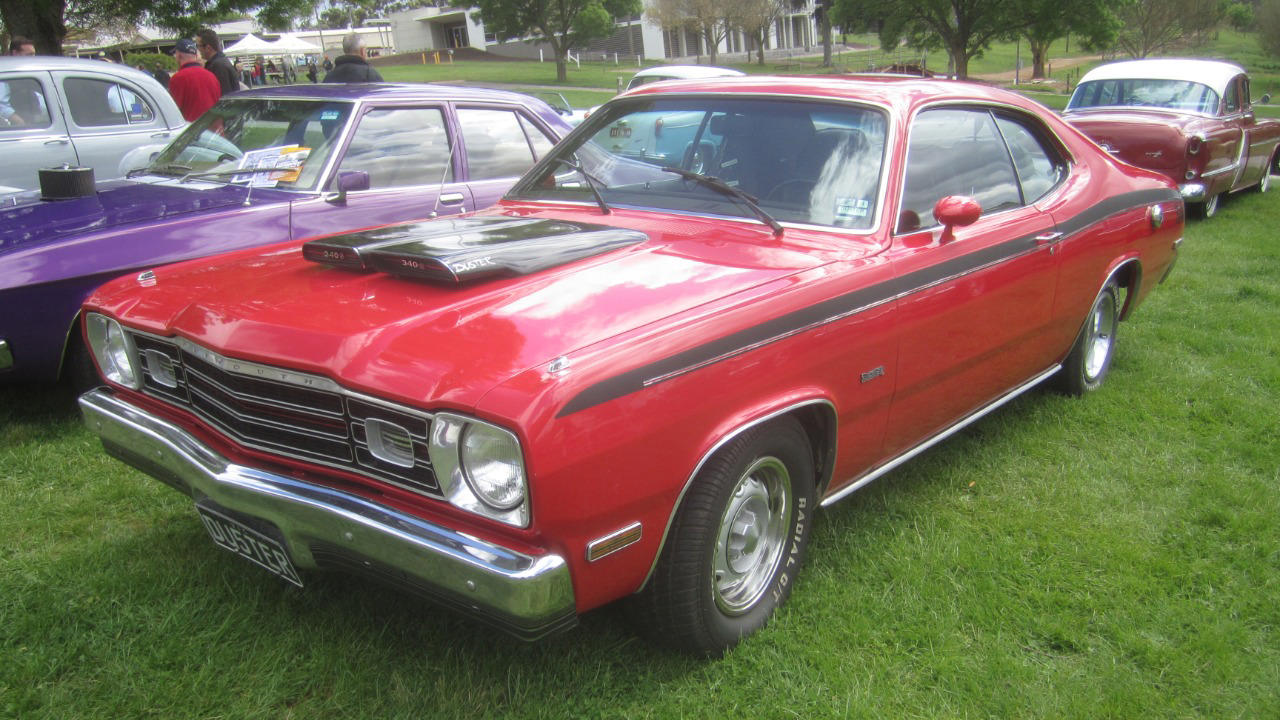
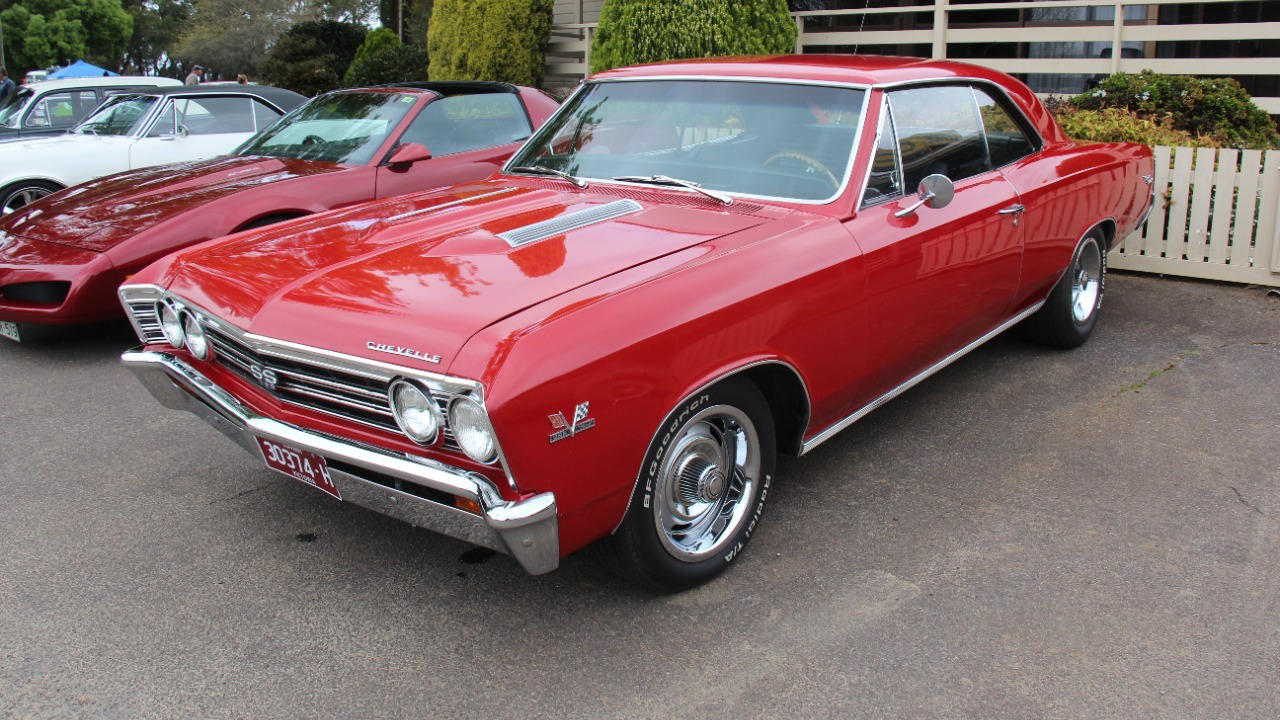
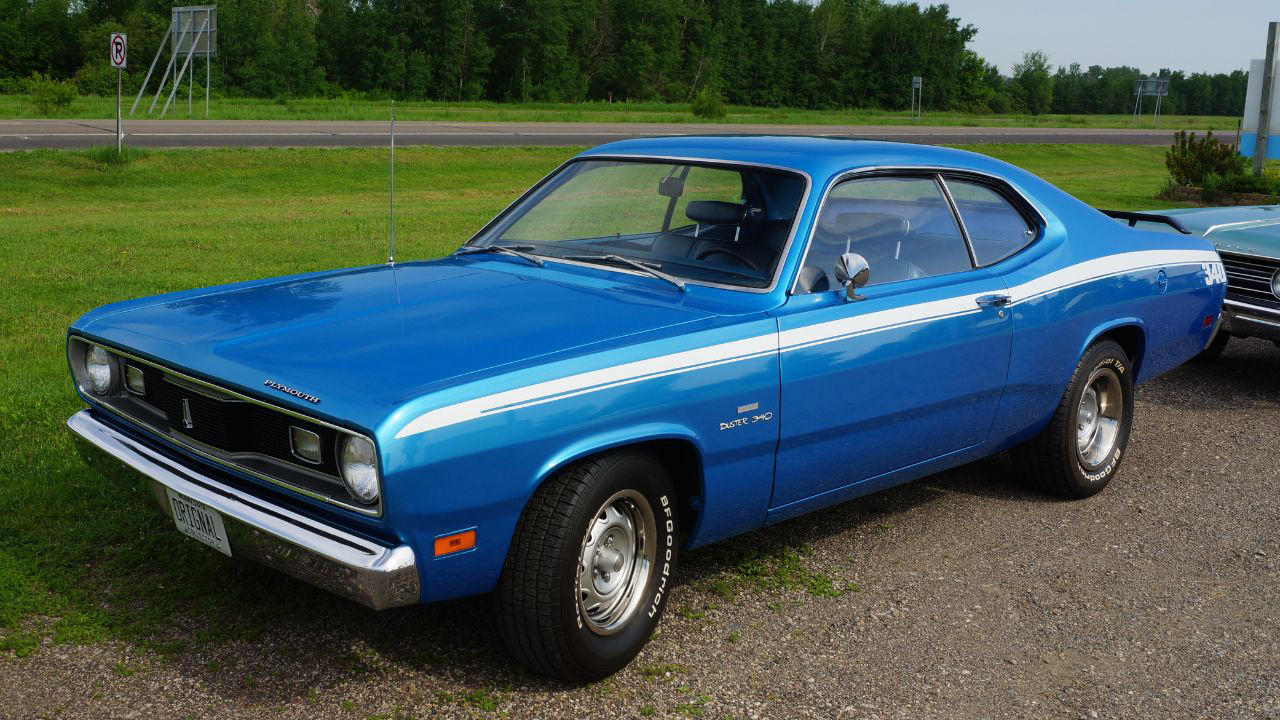
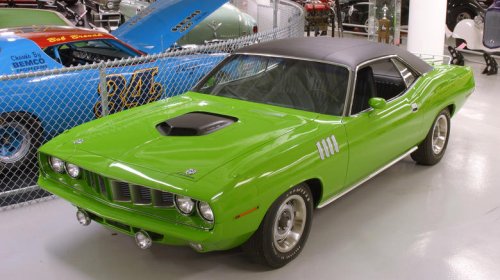
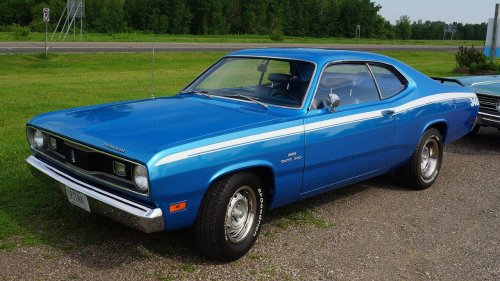
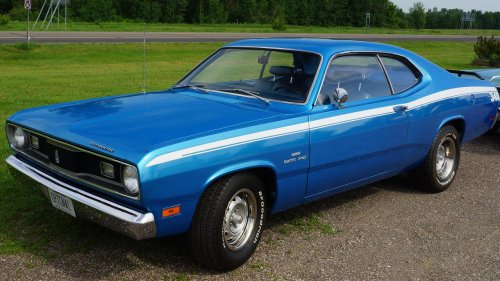
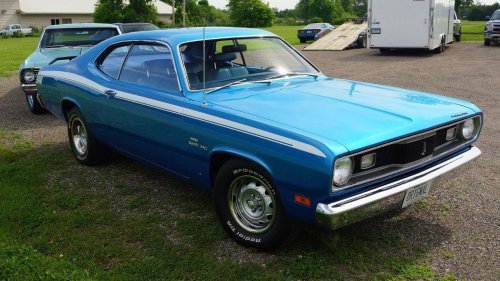
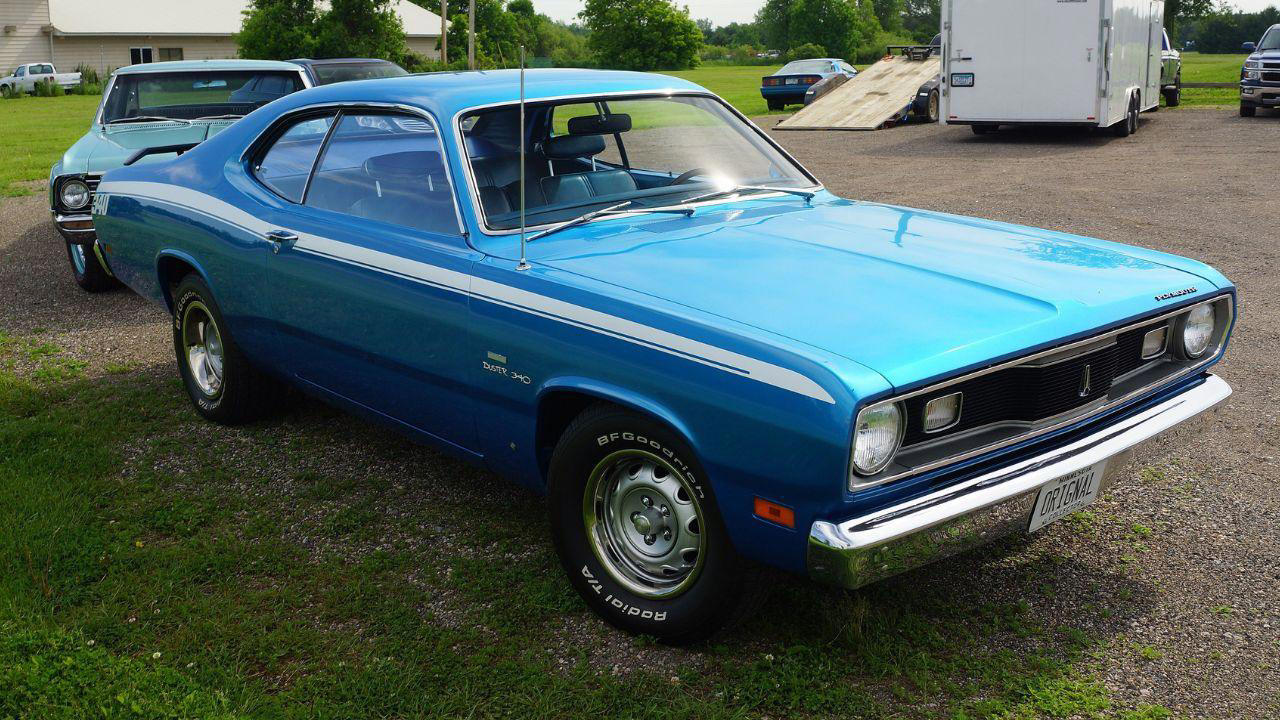
The Duster 340 showed how fast a lighter car could feelThe Plymouth Duster 340 proved that raw acceleration was not the only way to make a car feel fast. By wrapping a lively small-block in a compact shell and pricing it within reach of young drivers, Plymouth created a muscle car that relied on light weight and balance as much as brute force. More than half a century later, that formula still shapes how enthusiasts talk about performance and value. A compact Mopar that punched above its weight The Plymouth Duster arrived as a spin on the Valiant compact, but in 340 form it became something very different from a basic commuter. The Plymouth Duster 340, introduced in 1970, is described as a major success and a brilliant example of Mopar muscle done right, with the car presented as compact, light, and focused on affordable speed. That description of The Plymouth Duster captures why the model still resonates with collectors. Rather than chasing the biggest displacement, Plymouth focused on the 340 small-block V8. Multiple sources refer to the 340 as the centerpiece of the car, with one firsthand account insisting that the 340 was a beast and that Horsepower was closer to 325 than the 275 they advertised, while recalling a 340 Cuda that delivered far more punch than its rating suggested. That same comment about the 340 Cuda reinforces the idea that Chrysler deliberately underrated the engine. Period-style performance figures back up the reputation. One detailed discussion of a 1970 Plymouth Duster 340 4-speed lists 240 horsepower and 295 lb-ft of torque, and credits the car with a 0 to 60 m sprint in just 6.2 seconds and a strong top speed, all from the compact Duster 340 package. Those numbers for 240 and 295 are echoed in other coverage of the Oct Duster and place the car squarely in muscle territory despite its modest footprint. How light weight changed the driving experience The key to how fast the Duster 340 felt was not just power, it was mass, or rather the lack of it. Coverage of Mopar performance in the early 1970s points out that the Duster 340 weighed just over 3,100 pounds, a figure that gave it an immediate advantage over heavier rivals. One performance comparison lists the Plymouth Duster 340 among other muscle cars and highlights that at just over 3,100 pounds it was several hundred pounds lighter than many intermediate coupes, which helped it reach roughly a 6.3 second 0 to 60 m time. That same analysis of Performance Comparison figures presents the Duster as a sleeper in every sense. More focused reporting on Plymouth’s forgotten muscle cars notes that the 1970 Duster 340, which weighed in at 3,110 lbs, may have been lighter than many drivers expected when they saw its broad fenders and fastback roofline. That specific reference to 3,110 lbs for The Duster confirms that the car undercut many big-block competitors by several hundred pounds. Another breakdown of Mopar’s cheap and underrated 70s muscle notes that at just over 3,100 pounds, the Duster 340 weighed several hundred pounds less than its competition. The Chevelle SS 396, for example, is cited at about 3,700 pounds, meaning the smaller Plymouth carried roughly 600 pounds less mass into a corner or off the line. That comparison between the Duster and The Chevelle SS 396 illustrates why the Duster 340 felt so eager on the street. Contemporary enthusiasts often describe the car as a lightweight legend, and a separate museum post about the 1971 Plymouth Duster 340 calls that later version a potent, lightweight muscle car that carried forward the same ethos. The reference to the 1971 Plymouth Duster 340 as a lightweight legend in a second Plymouth Duster entry reinforces that the formula did not change much as the model evolved. Underrated muscle on a budget Affordability was central to the Duster 340 story. One heritage feature on a survivor car explains that with a base price of $2,547.00, the Duster 340 was the bargain priced high-performance Mopar vehicle for Plymouth buyers on a budget, and that many unsuspecting rivals were caught off guard in street races. That description of the Survivor Duster highlights how the car blended low cost with real pace. Broader coverage of Mopar’s cheap and underrated 70s muscle cars positions the Duster 340 as the standout example of a car that punched well above its weight. That analysis notes how the car’s curb weight, compact dimensions, and relatively low MSRP made it an ideal choice for young enthusiasts who could not afford a big-block B-body. The same overview of Mopars cheap muscle also emphasizes that the Duster 340 delivered genuine performance without demanding Chevelle SS or Road Runner money. Another detailed history of the model describes the Plymouth Duster as a parts bin muscle car special. Although it was the fuel-miser slant-six versions of the Duster that drove its strong sales, the 340-cubic-inch edition of the Dus is singled out as the car that gave the model real enthusiast credibility. That write-up on how although the basic versions paid the bills, the 340-cubic-inch Duster defined the car’s image, also notes that the pricing kept expectations realistic and helped the car find a loyal following. Modern valuation guides show how that underdog status is changing. One feature on the most criminally overlooked Mopar muscle cars explains that two 70 Duster 340s have sold for over $90k in recent years, and suggests that the model is headed for the Six Figure club as collectors recognize its blend of rarity and performance. That same piece references auction data as evidence that values are rising quickly. From grocery getter looks to stoplight legend Part of the Duster 340’s charm was how ordinary it looked to the untrained eye. A popular video segment invites viewers to picture this: it is 1970, and a driver pulls up to a stoplight in what looks like grandma’s grocery getter, with a column shifter on the steering column, only for the car to reveal surprising power once the light turns green. That clip uses the 1970 Plymouth Duster as a case study in how an unassuming compact could hide serious performance, helping explain its sleeper reputation. Other enthusiasts frame the Duster 340 as a car that could embarrass bigger machinery at informal street races. One retrospective on Plymouth’s forgotten muscle cars states plainly that the Duster 340 Could Clean Up At The Stop Light Gran Prix, and repeats that the 1970 Duster 340, which weighed in at 3,110 lbs, combined traction and gearing in a way that let it jump ahead of heavier Chevrolets and Fords. That description contributes to the legend of the car as a stoplight performer. The compact footprint also helped on twisty roads. A social media post about a 1971 Plymouth Duster calls it a lean, mean Mopar machine that proved drivers did not need a big budget to have big fun. The same description notes that it was Built on the Valiant platform, which meant the car inherited relatively tidy dimensions and a simple suspension layout. That characterization of the Plymouth Duster as a compact muscle car that could be tossed around without fear of excessive weight transfer reinforces how the chassis contributed to the sensation of speed. Video walkarounds of surviving cars add a human dimension to that story. One clip features a 70 Duster 340 4 speed and the cousin the 71 Demon 340, with the host addressing Dodge and Plymouth fans while pointing out the shared small-block hardware and slight differences in styling. That side-by-side comparison of Dodge and Plymouth cousins shows how Chrysler reused components across brands while still giving each car its own identity. Why the Duster 340 still matters Legacy pieces on classic muscle consistently single out the Duster 340 as a car that has been underappreciated relative to its capabilities. One overview notes that the Plymouth Duster, especially in its Duster 340 guise, was a powerful compact muscle car that has generally been underappreciated. That same write-up adds that the Legacy of the 1970 Plymouth Duster remains strong today, with the car beloved for its combination of affordability, performance, and distinctive styling, and it highlights how Its powerful engine and iconic status continue to draw attention at shows. The description of the Legacy of the Plymouth Duster captures how the car has moved from budget bruiser to respected collectible. Another in-depth history of the Duster notes that prices for clean examples have risen significantly, and that buyers can expect to pay a substantial premium for well-preserved 340 cars compared to slant-six models. That same analysis of Duster prices stresses that the market now recognizes the performance potential that enthusiasts have praised for decades. Enthusiast groups also highlight how the Duster 340 fits into the broader Mopar story. One post about a 1971 Plymouth Duster 340 H-Code automatic refers to the car simply as The 340 and focuses on its V8 character, while another clip of a 1971 Duster 39999 340 V8 walkaround, dated Dec, continues to draw strong engagement. These references illustrate how the model remains an active part of the classic car conversation rather than a forgotten footnote. Even outside dedicated Mopar circles, the Duster 340 has become a touchstone for discussions about power-to-weight ratio. One feature on underrated muscle cars notes that some enthusiasts fantasize about a 383 or 440 option in the compact shell, but concedes that the 340ci V8 was not a huge let-down and that the lighter engine probably helped the car feel more agile. That same commentary, which refers to the Rated output of the 340, suggests that the smaller displacement was a feature rather than a flaw. The Duster 340 also illustrates how manufacturers can build excitement from existing parts. The parts bin history notes that Plymouth assembled the car from existing A-body components, including Valiant underpinnings, corporate small-blocks, and off-the-shelf interior pieces, yet still created a distinct personality. That approach is echoed in modern performance cars that rely on modular platforms and shared drivetrains, and the Discovered performance aftermarket shows how far tuners can push such combinations. Modern brand channels keep that heritage alive. Official sites for Dodge and related lifestyle content showcase classic Mopar machines, including the Duster, as part of a broader performance narrative that stretches from the 1960s to current models. Visitors can see how the company frames its muscle car past as a foundation for present-day products. Media outlets focused on enthusiast culture also continue to spotlight the Duster 340. Social feeds dedicated to classic and performance cars regularly share photos and stories of restored examples, while platforms that aggregate automotive content help new audiences encounter the car’s story. Even the official merchandise outlet for Dodge performance, accessible through the Discovered store, leans on classic imagery that includes A-body shapes. More from Fast Lane Only Unboxing the WWII Jeep in a Crate 15 rare Chevys collectors are quietly buying 10 underrated V8s still worth hunting down Police notice this before you even roll window down



















 +24 others