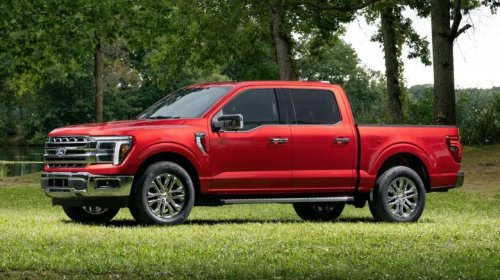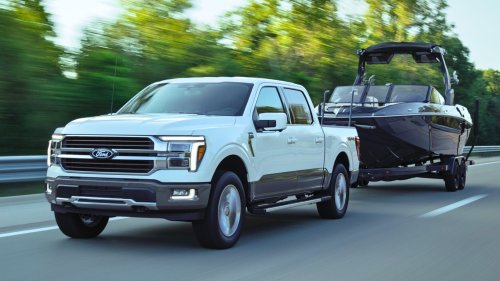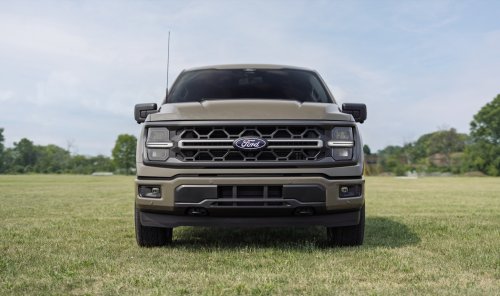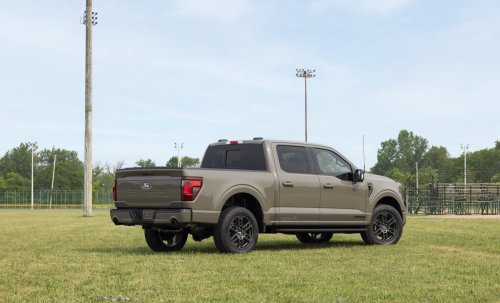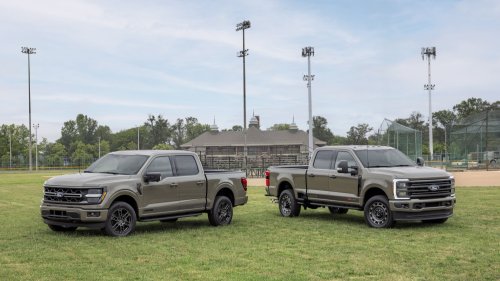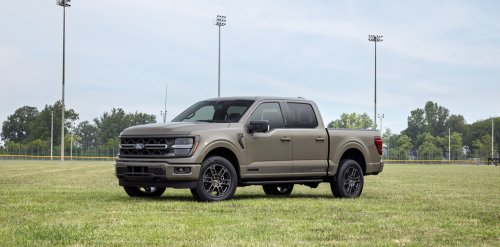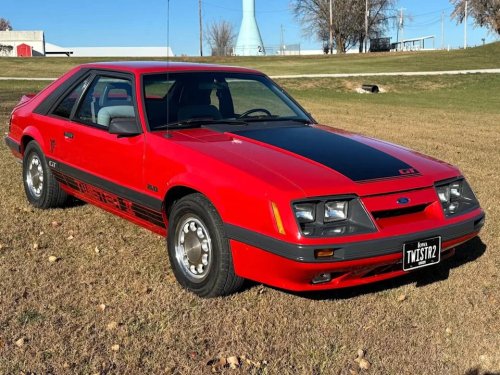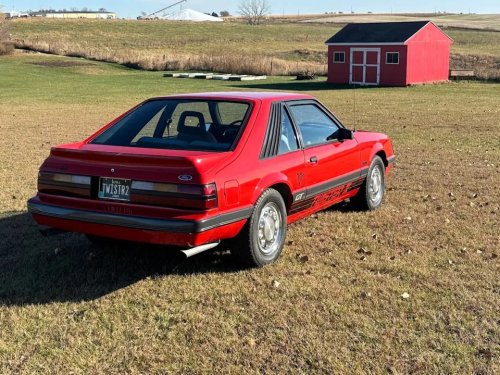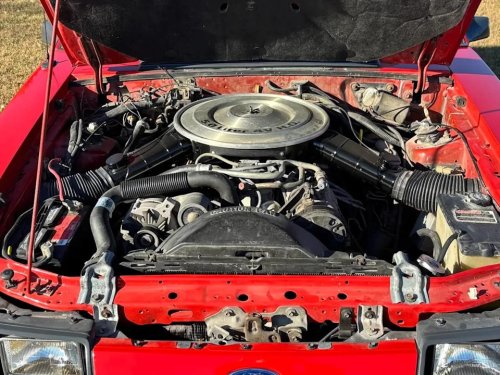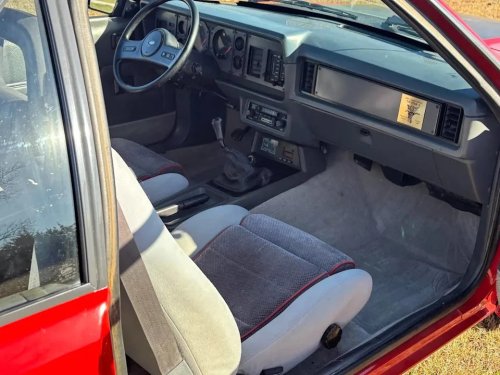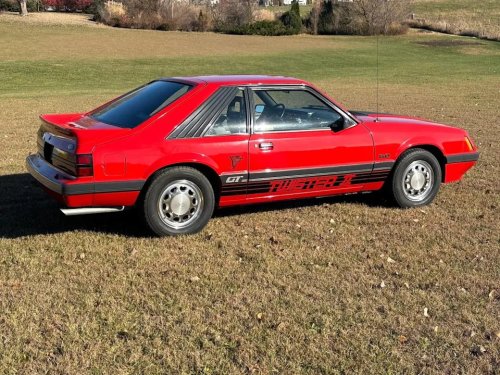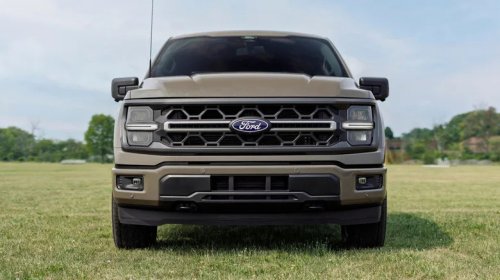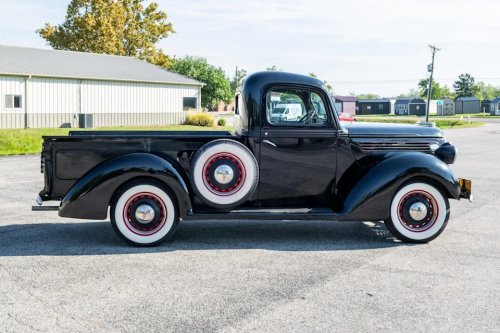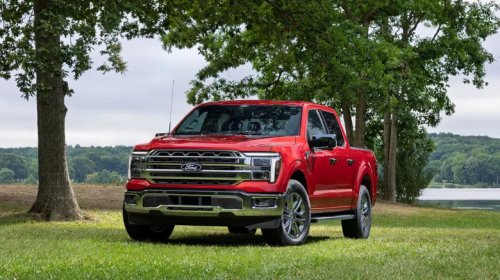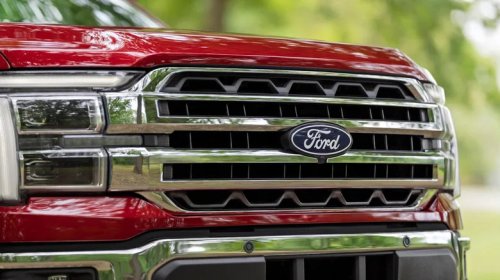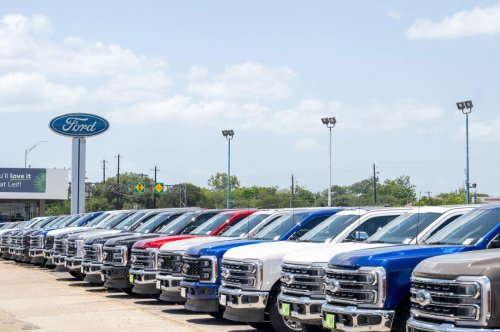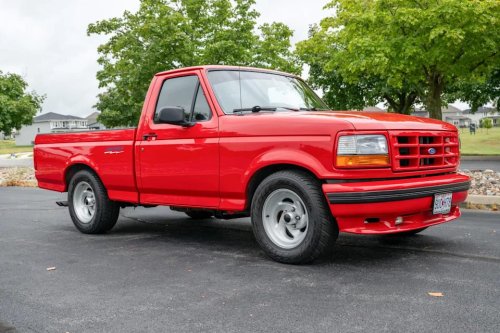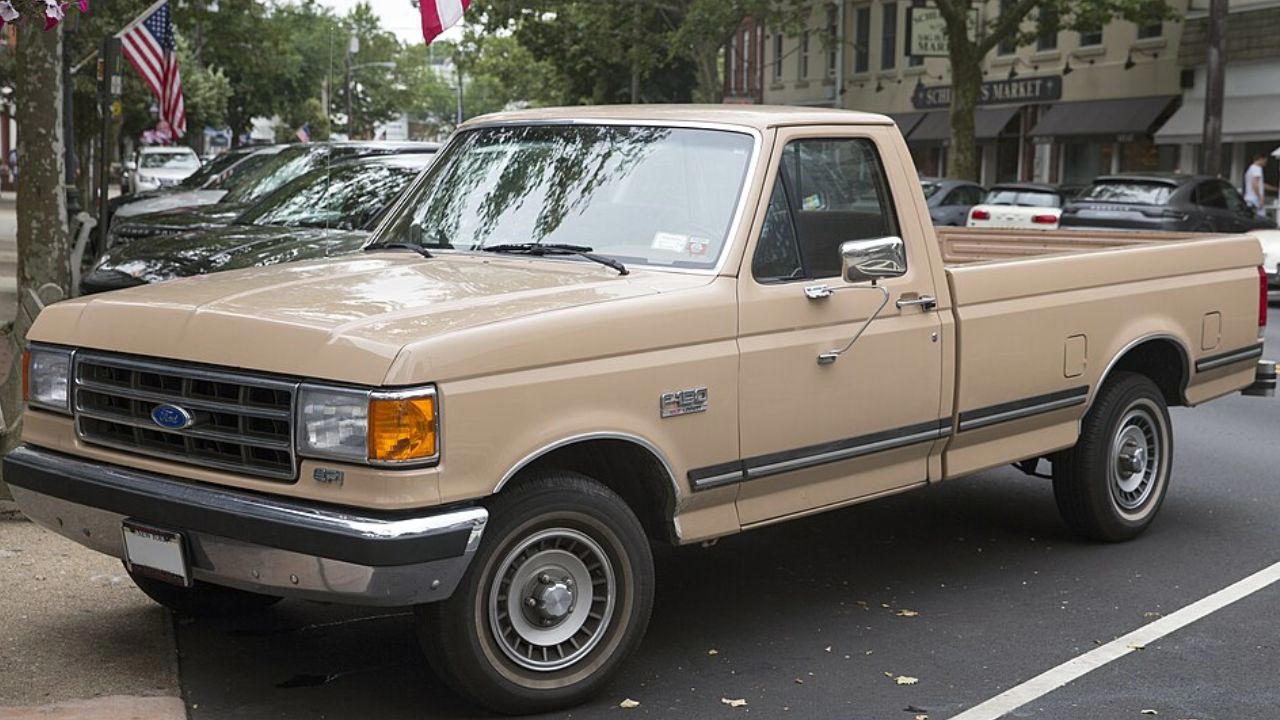



















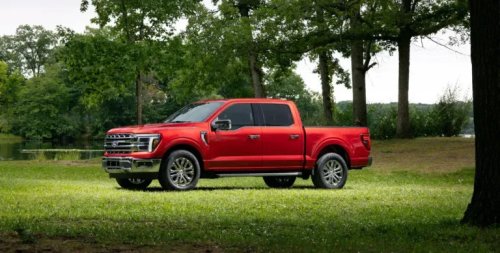

The 1989 Ford F-150 showed how trucks were starting to evolveThe 1989 Ford F-150 marked a significant turning point in the evolution of pickup trucks, blending traditional ruggedness with emerging technological innovations. As the automotive industry began to shift towards more versatile and consumer-friendly vehicles, the 1989 F-150 exemplified this transformation. This model helped pave the way for the modern truck era, standing as a testament to Ford’s ability to adapt and innovate amidst changing consumer demands. The Legacy of the Ford F-Series The Ford F-Series has long been a cornerstone of the American automotive landscape. Since its debut in 1948, it has consistently set the standard for pickup trucks. The F-Series was originally designed as a purely utilitarian vehicle, serving the needs of farmers and tradesmen who required a dependable and sturdy workhorse. Over the decades, the series evolved, reflecting shifts in consumer preferences and advancements in automotive technology. By the late 1980s, the F-Series had transformed from a simple work vehicle into a multifaceted option catering to a broader audience. This evolution was marked by an increased focus on comfort, style, and versatility, without sacrificing the durability that had made it popular. The 1989 Ford F-150 played a pivotal role in this transformation, bridging the gap between traditional pickup trucks and the more lifestyle-oriented vehicles that would follow. This model helped solidify Ford’s reputation as a leader in the pickup truck market, a position it maintains to this day. The impact of the Ford F-150 on the marketplace cannot be overstated. Its success helped propel the F-Series to become the best-selling vehicle line in the United States, a title it has held for decades. This dominance is a testament to the model’s ability to adapt and remain relevant in a rapidly changing automotive landscape, a feat that few other vehicle lines can claim. For a detailed look at the evolution of the F-Series, visit Car and Driver. Design and Technological Advancements The 1989 Ford F-150 introduced several design elements that set it apart from its predecessors. It featured a more aerodynamic body style, reflecting a growing trend in the automotive industry towards vehicles that were not only functional but also visually appealing. This shift in design philosophy was part of a broader effort by Ford to attract a wider range of consumers, including those who valued aesthetics as much as performance. Technologically, the 1989 model incorporated several advancements that enhanced its appeal. Notably, it featured improvements in engine and drivetrain technology, which provided better performance and reliability. The inclusion of an electronic fuel injection system, for example, marked a significant step forward in terms of efficiency and emissions control. These technological enhancements made the truck more appealing to consumers who were increasingly concerned with environmental issues and fuel economy. Comfort and convenience were also prioritized in the 1989 F-150. The interior was designed with the driver in mind, featuring more comfortable seating and a more user-friendly dashboard layout. These improvements reflected a broader trend in the automotive industry towards creating vehicles that were not only functional but also enjoyable to drive. This shift was crucial in expanding the appeal of pickup trucks beyond their traditional market. Performance and Engine Options One of the standout features of the 1989 Ford F-150 was its engine lineup, which offered a range of options to suit different needs. The introduction of the respected inline-six engine was particularly noteworthy. This engine became renowned for its balance of power and efficiency, earning a reputation as a reliable and durable choice for truck owners. For more on why this engine is gaining respect among collectors, see HotCars. The 1989 F-150 offered a variety of engine choices, allowing consumers to select a configuration that best suited their needs, whether it was for towing, hauling, or everyday driving. The balance between power and fuel efficiency was a key selling point, especially as consumers became more conscious of fuel costs and environmental impact. This focus on efficiency did not come at the expense of performance, however, as the 1989 model was more than capable of handling demanding tasks. When compared to its competitors at the time, the 1989 F-150 stood out for its combination of performance, efficiency, and reliability. It offered a driving experience that was both smooth and powerful, making it a versatile choice for a wide range of consumers. This versatility was a significant factor in its market success and helped to set the standard for future models. Market Impact and Consumer Reception The 1989 Ford F-150 was well-received by the market, quickly becoming a favorite among consumers and critics alike. Its blend of traditional pickup truck capabilities with modern conveniences resonated with a wide audience, helping it to achieve impressive sales figures. The model’s success helped Ford to capture a significant share of the pickup truck market, reinforcing its position as a leader in the industry. Sales figures for the 1989 F-150 were strong, reflecting the model’s broad appeal. Its success was not just limited to its initial release; the innovations and improvements introduced with this model continued to influence consumer expectations for years to come. The feedback from consumers played a crucial role in shaping future iterations of the F-Series, as Ford continued to refine its offerings based on user needs and preferences. The impact of the 1989 F-150 extended beyond sales figures, as it helped to redefine what consumers expected from a pickup truck. It set a new benchmark for comfort, performance, and versatility, influencing both consumer expectations and industry standards. This influence is evident in the design and features of modern pickup trucks, which continue to build on the foundation laid by models like the 1989 F-150. The 1989 F-150’s Influence on Future Models The innovations and design choices of the 1989 Ford F-150 had a lasting impact on the development of later F-Series trucks. The shift towards more consumer-friendly features and improved performance set the stage for future models, which continued to push the boundaries of what a pickup truck could be. As the automotive industry evolved, so too did the F-Series, incorporating new technologies and design elements that enhanced both functionality and appeal. The transition from utilitarian vehicles to lifestyle-oriented trucks was a significant trend in the automotive industry, and the 1989 F-150 was at the forefront of this movement. This model demonstrated that pickup trucks could be both practical and comfortable, appealing to a broader audience and opening up new possibilities for what these vehicles could offer. This shift in focus helped to drive innovation in the industry, leading to the development of trucks that were not only capable but also enjoyable to drive. Today, the legacy of the 1989 F-150 is evident in the latest models, including electric and hybrid variations that continue to push the envelope in terms of technology and sustainability. For more information on Ford’s latest developments in electric trucks, visit AutoEvolution. The ongoing evolution of the F-Series is a testament to Ford’s commitment to innovation and its ability to adapt to changing consumer demands. Comparing the 1989 F-150 to Modern Trucks The 1989 Ford F-150 laid the groundwork for many of the trends that define modern truck design and functionality. Its focus on comfort, performance, and versatility set a new standard for what consumers could expect from a pickup truck. Today, modern trucks continue to build on this foundation, incorporating both traditional elements and cutting-edge technology to meet the needs of a diverse audience. Modern trucks are equipped with an array of advanced features that would have been unimaginable in 1989. Innovations such as advanced safety systems, connectivity features, and hybrid powertrains have transformed the role of trucks in society. These vehicles are no longer just workhorses; they have become an integral part of everyday life, serving as family transportation, recreational vehicles, and more. The evolving role of trucks reflects broader changes in consumer preferences and technological advancements. As society continues to evolve, so too will the pickup truck, building on the legacy of models like the 1989 Ford F-150. For a comprehensive history of the Ford F-150 from its inception to the present, check out MotorTrend. More from Fast Lane Only Unboxing the WWII Jeep in a Crate 15 rare Chevys collectors are quietly buying 10 underrated V8s still worth hunting down Police notice this before you even roll window down