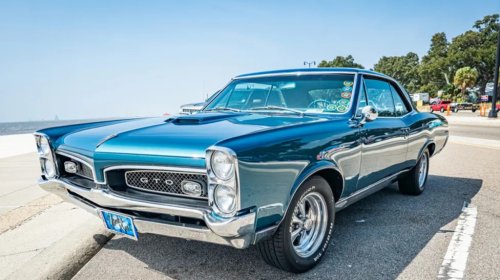
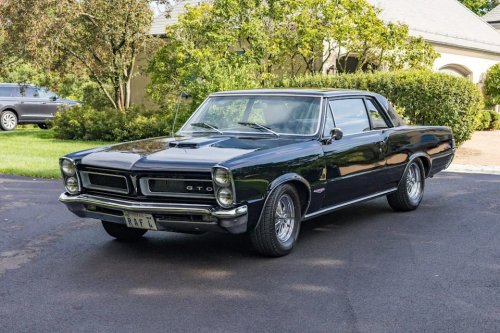
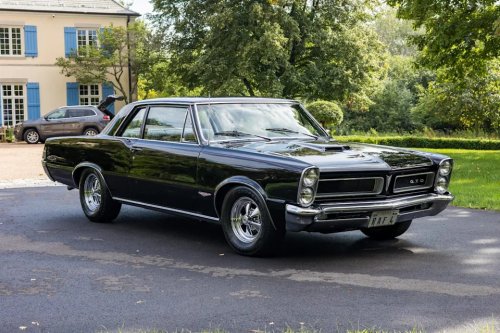
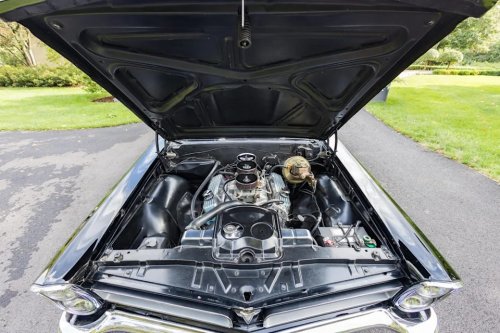
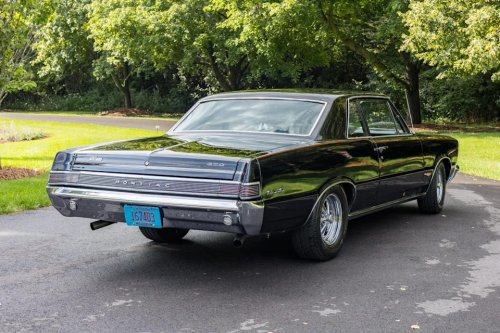
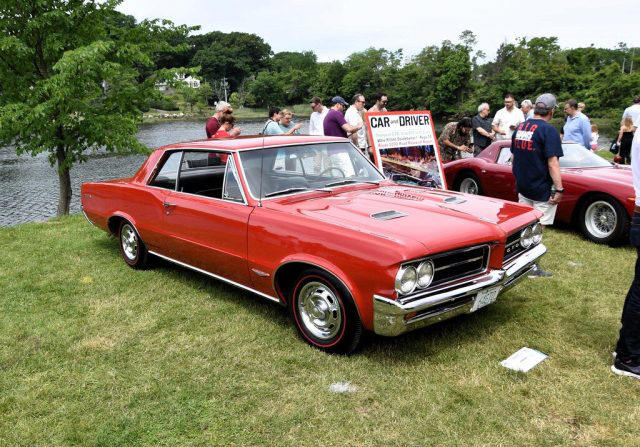
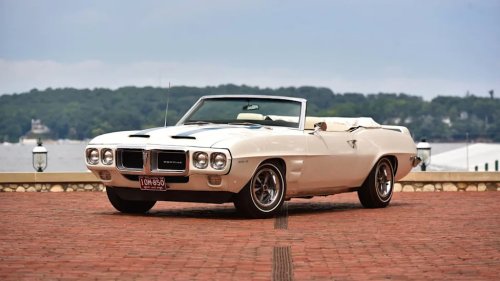
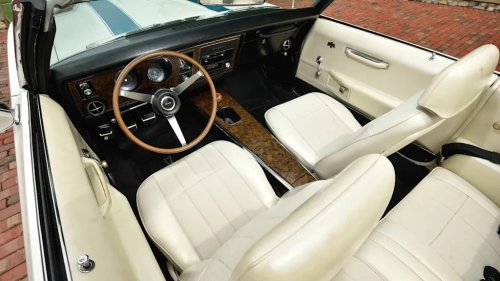
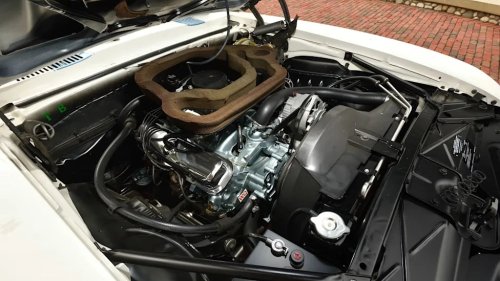
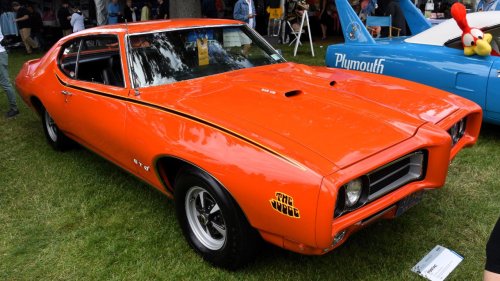
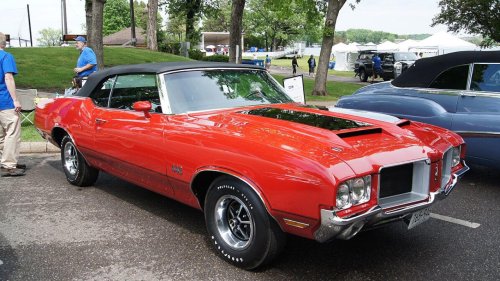
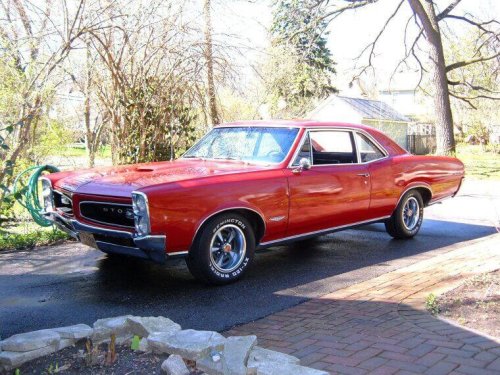
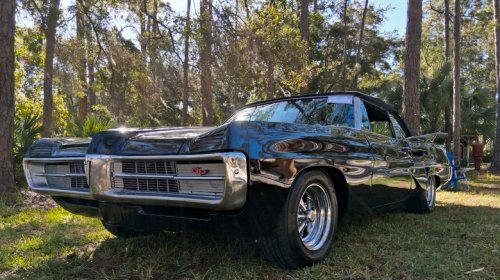
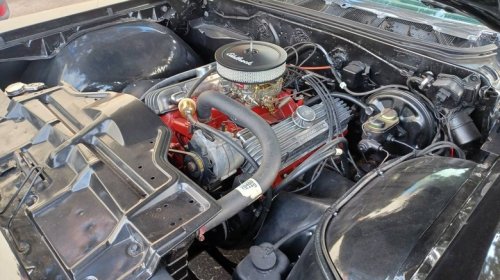
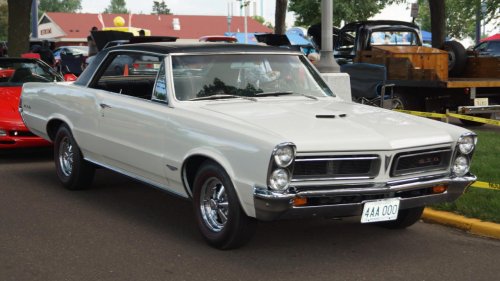
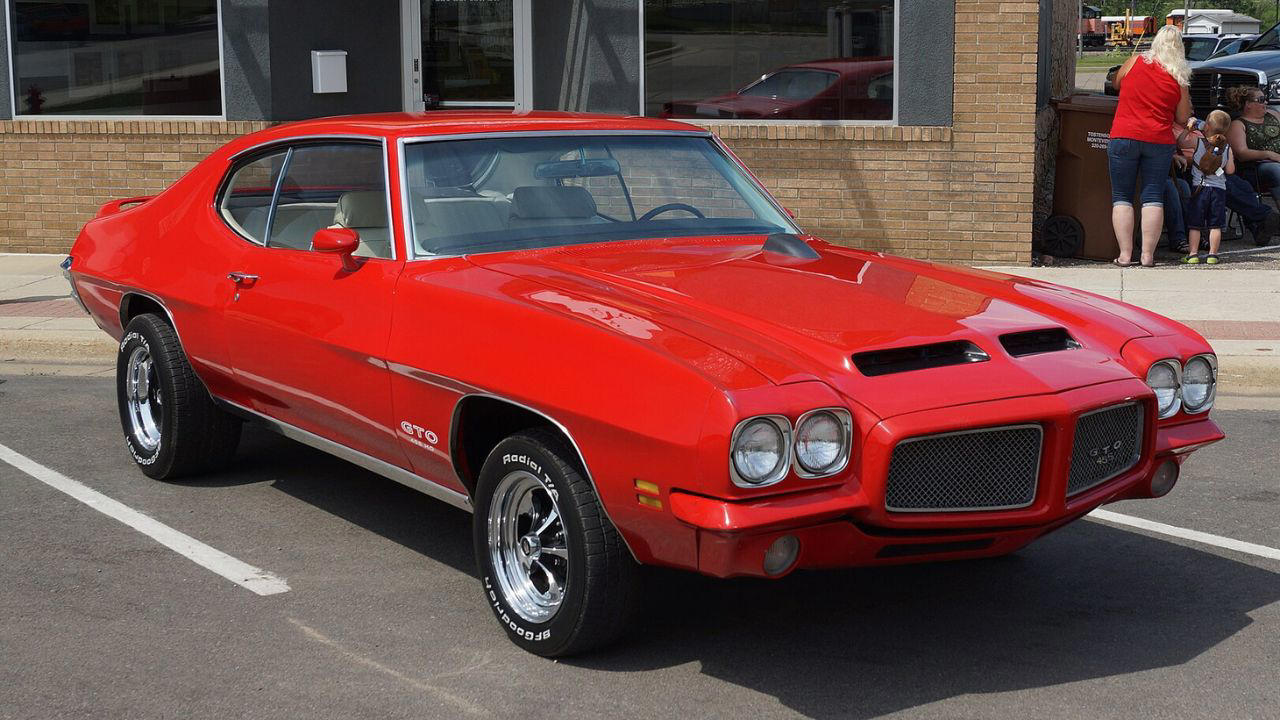
The 1971 Pontiac GTO showed how quickly regulations reduced muscle car powerThe 1971 Pontiac GTO arrived just as American performance cars ran into a wall of new rules and rising costs. Within a single model year, compression ratios, official power ratings and even buyer enthusiasm were all forced in a new direction. The car still looked every inch a muscle machine, yet its spec sheet showed how quickly regulation and economics could drain power from an icon. Seen from a distance of five decades, the 1971 Pontiac GTO captures the moment when raw horsepower met emissions law, insurance crackdowns and fuel worries. Its engines, sales figures and engineering compromises tell a clear story of how the muscle car era began to unravel almost overnight. The GTO hits the regulatory wall By 1971, Pontiac GTO engineers were no longer fighting rival brands for bragging rights; they were fighting legislation. Enthusiast accounts describe the 1971 Pontiac GTO as a turning point, with growing emissions rules and rising insurance costs reshaping what a performance car could be. One summary of the 1971 model highlights the iconic 400-cubic-inch V8 that had defined the GTO, then immediately notes how far its output had fallen from earlier peaks. At the same time, the Pontiac GTO was being squeezed by factors outside the engineering department. Rising insurance rates targeted muscle cars specifically, with one analysis describing how insurers had been wising up to performance models and cracking down on rates accordingly. Another overview of the late 1960s and early 1970s muscle market points to rising insurance rates that focused on cars with higher accident rates, costlier repairs and a reputation for street racing. The GTO, which had helped start the horsepower race, was now paying the price for that reputation. Compression ratios fall, power follows The most immediate mechanical change for 1971 was compression. Company insiders and enthusiasts alike recall that General Motors dropped compression ratios across its 1971 lineup to prepare for Unleaded Fuel. A clip extracted from a Pontiac promotional film notes that GM had reduced compression on all 1971 models, so a reduction in horsepower for 1971 was unavoidable, a decision driven less by marketing and more by the need to meet new emissions and fuel standards. Technical write-ups on the 1971 GTO confirm how this looked on paper. The GTO’s standard 400-cid powerplant was rated at 300 horsepower and dropped to an 8.2:1 compression ratio, a significant change from the high-compression engines that had defined late 1960s performance. Another specification sheet for the 1971 Pontiac GTO lists a 400 V8 engine rated at 300 horsepower at 4,800 rpm with 400 lb-ft of torque and a compression ratio of 8.2:1. Both descriptions show the same pattern: similar displacement, much lower squeeze, and therefore less power. Even the high-performance 455 options reflected this shift. A detailed breakdown of the 1971 Pontiac GTO 455 H.O. lists Type: Displacement | Pontiac OHV V-8; 455 cubic inches and Type: Compression ratio | cast-iron block and cylinder heads: 8.4:1. That 8.4 figure was far below the double-digit compression ratios that had been common only a few years earlier. The same source notes that 1971 would prove to be a transitional year for the supercar market, as compression ratios and power ratings began to drop as a result of emissions rules and fuel changes. From Ram Air to restraint Just one year earlier, the GTO could be ordered with the Ram Air IV package, one of the most aggressive factory engines of the era. By 1971, that option was gone. A summary of the 1971 Pontiac GTO points out that the base engine now produced 255 horsepower, significantly down from previous years, while the higher-performance Ram Air IV engine was discontinued. The same overview notes that only 5,807 units were produced, a stark contrast to the sales volumes that had made the GTO a household name. Another enthusiast specification sheet presents a slightly different angle on the same car, describing the 1971 Pontiac GTO with a 400 V8 engine typically produced 300 horsepower rated at 300 horsepower at 4,800 rpm with 400 lb-ft of torque. That description also highlights an 8.2:1 compression ratio and mentions a lower compression 265-horsepower version of the same engine. The variation between 255, 265, and 300 horsepower figures reflects how different trims and rating methods were in flux, but the direction of travel is clear: output was falling even as displacement stayed familiar. The big-cube 455 H.O. tried to keep the flame alive. A period fact sheet notes that the 455 H.O. was rated at 335 g gross hp and 480 lb-ft (340 PS, 651 Nm), yet adds that the enormous displacement was not impressing anyone anymore, with 3,959 built in 1970 and far fewer in 1971. That comment captures the mood: buyers were starting to see high-output V8s as expensive liabilities rather than aspirational upgrades. A dragstrip comparison that tells the story Nothing illustrates the 1971 shift better than Pontiac’s own promotional footage. In a factory film, a 1971 Judge with the 455 H.O. is shown drag racing a 1970 GTO RAIV. The clip describes the 1971 Judge as basically a low compression version of the 1970s RAIV engine, but with 55 m more cubic inches. The extra displacement was supposed to compensate for lower compression and cleaner tuning, yet the need to add 55 m cubic inches just to stay competitive reveals how much performance was being sacrificed to regulation. The video also sits alongside another commentary from the same source, which explains that GM had dropped all the compression ratios on all their 1971 models in order to run Unleaded Fuel, so a reduction in horsepower for 1971 was unavoidable. The dragstrip showdown therefore, doubles as a visual explanation of the new era: more cubes, less squeeze, and a lot of engineering effort just to hold the line against last year’s car. Emissions law and the Clean Air Act Behind those mechanical changes sat the Clean Air Act and its amendments. A detailed overview of 1970s horsepower points directly to the 1963 Clean Air Act and following amendments in 1970 and 1977, along with the requirement for converters for most cars starting in 1975, and the adjustments needed for an engine to run in compliance. These legal steps did not target the Pontiac GTO by name, but they reshaped every carburetor, camshaft, and ignition curve in Detroit. Another technical explainer on performance regulations describes how Federal emissions standards imposed on OEMs were mandated, reducing vehicle weight, redesigning engine packages, and adding air pumps and carburetors with limited adjustments. These changes were meant to cut pollution, but they also restricted airflow and tuning freedom. For a high compression V8 that had been optimized for leaded high octane fuel, the shift to unleaded and the need to meet tailpipe standards meant retarded ignition timing, lower compression and more conservative cam profiles. Enthusiast discussions of the period echo the same themes. One widely shared explanation of why American muscle cars suffered downfalls points to leaded fuel being on its way out, compression ratios dropping, engines being choked, and the combined impact of the Oil embargo and emissions rules. In that context, the 1971 GTO’s softened engines were not a failure of nerve from Pontiac; they were a direct response to new national priorities. Insurance and operating costs close in Regulation was only half the story. The other half sat in the monthly bills. A detailed feature on the 1971 Pontiac GTO 455 H.O. notes that insurance companies had already been wising up to the antics associated with performance cars and were cracking down on rates accordingly. That meant a teenager or young adult who might once have stretched to afford a GTO was now facing premiums that rivaled the car payment. A broader look at the end of the muscle car era points to rising insurance rates that specifically targeted muscle cars due to their higher accident rates, costlier repairs and attractiveness to risky drivers. By the early 1970s, insurers were using engine displacement, horsepower ratings, and even model names as triggers for surcharges. That created a perverse incentive for manufacturers to tone down official power figures or drop the wildest packages, since outrageous numbers on paper translated directly into higher costs for buyers. Commentary from enthusiasts also highlights what happened after 1971. One discussion argues that after 1971, everything was low compression, catalytic converters and smog pumps, and that Pontiac’s SD 455 was the last engine that had muscle car numbers. Even that final hurrah was produced in tiny quantities and carried insurance penalties that limited its real-world reach. Gross versus net horsepower confusion There is another reason the early 1970s look like a cliff in the horsepower charts. Until 1972, American automakers used gross horsepower figures. A technical breakdown of rating practices explains that until 1972, American manufacturers quoted gross horsepower, a measurement that did not include parasitic losses from accessories, exhaust, and realistic intake setups. By the mid 1970s, the industry had moved to net ratings that reflected engines as installed in cars, which made the numbers look smaller even when real performance changed less dramatically. A video explainer on why muscle car horsepower dropped after 1972 emphasizes this measurement shift. It notes that gross horsepower measurement did not include parasitic losses, which are factors like alternators, water pumps, and full exhaust systems. Once those were accounted for, official figures fell, even if the underlying engine hardware had not changed as drastically as the charts suggested. For the 1971 GTO, the confusion is compounded by overlapping gross and early net style ratings. Enthusiast sources list the standard 400 at 300 horsepower, while another overview of the Pontiac GTO line states that from 1971, the engine was rated at 300 hp (220 kW) at 4,000 rpm and 415 lb⋅ft of torque, despite its 8.4:1 compression. Sales fell by 45%, to 5,811. The wording suggests a net-style description, yet the compression figure of 8.4 and the steep sales drop match the broader story of declining appetite for high-output V8s. Sales slide and shrinking demand The sales numbers for 1971 confirm that the market was pulling back. One summary of the year notes that only 5,807 GTOs were produced, a sharp fall from the late 1960s peak. Another set of data describes how sales fell by 45%, to 5,811, once the lower compression engines and new ratings arrived. The tiny difference between 5,807 and 5,811 likely reflects different counting methods, but both figures show the same collapse in volume. That decline fits with broader commentary about when the muscle car era ended. A widely shared opinion from enthusiasts claims that after 1971, everything was low compression, catalytic converters, and smog pumps, and that engines were rated differently until 70-71. Whether one accepts that cutoff date or prefers a more gradual timeline, the 1971 GTO sits right at the inflection point. More from Fast Lane Only Unboxing the WWII Jeep in a Crate 15 rare Chevys collectors are quietly buying 10 underrated V8s still worth hunting down Police notice this before you even roll window down



















 +44 others