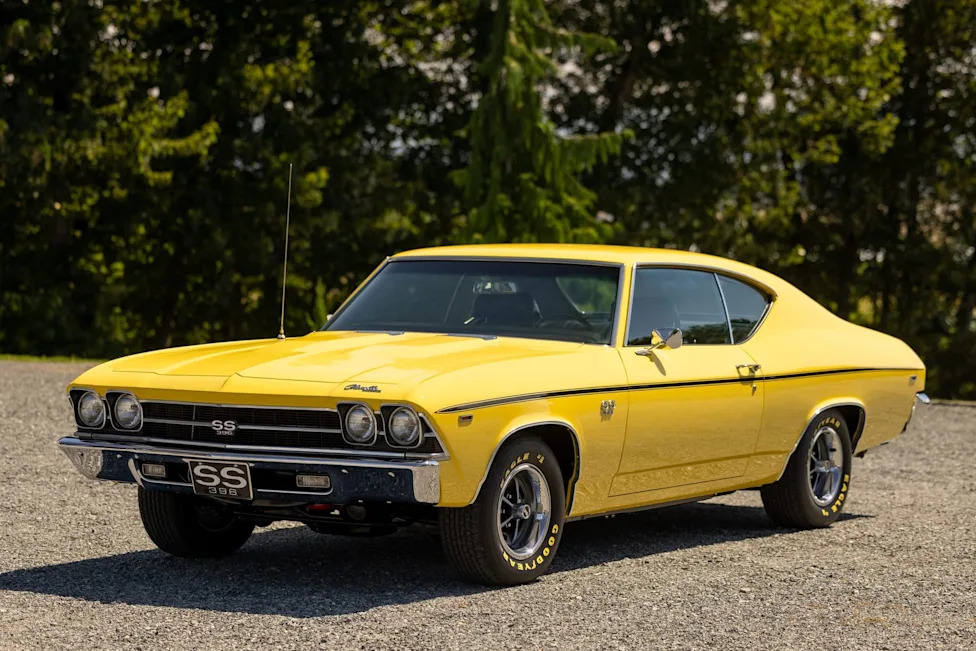
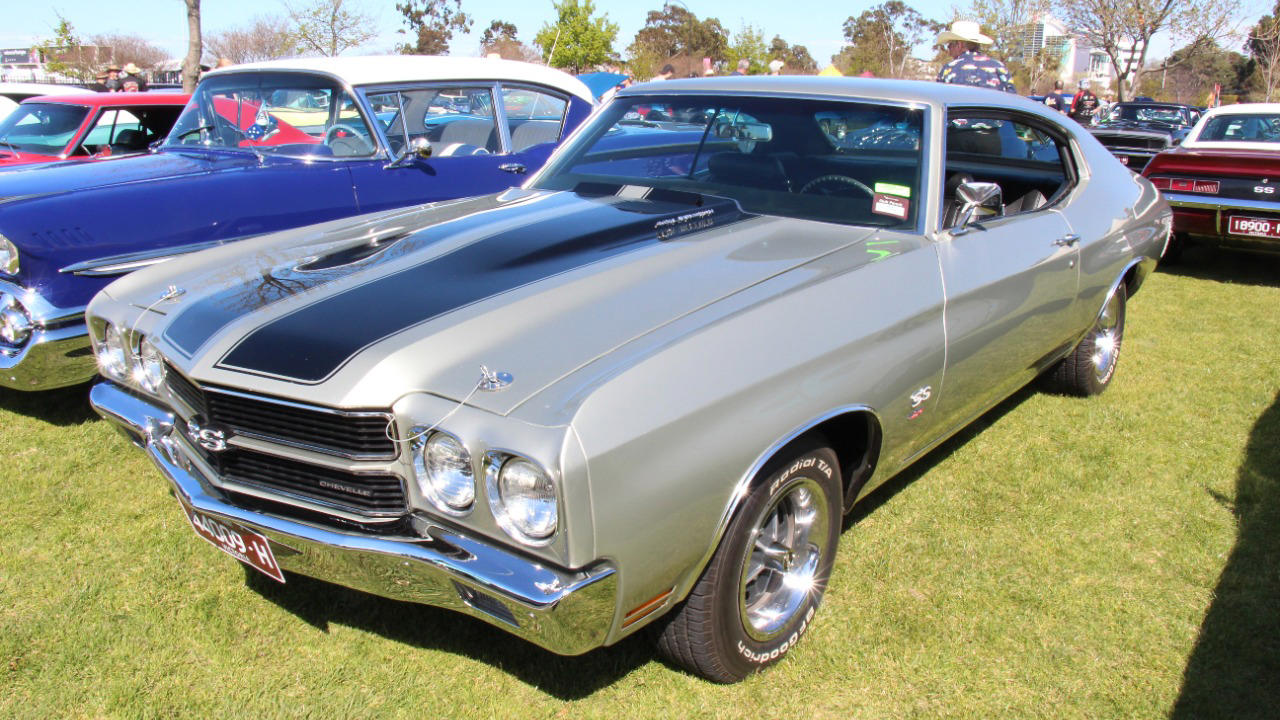
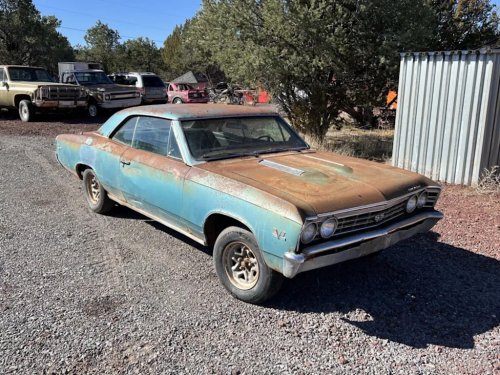
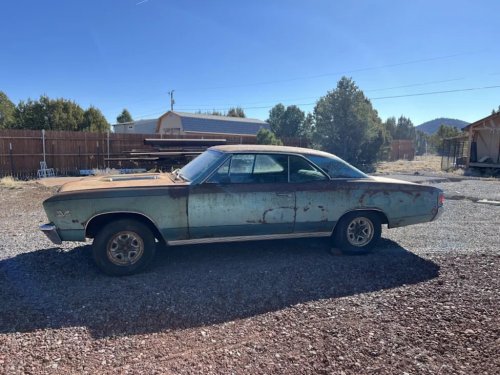
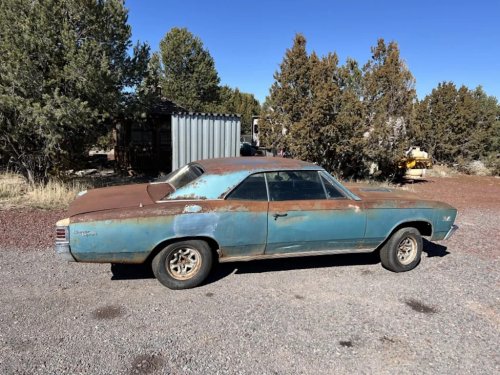
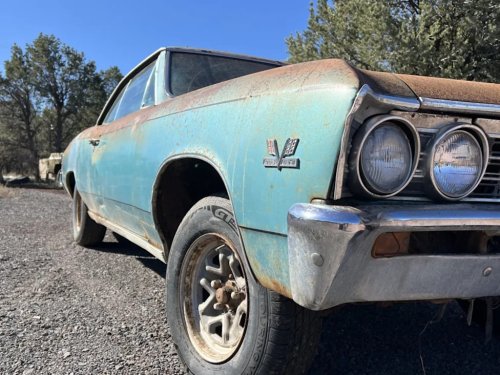
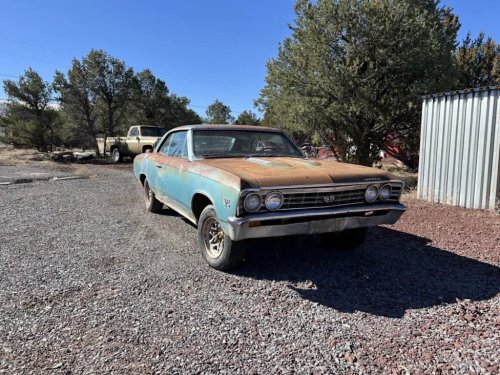
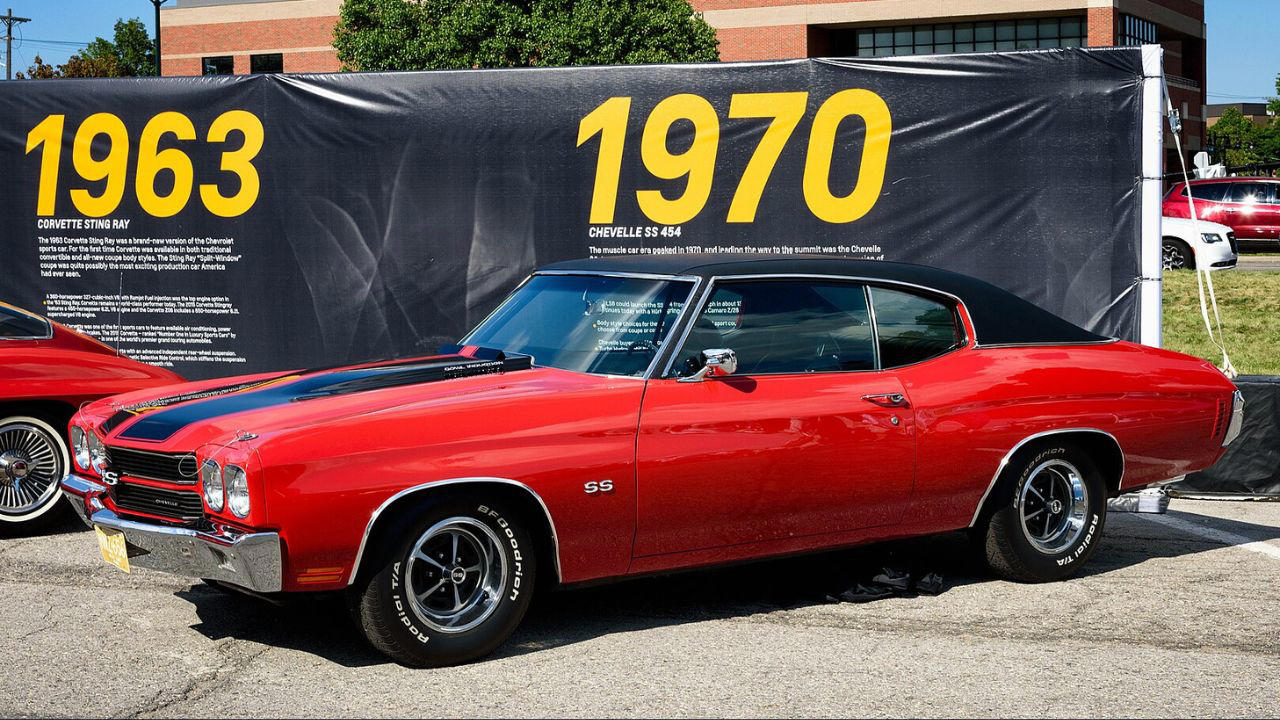
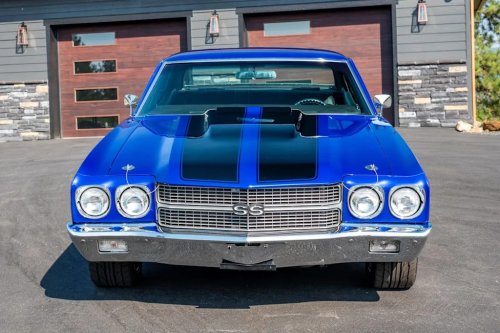
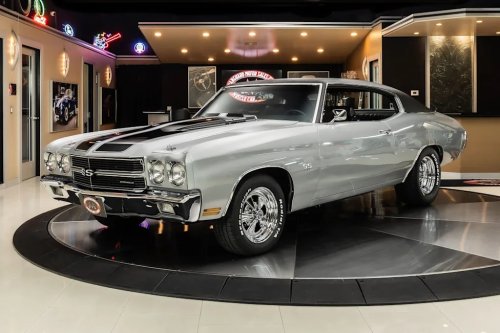
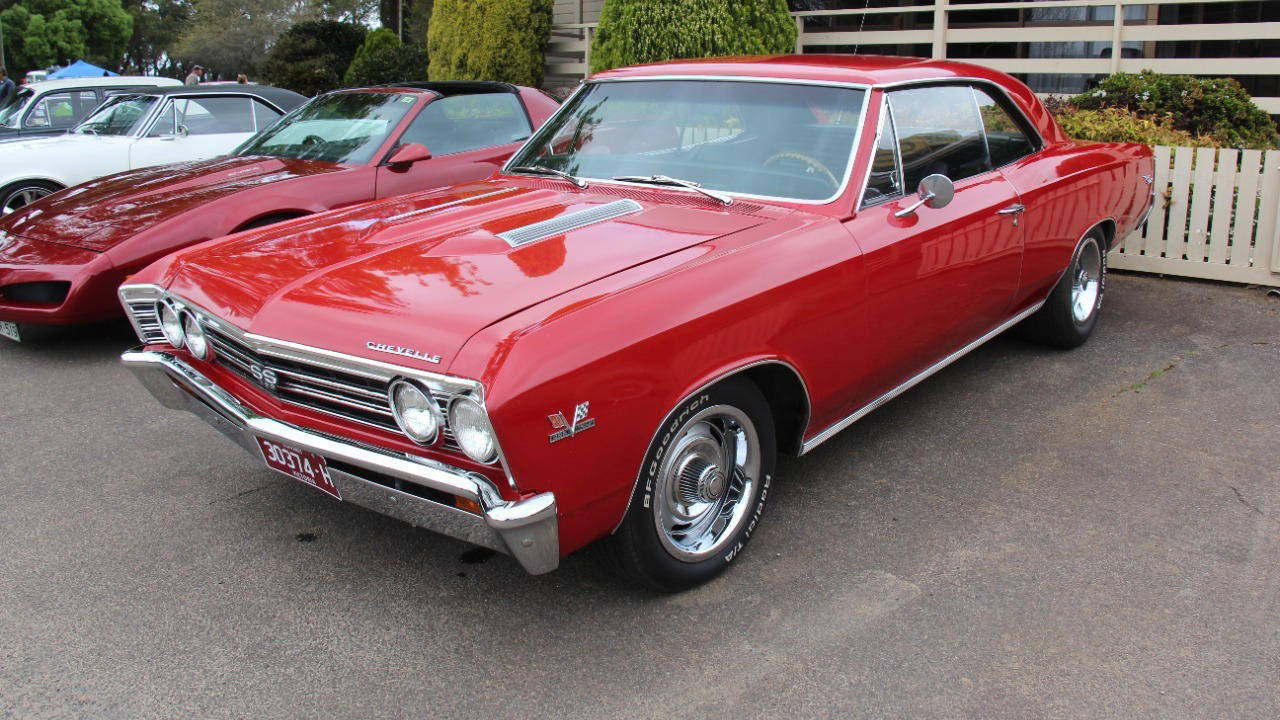
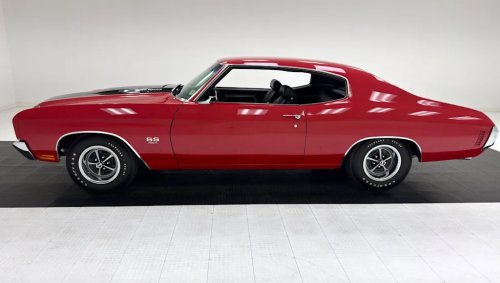
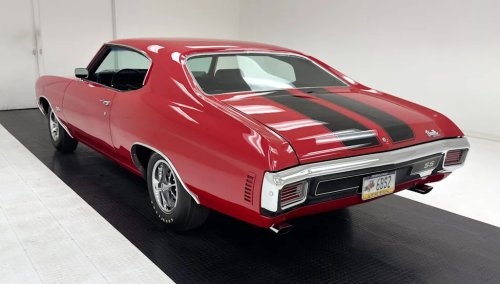
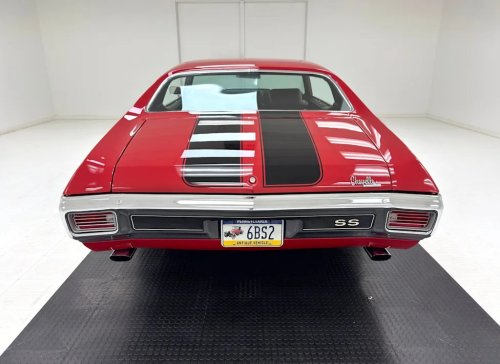
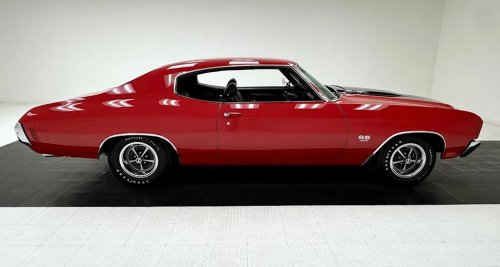
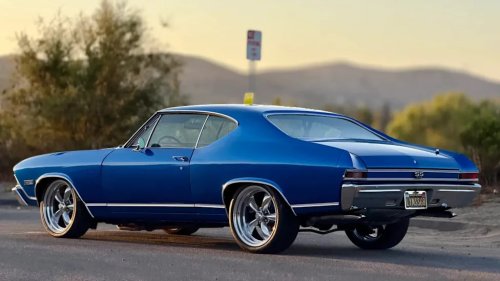
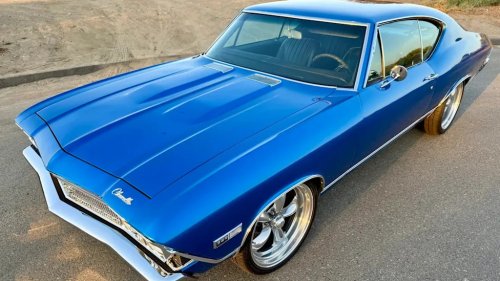
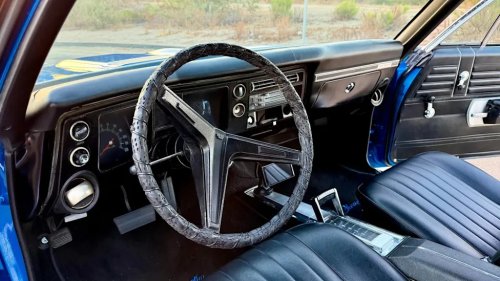
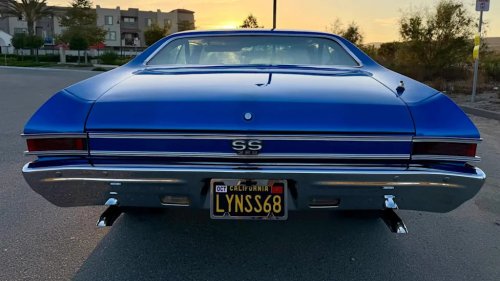
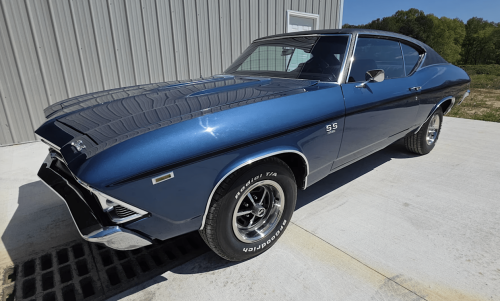
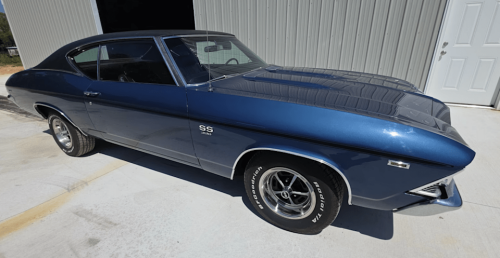
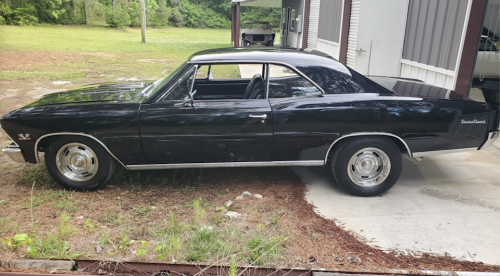
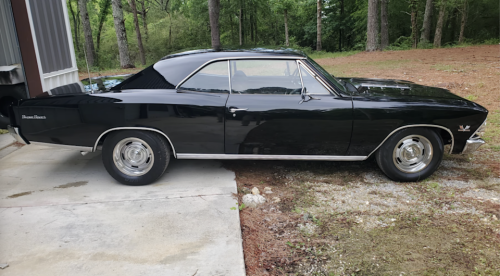
Chevelle SS 396 helped redefine what a mid-size car could doThe Chevelle SS 396 arrived just as American buyers were discovering how wild a mid-size car could be. By dropping big-block power and race-bred hardware into a family-friendly footprint, Chevrolet turned a sensible intermediate into a street legend that reset expectations for performance, style, and everyday usability. Over a handful of short model years, the Chevelle SS 396 evolved from limited-production experiment to mass-market phenomenon, proving that a mid-size platform could run with the quickest machines of its era while still hauling kids, groceries, and luggage. From practical mid-size to Super Sport When the Chevy Chevelle arrived in the mid 1960s, Chevrolet aimed it squarely at the growing demand for a practical mid-size car that sat between compact and full-size offerings. Enthusiasts soon discovered that this middle ground was the perfect canvas for serious performance. The Chevelle SS package, introduced early in the run, added V8 power and visual drama to what had started as a straightforward family car, and it quickly helped define the Chevelle SS identity inside the broader muscle movement. Fans later celebrated this transformation in enthusiast communities, where the Chevelle SS is often described as one of Chevrolet’s most legendary muscle cars, a Super Sport symbol of pure American power and style that still resonates with ClassicCar and VintageCars collectors. That shift from ordinary mid-size to aspirational performance machine sits at the heart of how the SS 396 changed expectations for the segment. The Z16 experiment that lit the fuse The path to the Chevelle SS 396 began with a bold limited-run test. In 1965, Chevrolet built a small batch of Chevelle SS models under the Z16 code, each fitted with a 396 cubic inch big-block V8. Only 201 of these cars were produced, a figure that has since become legend among collectors who track every surviving example of this early Chevelle SS experiment. Chevrolet used the Z16 to gauge whether buyers really wanted full-size performance in a mid-size wrapper. The History of the Chevelle SS Z16 shows that the company had a keen eye on the growing muscle car trend and saw the potential of the 396 engine to deliver remarkable speed and performance in a smaller package. By proving that customers would pay for a Chevelle SS that could run with larger and more expensive models, the Z16 set the stage for the broader SS 396 program that followed. Making the SS its own Series After the Z16, Chevrolet moved quickly. By 1966, the SS treatment had become so popular that the company elevated it from an option package to a distinct Series within the Chevelle lineup. Instead of a simple box on an order form, the SS identity now defined entire cars, complete with unique styling, trim, and performance hardware that separated them from ordinary Chevelles. This move signaled that mid-size performance was no longer a fringe idea but a core part of Chevrolet’s strategy. The decision to give the SS its own Series running from the mid 1960s through the late 1960s confirmed that the market had embraced the concept of a mid-size muscle car that could be ordered as easily as any family sedan. 1966 Chevelle SS 396: America’s Musclecar in a family suit The 1966 Chevelle SS 396 is often cited as the moment when the formula truly came together. Under the hood, a range of 396 big-block Chevelle Engines delivered serious power, while the chassis received upgrades intended to handle the extra speed. Period coverage described wide rear tires, a heavy-duty suspension, and a cast-iron intake manifold that helped the engine deliver strong torque across the rev range. In practice, this meant a car that could light up the quarter-mile yet still carry four adults in comfort. Some testers questioned Chevrolet’s claim that the SS 396 had substantially stiffer springs and shocks, noting that its handling could still feel wayward when pushed hard. Even so, the combination of straight-line performance, muscular styling, and usable space made the 1966 Chevelle SS 396 one of America’s defining Musclecar icons. Design, comfort, and the mid-size sweet spot The appeal of the SS 396 went beyond horsepower. The 1966 Chevelle body kept Exterior dimensions close to the previous year, even as the styling shifted to a more aggressive, sculpted look. This preserved the practical footprint that buyers expected from a mid-size car, which meant the SS 396 could still fit in tight garages and crowded city streets. Inside, the Chevelle SS combined performance cues with comfort. Interior vinyl color choices, bucket seats, and a floor console helped set the Super Sport apart from base models. Later commentary on the midsize masterpiece concept notes that, besides enhanced power, Chevelle SS models typically featured unique emblems, specific vinyl seats, and other trim that made them feel more special than a simple engine swap would suggest. The result was a car that felt like a complete performance package, not just a straight-line toy. 1968: A second generation and a sharper SS 396 The second-generation Chevelle arrived for 1968 with a new body and a renewed focus on performance. The high-performance Chevelle SS 396 returned as the flagship, carrying over the 396 identity that enthusiasts already recognized. The SS version of the mid-size Chevelle continued to blend everyday usability with high speed, and its presence on both the drag strip and the open road cemented its reputation. Collectors often point to specific 1968 SS 396 configurations as especially desirable. Commentary on the most collectable 1968 Chevelle SS 396 traces that desirability back to the original Z16 heritage, noting that the very first Chevelle SS396 appeared in limited numbers in 1965 and that only 201 were built. That scarcity, combined with the continued evolution of the SS 396 formula, helped turn the late 1960s Chevelle into one of the most sought-after mid-size muscle cars of its time. 1969: SS 396 goes mainstream on the Malibu For 1969, Chevrolet made a strategic shift that broadened the reach of the SS 396 concept. Instead of standing as a separate model, the SS 396 package was recast as Regular Production Option Z25 on the Malibu. This move effectively turned the Malibu into a gateway to big-block performance, allowing buyers to order a 396-powered car through a familiar mid-size nameplate. The decision to position the SS 396 as a Regular Production Option on the Malibu helped bring high performance to a wider audience. Enthusiast commentary on the 1969 Chevrolet Chevelle SS 396 highlights how this combination delivered classic styling, thunderous performance, and unmistakable presence, all anchored by the familiar 396 badging that had already captured the imagination of muscle car fans. 1968 to 1970: Engine and technical evolution Between 1968 and 1970, Chevrolet refined the mechanical package behind the Chevelle SS 396. Engine and technical specifications for these years show a range of big-block V8 options, each identified by a specific Engine Code, Configuration, Displacement, and Horsepower rating. Buyers could choose manual or automatic transmissions, with many gravitating toward the big-block automatic of choice for street use. This period also saw advances in braking and handling. Historical context on the Chevelle SS notes that by the late 1960s, the SS models often included upgraded suspension components and, in some cases, front-disk brakes that improved stopping power. The combination of strong engines, better chassis tuning, and more capable brakes meant that the mid-size SS 396 was no longer just quick in a straight line. It was becoming a more complete performance car that could handle daily driving and spirited runs alike. How the SS 396 redefined mid-size expectations Before the Chevelle SS 396, the idea of a truly fast mid-size car was still taking shape. The Evolution Series on the Chevy Chevelle describes how Chevrolet introduced the car in 1964 as a mid-sized competitor, then steadily increased its performance to match the rising standards of the muscle era. The SS 396 represented the point where that evolution fully intersected with buyer demand for serious power. By offering a 396 cubic inch big-block in a mid-size shell, Chevrolet showed that a car did not need full-size bulk to deliver full-size thrills. The Chevelle SS 396 could carry a family, tow a small trailer, or commute in traffic, yet it also had the ability to run quarter-mile times that rivaled purpose-built performance cars. That versatility redefined what a mid-size car could be in the eyes of American buyers. Styling that matched the performance Visual identity played a major role in the SS 396 story. The Chevelle SS package typically added bold striping, blacked-out grilles, and prominent SS emblems that made the car instantly recognizable. A detailed look at midsize styling highlights how Chevelle SS models used unique SS emblems, special vinyl seats, and a floor console to signal their status. These touches mattered because they reinforced the idea that the SS 396 was more than just a powerful engine. It was a complete statement of intent from Chevrolet, aimed at drivers who wanted American muscle and everyday practicality in the same car. The styling cues, combined with the aggressive stance and wide rear tires, made the Chevelle SS 396 look as fast as it felt. From 396 to LS6: the legacy builds The impact of the SS 396 can also be seen in what came next. The big block Chevelle first appeared in 1965 as the Z16, a 396 cubic inch, 375-horsepower model that was limited to just 201 production units. That early success encouraged Chevrolet to keep pushing, eventually leading to the 1970 LS6 Chevelle that many enthusiasts still regard as America’s king of the streets. Without the groundwork laid by the SS 396, the LS6 and other later high-performance Chevelles might never have reached production. The 396 cars proved that there was a strong market for mid-size muscle with serious power, and they helped Chevrolet refine the suspension, braking, and drivetrain components that would support even more extreme engines in the early 1970s. Why collectors still chase the SS 396 Today, the Chevelle SS 396 occupies a special place in the collector market. Enthusiast groups devoted to the Chevrolet Chevelle SS often celebrate the model’s blend of power and style, pointing to early cars powered by a variety of V8 engines and later examples that focused on the 396 as the heart of the Super Sport identity. The combination of limited-production variants like the Z16 and more accessible mass-market cars ensures that the SS 396 appeals to both high-end collectors and grassroots enthusiasts. Online communities regularly highlight the 1966 Chevrolet Chevelle SS as one of the most iconic muscle cars of the 1960s, representing Chevrolet’s commitment to high-performance engineering in the broader history of American performance cars. That ongoing attention sustains values and keeps the SS 396 in the spotlight at auctions, shows, and restoration shops. A mid-size formula that still resonates Looking back, the Chevelle SS 396 did more than add horsepower to a mid-size chassis. It created a template that modern performance sedans and coupes still follow. By combining a practical footprint, usable interior space, and serious engine output, Chevrolet proved that drivers did not have to choose between family duty and driving excitement. More from Fast Lane Only Unboxing the WWII Jeep in a Crate 15 rare Chevys collectors are quietly buying 10 underrated V8s still worth hunting down Police notice this before you even roll window down



















 +50 others














!['What the [Expletive] Is That?:' Customer Complains Car is 'Shaking Like Crazy.' Then His Mechanic Takes a Closer Look At The Tire](https://cdn.topcarnews.net/thumb/id/aHR0cHM6Ly9jZG4ubW90b3IxLmNvbS9p-bWFnZXMvbWdsLzQwRTk0cS9zMS9tYXpk-YS1taWF0YS1vbi1zdHVkZGVkLXdpbnRl-ci10aXJlcy10ZXN0LmpwZw/79e14514a276098b50ad4c871b42cc60.jpg?t=20260920&post_id=3458)
!['What the [Expletive] Is That?:' Customer Complains Car is 'Shaking Like Crazy.' Then His Mechanic Takes a Closer Look At The Tire](https://cdn.topcarnews.net/thumb/id/aHR0cHM6Ly9jZG4ubW90b3IxLmNvbS9p-bWFnZXMvbWdsL01rWVFNNC9zMS9pbWdf-ODY0Mi5qcGc/6f1ec4b4318a8b257cc3e8a877ffe35f.jpg?t=20260920&post_id=3458)
!['What the [Expletive] Is That?:' Customer Complains Car is 'Shaking Like Crazy.' Then His Mechanic Takes a Closer Look At The Tire](https://cdn.topcarnews.net/thumb/id/aHR0cHM6Ly9jZG4ubW90b3IxLmNvbS9p-bWFnZXMvbWdsL2xFM3dsVy9zMS9pbWdf-ODY0OC1jb3B5LmpwZw/347bc674f00c1700fd29d2c57e842287.jpg?t=20260920&post_id=3458)
!['What the [Expletive] Is That?:' Customer Complains Car is 'Shaking Like Crazy.' Then His Mechanic Takes a Closer Look At The Tire](https://cdn.topcarnews.net/thumb/id/aHR0cHM6Ly9jZG4ubW90b3IxLmNvbS9p-bWFnZXMvbWdsL2JnMTJHdi9zMS9tYXpk-YS1taWF0YS1vbi1zdHVkZGVkLXdpbnRl-ci10aXJlcy10ZXN0LTAxLmpwZw/93bb67d2c8cc97fba8d2ff15175061ca.jpg?t=20260920&post_id=3458)
!['What the [Expletive] Is That?:' Customer Complains Car is 'Shaking Like Crazy.' Then His Mechanic Takes a Closer Look At The Tire](https://cdn.topcarnews.net/thumb/id/aHR0cHM6Ly9jZG4ubW90b3IxLmNvbS9p-bWFnZXMvbWdsL3BiM3E5by9zMS9tYXpk-YS1taWF0YS1vbi1zdHVkZGVkLXdpbnRl-ci10aXJlcy10ZXN0LTAyLmpwZw/99624eda68d3f45fcbd7939f0443e37f.jpg?t=20260920&post_id=3458)
!['What the [Expletive] Is That?:' Customer Complains Car is 'Shaking Like Crazy.' Then His Mechanic Takes a Closer Look At The Tire](https://cdn.topcarnews.net/thumb/id/aHR0cHM6Ly9jZG4ubW90b3IxLmNvbS9p-bWFnZXMvbWdsL1hCNlBYVi9zMS9tYXpk-YS1taWF0YS1vbi1zdHVkZGVkLXdpbnRl-ci10aXJlcy10ZXN0LTAzLmpwZw/544d73fd805018640d3a35252e9dbb76.jpg?t=20260920&post_id=3458)