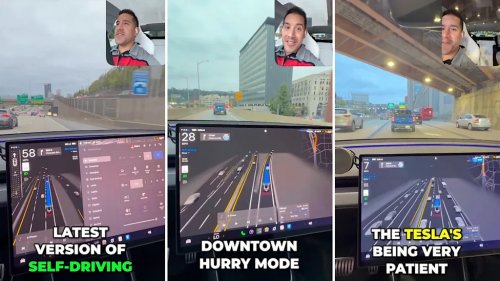
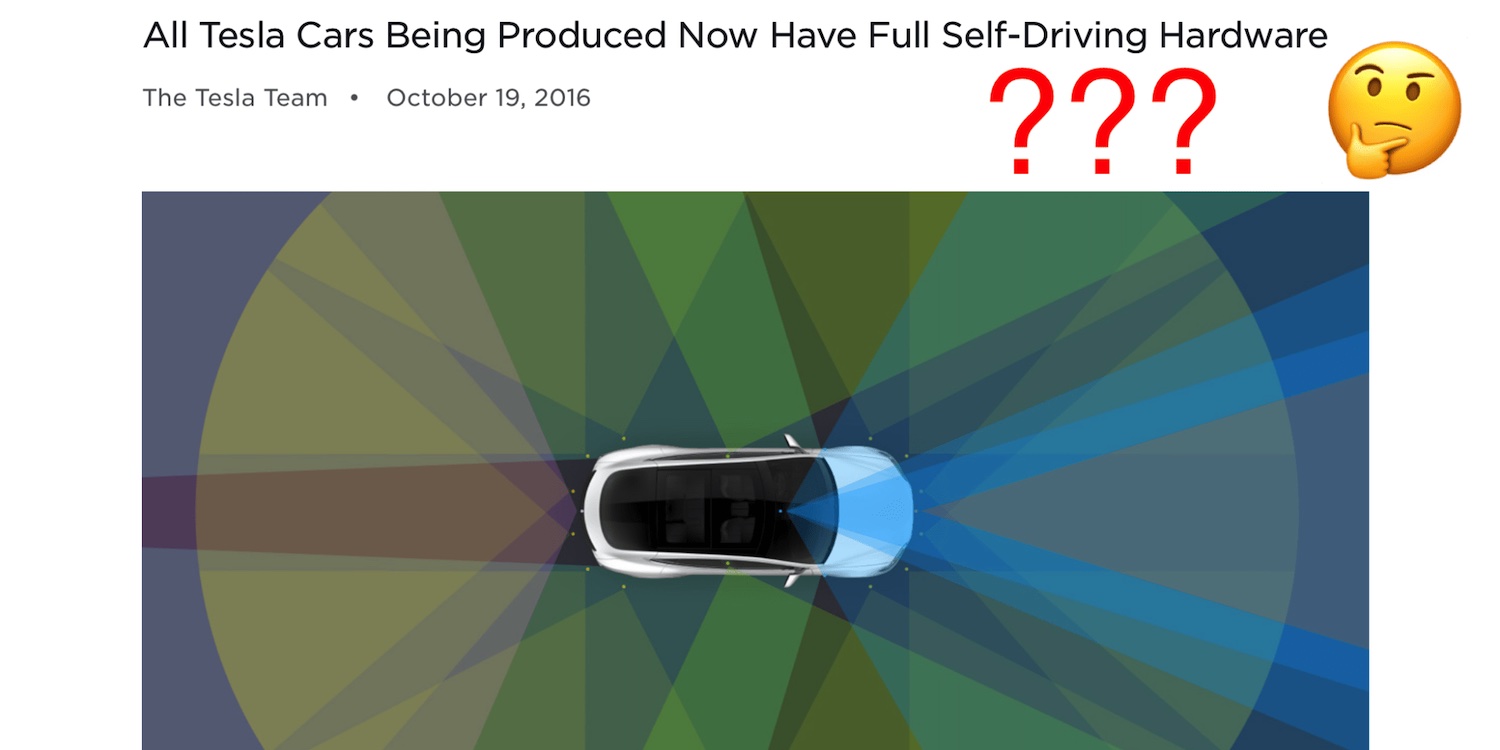
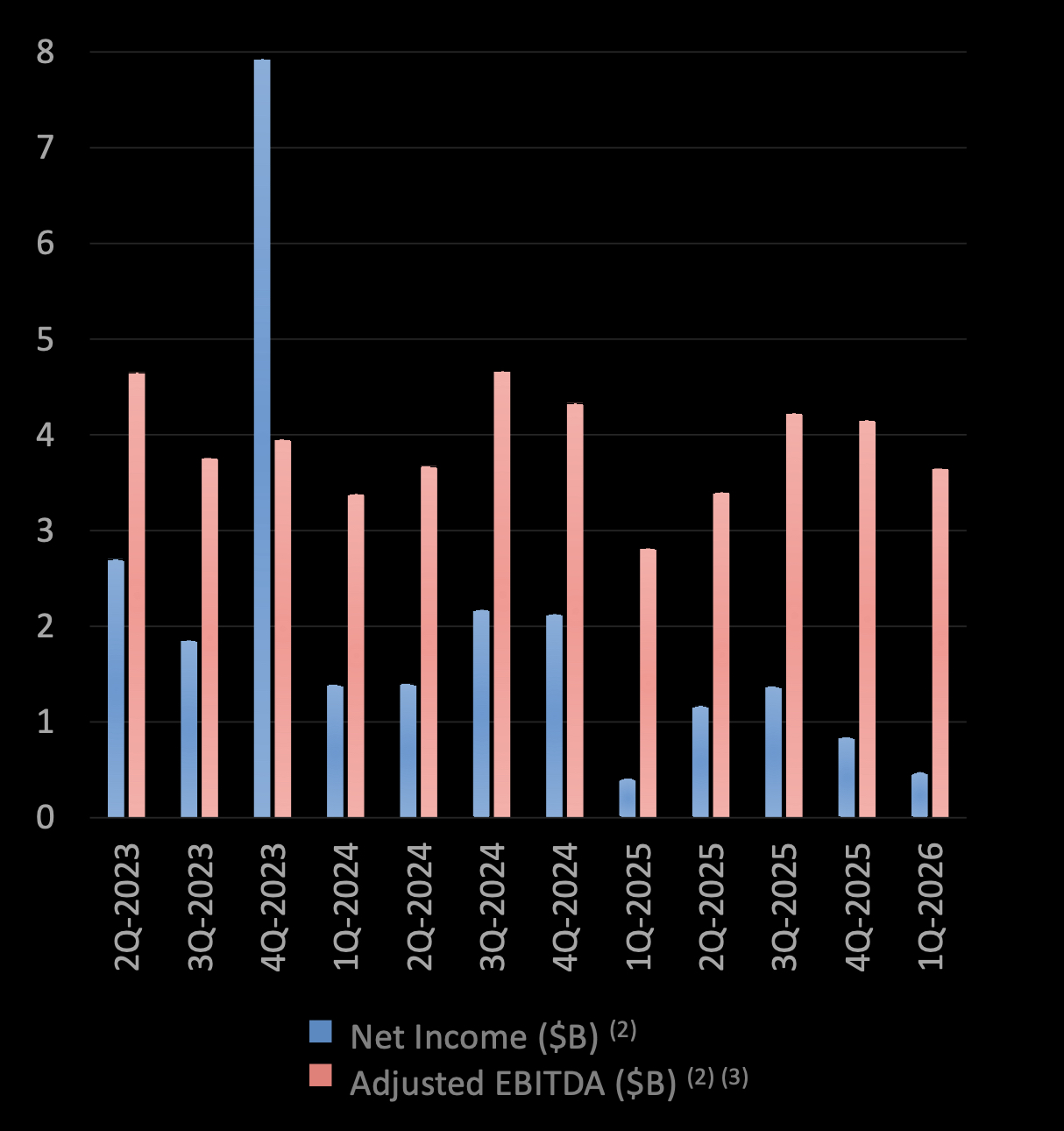
There are millions of Tesla vehicles on the road today which were sold on the promise of full autonomy, but without hardware capable of doing so. Tesla CEO Elon Musk just proposed the company could build “microfactories” in urban areas in order to upgrade the computers and cameras in those videos, adding high costs for a company that is already running thin on profitability – but we’ll see if it actually happens. For years, Tesla said that every vehicle it sold came with the hardware for full self-driving. In the time where that post was live on its website, Tesla sold millions of vehicles with computer systems it called “hardware 2” and “hardware 3” (HW2 and HW3 for short). It also sold software that it calls “Full Self-Driving,” or FSD for short, for up to $15,000, on the promise that that software would eventually allow a vehicle to drive itself without anyone in the vehicle. Advertisement - scroll for more content Some cars have been waiting nearly ten years for this, and Tesla keeps telling owners to “be patient,” even though many of those cars have been sold or are no longer in service, with the promise of full self-driving never being delivered. But Tesla is still working on it, and improving its hardware in order to run more difficult software tasks. That hardware improvement has turned out to be a problem. After shipping millions of vehicles with incapable hardware, but with the claim that that hardware will be capable, Tesla has to deliver the promise of the bill of goods it sold. Since that bill of goods included hardware with full autonomous capability, Tesla has to deliver that hardware. This happened in the move from HW2 to HW3. When Tesla decided that HW2 would not be capable of full autonomy, it allowed FSD owners to bring in their cars for a free upgrade to an HW3 computer. (It did not however offer this to people who bought FSD subscriptions, instead charging them $1,500 for hardware they already bought). But it has gradually become more and more clear that HW3 also doesn’t have power necessary for full self-driving. Musk said it directly in today’s quarterly conference call, stating: Unfortunately Hardware 3, I wish it were otherwise but Hardware 3 simply does not have the capability to achieve unsupervised FSD. We did think at one point it would have that, but relative to Gardware 4 it has only 1/8th of the memory bandwidth of Hardware 4. And memory bandwidth is one of the key elements needed for unsupervised FSD. It’s generally a thing thats needed for AI, if youre doing an auto-regressive transformer, memory bandwidth is the chokepoint. And this means that all HW3 cars will need to be upgraded in order to fulfill the promise they were sold with. Some owners have taken it into their own hands, initiating legal action against Tesla and winning for the company’s failure to deliver the software. Others have attempted to join together to show Tesla the enormity of the issue it created by making a promise that it has not been able to deliver on. Despite that this is a looming issue for Tesla, the company has tried to lure owners to upgrade their vehicles through trade-in schemes like their “one-time” FSD transfer which they have offered at least five times now, and through moving FSD to a subscription-only option, meaning that this will be less of an issue in the future as cars and software are sold on their current capabilities rather than potential future ones. It has also offered specialized versions of FSD software to HW3 cars, which have the same features as on HW4 cars, but the software usually comes later and does not perform as well as on newer hardware. But in today’s conference call, Musk suggested another resolution: building “microfactories” in urban centers in order to retrofit vehicles with the upgraded computer and camera systems necessary to run full self-driving tasks: For customers that have bought FSD, what we’re offering is essentially a trade-in, like a discounted trade-in for cars that have AI4 hardware, and we’ll also be offering the ability to upgrade the car to replace the computer, and you also need to replace the cameras, unfortunately, to go to Hardware 4. To do this efficiently were going to have to set up kinda microfactories, or small factories in major metropolitan areas in order to do it efficiently, because if it’s done at the service center it is extremely slow to do so and inefficient. So we basically need many production lines to make the change. And I do think over time its gonna make sense for us to convert all HW3 cars to HW4, cause thats what enables them to enter the Robotaxi fleet and have unsupervised FSD. We have no details yet on the “discounted trade-in,” but Tesla also said it will offer a version of V14 FSD for HW3, as it has done with previous software versions, in June. The idea of building microfactories in urban centers brings up another point, relevant to today’s conference call: money. Tesla claimed that it wont be cash flow positive for the rest of the year, as it increases capital expenditures to keep up with tech industry overspending as everyone races to show that they are ahead on AI spend. In a quarter where Tesla just announced that it’s running thin on profitability, with net income that has been falling for years and buoyed in this quarter by some questionable one-time benefits, investors may question if Tesla will be able to remain profitable while building urban factories just to upgrade older vehicles that it was unable to keep its technological promises for. Tesla’s profits over time are not getting larger, even as the company promises big spending in the coming year There is a question over whether this is even a viable plan, or whether it’s just being used as yet another stalling tactic to string along HW3 owners. In this theory, Tesla would continually promise a future resolution, hoping that HW3 owners upgrade their vehicles in the interim and remove one more car from the road which will be a problem for Tesla, ending up saving Tesla money on the inevitable solution. That could be more likely than the thought that Tesla will build tens of additional factories just for retrofits. And then there’s the question of whether HW4 will even be enough to run FSD. We’ve been through this before – HW2 wasn’t enough, so an HW3 upgrade was offered. Now, HW3 isn’t enough, so it’s time to upgrade to HW4. But Tesla is working on future chips beyond HW4, and since no Tesla can currently do unsupervised, level 5 FSD, who’s to say that HW4 will be enough for that? It’s a problem of Tesla’s own causing, too – the company didn’t have to announce in 2016 that all of its cars had self-driving hardware, when it was still far away from being able to provide the software to run them. And its CEO didn’t have to make the same promise over and over, claiming that FSD would come “by the end of the year” basically every year since (and even before) then – including a similar promise today. But at some point, it’s going to have to pay for running its mouth all this time. Charge your electric vehicle at home using rooftop solar panels. Find a reliable and competitively priced solar installer near you on EnergySage, for free. They have pre-vetted installers competing for your business, ensuring high-quality solutions and 20-30% savings. It’s free, with no sales calls until you choose an installer. Compare personalized solar quotes online and receive guidance from unbiased Energy Advisers. Get started here. – ad* Stay up to date with the latest content by subscribing to Electrek on Google News. You’re reading Electrek— experts who break news about Tesla, electric vehicles, and green energy, day after day. Be sure to check out our homepage for all the latest news, and follow Electrek on Twitter, Facebook, and LinkedIn to stay in the loop. Don’t know where to start? Check out our YouTube channel for the latest reviews.















 +36 others