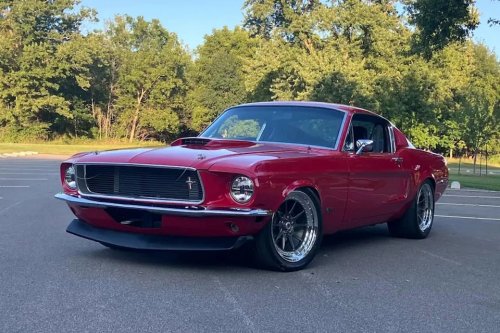
















Tesla Driver Charged After Head-On Crash Destroyed a 1968 Ford Mustang and Enraged Car EnthusiastsFor car enthusiasts, few things sting more than seeing a survivor car destroyed in an instant. That is exactly what happened in Milton, Ontario, where a beautifully preserved 1968 Ford Mustang was left severely damaged after a head on collision involving a Tesla driver now facing a reckless driving charge.More Stories Like ThisTeen Shot at Massachusetts Car Meet as Burning Stolen Car Full of Bullet Holes Sends Crowd RunningHellcat Murder Case Takes Dramatic Turn After Suspect Rejects Plea Deal in Deadly AirTag Tracking ConfrontationDriver Tried to Hide Expired Tags With Blue Duct Tape and a Marker — What Happened Next Got the Car Impounded10 Used V8 Cars Getting Shockingly Affordable Right NowFerrari’s $640,000 EV Gamble Just Changed the Supercar Fight ForeverThe crash immediately hit a nerve across the automotive community once images of the wreck surfaced online. The Mustang was not just another old car sitting forgotten in a garage. It represented more than five decades of preservation, care, maintenance, and survival. Then one violent collision changed everything. And that is why this story exploded among enthusiasts almost immediately.AdvertisementAdvertisementAccording to reports surrounding the incident, the Tesla driver involved in the crash has since been charged with reckless driving. Beyond that, very little additional information has been publicly released so far. But the images alone were enough to trigger frustration and heartbreak throughout the collector car world. For many enthusiasts, the damage goes far beyond bent sheet metal.Classic Mustangs from the late 1960s remain some of the most recognizable American performance cars ever built. Even decades later, surviving examples still hold enormous emotional value for owners and collectors because every year fewer original cars remain intact. That is what makes crashes like this feel different.Modern vehicles can usually be replaced with another order form and a dealership visit. A preserved 1968 Mustang carries history that cannot simply be recreated overnight. Once a car like that suffers major structural damage, restoration becomes far more difficult, expensive, and sometimes impossible depending on the severity of the impact. Here’s the part that matters.Reports indicate the Mustang suffered severe damage in the collision, leaving enthusiasts openly questioning whether the car can realistically be returned to its previous condition. The crash may have effectively ended a preservation journey that lasted more than half a century.AdvertisementAdvertisementThat reality is what sparked such a strong reaction online.Within enthusiast circles, there is an unspoken understanding about survivor cars. Owners spend years sourcing correct parts, preserving original components, maintaining drivability, and protecting vehicles from the exact kind of fate this Mustang ultimately suffered. These cars become rolling pieces of automotive history.Then a single bad decision on the road wipes decades away in seconds.That emotional connection explains why reactions across the community became so intense after photos of the wreck began circulating. Many enthusiasts pointed out how uncommon it is to see a classic Mustang remain in good condition for so long before suddenly being taken out in a violent collision. And that is where the broader frustration starts building.AdvertisementAdvertisementThe reckless driving charge attached to the Tesla driver immediately shifted attention toward accountability behind the wheel. Enthusiasts are not simply reacting to the fact a crash occurred. They are reacting to the idea that a preserved classic car may have been destroyed because of reckless behavior. That detail changes the conversation completely.Related IncidentsThe Real Story Behind a 1966 Mustang Running Tesla Full Self-Driving and Why It’s Exposing a Major Industry StandoffClassic Car Buyers Lose Thousands After Scammers Hijack Real Auto Shops in Multi-State Fraud SchemeStellantis’ Stunning Comeback: Hemi V8 Demand Helps Reverse $26 Billion Collapse as Massive Cost Cuts BeginAdvertisementAdvertisementCar culture has always accepted risk as part of driving. Enthusiasts understand accidents happen. Mechanical failures happen. Weather changes. Drivers make mistakes. But reckless driving allegations bring a completely different layer of anger because they suggest the crash may not have been unavoidable at all.This is where the story turns.The collision also taps into a growing divide inside modern automotive culture between traditional enthusiasts and rapidly evolving technology-focused car markets. The fact the other vehicle involved happened to be a Tesla guaranteed the discussion would become even louder online.For many old-school enthusiasts, classic cars represent involvement, mechanical connection, and preservation of automotive heritage. Modern EVs often symbolize the opposite side of the industry shift toward software, automation, and increasingly disconnected driving experiences.AdvertisementAdvertisementThat tension already exists before crashes like this happen.To be clear, the issue here is not electric vehicles themselves. The core problem remains the reckless driving charge tied to the crash. But when a preserved 1968 Mustang ends up destroyed in a head on collision involving one of the most recognizable modern EV brands on the road, the internet reaction was always going to become emotional.And honestly, it is easy to understand why enthusiasts reacted the way they did.Classic cars occupy a strange space in the automotive world now. Their values continue climbing, surviving examples become rarer every year, and restoration costs keep increasing. At the same time, modern traffic conditions grow more chaotic, roads become more crowded, and distracted or aggressive driving remains a major concern for enthusiasts trying to enjoy older vehicles safely.AdvertisementAdvertisementThat’s where things get complicated.Owners of classic cars already face enormous challenges preserving these machines. Parts become harder to source. Insurance costs rise. Restoration work becomes increasingly specialized and expensive. Then incidents like this remind owners that even if they do everything correctly, one reckless driver can still erase years of work instantly.The emotional side of that loss is difficult to measure.People outside enthusiast culture sometimes see an old Mustang as just another aging car. Enthusiasts see family memories, years of labor, financial sacrifice, and a physical connection to automotive history. That explains why stories like this travel so quickly through online communities.AdvertisementAdvertisementThe damaged Mustang became more than a crash photo. It became a symbol of something enthusiasts fear constantly whenever they take a classic car onto public roads.And there is another layer to all of this that deserves attention.Unlike modern mass-produced commuter vehicles, every surviving late-1960s Mustang carries unique history tied to its ownership, preservation, and survival over decades. Once heavily damaged, that originality can disappear forever even if restoration remains possible.That detail matters because authenticity is everything in the collector world.A repaired car may still look beautiful someday, but serious collision damage permanently changes how enthusiasts view originality and historical preservation. That is part of why the online reaction carried so much emotion. People were not just reacting to a wrecked car. They were reacting to the possible loss of an irreplaceable piece of automotive history.AdvertisementAdvertisementRight now, many questions surrounding the crash remain unanswered because very little additional information has been released publicly. But enthusiasts already understand the hard truth sitting underneath this story.It takes decades to preserve a classic car properly. It takes one reckless moment to destroy it.That reality is exactly why this crash hit such a nerve far beyond Milton, Ontario.Join our Newsletter, follow our Instagram page, and connect with us on Facebook.