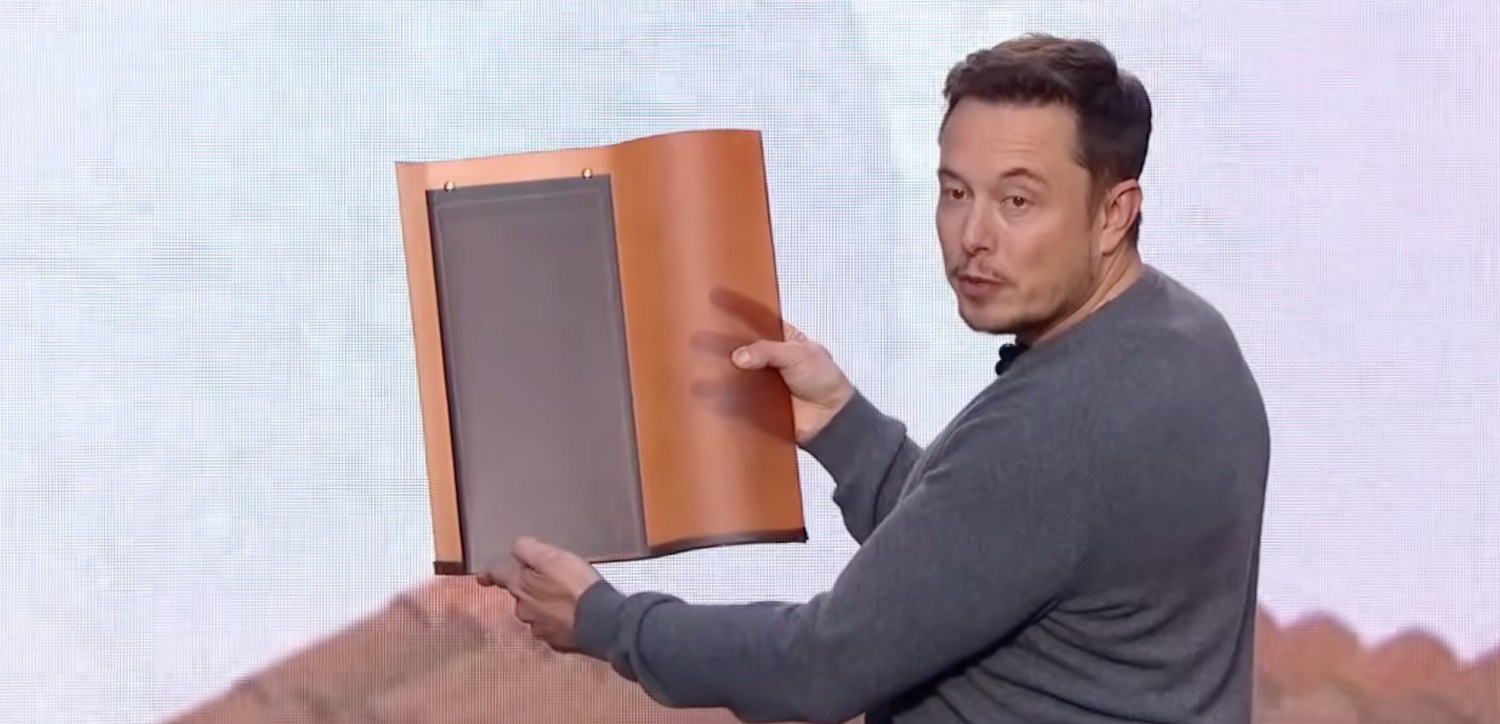
Elon Musk says that he wants SpaceX and Tesla teams to work together to build 100 gigawatts of solar power manufacturing capacity in the US — cells and modules. And he wants to do that within three years. There’s a lot to consider here. Before we get into some of the nuts and bolts, big-picture view, Tesla is almost a decade behind schedule on what Musk said the company would achieve with self-driving cars, and SpaceX is years behind schedule on sending people to Mars. However, on the flip side, Tesla has built manufacturing facilities — in China and the US — much faster than skeptics assumed the company could. Regarding these broad solar ambitions, pv magazine‘s Ben Zientara has gone through and evaluated how realistic they look. It’s a great piece, and I’m just going to highlight what I see as the key notes here: Total solar module manufacturing in the US was probably just above 45 GW at the end of 2025, and is expected to rise to 60 GW in 2026. (This is on the back of huge investments in the industry stimulated by the Inflation Reduction Act of 2022 passed by Democrats and signed into law by Joe Biden.) Power demand is growing insanely fast in the US due to the AI data center boom. Solar, the cheapest option for new power capacity in the US and globally, has been providing more than half of new power capacity additions. China had 1,156 GW of solar module manufacturing capacity installed at the end of 2024 (and produced 627 GW of solar modules), following additions of approximately 200 GW of capacity a year from 2021–2024. “A few suppliers of solar manufacturing equipment operate in Europe, while the majority are now based in China. According to industry experts who spoke with pv magazine, working with European suppliers offers many advantages, including faster shipping (around five weeks from order to delivery) and better software integration packages. Once on site for integration, staff can get the lines running within four to six months. However, the European companies are reputed to charge around twice what many Chinese companies do, and they simply have no experience operating at the scale Tesla is seeking. For example, Italian company Ecoprogetti, a market leader in supplying PV module assembly lines, touts a track record of 38 GW of lines installed in its entire history.” Chinese manufacturers have more capacity and experience, but, of course, are there notable tariffs involved? Well, it seems Tesla would go that route anyway, because Reuters has reported Tesla has agreed to buy $2.9 billion of equipment from Chinese suppliers — Maxwell, S.C New Energy, and Laplace, which all sell production tools. Also, there are currently still exemptions for solar power equipment. “On a more positive note for Tesla, if the equipment is delivered by Nov. 10, 2026, it would fall under the Section 301 tariff exemptions for solar manufacturing equipment, which were extended by the United States Trade Representative in November 2025. […] Another facet of international trade policy is likely to hamper Tesla’s plans. New US tariffs on solar materials under Section 232 of the Trade Expansion Act of 1962 are set to take effect this year and could dramatically increase the cost of importing raw materials needed to manufacture cells, some of which are not currently available from within the US.” So, yes, if Tesla is going to import manufacturing equipment from China, it better do so fast. “Leading Chinese manufacturers of integrated module lines that sell to US companies include SC-Solar (Suzhou Shengcheng Solar Equipment), which advertises more than 800 GW of capacity installed worldwide, and Jinchen Machinery with more than 500 GW of projects built.” “Chinese cell equipment providers include Suzhou Maxwell Technologies, widely billed as the world’s largest supplier of solar cell screen printing equipment. Laplace said in 2025 that it had shipped more than 470 GW of equipment worldwide. Shenzhen S.C New Energy Technology is also among the key suppliers.” “According to industry experts, shipping from these Chinese suppliers can take longer – up to eight weeks after ordering. But once on site, the Chinese integration teams can get lines operational within three months.” Then there are the massive power supply needs for such factories. “A single, highly automated 2.5 GW module line consumes roughly 2.4 MW of continuous power, according to Ecoprogetti. Solar cell manufacturing is much more energy intensive. Lifecycle analysis from the International Energy Agency estimates it takes around 75 kWh of electricity to produce 1 kW of solar cells. At that rate, a 2.5 GW facility operating at capacity for a year would require a continuous 21.4 MW energy supply.” “Combined and connected to a service that meets the regulatory requirement of 125% of continuous load, 100 GW of shared cell and module manufacturing facilities would potentially require energy distribution service of around 1,200 MW. The scale is enormous.” On the plus side, Tesla announced last year it would start producing its own transformers, part of a new 20 MWh Megablock energy storage product. “But even if the facility has its power electronics sorted, the manufacturer must still navigate the local distribution utility’s large load interconnection process, which often involves up to two years of feasibility and impact studies and improvements to the grid. Musk’s companies have an advantage in this regard, too. Legislators in Texas, where Tesla operates its largest US gigafactory and has announced plans to expand, passed Senate Bill 6 in June 2025, directing the Public Utility Commission of Texas to develop a new framework for large load interconnections greater than 75 MW. […] In March 2026, the commission issued a draft rule designed to speed up the interconnection process for large energy users.” A lot of human workers would also be needed to help produce these. Is there the workforce available? Zientara estimates that Tesla would need to grow its total global workforce by about 20% to man these factories. (Don’t even bring Optimus into the conversation.) Overall, we really don’t have enough insight into the plans (if they exist in detail) SpaceX and Tesla are pursuing. However, if they truly are set on jacking up solar module and solar cell manufacturing capacity in the United States, it does look possible. Within three years? Well, we’ll see.



















 +37 others