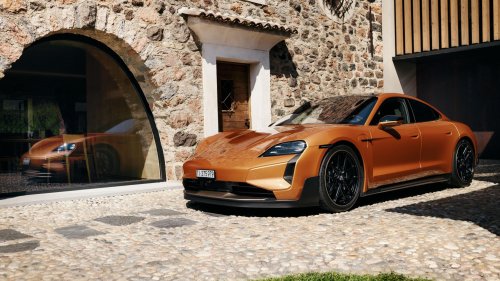
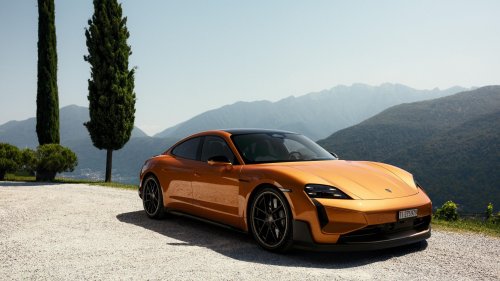
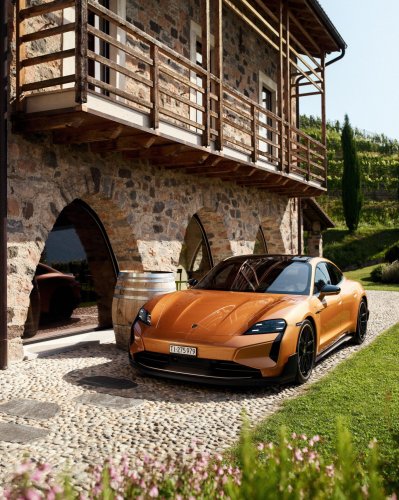
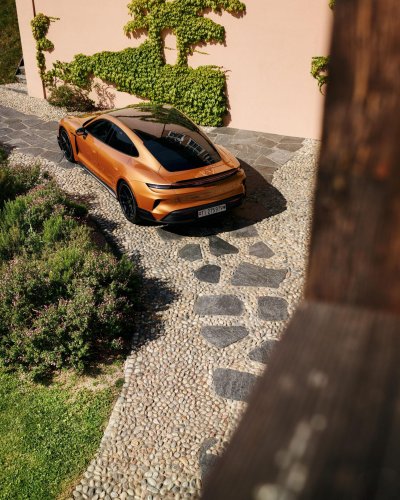
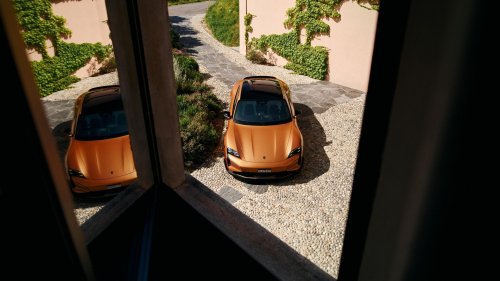
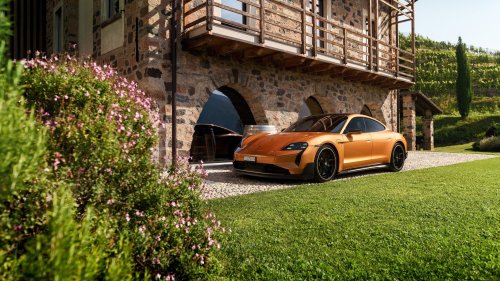
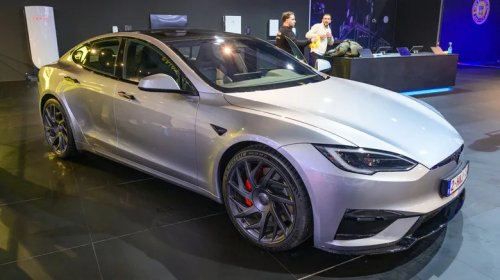
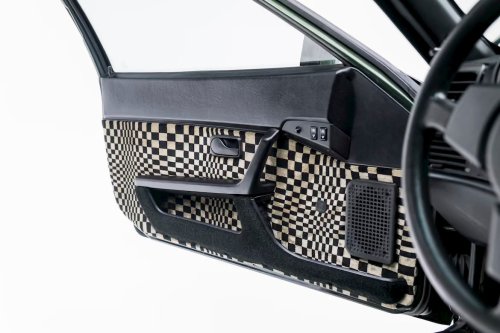
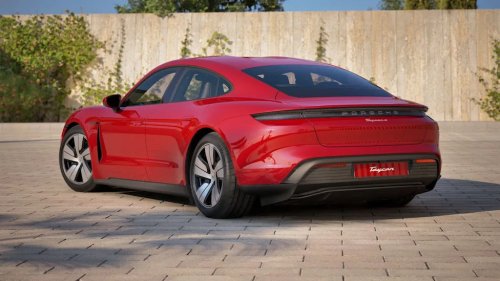
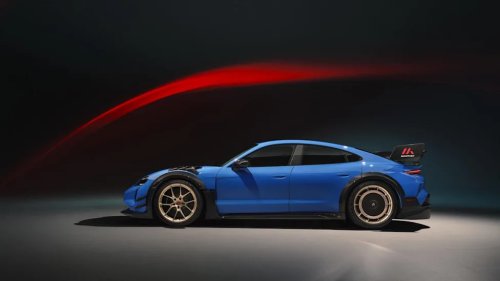
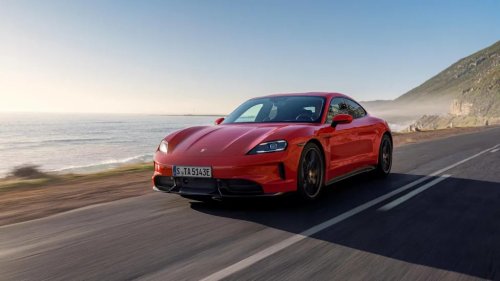
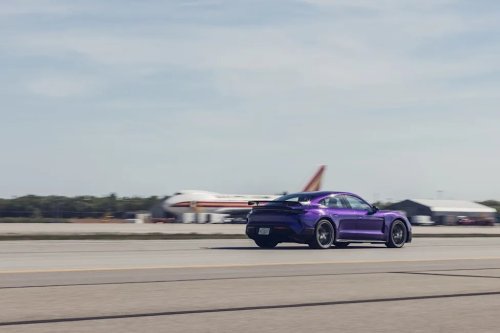
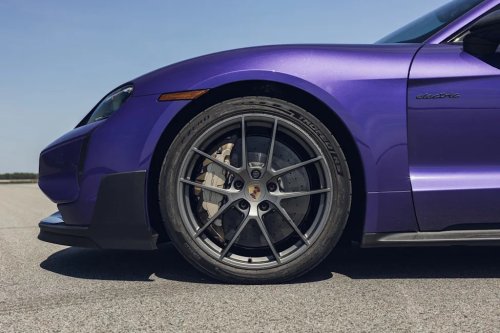
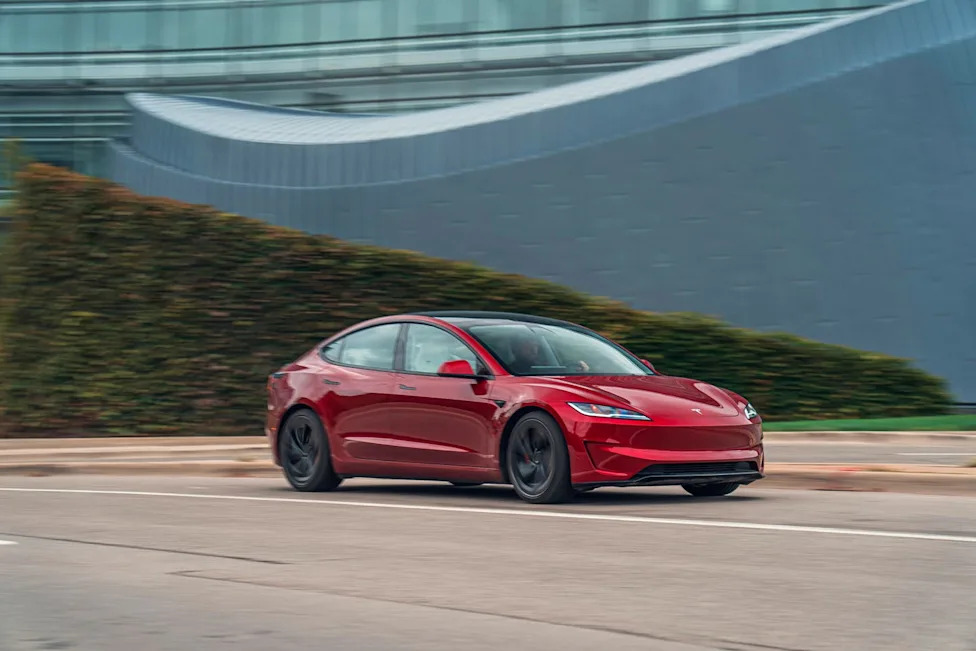
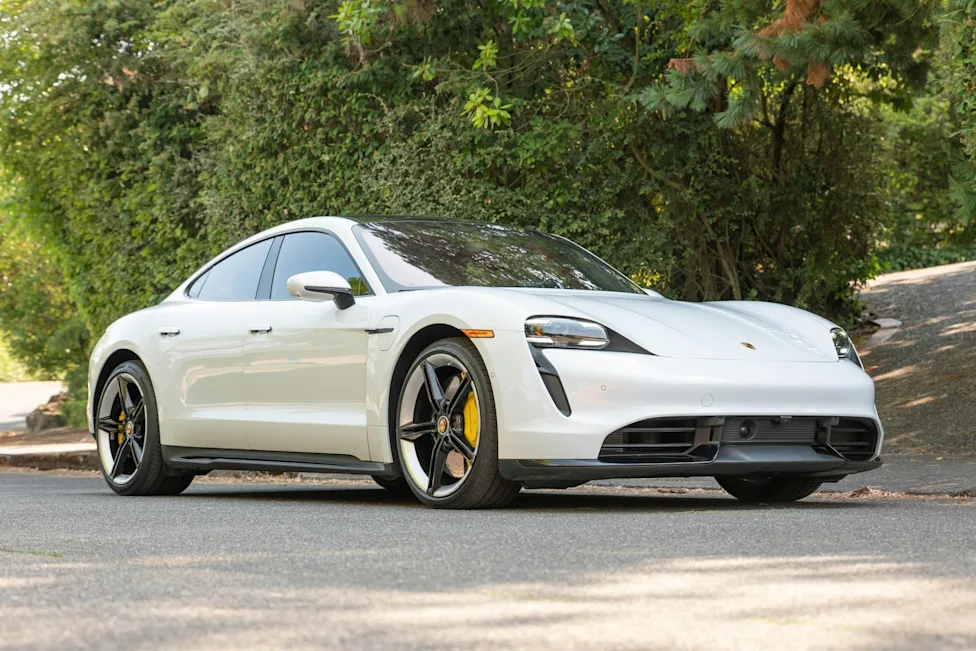
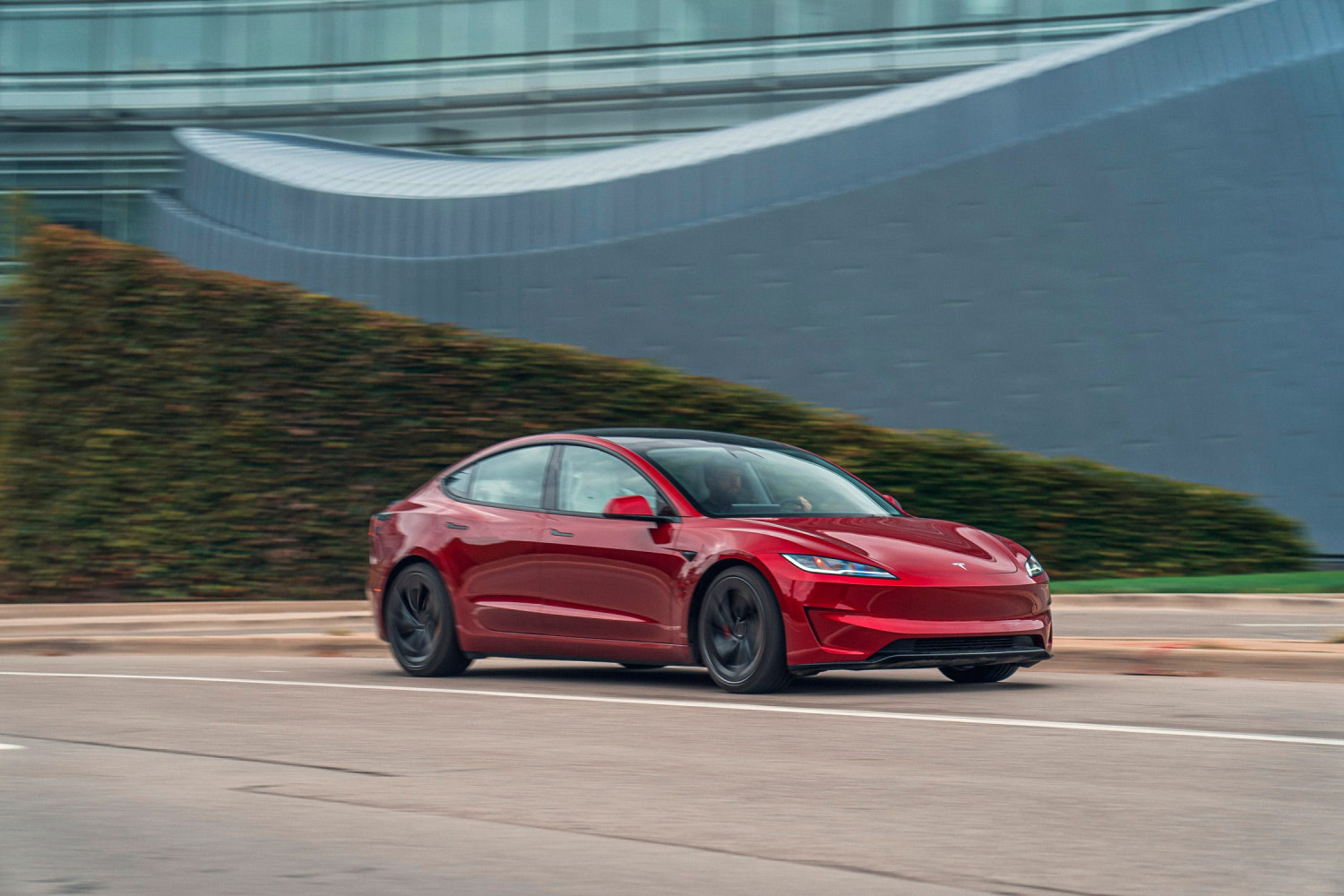
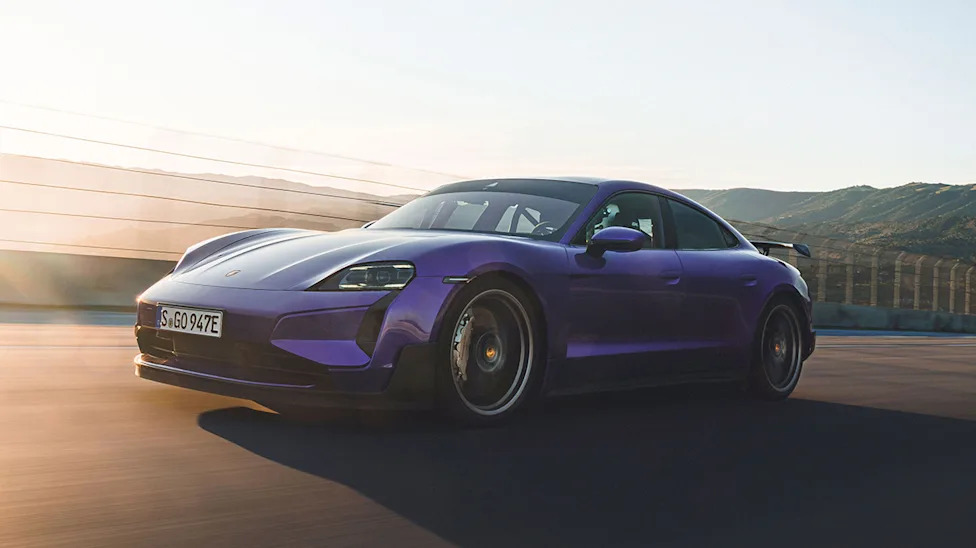
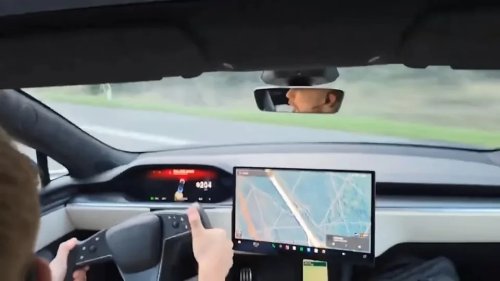
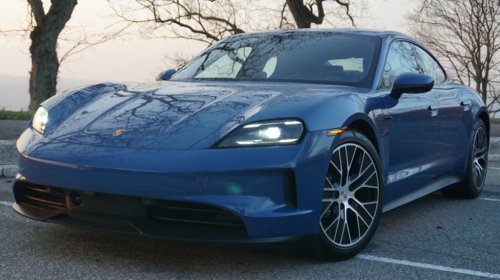
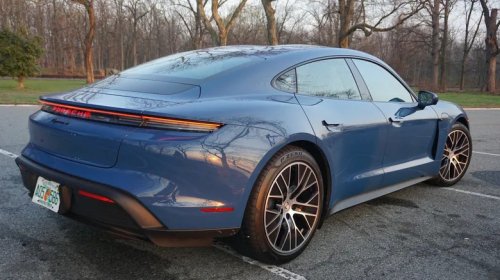
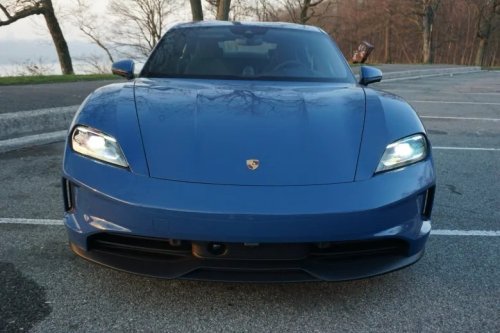
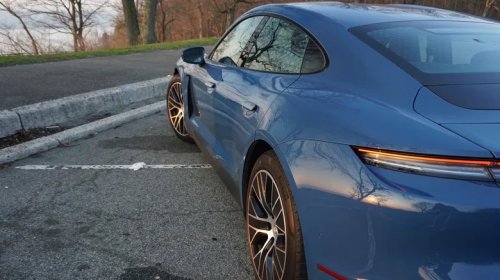
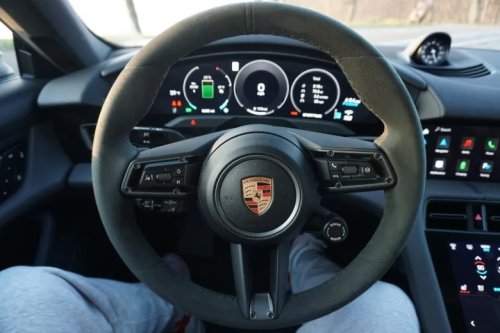
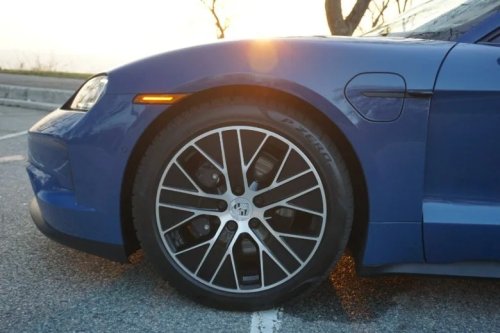
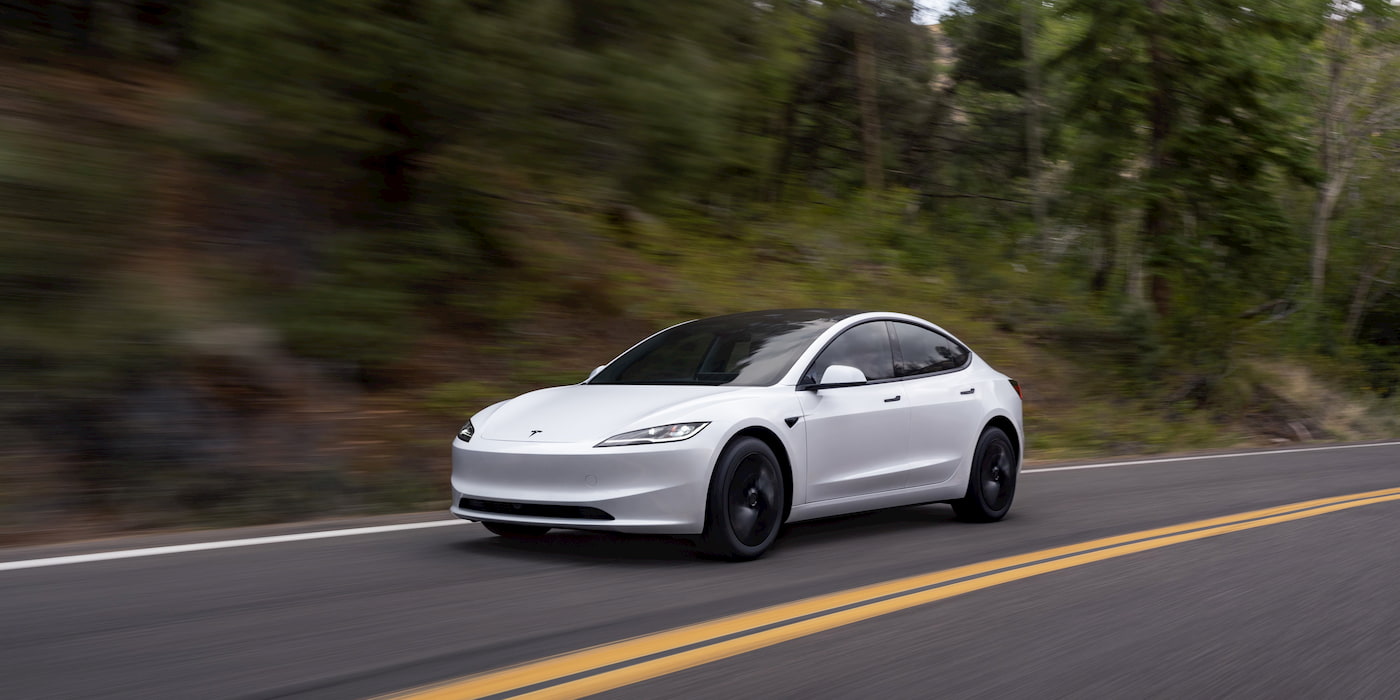
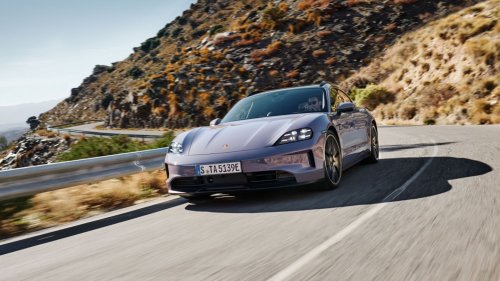
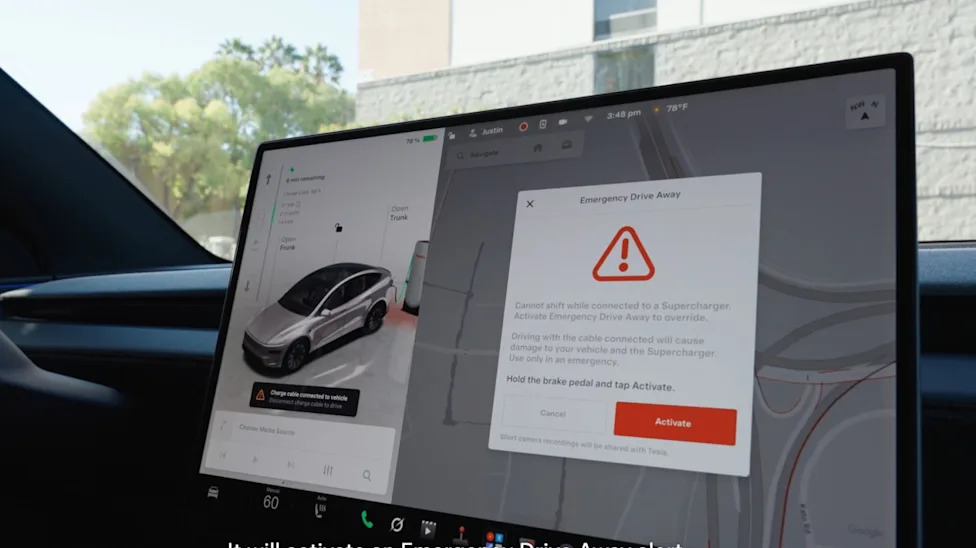
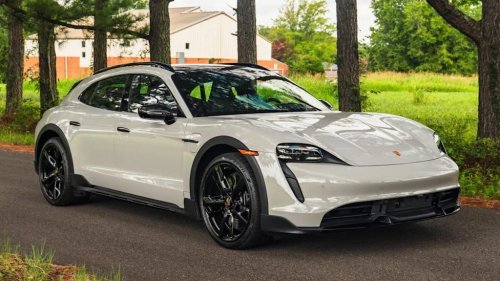
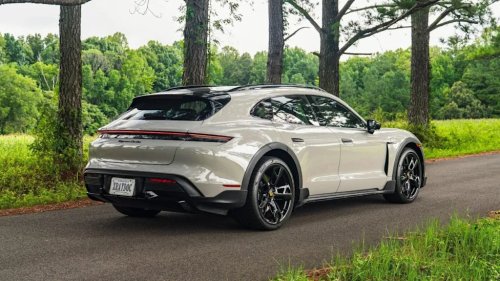
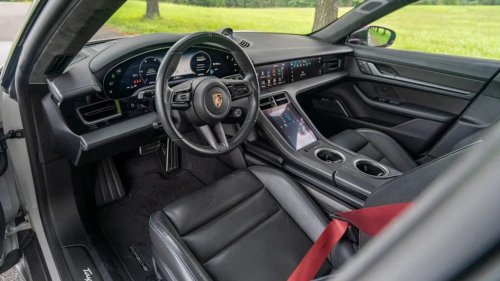
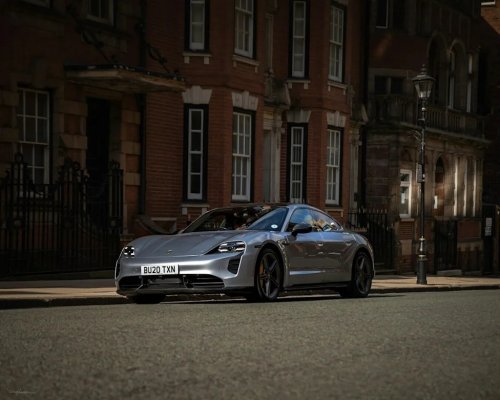
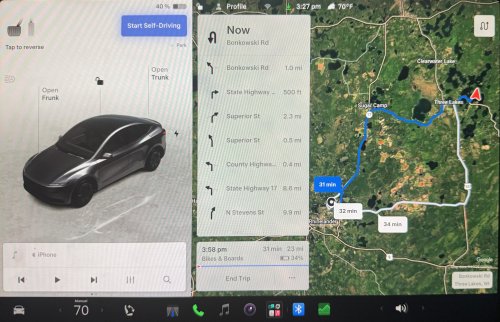
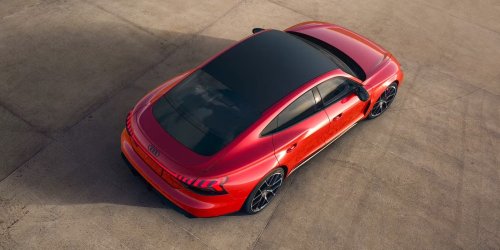
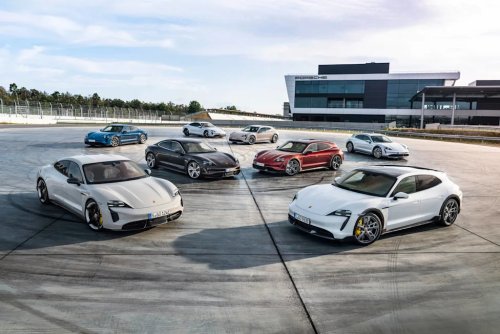
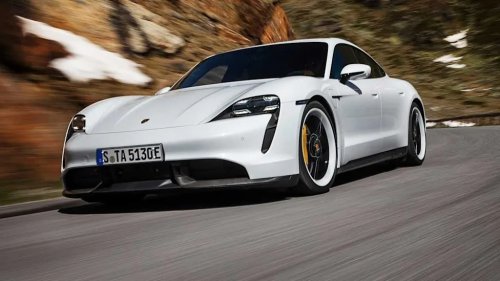
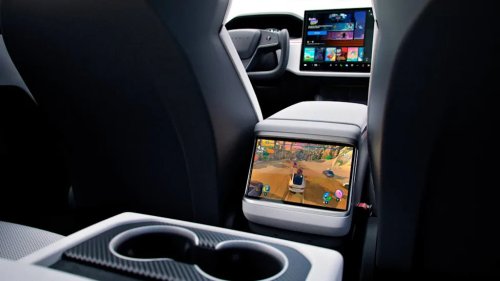
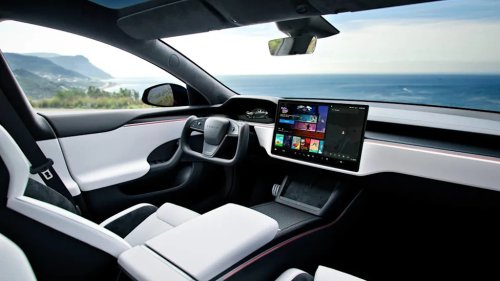
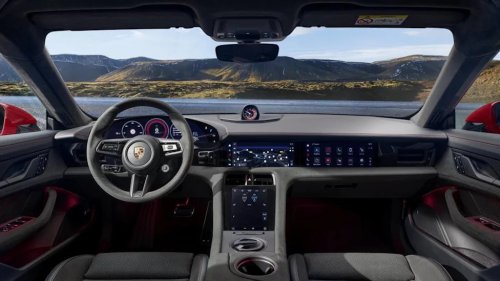
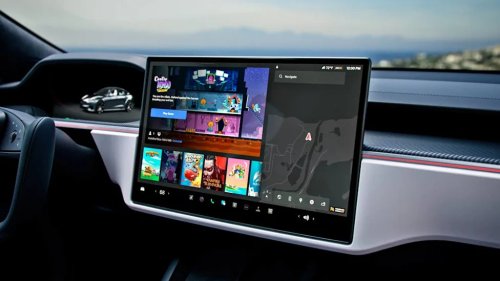
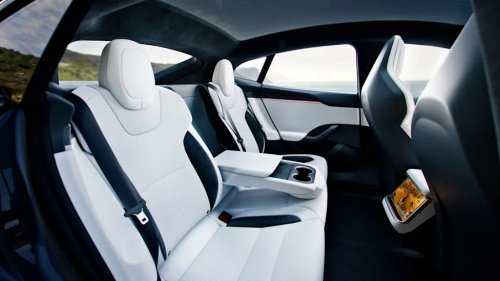
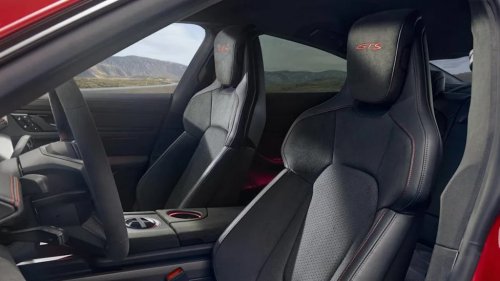
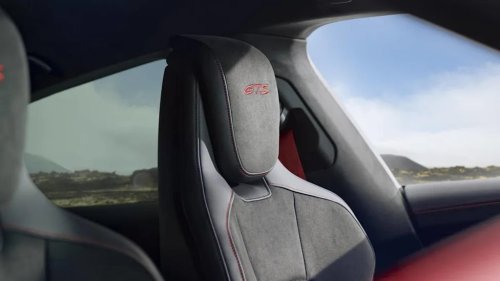
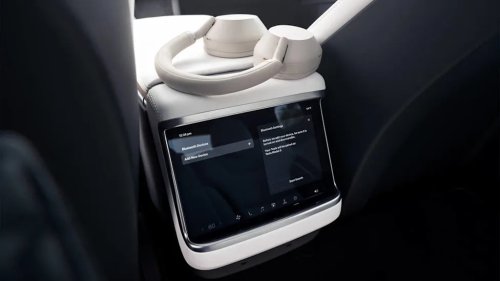
Autoblog and Yahoo may earn commission from links in this article.Everyone compares these two on power, range, and charging speed. Nobody needs another article about that. What people actually live with every day is the cabin: how it feels when you sit down, how intuitive the controls are when you are running late, how much room your passengers have when they did not ask to come along, and whether the car remembered to heat your seat before you got in. On those terms, the Taycan and Model S tell very different stories about what a $90,000-plus electric sedan should prioritize. One built a cockpit. The other built a living room. Both charge you handsomely for the privilege.Tesla Model SInterior feelDrop into the Taycan, and the first thing you notice is how everything you touch was chosen by someone who cares about how things feel. Leather wraps the dash, the door cards, the center console, and most surfaces your hands actually contact. Panel gaps are tight enough to make a Swiss watchmaker nod approvingly. Metals are real. Stitching is precise. The driving position sits low and hugs you, with a cockpit-style wrap that narrows your field of view to the road ahead in a way that feels deliberate rather than claustrophobic. Ten years from now, this interior will still look and feel like it belongs in a car that costs six figures. Porsche builds cabins the way other manufacturers build marketing decks: obsessively, with no tolerance for shortcuts.Porsche Taycan GTSSit in the Model S, and the immediate sensation is space. The dash is almost aggressively bare: a single 17-inch touchscreen, a slim digital cluster, a flat expanse of synthetic leather and wood trim, and almost nothing else. It feels airy, modern, and deliberately minimal. Whether that reads as sophisticated or unfinished depends entirely on your expectations. As Autoblog noted, the Model S interior has been plagued by fit-and-finish issues, including mismatched panels and inconsistent stitching, which are difficult to forgive at this price. Tesla uses synthetic leather exclusively. There is no real leather option. The wood trim is attractive, the glass roof floods the cabin with light, and the overall ambience is undeniably futuristic. But running your hand along a door panel in the Taycan and then doing the same in the Model S tells you everything about where each company allocates its budget. Porsche spends it on what you touch. Tesla spends it on what you see on screen.Tesla Model SEquipment and ergonomicsPorsche gives you screens and buttons. A curved 16.8-inch instrument cluster sits directly behind the steering wheel, flanked by a 10.9-inch central touchscreen and an optional 10.9-inch passenger display. Physical controls remain for volume, climate, drive mode, and other functions; you should not have to navigate a menu to adjust at 80 mph. Wireless Apple CarPlay and Android Auto are supported. The infotainment system is responsive but deeper than Tesla's, with more layers to navigate before you find what you're looking for. An available head-up display projects speed and navigation onto the windshield, a feature you never knew you needed until you have it and then cannot live without.Porsche Taycan GTSAdvertisementAdvertisementTesla's approach is the opposite. Nearly everything lives inside that 17-inch center touchscreen: climate, mirrors, glovebox, wiper speed, headlight adjustment, and seat heaters. The interface is fast and well-organized by tech-company standards, but some functions require two or three taps that a physical button would solve in zero. There is no Apple CarPlay and no Android Auto. Tesla uses its own proprietary system, which is excellent for navigation and streaming, but means your iPhone's ecosystem stays in your pocket. A 9.3-inch rear display lets back-seat passengers control climate and entertainment. Over-the-air updates add features regularly, so the car you buy today will gain new abilities next month. No other automaker delivers that. Whether it compensates for the absence of CarPlay is a debate that has been raging since 2012 and shows no signs of resolution.Tesla Model SPracticalityThis is where the Model S walks away. Five full seats as standard, 25 to 28 cubic feet of rear cargo through a liftback hatch that opens wide enough to swallow furniture, a 3.1 cubic foot frunk, and 61.4 cubic feet with the rear seats folded. Rear legroom is generous enough for adults. Rear headroom clears six-footers. Loading is effortless thanks to the hatch design. If you have ever tried to fit a stroller, a weekend bag, and a cooler into an electric sedan, the Model S is the one that does not require a negotiation with physics.Tesla Model SThe Taycan was not built for cargo. Rear trunk space is roughly 14 cubic feet, depending on trim, with a small 2.8-cubic-foot frunk that fits a laptop bag and not much else. Total usable cargo is roughly half that of the Model S. Rear seating is technically for four passengers, with an optional fifth-seat configuration best described as a suggestion rather than an invitation. Rear legroom is tighter than the Tesla, and taller passengers will find the roofline pressing against their scalp. Porsche designed the Taycan to carry two people in comfort and two more in tolerance. Tesla designed the Model S to carry five people and their luggage without anyone having to compromise. If you regularly transport humans or objects, the Model S wins this category by a margin that is almost unfair.Porsche Taycan GTSCreature comfortsTesla packs the Model S with standard equipment that Porsche charges extra for. Heated and ventilated front seats, heated rear seats, tri-zone climate control with air quality monitoring, a 22-speaker premium audio system, adaptive air suspension, wireless charging, animated ambient lighting, and a panoramic glass roof all come standard on every Model S. Camp Mode lets you sleep in the car with climate running. Dog Mode keeps your pet comfortable while you shop. The entertainment system streams Netflix, plays video games, and connects to gaming controllers. It is less a car and more a technology platform that happens to have wheels.Porsche Taycan GTSAdvertisementAdvertisementPorsche's base Taycan is comparatively spartan. A 14-speaker Bose system is standard, with the Burmester upgrade available at extra cost. Heated front seats are standard, but ventilated seats, heated rear seats, massage seats, four-zone climate, and the head-up display are all available as options. Porsche's configurator is famously extensive, which is a polite way of saying you can spend $30,000 in options before you realize you have not yet selected a color. What you get for that money is genuine quality: every added feature feels premium, every upgrade integrates seamlessly, and the overall experience improves meaningfully with each box ticked. But out of the box, the Model S includes more standard comfort equipment than a Taycan configured $20,000 above its base price. That is not a close contest.Tesla Model SThe bottom lineBuy the Taycan if the quality of what surrounds you matters more than the quantity. Its cabin is built with materials, precision, and a tactile richness that the Model S does not attempt, and its cockpit-style layout makes every drive feel intentional. Buy the Model S if you want more space, more standard features, more technology, and a cabin that treats the car as a device rather than a machine. Porsche built the interior for the driver. Tesla built the interior for everyone. Neither is wrong. One just charges you $30,000 in options to match what the other includes for free, and the other cannot run your favorite podcast app natively. Pick your compromise.This story was originally published by Autoblog on May 30, 2026, where it first appeared in the Car Buying section. Add Autoblog as a Preferred Source by clicking here.


















 +39 others