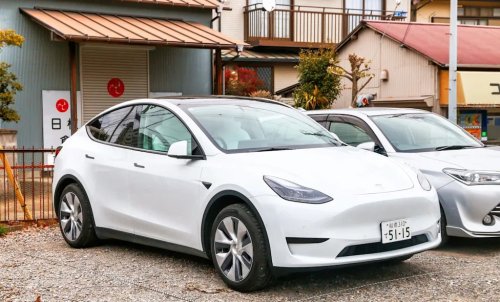
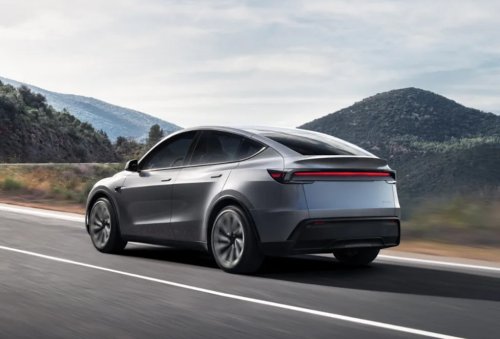
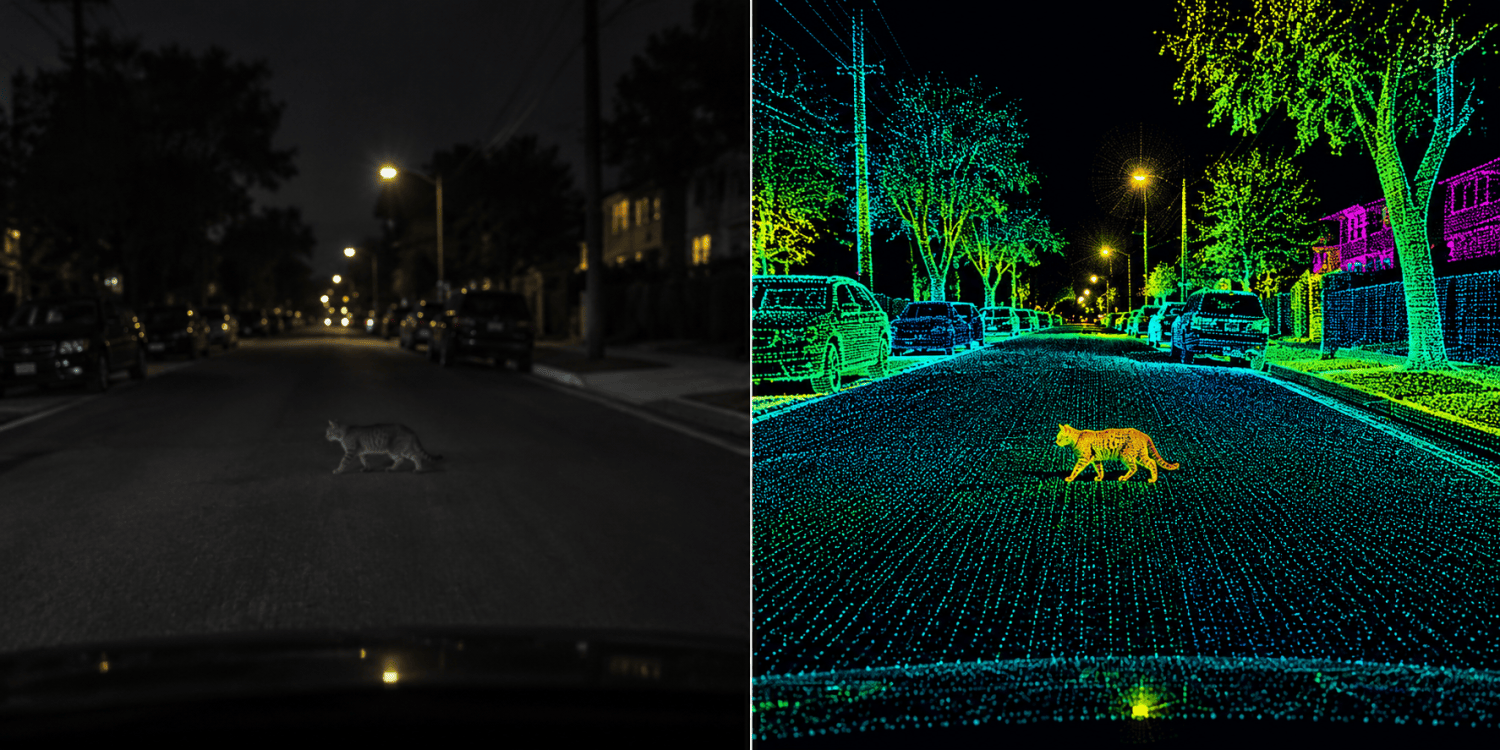
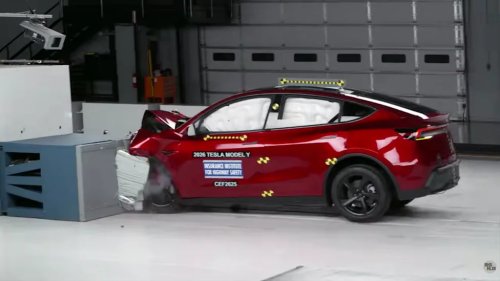
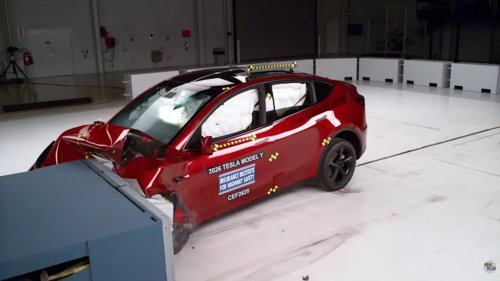
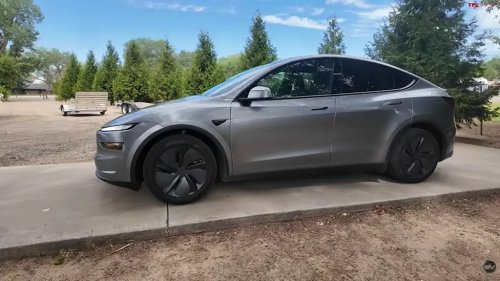
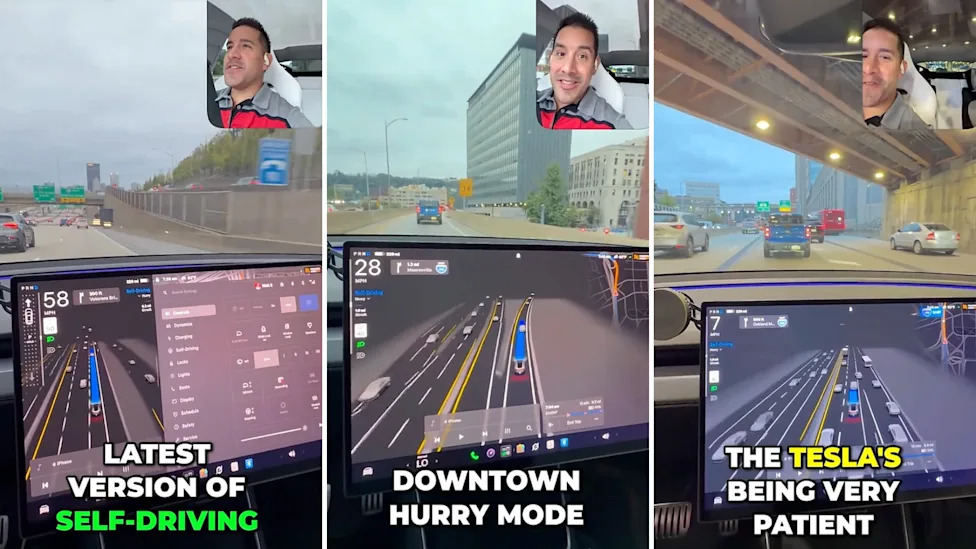
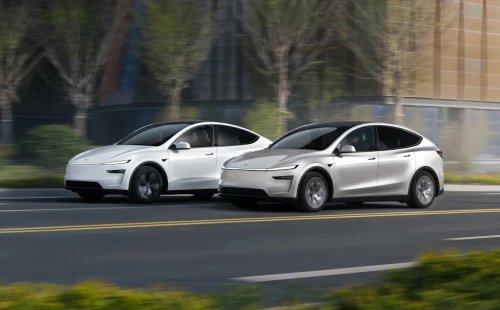
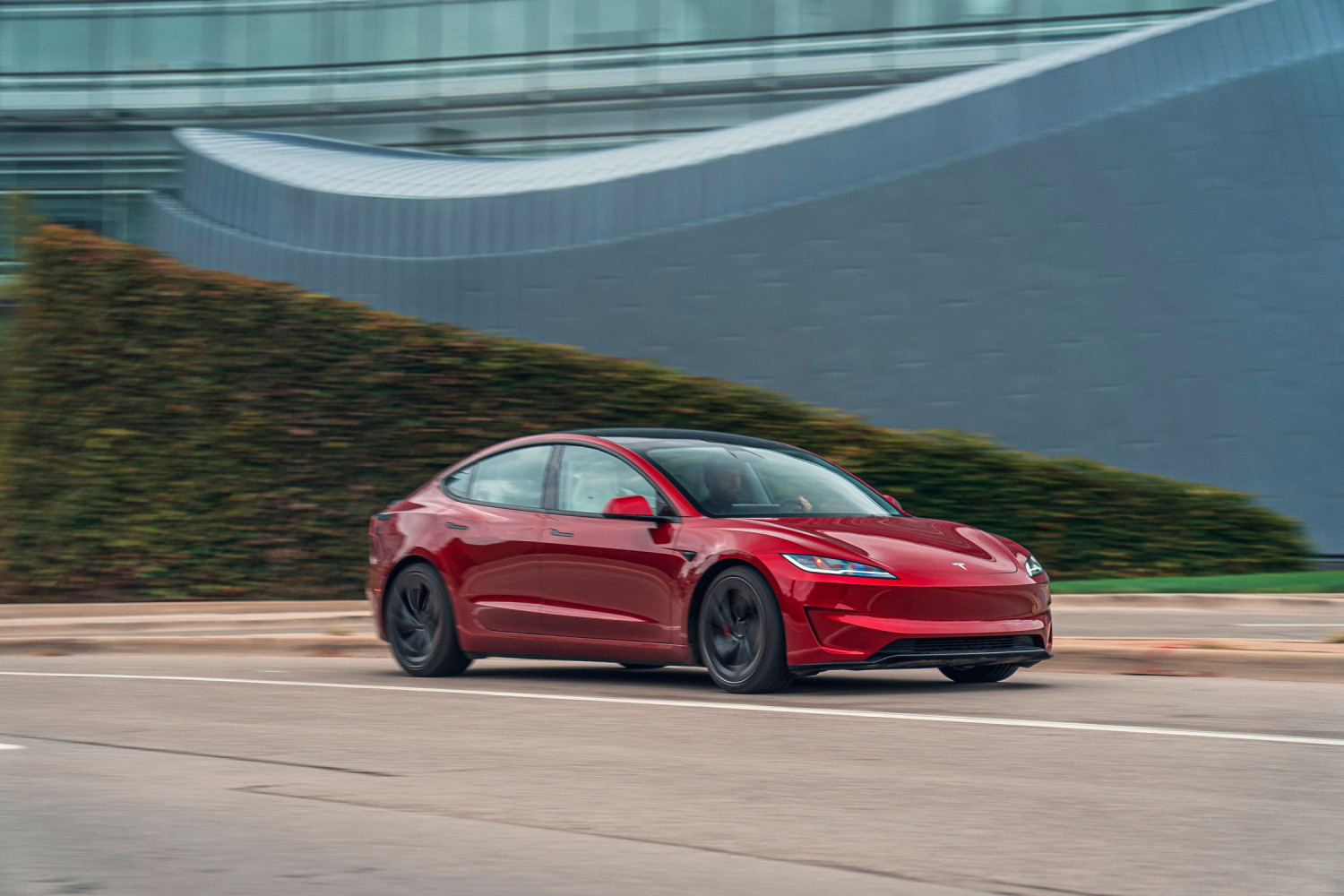
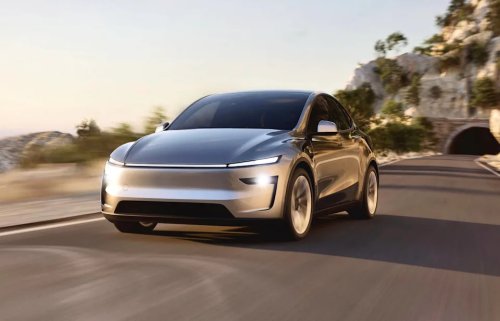
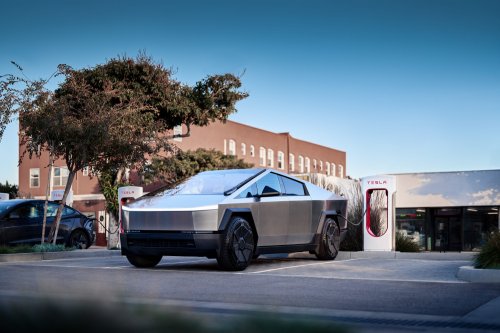
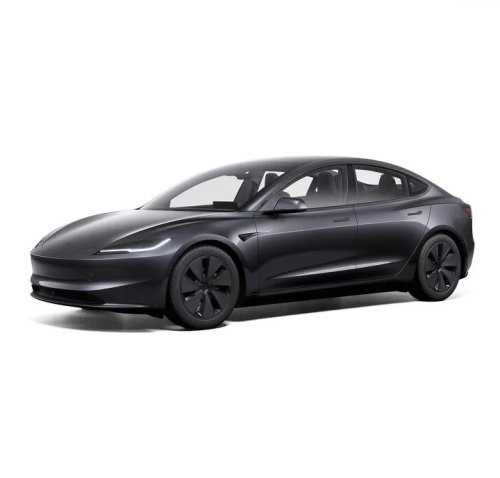
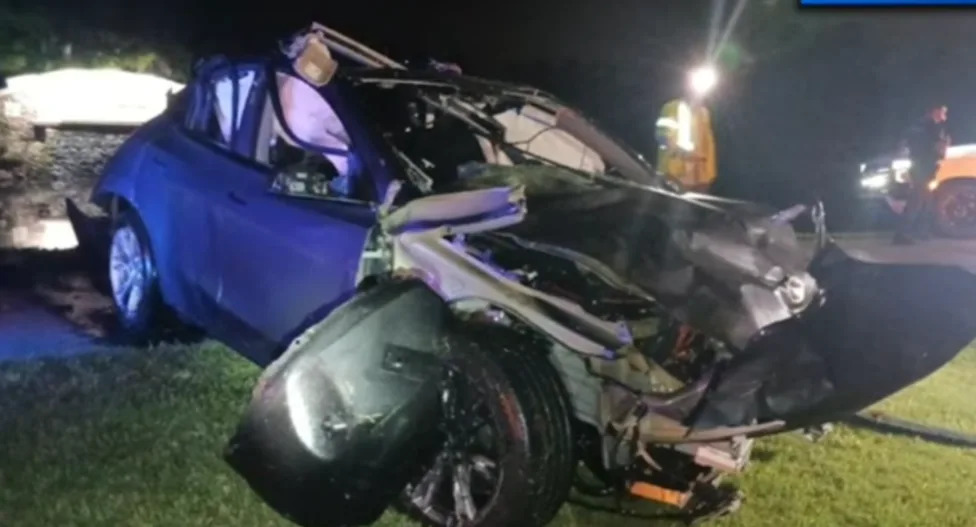
Image Credit: WFLA News Channel 8 / YouTube.A Tuesday evening drive in Pasco County ended in tragedy when a Tesla Model Y operating in Autopilot mode left the road and submerged in a nearby pond, killing the 87-year-old man at the wheel. The crash, confirmed by the Florida Highway Patrol, happened around 8:10 p.m. on May 26, 2026, along Overpass Road east of Infinite Drive in Wesley Chapel. The driver was transported to a local hospital, where he later died from his injuries, according to reports. He was not alone. A 75-year-old woman was riding as a passenger in the SUV. She survived with non-life-threatening injuries and was also taken to the hospital. Neither has been publicly identified. The cause of the crash — specifically why the vehicle departed the roadway in the first place — remains under investigation by the Florida Highway Patrol.What investigators do know is the sequence of events: the Tesla left the road, struck an electrical box, and kept moving until it sank completely into the pond. That detail is worth sitting with for a moment. The vehicle did not stop at the curb. It did not stop at the utility box. It kept going, as vehicles with driver assistance systems have been known to do in certain failure scenarios.AdvertisementAdvertisementThis is not a fringe incident to be tucked into a footnote. It is the latest chapter in a years-long, and increasingly difficult to ignore, conversation about what Tesla's Autopilot system actually does, what drivers reasonably believe it does, and whether those two things are anywhere close to the same.What Autopilot Is — and What It Isn'tTesla's Autopilot is not a self-driving system, despite what the name implies. It is an advanced driver assistance system, or ADAS, that handles steering, acceleration, and braking under certain conditions. Tesla's own documentation makes clear that the driver must remain attentive and be ready to intervene at any moment. The car is not driving itself. The driver is supervising a machine that is doing some of the driving.That distinction has proven to be a genuinely difficult one to communicate to the public. The National Highway Traffic Safety Administration raised this exact concern after concluding a three-year investigation into Autopilot, finding that Tesla's branding "may lead drivers to believe that the automation has greater capabilities than it does." That investigation, launched in 2021 after 11 reports of Teslas on Autopilot striking parked emergency vehicles, ultimately identified 467 crashes linked to the system, including 54 injuries and 14 deaths. Those are NHTSA's numbers, not advocacy groups'.A separate 2023 Washington Post analysis of NHTSA data put the combined Autopilot and Full Self-Driving crash tally above 700, with at least 19 associated deaths since 2019. And as recently as March 2026, NHTSA escalated a separate investigation, now covering over 3.2 million Tesla vehicles equipped with Full Self-Driving, into an Engineering Analysis focused on whether the camera-based system can reliably detect reduced-visibility conditions like glare, fog, or airborne dust.A Crash Pattern That Keeps RepeatingThe Wesley Chapel incident is not the first time a Tesla on Autopilot has ended up in water. In May 2018, a 34-year-old man was killed after his Tesla Model S veered off a road in the San Francisco Bay Area, broke through a fence, and sank in a pond. The question of whether Autopilot was engaged at the time of that crash was not immediately resolved, illustrating one of the persistent challenges in these investigations: data retrieval from submerged or heavily damaged vehicles is not always clean or quick.AdvertisementAdvertisementThat ambiguity matters. It matters legally, it matters for regulators, and it matters for the broader public trying to understand how to think about these systems. Critics have long argued that Tesla's reliance on a camera-only sensor architecture puts it at a disadvantage compared to competitors that use radar and lidar in combination with cameras, particularly in conditions where visual input is compromised. NHTSA's current Engineering Analysis touches directly on this question, examining whether the camera-based system adequately detects and alerts drivers to degraded visibility before a crash occurs.Florida, for its part, is no stranger to Tesla-related litigation. A Florida jury awarded the estate of a woman killed in an Autopilot-involved crash nearly $243 million, finding Tesla 33% liable. That verdict is one indicator of how juries are beginning to weigh the question of shared responsibility between driver and technology.The Age Question Nobody Wants to AskThere is an uncomfortable layer to this particular crash that deserves honest discussion. The driver was 87 years old. His passenger was 75. That does not diminish the tragedy, and it should not be used to dismiss the role of the technology. Autopilot does not check the age or cognitive condition of the person activating it. It is available to anyone who buys the car and enables the feature, regardless of their ability to respond to a rapid system failure.This is not an argument against elderly drivers. Plenty of 87-year-olds are sharp, capable, and perfectly safe behind the wheel. But driver assistance technology that requires split-second human intervention when it fails creates a different kind of demand than ordinary driving. The system may lull a driver into a passive state, then require an immediate, precise response when something goes wrong. That dynamic does not favor drivers whose reaction times or situational awareness may have declined, for any reason.AdvertisementAdvertisementNo regulation currently addresses this. Tesla does not restrict Autopilot based on age. There is no required training before the feature is enabled. This is a gap worth discussing, particularly as the technology proliferates and the population of drivers using it continues to age along with the rest of the country.What Comes NextThe Florida Highway Patrol's investigation is ongoing. Whether this crash triggers any formal regulatory response at the federal level remains to be seen, though NHTSA's pattern of opening investigations in response to Autopilot fatalities is well established at this point. The agency has also been separately examining Tesla's crash reporting timelines, questioning whether the company has been submitting required incident data on schedule.For drivers already using Autopilot, the reminder from every one of these incidents is the same one Tesla itself prints in its documentation: the system requires active supervision. Keep your hands on the wheel. Stay engaged. Do not treat the name at face value.For everyone else, this crash raises the harder question that the auto industry, regulators, and the public have been circling for years: when a vehicle that is nominally under human supervision but mechanically under computer control leaves the road and kills someone, who is actually accountable? That question does not have a clean answer yet. The investigation continues.AdvertisementAdvertisementIf you want more stories like this, follow Guessing Headlights on Yahoo so you don’t miss what’s coming next.


















![Not sold on Tesla Powerwall? There are great battery alternatives out there [update]](https://cdn.topcarnews.net/thumb/id/aHR0cHM6Ly9pMC53cC5jb20vZWxlY3Ry-ZWsuY28vd3AtY29udGVudC91cGxvYWRz-L3NpdGVzLzMvMjAyNi8wNy9ob21lLXNv-bGFyLWJhdHRlcnkucG5nP3c9MTUwMCZh-bXA7cXVhbGl0eT04MiZhbXA7c3RyaXA9-YWxsJmFtcDtzc2w9MQ/18e81f395a77dbb42269ab5e106fea41.png?t=20261006&post_id=68280)