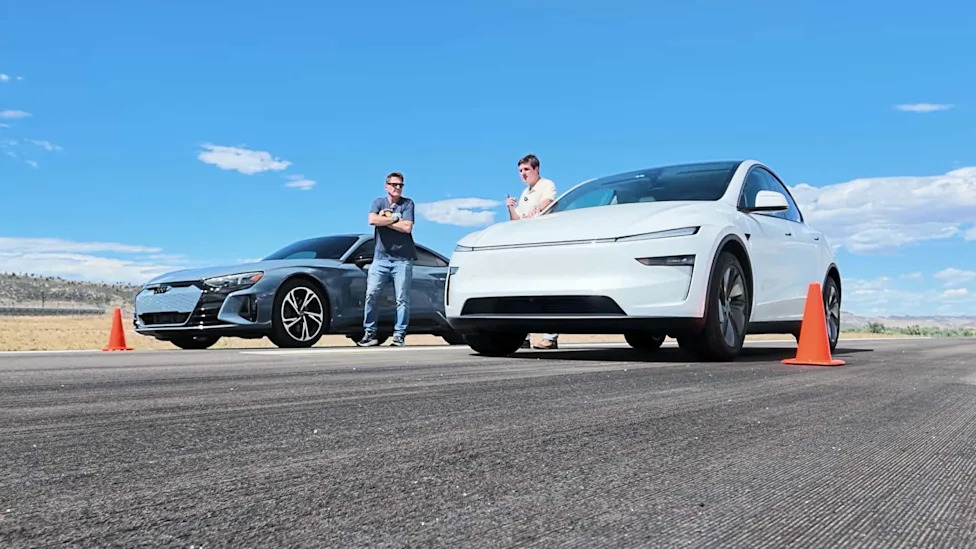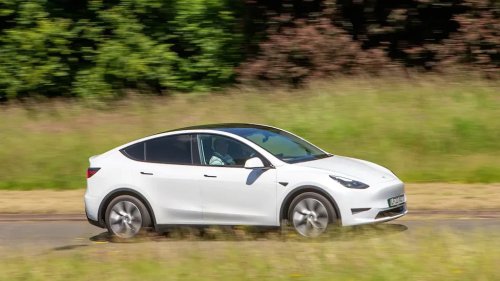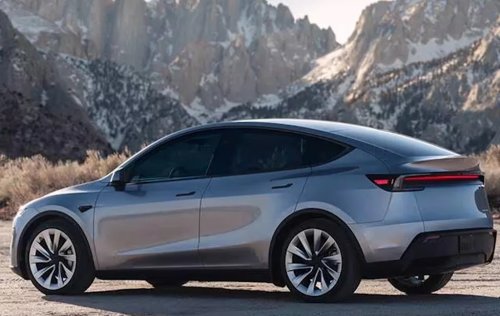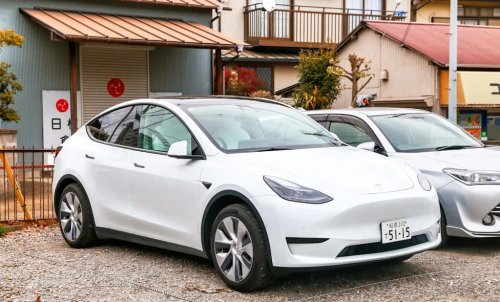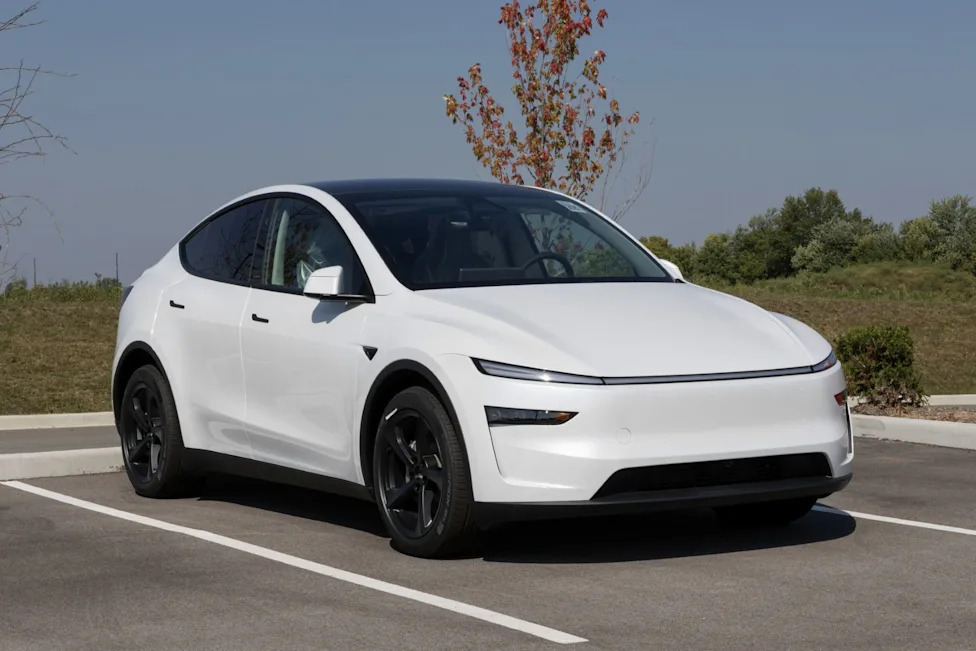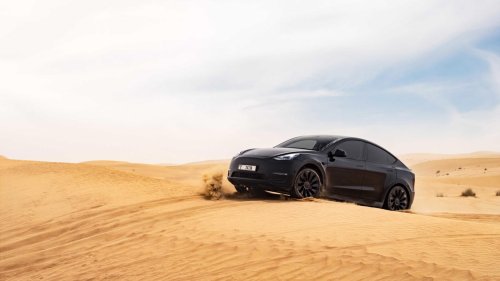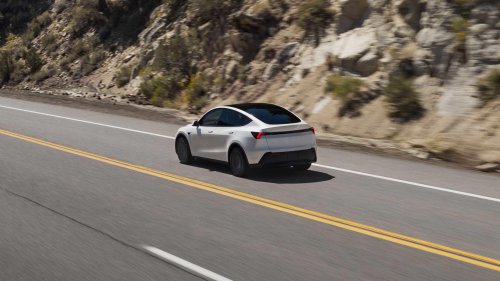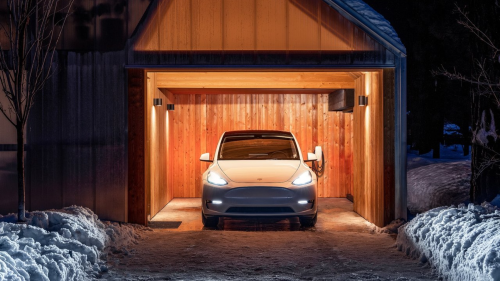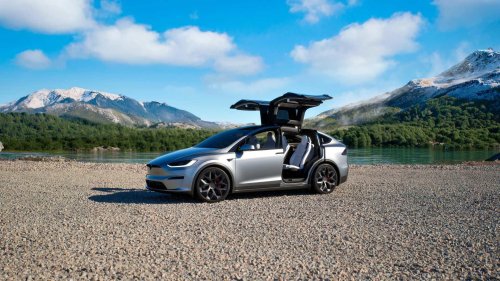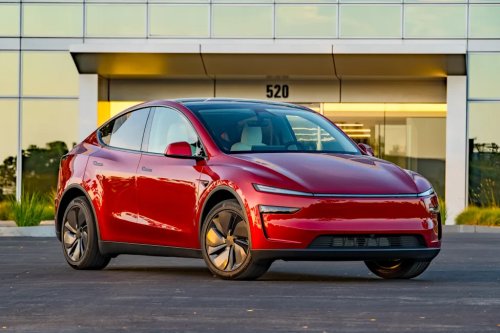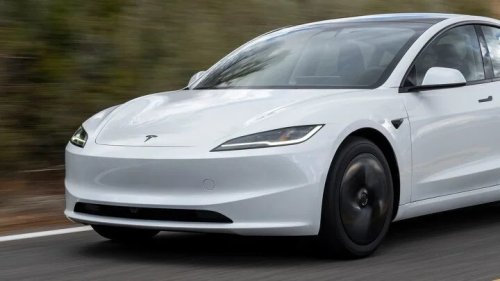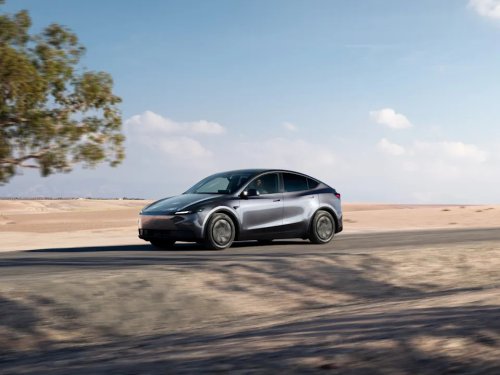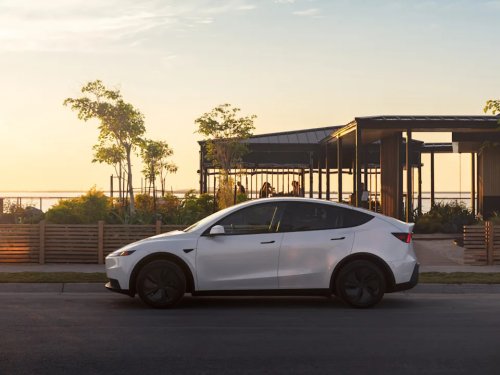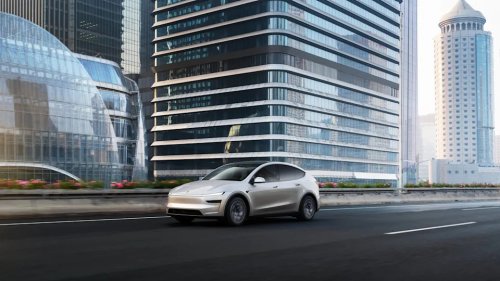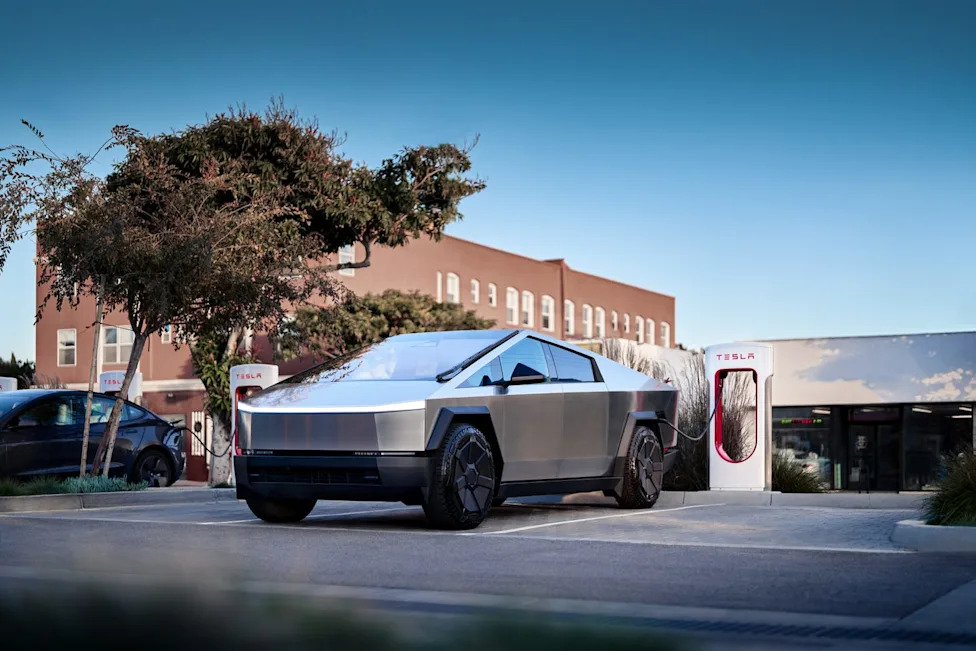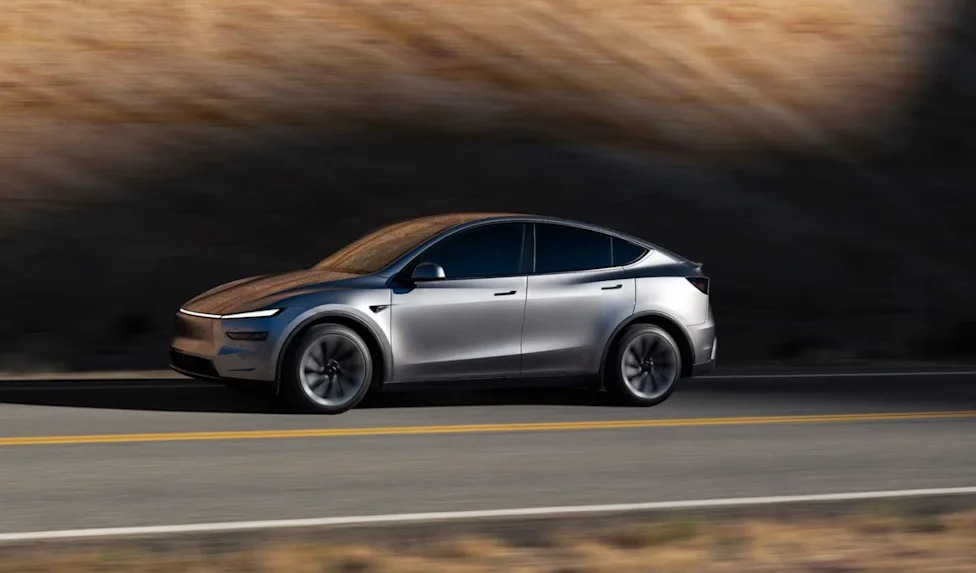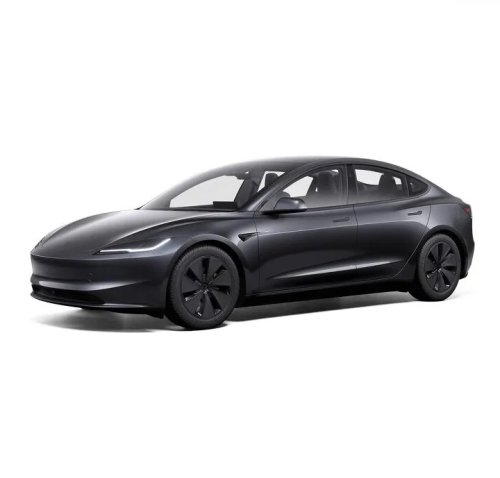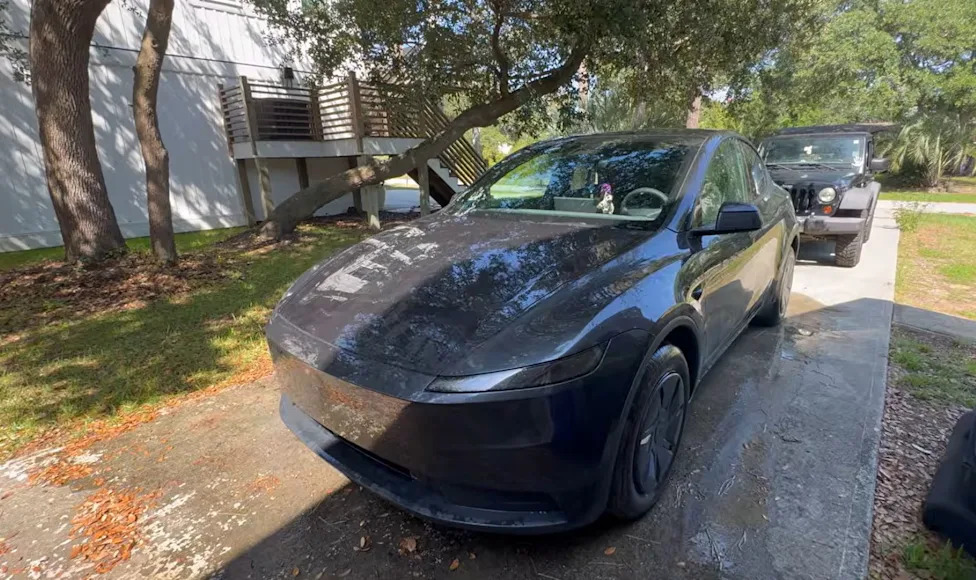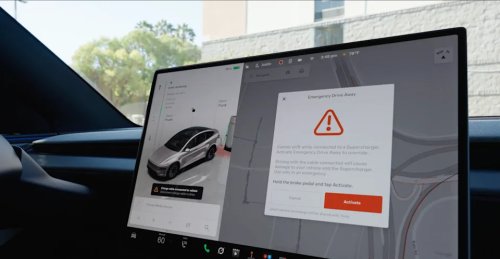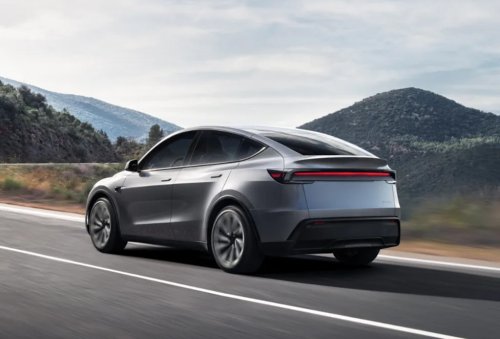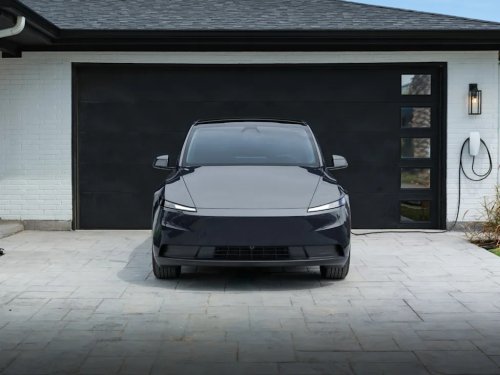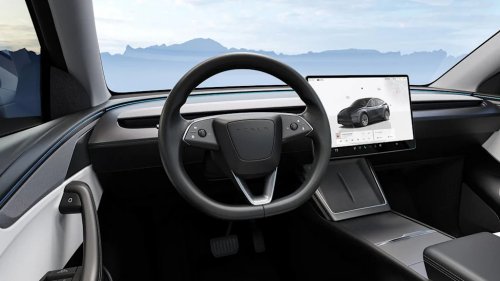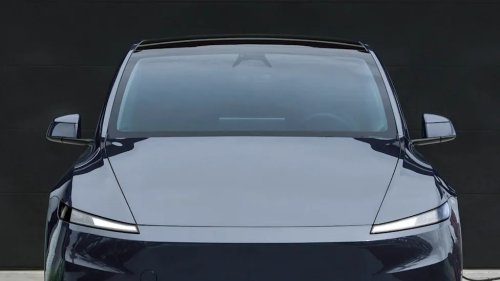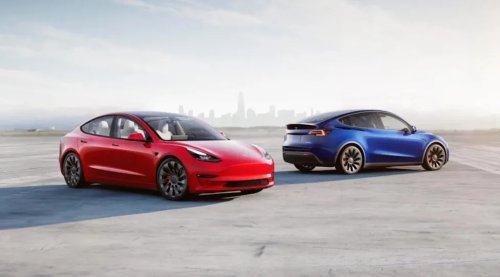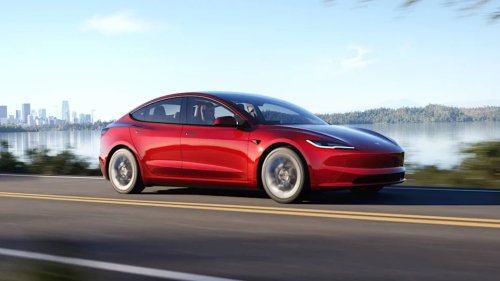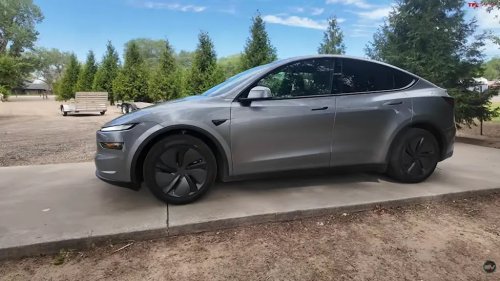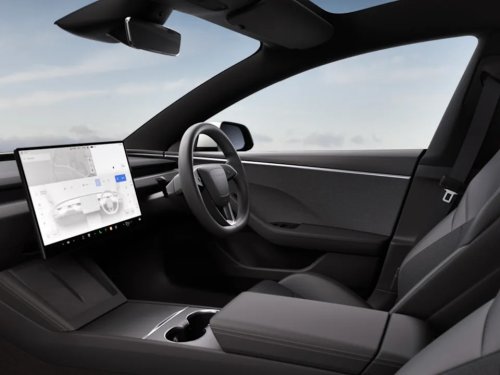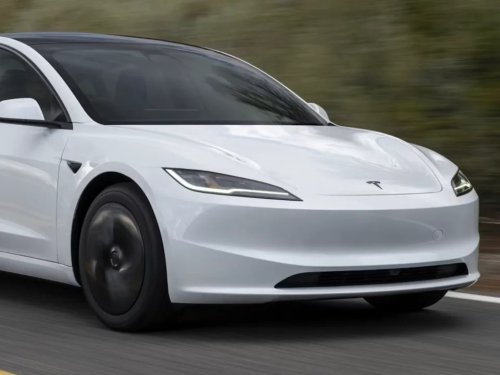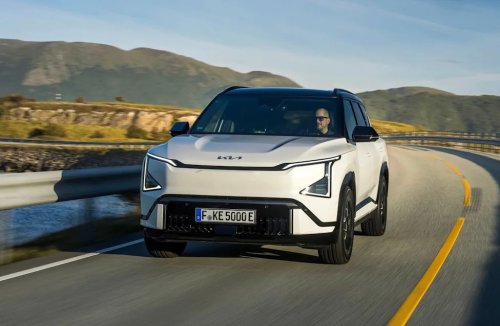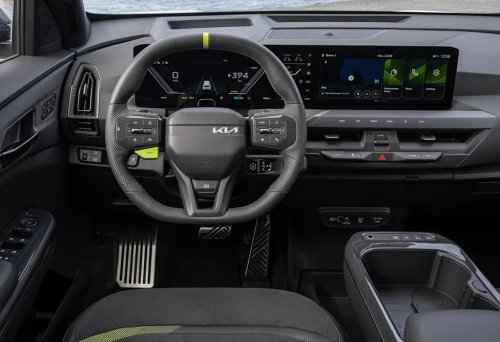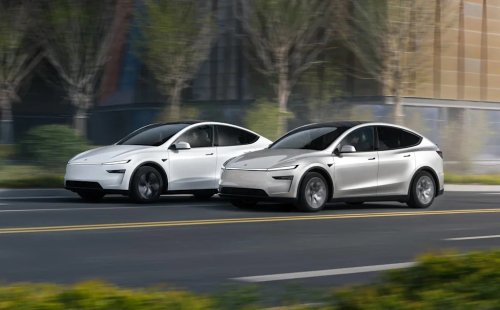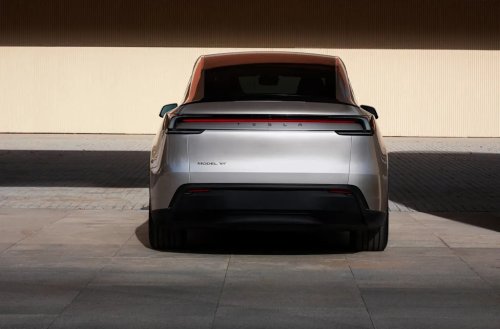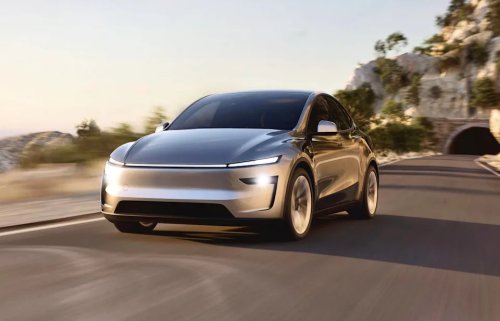





















The second quarter of 2026 saw plugin EVs at 98.1% share in Norway, up from 96.7% in Q2 2025. BEV share grew year on year (YoY), and PHEV share declined. Overall Q2 auto volume was 46,221 units, up some 5% YoY. The Tesla Model Y was the best-selling BEV in Q2. 2026 Q2 auto sales saw combined plugin EVs at 98.1% share in Norway, with full electrics (BEVs) at 97.4% and plugin hybrids (PHEVs) at 0.6%. These figures compare YoY against 96.7% combined, 95.9% BEVs and 0.8% PHEVs. Non-plugins now amount to only around 2% of new sales, and half of them are HEVs. By the end of this year, these residual categories will have reduced to just around 1% share, based on current trends. The number of BEVs in the existing passenger fleet has now climbed to just over a million units, with a share of a little over a third of the overall fleet. Best-Selling BEV Models Following its lead in Q1, the Tesla Model Y also led Q2 volume, with 5,686 units sold. The new Toyota Urban Cruiser came in second with 1,969 units, just ahead of the Volkswagen ID.4 with 1,820 units. The Toyota Urban Cruiser has done well to climb quickly to second place, since arriving in volume only last quarter. Likewise, its also-new sibling, the Toyota C-HR, has also rapidly climbed (now in 4th with 1,553 units). It seems that Toyota is finally having to take BEVs seriously, at least in advanced markets like Norway. Most of the other moves in the top 20 are modest, with one standout – the Kia Niro in 12th place with 990 units sold (almost all during a June delivery push). The Niro had stopped selling in Norway in late 2024, and the model will be discontinued globally later this year, so what’s going on here? In the Niro’s heyday, Kia had been in and around the top 10 best-selling BEV brands in Norway for many years, but began to slip from 2023 onwards. Meanwhile, from 1st January 2026, Norway further tightened the VAT-exemption ceiling from 500,000 NOK down to 300,000 NOK, and Kia found themselves without any model that came in under that tighter threshold. Their EV3 model is priced above 300,000 NOK, and the EV2 (which does start below that threshold) was not planned to be delivered before Q3. So to temporarily fill that gap in their lineup, the Niro was wheeled out once more, just before retirement – and priced at 299,990 NOK. This is a “one off” allocation of just 1,350 units of the Niro, and most of them were delivered already in June – the remainder will arrive in July. The EV2 (priced from 279,900 NOK) will start delivering in Norway over the next month or two, and will be Kia’s more permanent representative in the VAT-dodging sub-300,000 NOK segment. There were several debutant BEV models in Q2. These include: The Subaru Unchartered; Subaru Outback; Xpeng X9; Dongfeng Vigo; Zeekr 7GT; Kia EV5; Porsche Cayenne; Mitsubishi Eclipse Cross; Volvo EX60; Cupra Raval; and Lexus EX (in descending order of volume). The most innovative of these in my eyes are those that push the affordability frontier. The Dongfeng Vigo (debuting at 102 units), is priced from 244,900 NOK for the entry version, with a 52 kWh LFP battery. This is a compact SUV (4,385 mm) with 340 KM WLTP range, 25 minute DC charging, and a 5-year (100,000 km) warranty. Even the highly anticipated Cupra Raval from VW Group can’t compete with the Dongfeng’s specs. The Raval is a small hatchback (4,046 mm) with a 37 kWh battery, 300 KM WLTP, the same 25 minute DC charging, and the same warranty – for more money (starting from 248,900 NOK). It’s good to see more competition at the competent-and-affordable end of the market, where BEV offerings are still scarce in Europe. Outlook Norwegian car buyers – outside of the EU’s protectionist tariff-barrier zone – continue to get access to a wide variety of global BEVs at a variety of price points and across market segments. Norway is at the mature stage of the BEV transition, like China. The Norwegian economy remains erratic, with numerous revisions to the official YoY GDP figures, and headlines swinging from negative 0.8% YoY GDP growth in Q2 2025, to +1.7% in Q1 2026 (with more recent figures still pending). Headline inflation stood at 2.7% as of June, from 3.6% as of Q1 end. Interest rates have ticked up from 4.0% to 4.25% since April. Business confidence remains lacklustre at 1.2 points as of end of Q1 (latest), from 3.4 points year-on-year. Which BEV models do you expect to see do well in Norway throughout the remainder of 2026? Please share your thoughts and perspectives in the comments below.