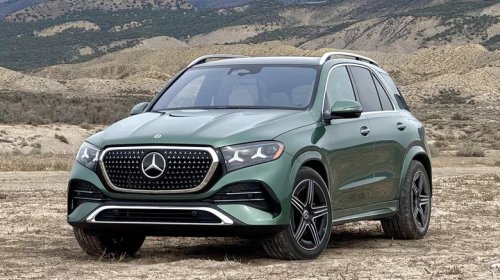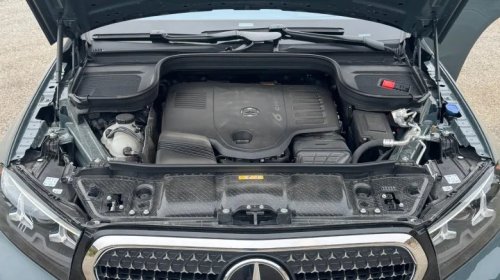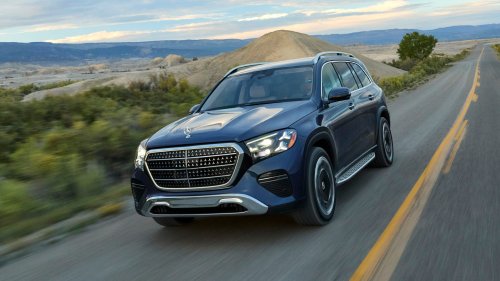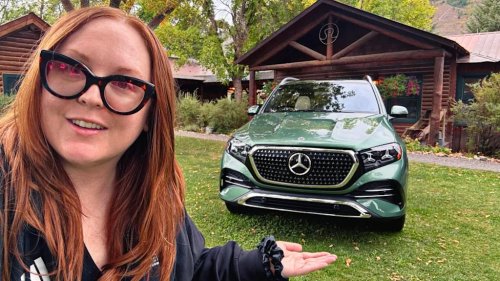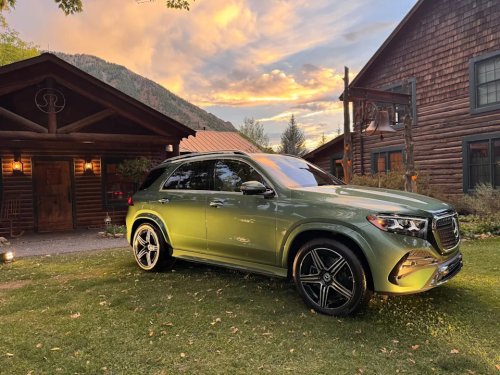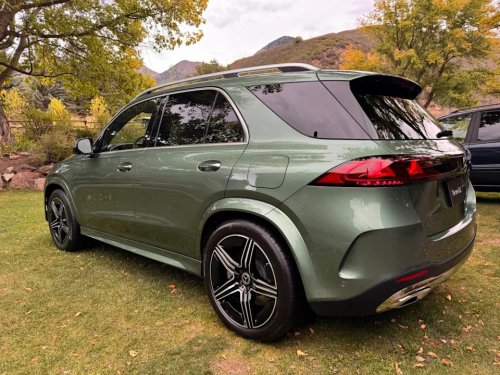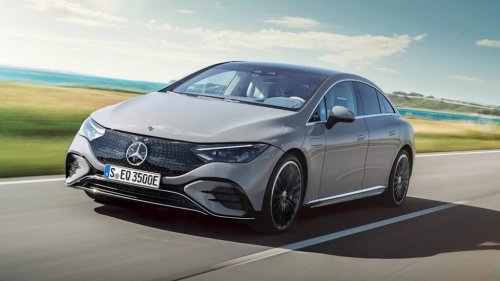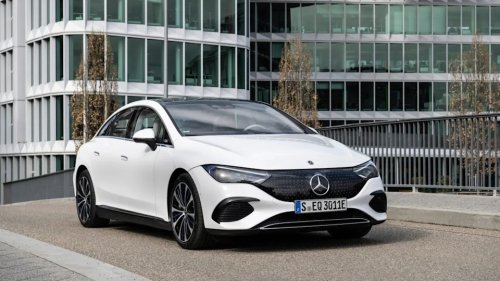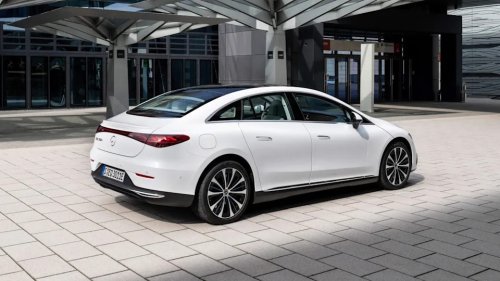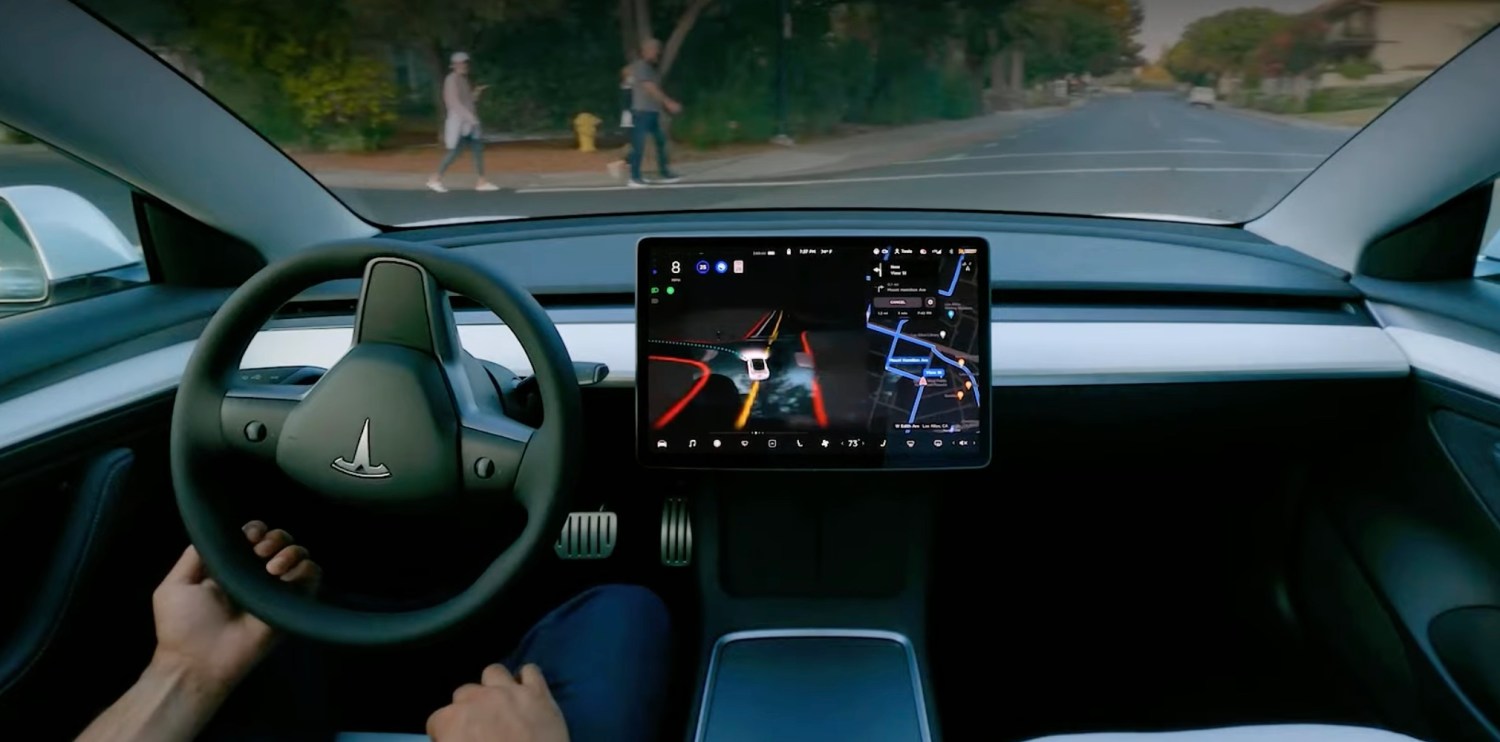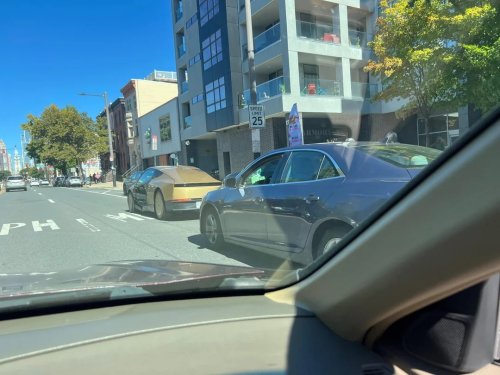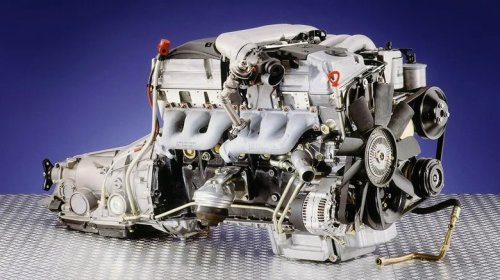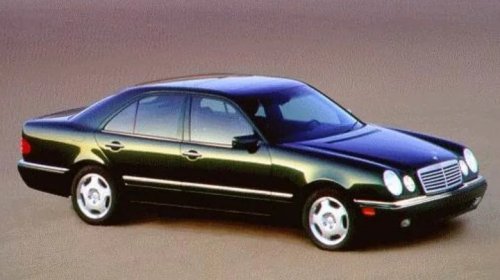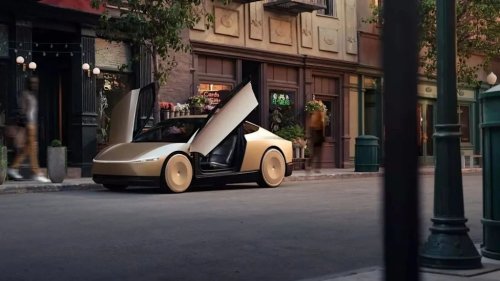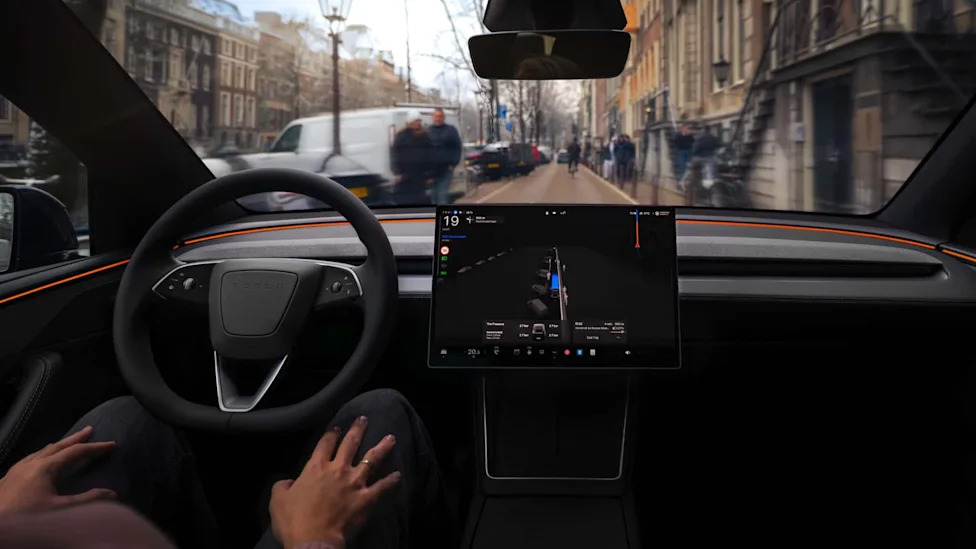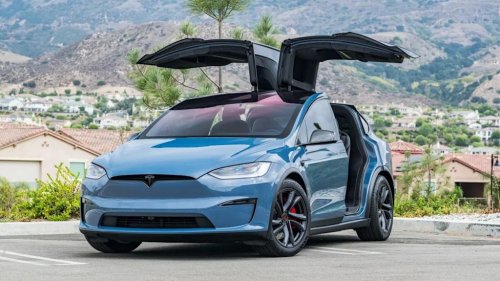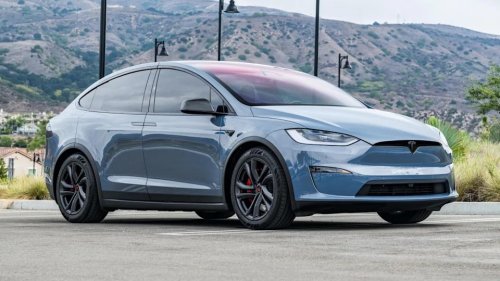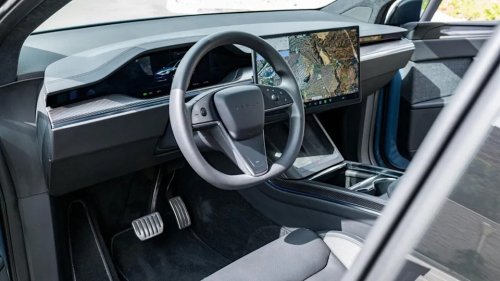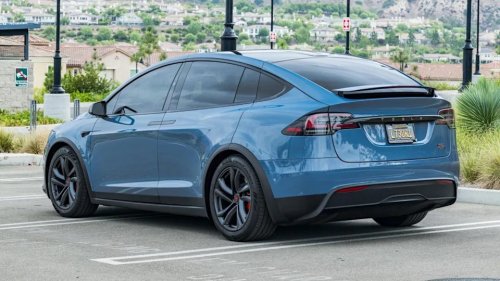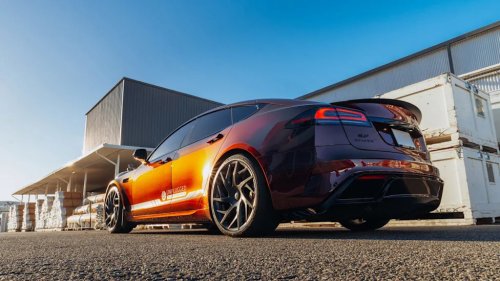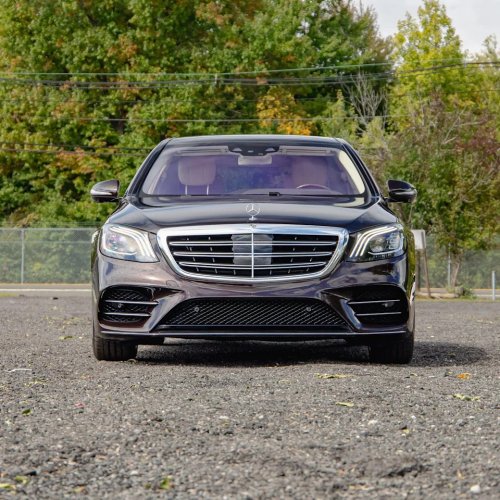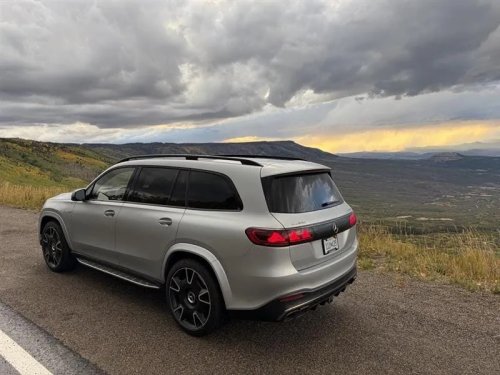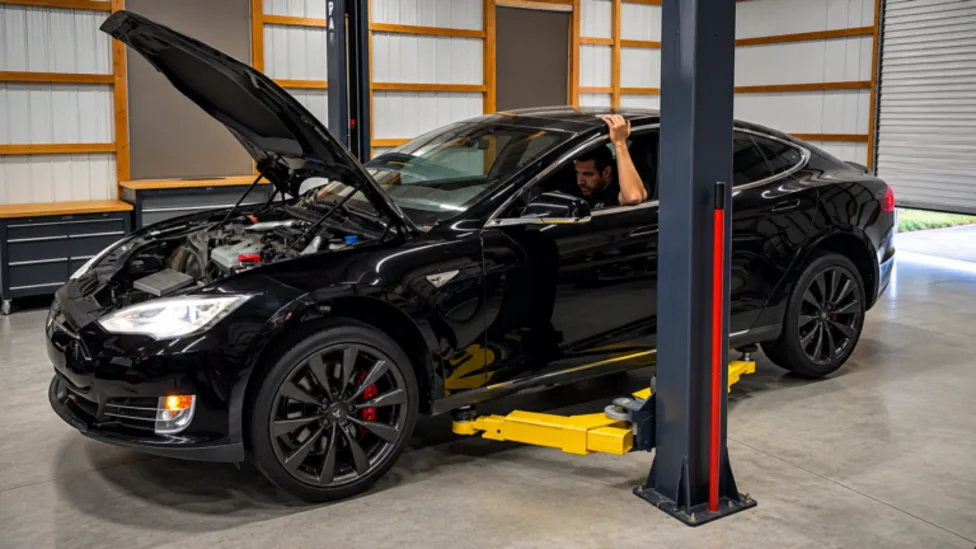



















Tesla Quoted Him $5,500 for a New Motor — He Fixed It With a $70 Mercedes PartA YouTuber picked up a 2015 Tesla Model S – originally stickered at over $140,000, loaded with every option including the $10,000 Ludicrous upgrade – for $10,300. Then the front drive motor died, and Tesla wanted $5,500 to replace the whole unit. The fix turned out to cost $70, and it came from a Mercedes-Benz dealership.The car belongs to Sam, who documents project builds on YouTube. When a warning appeared on the dash flagging the front drive motor as disabled, the car didn't stop working entirely, but the performance drop was immediate – all the thrust from the front axle simply gone. Sam called a friend who'd worked on older Teslas before. The advice was that the car probably needs a whole new motor, and if that's true, it's not worth fixing. Sam ignored that and went looking for another answer.Tesla's remote diagnostic service confirmed the friend's recomendation. Via the app, the company pulled fault codes without the car ever visiting a service center, then came back with an estimate for a complete front drive unit replacement at just over $5,500. Per Recharged.com, out-of-warranty drive unit replacements on older Model S vehicles can run anywhere from $5,000 to well north of $12,000 depending on whether you're going through Tesla directly or an independent shop. One Austin-based EV specialist quoted a used front motor swap at $3,500 – cheaper, but still more than a third of what Sam paid for the car.The Part Tesla Won't Sell YouWhat saved Sam was a video from the Out of Spec Renew YouTube channel, hosted by Alex, who had diagnosed and repaired the same failure on a different Model S. Alex connected with Sam remotely via Tesla Toolbox software, worked through the log data, and confirmed the problem wasn't the motor itself – it was the encoder sensor.AdvertisementAdvertisement"The failure was with the front drive unit encoder sensor. Now the encoder sensor is essentially just a hall effect sensor that is used to measure the speed of the motor. If the sensor fails, then the inverter no longer has a reliable feedback to know what speed the motor is spinning at. So the motor gets disabled," Alex explained.Think of it as the electric equivalent of a crankshaft position sensor – a relatively simple piece of electronics doing a critical job. The problem is that Tesla treats the front drive unit as a single non-serviceable assembly. The encoder is not listed as a standalone part, which is why every Tesla service advisor and most independent shops default to quoting a full motor swap. As recently as May 2025, owners on the Tesla Motors Club forum were documenting the exact same fault codes – DI_w138 and DIS_f008_hwEncoderA – and being told the same thing: full replacement only.Getting to the sensor without pulling the whole drive unit requires dropping the battery pack first, which on a Model S means unbolting a roughly 1,200-pound assembly from under the car. Once that's out of the way, the traction inverter can be removed from behind, giving access to the sensor. "The workaround to get around having to pull the whole drive unit to access that encoder sensor is if you drop the battery out of the car, you can actually remove the traction inverter and access the encoder sensor from behind the inverter," Alex said.It's a big job, but it's not a new motor.Where the Mercedes Part Comes InThe sensor itself is where the story gets really interesting. The Mercedes-Benz B-Class Electric Drive, sold in the US from 2014 through the end of the W246 production run in 2018, was powered by a Tesla-sourced drivetrain – the same front-mounted motor that ended up in the Model S. Mercedes and Tesla had an established supply relationship at the time, with early Smart fortwo Electric Drive models also running Tesla hardware. Because the B-Class used the same motor and the same encoder sensor, the part is stocked at Mercedes dealerships as a serviceable item. Sam walked in and paid $70.AdvertisementAdvertisementThe sensor on Sam's car didn't show obvious contamination – a known failure mode involves fine metallic debris gradually interfering with the signal over high mileage. His appeared relatively clean, suggesting the component had simply failed with age. Either way, replacing it rather than wiping it down and reinstalling was the obvious call given the amount of work involved in getting there.The repair worked. After reassembly and a coolant bleed run through the car's built-in service menu – a really useful feature that would require an expensive scan tool on most other vehicles – Sam drove the car for over ten miles without a single warning light. The front motor was back online, and the Ludicrous-spec Model S was behaving like a Ludicrous-spec Model S again.There was also a secondary coolant valve failure discovered during the job, fixed with a $50 third-party part, and a pair of burned-out Xenon headlights sorted for $20 online. All in, the repair that Tesla quoted at $5,500 came to somewhere around $140 in parts.The wider point here is that Tesla's official repair path for encoder failures remains full drive unit replacement. For anyone running an older Model S outside its warranty period, that policy makes a cheap car expensive very quickly. The DIY workaround that Out of Spec Renew pioneered, and that Sam's video now documents in detail, is gaining ground in the owner community precisely because the official answer is so disproportionate to the actual fault. A $70 sensor from a Mercedes dealer isn't a hack. It's just a better answer.