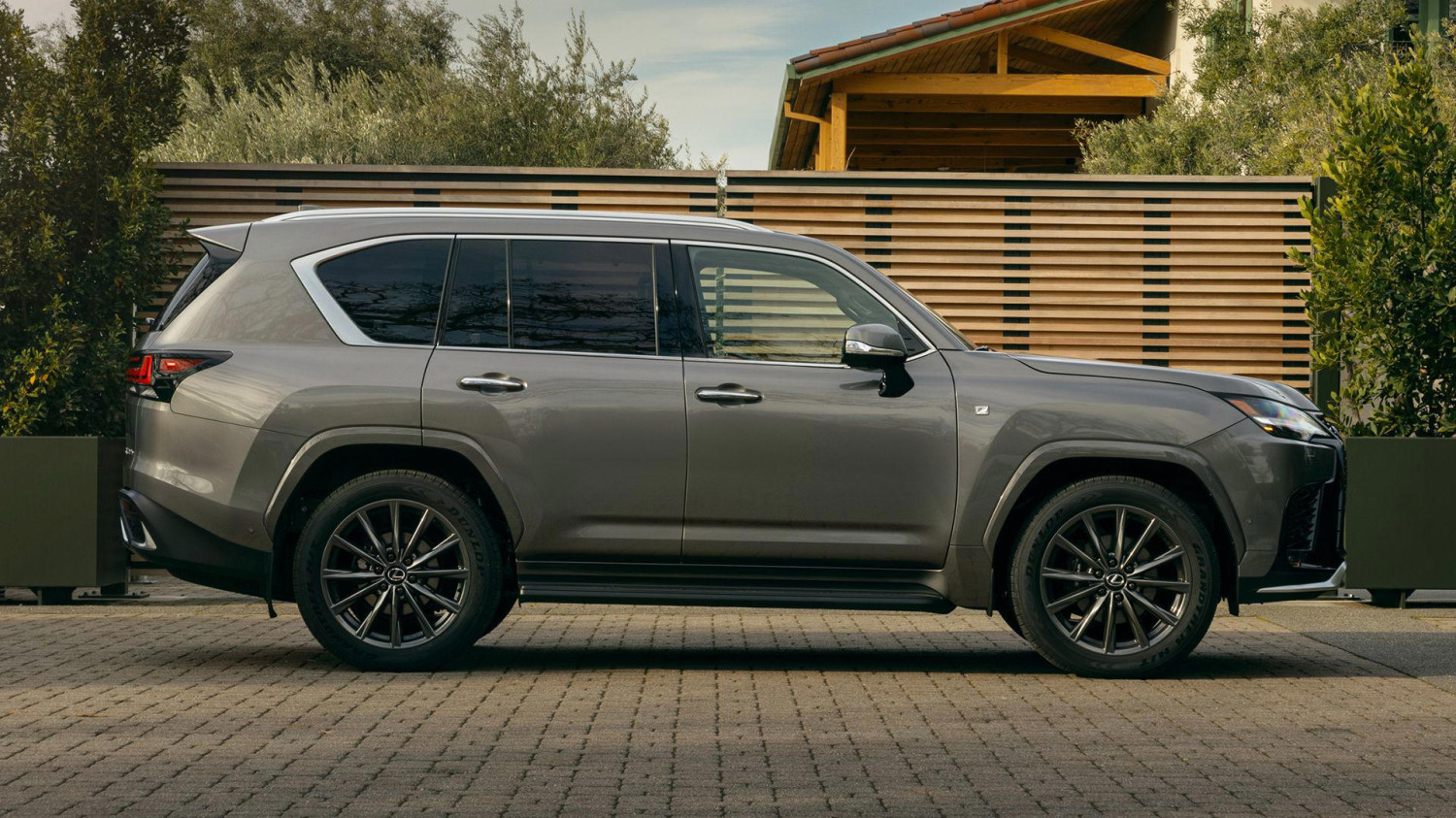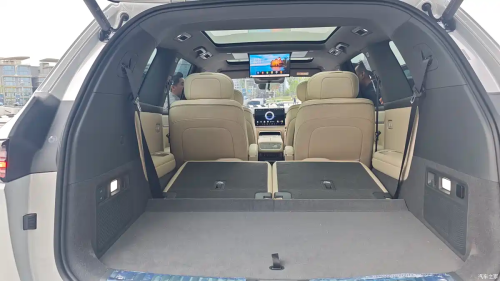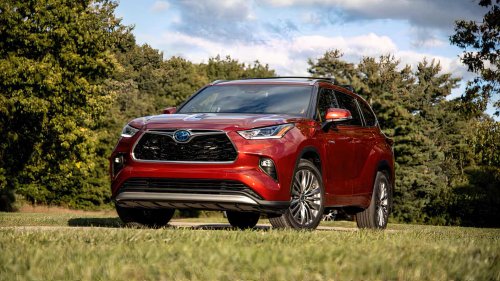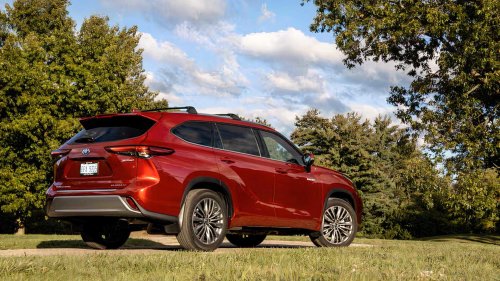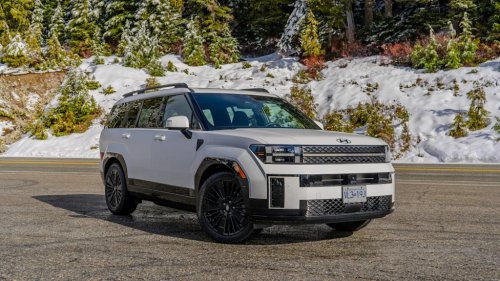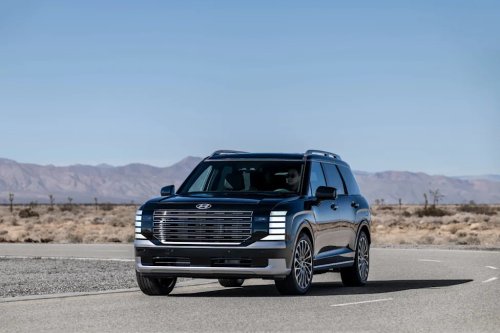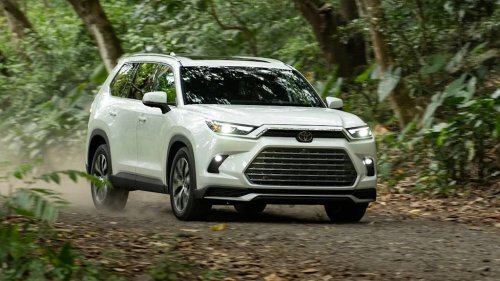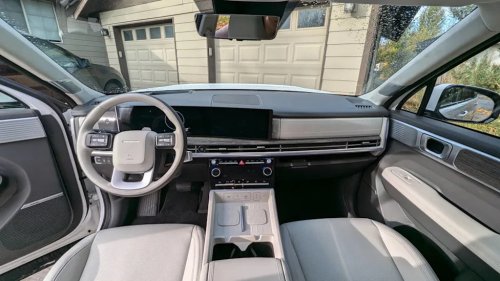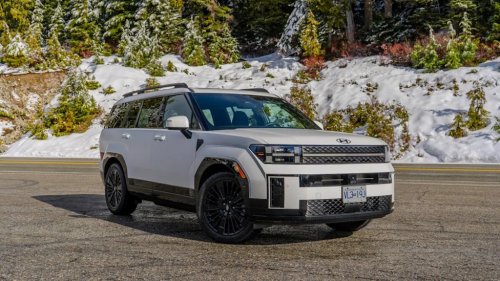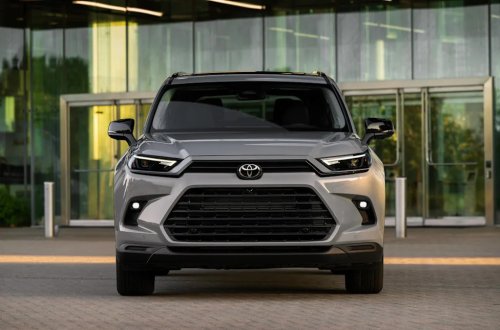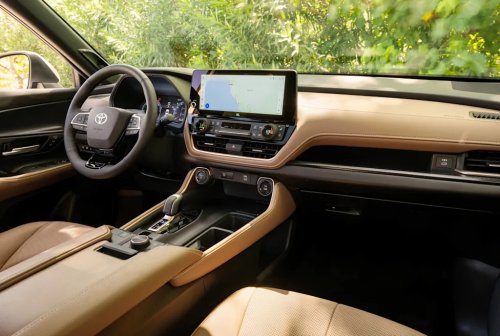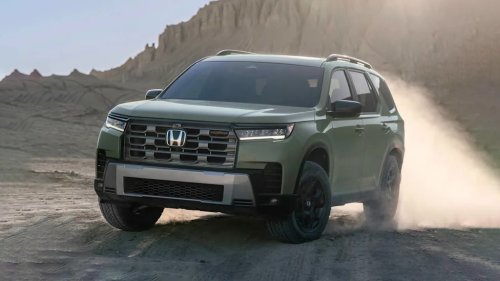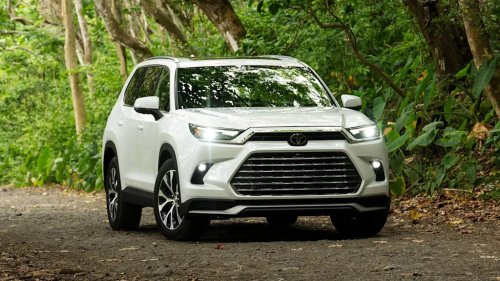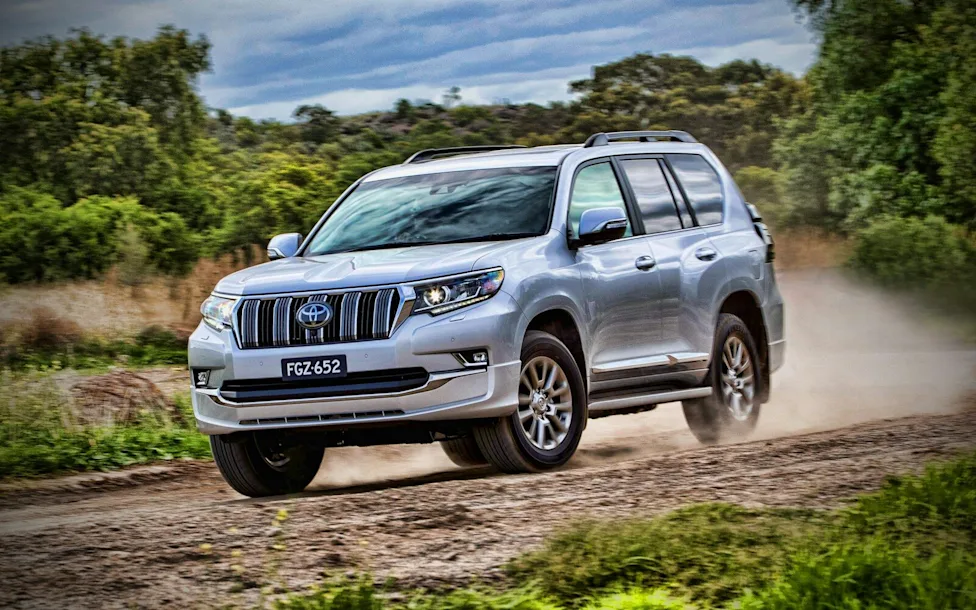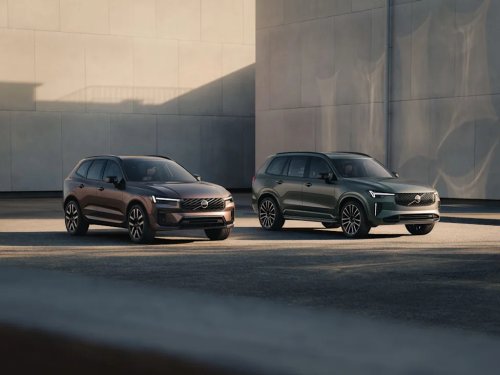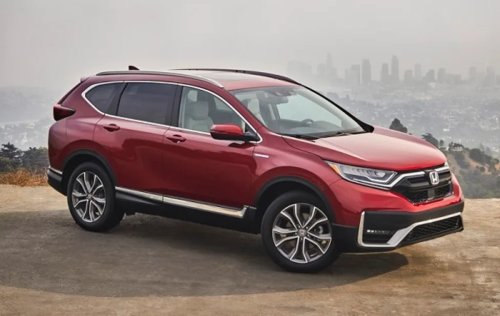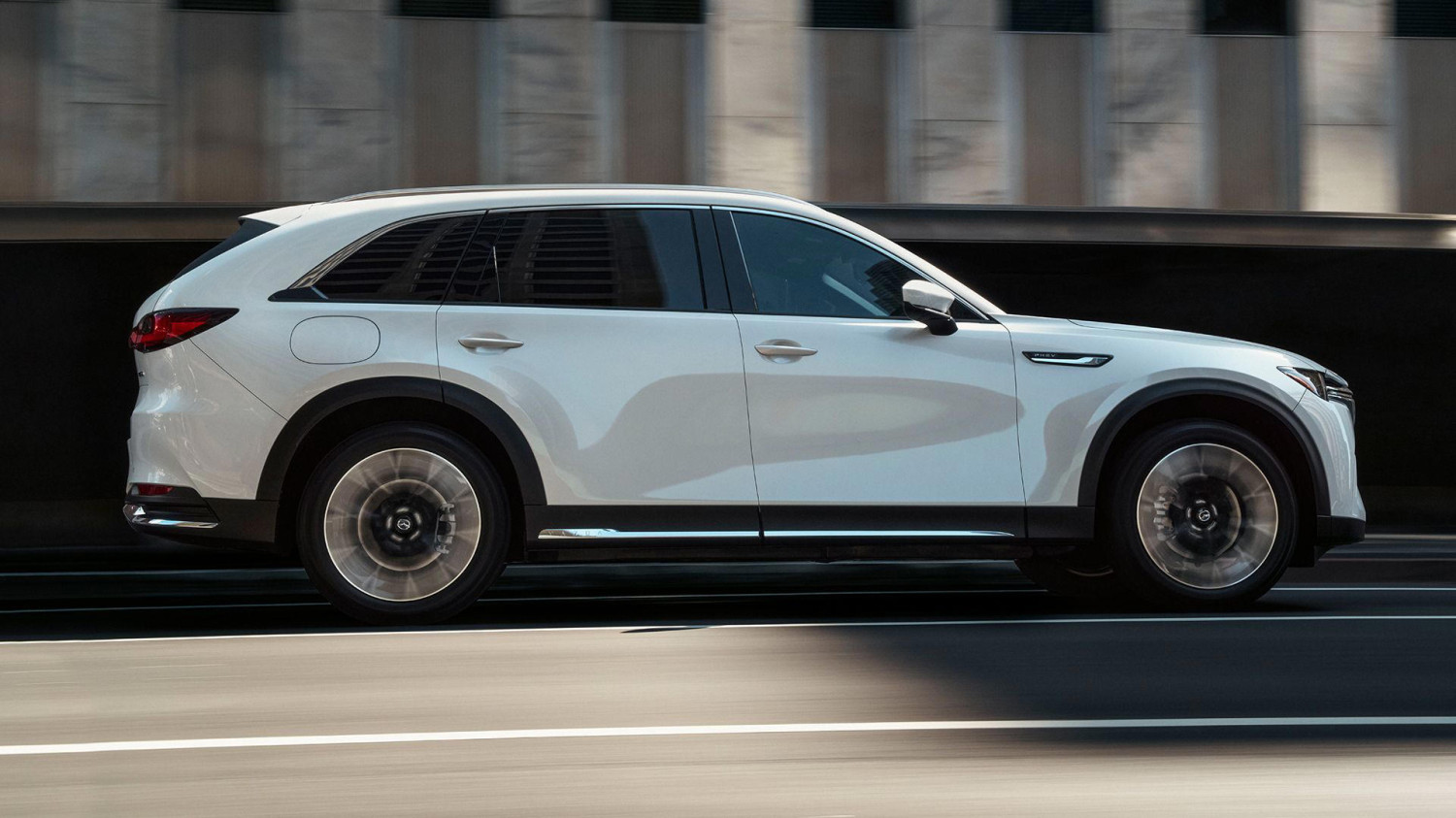



















Best Large Hybrid SUVs for 2026 | Hybrid Mid- And Full-Size SUVs | CarBuzzSometimes a large hybrid SUV can be everything you want: practical, nice to drive, and safe, but it can be hard for them to be efficient due to their weight and size. Hybrid SUVs are able to counteract the issues with weight and size by adding electrical power to the engine when you set off, which is when the most energy to move is required. They will usually cost more than their gas-only counterparts, but offer high return on investment through fuel savings and resale value. With the number of large hybrid SUV models increasing, we've listed our favorites below to help you decide which is best.Vehicles are assigned a BuzzScore in relation to their direct segment competitors, and as such, vehicles in this list, while similarly scored, do not necessarily compete directly against one another. Find out more about how the BuzzScore ratings work here. These lists are continuously updated with the latest BuzzScores and vehicles as they become available.Only mid-size and full-size SUVs have been considered in putting together this list. Furthermore, only conventional hybrids and plug-in hybrids qualify, not mild hybrids. Hyundai Palisade In our review of the hybridized Hyundai Palisade, we said it's the one to get. It has all the style and features of the regular Palisade, but the hybrid adds a small amount of power to make it feel more relaxed when getting up to highway speed. It might not be very athletic, but we don't care for this kind of vehicle. With every Palisade Hybrid, you get wireless charging, six USB-C powers and wireless smartphone connectivity. Three-rows and hybrid power make this a great family choice."Step-off from a stop is usefully nippy, thanks to the instant torque from the hybrid system's dual motors, and there's abundant two-lane passing power from the torquey turbo four."- Brett T. Evans, Senior Road Tester, CarBuzz Mazda CX-90 Mazda's 'Kodo' design philosophy lends itself nicely to SUVs, and you can see that clearly in the three-row CX-90. Virtually identical to the CX-70 outside, it's a minimalist take on a hybrid large SUV. This powertrain only comes in plug-in hybrid form, and that gets you 27 miles of electric range and a manufacturer-quoted 500 mile total range. PHEV systems are great when they also don't take up any space — and in the CX-90, there's 15.9 cubic feet in the back when all the seats are up. Lexus RX With Toyota's tentative stance on electric cars, they've made their hybrid engines some of the best in the field. The Lexus RX comes in both full hybrid and plug-in hybrid forms, and we can't see a reason to get this car without electric power, as even the base hybrid gets almost double the gas powertrain's MPG figures. If you don't want to sacrifice power for efficiency, Lexus even makes a 'Performance Hybrid' powertrain that adds a turbo, making 366 horsepower. Lexus TX Even though it's not the flagship model, the TX is the biggest Lexus hybrid SUV with three rows. Coming in both sporty hybrid and plug-in hybrid forms, it has 33.5 inches of legroom and 37.2 inches of headroom in the back, making it actually usable as a three-row family SUV where adults can sit in the back. Lexus' hybrid refinement meant we couldn't tell when the V6 kicked in during our testing with the PHEV, something that lots of manufacturers are still trying to master. This might be the best large hybrid SUV from Japan with its oodles of space."The TX may not have the nicest interior in its class, but it's by far the most spacious and offers three compelling powertrains where many rivals only have one. If you have been waiting for a Lexus that can fit your whole family and their gear, the TX fits the bill."- Jared Rosenholtz, Editor-at-Large, CarBuzz Lexus LX The Lexus LX is the company's flagship SUV, starting from $116k for the hybrid versions. It can seat up to seven people, but if you want the ultimate luxury experience in your full-size hybrid SUV, you'd choose the four-seat option which has ample space in front and behind. Although it's not a plug-in hybrid, it still has 457 horsepower and 583 lb-ft of torque due to its twin-turbo V6 and electric motors. Of course, there's wood trim, heated seats in the first and second rows, and even options for 2,400-watt speakers. Porsche Cayenne Some might think it's not a true Porsche, but others will tell you it's the car that saved the company. The Cayenne E-Hybrid plug-in hybrid starts at just over $100k, and it uses its electric power to prioritize performance. Its base model comes with 463 horsepower, while more powerful versions can launch from 0–60 mph in 3.5 seconds with 729 horsepower. There's still a V6 under the hood in the base model, meaning fuel mileage isn't stellar at 53 MPGe or 22 mpg, but it doesn't drop much if you choose the V8 PHEV. Toyota Grand Highlander Like other models on our list, we found the Grand Highlander's hybrid powertrains to be better than their non-electrified equivalent. While the regular hybrid drops power to around 245 horses, we'd happily trade power for its stellar fuel mileage, which is 34 mpg combined with some trims. The Hybrid MAX has 362 horsepower but still manages 27 mpg. While it's not sporty, the CVT means power is quickly at your disposal and that's handy when moving quickly off a junction or overtaking."All three powertrains feel quieter than the regular Highlander, thanks to increased sound deadening. Ride comfort is decent, and body control is anything but sloppy. Think of this as a Highlander that bulked up but kept its athleticism."- Jared Rosenholtz, Editor-at-Large, CarBuzz Land Rover Range Rover The Range Rover was the original luxury SUV before the turn of the century, and the plug-in hybrid powertrain takes it into the modern age. With 50 miles of electric range, you will regularly not bother with putting gas in when running errands, and it has a five-hour charge time at home, perfect for plugging it in overnight. The Range Rover also comes with 543 horsepower and a 4.8-second 0-60 mph time. It will feel like one of the biggest hybrid SUVs on the road thanks to its chrome trim and presence. Volvo XC90 Volvo quietly makes some of the best luxury hybrid SUVs that make you look twice. To drive, the XC90 is smooth, especially when using one-pedal driving, and inside you'll like the Google infotainment system that blends seamlessly with your phone. While the gas powertrains have mild-hybrid power, the plug-in hybrid is the one you want thanks to the increased power of 455 horses. 32 miles of electric range might not be the segment's best, but it's still competitive for those with a short commute. BMW XM We know what you'll say about the looks of the BMW XM (and we feel it too), but the powertrain of this super SUV is seriously impressive. It's the same one that's used in the BMW M5; a 4.4L V8 hybrid that has 748 horsepower and a 50-mile electric range. With its heft and size, BMW had to employ clever adaptive suspension, an advanced differential and powertrain tuning tweaks to make it feel less bulky. it worked, and if you can get over the exterior, the XM is a great one-car solution. Characteristics Of Mid- And Full-Size Hybrid SUVs The US is awash with SUVs, but the best large hybrid SUV models have to tick a lot of boxes to be considered worth the extra money: They should have ample levels of passenger and cargo space They must exhibit impeccable safety ratings They need to get better fuel economy than equivalent gas-only models They should come with enough standard tech to warrant the higher price What To Consider When Buying Large Hybrid SUVs You have a fair amount of choice when it comes to buying a new vehicle, and since the SUV segment is one of the most popular in the world right now, you should carefully consider whether a big hybrid SUV is the right fit for your lifestyle and budget. For the roomiest, most spacious hybrid SUVs, here are some pros and cons you should know about. Pros Superior levels of practicality Improved fuel economy High safety specification Decent list of standard features Comfortable, especially over long trips Often some degree of off-road capability Cons More expensive than smaller models Higher weight affects gas mileage Large size can adversely affect drivability Sources: Mazda, BMW, Toyota, Volvo, Lexus, Porsche, Hyundai