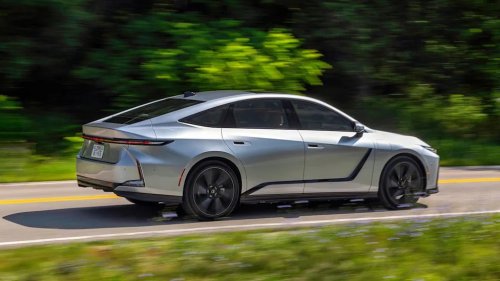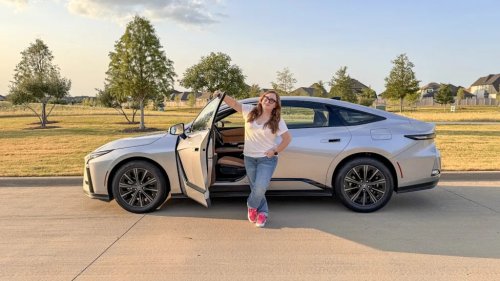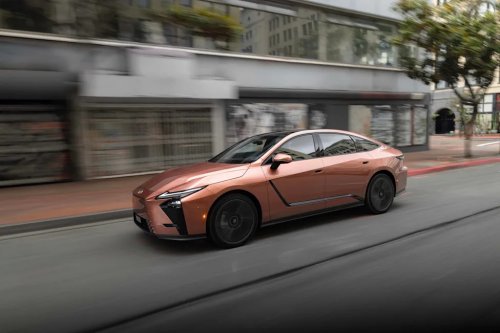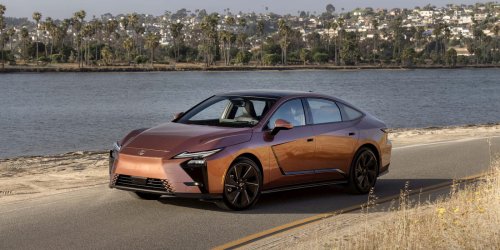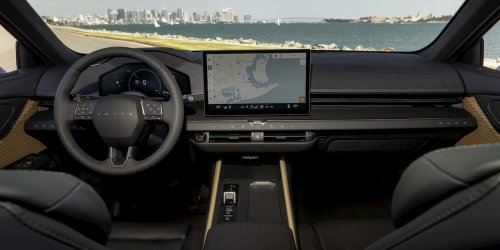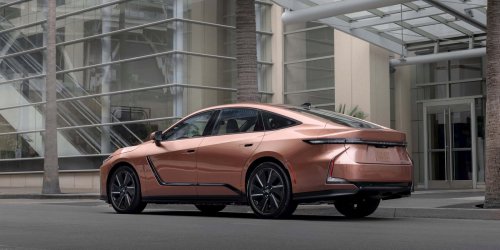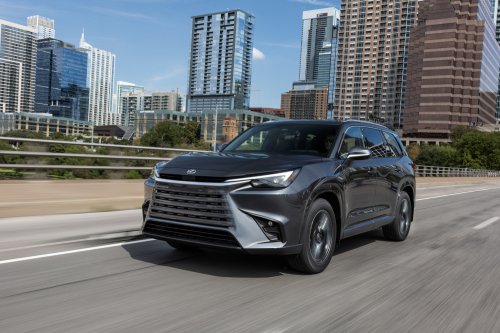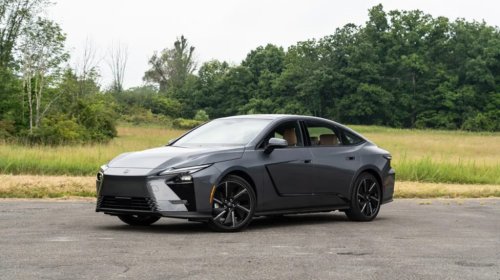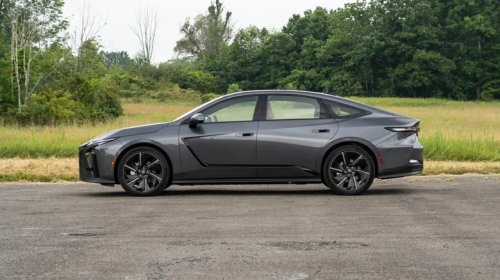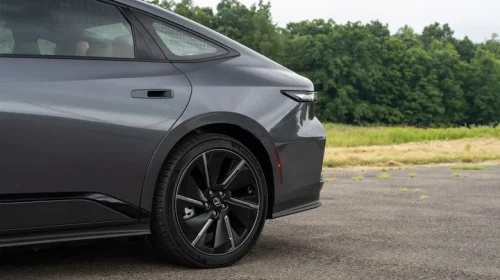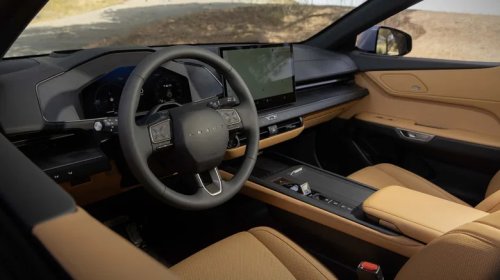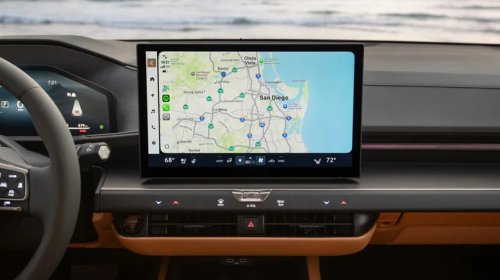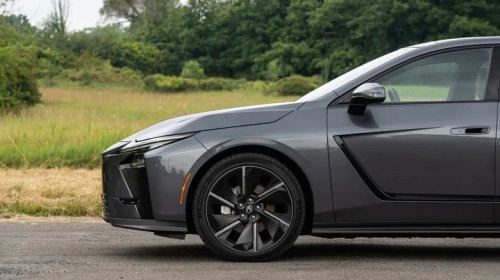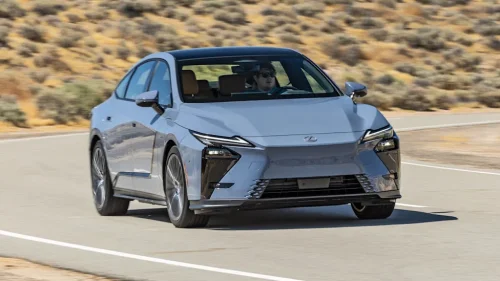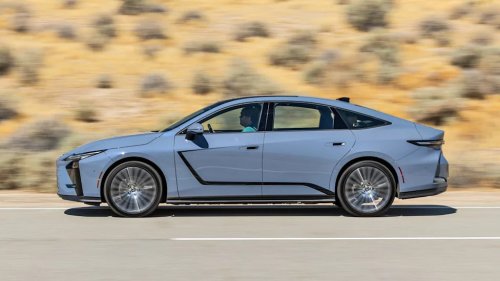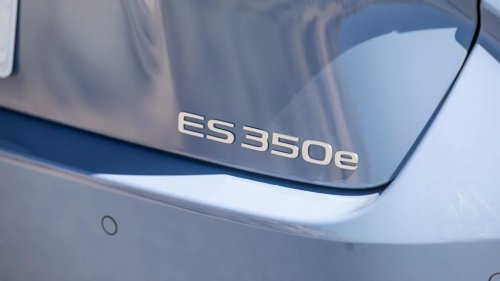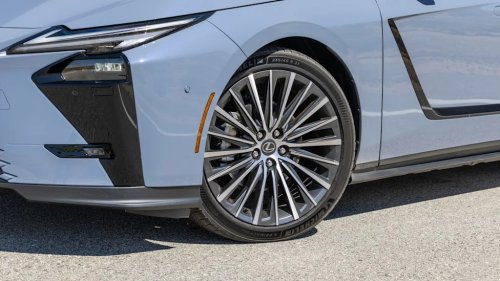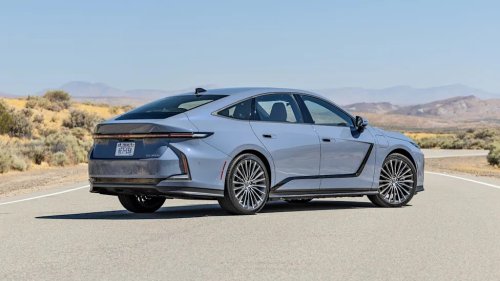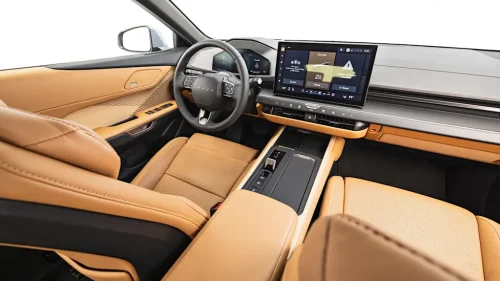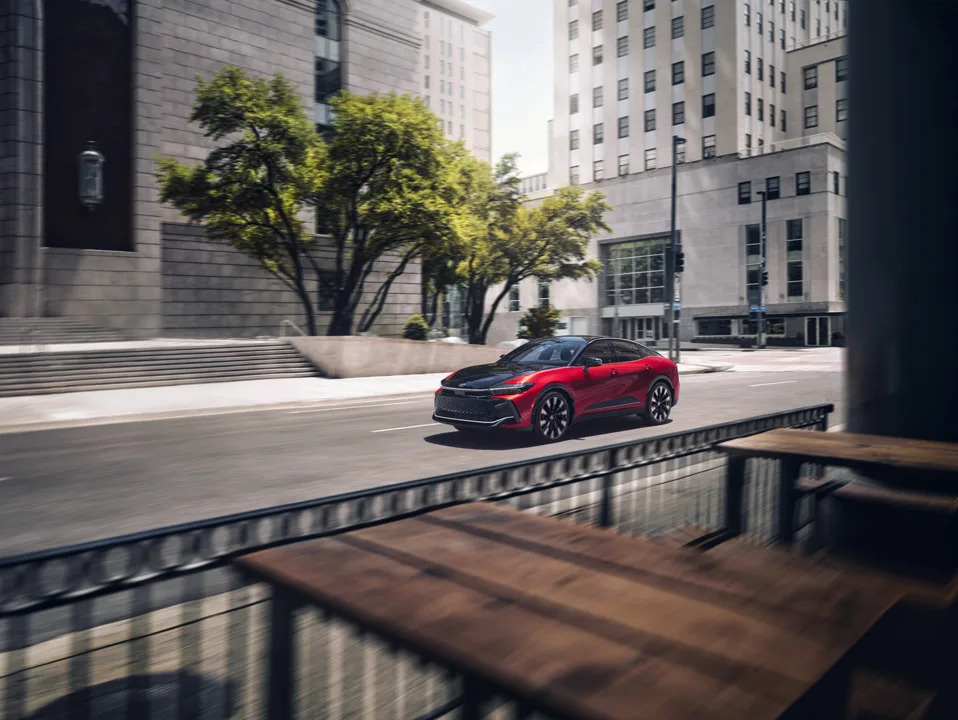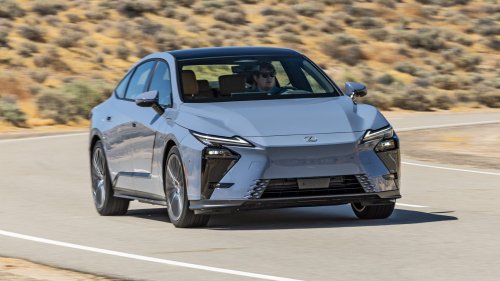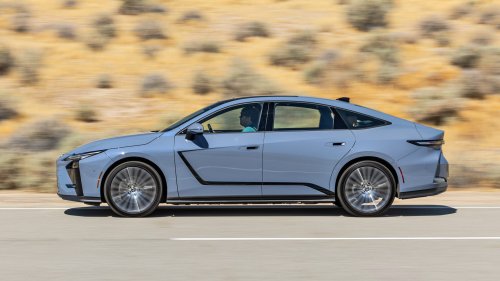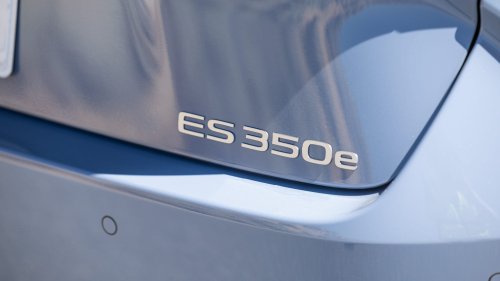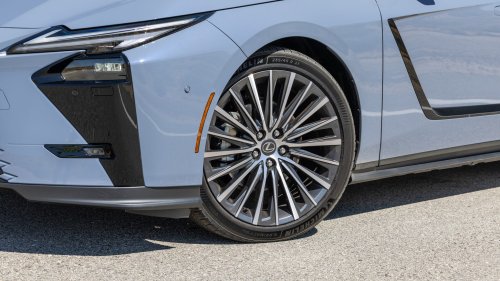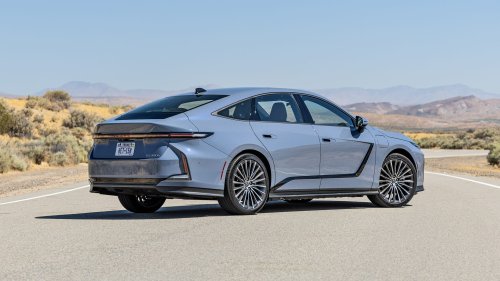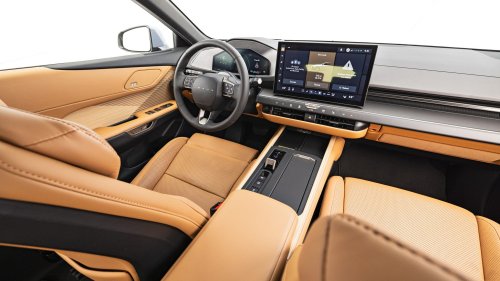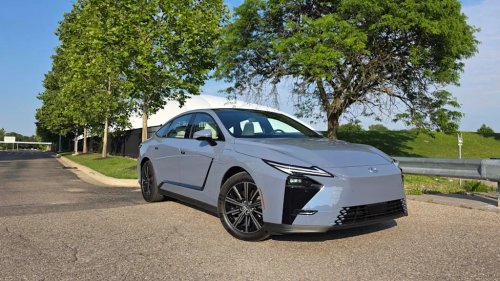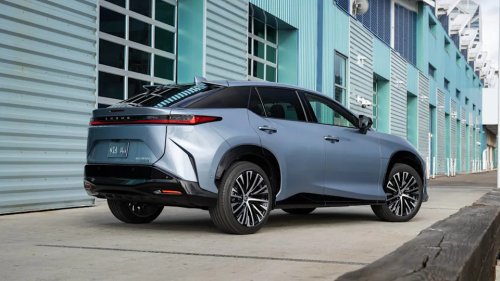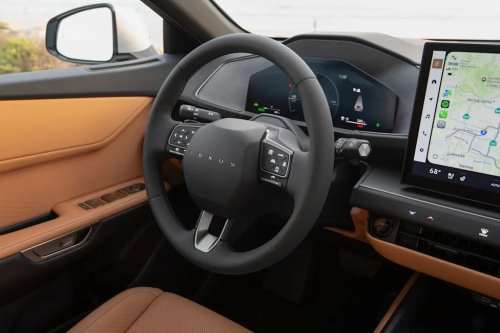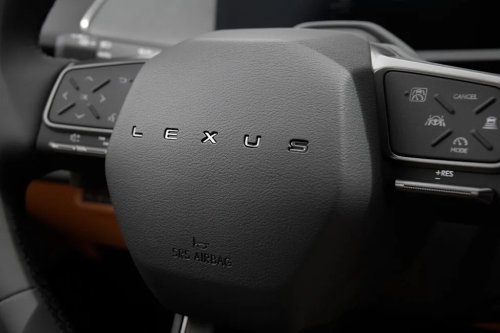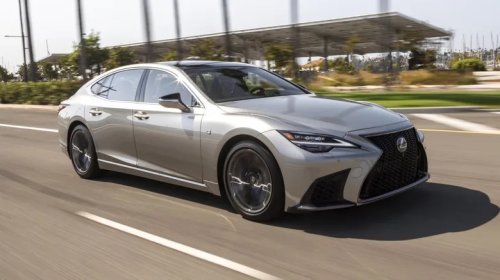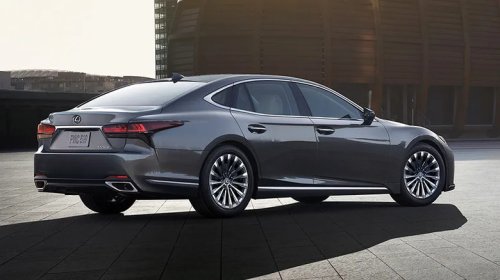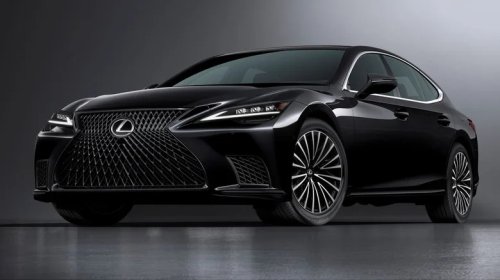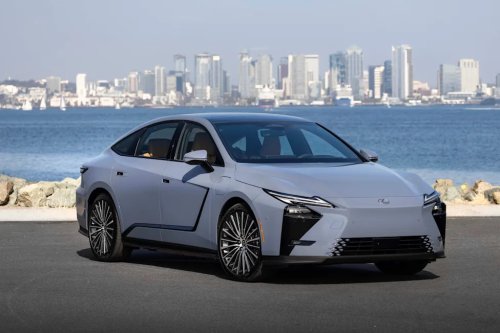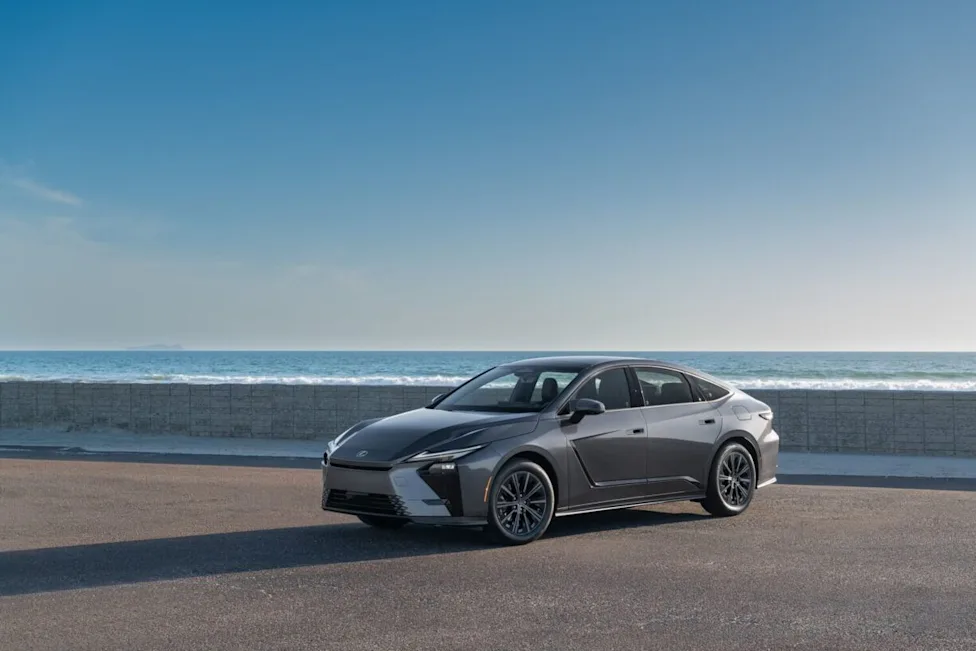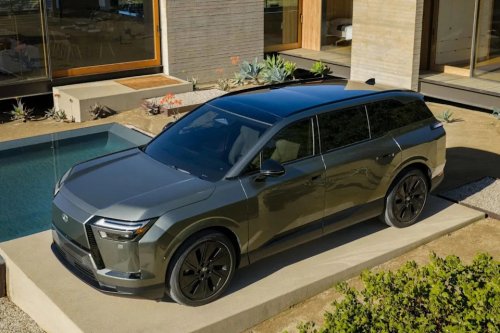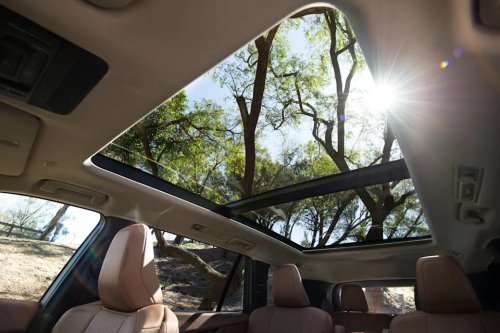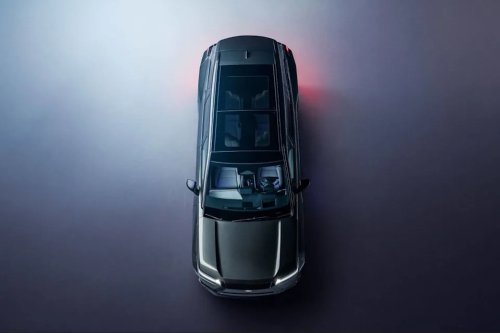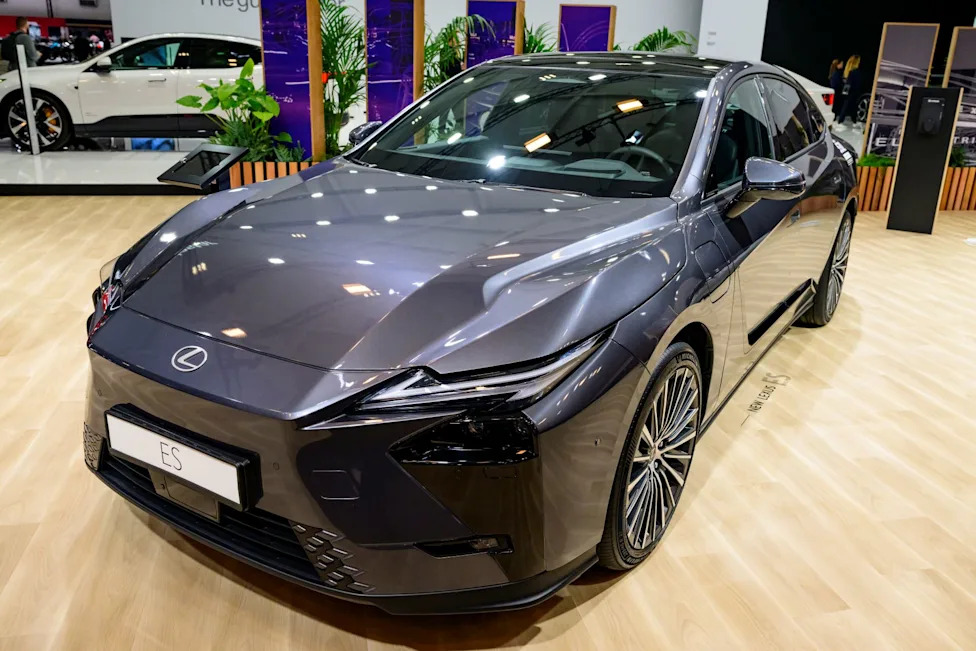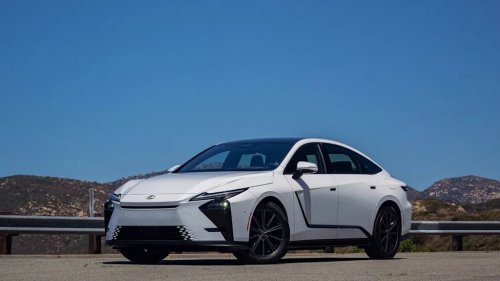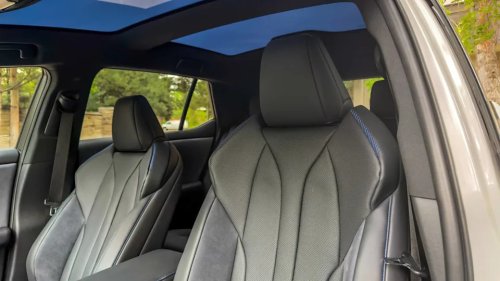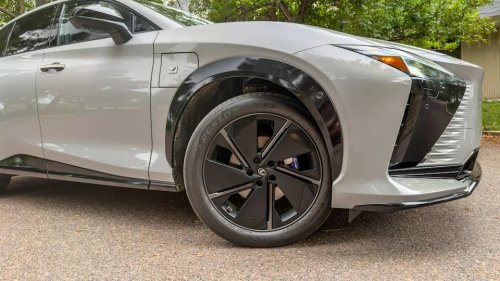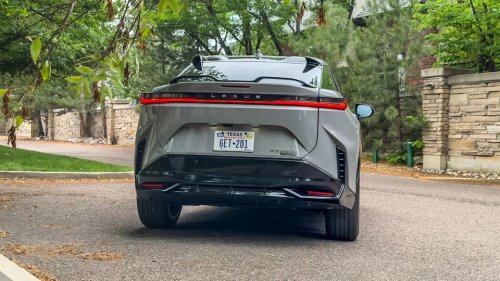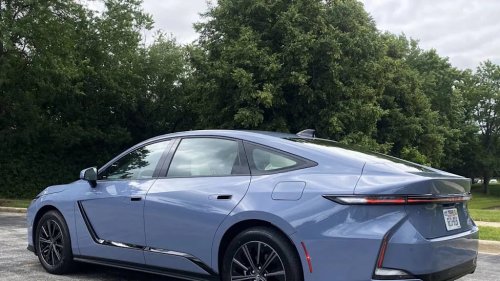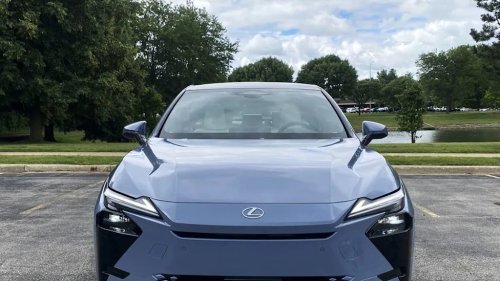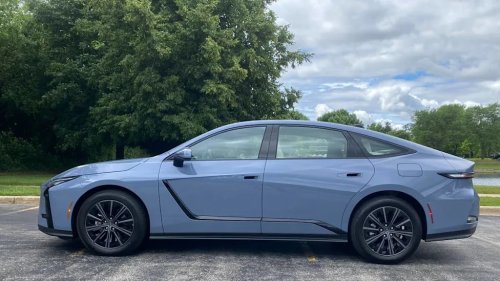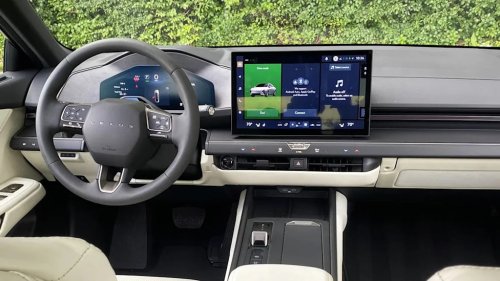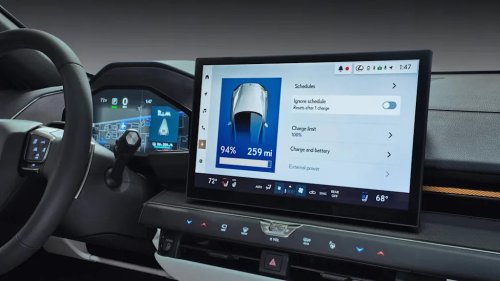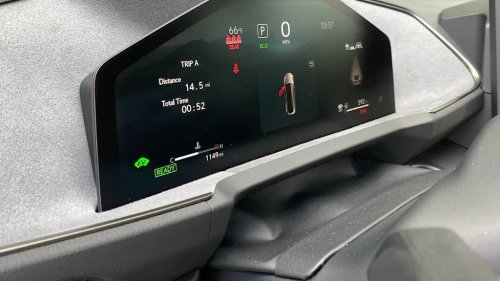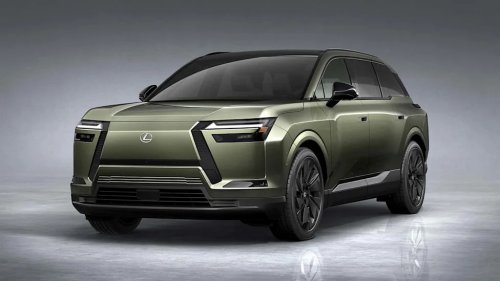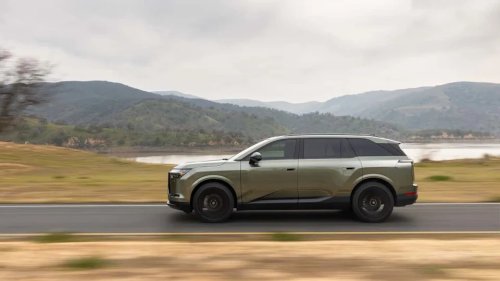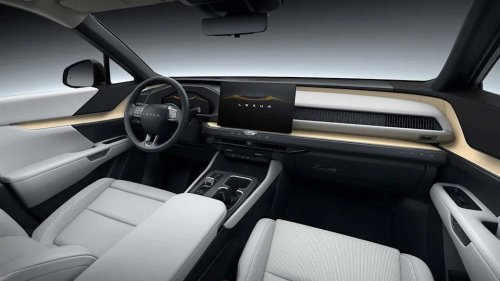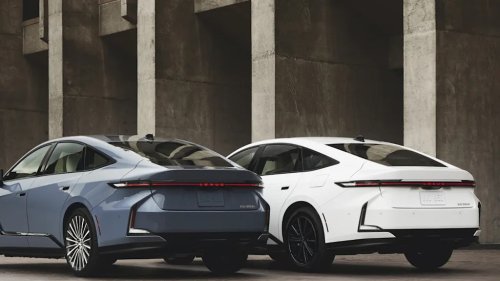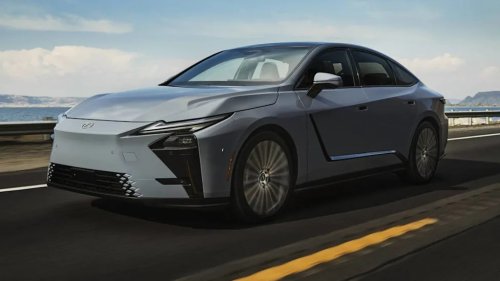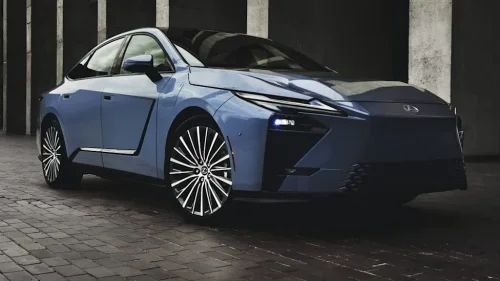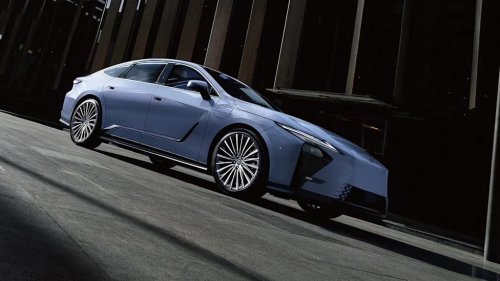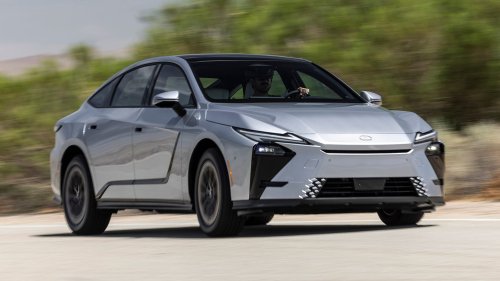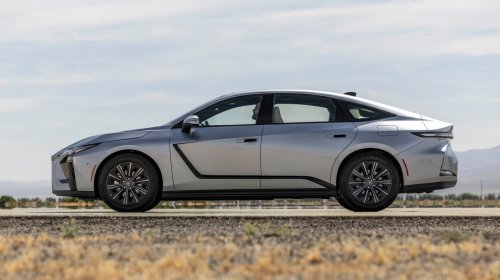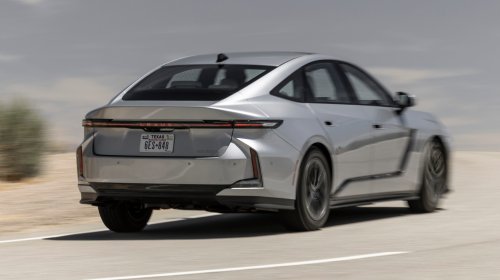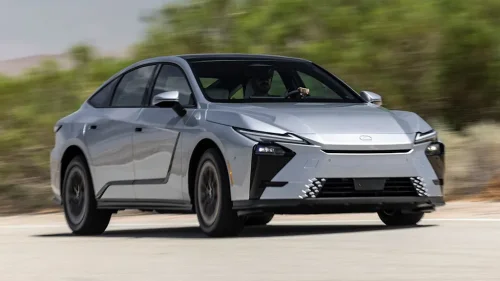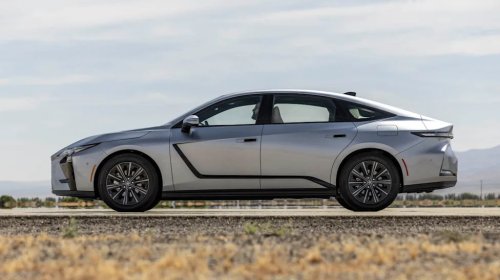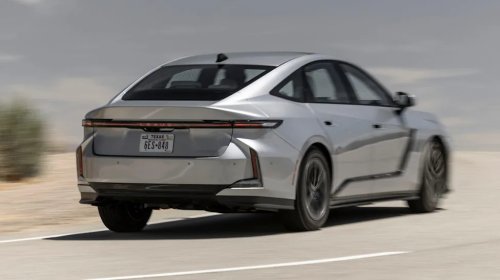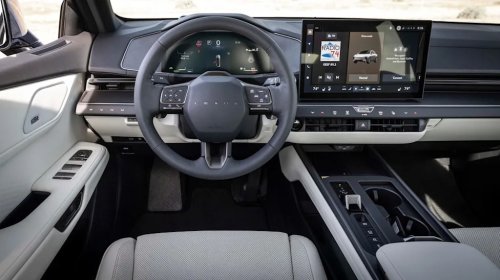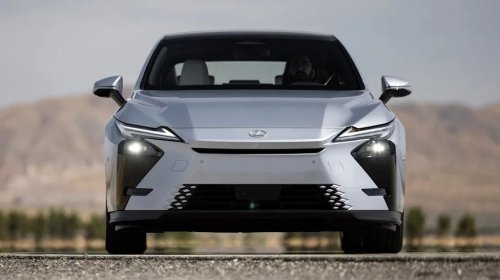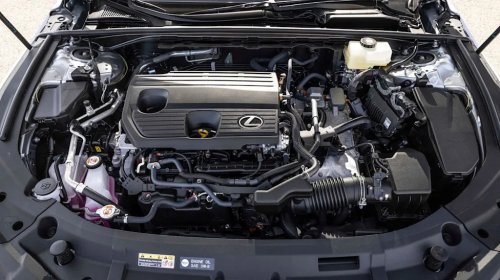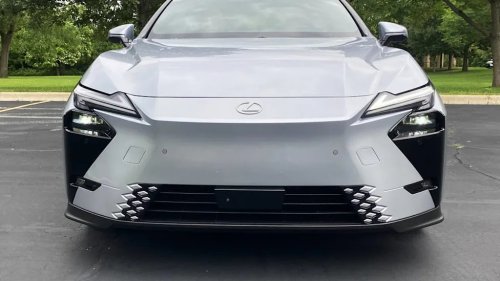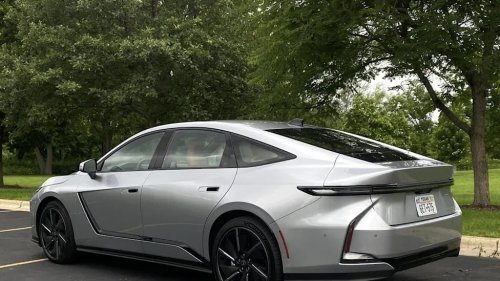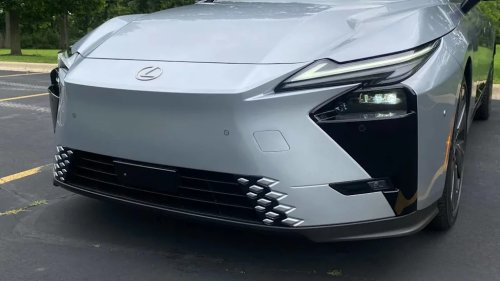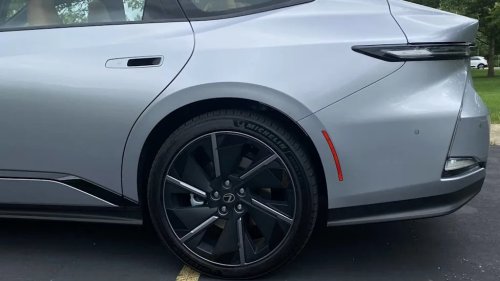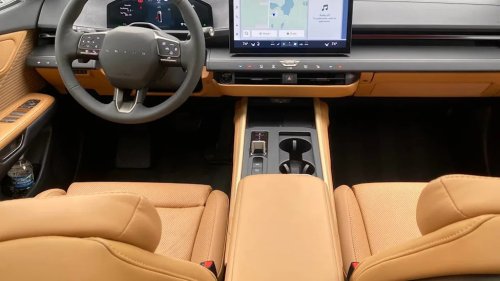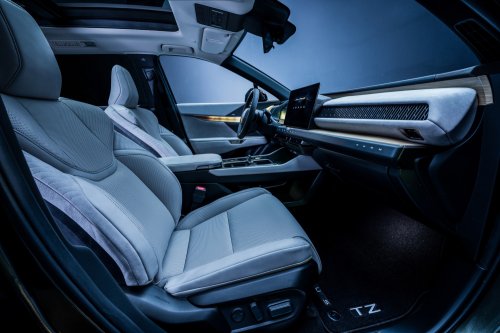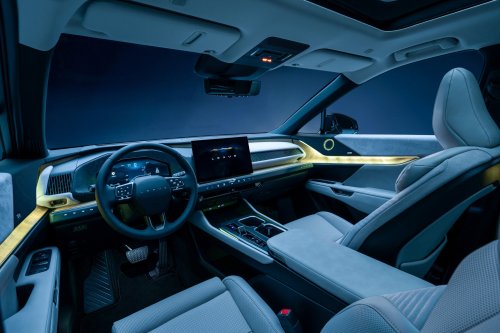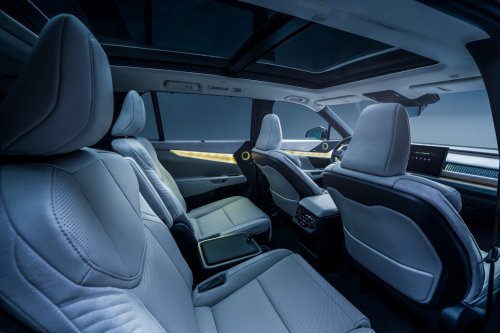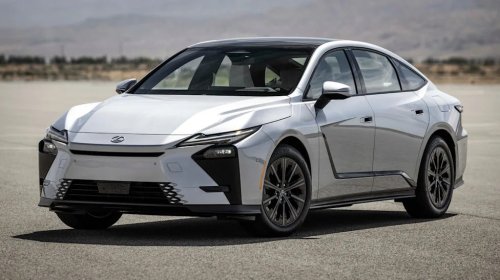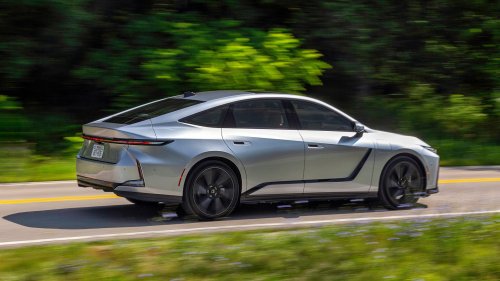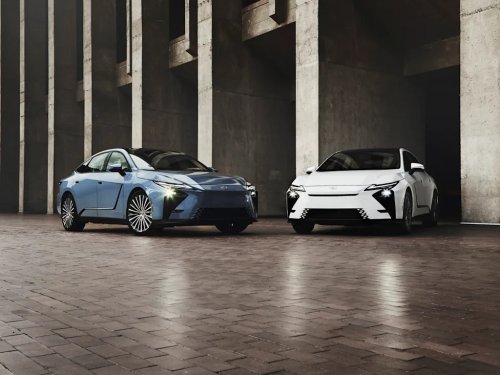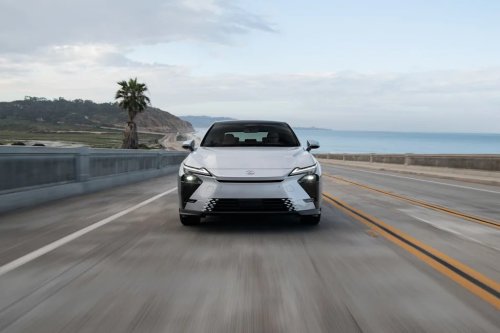
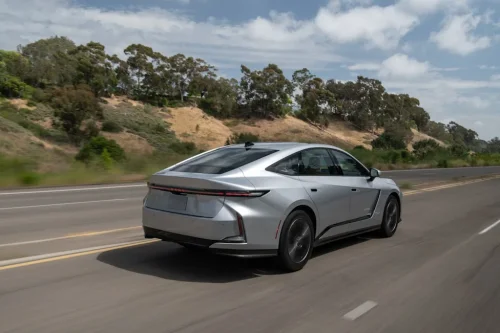
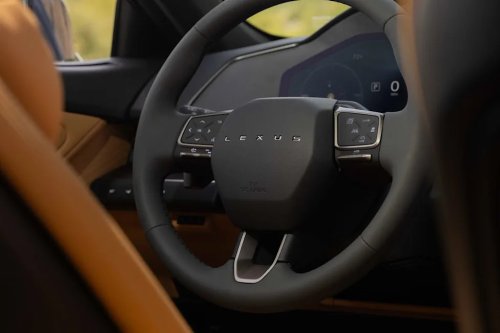
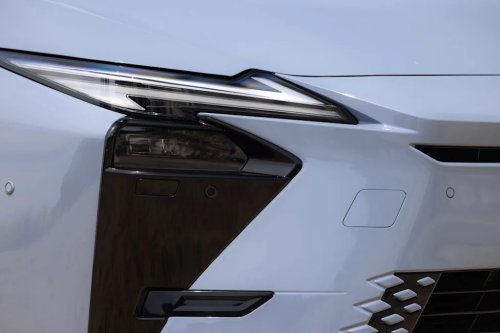
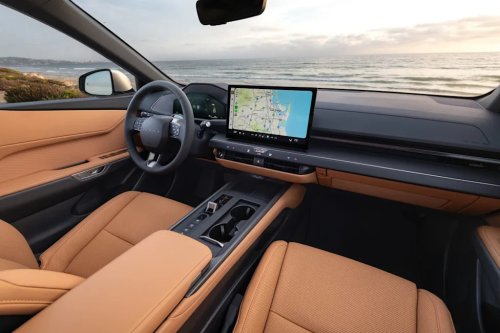
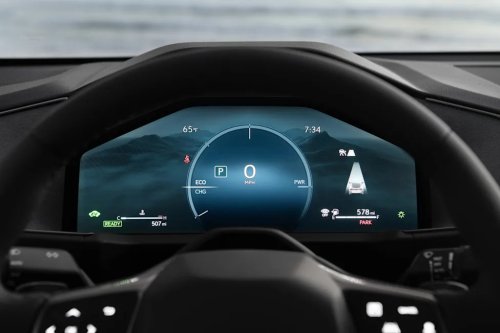
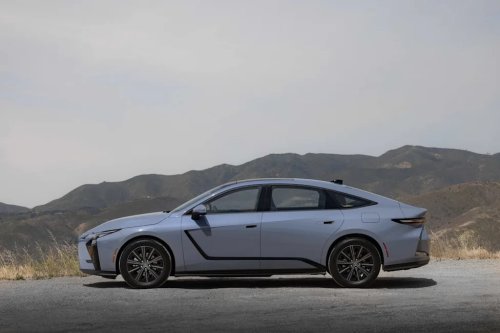



















2026 Lexus ES Evolves but Retains Its Core TenetsLexus (Lexus)Although Lexus is no stranger to sporty models, this luxury brand made its name on quiet, plush sedans that prioritize refinement above all else. And the ES is the one that has persisted. This comfy cruiser was the bestselling Lexus for many years, and it continues to attract a loyal set of buyers. Understandably, Lexus has been reluctant to change the ES formula much throughout its seven generations thus far.On the surface, that appears to change with the new eighth-generation Lexus ES. Not only does the ES look quite different inside and out for 2026, but it also offers an electric powertrain for the first time. The ES hybrid continues, however, and after driving the latest version, it's clear that this sedan's core mission hasn't changed as much as you might think.Lexus (Lexus)Lexus first offered the ES as a hybrid for 2013, and the previous-generation gas-electric model made up around 40 percent of ES sales last year. Given that take rate, it makes sense that the old nonhybrid V-6 has been axed. The electric ES, which we review separately, is a big departure for this model line, but Lexus expects the hybrid to make up 80 percent of ES sales in the U.S. So, for now at least, the EV will be a niche product, and the gas-electric model will be the volume seller.AdvertisementAdvertisementWith a longer wheelbase, a significantly taller profile, and a more imposing shape, the new ES stretches to the larger end of the mid-size luxury sedan segment. Lexus engineers say they tried to "eliminate the negatives" of the sedan shape with this model, such as the more difficult ingress and egress of a lower seating height. In other words, it follows the tall-sedan format of the Toyota Crown but attempts to disguise its stature with more angular styling and a swoopy roofline that tapers toward the short trunk lid. There are some awkward angles, but overall, the design works and is still recognizable as a Lexus.Lexus (Lexus)How Does It Drive?The ES hybrid gets the latest Toyota hybrid powertrain, which the company refers to as the sixth-generation setup. It has a different power unit and transmission than before, and it's configured to prioritize the electric motors for propulsion more. The 2.5-liter gasoline four-cylinder engine doesn't change much, but total combined output of 244 horsepower is up from the previous ES300h's 215 horses. That's apparently enough for Lexus to bump the badge up to ES350h. All-wheel drive is optional on the hybrid ES for the first time, courtesy of an additional electric motor on the rear axle, though it doesn't change output figures compared with the front-wheel-drive configuration.Lexus (Lexus)While this four-cylinder powertrain isn't quite as smooth or sonorous as the old nonhybrid ES350's V-6, the upgraded gas-electric setup is appreciably more refined than the old hybrid was. The gas engine is well isolated from the cabin and only makes itself known under hard acceleration. The electric motors go about their business seamlessly, with imperceptible switching between gas and electric power, and while the embiggened ES doesn't quite feel eager, it accelerates with sufficient gusto and generally is responsive to throttle inputs. EPA ratings sit at 46 mpg combined with front-wheel drive and 44 mpg with all-wheel drive—strong numbers for this large of a sedan.Importantly, the ride quality is fantastic. The suspension is tuned to be soft, as you'd expect for a boulevardier like this, but we appreciate the nicely controlled body motions. And the tires have plenty of sidewall for soaking up potholes and rough sections of road (relatively small 19-inch wheels are the only choice on the hybrid model for now). This isn't a vehicle for hard cornering, and the eco-conscious tires don't provide much grip when you push it around corners, but the steering wheel feels good in your hands and provides satisfactory on-center feel and natural effort buildup.Lexus (Lexus)Flashy New Interior LookUpon first glance at the cabin, you might worry that Lexus has too eagerly adopted the button-free, touch-capacitive interiors that are becoming too commonplace. And while there are definitely fewer buttons and knobs than before, and more controls integrated into the large 14.0-inch touchscreen, Lexus has done a good job balancing function with form. There's still a volume knob, for instance, and although most climate functions are now on a lower part of the screen, there are a few crucial tactile buttons for adjusting the temperature and turning on the defrosters. The steering-wheel controls look like they're touch-sensitive, but they're thankfully tactile too. And the secondary functions such as mirror controls, seat adjustments, and windows are all still conventional and intuitive.Lexus (Lexus)AdvertisementAdvertisementThe material finishes and build quality live up to Lexus's high standard. But it is worth noting that the hybrid comes in Premium and Premium+ trims, which means it doesn't offer some of the most high-end features and accoutrements of the electric model's Luxury trim. Pricing for the ES350h ($51,095 to start) is up $6380 over the previous ES300h, but you do get more car—namely in the physical sense—and the ES still costs significantly less than a BMW 5-series or a Mercedes-Benz E-class.Lexus is notoriously risk-averse with its most popular models, and ultimately the company's conservatism has paid off with this new ES. It's more modern-looking inside and out and offers more technology than before, but Lexus wisely didn't make many changes to the core tenets that have made the ES a success. It still offers a comfortable ride and a cosseting interior, and these qualities combined with the hybrid powertrain's quiet operation and impressive fuel efficiency should continue to please the ES faithful.Lexus (Lexus)➡️ Skip the lot. Let Car and Driver help you find your next car.Shop New Cars Shop Used CarsYou Might Also LikeGift Guide: Best Ride-On Electric Cars for KidsFuture Cars Worth Waiting For: 2025–2029