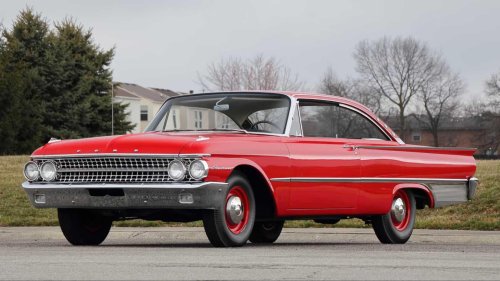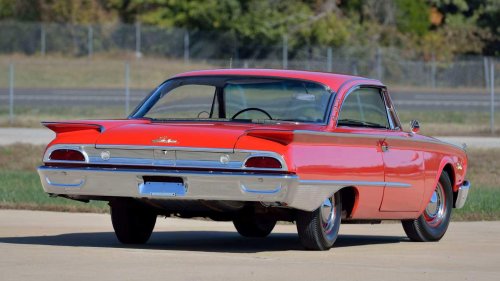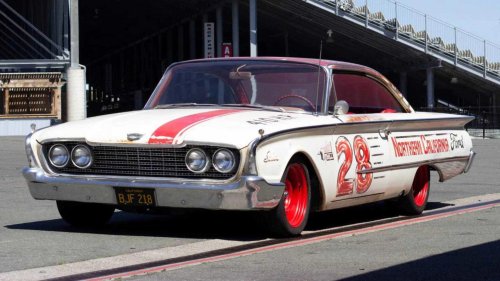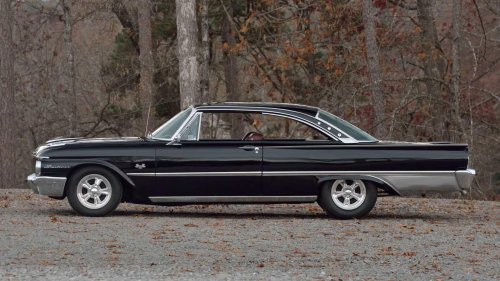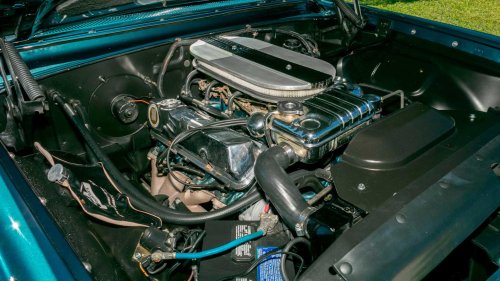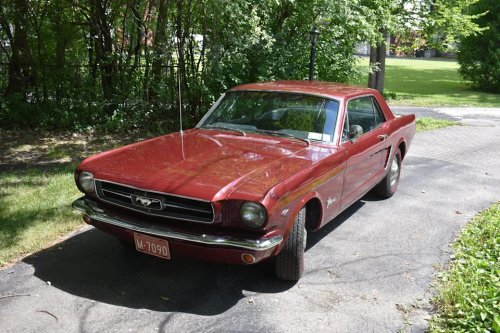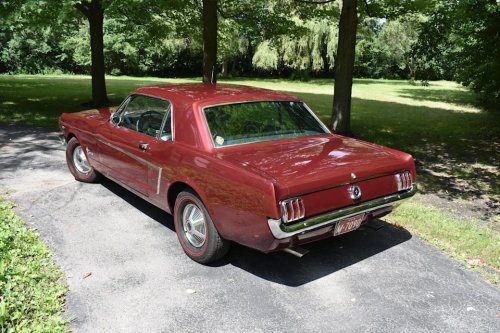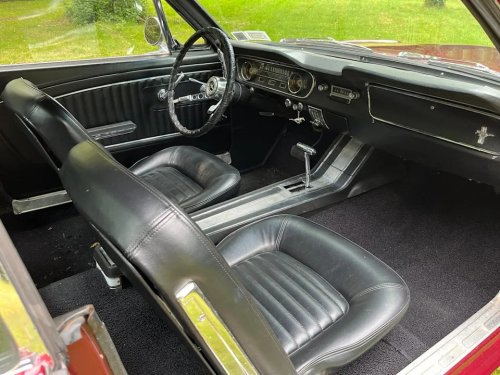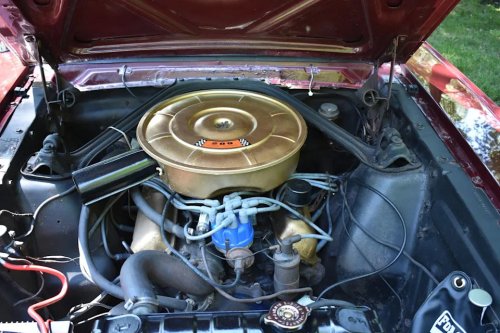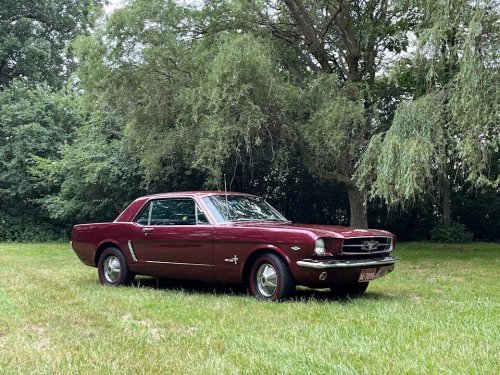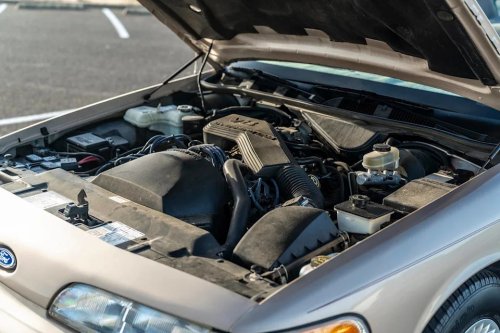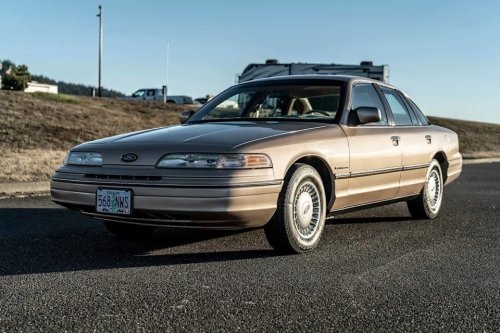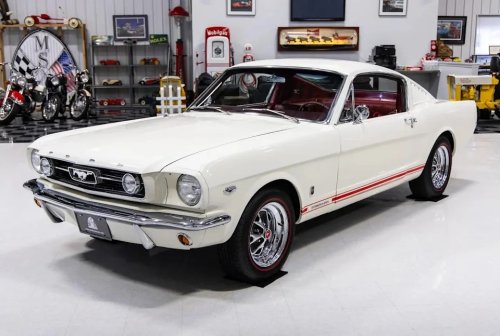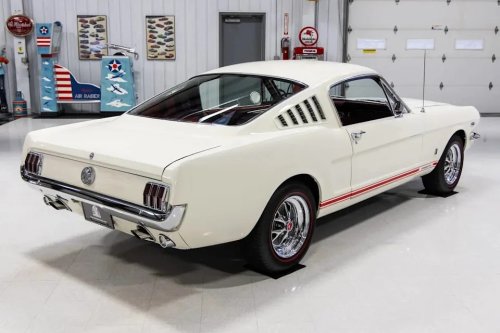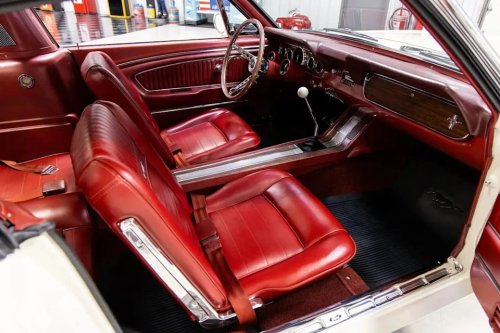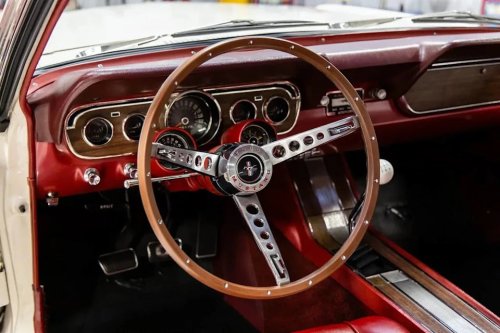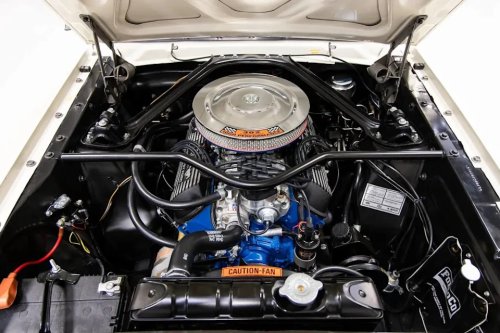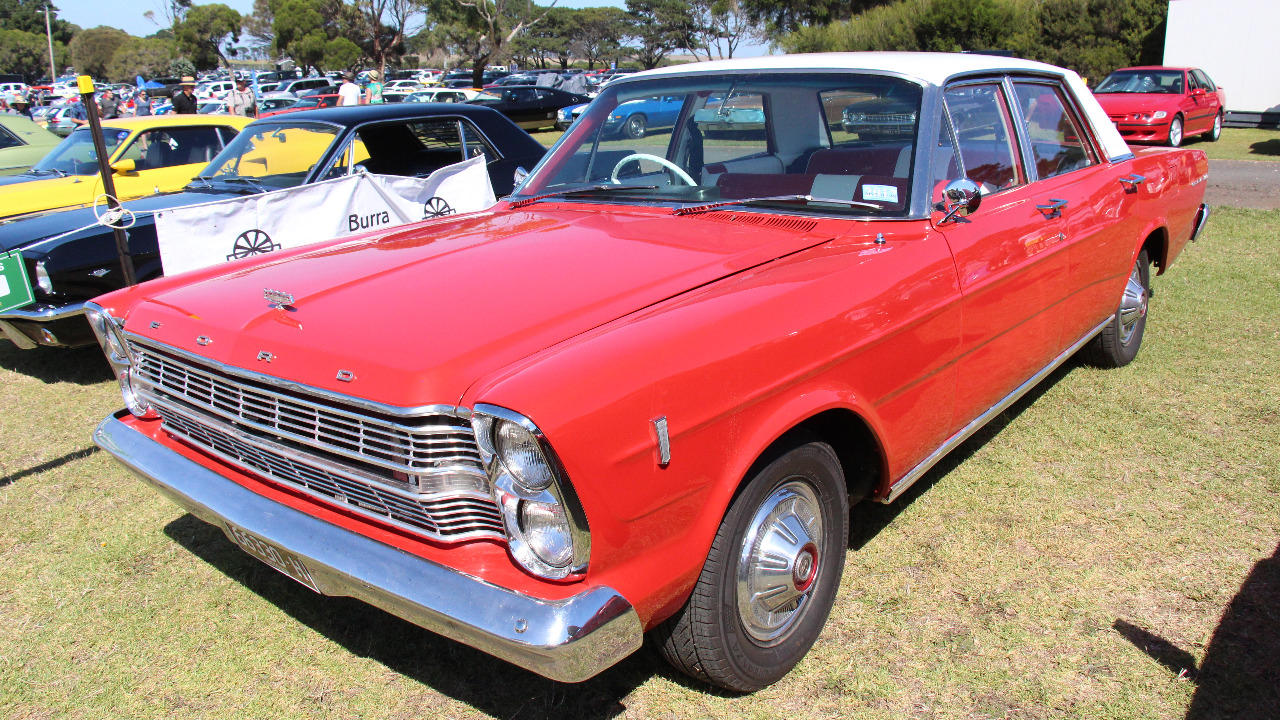



























The 1965 Ford Custom 500 with a 427 engine was a surprising entry in the world of performance cars, defying expectations for a full-size sedan. It combined the bulk and comfort of a family car with the raw power that made it a standout on the drag strip. This article explores the remarkable features, performance stats, and cultural impact of this iconic vehicle, which stunned buyers and enthusiasts alike. Background of the 1965 Ford Custom 500 In the mid-1960s, Ford’s lineup was a powerhouse of innovation and style, marked by the introduction of various models catering to a diverse market. The Ford Custom 500 emerged as a significant contender in the full-size category, designed to offer a balance of comfort and performance. Positioned above the base models but below the more luxurious offerings, the Custom 500 was intended to attract buyers looking for a spacious sedan without sacrificing style or performance. The introduction of the 427 engine option in the Custom 500 was a game-changer. While full-size sedans were typically associated with family transport and leisurely drives, the availability of a high-performance engine transformed the Custom 500 into a surprising contender in the muscle car scene. This shift was reflective of a broader trend in the automotive industry, where manufacturers began to recognize the appetite for high-performance vehicles across various segments. Performance Specifications The 1965 Ford Custom 500’s performance was largely dictated by its 427 cubic inch (7.0-liter) V8 engine. This powerhouse produced an impressive 425 horsepower and 480 lb-ft of torque, enabling the sedan to accelerate from 0 to 60 mph in just a few seconds. What truly set it apart was its capability to run low 13-second quarter miles, an astonishing feat for a full-size car of that era. When compared to its contemporaries, such as the Chevrolet Impala and the Pontiac Bonneville, the Custom 500’s performance figures were remarkable. While many full-size sedans struggled to break the 14-second barrier in the quarter mile, the Custom 500’s 427 engine made it a formidable player on both the street and the drag strip. This performance placed it squarely in the realm of muscle cars, appealing to a demographic that craved speed and excitement. Design and Features The exterior styling of the 1965 Ford Custom 500 was characterized by its clean lines and bold chrome accents, which lent a sense of sophistication to the vehicle. The front grille was distinctive, emphasizing the car’s wide stance and aggressive look. Its overall design was a blend of classic American styling and modern touches, making it attractive to a broad spectrum of buyers. Inside, the Custom 500 offered a spacious and comfortable environment, with plush seating and a range of amenities that were impressive for the time. Features included available air conditioning, power windows, and an AM radio, which were designed to enhance the driving experience. Customization options were also plentiful, allowing buyers to personalize their vehicles with different upholstery choices and trim packages. This attention to detail contributed to the Custom 500’s appeal as a performance vehicle that didn’t compromise on comfort. The Impact of the 427 Engine The 427 engine holds a significant place in automotive history, often regarded as one of the most iconic powertrains of the muscle car era. Initially developed for racing, it found its way into production vehicles, including the Custom 500, marking a pivotal shift in how full-size cars were perceived. The performance of the 427 engine not only redefined expectations for family sedans but also inspired other manufacturers to explore high-performance options for their full-size models. With the introduction of the 427 engine, perceptions of full-size cars underwent a dramatic change. No longer were they seen solely as utilitarian vehicles; instead, they became symbols of power and performance. Buyers who would typically opt for sportier models began considering the Custom 500, leading to a shift in the demographics of full-size car buyers. The allure of having a family car that could compete with sports cars on the drag strip was irresistible. Market Reception The initial reception of the 1965 Ford Custom 500 was overwhelmingly positive, with automotive press praising its innovative blend of power and practicality. Critics were astonished by how a full-size sedan could achieve such impressive performance numbers, and the Custom 500 quickly gained a reputation as a sleeper car—one that looked unassuming but packed a punch. Sales figures reflected this enthusiasm, with the Custom 500 selling well against its competitors, solidifying its place in the market. Feedback from owners highlighted their satisfaction with the vehicle’s performance and comfort. Many reported using the Custom 500 for both family outings and weekend drag races, showcasing its versatility. Owners appreciated the unique combination of spaciousness and speed, and testimonials often emphasized how the car exceeded their expectations, making it a beloved choice among enthusiasts. For many, the Custom 500 was more than just a vehicle; it was a lifestyle statement. Competition and Comparisons The automotive landscape of the mid-1960s was rich with competition, with models like the Chevrolet Impala and Dodge Polara vying for consumer attention. These vehicles offered a range of features and performance capabilities, but few could match the Custom 500’s combination of size and power. The Custom 500 distinguished itself not just through its performance metrics but also by offering a full-size vehicle that could compete with dedicated muscle cars. When comparing performance, the Custom 500’s 427 engine gave it an edge over many of its peers. For instance, while the Chevrolet Impala’s V8 engines were powerful, they typically did not offer the same level of acceleration or quarter-mile times as the Custom 500 with a 427. This competitive advantage allowed the Custom 500 to carve out a unique niche, appealing to buyers who wanted performance without sacrificing the comforts of a full-size sedan. Cultural Significance The 1965 Ford Custom 500 emerged as a cultural icon during the 1960s, symbolizing a shift in America’s automotive landscape. It was not just a car; it represented a new wave of car enthusiasts who wanted speed, comfort, and style all in one package. The Custom 500 made appearances in popular culture, from movies to music, further embedding it into the American psyche as a quintessential muscle car. Moreover, the Custom 500 played a vital role in the muscle car movement, influencing future generations of automotive design and performance standards. Its legacy can be seen in how manufacturers approach the full-size market today, often blending performance with practicality. Enthusiasts who grew up with the Custom 500 continue to celebrate its impact at car shows and events, ensuring that its storied history remains alive for new generations of car lovers. Collector’s Market Today Today, the 1965 Ford Custom 500 has found a place in the collector’s market, with enthusiasts seeking to restore and preserve these iconic vehicles. The demand for the Custom 500, especially models equipped with the 427 engine, has driven up valuations, making it a sought-after addition to any classic car collection. Owners often invest time and resources into restoring their Custom 500s to their original glory, ensuring that this piece of automotive history is preserved for future generations. Various communities and events focus on vintage Ford cars, bringing together enthusiasts who share a passion for classic automobiles. From local car shows to national meets, the Custom 500 is often featured prominently, showcasing its enduring appeal and significance in automotive history. Resources like Curbside Classic provide insight into the ongoing restoration efforts and the vibrant community surrounding these classic vehicles. More from Fast Lane OnlyUnboxing the WWII Jeep in a Crate15 rare Chevys collectors are quietly buying10 underrated V8s still worth hunting downPolice notice this before you even roll window down