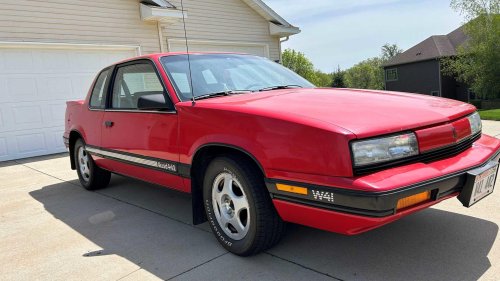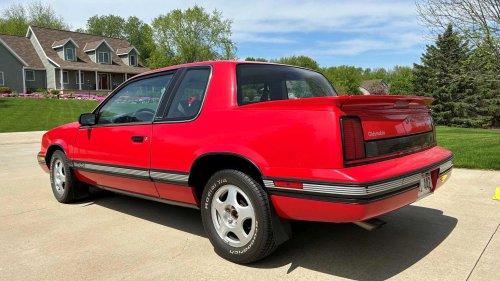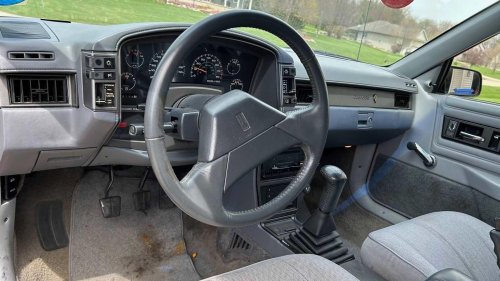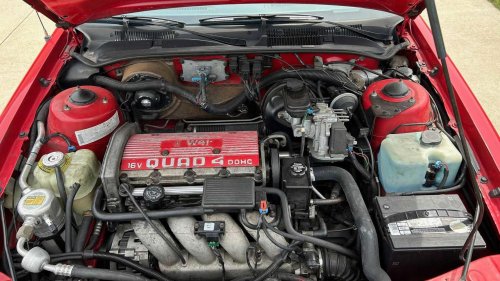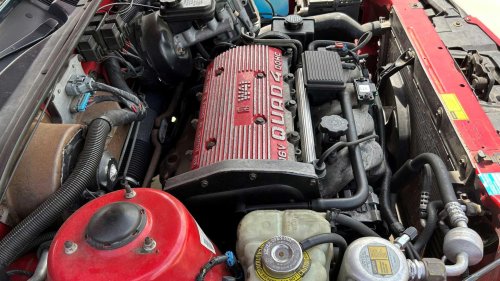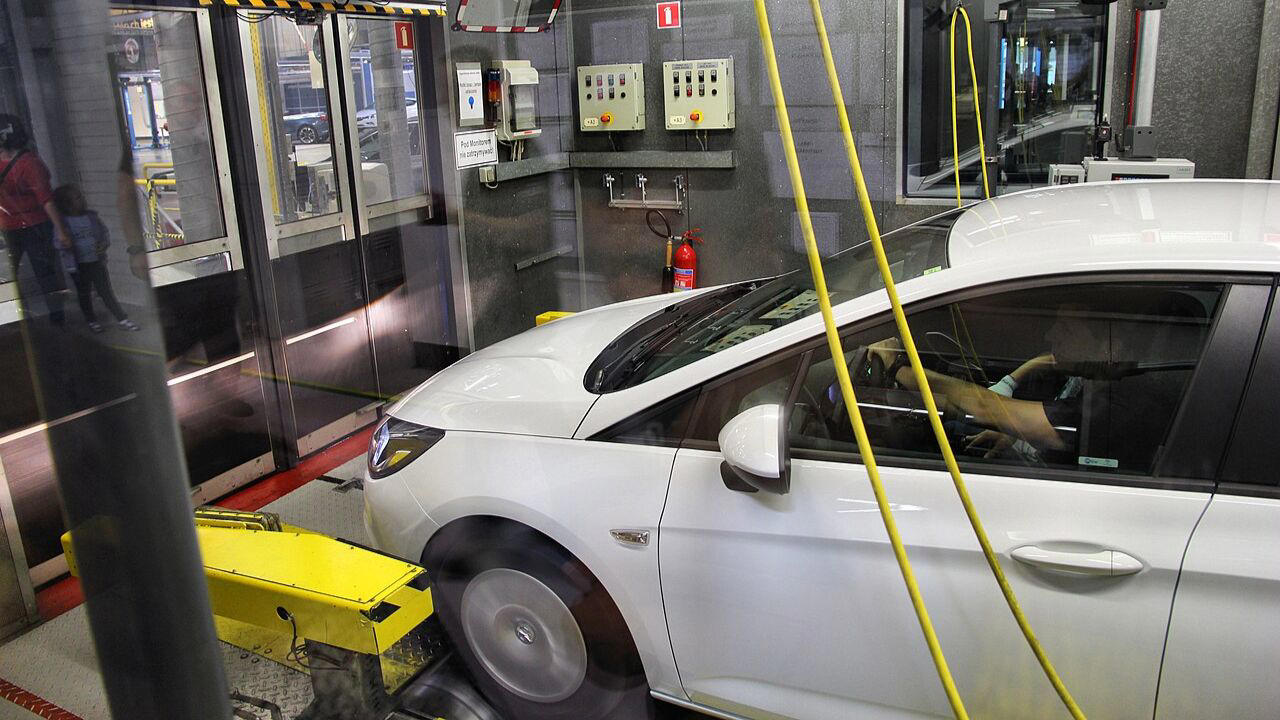



















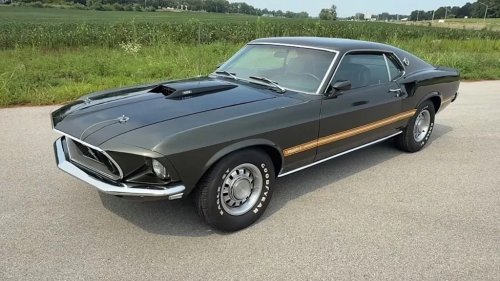




The factory-rated numbers on this car didn’t reflect what it could actually doMany car enthusiasts have long suspected that the factory-rated numbers provided by manufacturers don’t accurately reflect a vehicle’s true performance capabilities. Discrepancies in these ratings can lead to a significant gap between what buyers expect and what they actually experience on the road. Understanding the nuances behind these figures can help buyers make more informed decisions and uncover the true potential of their vehicles. Understanding Factory Ratings Factory ratings, commonly referred to as manufacturer specifications, are the performance figures that car companies advertise for their vehicles. These ratings typically include horsepower, torque, fuel efficiency, and acceleration times. They are determined through standardized testing procedures mandated by regulatory bodies, such as the Environmental Protection Agency (EPA) in the United States. These agencies ensure that manufacturers follow specific protocols to achieve consistency in reporting. However, this uniformity can sometimes mask differences in how various manufacturers approach these tests, leading to a wide range of reported performance metrics across brands and models. Different testing conditions can yield varying results, even when vehicles are tested under similar protocols. For example, manufacturers may have their own proprietary methods for measuring horsepower, which can lead to discrepancies. Additionally, some automakers may choose to highlight certain performance metrics while downplaying others, further complicating the landscape for consumers. It’s crucial for potential buyers to recognize that factory ratings may not always tell the full story of a vehicle’s capabilities. The Myth of Horsepower The fascination with horsepower dates back to the 1960s and 1970s, during which the auto industry engaged in a so-called “horsepower war.” Manufacturers would often inflate their engine’s horsepower ratings to outdo competitors, creating a misleading perception of performance among consumers. This historical context sets the stage for understanding why many modern vehicles exceed their factory-rated horsepower. The legacy of these inflated claims continues to influence how consumers perceive power and performance in today’s vehicles. Take, for example, the classic Ford Mustang from the late ’60s. Initially rated at 271 horsepower, independent testing often revealed that the actual output was significantly higher. This discrepancy was not unique to Ford; many manufacturers were found to have similar issues with inflated horsepower claims. Marketing played a pivotal role in shaping public perception, leading to a culture where higher numbers often equated to better performance. For a deeper dive into the history of these claims, check out this article on the horsepower wars. Factors Influencing Performance Discrepancies There are numerous factors that can influence the performance discrepancies between factory ratings and real-world outcomes. One key factor is the variability in testing conditions. Manufacturers often conduct their tests under ideal conditions—flat tracks, perfect weather, and optimal tire pressure—while everyday driving experiences may vary widely. Additionally, external factors like temperature, altitude, and humidity can significantly affect a vehicle’s performance. For instance, a car tested at sea level may perform differently in mountainous regions due to changes in air density. Moreover, the impact of vehicle modifications cannot be overlooked. Many enthusiasts choose to enhance their vehicles with aftermarket parts, which can lead to performance figures that far exceed factory ratings. For example, a stock Subaru WRX might be rated at 268 horsepower, but with a simple turbocharger upgrade, many owners report numbers well above 300 horsepower. This illustrates how individual choices can greatly influence performance, making it essential for consumers to consider both factory ratings and potential modifications when evaluating a vehicle. Manufacturers and the Art of Understatement Interestingly, some manufacturers may choose to underrate their vehicles intentionally, a practice often rooted in practical considerations. For example, underrating can help mitigate liability issues related to insurance and warranty claims. If a car is marketed with conservative performance figures, it may reduce the likelihood of customer dissatisfaction and subsequent legal challenges. This approach has been employed by various automakers, with notable examples like the Nissan GT-R, which has been known to be rated lower than its actual capabilities. Industry insiders often share insights on this practice, suggesting that it allows manufacturers to maintain a competitive edge without exposing themselves to excessive risk. It’s not uncommon for enthusiasts to discover that their vehicles outperform factory ratings, leading to a growing belief that some models are intentionally held back. For more insights on this phenomenon, you can explore discussions on platforms like Reddit, where car enthusiasts frequently share their experiences. Real-World Testing vs. Lab Results The distinction between dyno testing and real-world performance is crucial for understanding vehicle capabilities. Dyno tests are conducted in controlled environments, where variables can be tightly managed to yield precise measurements of horsepower and torque. However, these results may not always translate seamlessly into everyday driving scenarios. Real-world performance can be influenced by a multitude of factors, including driving style, road conditions, and traffic. Consumer reports and independent testing organizations often venture beyond manufacturer claims, providing a more comprehensive view of vehicle performance. For example, sites like Consumer Reports conduct extensive evaluations that consider various real-world scenarios, helping consumers make informed decisions. Peer reviews and community insights can also be invaluable resources, as they allow potential buyers to learn from the experiences of others. These discussions often highlight discrepancies between factory ratings and actual performance, shedding light on the hidden potential of many vehicles. The Role of Enthusiasts and the Community Car enthusiasts play a vital role in challenging factory ratings through their reviews and comparisons. Online forums and social media platforms have become hotbeds for discussions about vehicle performance, where enthusiasts share their experiences and insights. These communities often provide valuable feedback on how particular models perform in real-world conditions, helping to bridge the gap between factory ratings and practical experience. Community-driven modifications frequently reveal hidden potential within vehicles. Many enthusiasts document their modification journeys on platforms like YouTube and Instagram, showcasing the impressive gains they achieve through performance upgrades. For instance, a group of enthusiasts may collaborate to push the limits of a particular model, resulting in impressive performance figures that far exceed what was originally advertised. These community efforts not only enhance individual vehicles but also contribute to a broader understanding of automotive performance. Consumer Implications: What This Means for Buyers For consumers, understanding performance ratings is crucial in making informed purchasing decisions. The gap between factory specifications and real-world performance can significantly impact the ownership experience. When considering a vehicle, it’s essential to look beyond the numbers provided by manufacturers and seek out independent reviews and real-world testing results. This approach can help buyers better align their expectations with the actual capabilities of a vehicle. To verify vehicle performance claims, consumers should take advantage of test drives and seek input from trusted automotive sources. Engaging with fellow enthusiasts, reading reviews, and exploring online forums can provide valuable context and insights. Ultimately, personal experience and thorough research are essential for navigating the often misleading landscape of factory ratings. By prioritizing these factors, buyers can make more informed choices that align with their performance needs and preferences. The Future of Vehicle Performance Ratings As automotive technology continues to evolve, the future of vehicle performance ratings is likely to undergo significant changes. Emerging trends point toward increased transparency in performance metrics, as consumers demand more accurate and reliable information. Innovations in testing methodologies, such as the integration of real-time data analytics and artificial intelligence, have the potential to provide more precise performance evaluations, reflecting the true capabilities of vehicles. Additionally, manufacturers may adapt to changing consumer expectations by adopting more realistic performance reporting practices. As the automotive industry moves toward electrification and advanced driver-assistance systems, the metrics used to assess vehicle performance may also expand beyond traditional horsepower and torque figures. This evolution could lead to a more comprehensive understanding of how vehicles perform in various driving conditions. For more insights into the future of the automotive industry, consider reading expert opinions from thought leaders like Paul Krugman. More from Fast Lane OnlyUnboxing the WWII Jeep in a Crate15 rare Chevys collectors are quietly buying10 underrated V8s still worth hunting downPolice notice this before you even roll window down The post The factory-rated numbers on this car didn’t reflect what it could actually do appeared first on FAST LANE ONLY.