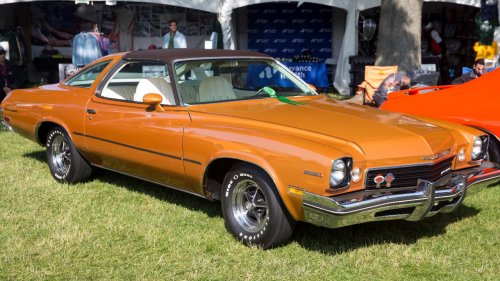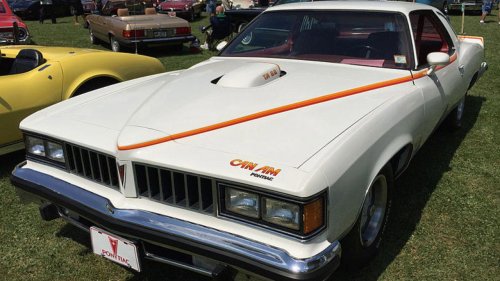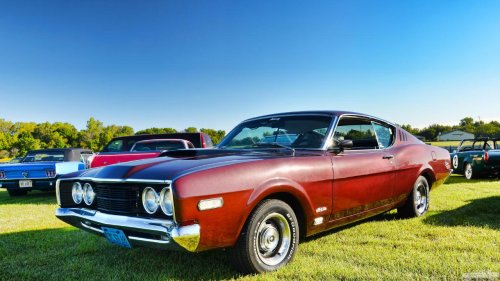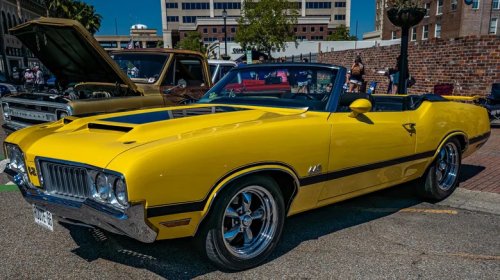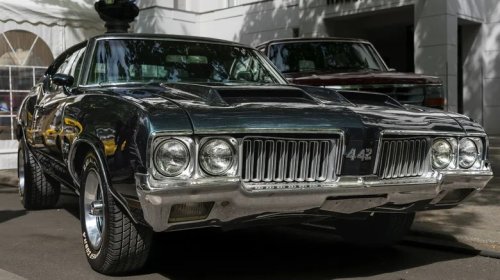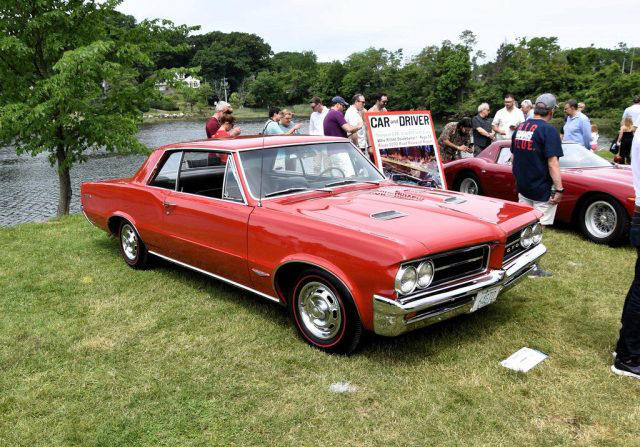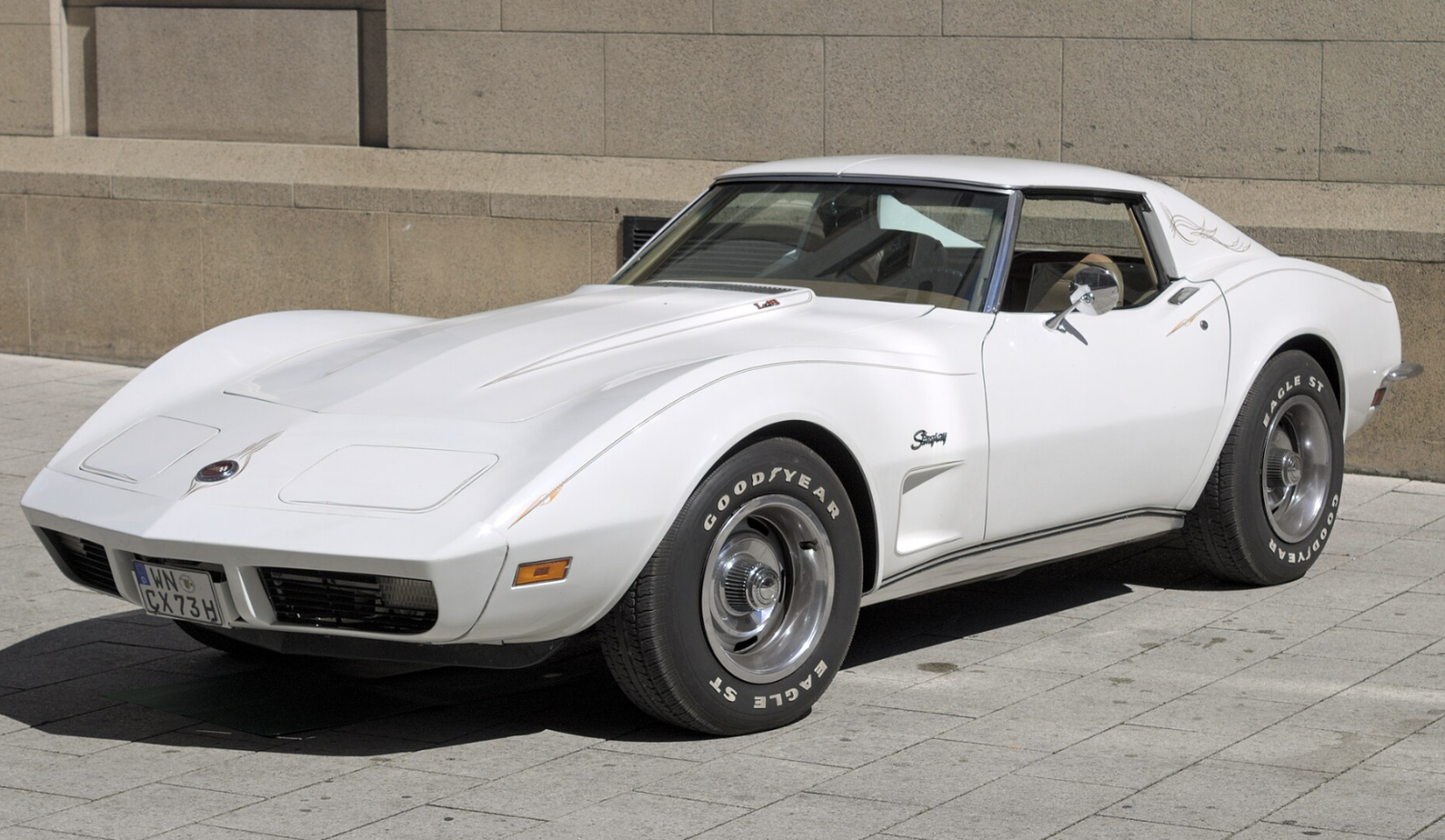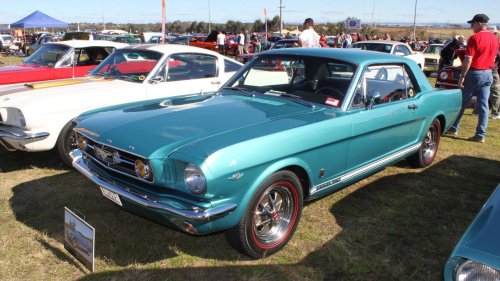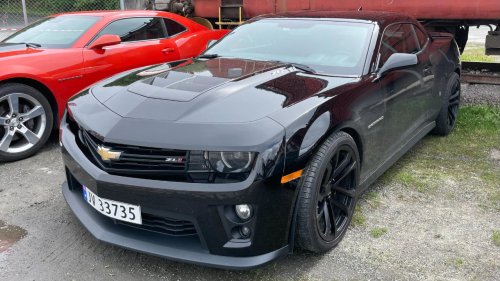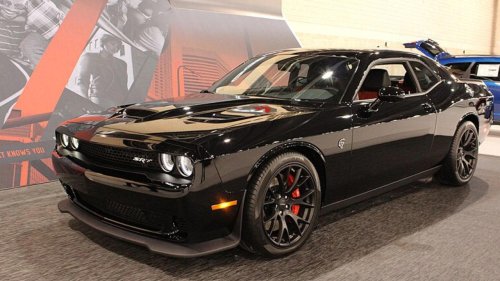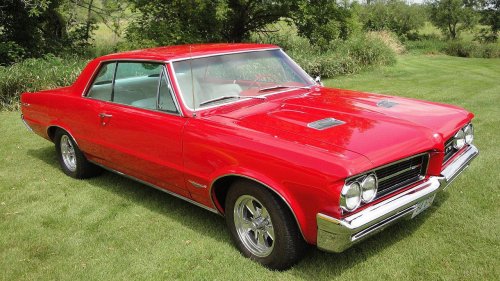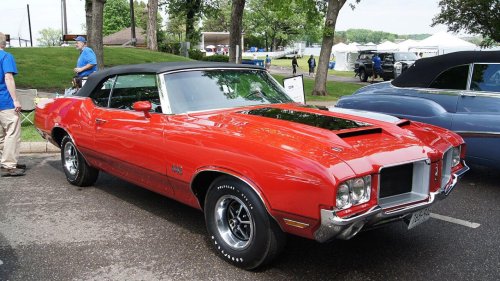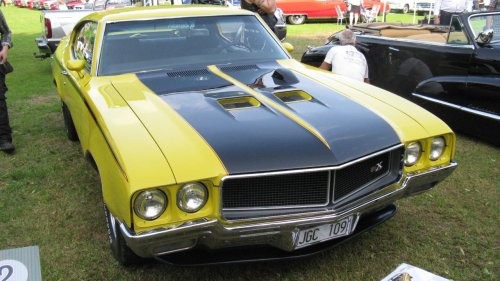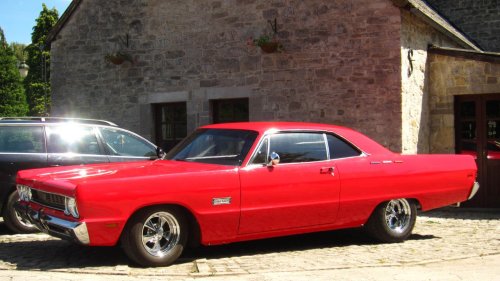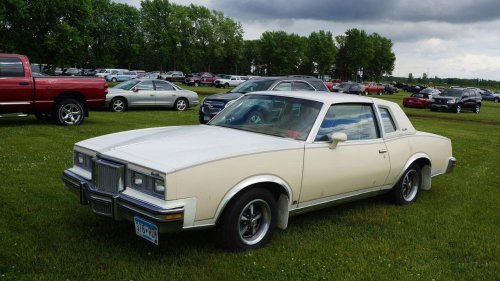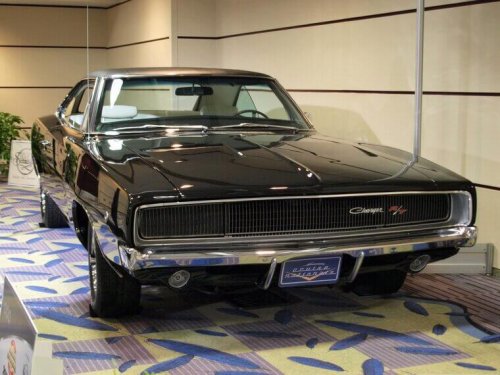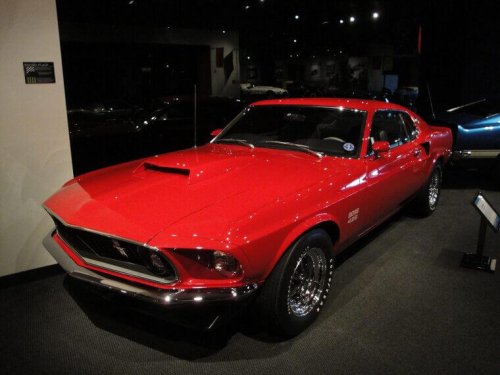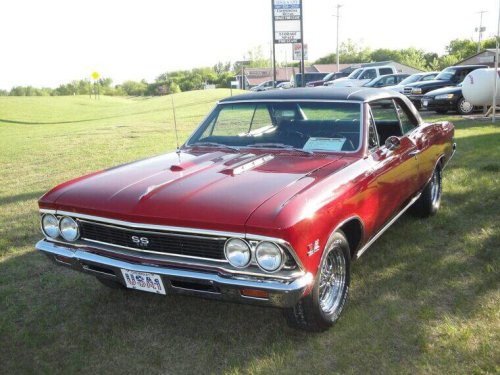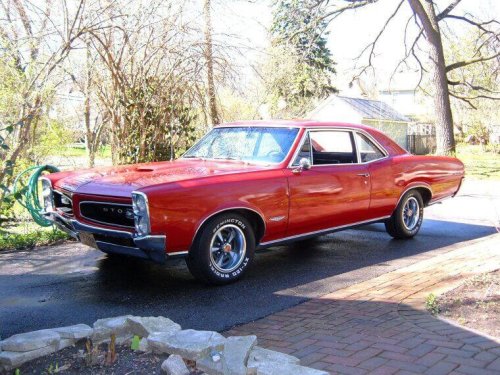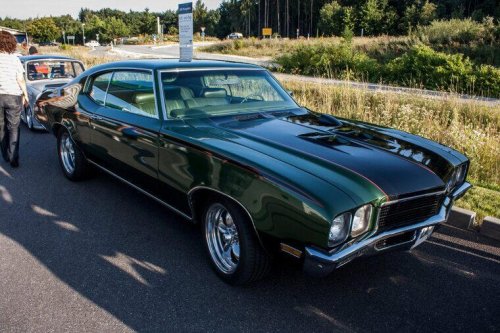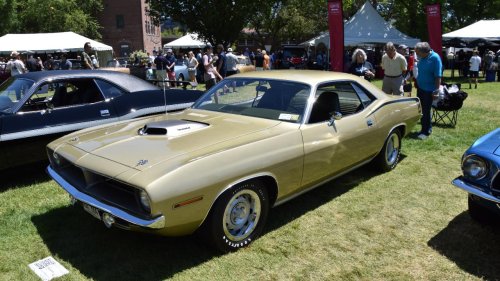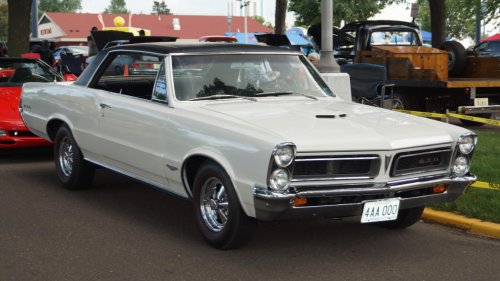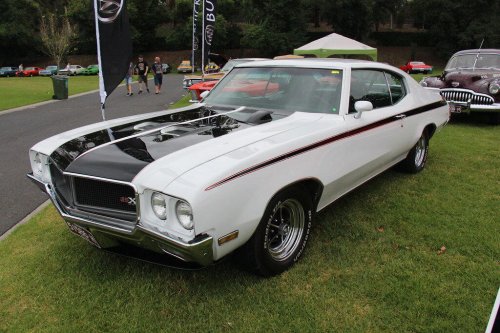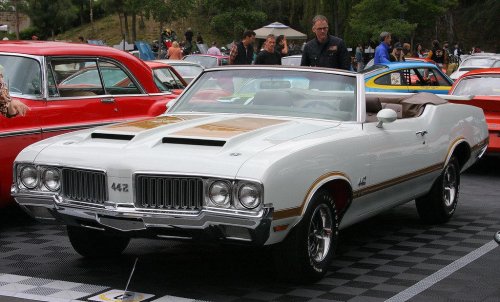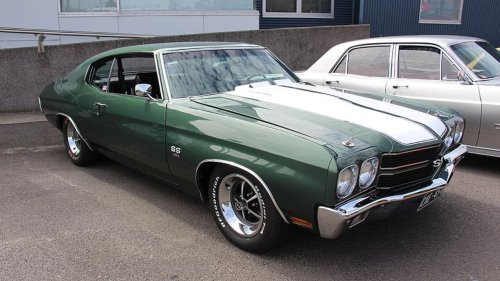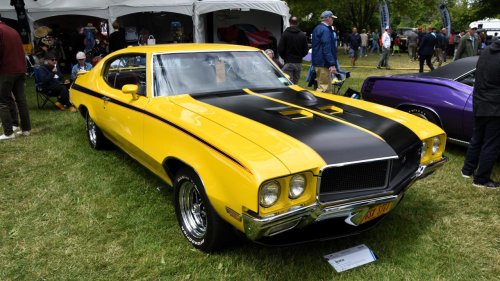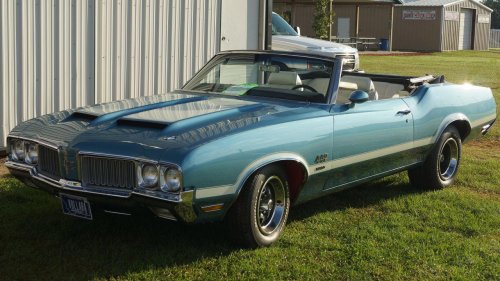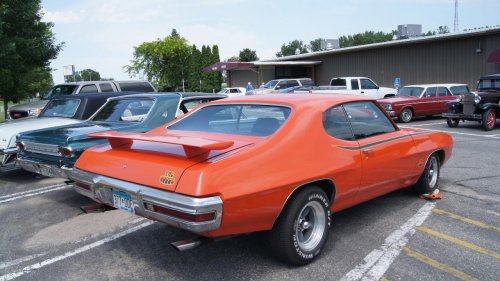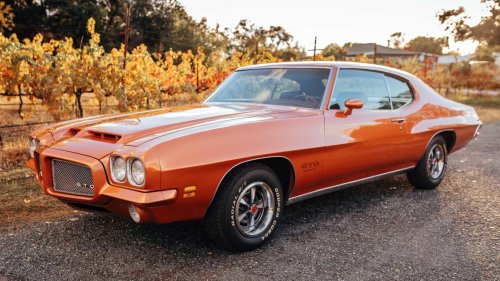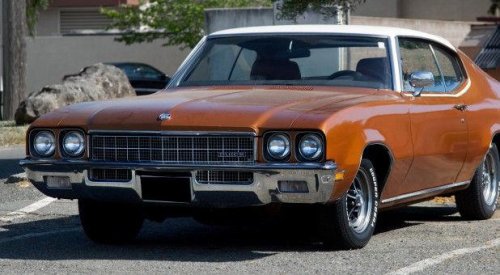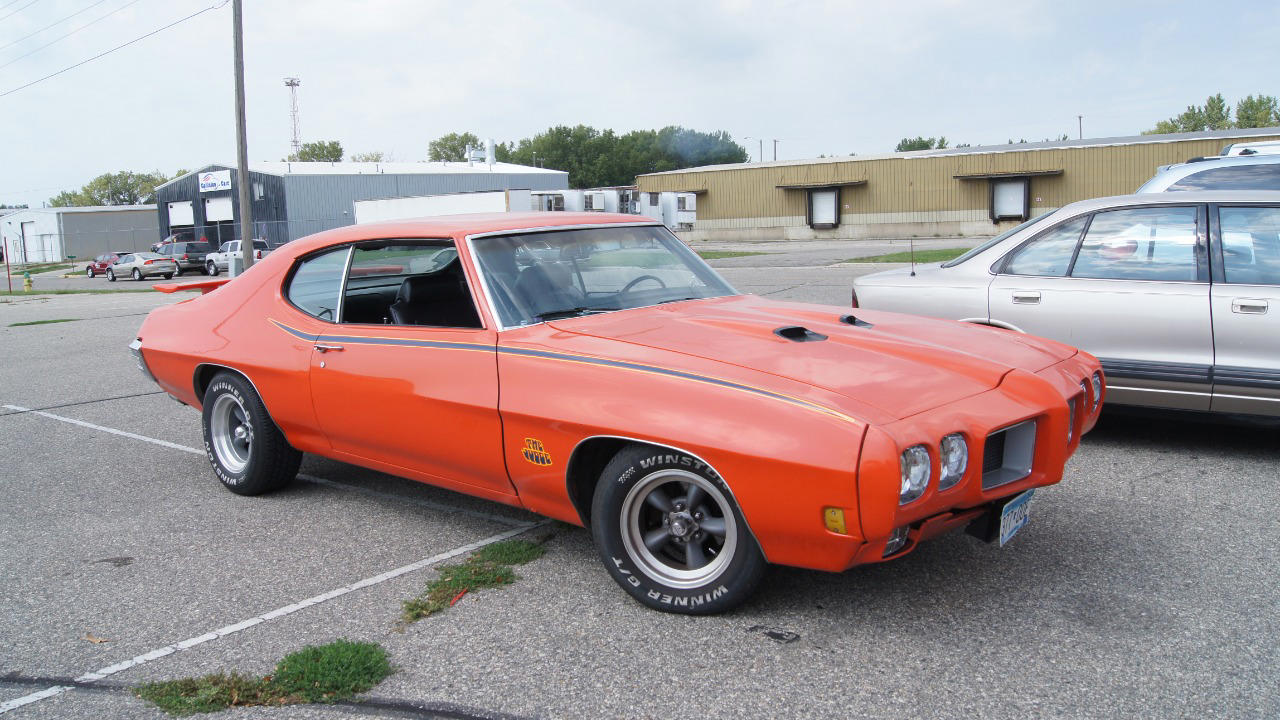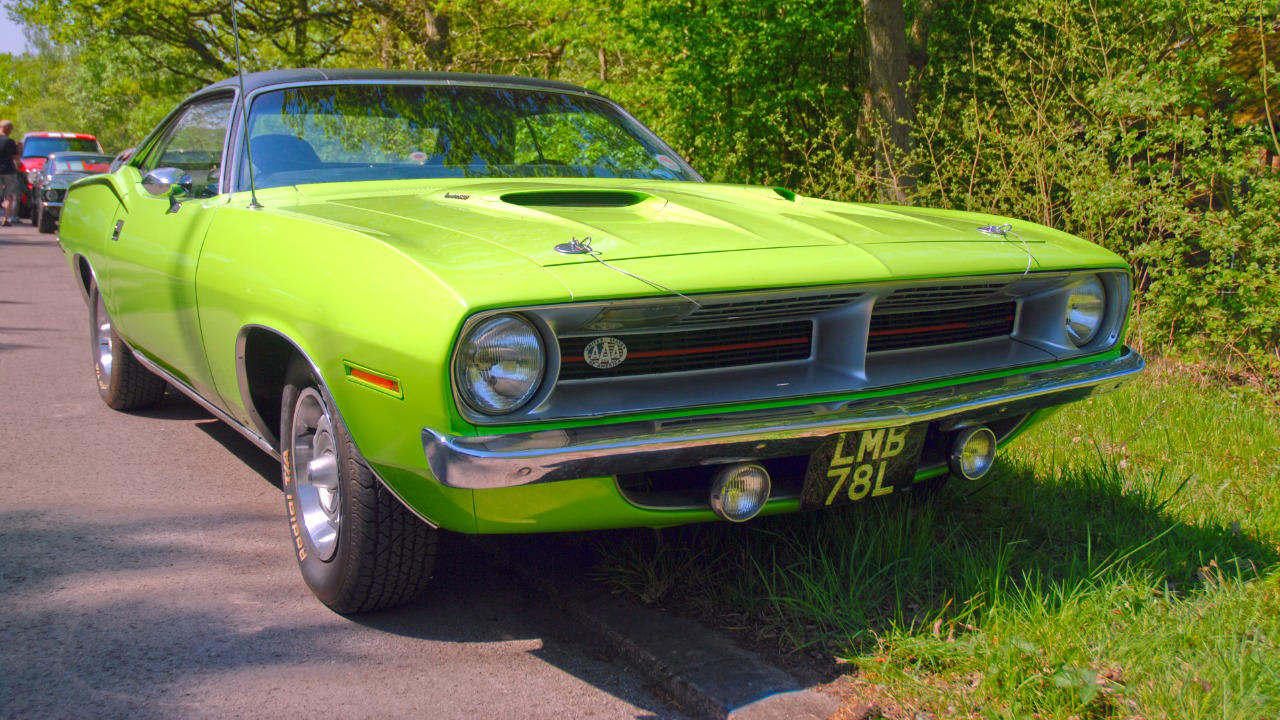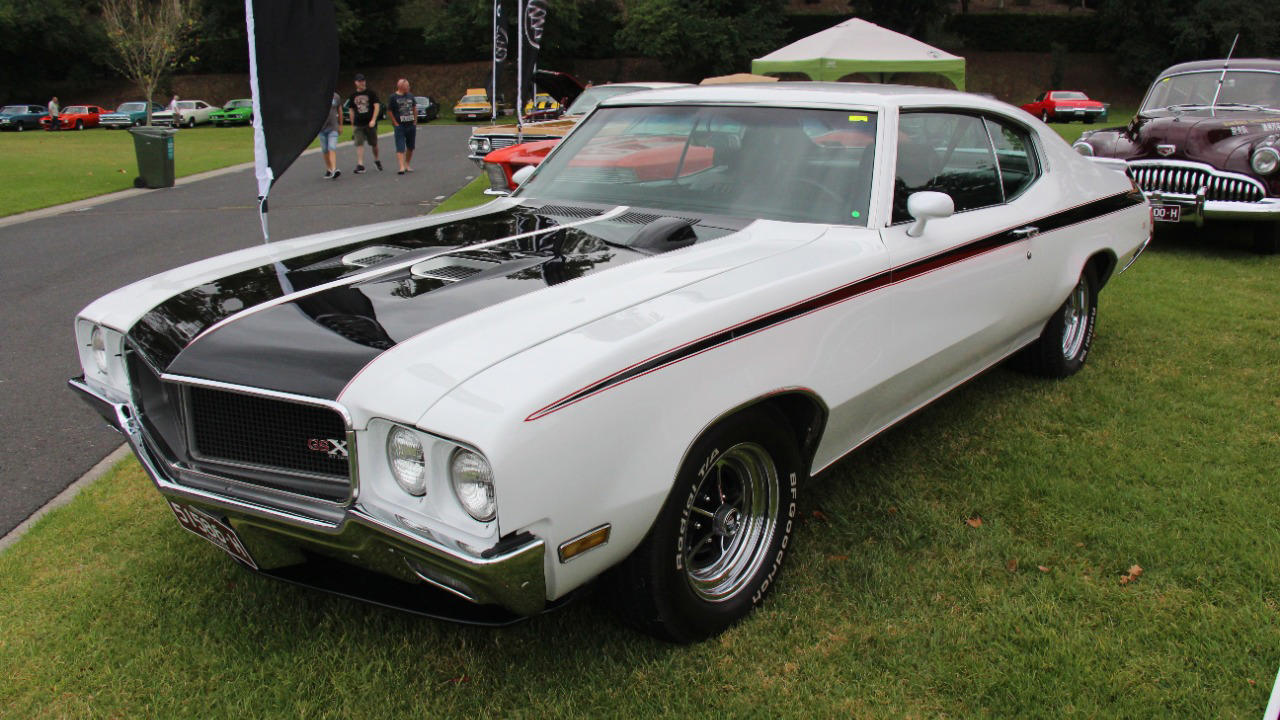



















This muscle car was rated at modest power—but the real numbers told a different storyThe world of muscle cars is often filled with legendary tales of power and performance, yet some vehicles have been rated with surprisingly modest horsepower figures. One such muscle car that stands out is the 1970 Buick GSX, known for its understated reputation while delivering exhilarating performance that caught many enthusiasts off guard. This car defied expectations, revealing that the actual numbers told a different, more thrilling story. The Muscle Car Era: A Brief Overview The origins of the muscle car movement can be traced back to the 1960s and 1970s, a time when American automotive culture was defined by powerful engines and aggressive styling. Manufacturers like Ford, Chevrolet, and Pontiac were at the forefront of this revolution, introducing models that would become synonymous with speed and performance. Cars like the Ford Mustang, Chevrolet Camaro, and Pontiac GTO set the stage for a fierce competition, each vying for the title of the ultimate muscle car. During this golden era, horsepower ratings held significant importance, often serving as a marketing tool to attract buyers. Advertisements boasted of impressive figures, tapping into the desire for speed and power. However, many enthusiasts understood that these ratings sometimes didn’t fully capture the potential of the vehicles. The excitement of the muscle car craze was not just about numbers; it was about the visceral experience of driving a machine designed for pure performance. Introducing the Unsuspected Contender Among the many contenders of the muscle car era, the 1970 Buick GSX emerged as a surprising player. Initially rated at a modest 360 horsepower, the GSX was marketed as a refined performance vehicle, appealing to a more mature audience compared to its flashier counterparts. Its sleek design, comfortable interior, and emphasis on luxury made it a unique offering in a market dominated by raw power. Upon its release, the GSX garnered interest but was often overshadowed by more aggressively marketed models. Consumers perceived it as a sophisticated alternative, ideal for those who appreciated a blend of performance and comfort. However, what many did not realize was that the GSX’s true capabilities lay hidden beneath the surface, waiting to be discovered. Unveiling the Real Power When independent testing began to surface, it revealed startling differences between the factory horsepower ratings and the actual performance of the GSX. Several enthusiasts took it upon themselves to conduct real-world tests, and the results were eye-opening. Many vehicles managed to exceed the factory rating significantly, with some owners reporting numbers closer to 400 horsepower. Anecdotes from owners and enthusiasts illustrate the shock and excitement that came with driving the GSX. One owner recounted a drag race against a well-known competitor, only to find that their “modest” Buick outperformed the rival by a wide margin. Such stories became the basis for a growing legend around the GSX, transforming it from a cautious choice into a dark horse in the muscle car arena. Engineering Behind the Numbers The engineering behind the 1970 Buick GSX was nothing short of impressive. At the heart of the vehicle was a powerful 455 cubic inch V8 engine, which generated not only significant horsepower but also a remarkable amount of torque. With 510 lb-ft of torque, the GSX offered a thrilling driving experience that belied its understated horsepower rating. This engine was designed for performance, utilizing advanced engineering techniques that allowed it to excel in both acceleration and handling. Several factors contributed to the GSX’s higher-than-expected performance, including its relatively lightweight construction and well-tuned suspension. Engineers focused on optimizing the vehicle’s weight distribution, allowing for better handling and acceleration. Insights from the engineers involved in the production highlight how they aimed to strike a balance between performance and comfort, ultimately resulting in a muscle car that could surprise even the most skeptical drivers. The Role of Marketing in Power Ratings One intriguing aspect of the muscle car era was the way manufacturers traditionally downplayed performance figures. This was often a strategic move to appeal to a broader audience while navigating the complexities of insurance regulations and consumer safety perceptions. By providing conservative estimates of horsepower, manufacturers could mitigate potential liabilities and encourage more cautious driving habits. The psychological effect of these “modest” ratings also played a role in consumer choices. Buyers often felt more secure investing in a car that was marketed as a refined performance vehicle rather than an all-out racing machine. This tactic worked well for the GSX, as it attracted a demographic that valued sophistication alongside performance. As a result, the understated nature of the GSX only added to its allure, creating an air of mystery that enticed enthusiasts. Competition and Rivalry in the Muscle Car Market When comparing the 1970 Buick GSX to its contemporaries, the competition was fierce. Cars like the Chevrolet Chevelle SS 454 and the Pontiac GTO were producing advertised horsepower numbers that eclipsed the GSX’s rating. However, this did not deter the GSX from proving its capabilities on the road and the track. The competitive landscape of the 1970s was characterized by fierce rivalries, with each manufacturer striving to outdo the others. Despite its lower horsepower rating, the GSX managed to outperform many of its rivals in real-world scenarios. Owners reported astonishing acceleration times and a thrilling driving experience that left competitors in the dust. The GSX’s unique combination of performance and luxury allowed it to carve out a niche that resonated with enthusiasts seeking something different from the brashness of its competitors. Cultural Impact and Legacy The cultural impact of the 1970 Buick GSX extends beyond mere performance metrics. This muscle car has woven itself into the fabric of popular culture, appearing in films and music that celebrate the spirit of American automotive prowess. The GSX’s sleek lines and powerful presence have made it a favorite among collectors and enthusiasts alike, ensuring its place in the pantheon of iconic muscle cars. Communities centered around the GSX have blossomed, with clubs and online forums dedicated to the appreciation of this remarkable vehicle. Enthusiasts share stories, restoration tips, and personal experiences that highlight the enduring legacy of the GSX. As time has passed, the car’s reputation has evolved from being perceived as simply a refined alternative to a genuine contender that captivates the hearts of car lovers everywhere. Ownership Experience and Modifications For many owners, the journey with the 1970 Buick GSX goes beyond simply driving the car. Common modifications aimed at enhancing performance include upgrades to the exhaust system, re-gearing the differential, and even swapping out for performance-oriented carburetors. These changes allow owners to unlock even more power from an already impressive engine, often resulting in exhilarating performance improvements. Personal accounts from GSX owners reveal a deep emotional connection to their vehicles. Many speak of the joy of attending car shows, where they proudly display their GSX alongside other classic muscle cars. The maintenance challenges associated with owning a vintage vehicle are often outweighed by the rewards, as owners cherish the opportunity to work on their cars and keep the spirit of the muscle car era alive. Today’s Collector Market and Appreciation Today, the 1970 Buick GSX is highly sought after among collectors and enthusiasts alike. Its rarity, impressive performance capabilities, and unique place in muscle car history contribute to its desirability and value in the collector market. Prices for well-preserved models have skyrocketed, making them a prized possession for those fortunate enough to own one. Trends in restoration and preservation have also emerged, with many owners focused on maintaining the authenticity of their vehicles. As the muscle car community continues to grow, so too does the appreciation for the GSX, ensuring its legacy as a symbol of performance and style. Looking ahead, predictions for the future of the GSX in the collector market remain optimistic, with many believing that its value will only continue to climb as more enthusiasts recognize its true potential. More from Fast Lane OnlyUnboxing the WWII Jeep in a Crate15 rare Chevys collectors are quietly buying10 underrated V8s still worth hunting downPolice notice this before you even roll window down The post This muscle car was rated at modest power—but the real numbers told a different story appeared first on FAST LANE ONLY.