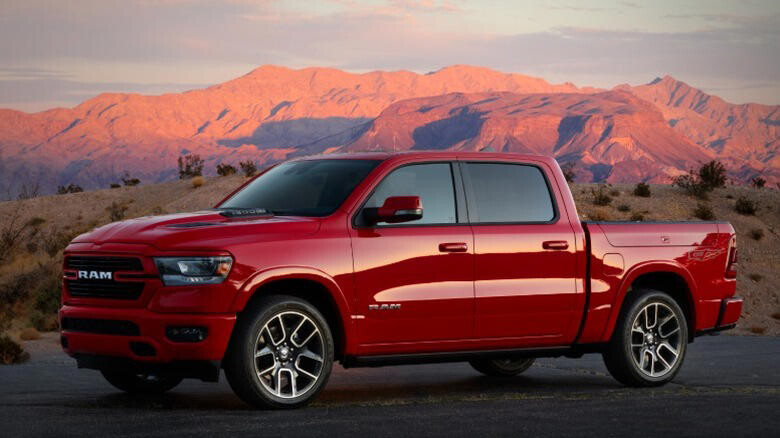
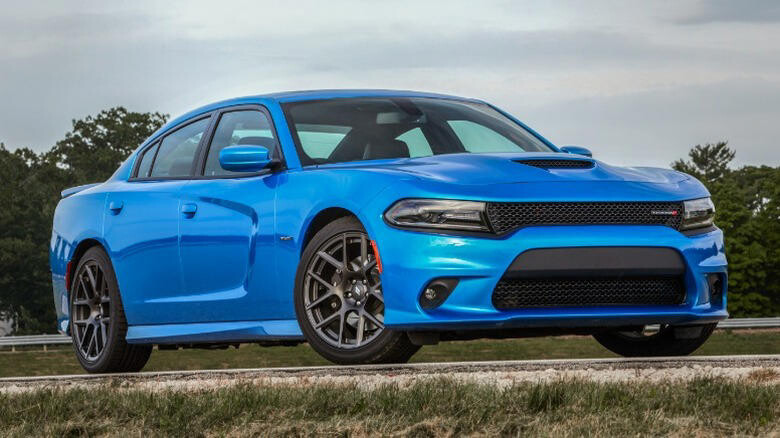
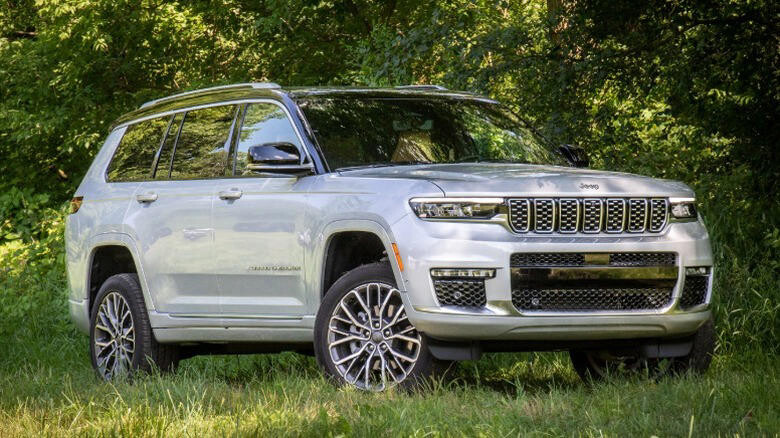
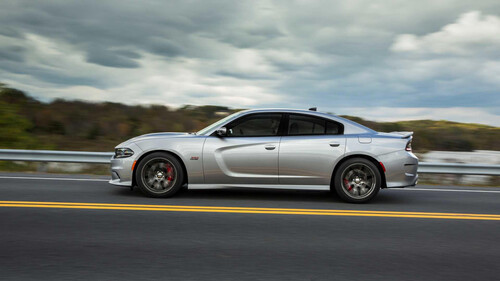
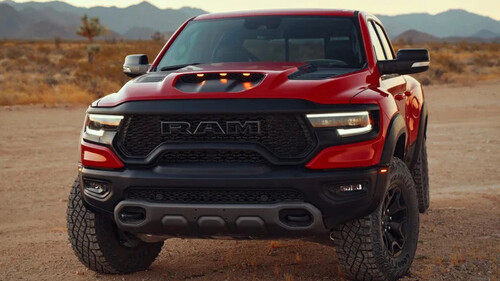
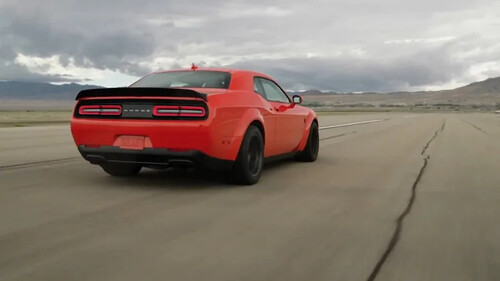
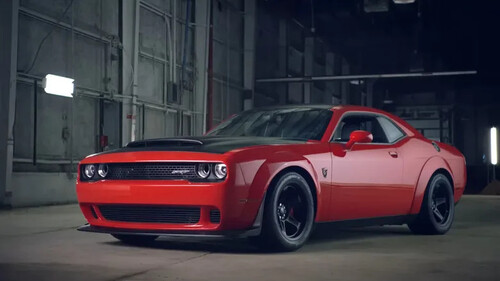
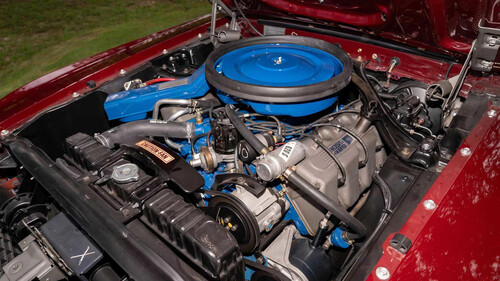
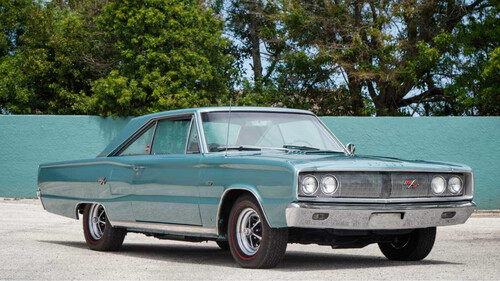
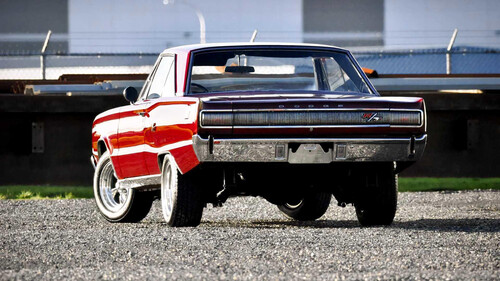
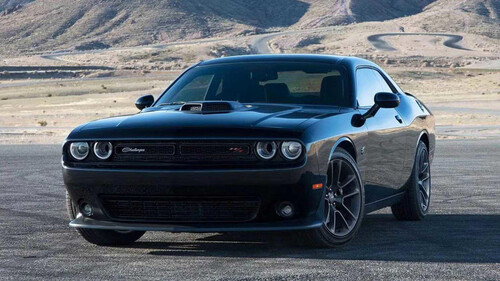
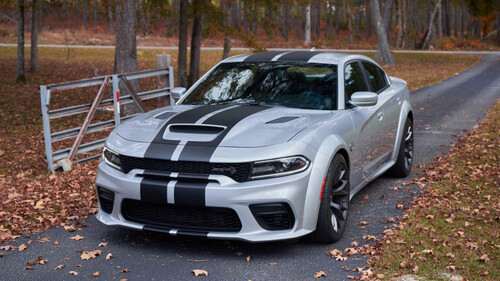
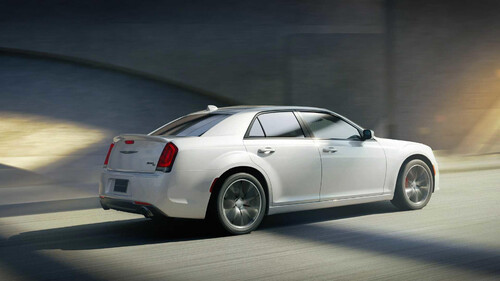
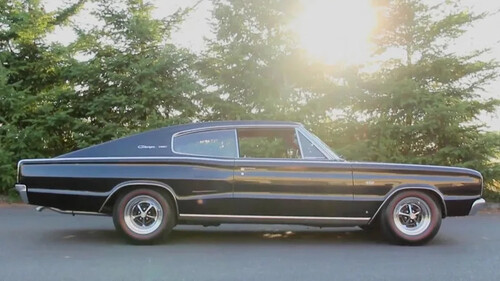
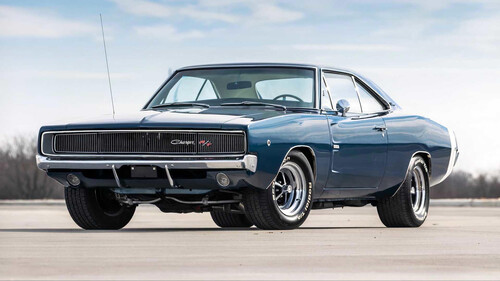
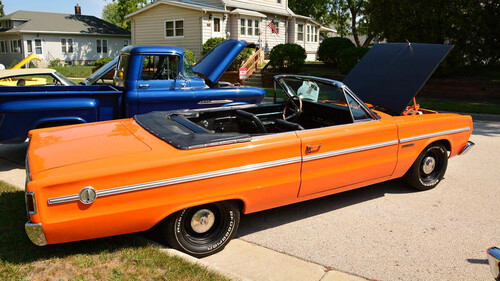
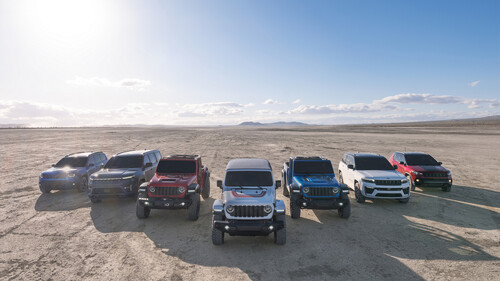
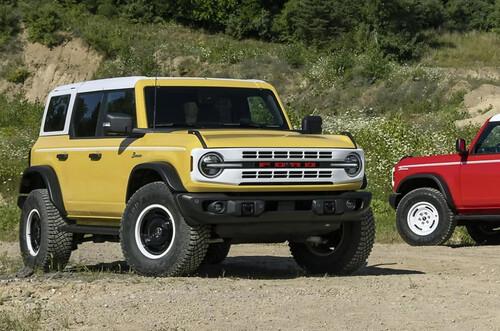
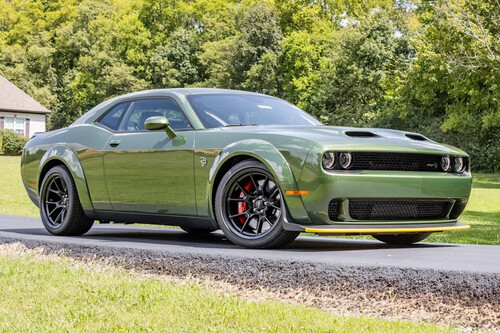
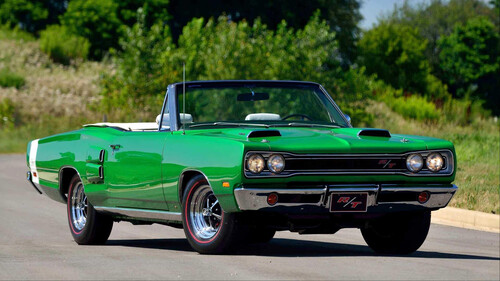
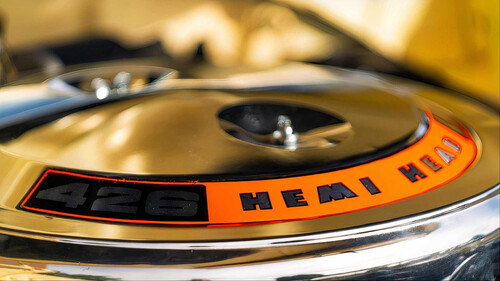
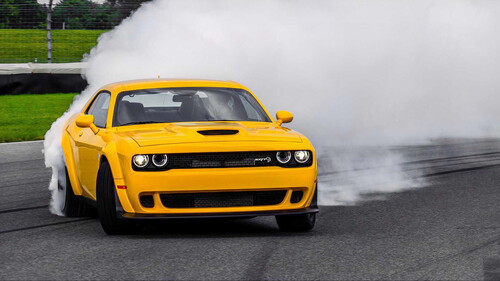
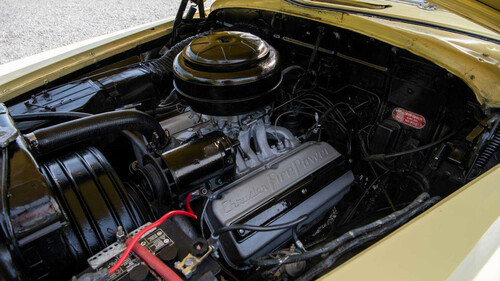
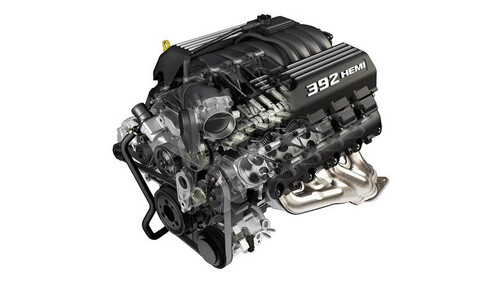
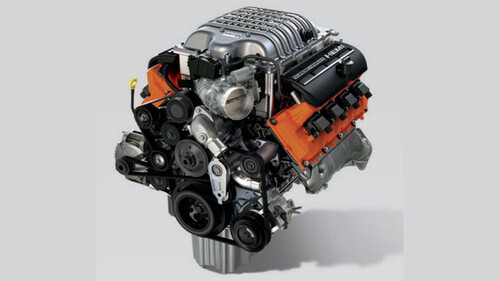
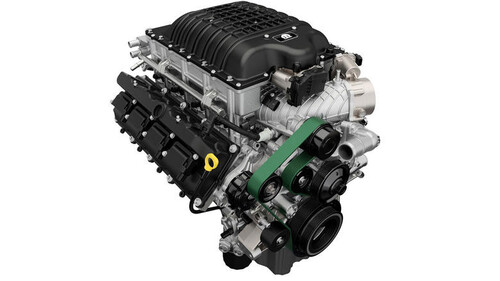
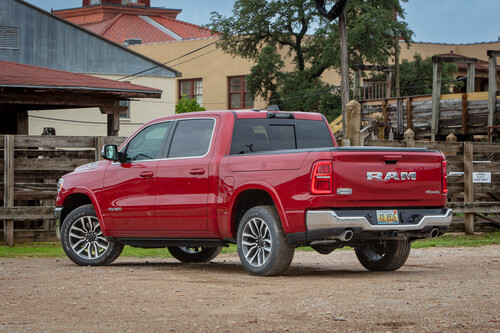
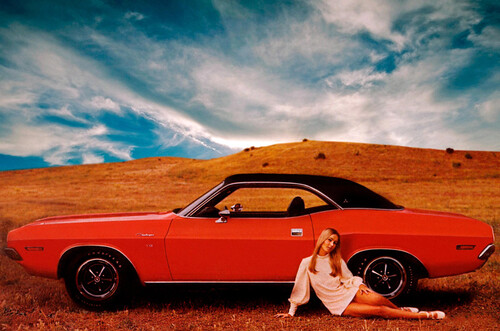
5.7-liter HEMI V8 inside a Dodge Charger engine bay - StellantisChrysler's HEMI is one of the most recognizable names in automotive history, its reputation built primarily on the iconic 426 HEMI that powered muscle cars like the Dodge Charger R/T and Plymouth HEMI 'Cuda. But the 426 was also incredibly short-lived, only made available as a street car engine from 1966 to 1971; after that, production HEMI engines were essentially dead, the name lying dormant for the better part of three decades until Chrysler revived the branding with the Gen III 5.7 HEMI for the 2003 model year.In the years after that, the revived HEMI made its way to a series of vehicles under the DaimlerChrysler — later Chrysler, then Fiat Chrysler Automobiles, then Stellantis — umbrella, including modern-day Mopar legends like the Dodge Challenger R/T and more family-friendly offerings like the Dodge Durango and Jeep Grand Cherokee. Along the way, the Gen III HEMI family also expanded to include a range of bigger and badder engines such as the 6.2-liter supercharged Hellcat engine, one of the most powerful HEMI engines ever made.While there's no way around the fact that it's those big-power modern HEMIs that are the most exciting ones to discuss, they arguably would never have existed had the 5.7 HEMI (and the vehicles that it powered) not captured fans and admirers the way they did. And so, let's take trip down memory lane and look at some of the 5.7 HEMI's greatest hits.AdvertisementAdvertisementRead more: 12 Of The Most Reliable V8 Engines Ever MadeRam pickupsRed 2024 Ram 1500 Laramie GT parked on a desert road at sunset with mountains in the distance - StellantisWhile the HEMI name may be indelibly associated with high-performance motoring thanks to the 426, the Gen III 5.7 HEMI's beginnings were far more humble. The revived engine first debuted under the hood of the third-gen Dodge Ram 1500, 2500, and 3500 pickups, coming a year or so after they hit the streets for the 2002 model year.The 345-hp V8 came to the heavier-duty Ram 2500 and 3500 pickups first, but became available in the Ram 1500 by the time 2003 rolled around. In the Ram 1500, the HEMI replaced the 245-hp, 5.9-liter Magnum V8 as the top-dog engine option, offering a significant bump in power for a not-unreasonable extra $795. Conversely, the HEMI was the standard option for the heavy duty (HD) trucks, with a larger 8.0-liter V10 and a handful of Cummins turbodiesels also available.Dodge's 5.7-liter engine eventually became a fixture in the Ram pickups' engine bays. Dodge introduced the the Multi-Displacement System (MDS)-equipped version of the engine for the 2009 model year (which came with a welcome bump in power to 390 hp in the Ram 1500) and the engine continued to be available for at least another decade. The HD trucks dropped the 5.7 in favor of the 6.4-liter in 2019, but the former was available in the Ram 1500 until the 2024 model year, after which Dodge discontinued the HEMI — but only briefly. After one HEMI-less year in 2025, Ram brought the engine back for the 2026 Ram 1500 to great sales success, although some (including us) don't think the HEMI-equipped 2026 Ram 1500 is actually all that great.Dodge Charger R/TBlue Dodge Charger R/T parked on a rural road - StellantisDodge's Ram pickups were perhaps not the most traditional place to debut the revived HEMI, but the engine quickly made its way to other vehicles after its first outing. Pretty soon, the automotive world would get a proper muscle car flashback when Dodge brought the HEMI and Charger back together for the 2006 model year.AdvertisementAdvertisementThat year, Dodge debuted a revived Charger that rode the same retro-futuristic wave as the 2005 Ford Mustang, retaining classic muscle car tropes — a 340-hp HEMI in the Charger R/T and rear-wheel drive — but with a dose of practicality. To that end, the Charger was a full-on sedan, with four doors and modern features like a manual-capable auto gearbox and traction and stability control to keep things in check. It echoed its '60s and '70s forebears in some of the design touches, but was otherwise a modern muscle car for the then-modern buyer — all for a roughly $30,000 price that journalists were particularly keen on.As with many of its 5.7-powered brethren, the Charger R/T would have the V8 in the engine bay for the rest of its run. It received the updated MDS-capable version of the 5.7-liter in 2009, which made 368 hp – climbing ever so slightly to 370 hp when the all-new seventh-gen Dodge Charger debuted for the 2011 model year. Dodge kept the 5.7 around for the rest of the run, introducing the 5.7-powered Charger Daytona in 2013, until it dropped internal combustion with the Dodge Charger Daytona EV in 2024 — although there are strong indications that it's bringing the V8 back in the future.Chrysler 300Dark blue Chrysler 300C parked in front of a house - StellantisChrysler may be a shadow of its former self, with only two minivans — the Pacifica and Voyager — in its lineup at the time of writing, but there was a time when the brand had much more exciting fare to offer. Case in point: the Chrysler 300.The 300 — whose name was chosen to echo the Chrysler 300 "Letter Car" models from 1955 to 1965 — was first unveiled as the 300C concept car in 2003. Chrysler had already decided that it would use the then-new HEMI V8 at that point — the first HEMI to grace a Chrysler engine bay in over 40 years, in fact, according to a press release accompanying the concept. It didn't stay a concept for long, though, and Chrysler brought 300 to market in 2004 for the 2005 model year.AdvertisementAdvertisementAvailable in several guises ranging from the 190-hp, V6-powered Chrysler 300 up to the 340-hp, HEMI-equipped 300C, the big sedan was an instant hit with consumers and critics alike: It sold more than 100,000 units in each of its first three years and won accolades like the North American Car of the Year award in its first year. It shared the LX platform with the front-engine, rear-drive Dodge Charger, and continued to do so when Chrysler moved to the LD platform in 2011. The platform change brought a wide range of updates, but one thing that didn't change (aside from a bump in power to 363 hp) was the 5.7 HEMI, which stayed as an option all the way until the end of the line in 2023.Dodge Challenger R/TBlack and green Dodge Challenger R/T Plus Shaker parked in front of a minimalist building - StellantisIf we had to single out one vehicle that has flown the flag for the Gen III HEMI engine in all its guises, it's likely the Dodge Challenger. The resurrected nameplate debuted in 2009 as an aggressive, retro-minded two-door coupe that took the existing Dodge Charger and Chrysler 300 platform in an exciting new direction — and established itself as a modern-day Mopar legend in the process.The 2009 Challenger was available in three versions: the SE, which had a 250-hp V6; the R/T, which had the revised 5.7-liter HEMI with 372 hp (or 376 with a manual transmission); and the SRT8, equipped with the 425-hp 6.1-liter HEMI that was the top dog in Dodge's arsenal at the time. The SRT8 would eventually be dethroned by the first Challenger Hellcat in 2015, kicking off a chain of increasingly powerful variants of the car (and the Gen III HEMI), but the 5.7-liter would continue trucking along as the entry-level V8 option up until Dodge discontinued the Challenger at the end of the 2023 model year.The R/T's 5.7-liter HEMI is never going to be the highlight of the model's nearly 15-year run, but it served its purpose, and reviewers of the time thought it was more than adequate — especially considering its fuel economy advantages over the SRT8. The Challenger sold more than 50,000 units yearly for much of its life, and we wouldn't be surprised if the R/T's charms played a big role in its strong sales.Dodge DurangoRed Dodge Durango R/T parked next to a barrier with mountains in the distance - StellantisThe Charger and Challenger R/T may be the most recognizable modern Dodge vehicles to have the 5.7-liter HEMI under the hood, but the Durango ranks above both of those in terms of sheer HEMI-powered longevity. So while it's never going to set the heart racing like a Challenger R/T, the Durango is undoubtedly another one of the engine's greatest hits.AdvertisementAdvertisementThe HEMI-powered second-gen Durango joined the Dodge lineup for the 2004 model year, with the engine slotting in at the top of the pecking order above a 3.7-liter V6 and 4.7-liter V8, both from Dodge's older Magnum engine family. The Gen III HEMI made 330 hp — quite mundane now that we have 500-plus-hp SUVs, but strong in 2004 — and the automaker expected it to account for the majority of the second-gen Durango's sales. Dodge's bet seemed to have paid off; it sold more than 100,000 Durangos in its first year, though the late-2000s financial crisis forced Chrysler to discontinue the model after 2009.Dodge didn't leave the Durango nameplate on ice for too long, though. The automaker announced the triumphant return of the Durango to the lineup in 2011, with the 5.7-liter HEMI in tow, of course. Like its HEMI-powered siblings, the new SUV got the improved, variable valve timing (VVT)-capable version of the engine, which made 360 hp. Unlike those siblings, however, the Durango kept hold of the HEMI — in 6.4- and 5.7-liter configurations — even after Dodge stopped offering it in other models. The automaker went one step further in 2026, too, making the 5.7-liter V8 the standard engine in the entry-level Durango GT.Jeep Grand CherokeeWhite Jeep Grand Cherokee L parked on grass with trees in the background. - StellantisThe Jeep Grand Cherokee is one of the longest-lived models in the current Jeep lineup: As of 2026, there have been five generations of the Grand Cherokee since it debuted in 1993. The 5.7-liter HEMI was the powerplant in the Grand Cherokee's engine bay in 2005, alongside the SUV's third generation, and was an option through two full generations plus the first few of a third.Jeep's third take on the Grand Cherokee featured a range of improvements that gave it even better off-road credentials, including low-range gearing and a Quadra-Drive II system with electronic limited-slip differentials, but the highlight was most likely said HEMI. The 5.7-liter V8 joined the party alongside a similarly-new 3.7-liter V6 with 210 hp and a 4.7-liter V8 producing 235 hp. The HEMI was way out in front of the Grand Cherokee's other engines in terms of power output, with a stout 330 hp available.AdvertisementAdvertisementA new Grand Cherokee debuted in 2011, which again came with the 5.7-liter HEMI as an option. Power was up across the board, with the HEMI now making 360 hp and the base Pentastar V6 making a healthy 290 hp. Both of these were still available for the fifth generation, which debuted in 2021 — by which point the 5.7-liter HEMI had been joined by its 6.4-liter and Hellcat siblings. This wasn't for long, though; Jeep dropped all the V8s in favor of the Pentastar V6 starting in 2024. That V6 had the engine bay to itself for a couple of model years, but that changed with the introduction of Stellantis' brand-new, 324-hp Hurricane 4 Turbo engine in the 2026 Jeep Grand Cherokee.Want the latest in tech and auto trends? Subscribe to our free newsletter for the latest headlines, expert guides, and how-to tips, one email at a time. You can also add us as a preferred search source on Google.Read the original article on SlashGear.