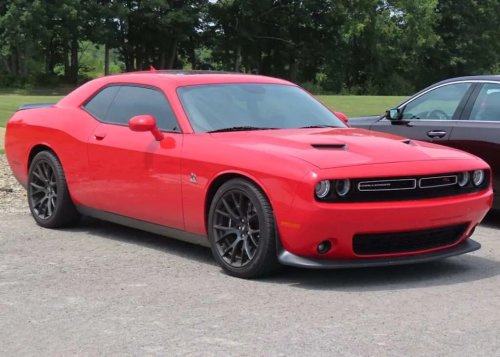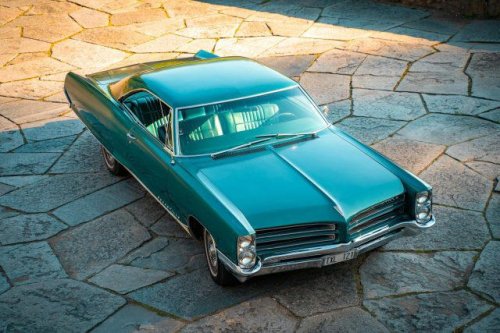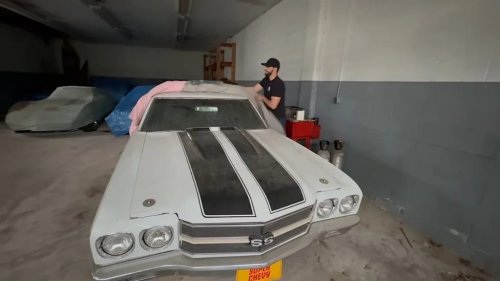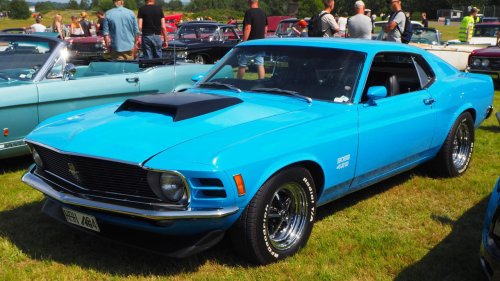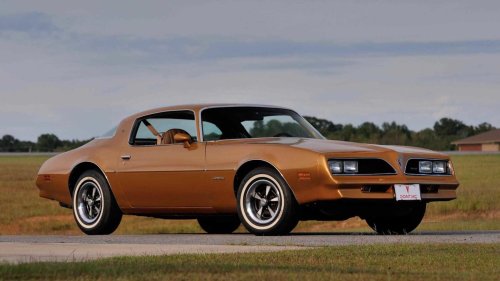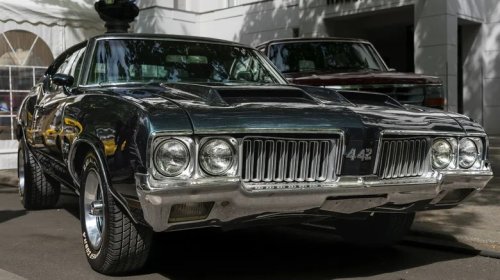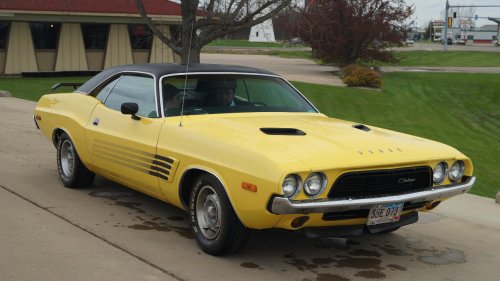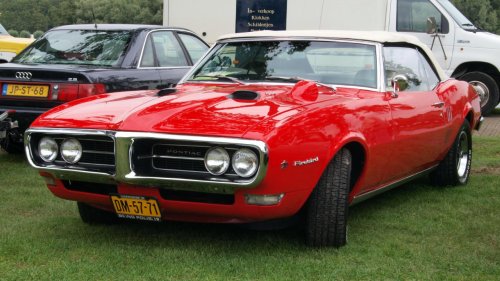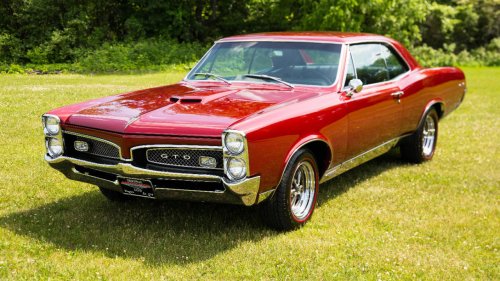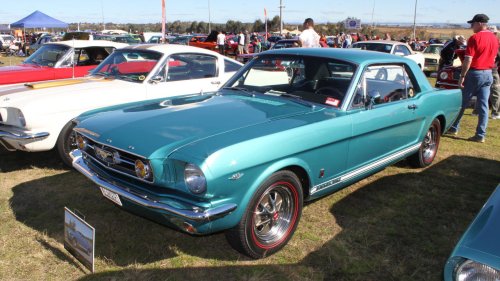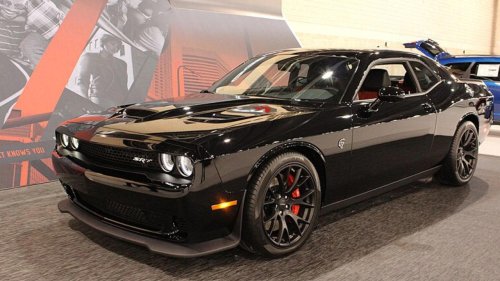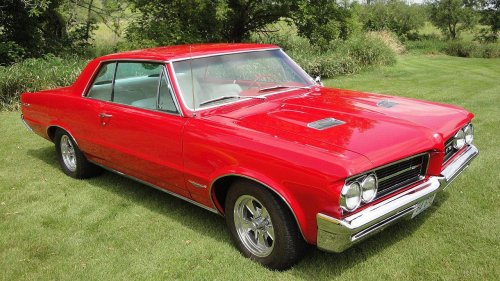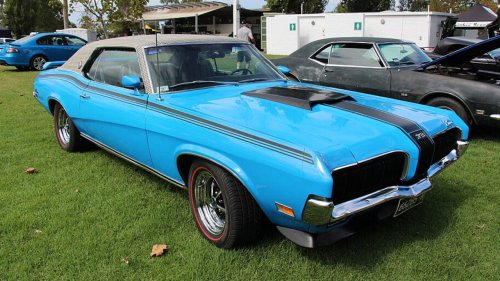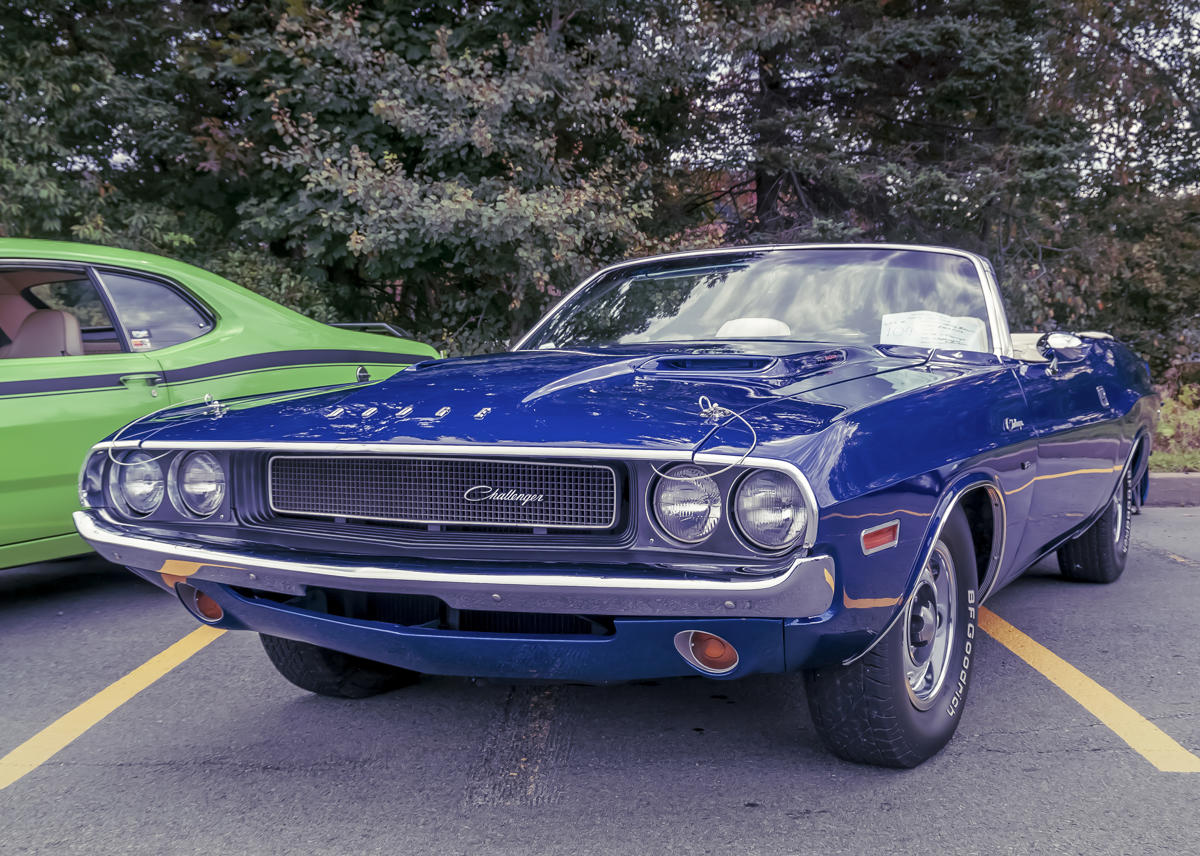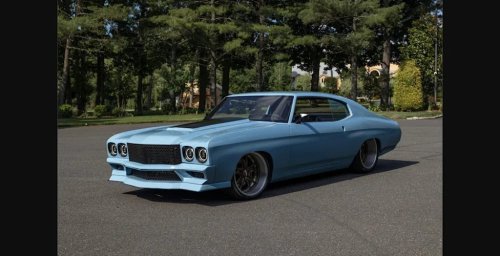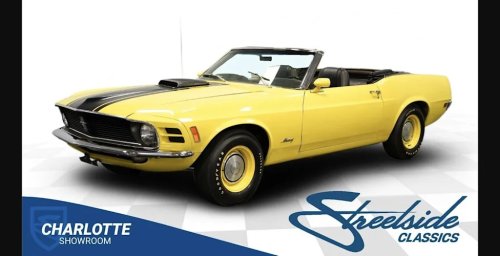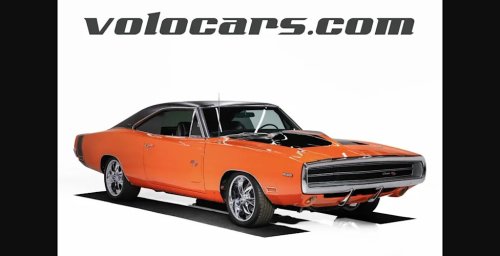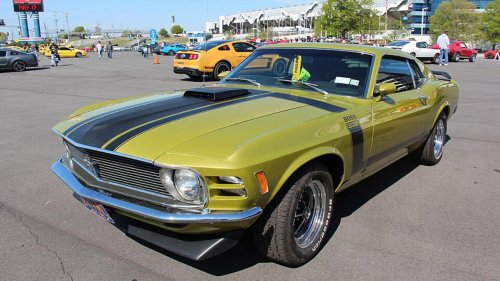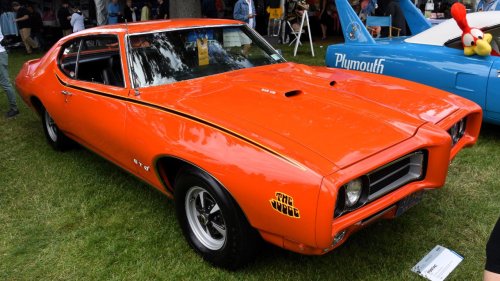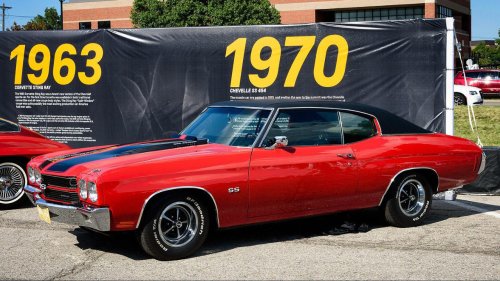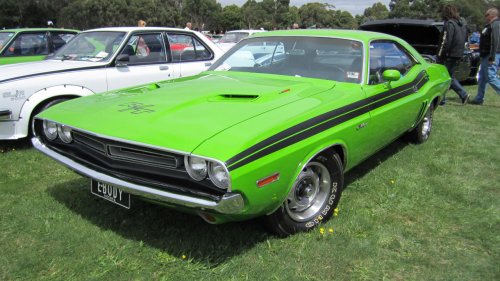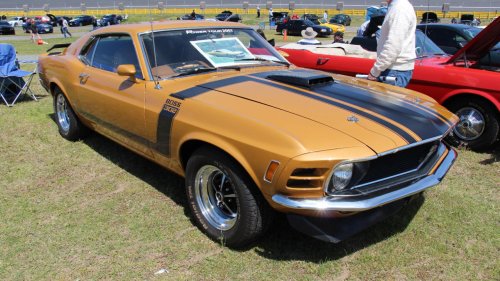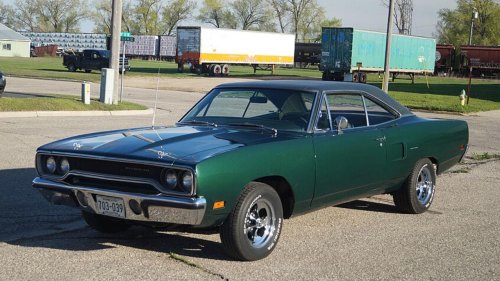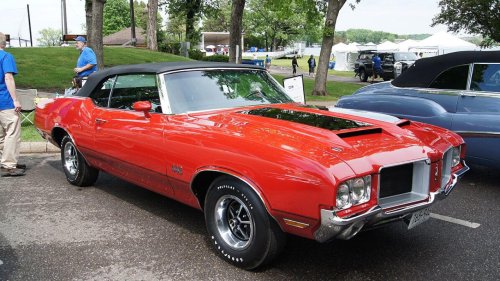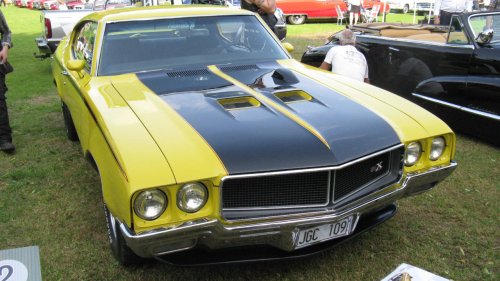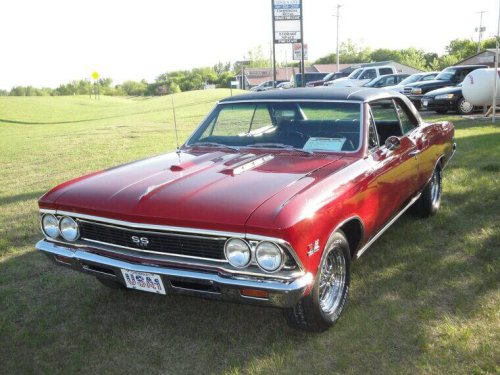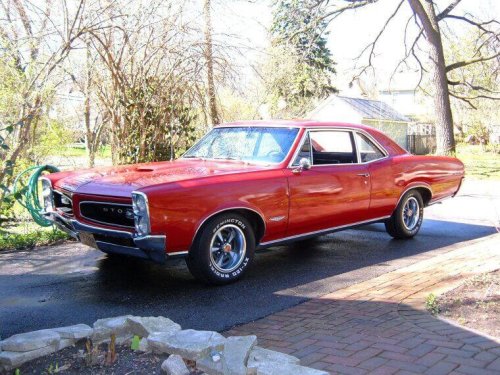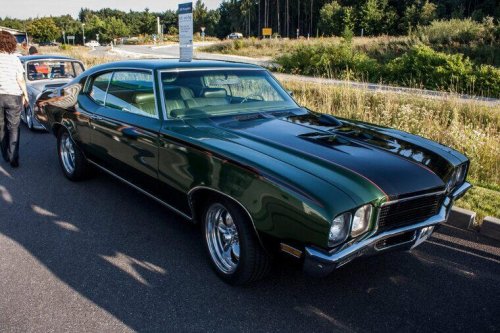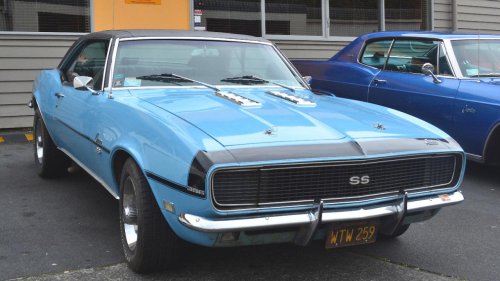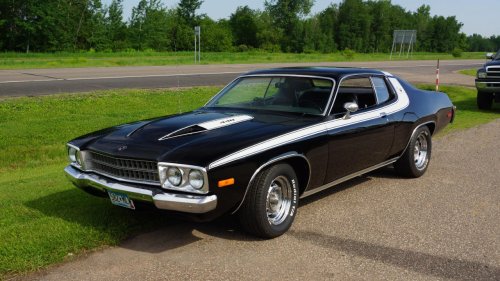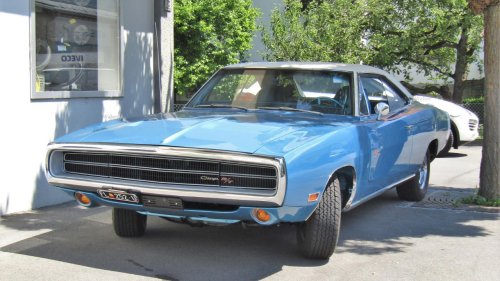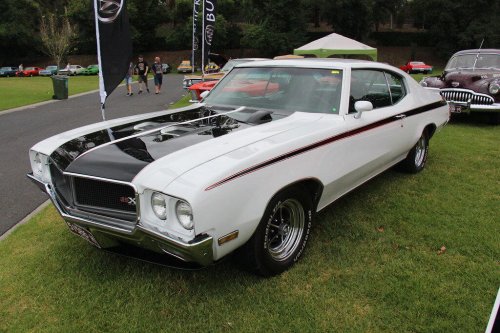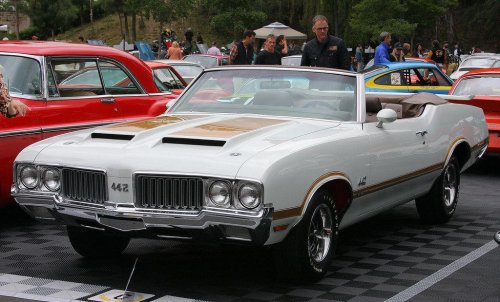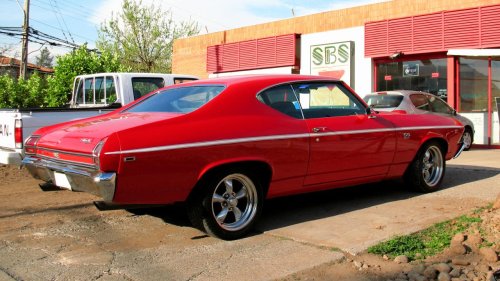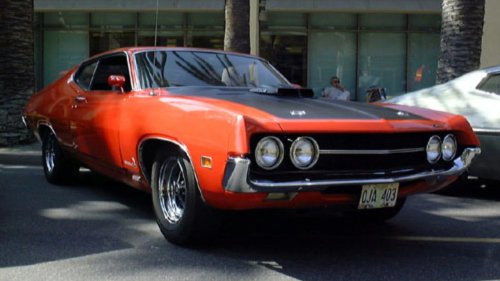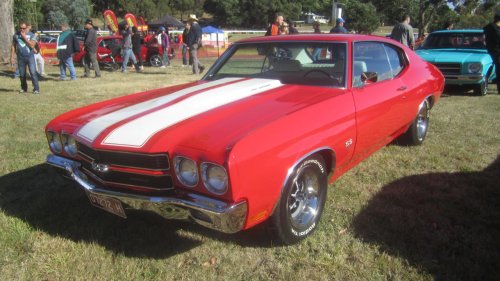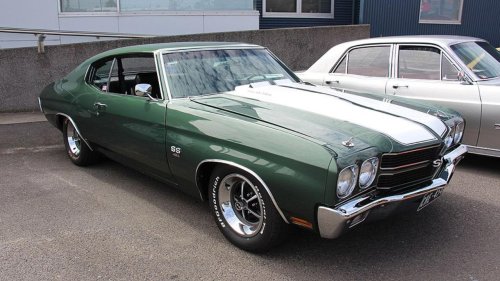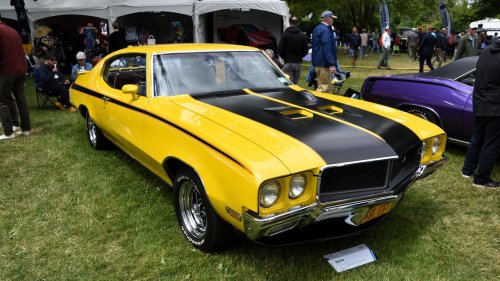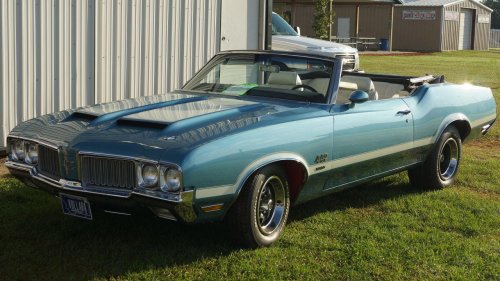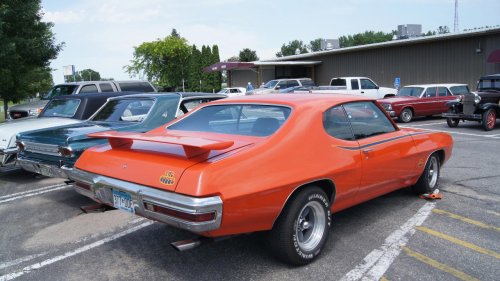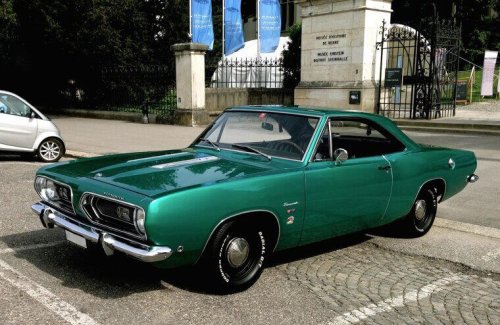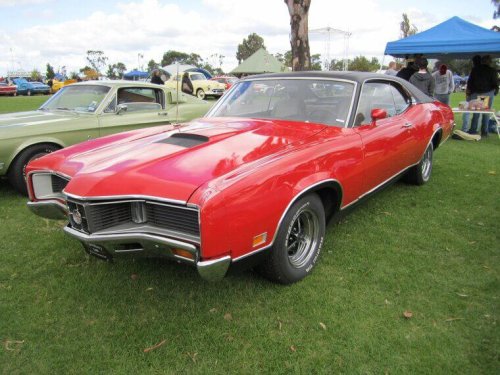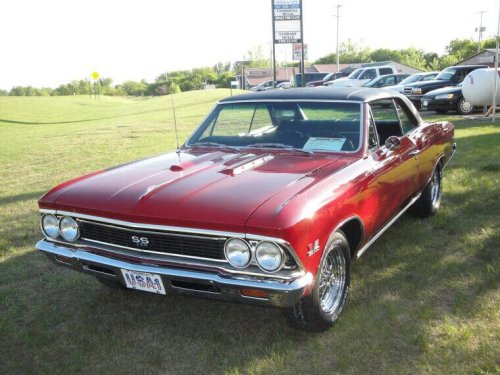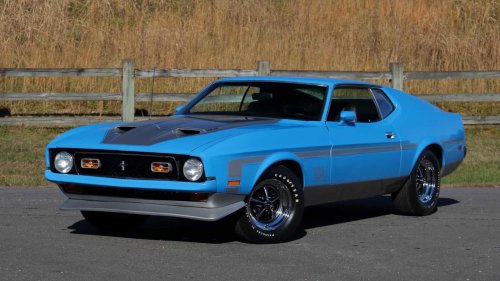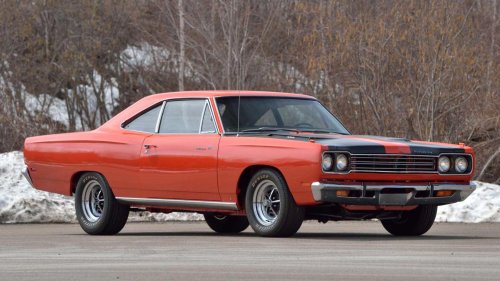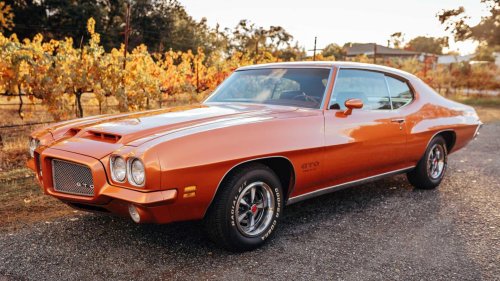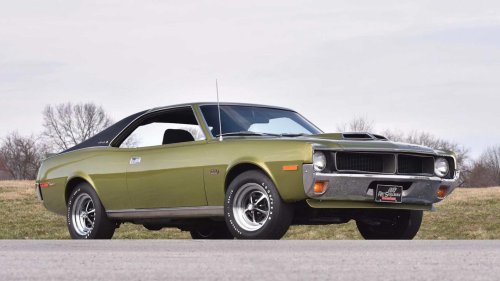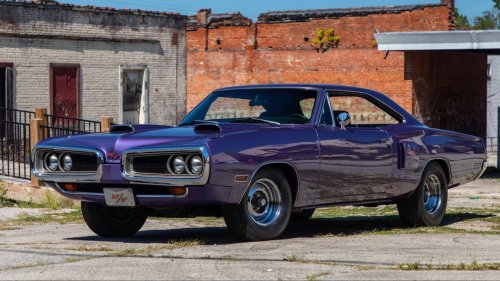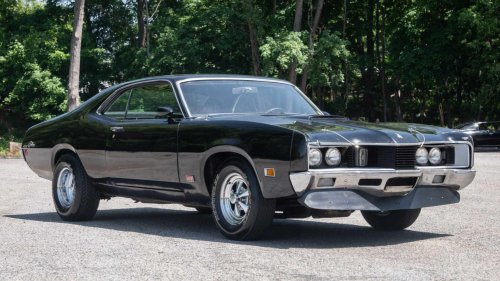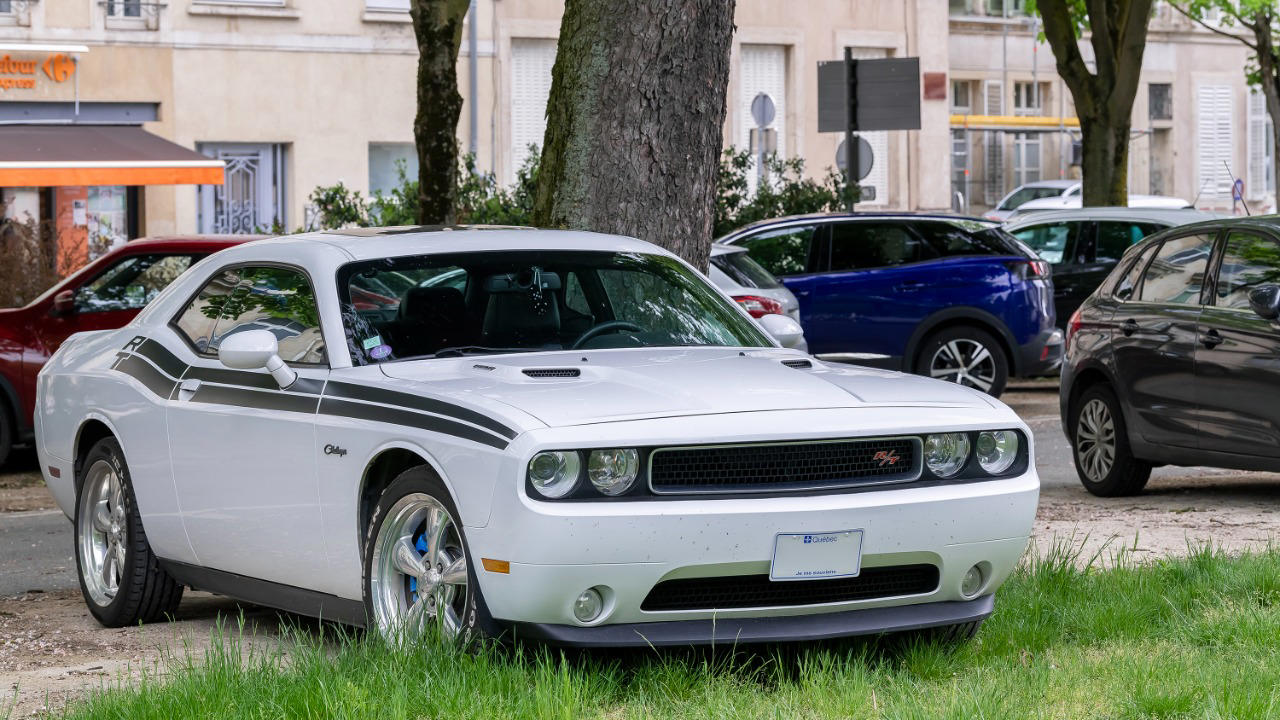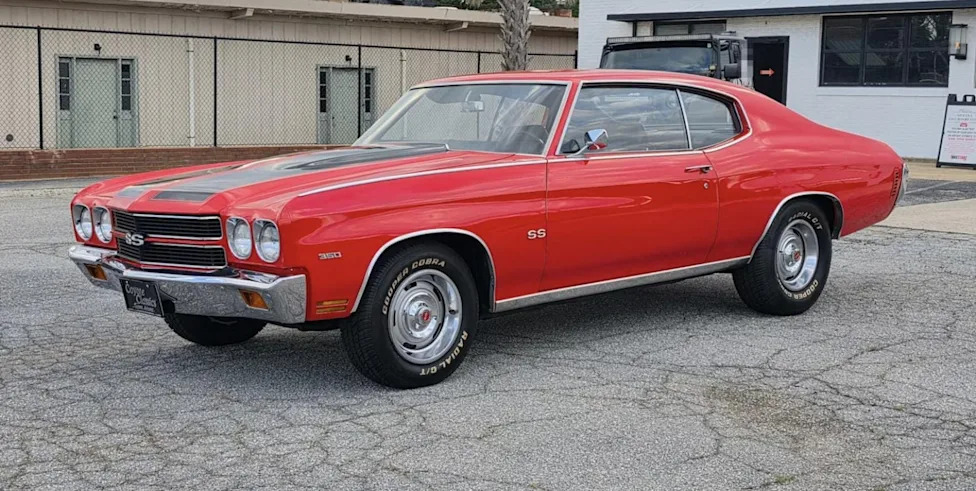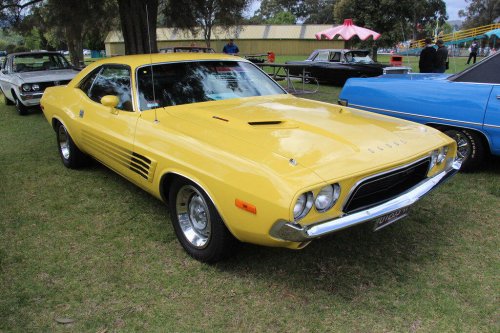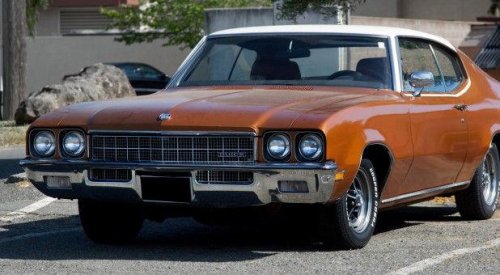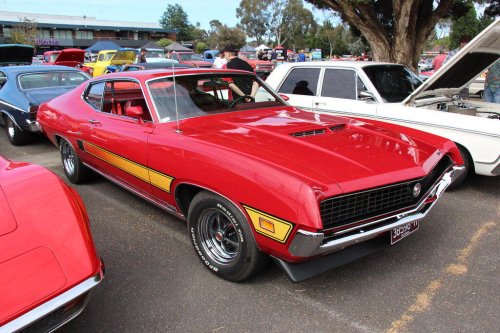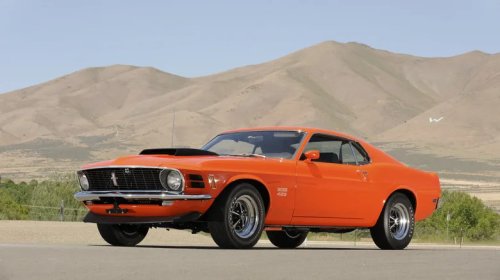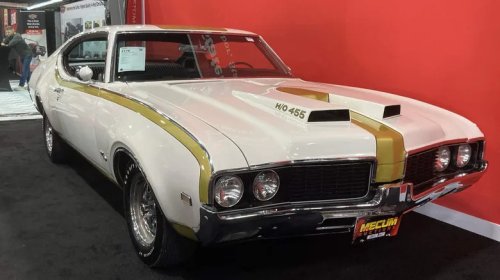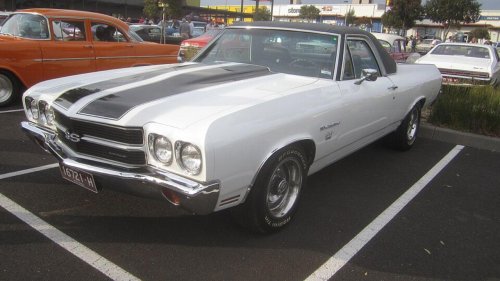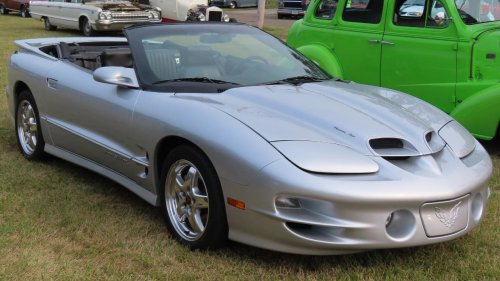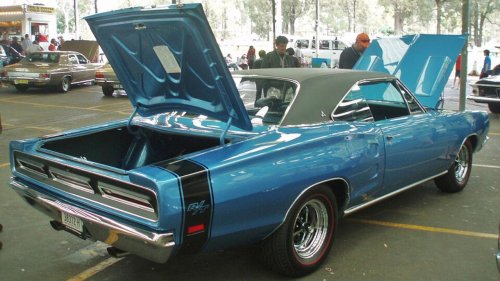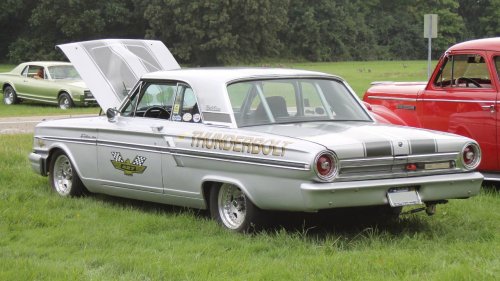
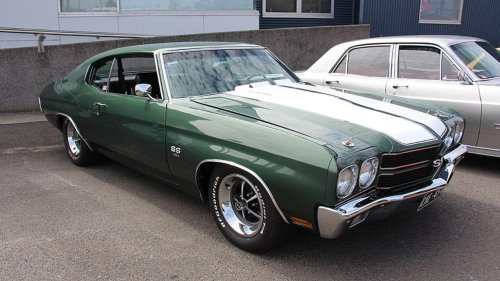
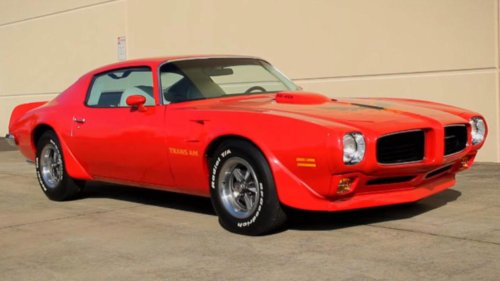
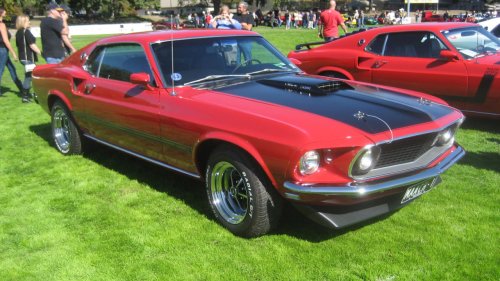
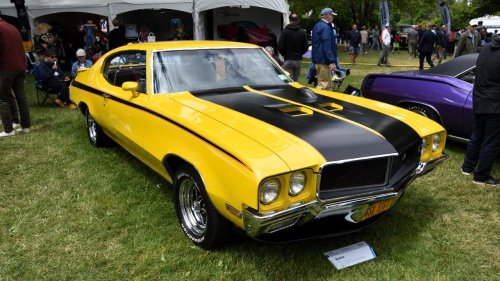
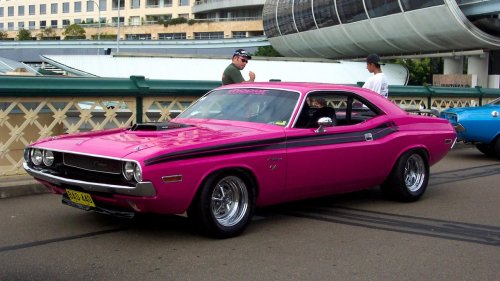
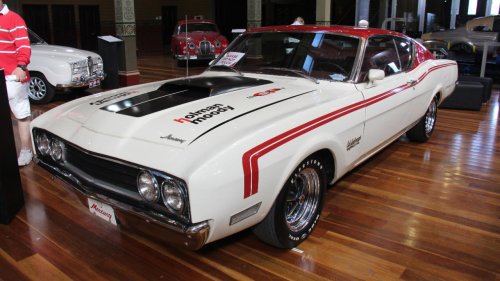
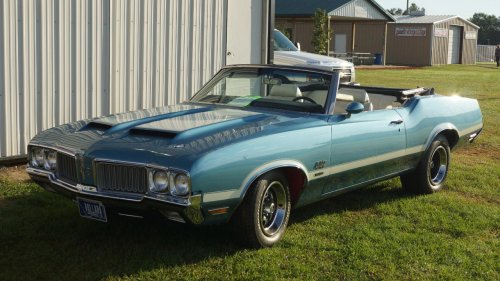



















Many classic muscle cars arrived from the factory with horsepower numbers that never seemed to match their real-world performance. Insurance concerns, racing regulations, and manufacturer politics often led to underrated engines that delivered far more speed than advertised. These machines earned legendary reputations because drivers quickly realized their true performance felt much more aggressive than official specifications suggested.Chevrolet Chevelle SS 454 LS6The Chevrolet Chevelle SS 454 LS6 officially carried conservative horsepower figures that barely reflected how brutally fast the car actually felt on the street. Its massive 454 cubic-inch V8 delivered explosive acceleration and tire-shredding torque capable of overwhelming the rear wheels instantly. Mechanics respected the strength of the LS6 engine under aggressive driving and modifications. Drivers quickly learned the Chevelle SS possessed performance levels that seemed far beyond what Chevrolet publicly admitted during the muscle car era.Pontiac Firebird Trans Am SD-455The Pontiac Firebird Trans Am SD-455 arrived during an era of declining horsepower numbers yet still delivered shocking real-world performance. Its Super Duty 455 engine was heavily engineered for durability and racing capability despite modest factory ratings. Mechanics admired the reinforced internals and exceptional torque characteristics. Enthusiasts quickly discovered the SD-455 felt dramatically stronger than official specifications suggested, making it one of the most respected surviving muscle cars of the emissions era.Ford Mustang Cobra Jet 428The Ford Mustang Cobra Jet 428 became famous for dominating drag strips despite officially modest horsepower claims from Ford. Designed with serious racing performance in mind, the Cobra Jet engine produced brutal low-end torque and excellent quarter-mile capability. Mechanics respected its durable internals and strong tuning potential. Many enthusiasts believed Ford intentionally underrated the engine to satisfy insurance concerns, because the car consistently outran competitors with supposedly similar performance numbers.Buick GSX Stage 1The Buick GSX Stage 1 shocked drivers with acceleration that felt far more violent than its official ratings implied. Buick focused heavily on torque production, giving the GSX enormous pulling power throughout the rev range. Mechanics admired the durability of the Stage 1 package and the engine’s impressive real-world output. On the street, the GSX regularly embarrassed rivals because its performance seemed dramatically stronger than what buyers expected from the published specifications.Dodge Challenger R/T 440 Six PackThe Dodge Challenger R/T 440 Six Pack delivered intimidating acceleration thanks to its triple-carburetor setup and massive torque output. Official horsepower ratings failed to capture how aggressive the engine felt once all three carburetors opened under hard acceleration. Mechanics appreciated the engine’s strong midrange power and racing-inspired setup. Drivers quickly realized the 440 Six Pack behaved more like a street-legal drag car than a traditionally rated production muscle machine.Mercury Cyclone Spoiler II 429The Mercury Cyclone Spoiler II 429 combined slippery aerodynamics with a brutally capable big-block V8 that performed far beyond expectations on both streets and superspeedways. Official numbers looked modest compared to the car’s actual high-speed capability and acceleration potential. Mechanics respected the engine’s durability under sustained racing conditions. The Cyclone Spoiler II earned a reputation for hidden performance because its real-world speed consistently surprised competitors and enthusiasts alike.Oldsmobile 442 W-30The Oldsmobile 442 W-30 quietly delivered much stronger performance than its official ratings suggested thanks to clever airflow improvements and aggressive engine tuning. Its ram-air setup and lightweight internal components created a responsive, hard-pulling driving experience. Mechanics admired the engineering balance between reliability and serious performance capability. The W-30 developed legendary status because drivers realized Oldsmobile had built a genuinely wild muscle car hiding behind relatively conservative factory numbers.