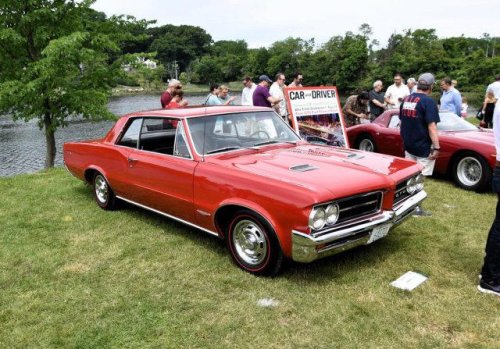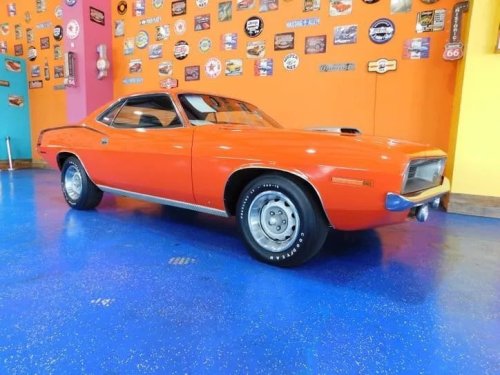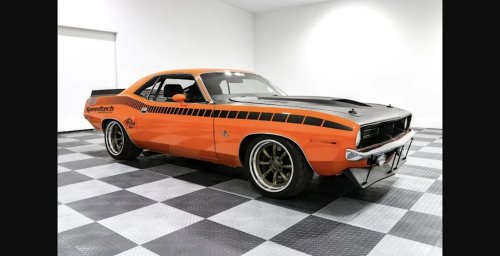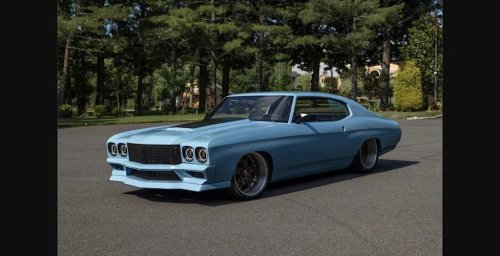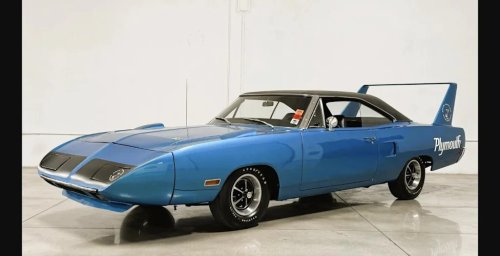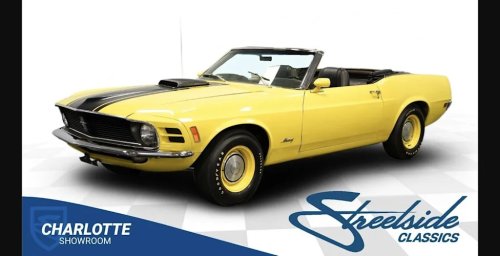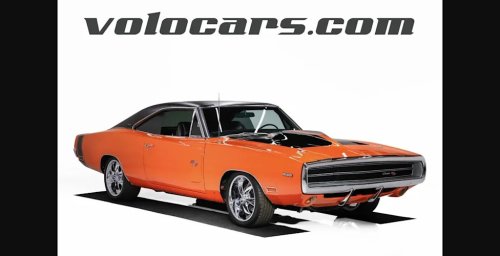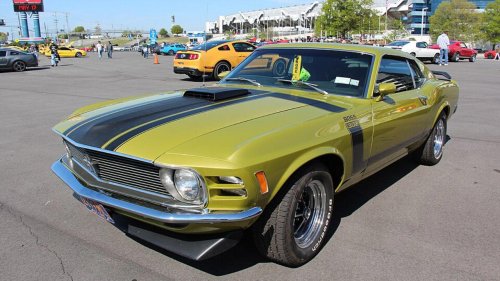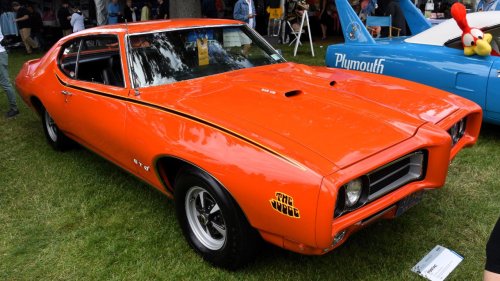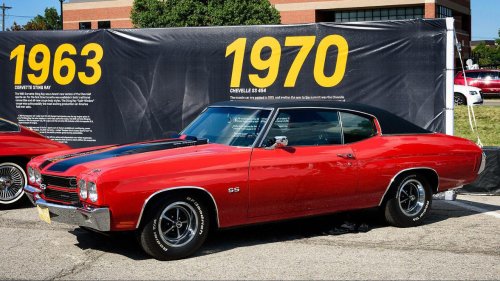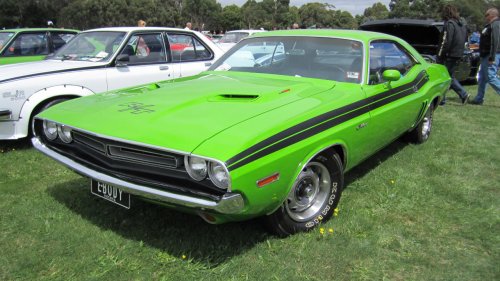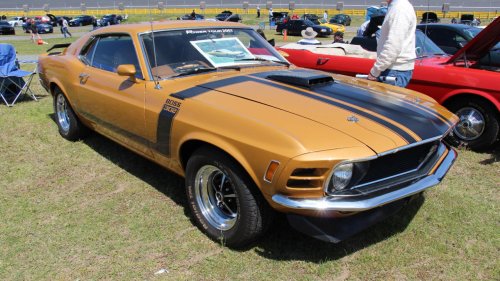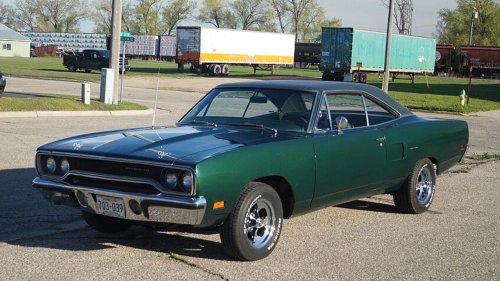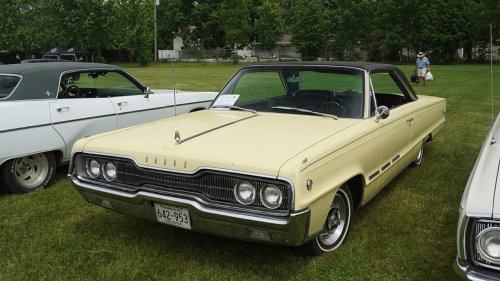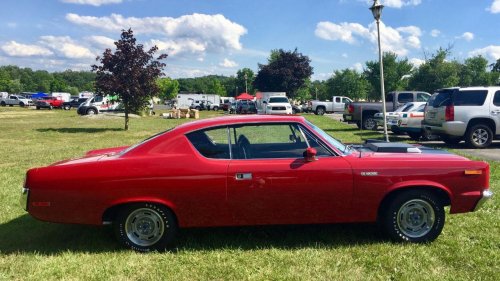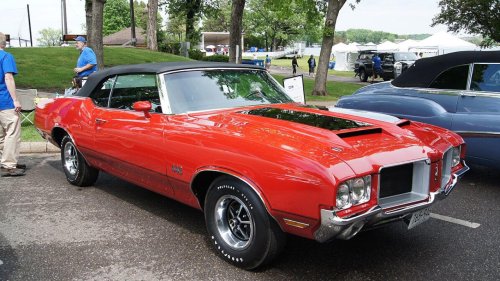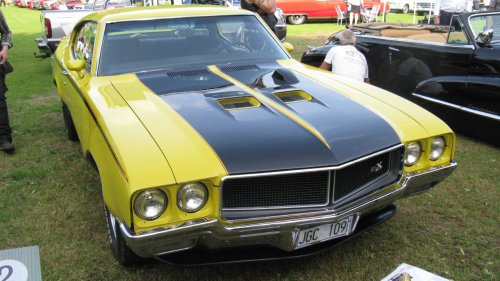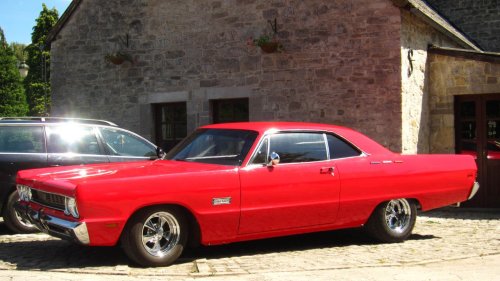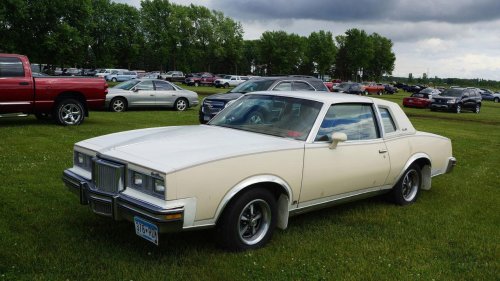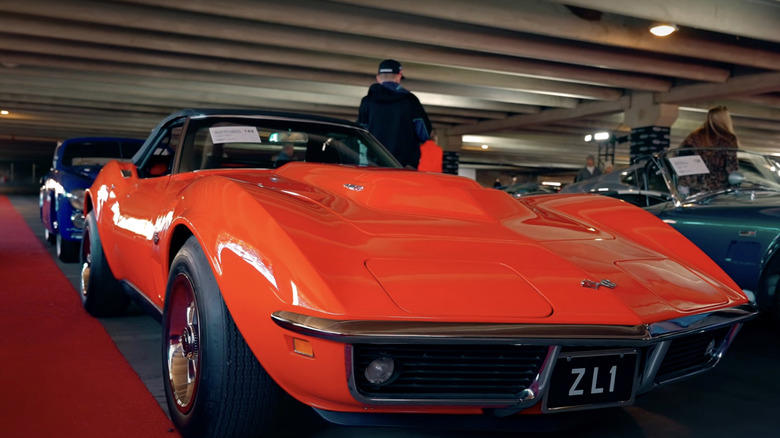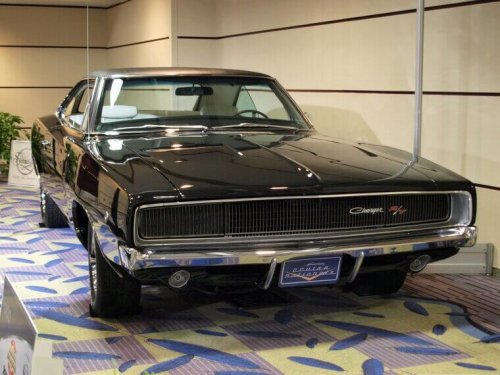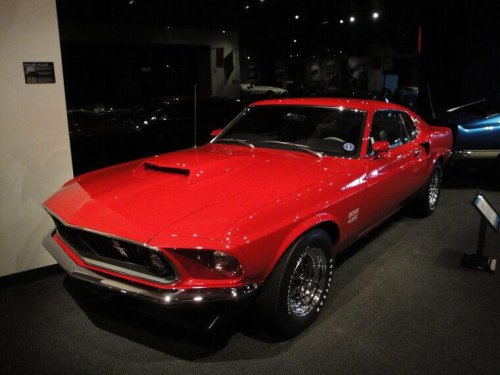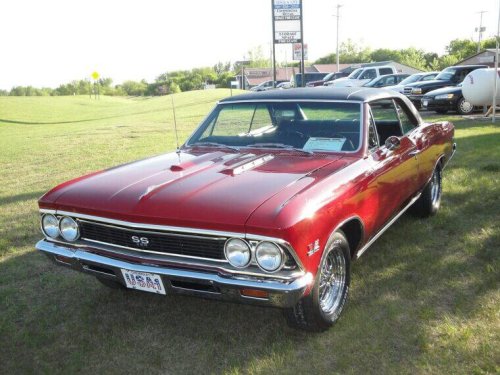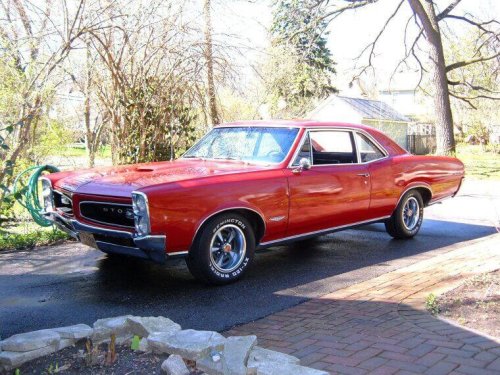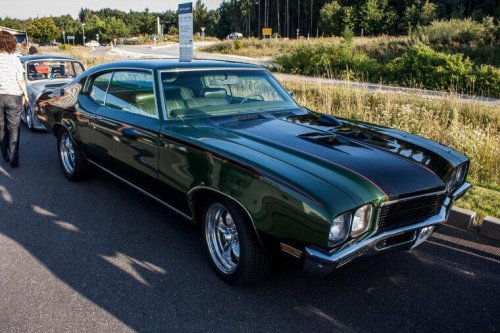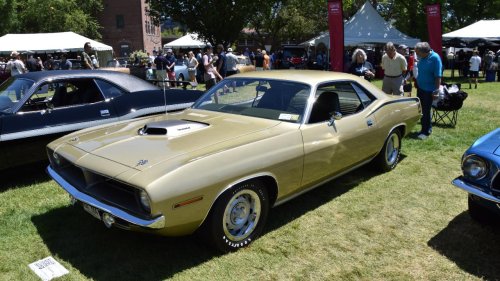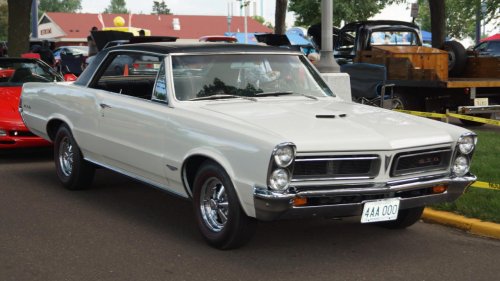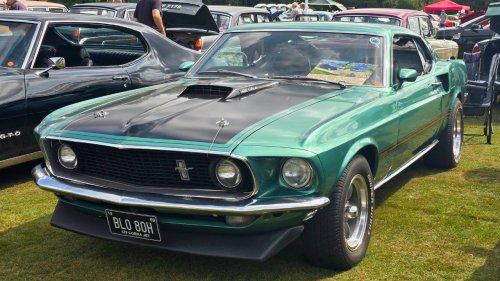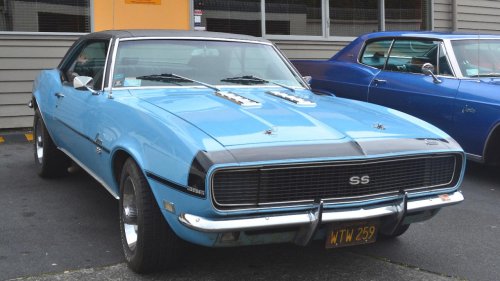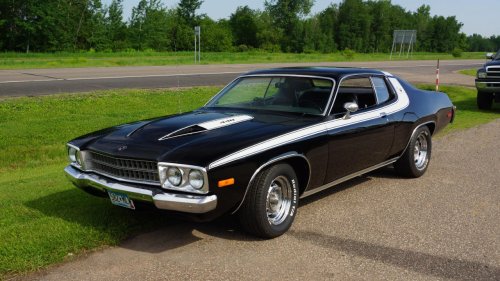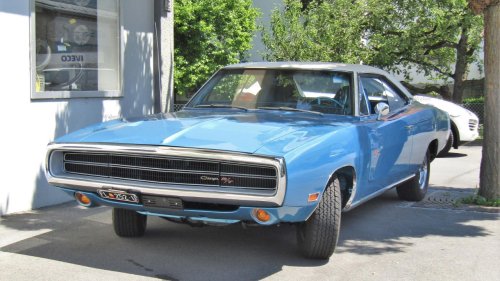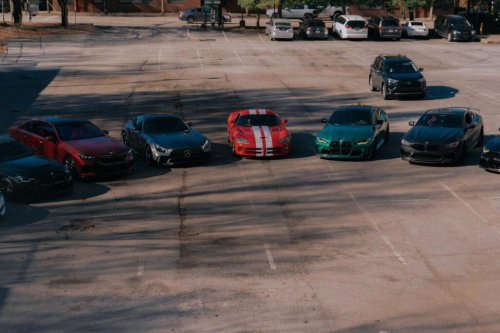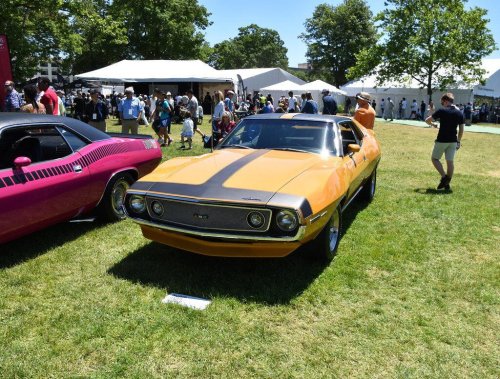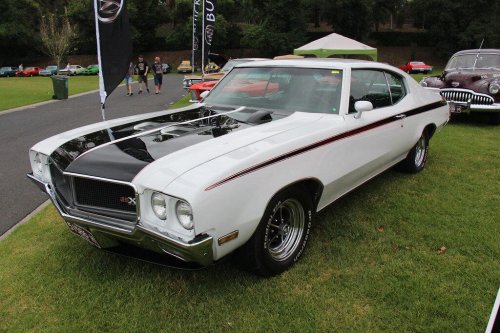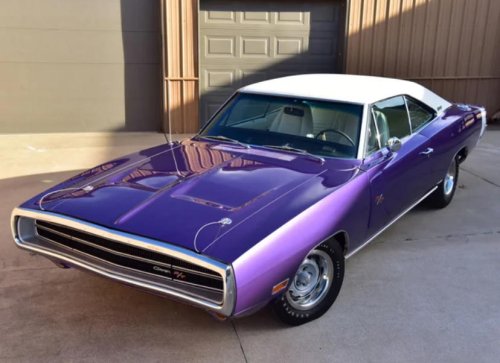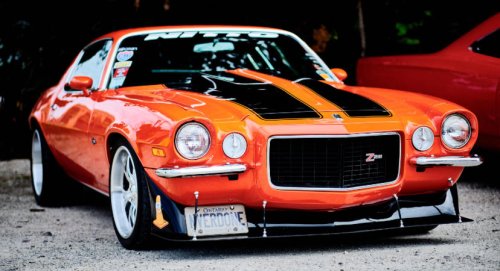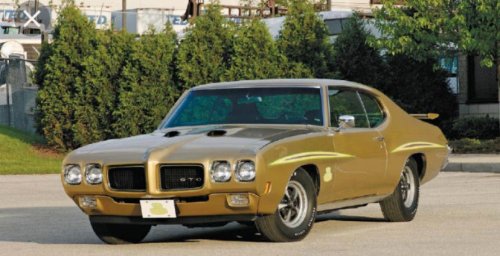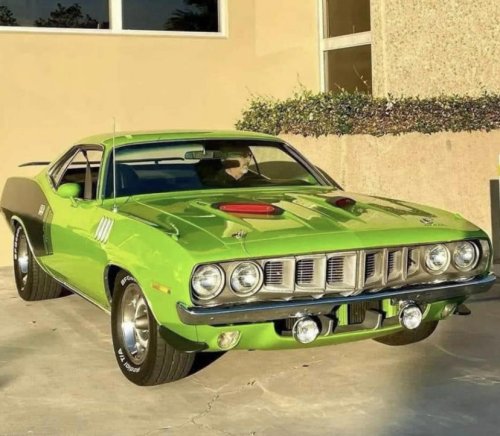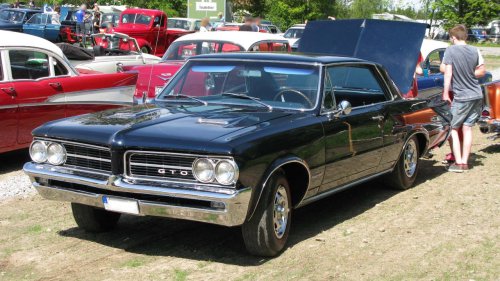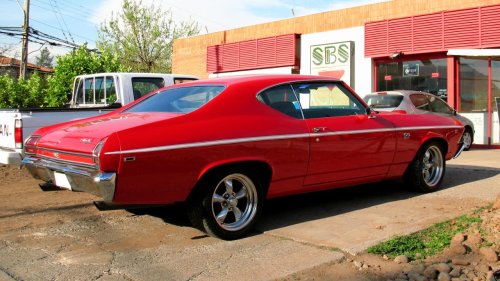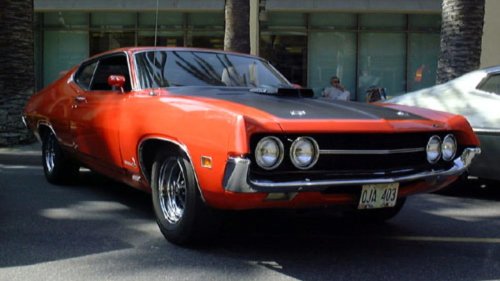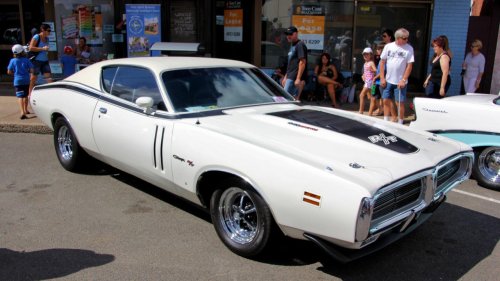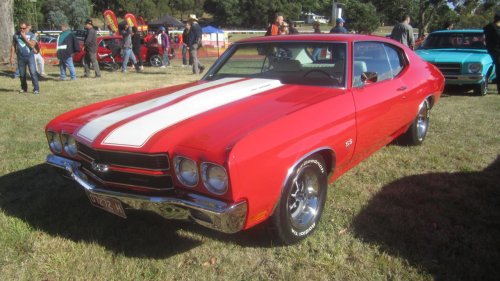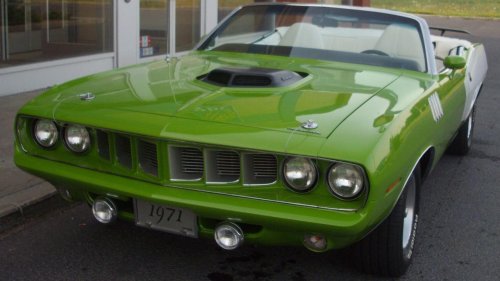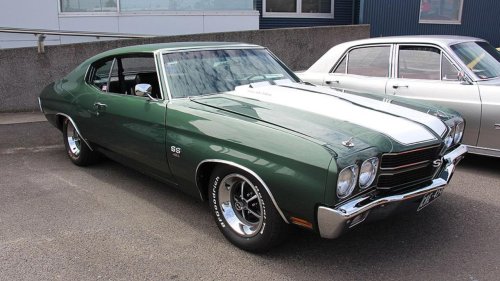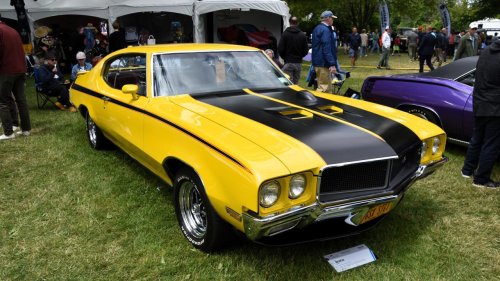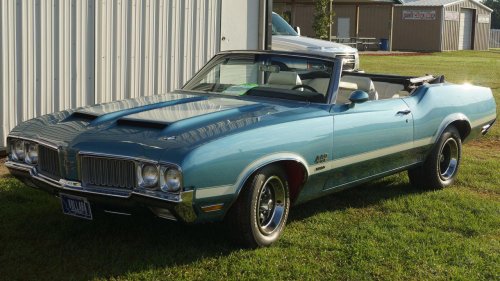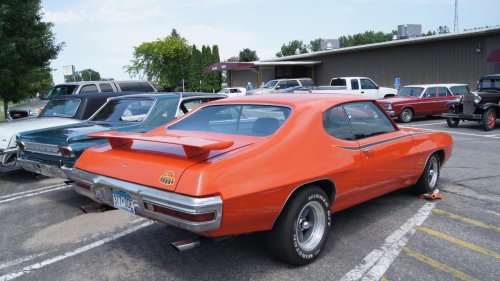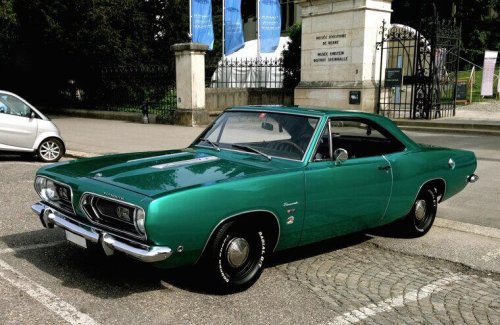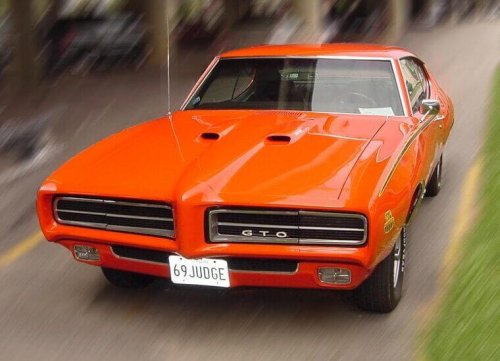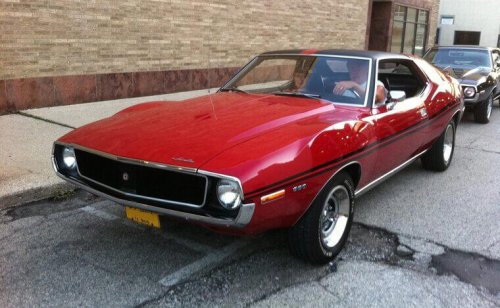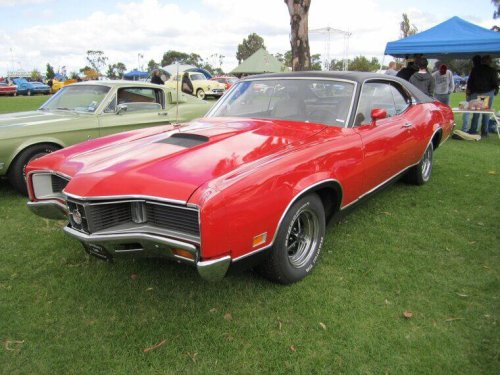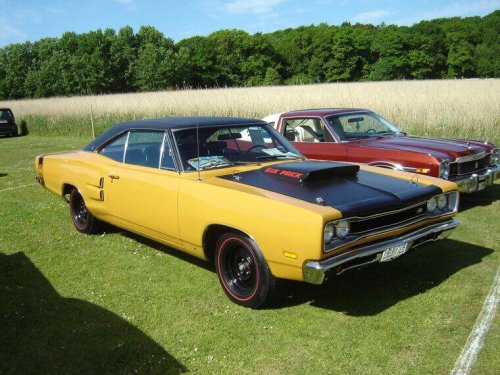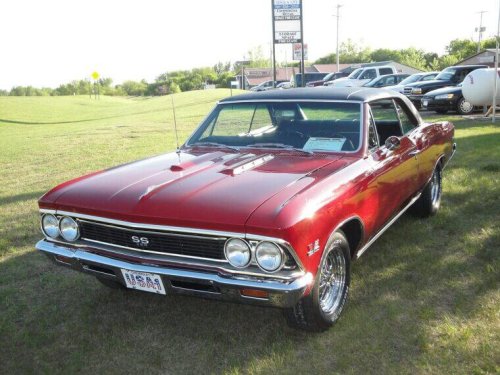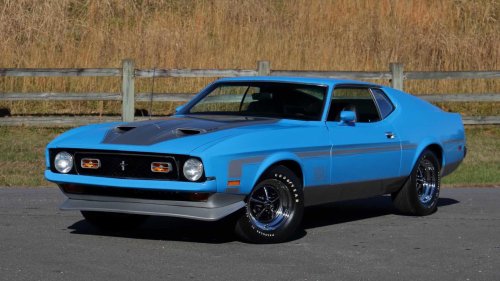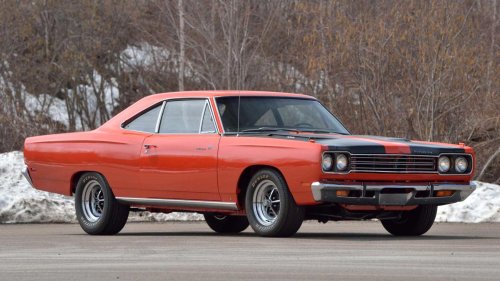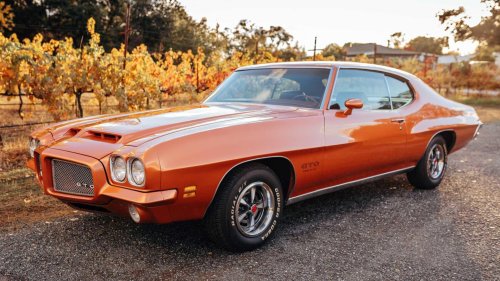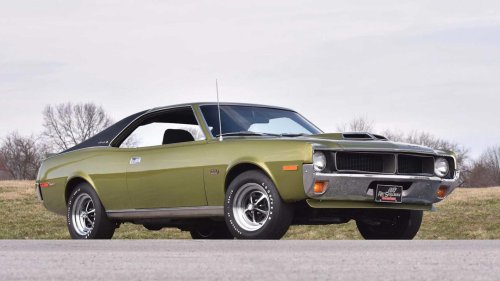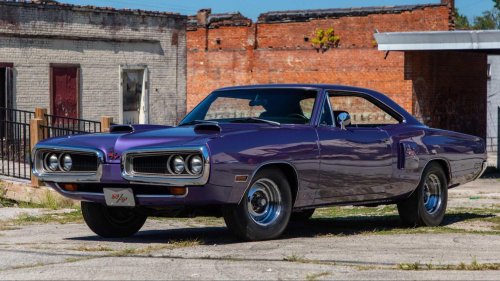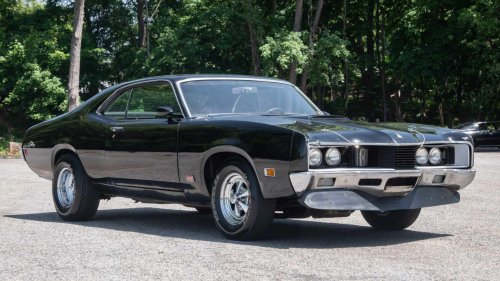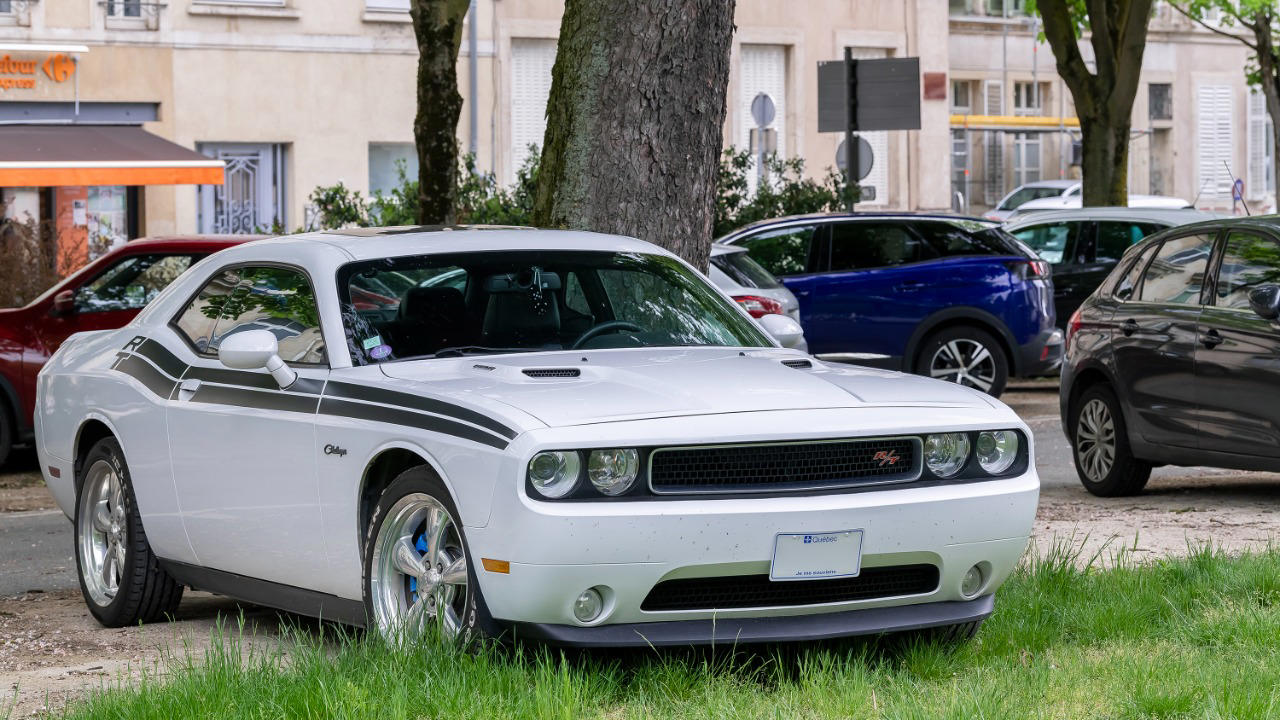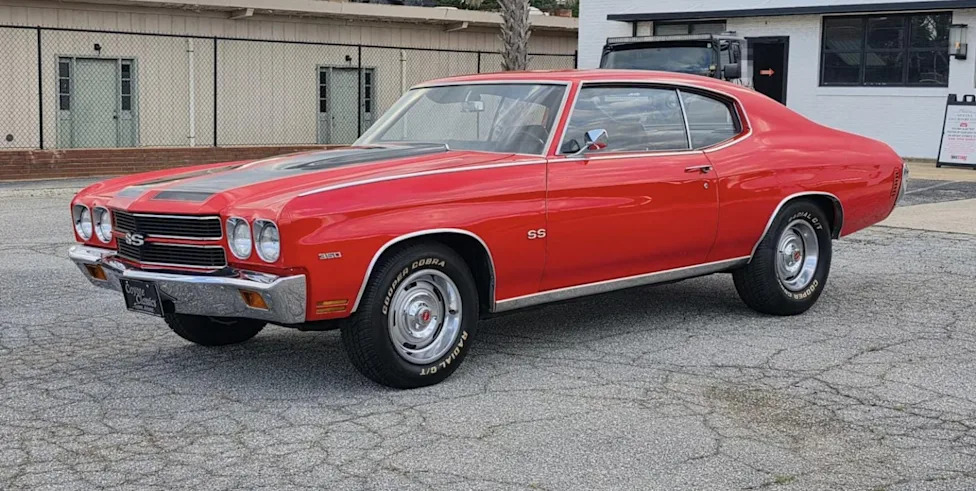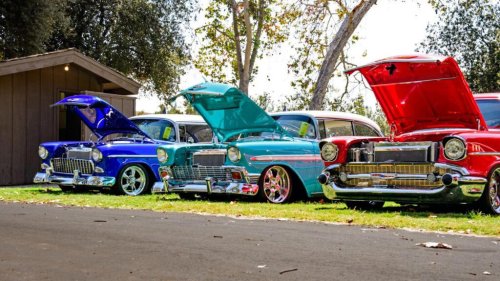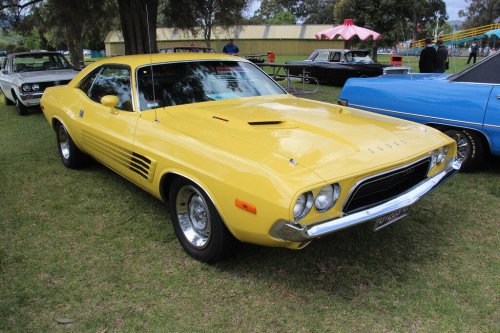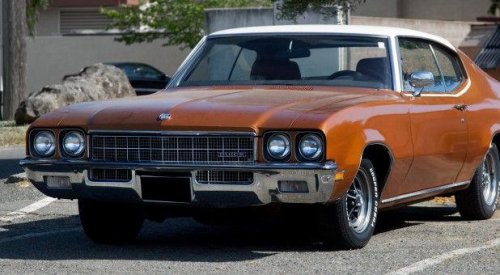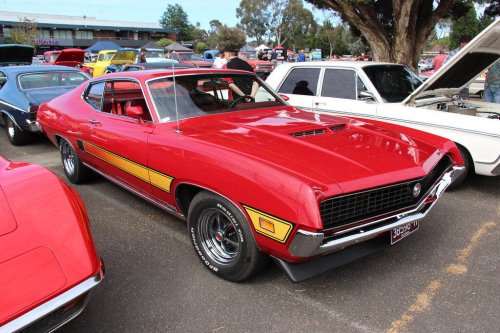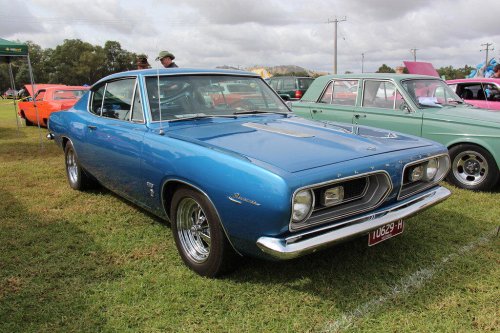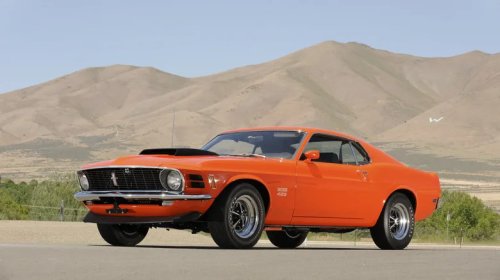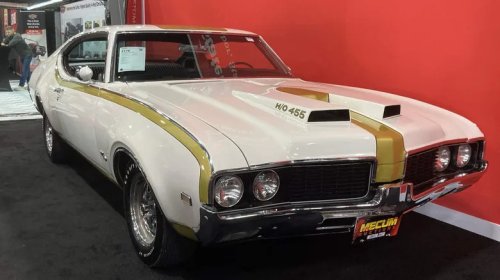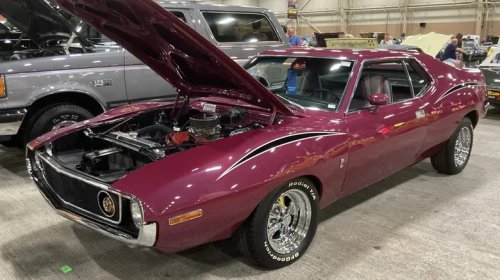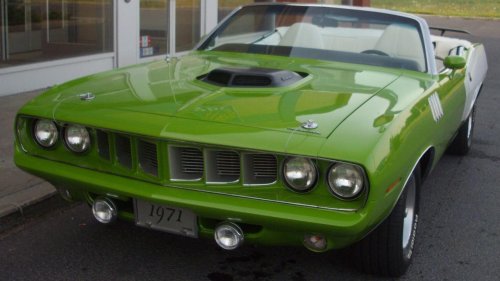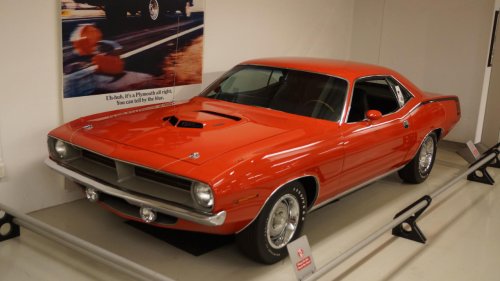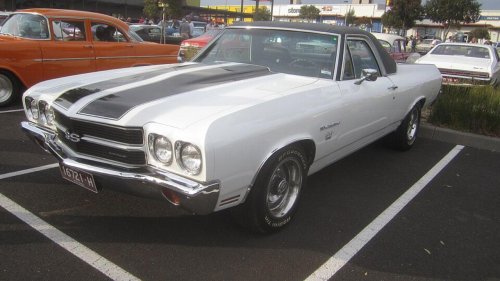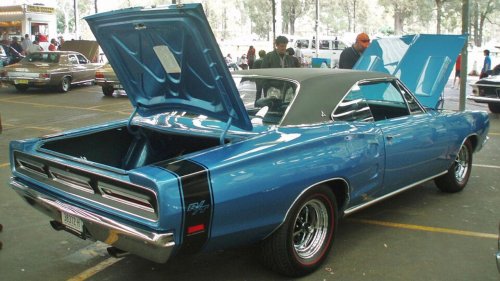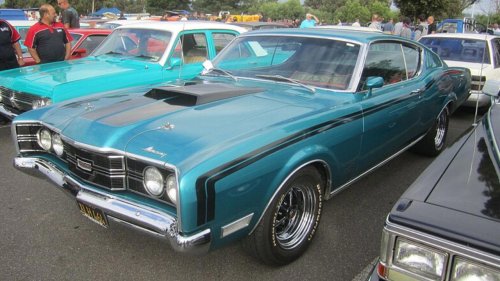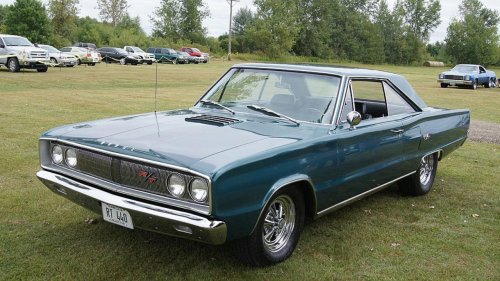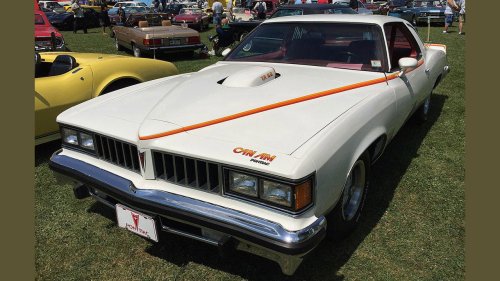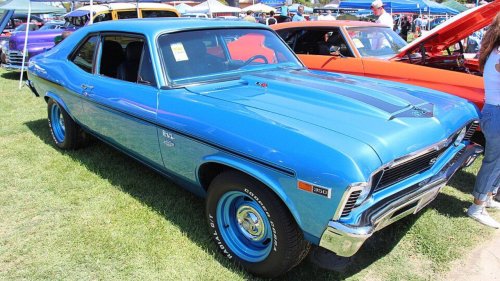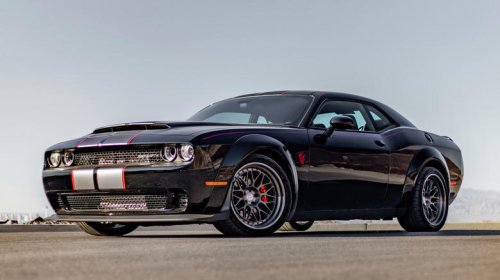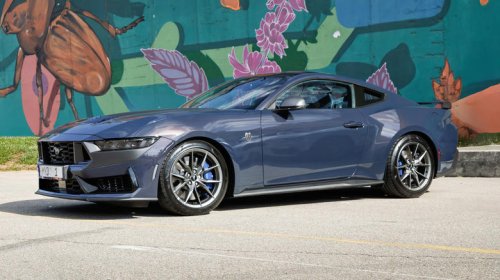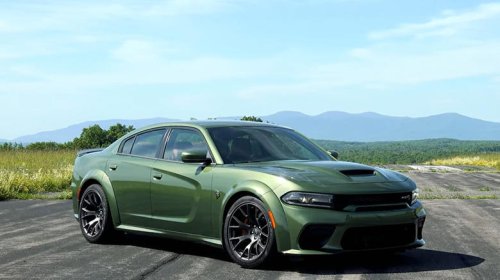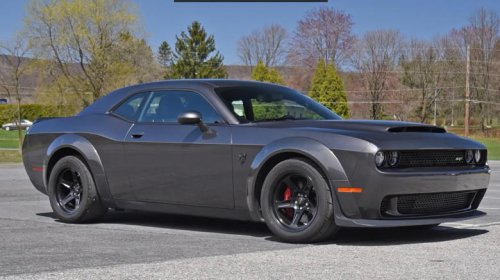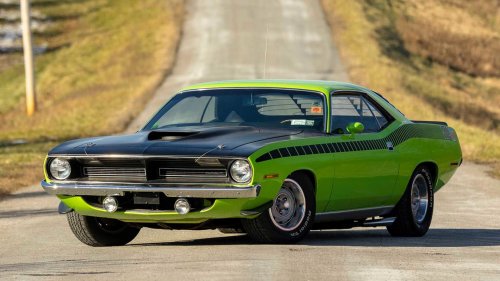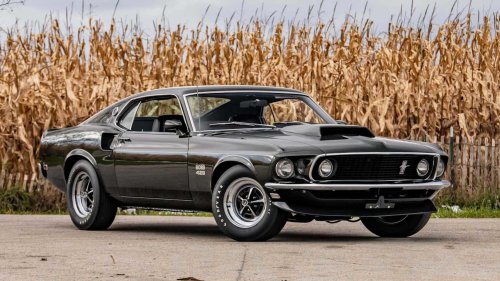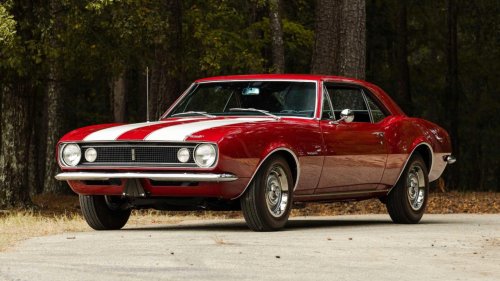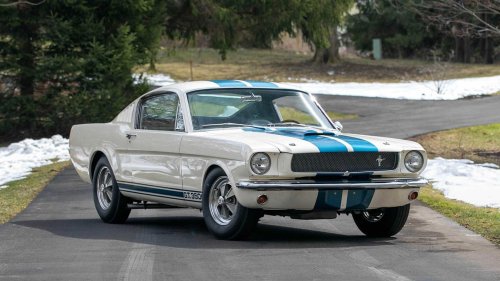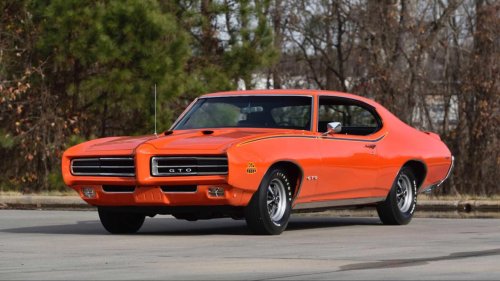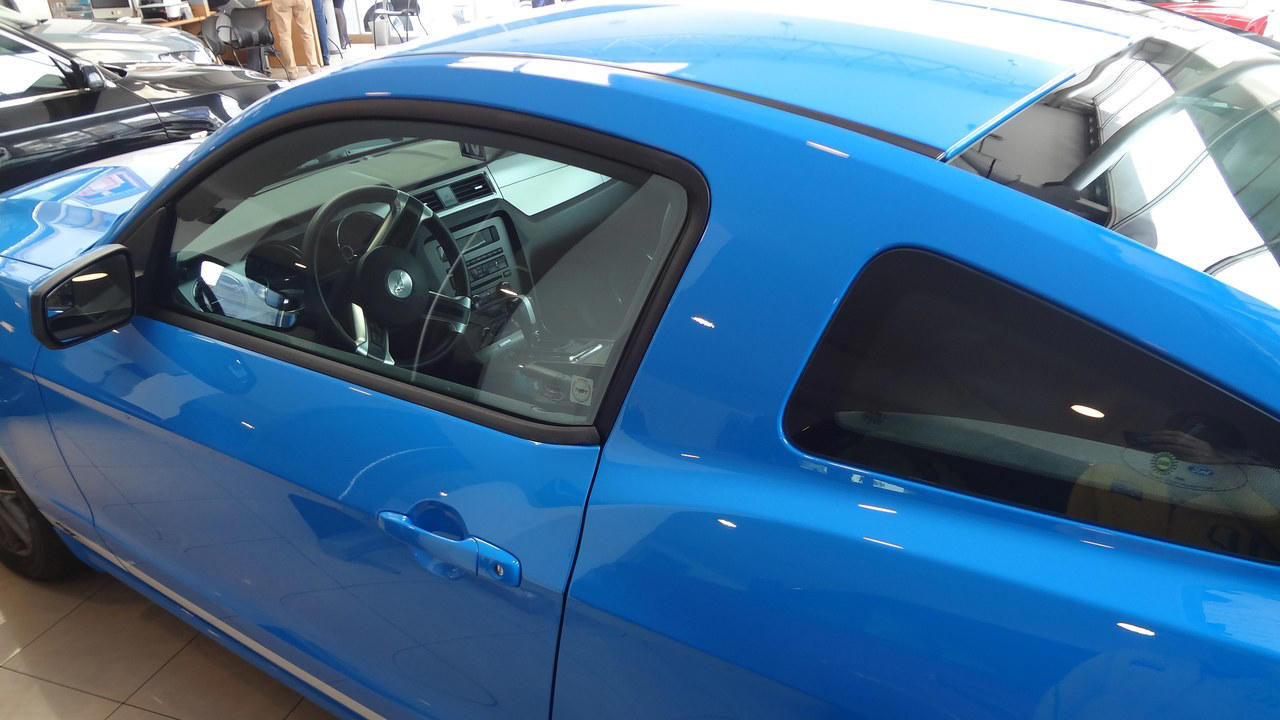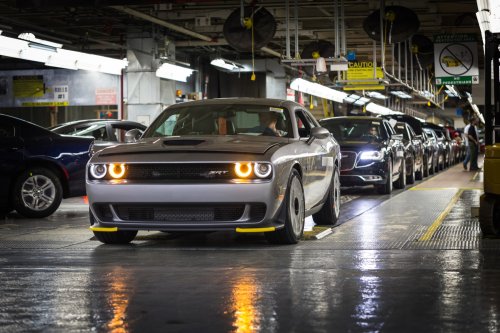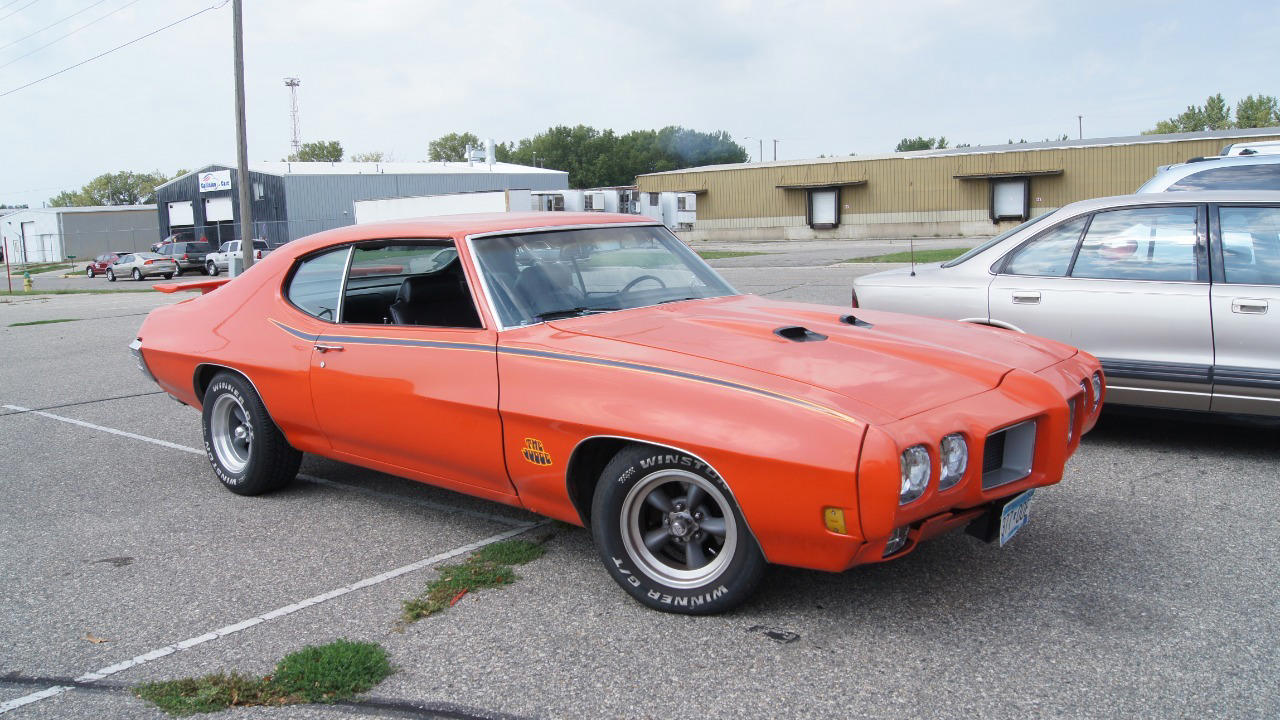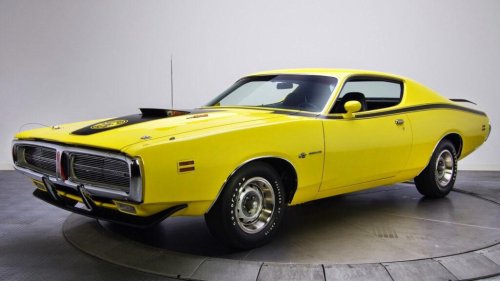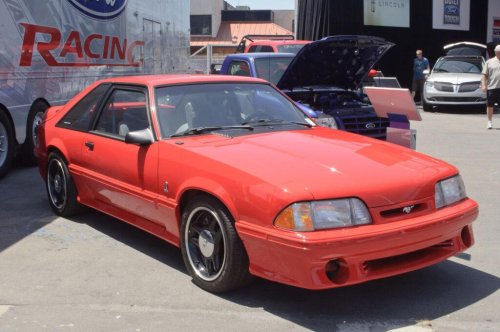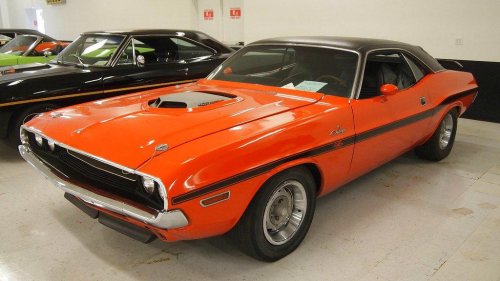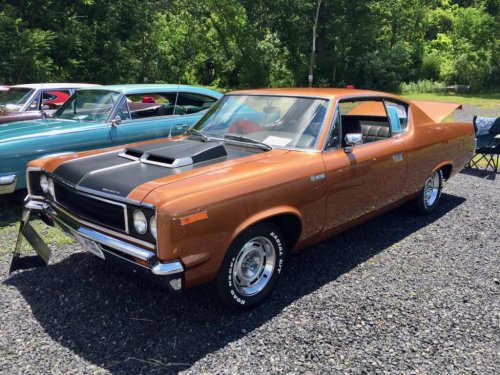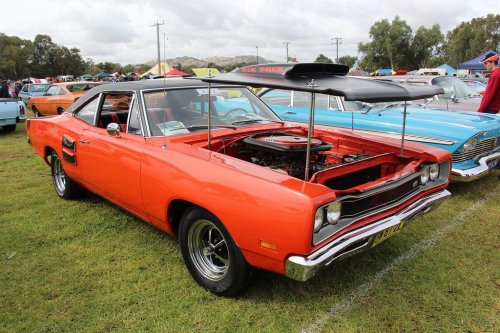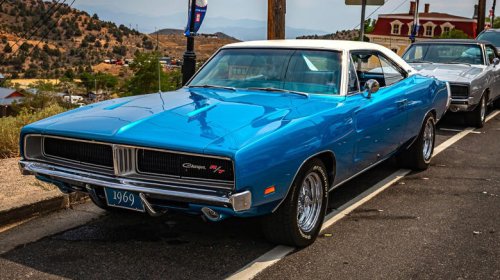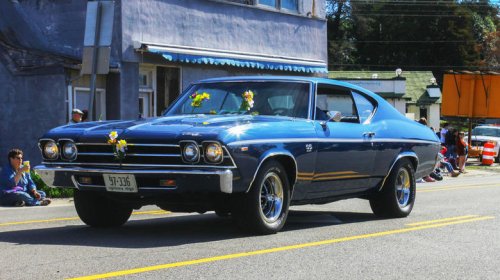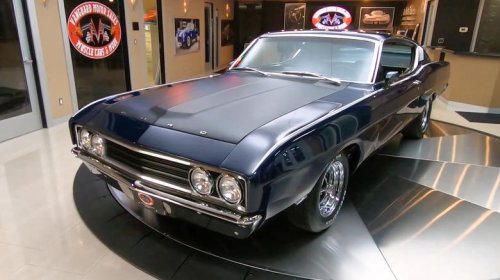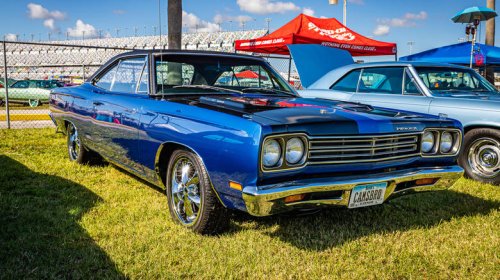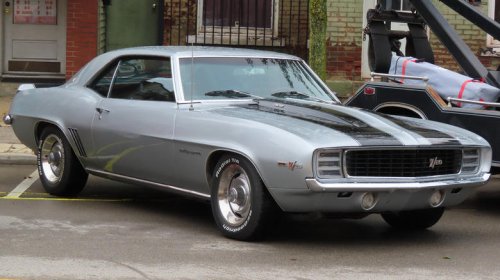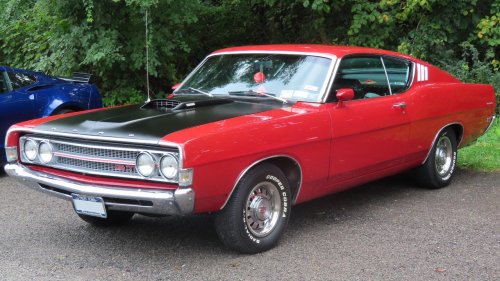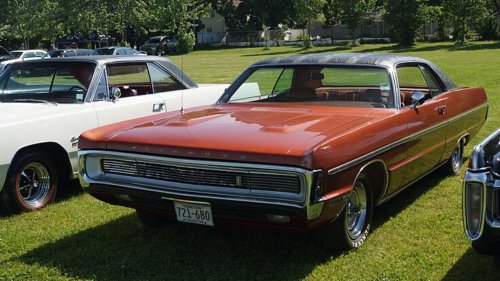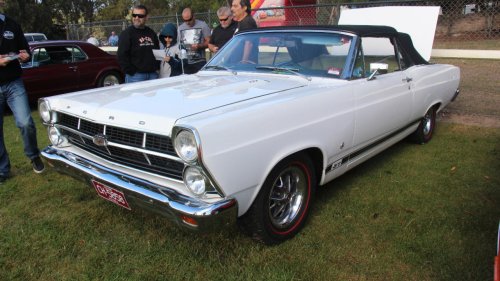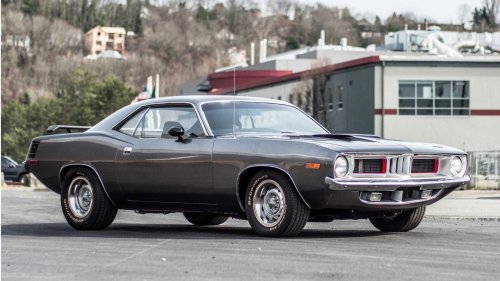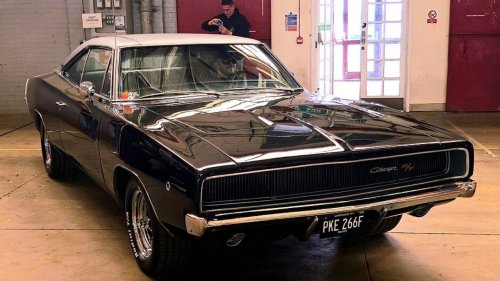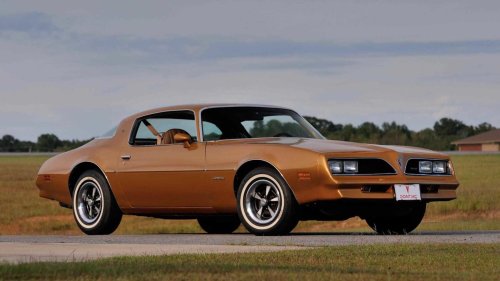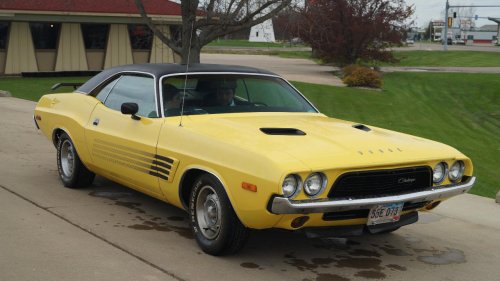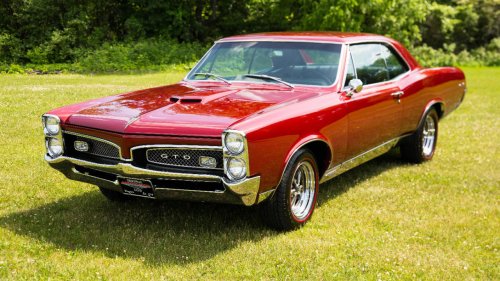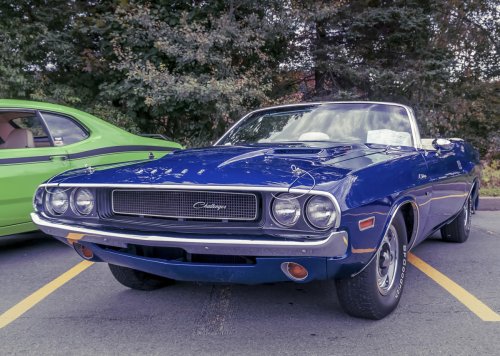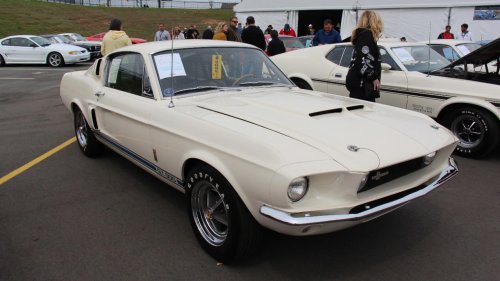
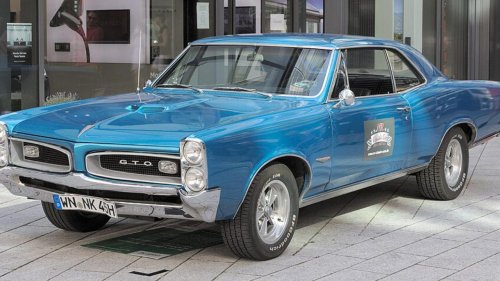
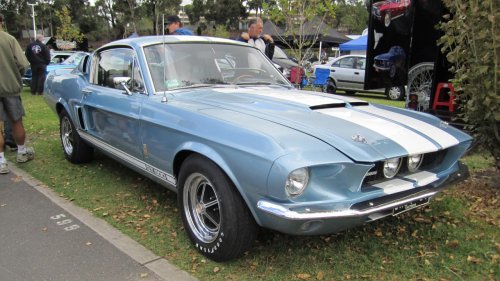
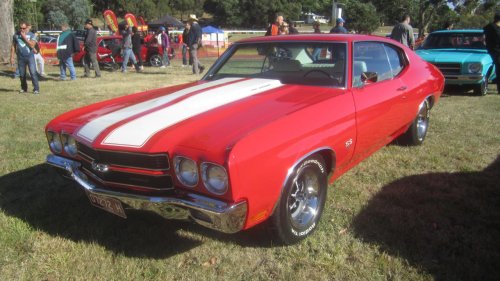
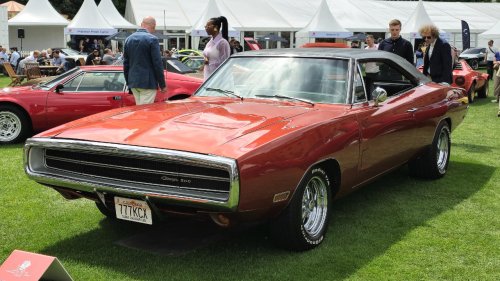
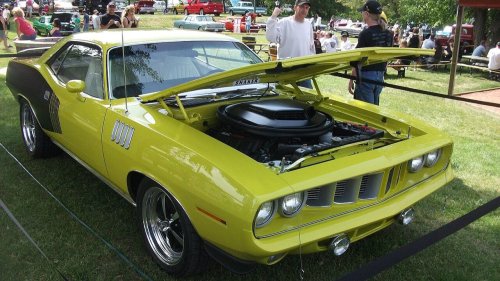
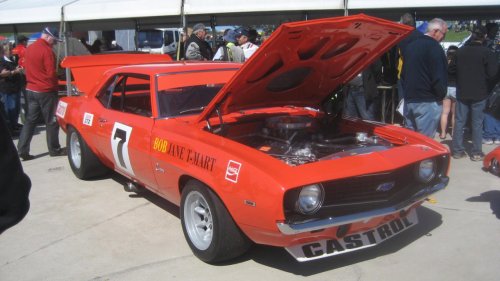
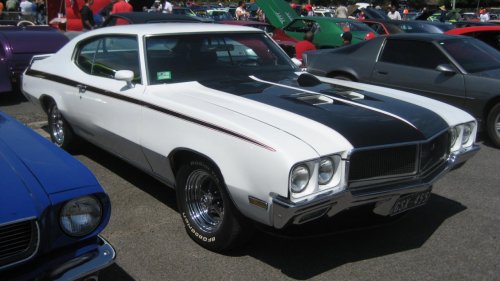
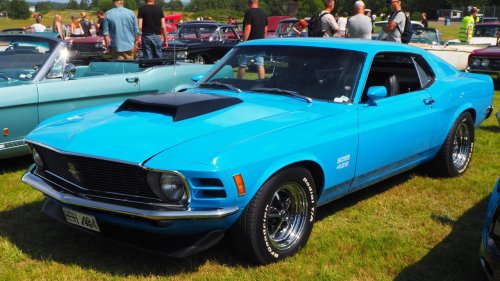
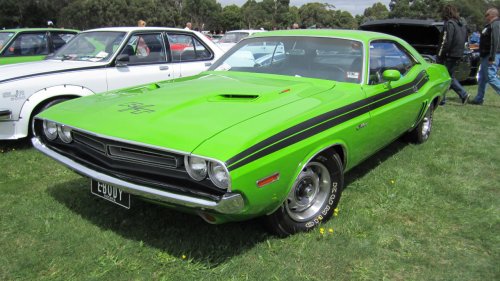



















The muscle car era, often referred to as the “horsepower wars,” left an indelible mark on American automotive culture. These vehicles, characterized by their powerful engines and aggressive styling, became symbols of freedom and performance on the open road. Even decades later, the legacy of these iconic cars continues to resonate with enthusiasts and collectors alike, showcasing a perfect blend of raw power and design that defined an entire generation.1964 Pontiac GTOThe 1964 Pontiac GTO is often credited with igniting the muscle car movement. Its combination of a 389 cubic inch V8 engine and lightweight body made it a force to be reckoned with. With 325 horsepower, the GTO was not only fast but also stylish, featuring unique design elements such as a split grille and sculpted body lines. Pontiac cleverly marketed the GTO as a high-performance vehicle, appealing to a younger demographic looking for excitement on the road. The GTO’s success set the stage for other manufacturers to enter the muscle car arena, making it a pivotal model in automotive history. For a deeper look into its impact, you can check out this article on its cultural significance.1967 Ford Mustang GT500The 1967 Ford Mustang GT500, famously known as the “Shelby Mustang,” elevated the Mustang’s performance to new heights. Equipped with a 428 cubic inch V8 engine producing 355 horsepower, it quickly became a favorite among performance enthusiasts. Carroll Shelby’s vision transformed the standard Mustang into a race-ready machine, featuring upgraded suspension, brakes, and distinctive styling cues like hood stripes and a powerful grille. The GT500 not only gained popularity on the streets but also made a name for itself in motorsports. Its legacy endures today, with subsequent generations of Mustangs drawing inspiration from this classic. To explore more about its influence, visit this list of the best muscle cars.1970 Chevrolet Chevelle SS 454The 1970 Chevrolet Chevelle SS 454 is a prime example of American muscle at its best. With a monstrous 454 cubic inch V8 engine, it produced an astonishing 450 horsepower, making it one of the most powerful muscle cars of its time. The Chevelle’s aggressive styling, featuring a muscular stance, wide fenders, and bold stripes, commands attention on the road. Chevrolet cleverly marketed this vehicle to appeal to both performance aficionados and those seeking a stylish ride. Its combination of power and design solidified its status as a classic, and it remains a sought-after collector’s item today. If you’re interested in its historical context, check this overview of early muscle cars.1970 Dodge Charger R/TThe 1970 Dodge Charger R/T is an icon of American muscle, known for its distinctive design and formidable power. Featuring a range of engine options, the R/T model came equipped with a 440 cubic inch V8 or the legendary 426 Hemi, delivering up to 425 horsepower. Its aerodynamic shape, aggressive front end, and bold color options made it a standout on the streets. The Charger R/T was not just about looks; it also excelled in performance, proving its worth on both the drag strip and the highway. Its cultural significance was cemented through appearances in films and television, making it a beloved classic among car enthusiasts.1971 Plymouth Hemi 'CudaThe 1971 Plymouth Hemi ‘Cuda is a legendary model that epitomizes the muscle car craze of the early 1970s. With its distinctive styling and potent 426 cubic inch Hemi V8 engine producing 425 horsepower, the ‘Cuda has become a symbol of raw power. The aggressive lines and bold color options, including the iconic “plum crazy” purple, made it a visual feast. However, production numbers were low, making this beauty rare and highly coveted today. The Hemi ‘Cuda not only ruled the streets but also left a lasting legacy in motorsport, showcasing Plymouth’s commitment to performance. For a detailed history of muscle cars, you might find this Wikipedia page insightful.1969 Chevrolet Camaro ZL1The 1969 Chevrolet Camaro ZL1 is often regarded as one of the most powerful production cars of its time. Powered by a 427 cubic inch V8 engine, the ZL1 produced an impressive 430 horsepower, making it a formidable competitor on the street and the race track. What sets the ZL1 apart is its unique aluminum engine block, which contributed to a lighter overall weight and improved performance. Its sleek design, complete with aggressive styling cues and a sporty interior, made it a favorite among enthusiasts. The ZL1’s limited production adds to its mystique, ensuring its place in the pantheon of American muscle cars.1970 Buick GSXThe 1970 Buick GSX is a lesser-known but incredibly potent muscle car that deserves recognition. With a 455 cubic inch V8 engine producing up to 510 lb-ft of torque, the GSX delivered impressive performance that rivals many of its contemporaries. The bold styling, highlighted by its distinctive “GSX” stripes and wide stance, made it an eye-catching presence on the road. Buick’s marketing strategy positioned the GSX as a luxury performance vehicle, making it attractive to a wide audience. Despite its limited production, the GSX remains a sought-after collector’s item, showcasing the diversity of the muscle car genre.1970 Ford Mustang Boss 429The 1970 Ford Mustang Boss 429 is a rare and powerful model that reflects the pinnacle of Ford’s performance engineering. Designed primarily for NASCAR racing, the Boss 429 featured a massive 429 cubic inch V8 engine producing around 375 horsepower. Its aggressive styling, complete with a unique hood and functional air intake, set it apart from other Mustangs of the era. While only about 1,300 units were produced, the Boss 429 has become a revered classic among collectors and enthusiasts. Its combination of rarity and performance ensures that it remains a highlight in any discussion about muscle cars.1971 Dodge Challenger R/TThe 1971 Dodge Challenger R/T is a quintessential muscle car that encapsulates the spirit of American performance. Featuring a range of powerful engine options, including the 440 cubic inch V8, the Challenger R/T was built for speed and style. Its muscular design, characterized by a long hood and short rear deck, gives it a commanding presence on the road. Though the muscle car era was beginning to wane by 1971, the Challenger R/T managed to leave a lasting impact with its performance capabilities and bold aesthetics. Today, it stands as a testament to the enduring allure of muscle cars.