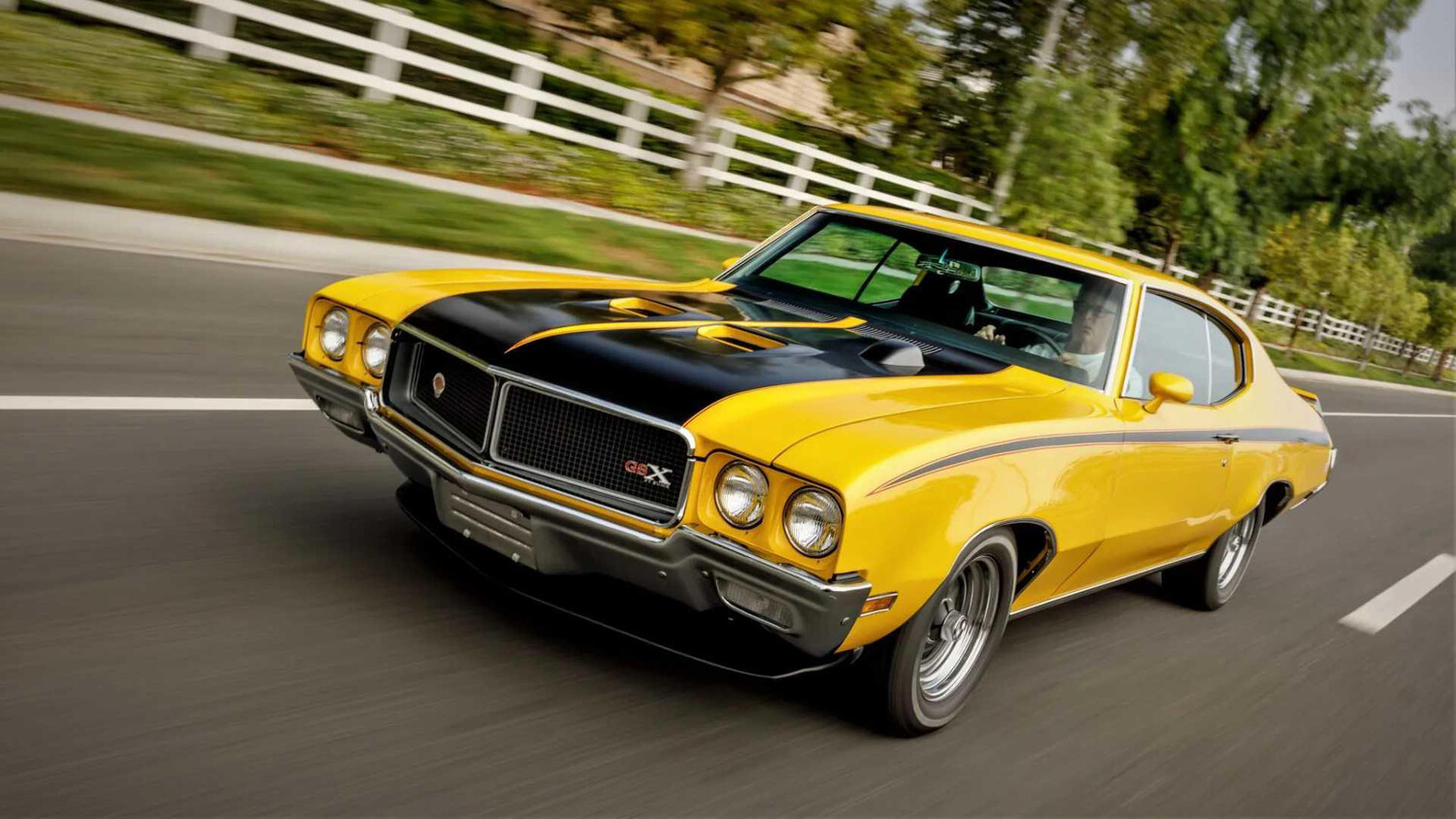
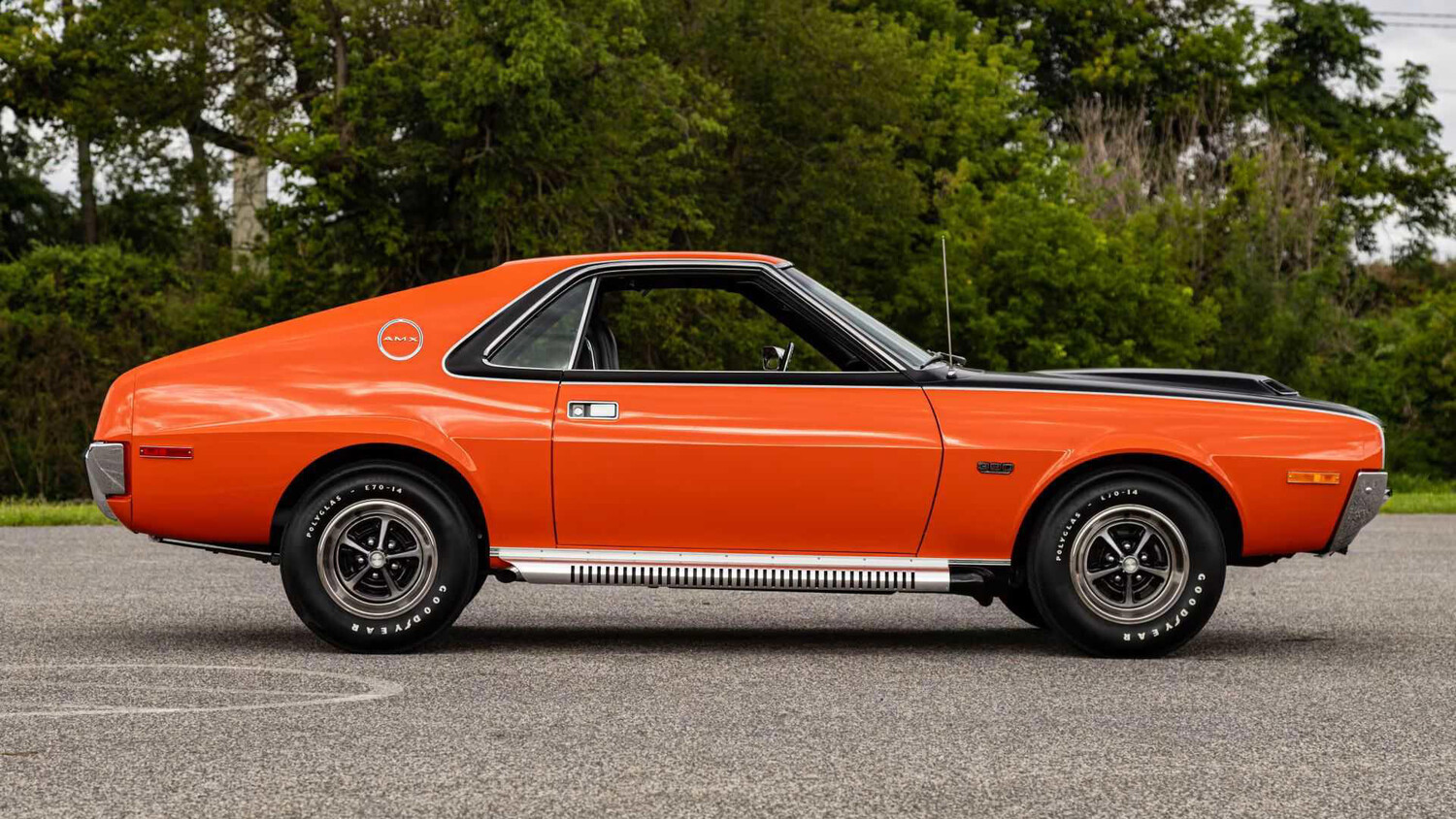
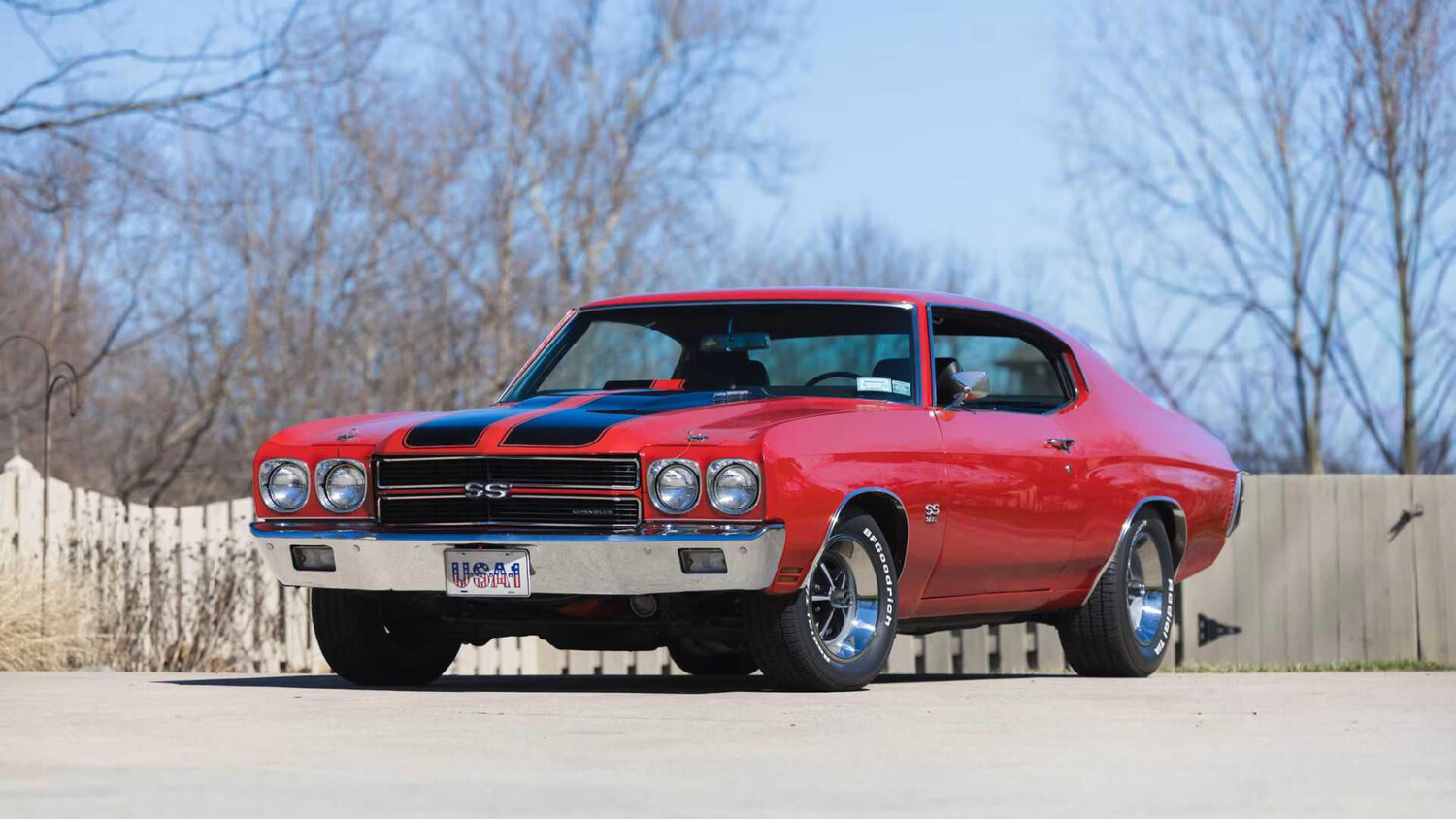
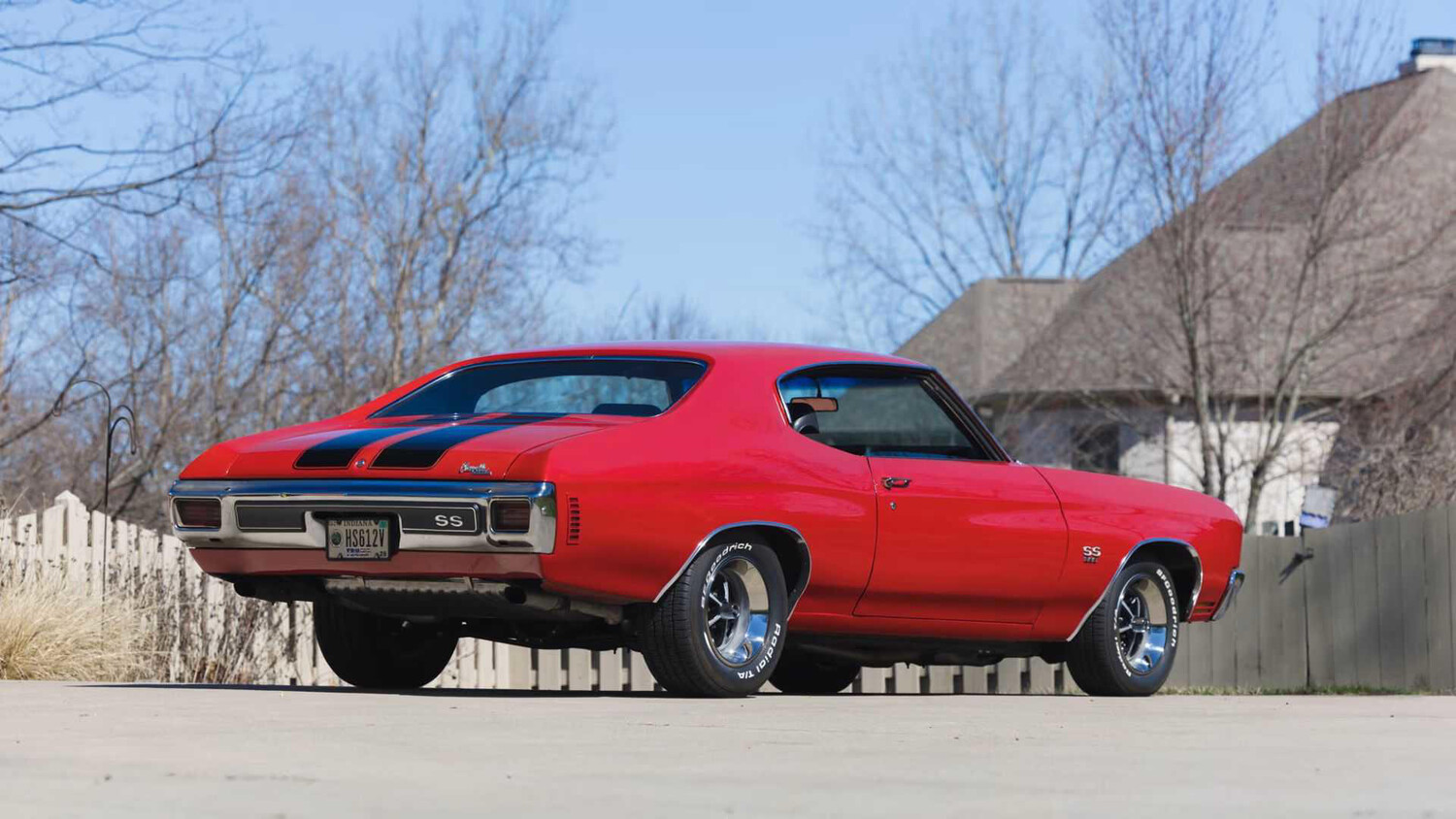
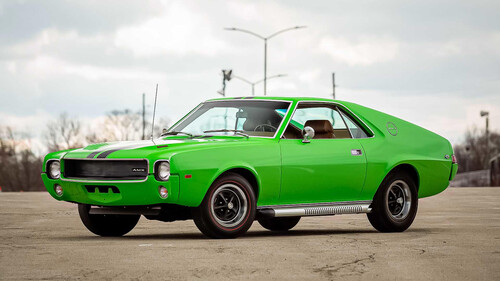
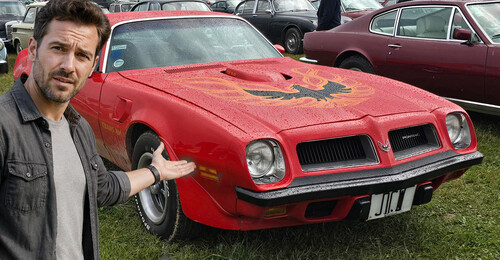
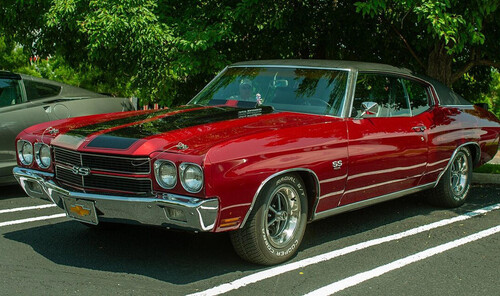
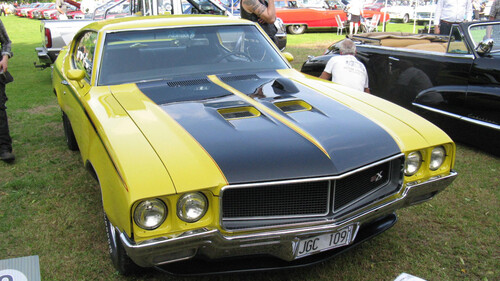
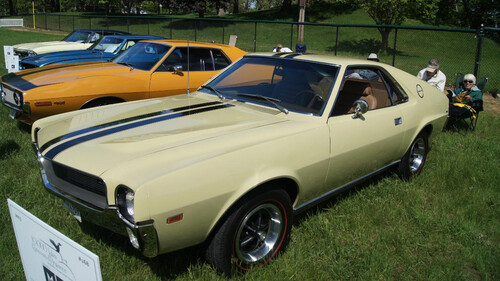
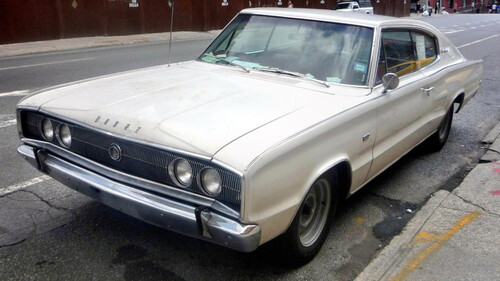
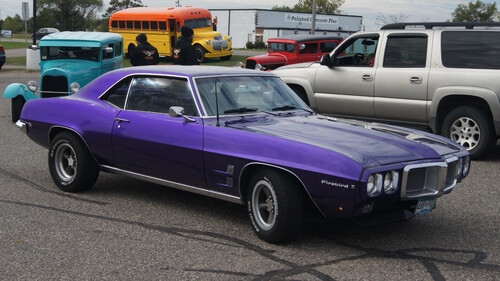
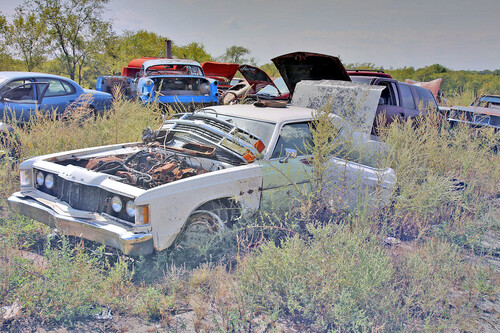
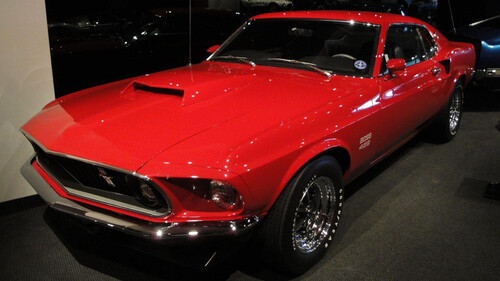
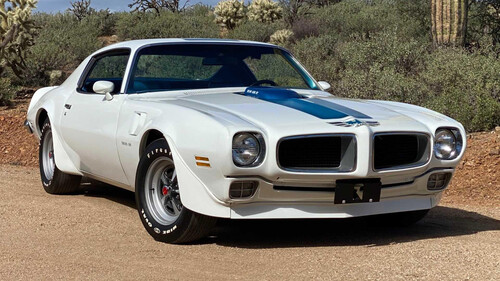
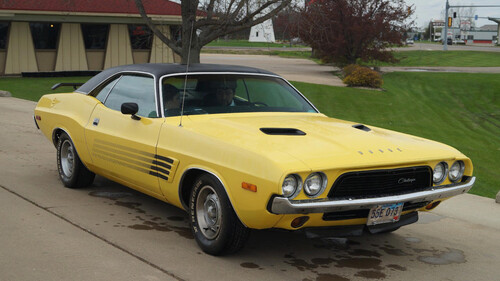
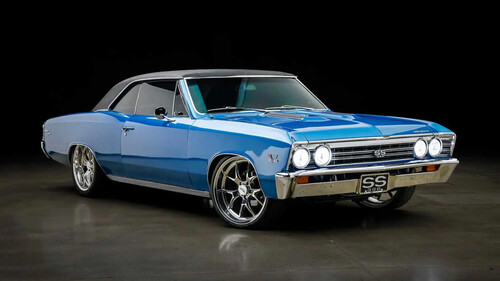
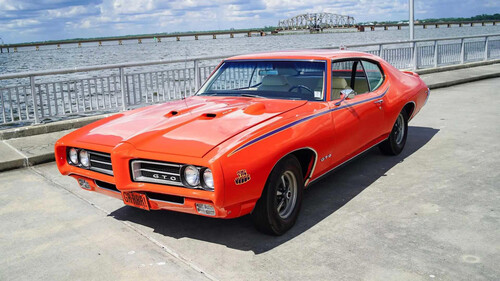
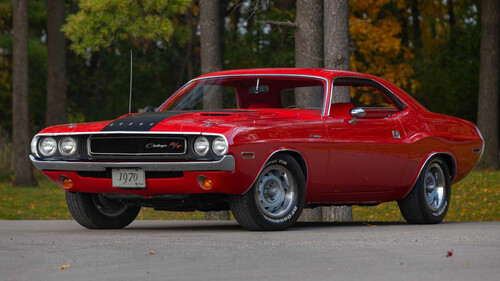
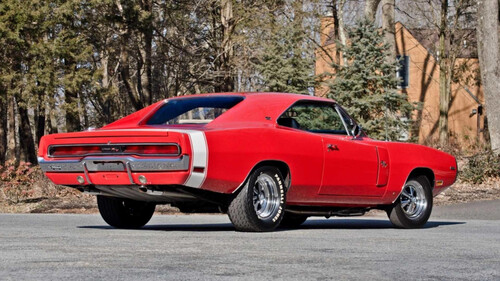
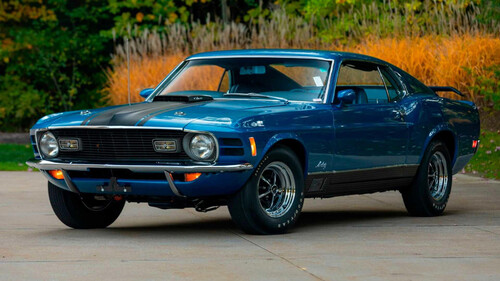
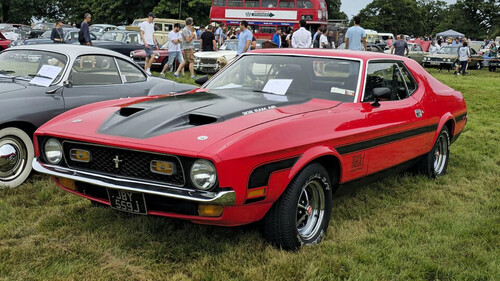
Looking at recent auction results of some of the most iconic Muscle Cars from the 1970s can easily discourage aspiring collectors. Boss 429 Mustangs are now fetching high six figures, LS6 Chevelles are more valuable than ever, and in January 2025, a 1971 Plymouth Hemi 'Cuda convertible dropped jaws when it sold for an eye-watering $3.3 million. Such results can have the 1970s muscle car dream feeling far-fetched for mortals of meager means, but fret not, dear reader.While mainstream buyers fight over rare Hemi 'Cuda convertibles and matching-numbers LS6 Chevelles, the smart money is quietly exploiting market inefficiencies, hunting down undervalued model variants and overlooked performance packages that the mainstream crowd forgets to bid on. From last-of-an-era big blocks that defied federal emissions laws to lightweight small-block predators, these 1970s muscle cars are experiencing a massive resurgence, proving that the best investment isn't always the loudest one on the block. 1971 Plymouth Duster 340 Estimated Value: $33,900 MecumDuring the muscle car golden era, the phrase "there's no replacement for displacement" was the law of the land. More cubes often meant quicker launches and better quarter-mile times, and while it was accurate most of the time, models like the Plymouth Duster 340 were built to be the exceptions to the rule. Plymouth created the Duster 340 in 1970 to capture a budget-conscious youth market that was being priced out of the traditional muscle car scene. Based on the compact A-body platform and equipped with Chrysler's high-revving, highly efficient 340-cubic-inch small-block V8 dishing out an underrated 275 horsepower, the Duster 340 combined an entry-level price with an incredible power-to-weight ratio that could outperform many big-block cars.MecumWith values surging by an impressive 21.5% over the last year, the Duster 340 is a booming investment. Hagerty values 1971 Duster 340s in good condition at $33,900, which makes it the ultimate bargain Mopar masterpiece. However, recent auction results show that collectors are willing to pay top dollar for highly original, well-maintained units, with the pictured model selling for $115,500 in January 2026. 1970 AMC AMX Estimated Value: $44,700 MecumAMC isn't the first name that comes to mind when thinking of golden era muscle cars, but for a brief moment in the late 1960s to early '70s, the Kenosha-based marque built several models that proved it could compete with Detroit in the muscle car world. The AMX was one of them. Produced from 1968 to 1970, the AMX was a two-seater halo model that blurred the line between sports cars and muscle cars. Its proportions and two-seat layout allowed it to give the Chevrolet Corvette a run for its money in the sports car world, while the optional 390 V8 under the hood gave it the grunt needed to face off against the top muscle cars of the day, not to mention its superb power-to-weight ratio.MecumThe AMX peaked in 1970 when AMC increased the 390's power to 325 hp, creating a speedster that threatened Detroit's elite with quarter-mile runs in the mid-14-seconds while costing less than rivals. The available Big Bad Colors turned heads and attracted younger buyers, while the optional Go Package added performance bits that gave it even more of an edge on the track.AMC originally planned to build 10,000 AMX units per year, but without the massive dealer networks, performance credentials, and advertising budgets that Detroit rivals had, it only ended up building 19,134 units, including just 4,116 in 1970. Despite its rarity, the AMX is still massively underrated and costs less than $50,000 on average, but prices have been growing steadily in recent years. In fact, a 1970 AMX recently became the first standard AMX version to sell for six figures at a public auction, showing collector interest is growing. 1972 Oldsmobile 442 W30 Estimated Value: $47,600 MecumEveryone agrees that the 442 W-30 is the absolute zenith of Oldsmobile muscle. It's the most powerful muscle car built by the fallen brand and has a massive cult following because of it. But that's the 1970 model, which came just before muscle cars started losing power. Most Oldsmobile collectors naturally go for the 1970 442 W-30, which has pushed prices into the stratosphere. While typical Oldsmobile collectors fight for the 1970 model, savvy budget-minded collectors are quietly shifting their focus to the 1972 442 W-30.MecumWhile the 1972 442 reverted to being an optional package on the Cutlass and lost a bit of power compared to the 1970 peak, it still retained much of the styling of the 1970 model, which makes it instantly recognizable. As usual, the W-30 took things up a notch by unleashing the high-performance version of the 455 V8 (L77) with upgrades like specialized cylinder heads, a high-flow performance camshaft, and an aluminum intake manifold.The 1972 442 W-30 marked the end of an era for the Cutlass, as it evolved into a heavy luxury grand tourer with severely underpowered engines from the 1973 model year onward. This last-year status and the fact that only 772 buyers ticked the W-30 option are why the 1972 442 W-30 is arguably a steal for an average price of just under $50,000 in good condition 1970 Buick GSX Estimated Value: $63,200 MecumBuick's greatest contribution to the muscle car industry came in 1970 when it built the GS 455 and its limited-edition halo version — the GSX. These models benefited from GM's decision to lift its internal ban on engines larger than 400 cubic inches in midsize cars, which allowed Buick to equip them with the largest Buick engine ever installed in a production car. Ahumongous 455 cubic-inch V8 monster. The engine's rating of 350 hp was decent compared to the top muscle cars of the day, but what put it a level above was its torque rating of 510 pound-feet. This figure gave the 1970 GS range the low-end grunt it needed to dominate stoplight-to-stoplight battles and earned the car the nickname "The Torque King."MecumBuick only built 678 GSX units in 1970 and finished them in either a Saturn Yellow or Apollo White paint job. Of those, 479 were equipped with the Stage 1 package, which bumped power to 360 hp and added a hotter camshaft, larger valves, high-compression heads, and a modified Rochester carburetor. These extra performance features have pushed the 1970 GSX Stage 1 into the six-figure range, which is why we're recommending the rarer and cheaper GSX as a smarter investment, especially considering that it's the only version of the 1970 GS that has grown in value over the last year. 1968 Dodge Coronet Super Bee Hemi Estimated Value: $66,700 MecumThe 426 Hemi is arguably the greatest engine of the muscle era. In race spec, the "Elephant" engine terrorized rivals on the NASCAR Oval and drag strip, and even when it trickled down to street cars in a more civilized form, it was just as scary for anyone who lined up against it at a stoplight. Being a powerful, expensive, and rarely selected option, the Hemi usually adds a big premium to the auction price of any muscle car that left the factory with it, with some of the rarest and most iconic ones fetching seven figures. This is why the Hemi-equipped 1968 Dodge Coronet Super Bee is so easy to recommend, with average prices for one in good condition in the $60,000–$70,000 range.MecumDodge introduced the Coronet Super Bee in 1968 as a response to the Plymouth Road Runner, which debuted about a year earlier. Like the Road Runner, the Super Bee was a stripped-down, bare-bones, budget muscle car based on a mid-sized coupe body with a powerful engine and a cheap price tag. While the Super Bee lacked luxury items like plush carpeting, armrests, and extra chrome, it made up for it by offering Chrysler's 425-hp flagship engine as an option, and the weight savings from the deleted luxury features translated to a highly competitive power-to-weight ratio.Only 125 Coronet Super Bee buyers selected the Hemi option in 1968. This scarcity, combined with the incredible power of the Hemi, is why the Super Bee's current valuation makes it almost a no-brainer for Mopar collectors. And with special examples recently selling for over $100,000, it's a model that's well-positioned for decent price growth rates over the coming decades. 1970 Chevrolet Chevelle SS 396 "L78" Estimated Value: $68,400 MecumIn 1970, the Chevelle SS 454 reigned supreme in Detroit, particularly the LS6 version. With an output of 450 hp and 500 lb-ft of torque, the LS6 had the highest factory power rating of any American car built in 1970. In fact, the LS6 was the most powerful car built in 1970, even beating European supercars with high-strung V12s. It's no surprise it was nicknamed the "King of the Streets." Unfortunately, such power puts the LS6 high on the list of elite collectors who value numbers on spec sheets, which explains why LS6 Chevelles are firmly in six-figure territory, with the rare convertibles fetching even more. But what if you could get the same design, more affordable prices, and better growth potential? Well, that's exactly what the 1970 Chevelle SS 396 'L78' offers.MecumWhile not as famous or powerful as the LS6, the SS 396 L78 offers a thrilling driving experience thanks to a serious, race-ready engine packaged for the street, featuring hardware built to handle high-RPM abuse. The icing on the cake is the production numbers. With only 2,144 built, the 1970 Chevelle SS 396 L78 is far rarer than the SS 454 LS6, which is part of the reason why it has double-digit growth rates. 1974 Pontiac Firebird Trans Am SD-455 Estimated Value: $73,000 Bring a TrailerIn the early 1970s, rising insurance premiums and strict environmental regulations brought the muscle car industry to its knees, leaving automakers with no option but to offer watered-down engines to comply. However, while most big players in Detroit fell in line, Pontiac ignored the status quo and equipped the 1973 and 1974 Firebird Trans Am models with a gargantuan 455 cubic-inch V8 known as the Super Duty.Bring a TrailerA direct descendant of Pontiac's Super Duty racing programs from the 1960s, the SD-455 was a hand-assembled masterpiece with a reinforced block, beefed-up internals, improved breathing, and other race-sourced upgrades that improved output and delivery. Most gearheads consider the Trans Am SD-455 to be the final proper muscle car built during the golden era, which explains why prices are soaring.However, before you start looking for one, you must be aware of the differences between the 1973 and 1974 models because they have a significant impact on value. The 1973 model has the original 'Endura' front nose design and far rarer production numbers than the 1974 'shovelnose' design, which is why it's the preferred option for elite collectors. The 1974 model is far more affordable even though both cars have the same engine and also has stronger price growth.