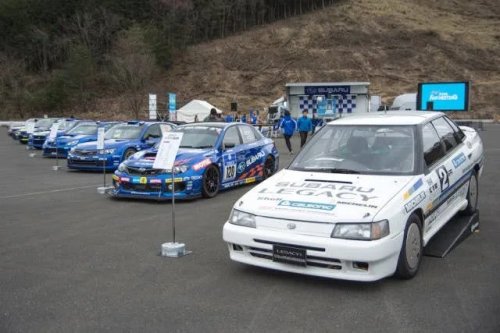
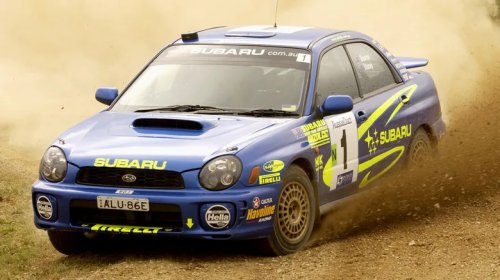
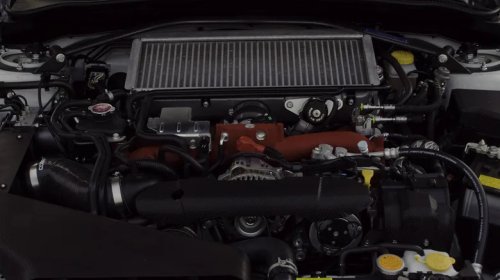
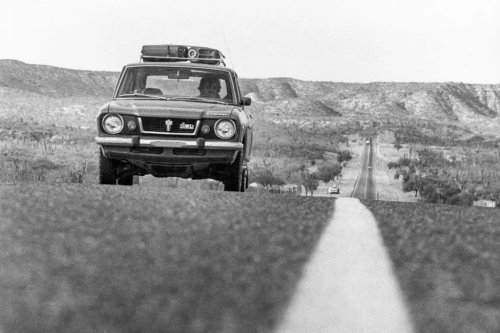
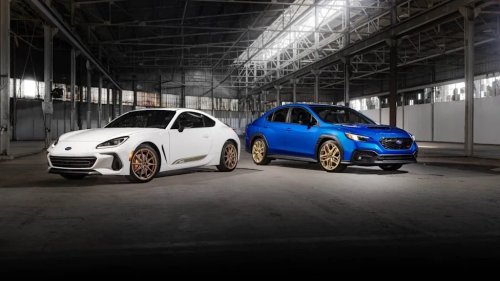
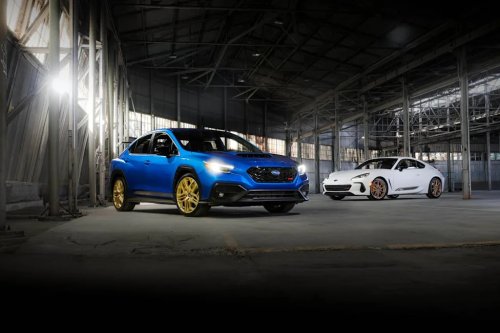
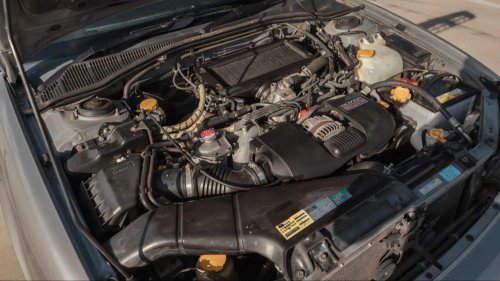
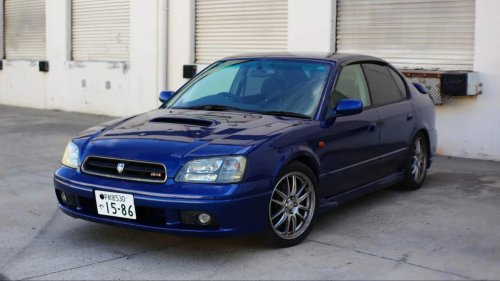
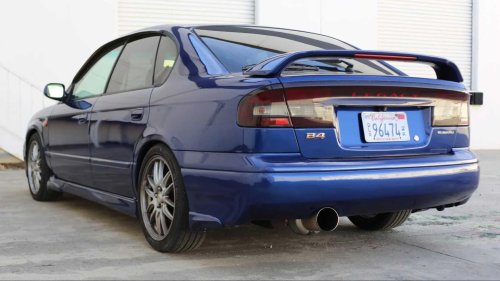
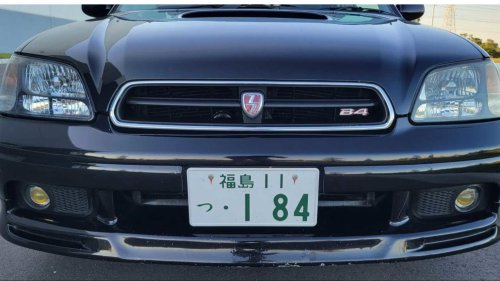
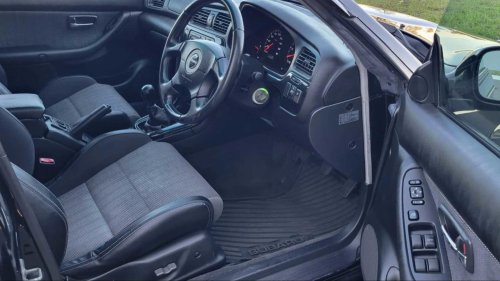
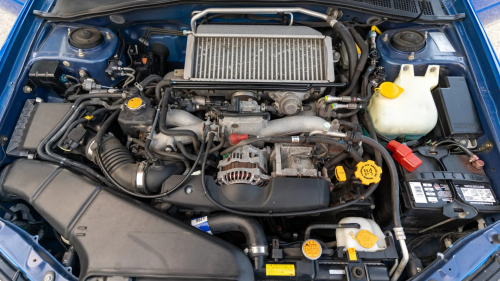
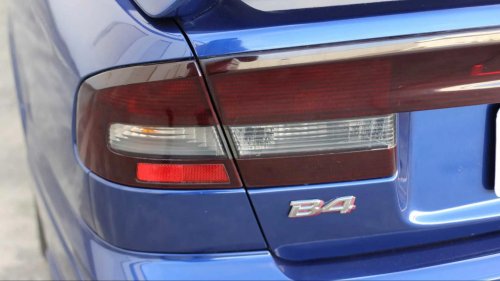
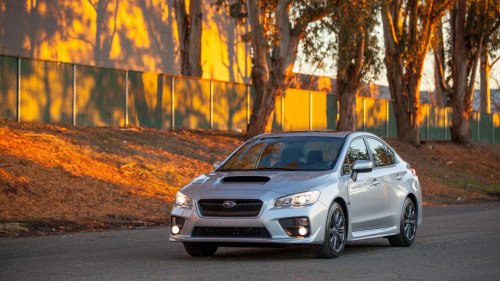
Car geeks love a weird flex with their engines, and this one comes straight from Japan. Imagine a flat-four boxer engine with two turbos working in sequence, chasing boost like a rally stage start. The goal was a smoother spool, less lag, and a powerband that felt stacked with torque, not waiting to wake up.On paper, it sounded like a tuner dream. In the real world, this rare setup built roughly 247 hp and 228 lb ft, and became a folk tale for boost junkies who love oddball engineering. Only one production car ever pulled it off, and then it was relegated to the history books for valid reasons. Subaru Built The Only Twin-Turbo Flat-Four For A Production Car In The 90s Bring a TrailerSubaru loves boxer engines like muscle guys love leg day. Since the 1960s, the brand has stuck to a flat-four layout for balance, a low center of gravity, and that trademark rumble old WRX fans still play YouTube loops of. Porsche shares the boxer philosophy, but Subaru leaned into it for everyday cars, wagons, and rally specials. So, when early 90s performance wars heated up in Japan, Subaru went hunting for extra boost without ditching the flat-four formula.The result was the EJ20 sequential twin-turbo setup. No other automaker ever put a twin-turbo flat-four in a series production car. Plenty ran parallel twin turbos on V6s and straight sixes, but boxing two turbos into a flat-four layout took packaging madness.Bring a Trailer Subaru engineers chased a quicker spool and more mid-range shove, targeting smoother boost delivery for spirited back-road driving. On paper, it looked clean. On the road, it made about 247 hp and 228 lb-ft, which put it right in the mix with fast Japanese sedans of the time. The Legacy RSK claimed 0-60 mph time of 5.2 seconds for the manual.This powerplant lived in Japan domestic market specials like the Legacy GTB and Legacy B4 RSK. Right-hand drive packaging meant the setup barely fit, and left-hand drive export markets never saw it. American fans only heard whispers, VHS rally clips, and occasionally spotted a JDM import long after the 25-year rule kicked in.If you dug old Subaru advertising, you even caught Bruce Willis hyping a JDM Legacy wagon in the peak action-hero era. As a result, Subaru really did build the only twin turbo flat four you could buy. Subaru EJ20 Engine Specs Subaru’s Twin-Turbo Tried To Kill Lag, But Created A New Problem Bring a Trailer Sequential boost always looks clever in theory. You stack a small turbo to wake things up at low rpm, then a bigger turbo takes over when revs climb. Mazda RX7 fans know that trick well. Subaru engineers chased the same idea for the EJ20-based twin turbo flat four. The goal was a crisp punch off idle, then a strong pull to the redline.Instead of running two turbos in parallel like a Mitsubishi Lancer Evolution or the Audi S4 2.7T of the era, Subaru routed flow in stages. More tech, more plumbing, more complexity.Bring a Trailer The first turbo spooled early and gave decent grunt around town. Once the revs climbed, valves rerouted the exhaust and intake flow to bring the second turbo online. You waited for the handoff like a relay team passing a baton. In the real world, that pass sometimes felt like someone lifted off the throttle for a second.Australian publication AutoSpeed logged a noticeable torque dip during the switchover on the B4, and tuners across forums still joke about the twin-turbo flat four hesitation moment.Bring a Trailer Exhaust routing, boost control logic, and emissions plumbing stressed the space around the flat-four layout. Add right-hand drive steering gear in Japan domestic market cars, and the packaging looked like an engine-bay game of Jenga. American buyers never saw it for that reason. In theory, this setup tackled lag. In practice, it moved the lag into the middle of the rev range and made emissions testing sweat.Even with quirks, the setup still earns clout in Subaru and WRX circles. People chase it for JDM nerd cred, like owning rare IHI turbos and old Prodrive posters. Sequential boost on a flat four stays wild engineering, even if a single-turbo EJ207 swap usually runs cleaner and hits harder. JDM Spec Dreams, Real World Spool Issues Boost typically transferred in the mid-range under load Aftermarket ECUs and boost controllers smoothed transitions Many owners swapped to a single turbo for simpler routing and stronger top end EJ20 Is An Oddball That Helped Shape Subaru Legends via Bring A Trailer The twin turbo variant sits inside one of the most important engine families in Subaru history. The EJ20 first landed in the 1989 Legacy RS and GT, then hit true fame when rally heroes like Colin McRae and Prodrive turned it into a podium weapon in the World Rally Championship. That WRC credibility flowed straight into the showroom. When the WRX badge dropped in 1992, the EJ20 became the heart of Subaru performance. American fans finally got a taste in 2002 with the bug eye WRX, which pushed the EJ name into tuner garages across the country.Early EJ20 turbo versions made roughly 217 hp, and later versions hit around 276 hp. Enthusiasts loved the block strength, good airflow potential, and ability to spool hard with the right turbo setup. EJ207 models in particular earned cult status thanks to high rev limits, stout internals, and rally-grade durability when maintained correctly. The flip side came with quirks, with ringland failures and oiling sensitivity showed up when owners pushed too hard without proper cooling and tuning. Heat management, especially around top-mount intercoolers, made wrenching part of the ownership culture.In the tuning world, the EJ20 became a go-to swap for drift builds, rallycross projects, and grassroots time attack cars. It punched above its displacement because the architecture supported real power when prepped. Compared to the Audi S4 2.7T of the same era, the EJ delivered lighter weight, a sharper throttle feel, and simpler packaging, while the Audi twin turbo V6 felt smooth and torque rich but demanded more complexity and cooling under load. The EJ20 line set the table for Subaru performance culture, and the twin-turbo version stayed the strangest and most adventurous branch in that family tree. Why No One Else Tried A Twin-Turbo Flat Four (Not Even Porsche) Bring a Trailer The twin-turbo flat-four experiment stayed as a one-car wonder because the layout fought physics and packaging from day one. A boxer engine sits wide, and plumbing two turbos with sequential flow control around steering gear, exhaust routing, and emissions hardware creates a tight squeeze in right-hand drive markets. Subaru engineers learned from the challenge and returned to single-turbo EJ setups that ran simpler plumbing and delivered a more reliable, predictable boost.Those lessons rolled into modern FA motors. The FA20DIT and FA24DIT engines in the WRX, Forester XT, and other models deliver smoother torque across the rev range, better emissions scores, and quieter operation. Purists miss unequal length headers and the classic rumble, but new engines step up efficiency and daily drivability. Subaru also tuned these motors to avoid the hard spool drama of old builds. Family haulers and canyon toys feel quicker off the line because torque arrives low and steady instead of being hit like a light switch.Subaru Even with progress, the old twin-turbo EJ cars elevate real JDM car culture. Collectors hunt clean Legacy GTB wagons and B4 RSK sedans, especially now that the 25-year import rule lets them roll into American ports. US enthusiasts treat them like unicorns at Subaru meets because they carry a story no other brand shares. Only one production car ever ran a twin-turbo flat-four, and it came from engineers who tried something bold and walked away smarter.This approach still influences Subaru. The brand sticks with turbo flat fours, only single-turbo setups now. Hybrid and electric models sit on the horizon, and BRZ buyers keep a naturally aspirated option alive. The twin turbo chapter stays rare, but it shaped what came next.Sources: Subaru.


















 +45 others