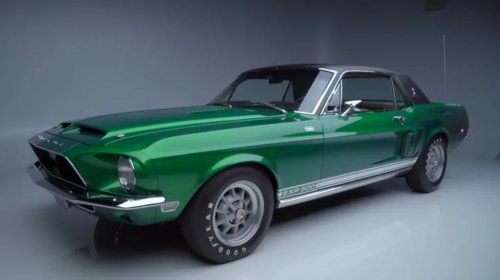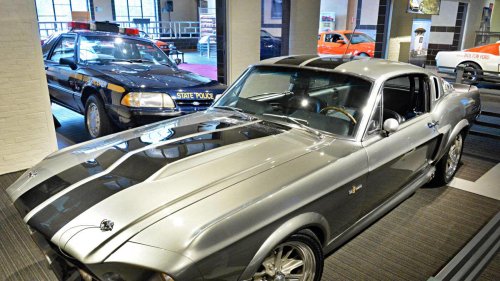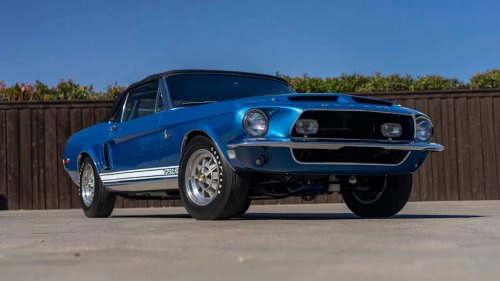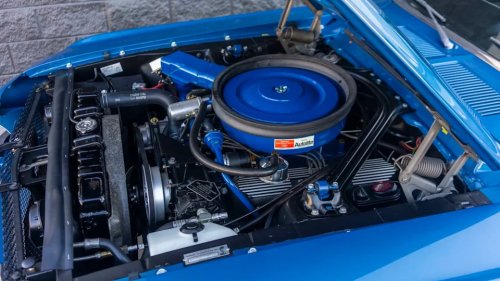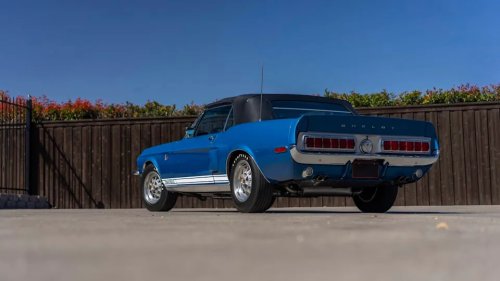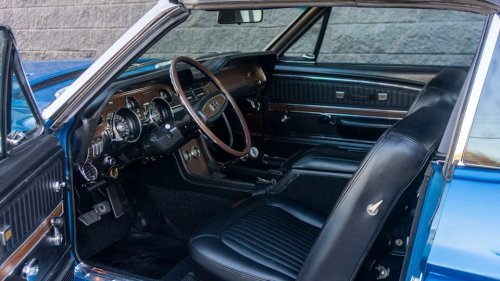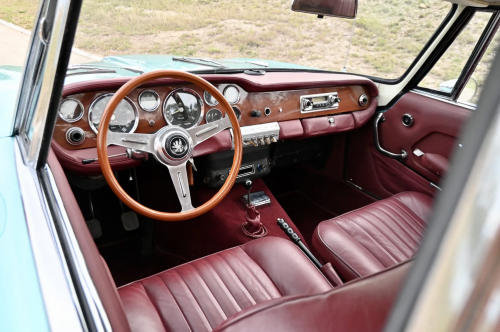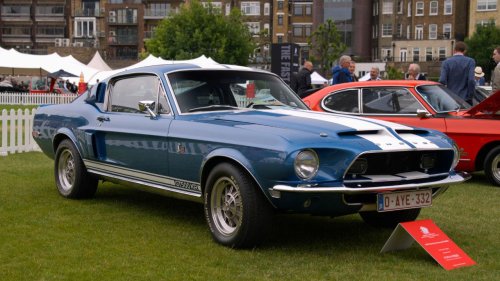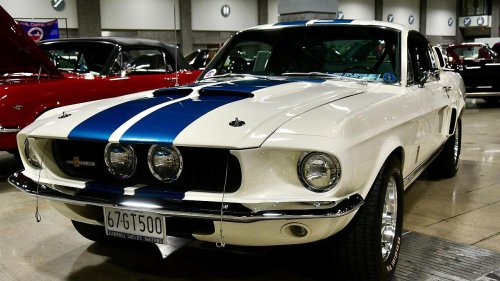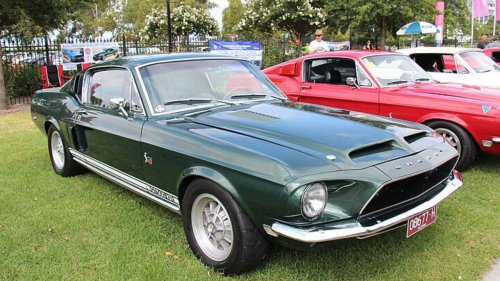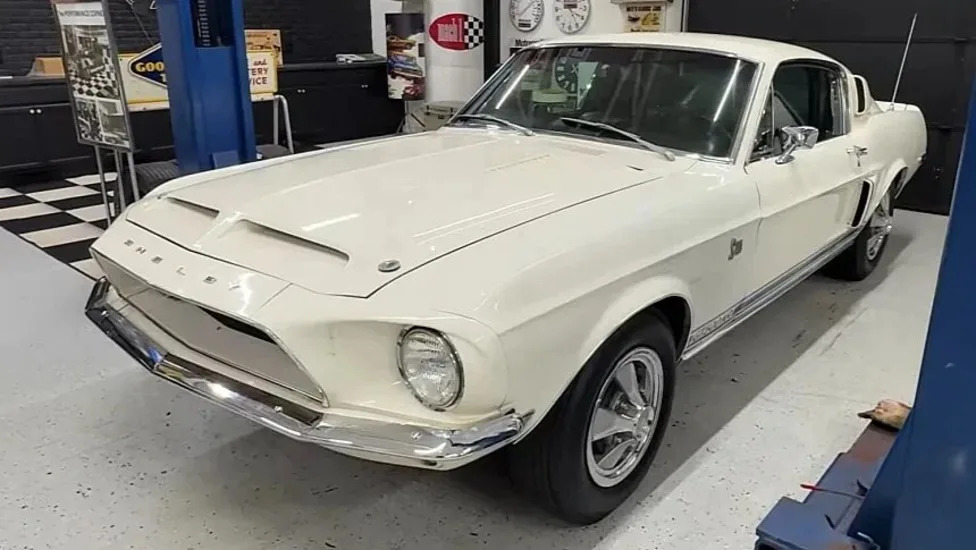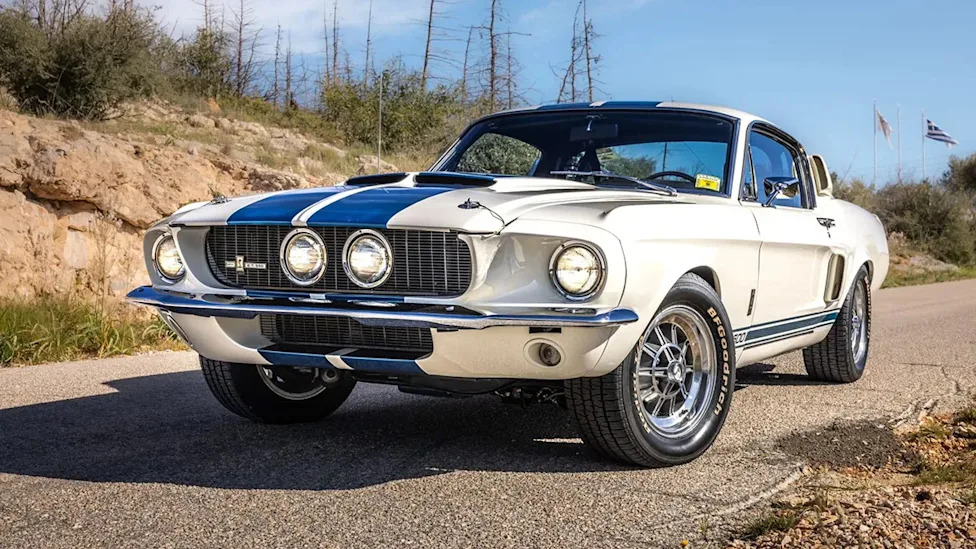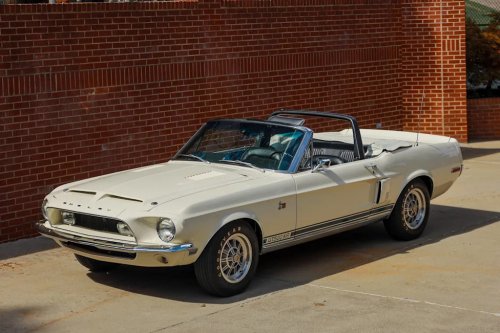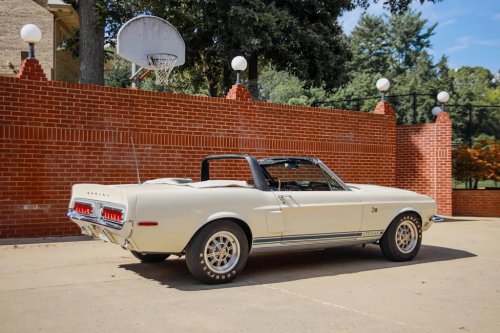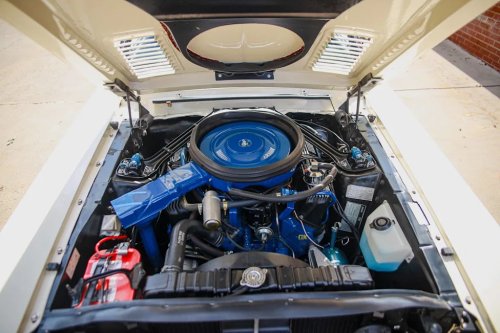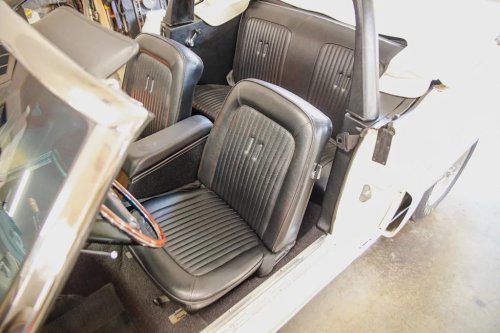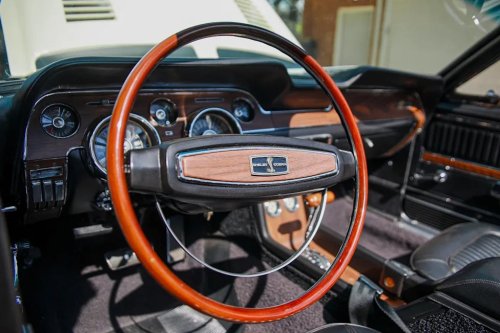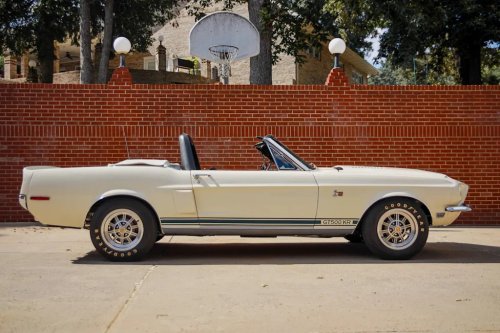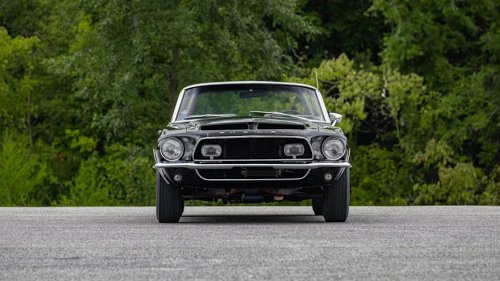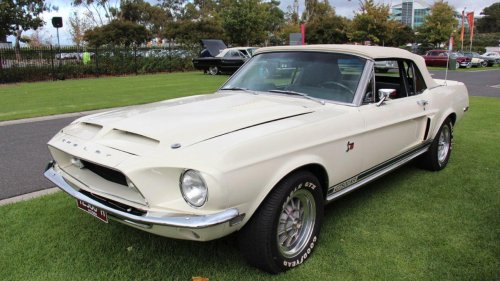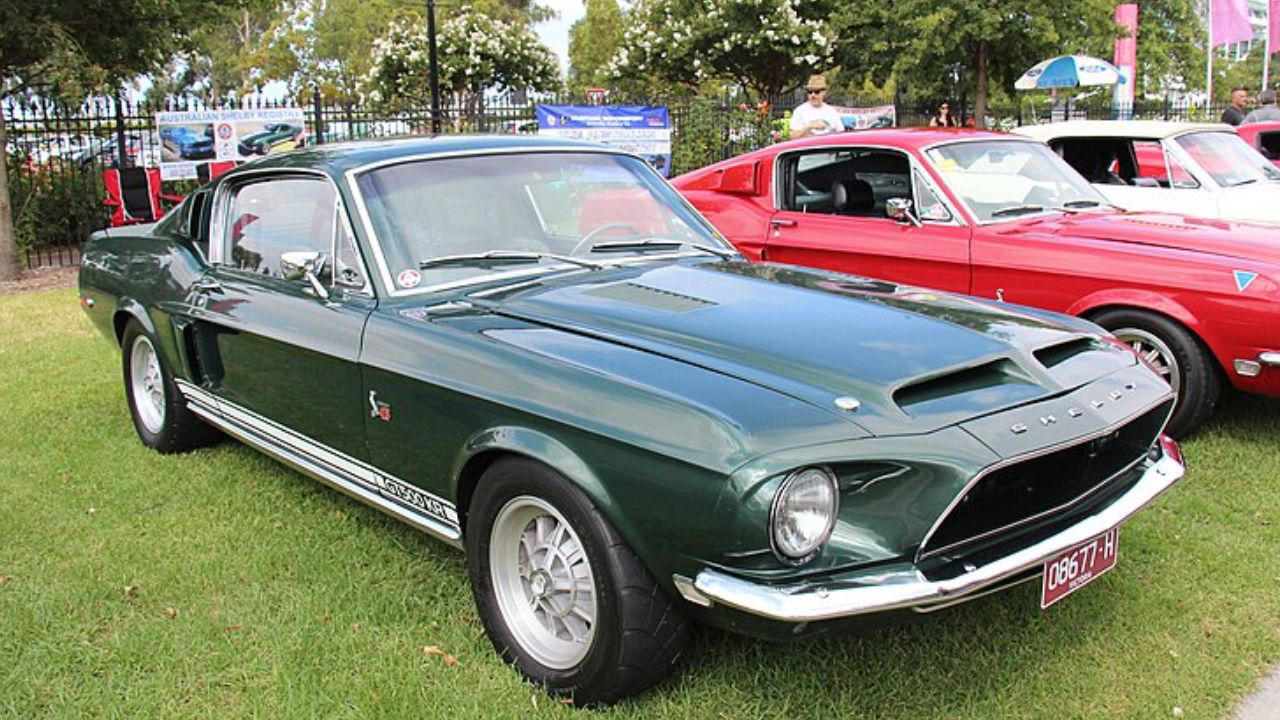



















Shelby gave the GT500KR a name that matched what it could doThe 1968 Shelby GT500KR arrived at a moment when American performance cars were locked in an escalating horsepower contest, yet few names captured that swagger as cleanly as “King of the Road.” Carroll Shelby did not just bolt a bigger engine into a Mustang and hope the legend would follow. He picked a title that promised domination, then signed off on a car built to live up to it. That alignment between badge and behavior is what still makes the GT500KR feel honest. Shelby gave the car a name that sounded like pure bravado, then backed it with a 428 Cobra Jet V8, a reworked chassis and body, and a personality that matched the claim every time the throttle opened. The racer who turned marketing into a weapon To understand why the GT500KR name hits so hard, it helps to start with Carroll Shelby himself. Long before the “KR,” Carroll Shelby had built a reputation as a driver and constructor who treated performance as a problem to be solved, not a slogan. That mindset shaped the way he approached every Mustang project that carried his name. By the late 1960s he had already turned Ford’s pony car into a track-capable machine with the earlier GT350 and GT500. Those cars blended race shop tuning with showroom appeal and showed that Shelby understood something Detroit was still learning. The right badge could move metal, but it had to be attached to a car that delivered on the promise. When Shelby listened to a song that used the phrase “King of the Road,” he recognized words that sounded like they belonged on the back of a fastback. According to enthusiasts who recount the story, he was so taken with the phrase that he moved quickly to secure it. Even before a specific car existed, he set lawyers to work to protect the “King of the Road” name so no rival could put it on a fender first. From Mustang to monarch: how the KR took shape The GT500KR did not appear out of thin air. It emerged from an evolution of Shelby Mustangs that had already pushed the standard Ford platform well beyond its original brief. Earlier high-performance versions had sharpened suspensions, added more aggressive bodywork, and increased power, which set the stage for a new flagship that could credibly wear a crown. As the story of the car’s development is retold by specialists who build continuation models, the “KR” project began with Shelby’s reaction to Ford’s new big block. When Shelby encountered the 428 Cobra Jet V8, he saw an opportunity. One account describes how he was so impressed with the new engine that he decided it deserved a special model and a special name. That narrative of a builder recognizing a standout powerplant and then creating a car around it is central to the way the GT500KR is remembered. The official explanation for the initials is straightforward. The “KR” on the decklid stood for “King of the Road,” and it was meant to signal that this was not just another GT500. It was a step above, a car intended to sit at the top of the Shelby Mustang hierarchy in both performance and presence. In that sense, the badge functioned as a promise that the rest of the package had to keep. Visual changes helped underline the point. Contemporary descriptions of the 1968 bodywork emphasize a more sculpted look than the standard Mustang, with a distinct nose, functional scoops, and a unique rear treatment. One detailed breakdown of the car’s styling notes that the front end, side intakes, and decklid worked together to complete a transformation that made the GT500KR look every bit as serious as its name suggested. The 428 Cobra Jet and the meaning of “KR” If the letters on the badge carried the message, the engine under the hood delivered the proof. On April 15, Ford released the 428 Cobra Jet V8 to the public. Shortly after that date, enthusiasts recall that Caroll Shelby announced the 1968 GT500KR and tied it directly to the new powerplant. For Shelby, the timing was not accidental. The engine provided the muscle that could justify the “King of the” label in the name. The 428 was more than a marketing number. In period form it combined big block torque with improved breathing and stronger internals compared with earlier 428 offerings. That gave the GT500KR a broad torque curve and the kind of midrange punch that mattered on the street. Owners and historians alike still single out that 428 figure when they explain why the car felt different from lesser Mustangs. Modern enthusiasts often repeat a simple explanation when they share trivia about the model. One widely circulated “Random Fact” post spells it out clearly, noting that the “KR” in GT500KR stands for “King of the Road” and that Carroll Shelby moved quickly to trademark the phrase after hearing it. That shorthand, wrapped in a social media caption, reflects how the core story has boiled down over time. The letters on the tail panel are treated as a direct translation of the car’s mission. Underneath the folklore sits a straightforward engineering choice. Shelby took Ford’s most potent street engine, paired it with a chassis and suspension tuned for both straight-line acceleration and real-world driving, and then wrapped it in bodywork that signaled its status. The name did not create the performance. It announced it. Built for street and strip, not just brochures Contemporary and retrospective reviews of the GT500KR often describe it as a Shelby for drivers who wanted a car that could handle both street duty and quarter-mile blasts. One profile characterizes the GT500 KR “King of the Road” as the Shelby for the street and strip, a phrase that captures the dual personality that made the car so appealing to buyers who spent weekdays commuting and weekends at the drag strip. That dual role shaped the way the car was tuned. The 428 Cobra Jet delivered strong low-end torque, which made the car responsive in traffic and devastatingly quick from a stoplight. Suspension and tire choices balanced grip with ride comfort, giving owners a car that felt composed on ordinary roads yet planted when pushed harder. The result was a machine that could back up its royal title not only in magazine tests but in everyday use. Enthusiast communities still celebrate that blend. A detailed fan post about the 1968 Shelby G.T. 500KR describes it as “King of the Road,” credits its 428 Cobra Jet engine, and points to Shelby’s racing pedigree as part of what made the G.T. such a legend. The same discussion frames the car as a true muscle machine that carried its nickname honestly, not as a hollow boast. Another segment of the same community post highlights the way the GT500KR combined aggressive styling with functional performance. The author praises the sculpted body, the specific badging, and the overall stance as key ingredients in the car’s presence. That emphasis on both form and function echoes period marketing that presented the GT500KR as a complete package rather than a simple engine upgrade. How the story of “King of the Road” is told today More than five decades after the original run, the GT500KR still inspires detailed retellings of its origin story. One modern builder of licensed continuation cars has published an in-depth explanation of how the “KR” designation came to be. That account describes how Shelby heard the phrase, rushed to secure the rights, and then applied it to a Mustang that had been reworked with the 428 engine, revised suspension, and a reshaped exterior. The same source breaks down the way the front fascia, side scoops, and rear decklid completed the visual transformation that justified a new name. That narrative has spilled over into social media, where enthusiasts share reels and posts that celebrate the 1968 Shelby GT500KR as the “King of the Road.” One video clip simply labels the car with that nickname and lets the images of the fastback, the hood scoops, and the badging do the talking. The repetition of the phrase across platforms reinforces how closely the name and the car have fused in popular memory. Even the companies that build modernized versions of classic Mustangs trade on that connection. The engine catalog from one continuation builder lists classic Mustang powertrains and ties them back to the heritage of high-performance models like the GT500KR. Their broader online presence, from the official social feed to image boards and professional profiles, leans on the idea that these cars occupy a special place in American performance history, with the “King of the Road” story serving as a key reference point. At the same time, the way fans talk about the car has grown more detailed. Some posts on dedicated Mustang groups break down the meaning of terms like “GT500 KR Shelby Cobra Jet 428,” explaining how the engine, the Shelby name, and the “King of the” phrase all stack together. Others share anecdotes about the way the car feels when it drops into first gear and accelerates hard, using personal experience to give texture to the numbers and badges. Why the name still feels earned Plenty of cars have worn big claims on their flanks. Few have matched them as cleanly as the 1968 Shelby GT500KR. The difference lies in the way Shelby approached the relationship between marketing and engineering. He did not start with a finished car and then search for a catchy label. He heard a phrase that captured the swagger of the muscle era, secured it, and then waited for the right combination of engine and chassis to justify putting it into production. When the 428 Cobra Jet arrived, the pieces finally aligned. The resulting car offered the kind of straight-line performance, visual impact, and day-to-day usability that could support a title as bold as “King of the Road.” Owners could feel the promise being kept every time the big block came on cam and the rear tires fought for grip. The lasting appeal of the GT500KR shows up in the way collectors, builders, and fans continue to talk about it. Detailed technical write-ups, enthusiast posts that highlight the 428 and the Shelby pedigree, and modern “Random Fact” snippets that explain the meaning of “KR” all circle the same core idea. The name was not an exaggeration. It was a fair description of what the car could do in its time. That is why the badge still carries weight. In an era when performance labels are often stretched thin across option packages and appearance trims, the 1968 Shelby GT500KR stands as a reminder of a different approach. Shelby picked a name that sounded like a challenge to every other car on the boulevard, then built a machine that met that challenge head on. The crown on the decklid was not just decoration. It was a statement backed by 428 cubic inches of proof. More from Fast Lane Only Unboxing the WWII Jeep in a Crate 15 rare Chevys collectors are quietly buying 10 underrated V8s still worth hunting down Police notice this before you even roll window down The post Shelby gave the GT500KR a name that matched what it could do appeared first on FAST LANE ONLY.