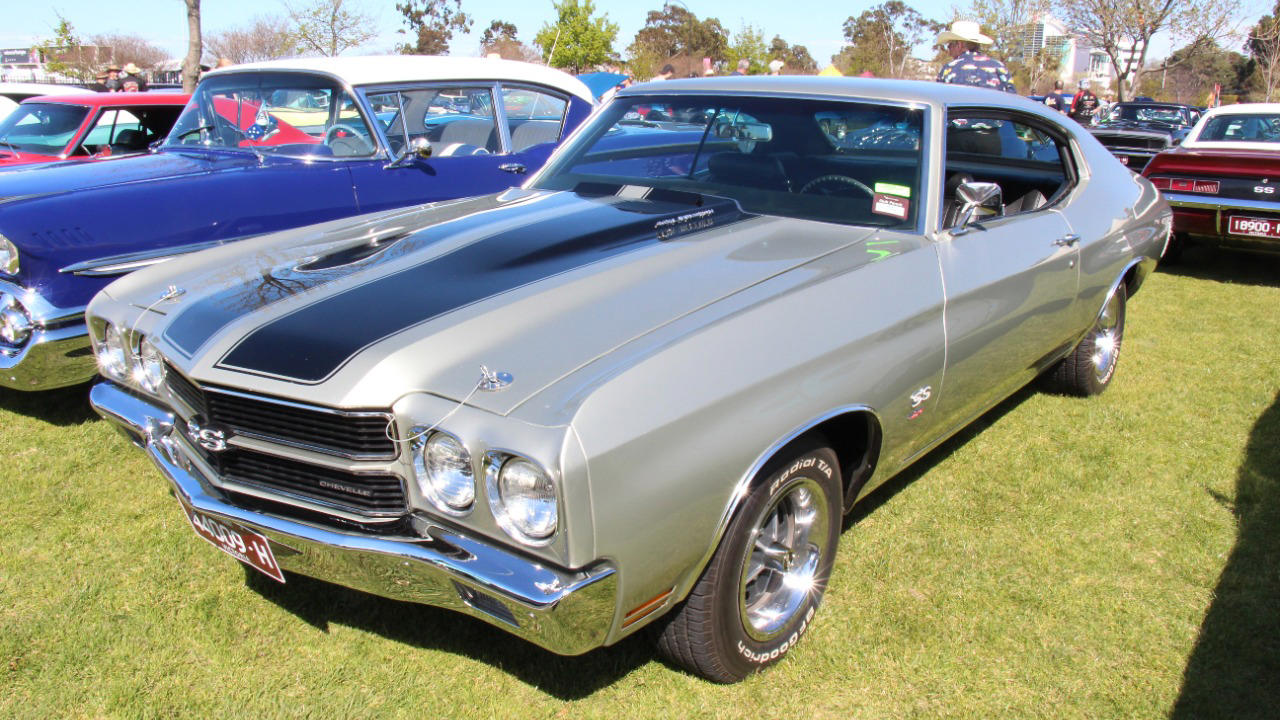
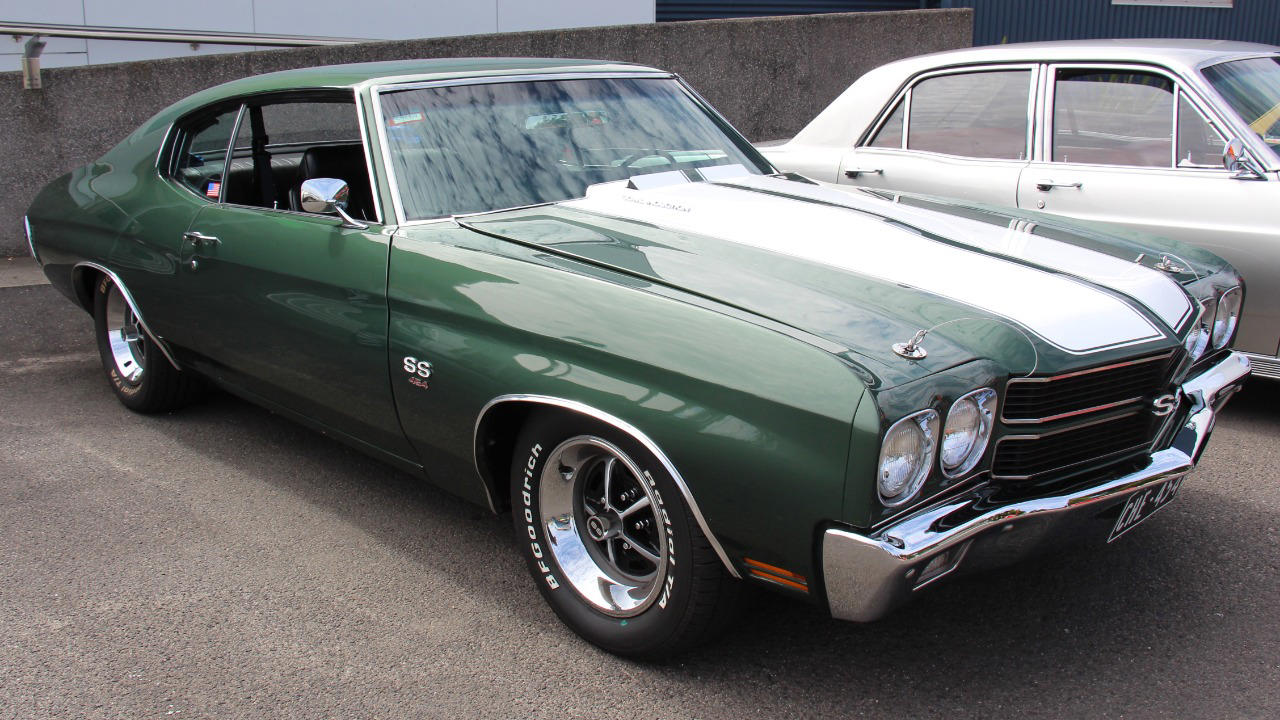
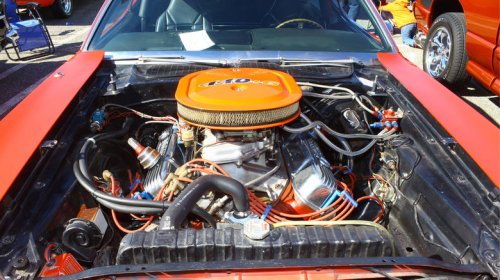
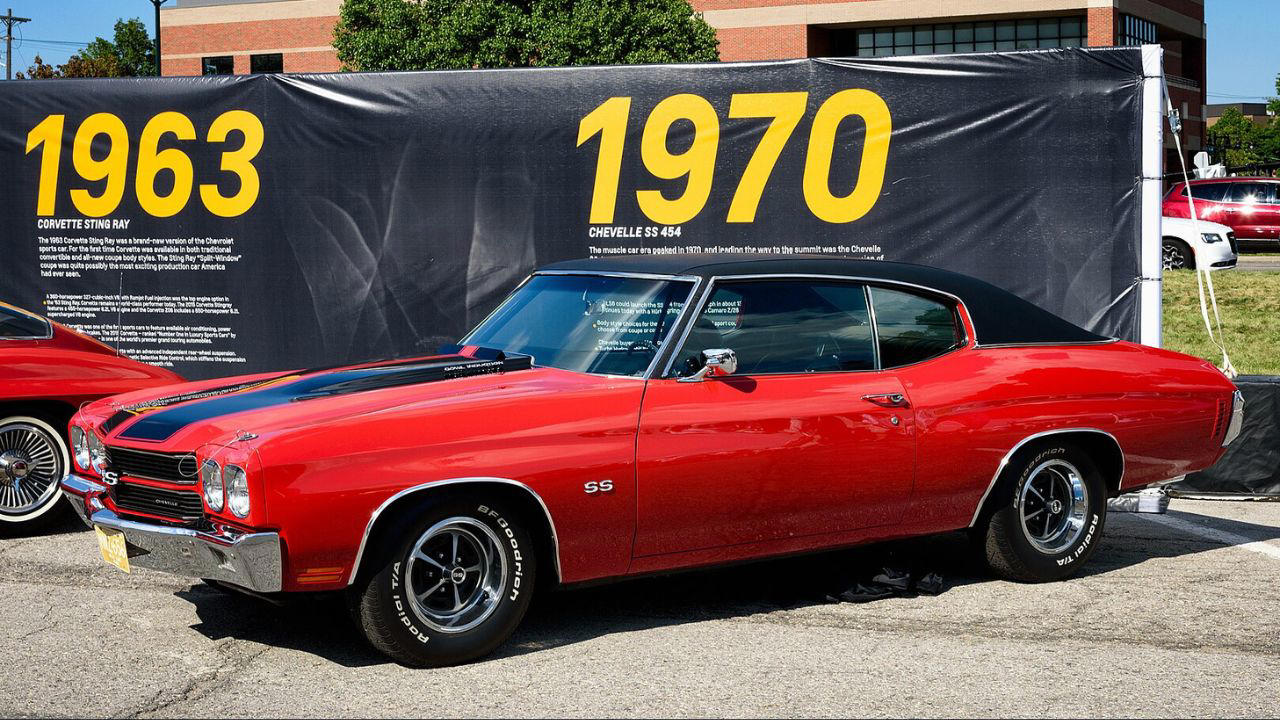
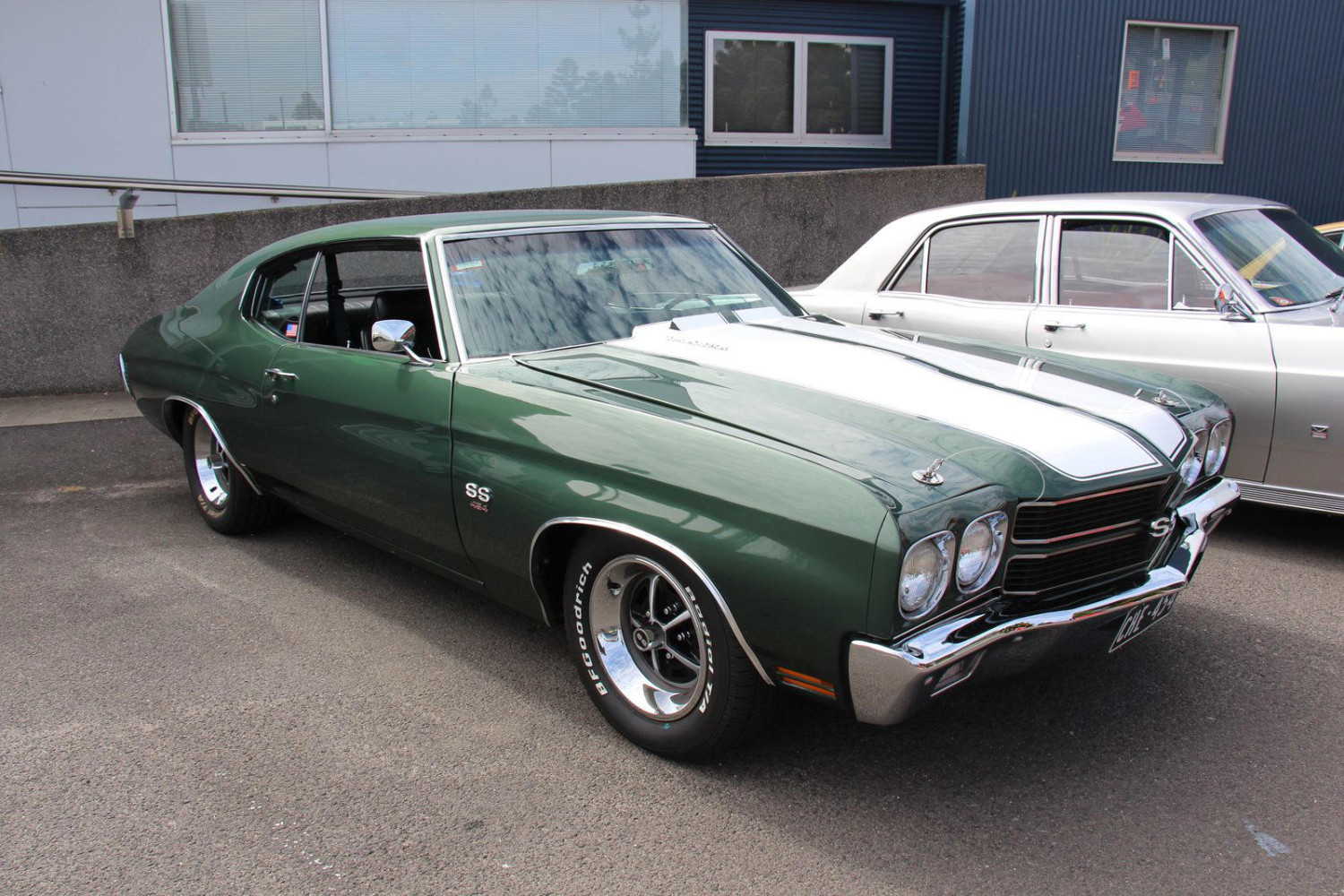
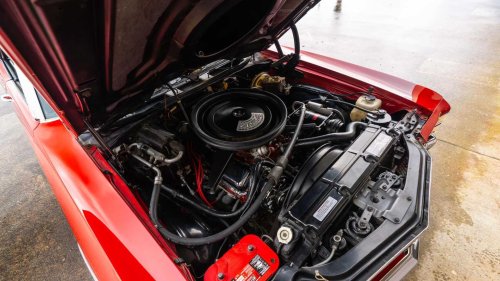
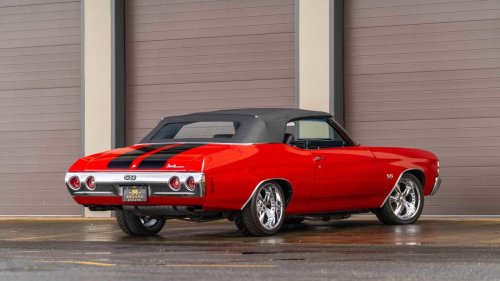
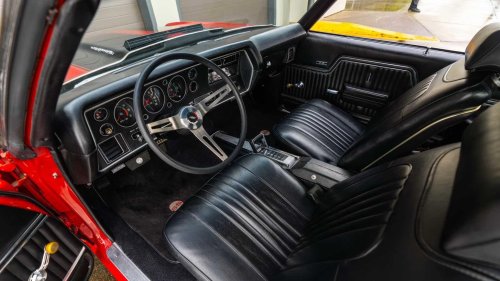
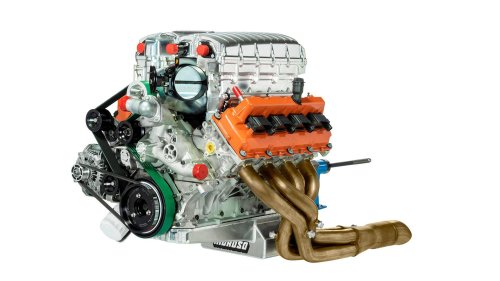
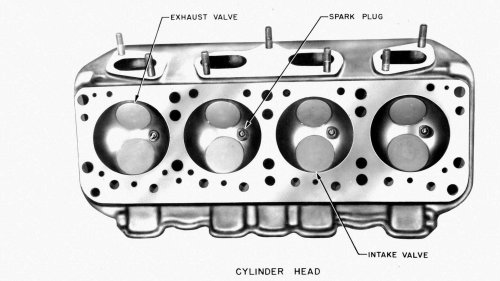
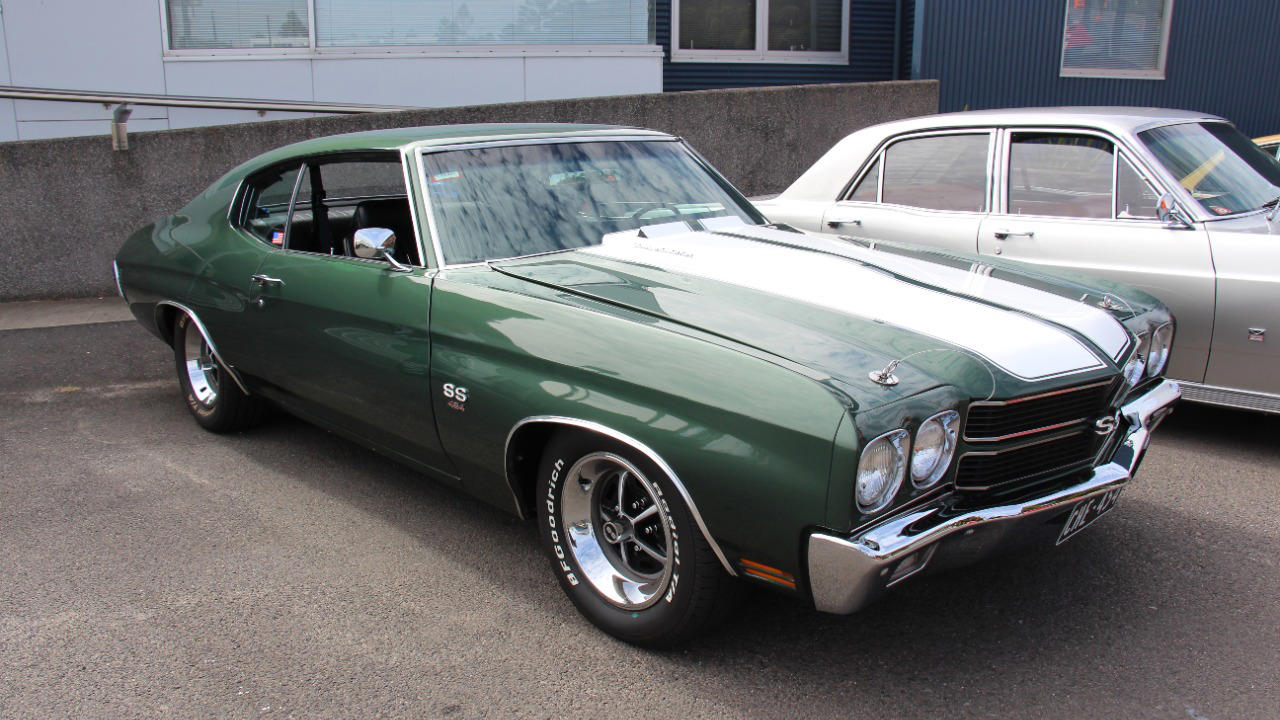
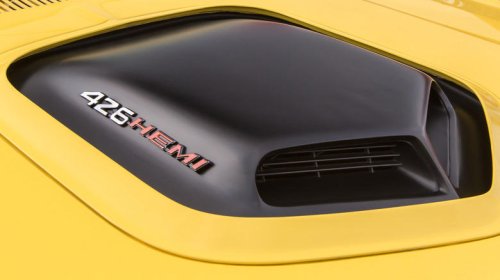
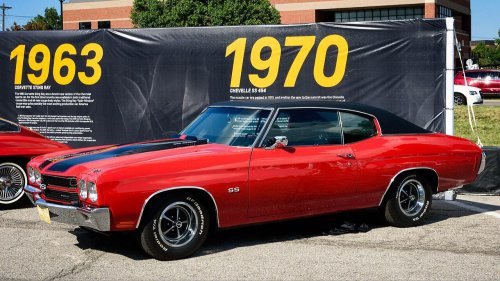
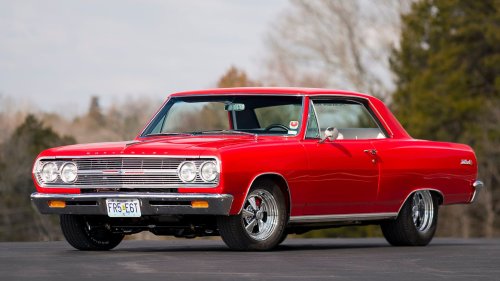
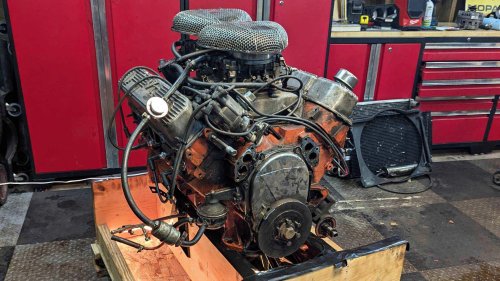
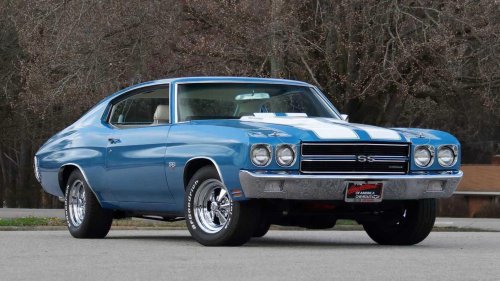
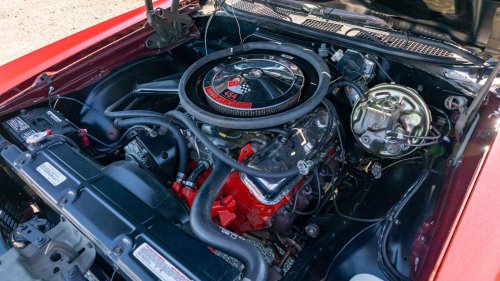
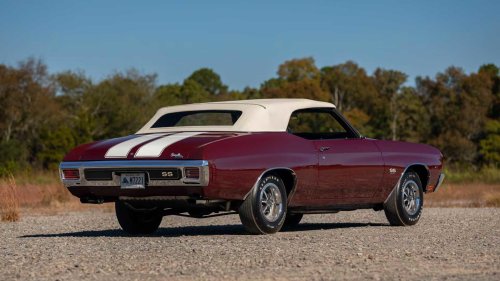
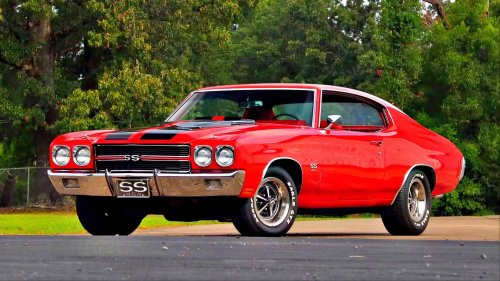
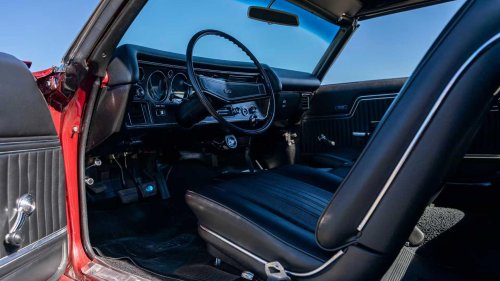
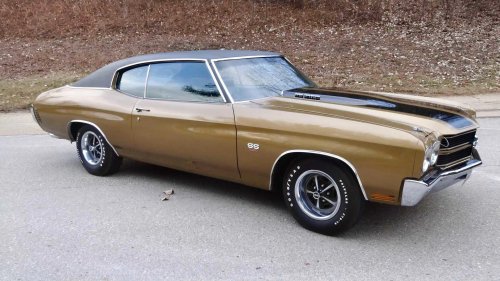
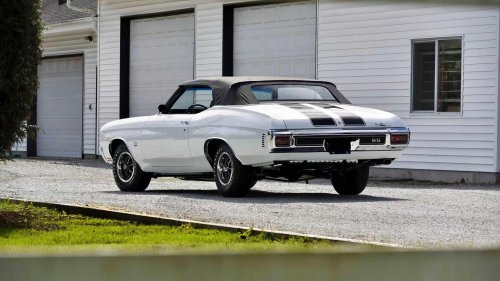
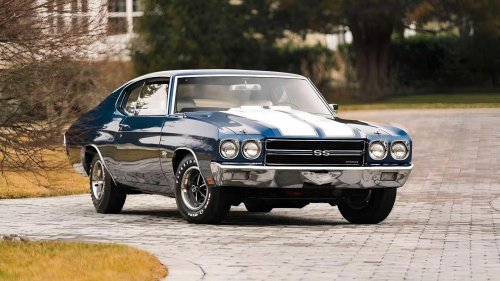
By 1970, things had started to feel a little out of control. Horsepower numbers kept climbing, compression ratios were getting aggressive, and every brand seemed locked into a quiet arms race that wasn’t going to end well. Chrysler had already thrown down the gauntlet with the 426 Hemi, and everyone else was trying to figure out how to answer it without completely blowing up their own lineup.Chevrolet didn’t approach it the same way. Instead of building something that looked like a dedicated halo car, it slipped the answer into a midsize platform that most people still thought of as practical. On the surface, it didn’t look like anything that should be part of the same conversation as a Hemi car.That disconnect is what made it so strange at the time. Because once you actually looked at what this Chevelle was doing, it raised a bigger question. Not whether it was fast enough to compete, but why Chevrolet built it at all. Chevrolet Built Something That Didn’t Fit Its Own Lineup, And That's What Made It So Good MecumThe Chevelle had always lived in a pretty clear lane. It sat between compact cars and full-size models, and even when performance versions showed up, they still felt somewhat grounded. You could get a strong small-block, you could option into something quicker, but it wasn’t supposed to cross into full-on top-tier muscle territory.Chevrolet already had big-block performance covered elsewhere, and internally, there were real concerns about how far things were going. It was clear that insurance companies were starting to notice and regulations were starting to form. There was a sense that whatever window existed for peak horsepower wasn’t going to stay open for long. And instead of easing off, they pushed harder. The result was a mildly ridiculous Chevelle that didn’t really fit the rest of the lineup anymore, both in terms of performance and intent.Fun Fact: Chevrolet underrated the LS6 so much that some dyno tests and period estimates suggest it was making closer to 500 hp, which would put it clearly ahead of most factory Hemi setups. The LS6 Turned The Chevelle Into A 450-HP Problem In 1970, Chevrolet introduced the LS6 version of the 454 cubic-inch V8, and it immediately changed what the Chevelle was. It was rated at 450 horsepower and 500 lb-ft of torque, but most people who’ve spent time around these cars will tell you that the number was conservative. The LS6 used 11.25:1 compression, solid lifters, a high-performance camshaft, and a Holley four-barrel carburetor sitting on an aluminum intake. This was built to make serious power, and it did.Mecum 1970 Chevrolet Chevelle SS LS6 Key Specs This was a midsize car producing output that matched or exceeded that of the most serious performance cars of the time. And it did it without a completely different identity or platform to separate it.Fun Fact: You could order an LS6 Chevelle with a bench seat and column shifter, meaning one of the quickest cars on the road could still look like a basic family cruiser inside. This Chevelle Could Run With The 426 Hemi And Sometimes Beat It MecumOnce people started actually testing these cars, the conversation shifted pretty quickly. The LS6 Chevelle backed up these numbers, and period tests consistently put the car in the low 13-second range in the quarter mile. With the right setup, drivers were dipping into the 12s. That put it directly in line with, and sometimes ahead of, Hemi-powered Mopars, depending on conditions and driver.MecumThe difference often came down to how the power was delivered. The Chevelle had strong, immediate torque and a slightly lighter overall package, which made it easier to get moving cleanly off the line. In real-world situations, that was more important than peak numbers. It also changed how people looked at Chevrolet. Up to that point, the Hemi had built a reputation as the benchmark. The LS6 showed up and complicated things, but in the best way. Dealers Didn’t Quite Know What To Do With This Chevy This is where the “confusion” part of the story actually starts to make sense. The LS6 wasn’t positioned like a typical product. It wasn’t marketed as something exclusive or separated from the rest of the Chevelle lineup in a way that made it easy to explain. From the dealer, it was just another option package, but in reality, it was something much more extreme.Mecum AuctionsThat created a strange situation at the dealership level. You had a car that looked familiar, sat in a familiar spot in the showroom, but performed at a level that didn’t match its selling price. Add in rising insurance costs and a general lack of clarity around whom this car was really for, and it became harder to place. It was a legendary conundrum.Some buyers walked in knowing exactly what they wanted and went straight for it. Others had no idea what they were looking at. And in a few cases, cars sat longer than they probably should have simply because they weren’t being presented for what they actually were. It Arrived Right Before Everything Changed Bring a TrailerTiming is a big part of why the LS6 left such a big impression. 1970 was the peak of this era because right after that, everything started shifting. Emissions regulations tightened, compression ratios dropped, and insurance companies made high-performance cars significantly more expensive to own. The formula that made the LS6 possible didn’t last. That’s part of why it stands out so much today. It wasn’t just fast for its time, it was built right at the edge of what manufacturers could still get away with before the industry changed direction.Mecum Recent 1970 Chevelle SS LS6 Auction Sales Values reflect a shift in perception. What was once seen as just another high-performance Chevelle is now recognized as one of the most important versions ever built. Classic.com shows some solid recent sales, but the Barrett-Jackson sale from earlier this year is a good indication the market is strong.Fun Fact: The LS6 engine option alone added over $260 to the sticker, which doesn’t sound like much now, but at the time it was a serious jump that priced the car into a very different buyer category. Why The LS6 Still Feels Almost Unreal Today MecumLooking back at it now, the LS6 doesn’t really fit neatly into the story people expect. It wasn’t positioned as the ultimate halo car. It didn’t have a completely separate identity. It just showed up with a level of performance that forced people to take it seriously. It feels like something that slipped through at exactly the right moment, a car that probably wouldn’t make it through internal approvals just a few years later.And that original confusion hasn’t completely gone away. Back then, people weren’t sure what they were looking at. Now, it’s more about realizing just how far Chevrolet pushed things, and how briefly that window stayed open.



















 +5 others