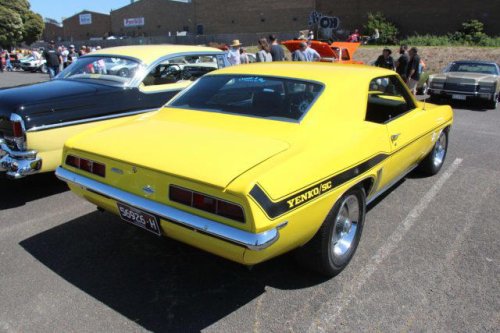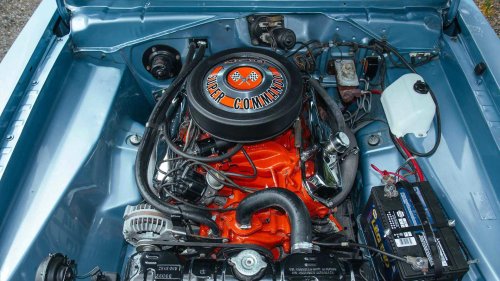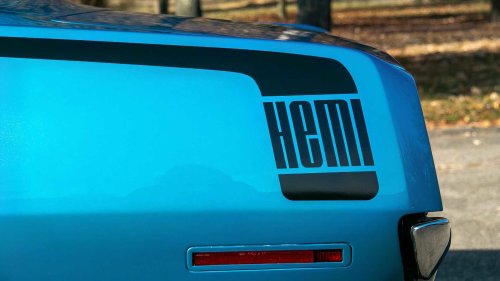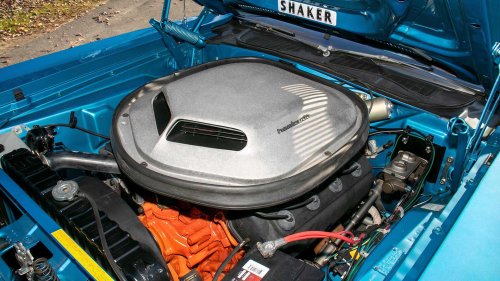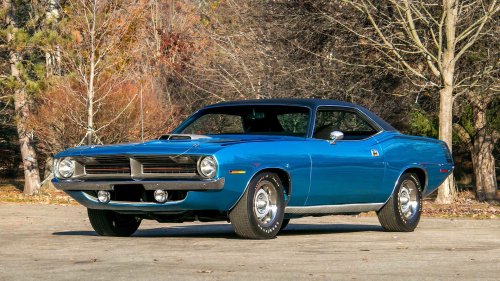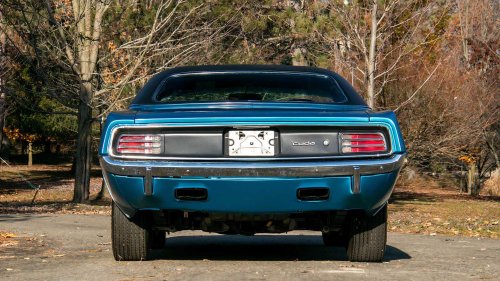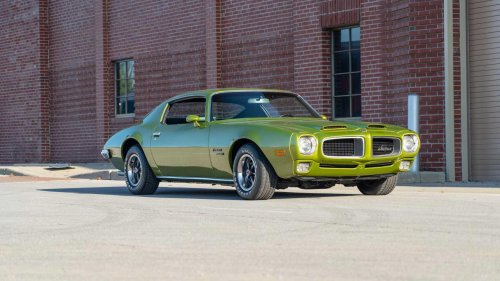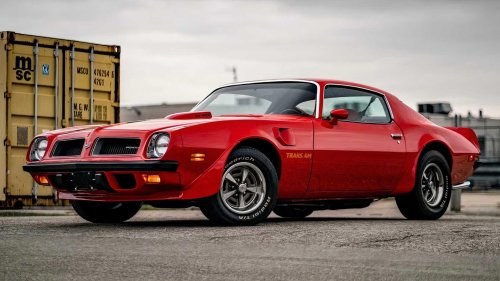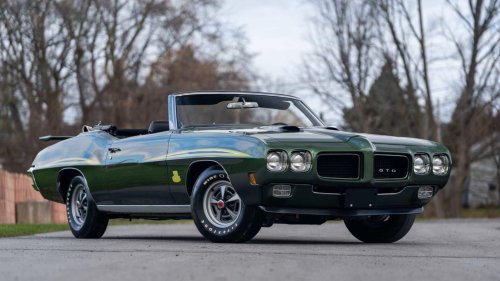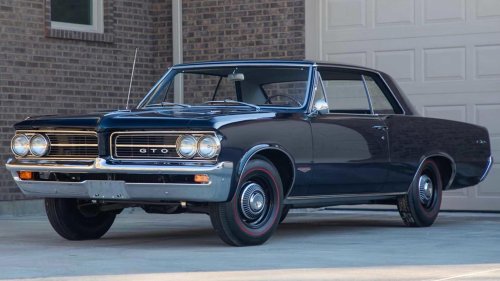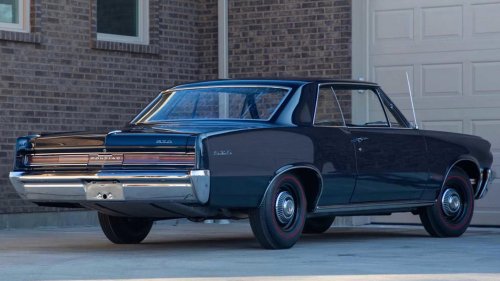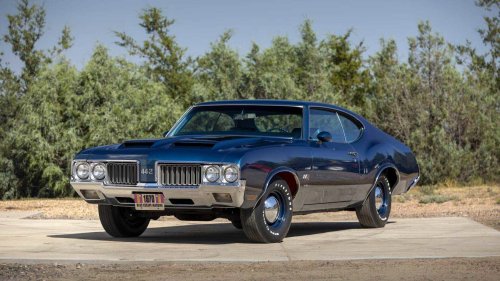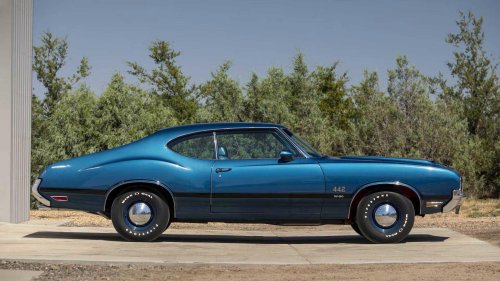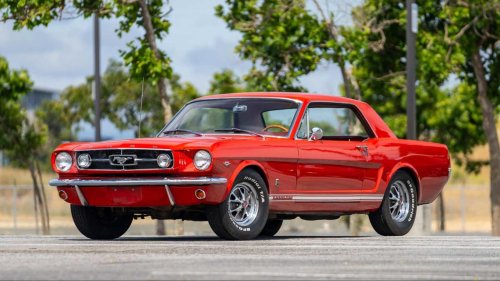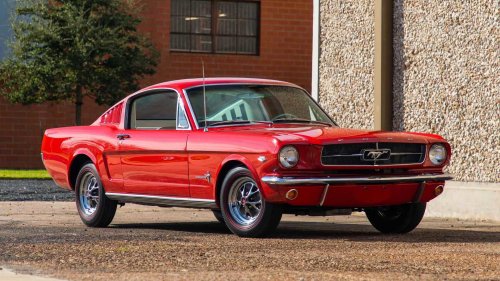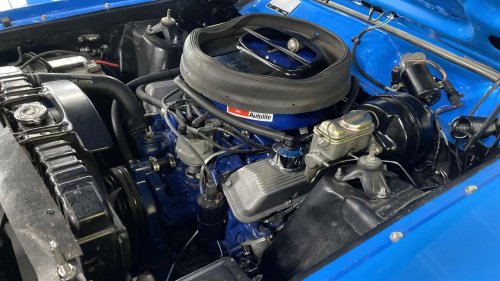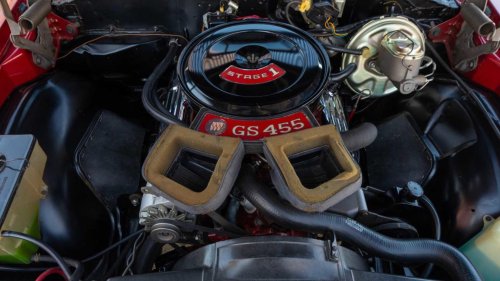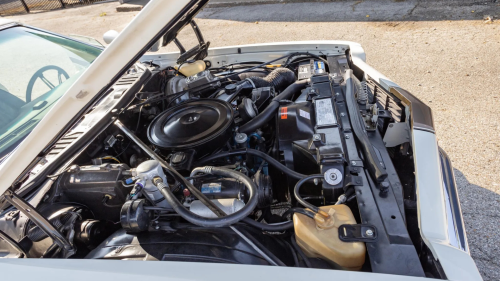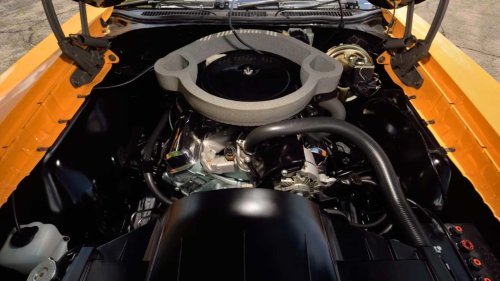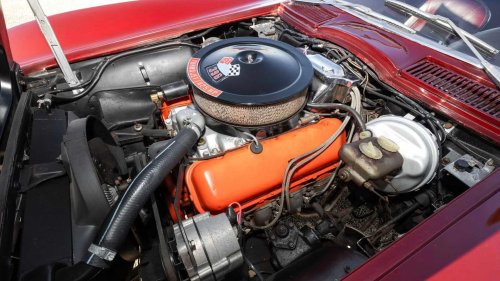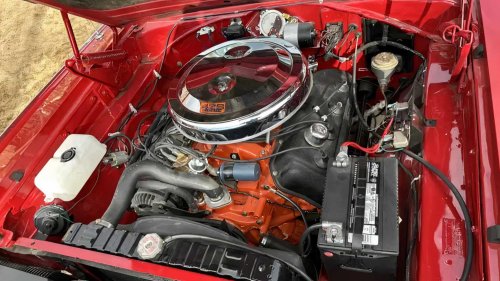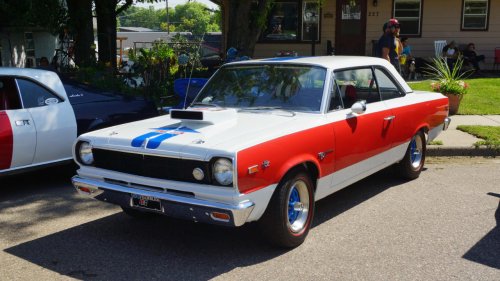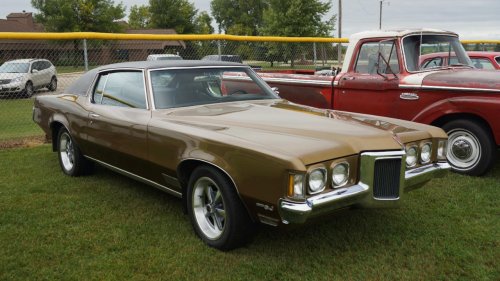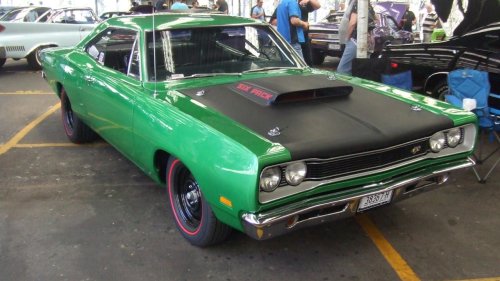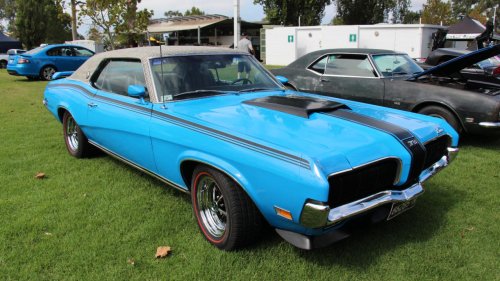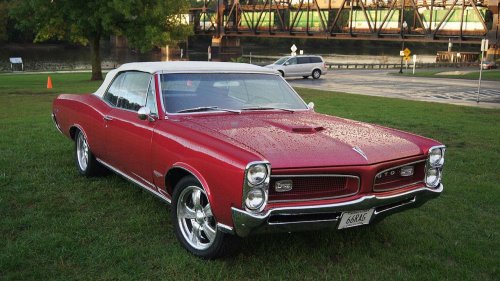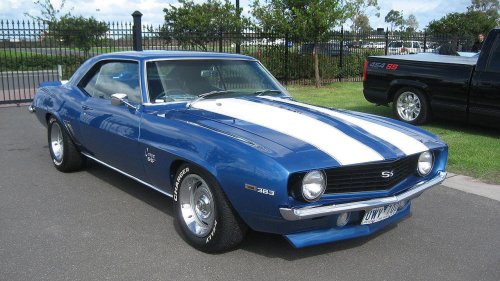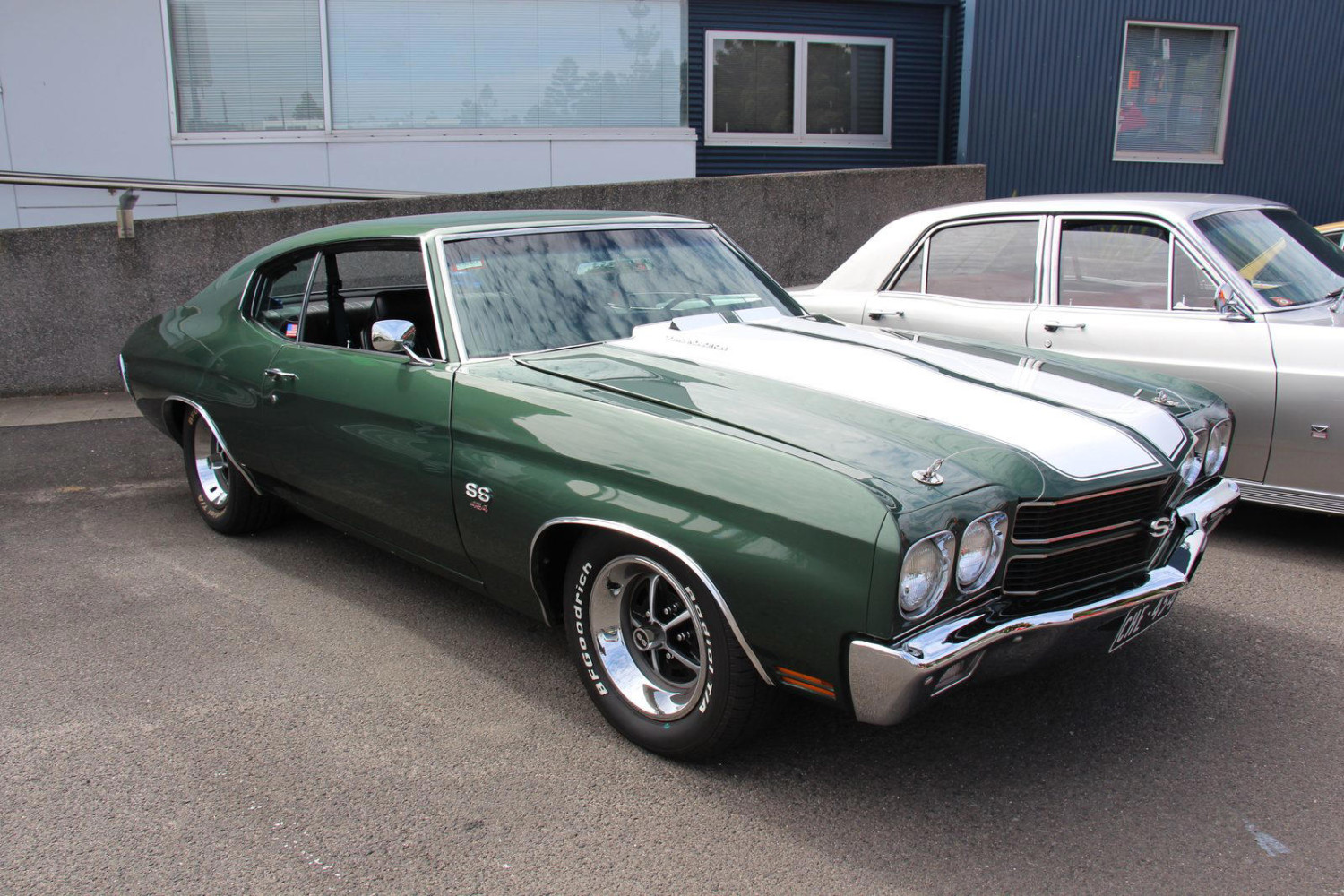



















Why 1969-1970 Detroit Cars Will Never Be Matched — the Data Proves It Key Takeaways More than 50 distinct high-performance models rolled off Detroit assembly lines in just 1969 and 1970, a concentration of engineering ambition the industry has never repeated. Insurance premium spikes — not emissions rules alone — forced automakers to detune engines starting in 1971, making those two model years the last truly uncompromised ones. The performance-per-dollar ratio of cars like the 1970 Chevelle SS 454 has never been matched in inflation-adjusted terms by any modern production muscle car. The talent moved freely between aerospace and Detroit in this period, and it shows in the precision engineering that went into the big-block engines of the era. Most people point to the 1960s as the golden age of American muscle, but the data keeps narrowing the window down to just two years. The 1969 and 1970 model years represent a specific, unrepeatable collision of factory ambition, cheap fuel, loose regulation, and a workforce that still hand-fitted engines on the line. More than 50 distinct high-performance models came out of Detroit in those 24 months alone. That's not nostalgia talking — that's production records, insurance actuarial tables, and auction results all pointing at the same two calendar years. Here's what the numbers actually show. The Two Years That Rewrote Automotive History Fifty-plus performance models in just twenty-four months — here's why that matters. No single year before or after 1969 saw American automakers simultaneously unleash so many distinct high-performance models. GM, Ford, and Chrysler were locked in a cubic-inch arms race, each trying to out-muscle the other on the street and at the dragstrip. The result was a two-year window where buyers could walk into a showroom and choose from an almost bewildering lineup of factory hot rods — from the Pontiac GTO Judge to the Plymouth 'Cuda AAR to the Ford Torino Cobra — all priced within reach of a working-class paycheck. What made 1969 and 1970 different wasn't just the number of models. It was the engineering commitment behind each one. These weren't badge-engineered trims with a sticker package. They were purpose-built performance variants with unique engine codes, suspension tuning, and in many cases, hand-selected drivetrain components. The Boss 429 Mustang required Ford to widen the engine bay by hand at a contracted facility in Brighton, Michigan, just to fit the NASCAR-derived engine. That kind of factory-level dedication to a single performance variant simply doesn't exist in today's production environment. Raw Numbers Behind Detroit's Golden Horsepower Surge The factory output figures from 1969 and 1970 still don't seem real. Pontiac built over 72,000 GTOs in 1969 alone. Ford produced more than 850 Boss 429 Mustangs in the first model year — a car that required a separate off-line assembly process just to get the engine under the hood. And Chevrolet's LS6 454, dropped into the 1970 Chevelle SS, was factory-rated at 450 horsepower — a number that many enthusiasts believe was deliberately understated to avoid triggering insurance surcharges. The Dodge Coronet R/T that same year came with the 440 Six Pack as a standard option, putting three two-barrel carburetors on a street car that cost less than $4,000 new. Adjusted for inflation, that's roughly $32,000 today — less than a base trim pickup truck. No modern manufacturer has come close to delivering that level of factory performance at a comparable price point. The sheer volume of high-output engines leaving Detroit plants in those two years represents a production achievement that the consolidation of today's automotive industry makes structurally impossible to replicate. “The 1970 Chevelle SS hit the gym for 1970 and emerged with a cut physique thanks to a stockier stance, bulges over the wheel arches, and new domed hood that could be optioned with Cowl Induction for the first time.” How the Space Race Fueled American Engine Design NASA's metallurgists and Detroit's engine labs had more in common than you'd think. The Apollo program didn't just put men on the moon — it quietly reshaped what was happening inside American engine bays. Throughout the late 1960s, aerospace contractors and automakers shared a talent pool of metallurgists, precision machinists, and materials engineers who moved between industries or consulted for both simultaneously. The demands of rocket propulsion — extreme heat, tight tolerances, sustained high-compression combustion — pushed materials science forward in ways that fed directly into the development of Detroit's big-block engines. Chrysler's 426 Hemi, for example, used a hemispherical combustion chamber design that maximized flame travel efficiency, a geometry that aerospace engineers understood well from turbine and combustion research. The high-nickel alloys used in some valve train components during this era traced their origins to aerospace supply chains. This wasn't a formal partnership — it was the natural result of a country pouring enormous resources into precision engineering across multiple industries at the same time, with the talent flowing wherever the work was. By 1971, that talent pool had dispersed, and the regulatory environment had shifted the engineering priorities entirely. Insurance Crackdowns Killed the Party by 1971 Emissions rules get the blame, but the real culprit had an actuarial table. The standard explanation for the end of the muscle car era points to the 1970 Clean Air Act and the subsequent drop in compression ratios to run on unleaded fuel. That's part of the story. What gets left out is that insurance companies moved first — and moved hard. By 1970, some insurers were applying surcharges of 40% or more year-over-year on high-performance vehicles driven by young male buyers. State Farm, Allstate, and several regional carriers began refusing to write policies on certain engine codes altogether. Automakers noticed immediately. By the 1971 model year, compression ratios were already dropping and horsepower ratings were being walked back — not because the engineering couldn't sustain them, but because a car nobody could insure was a car nobody could sell. The 1970 model year was, in effect, the last one where Detroit's engineers were still allowed to build what they actually knew how to build. The insurance actuaries shut the door before the EPA ever got to it. A Mechanic Remembers Building Them on the Line Hand-torquing Hemi head bolts wasn't a job for a robot — or a rookie. Retired assembly workers who built cars at Chrysler's Hamtramck plant in 1969 describe a process that bears almost no resemblance to modern production. The 426 Hemi, Chrysler's flagship engine, required each head bolt to be torqued in a specific sequence by hand — not because automation didn't exist, but because the engine's tolerances demanded a level of tactile feedback that the pneumatic tools of the era couldn't reliably deliver on their own. Workers who specialized in Hemi installations were known on the line by name. That craft element extended beyond the engine bay. Body gaps were checked by feel as much as by gauge. Paint crews on high-impact color cars — the Plum Crazys and Go Mango oranges that defined the era — applied extra coats to ensure the colors hit right under showroom light. Modern robotic lines produce more consistent results by measurable standards, but they've replaced a form of institutional knowledge that took decades to build and disappeared in less than one. “In the late 1960s and early 1970s, American automakers began offering suitably psychedelic and wild exterior paint colors for their muscle cars—a perfect match for the era.” Modern Muscle vs. 1969: What the Specs Actually Show Today's Camaro wins on paper — but the old math tells a different story. A 2024 Chevrolet Camaro ZL1 produces 650 horsepower, runs the quarter mile in the low 11-second range, and comes loaded with traction control, magnetic ride suspension, and Brembo brakes. On every measurable performance metric, it beats a 1970 Chevelle SS 454 without breaking a sweat. That's not in dispute. What the specs don't show is the value equation. The 1970 Chevelle SS 454 LS6 stickered at around $4,500 fully optioned — roughly $36,000 in today's dollars. The 2024 Camaro ZL1 starts above $72,000. Both cars will run mid-11s in stock form. The older car delivered comparable straight-line performance at roughly half the inflation-adjusted cost. And the Chevelle did it with a carburetor, a points ignition, and bias-ply tires. The engineering headroom required to extract that performance from primitive technology represents a kind of efficiency that modern development — with all its computational power — has actually moved away from rather than toward. Detroit in 1970 was doing more with less. The data just doesn't flatter the present the way people assume it will. Why Collectors and Historians Agree: Lightning Won't Strike Twice Every force that created 1969–1970 has since scattered in different directions. Auction specialists and automotive historians who track the muscle car market point to the same conclusion from different directions: the conditions that produced 1969 and 1970 were not a trend. They were a convergence. Cheap leaded gasoline, no federal fuel economy mandates, three domestic manufacturers in direct cubic-inch competition, a postwar workforce with deep machining skills, and a buying public that measured a car's worth in horsepower — all of those factors existed simultaneously for roughly 24 months and then began unraveling at once. Electrification mandates are now accelerating the end of traditional performance nameplates. GM has already announced the Camaro's discontinuation. Ford's Mustang is adding a hybrid powertrain. The era of rival brands competing on displacement and quarter-mile times is structurally over. As Barry Kluczyk, automotive journalist at Hemmings, put it after the 2025 Detroit Autorama: "Detroit is the birthplace and spiritual mecca for muscle cars and the faithful paid homage to them." The word "homage" says everything. What was once a living industry is now a pilgrimage. The data closed that chapter — and it won't reopen. “Detroit is the birthplace and spiritual mecca for muscle cars and the faithful paid homage to them at the 2025 Detroit Autorama.” Practical Strategies Prioritize Numbers-Matching CarsA 1969 or 1970 muscle car with its original engine, transmission, and rear axle codes intact commands a premium at auction — and holds value far better through market cycles. Before buying, verify the VIN-stamped engine pad and broadcast sheet against known decoder guides for that make and model year.: Research Insurance Before You BuySpecialty classic car insurers like Hagerty and Grundy offer agreed-value policies that protect what you actually paid — not what a general insurer thinks the car is worth. Get a quote before finalizing any purchase so the coverage cost factors into your total ownership math.: Track Auction Results, Not Asking PricesMecum, Barrett-Jackson, and RM Sotheby's publish hammer prices from every auction, which reflect what buyers actually paid rather than what sellers hoped to get. Watching results for your specific model over two or three auction cycles gives you a realistic picture of where the market actually sits.: Join a Single-Marque RegistryOwner registries for cars like the Pontiac GTO, Plymouth 'Cuda, and Chevelle SS maintain production records, decoder guides, and parts sourcing networks that general forums can't match. Registry membership also connects you with owners who've already solved the restoration problems you'll eventually face.: Verify Paint Codes Against Factory RecordsHigh-impact colors from 1969 and 1970 — Vitamin C Orange, Rallye Green, Plum Crazy — are among the most desirable and most frequently faked. A car's cowl tag or door jamb broadcast sheet should list the original paint code, and cross-referencing that against factory color availability for the specific model year takes less than ten minutes with the right decoder.: The 1969 and 1970 model years weren't just a high point — they were the product of a specific industrial moment that the data shows cannot be reconstructed. The insurance tables, the production records, the inflation-adjusted price comparisons, and the auction results all point at the same two years. If you've ever wondered why those cars hold their value the way they do, that's the answer: the market understands what the history confirms. For anyone lucky enough to own one of these cars, or still looking to get into one, the numbers make a compelling case that the window for doing so at any reasonable price is closing faster than most people expect.