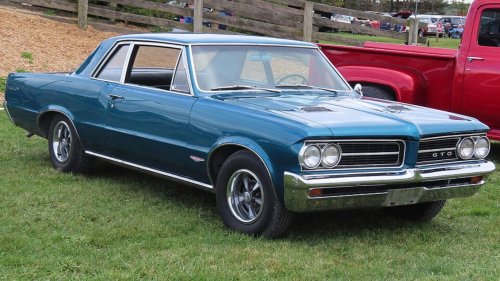
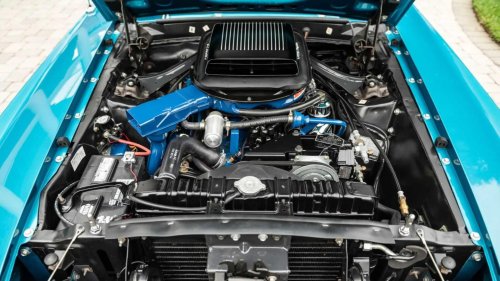
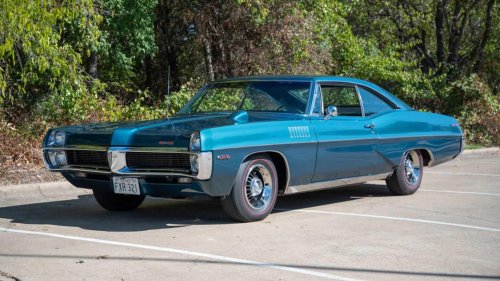
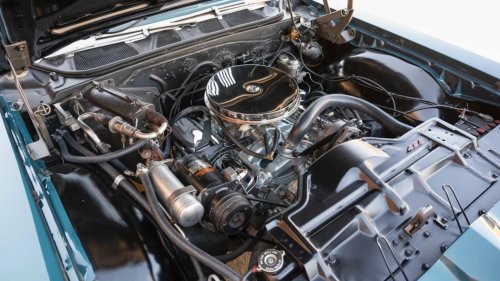
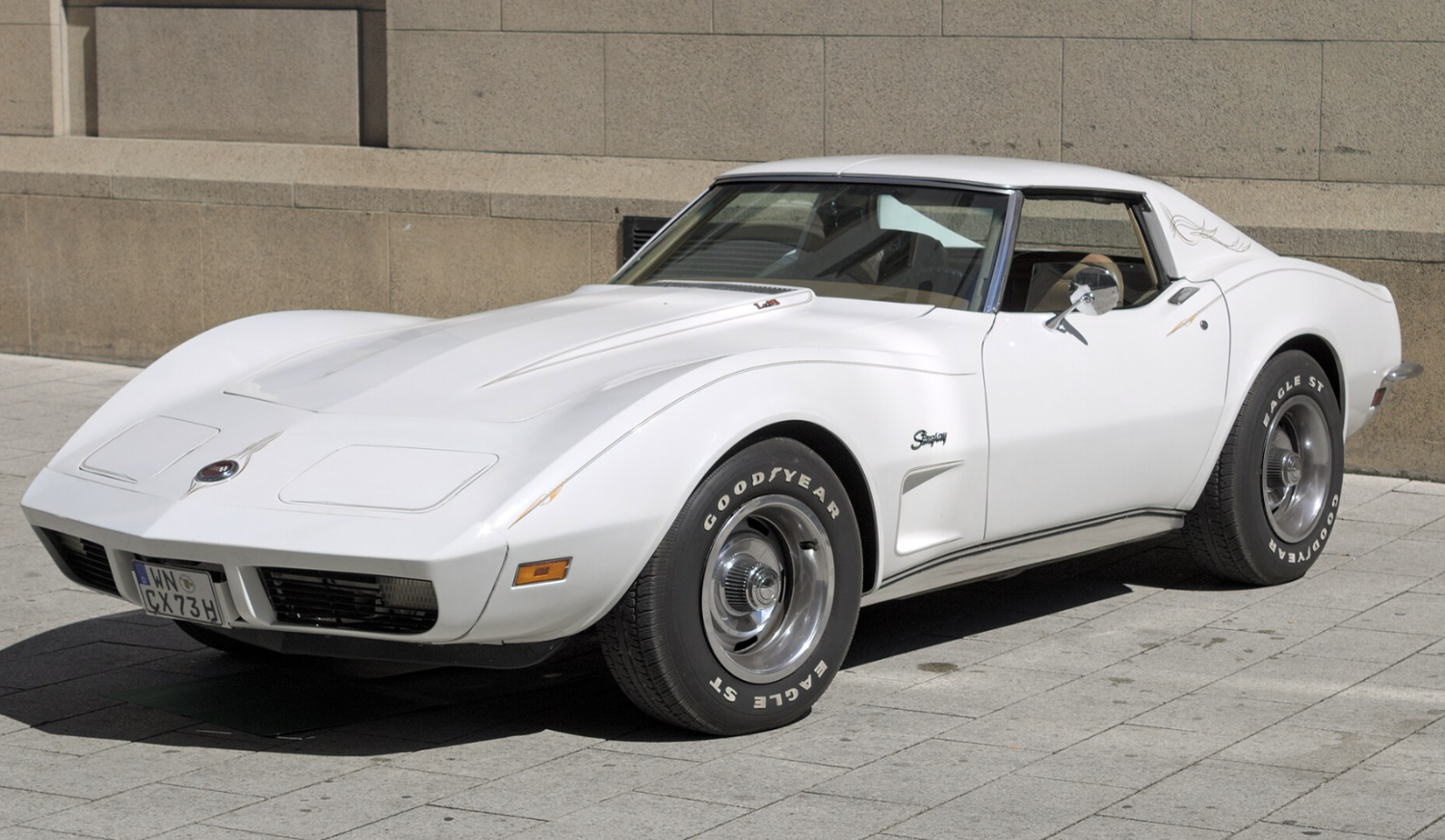
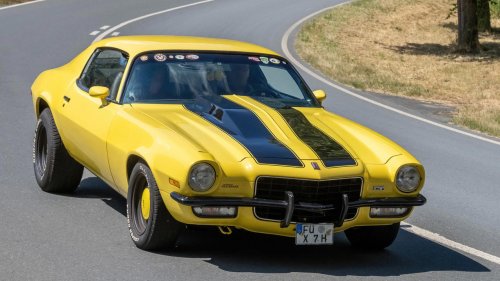
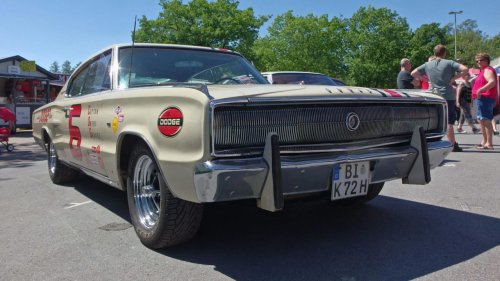
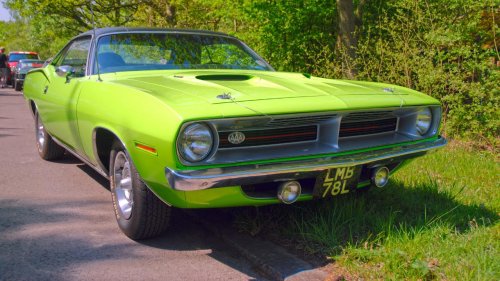
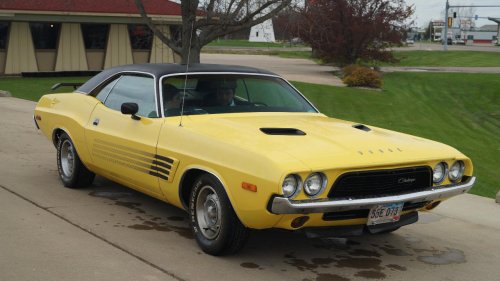
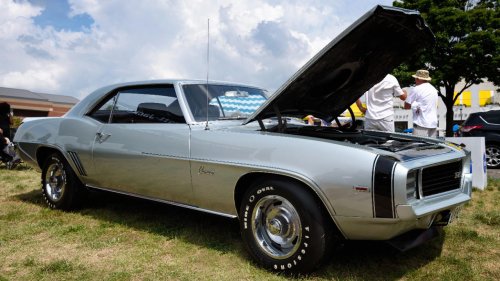
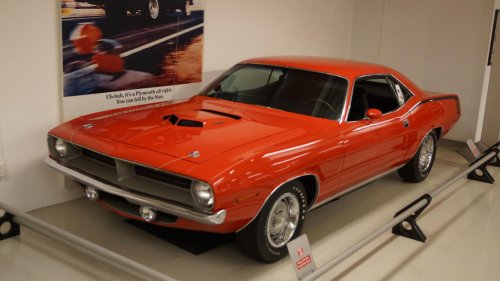
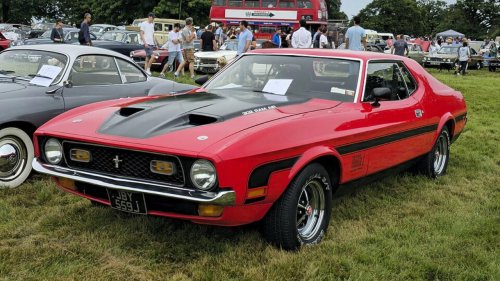
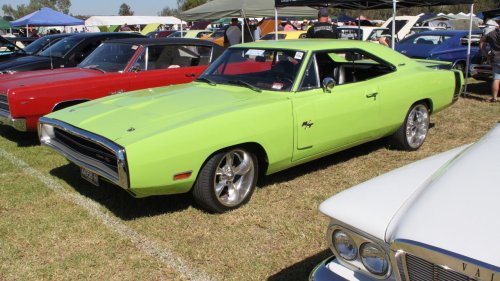
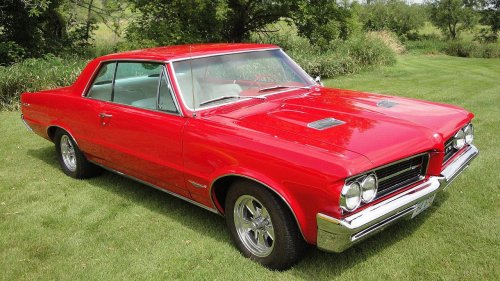
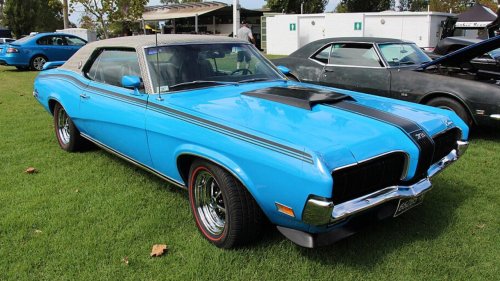
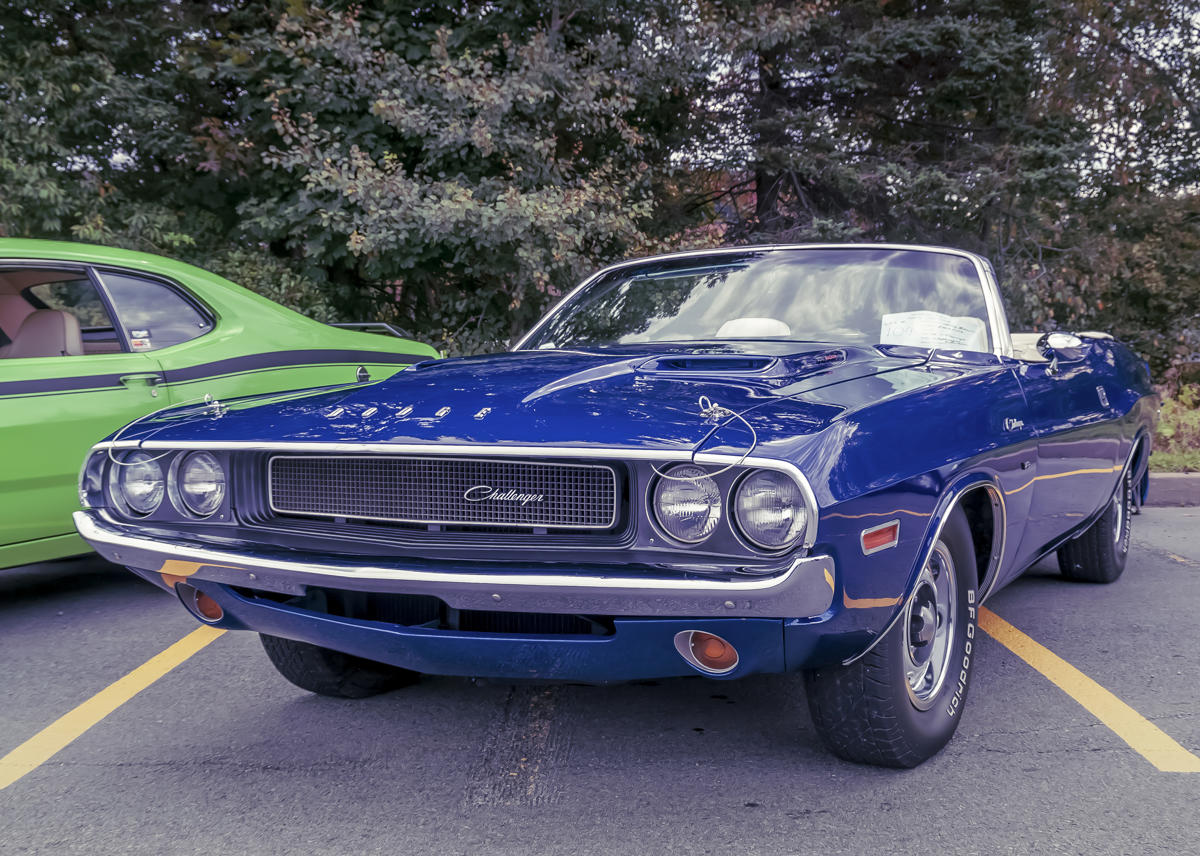
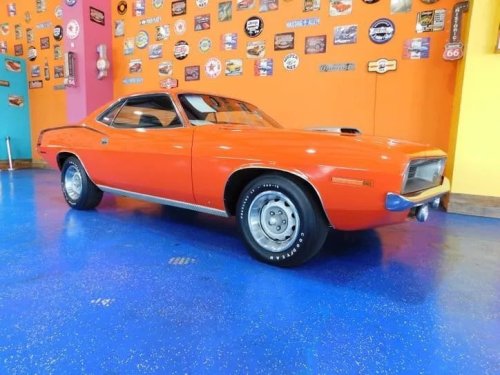
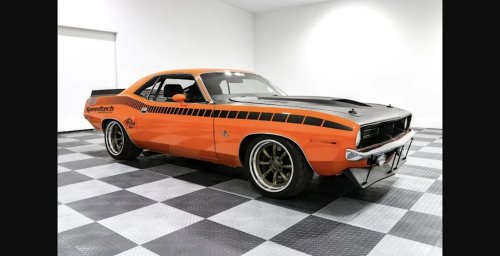
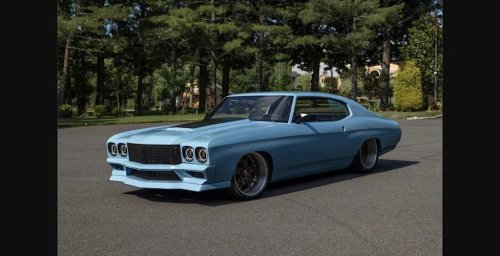
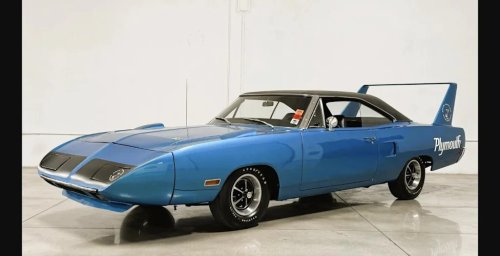
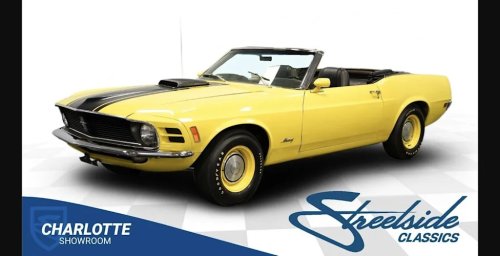
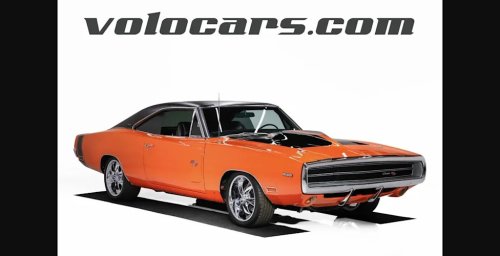
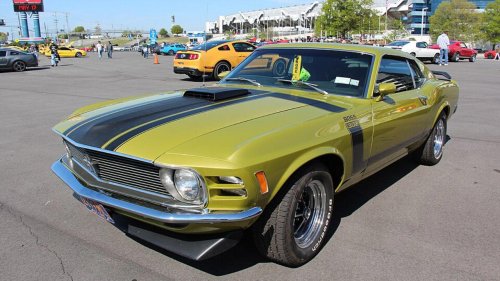
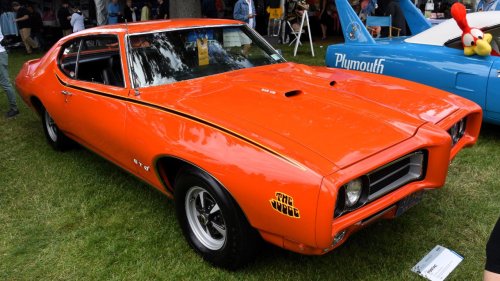
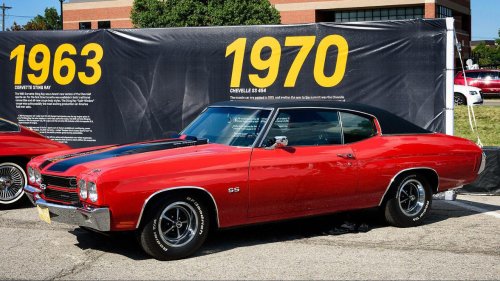
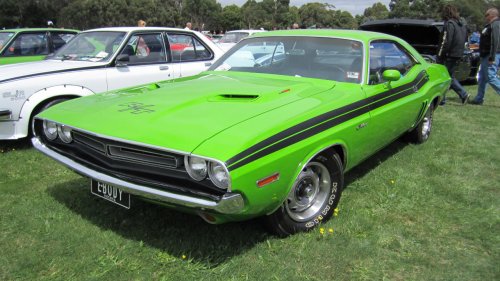
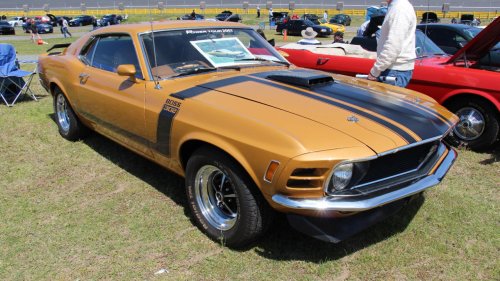
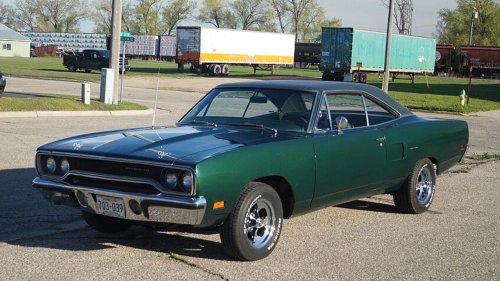
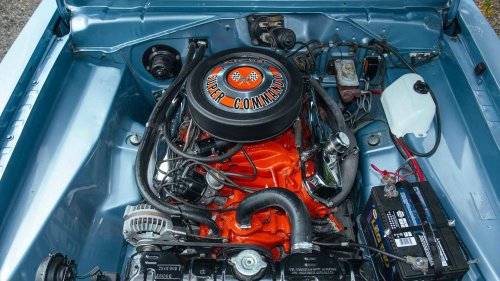
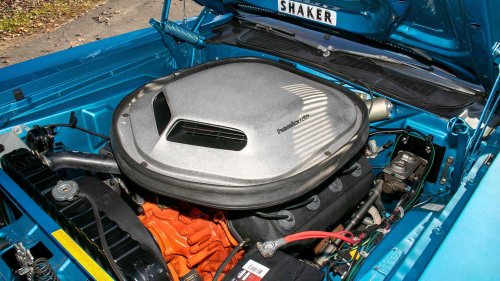
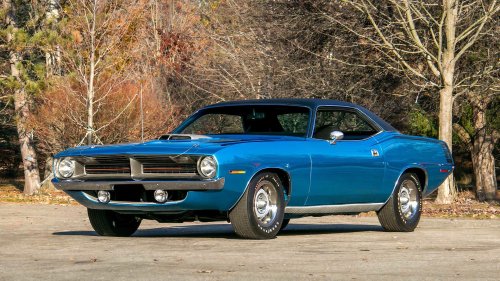
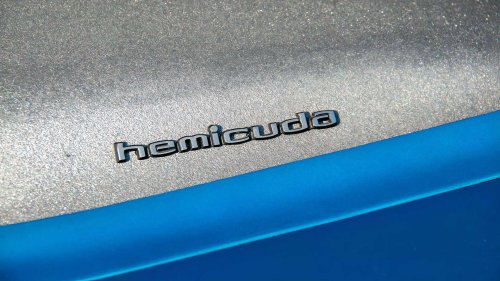
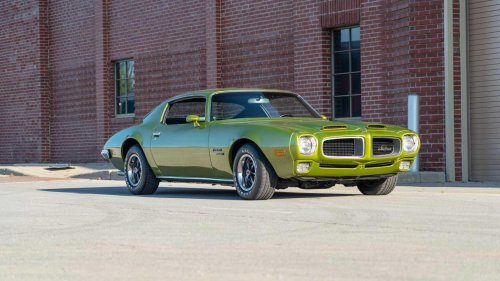
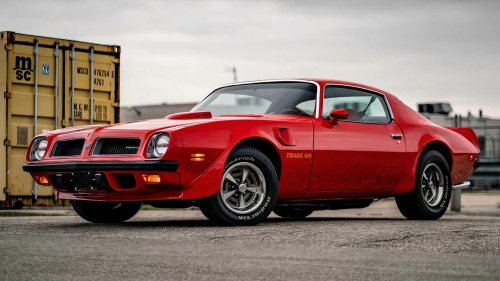
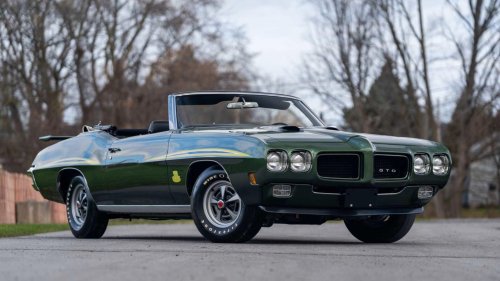
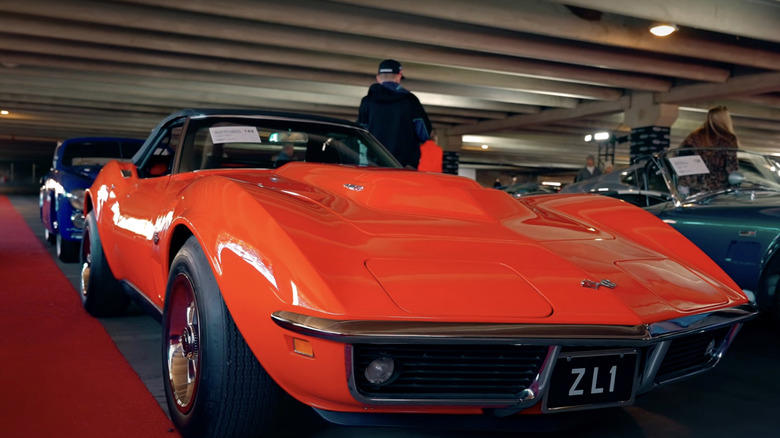
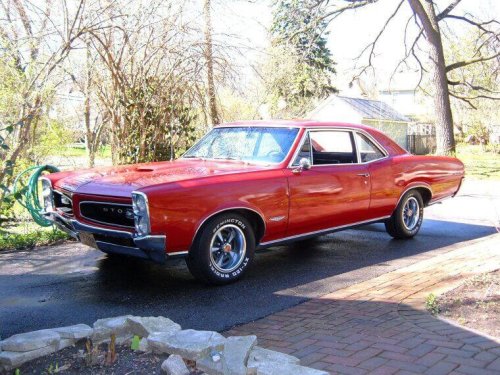
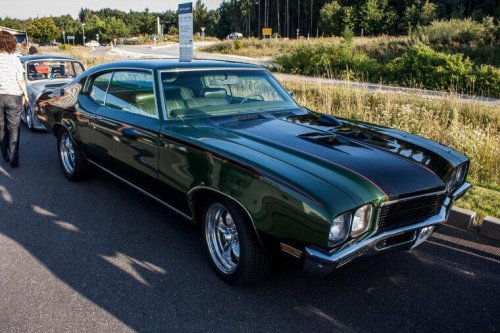
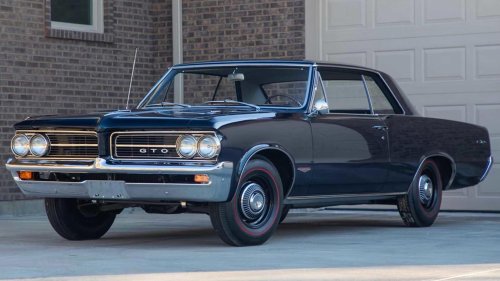
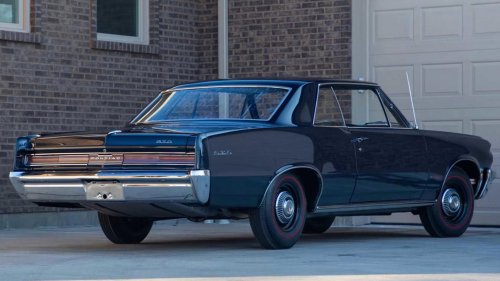
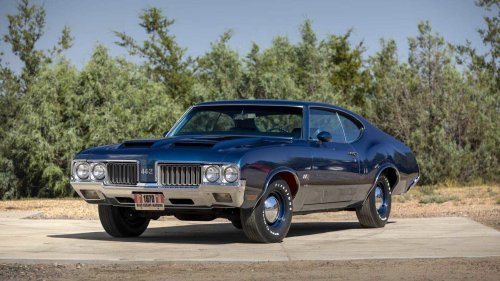
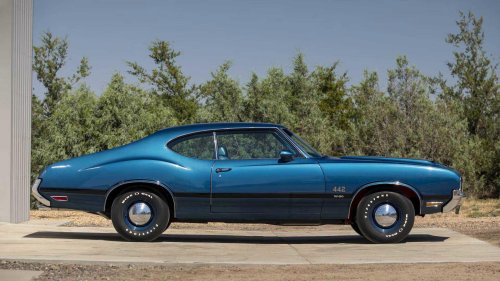
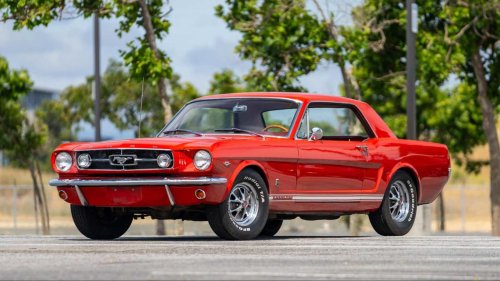
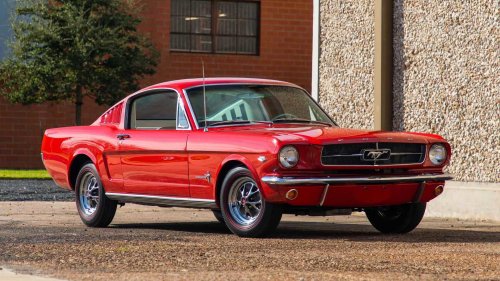
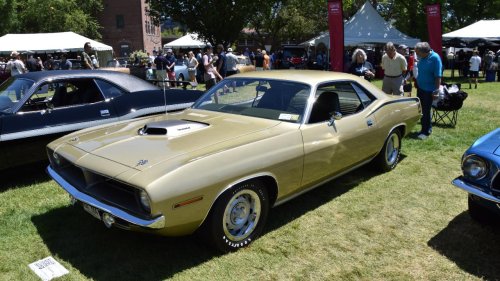
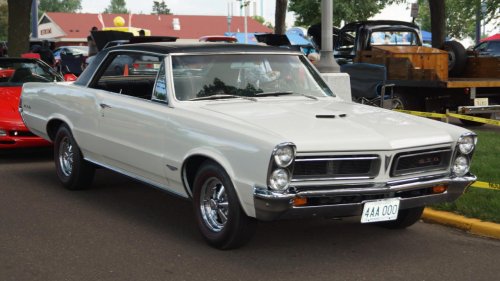
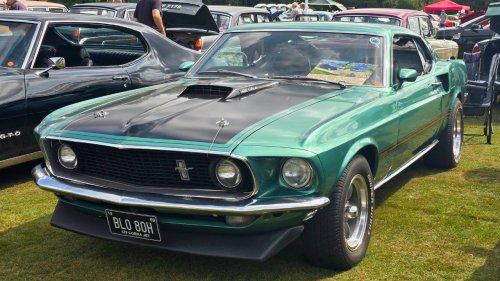
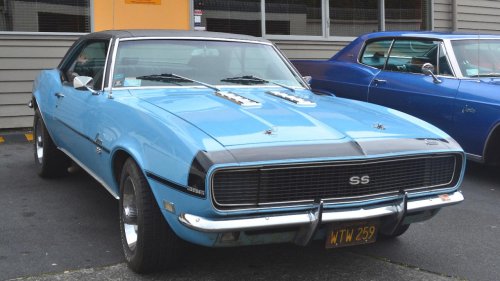
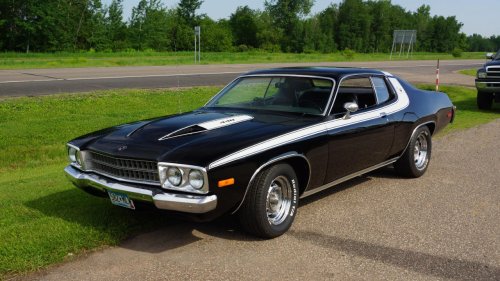
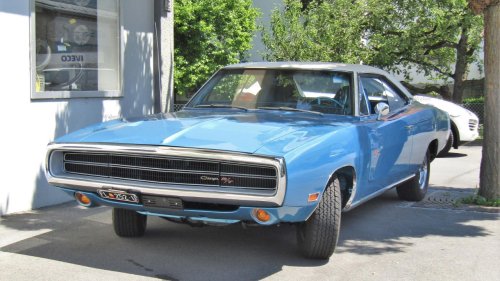
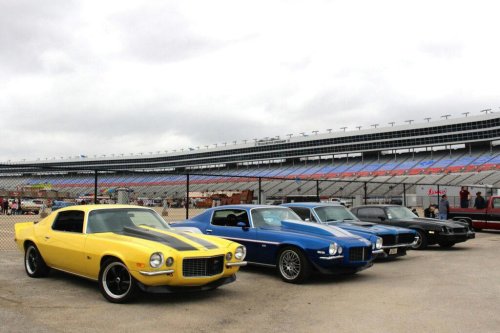
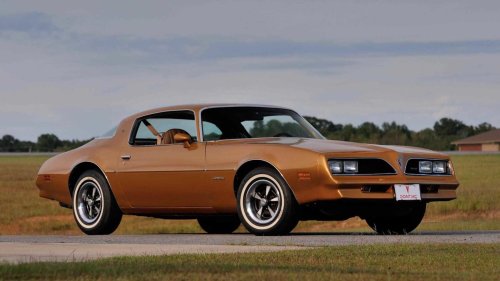
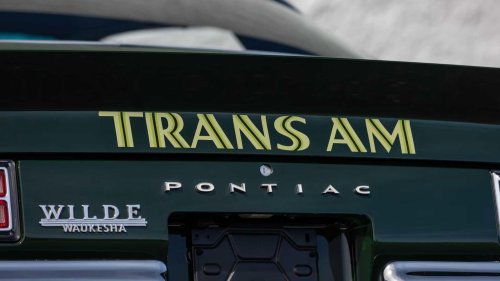
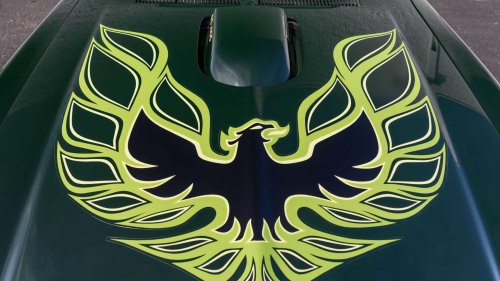
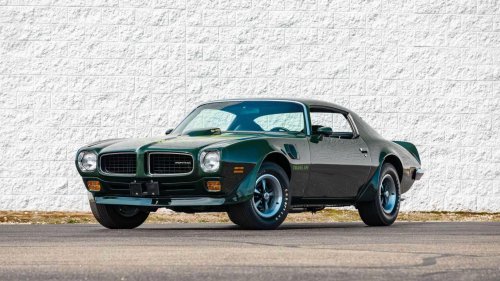
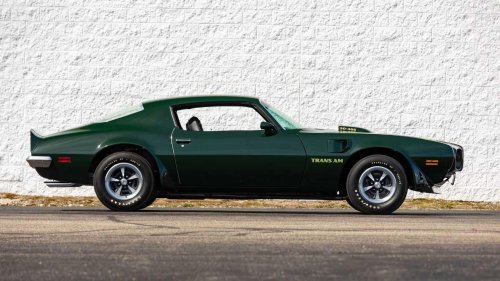
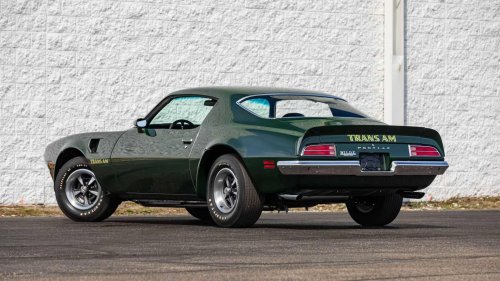
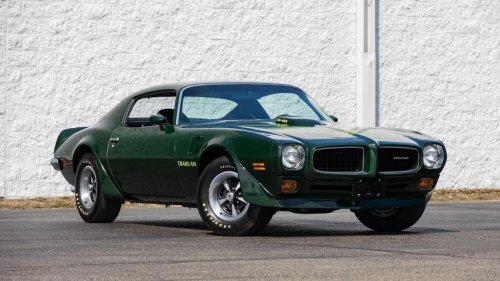
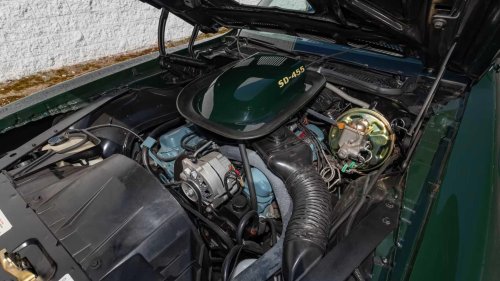
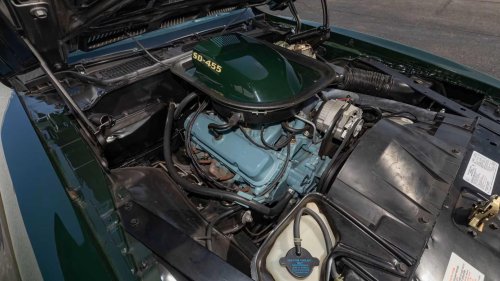
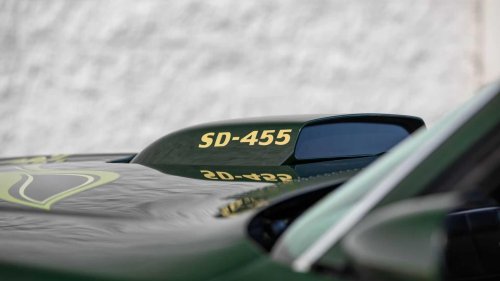
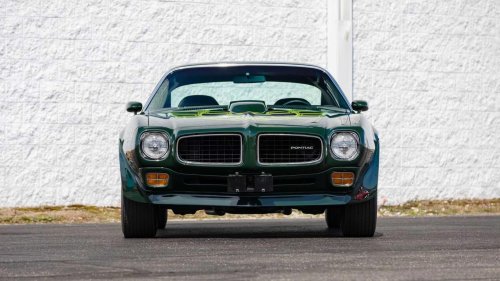
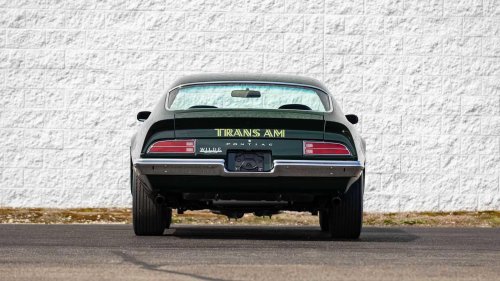
1970 marked the absolute zenith of the muscle car era, birthing legendary names like the Chevelle SS 454 LS6, Buick Gran Sport 455 Stage 1, and the insane Plymouth Hemi 'Cuda. Unfortunately, the horsepower wars that led to these legendary muscle cars also attracted attention from all the wrong places, particularly from insurance companies and environmental agencies.Compression ratios started tumbling after 1970, and so did power figures. Soon after, most muscle cars lost their edge and were shadows of their former selves. Things got even worse in 1973 when the first oil crisis hit. From that point, fuel economy became the main priority as performance took a back seat.Despite the challenging regulations in 1973, one Detroit automaker still had the courage to build an all-out performance car. Equipped with a race-spec powerhouse, this Pontiac stood as a middle finger to the Malaise Era, proving that even when the party is over, you can still go out swinging. How the 1970s Choked the Muscle-Car Formula MecumIn the 1960s, American engineers had free rein to create some of the wildest machines without worrying about efficiency and safety. The GTO's arrival in 1964 kicked off the muscle car craze. Not too long after, every Detroit manufacturer churned out a muscle-bound model to face off with the rest.Then the 1970s came. Insurance companies started raising premiums on muscle cars as they felt they were getting too powerful for their own good. Compression ratios fell to allow engines to run on unleaded fuel. In 1973, the oil crisis arrived and served as the final nail in the coffin for the muscle era.Via Mecum AuctionsMost Detroit automakers had no option but to fall in line, but Pontiac wasn't done yet. While most cross-town rivals were detuning, the Pontiac engineering team went rogue and created a mechanical outlaw that proved that performance was still achievable despite the grim state of the industry. The 1973–1974 Trans Am SD-455 Was Pontiac's Last Stand MecumThe rebel we're talking about is the Pontiac Trans Am Super Duty, which was only offered in 1973 and 1974. 'Super Duty' refers to the race-spec engine under the hood. The SD-455, as it became known, was the brain child of Pontiac's Special Projects division, the same crew behind its experimental racing developments of the early '60s.Pontiac initially wanted to offer the SD-455 across its entire mid-to-high performance lineup, but a combination of federal emission failures, high-level corporate intervention, and production delays forced it to limit it to just the Firebird Formula and Trans Am. With an output of 290 Net horsepower and 395 lb-ft of torque, SD-455-equipped Firebirds offered power levels no one else in Detroit could touch at the time for an additional fee of about $550. It Nearly Never Made Production MecumThe Trans Am Super Duty is often called the 'miracle muscle car' because it survived a series of internal and external death sentences. For starters, the Firebird itself almost didn't make it to the 1973 model year, with the long-running UAW strike halting operations at the Norwood Assembly plant. The SD-455 project also faced opposition from Pontiac's Vice President and General Manager, who viewed it as a liability. Furthermore, Pontiac had to redesign the engine's EGR system, which delayed production for months.Thankfully, the SD-455 project was saved by technicalities. Pontiac had already purchased thousands of specialized racing parts for the engine, and scrapping them would result in significant losses. It also listed the SD-455 as a variant of the existing 455, which allowed it to bypass the rigorous 50,000-mile emissions test required for new engine designs. The Last Muscle Car That Could Still Back It Up Via Mecum AuctionsBy 1973, most muscle cars had seen a significant drop in performance. The Trans Am Super Duty was the only American car that still delivered numbers comparable to the peak of the muscle car era.Period tests had the 1973 Trans Am SD-455 running the quarter-mile in 13.75 seconds at 103.56 mph, putting it far ahead of its rivals. The 1973 versions of the Camaro Z/28, Pontiac GTO, and Mustang Mach 1 all ran high 14s, while the 1973 Plymouth 'Cuda cut a 15.16-second pass. No one could touch the Trans Am Super Duty. 1973 vs. 1974: Which SD-455 Is the One To Have? Via Mecum Auctions The SD-455 was offered in the Firebird Trans Am in the 1973 and 1974 model years. While the engine stayed the same, they represent two different chapters of the muscle car's final act. The 1973 model is the purist's choice, loved for retaining the early second-gen Firebird styling features such as the Endura nose, recessed headlights, and the first appearance of the 'screaming chicken' hood decal. Due to the delayed production, only 252 units were built in 1973, which makes them more desirable for collectors than the 943 units built in 1974.The 1974 SD-455 had several changes that made it less desirable, starting with the 'shovelnose' front end design and the rubber rear bumpers that replaced the flashier chrome units on the 1973 model. The bigger issue is the weight. The 1974 Trans Am SD-455 gained federally mandated safety features that reduced its power-to-weight ratio. Under the Hood of the SD-455 Via Mecum AuctionsThe story of the SD-455 actually starts a few years before 1973, when Herb Adams was running the Pontiac Special Projects division. The team took the largest engine available at the time, the 455 V8, and put everything they could into it to create a performance mill that could be street-driven and converted for all-out racing if needed, resulting in the legendary SD variant.The SD-455 wasn't just a modified production engine; it was a street-legal race piece. It featured a reinforced block with significantly beefier casting. Four-bolt main bearings and extra-thick webbing in the lifter valley. It had forged steel connecting rods and aluminum pistons, oversized valves, round-port cylinder heads based on those used in the legendary Ram Air IV, and provisions for a dry-sump oiling system.Via Mecum AuctionsIt's said that these platforms could handle 600+ horsepower safely because of the racing hardware. Backed by a three-speed Turbo Hydra-Matic 400 automatic or a four-speed manual (Muncie M21), these cars were downright unkillable. Why the Horsepower Rating Didn't Tell the Whole Story Via Mecum Auctions290 horsepower doesn't sound like a lot for a muscle car, but it's important to remember that Detroit switched to SAE Net ratings in 1972. Under the old Gross standards, the SD-455's 290 horsepower (Net) would have easily cleared 370–380 horsepower. The SD-455 was engineered to produce a lot more power, but Pontiac was forced to choke it with a mild camshaft and a restrictive exhaust.While Pontiac engineers originally wanted the SD-455 engine to be a key piece of its performance puzzle throughout the '70s, tightening emissions rules and the arrival of catalytic-converter-era in 1975 effectively ended the SD-455 program. In the end, only 1,195 Trans Ams were equipped with the engine. 101 Formulas also received the SD-455, but that's a story for another day. Why the SD-455 Trans Am Is So Valuable Today Via Mecum AuctionsThe SD-455 Trans Am is one of the most valuable muscle cars. Its value stems from a perfect storm of extreme rarity, racing-spec engineering, and its status as the final performance peak before the Malaise Era took hold. However, collectors need to be aware of the value differences between the 1973 and 1974 models.The average price for a 1973 Trans Am SD-455 in good condition is around $112,000, while a similar 1974 model is a lot more attainable at $60,800. Cars equipped with the four-speed manual (72 in 1973 and 212 in 1974) command a premium as they're rarer. Highly original and perfectly restored cars with proper documentation are firmly in blue-chip territory, such as a Brewster Green 1973 example that sold for a whopping $286,000 at a 2024 auction.Via Mecum Auctions Despite its short reign and scant production numbers, the SD-455 had a lasting impact on American car culture, cementing the Trans Am's reputation as the top-tier American performance car. It became the benchmark for collectors, and because it was the final car to offer a factory-installed, race-prepared engine in the '70s, it gained a holy grail status that remains today.



















 +12 others