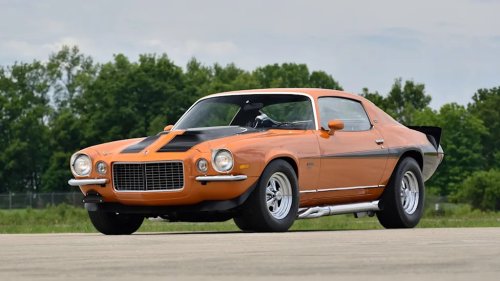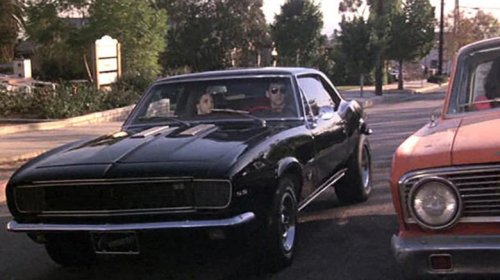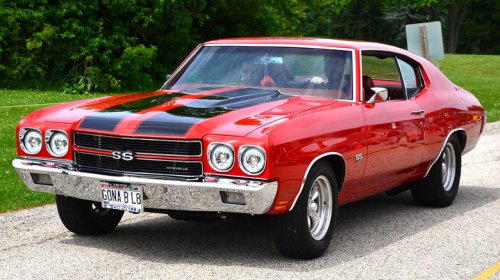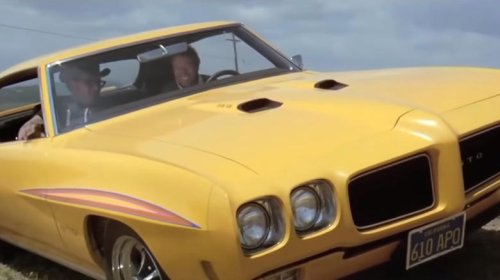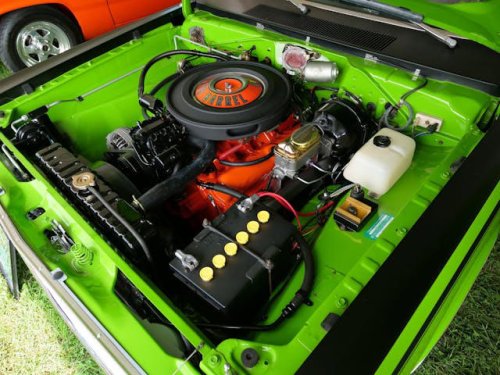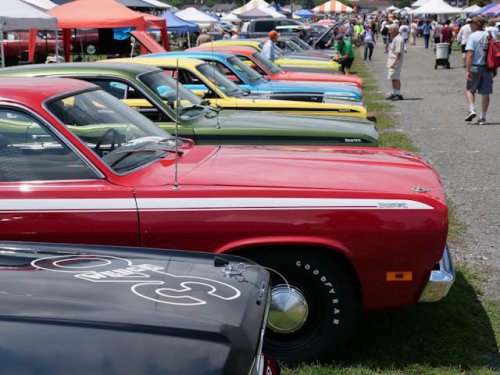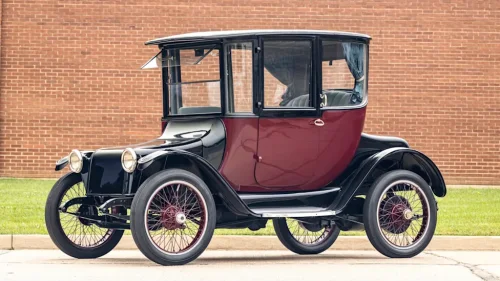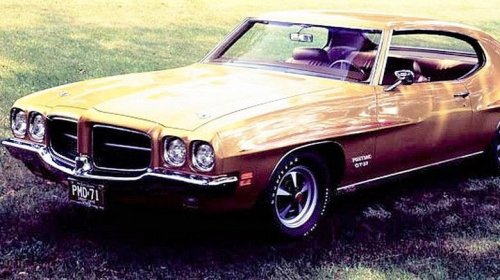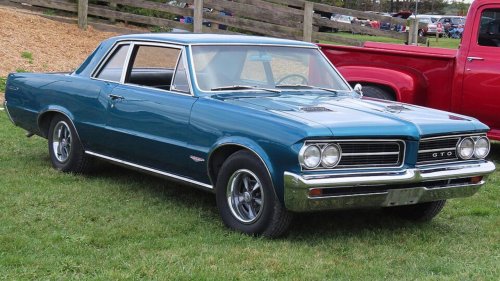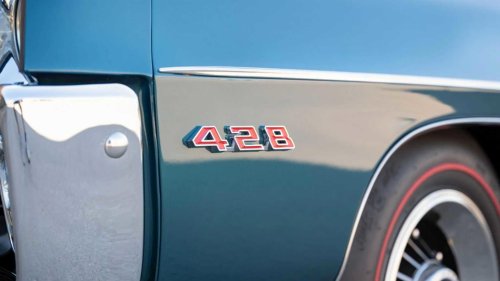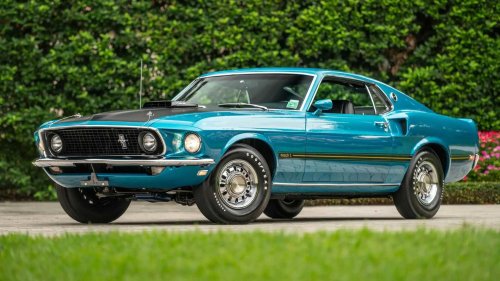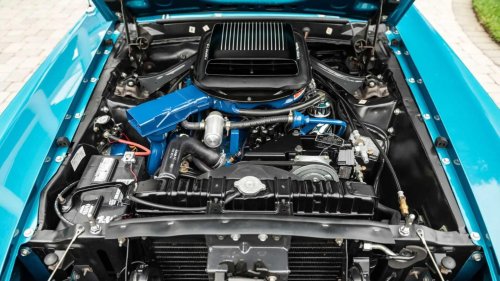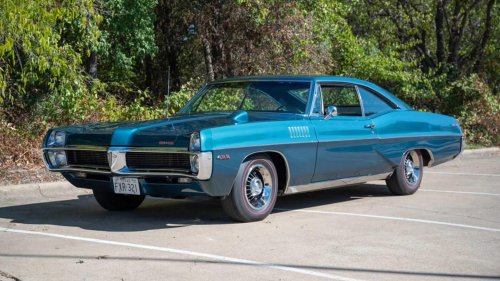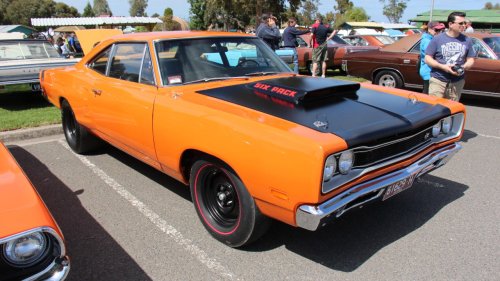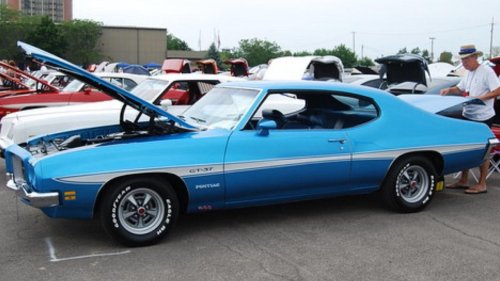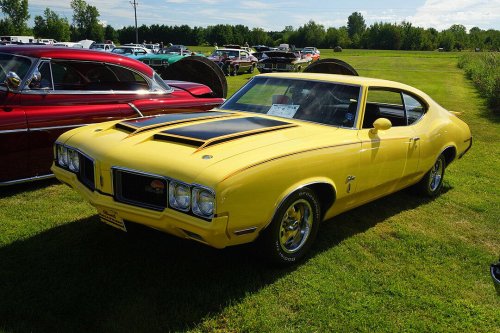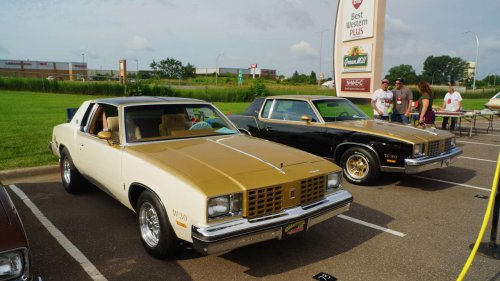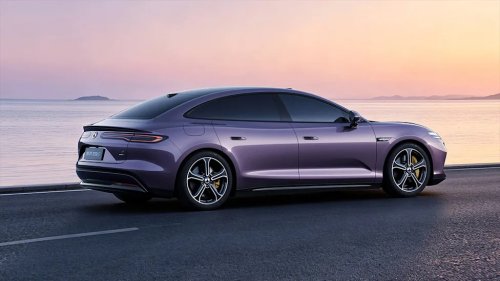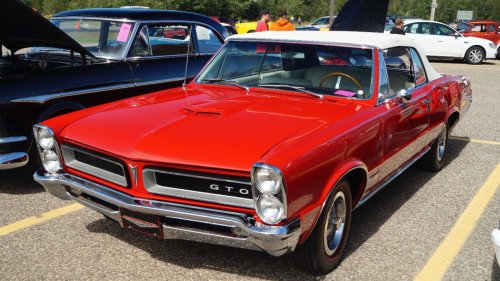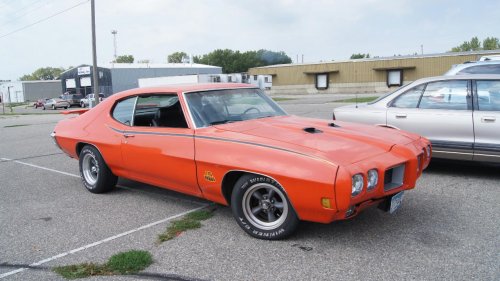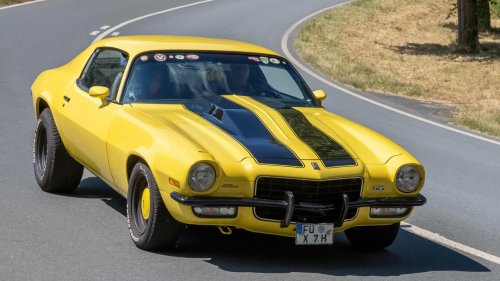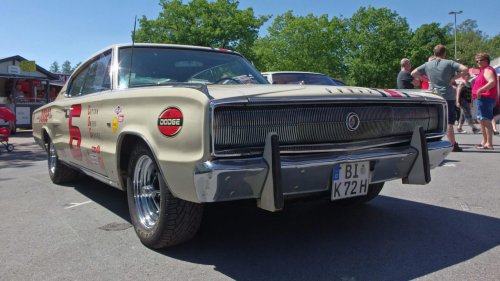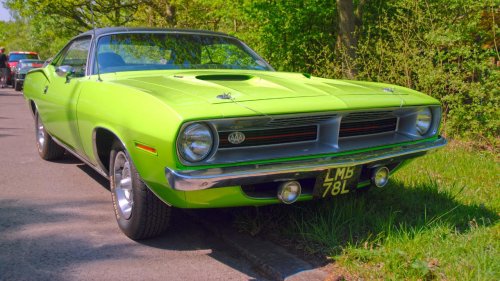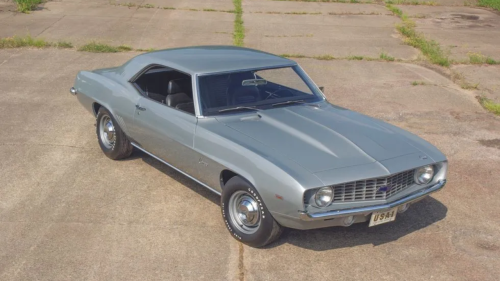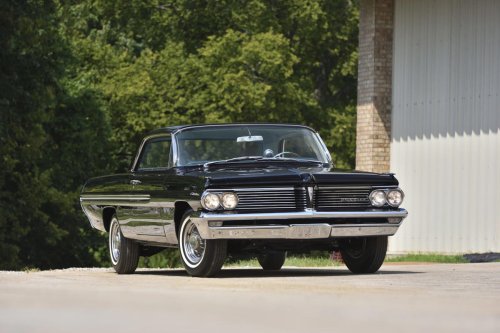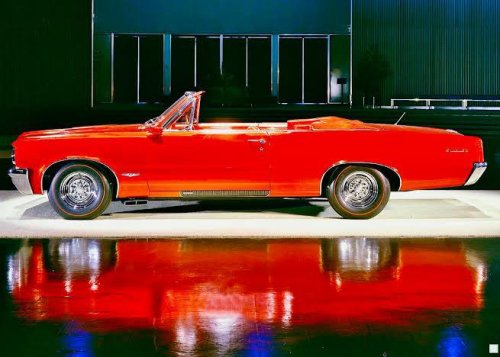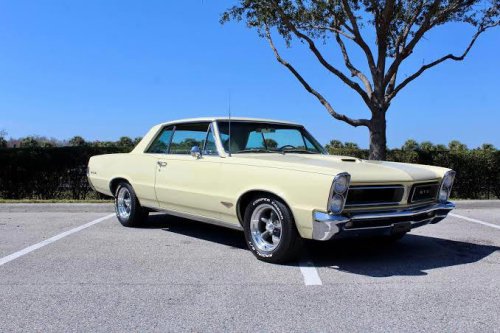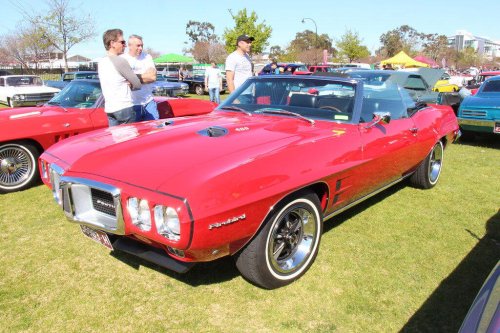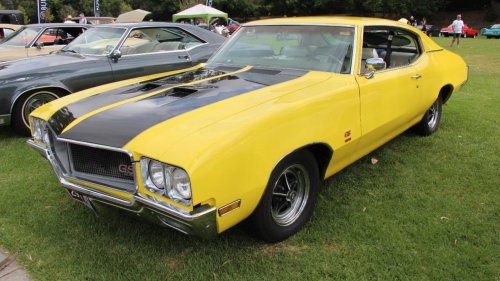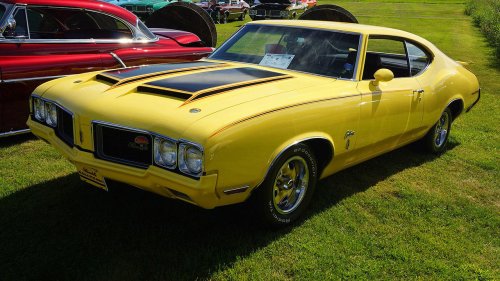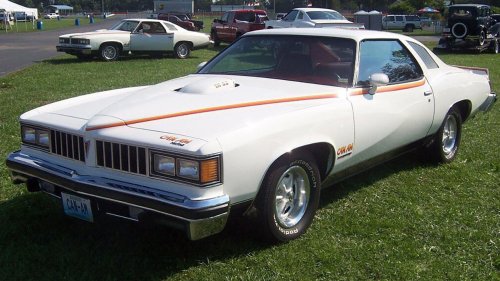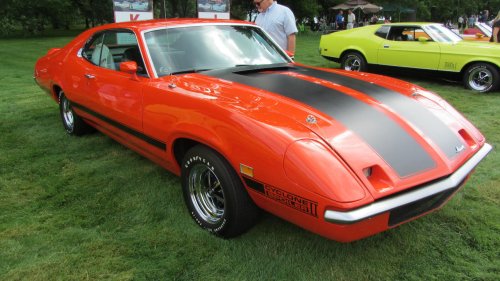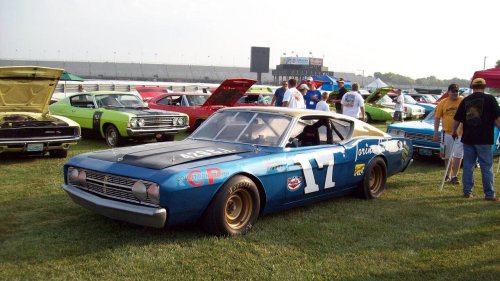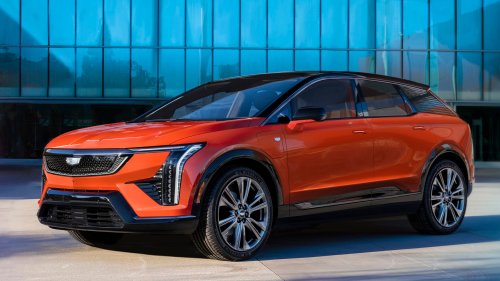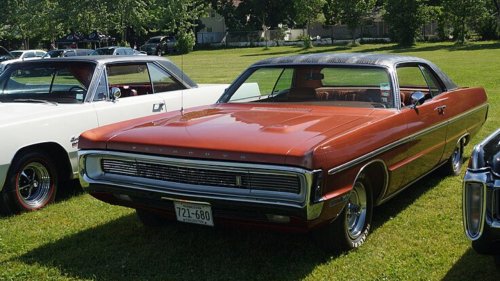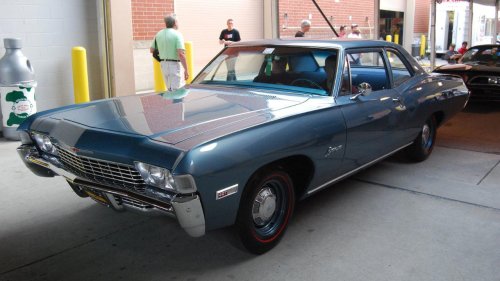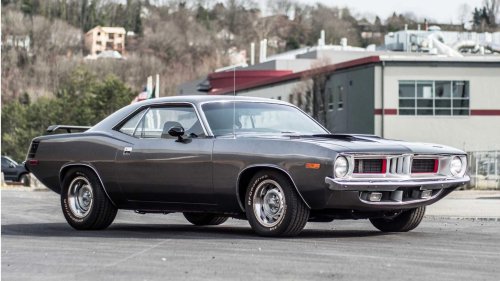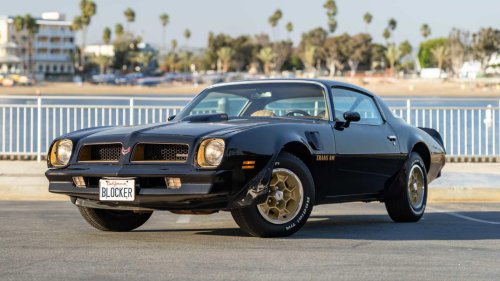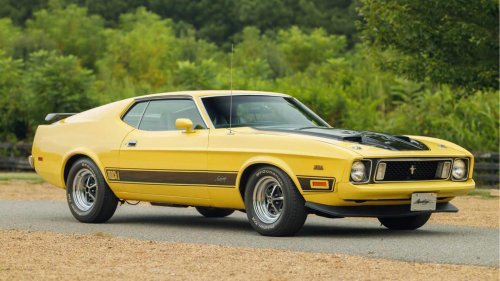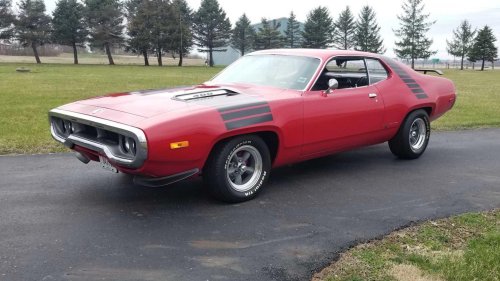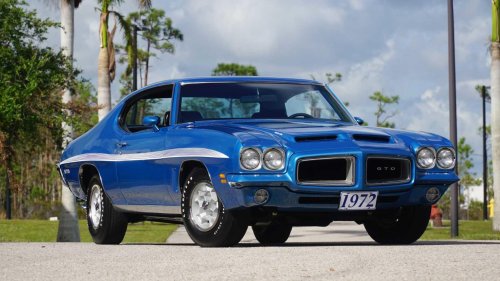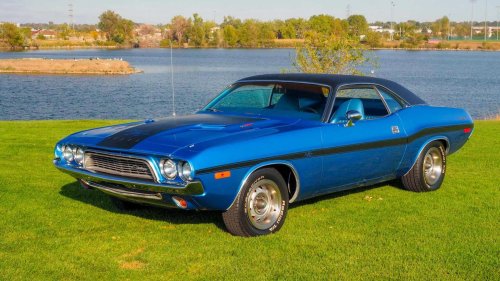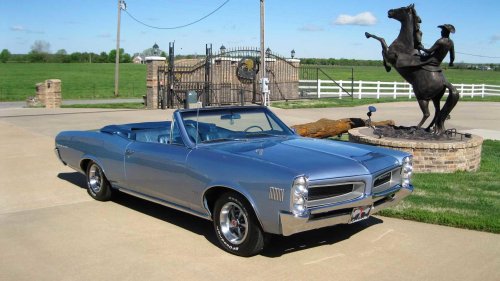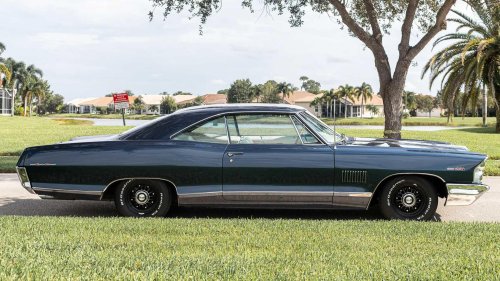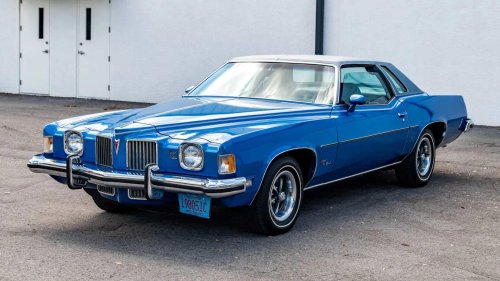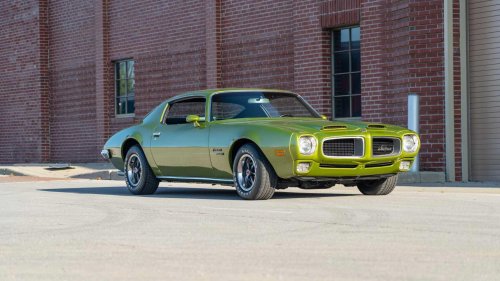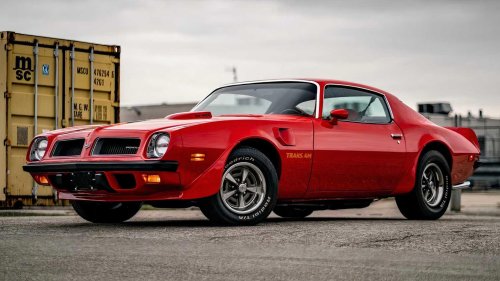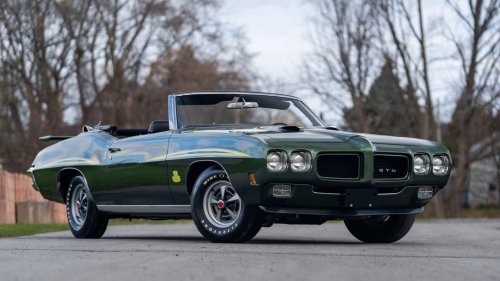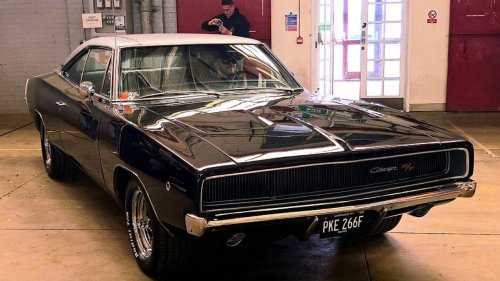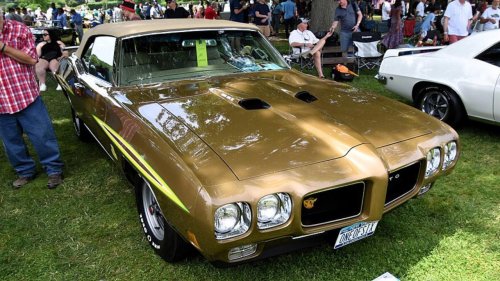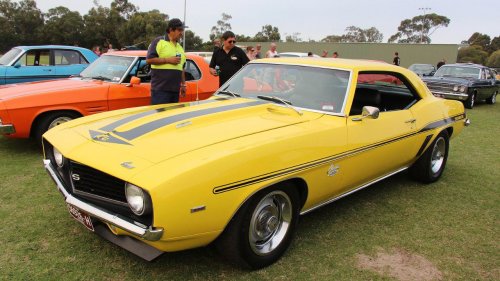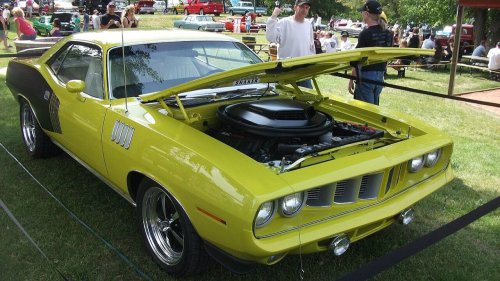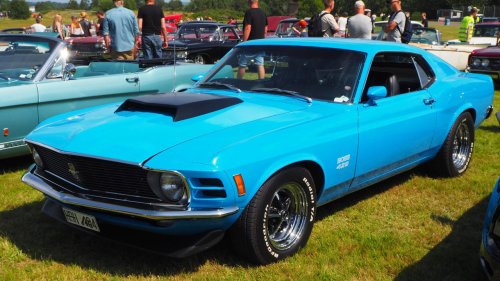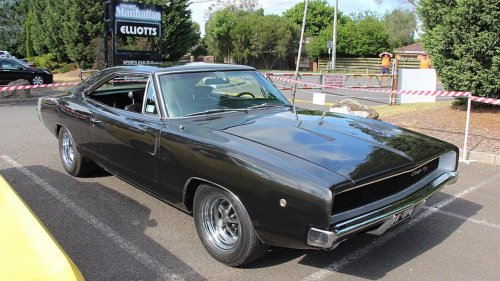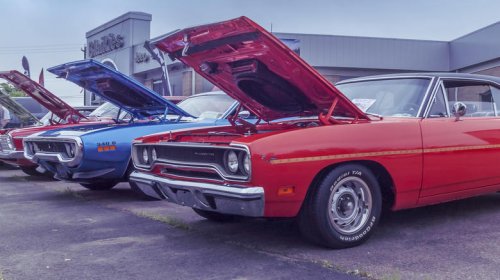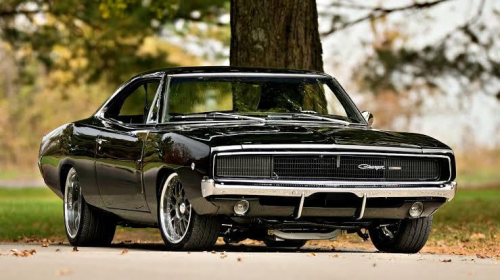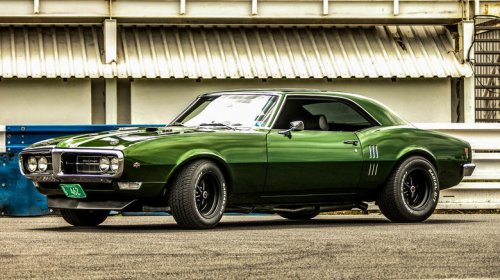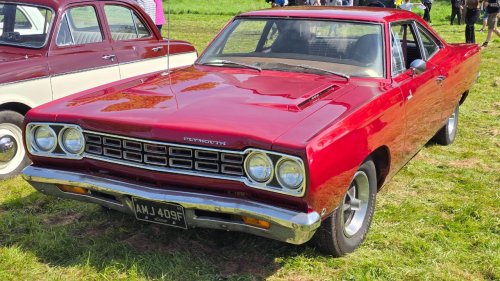
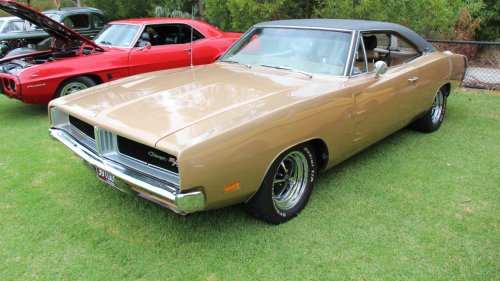
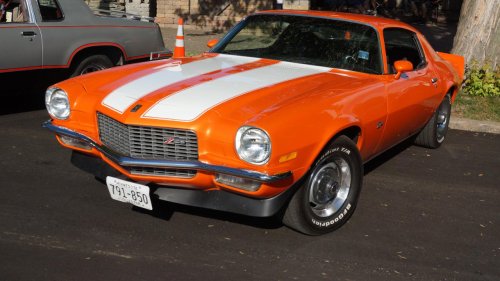
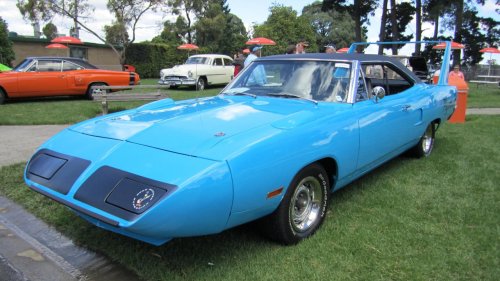
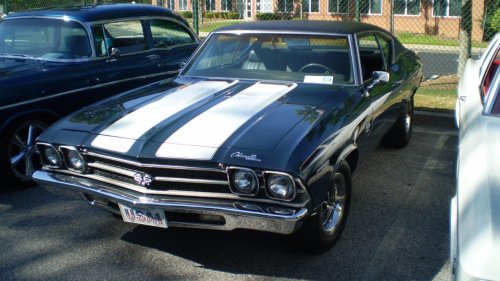
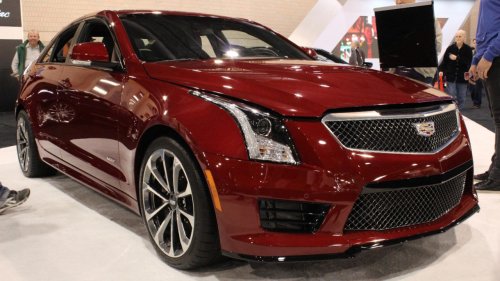



















You feel the pull of Detroit muscle every time a big V8 rumbles past, and you want to know which legends truly define the scene. These eight iconic Detroit muscle cars give you a clear roadmap, from the earliest street bruisers to modern machines that keep the tradition alive. As you move through them, you see how each one shaped what you expect from American power, style, and attitude.1964 Pontiac GTOThe 1964 Pontiac GTO is where you usually start if you want to understand Detroit muscle. You see it described as the car that “stands out as the icon that started it all,” and that reputation still shapes how you talk about performance coupes. By dropping a big engine into a midsize body, you get the basic recipe you now expect from every muscle car that followed. When you look at the GTO, you are not just admiring chrome and hood scoops. You are seeing the moment Detroit realized you wanted affordable speed that felt like a race car on the street. That mix of accessibility and attitude still guides how you judge every later V8, which is why the GTO remains a must know if you care about muscle history.1968 Plymouth Road RunnerThe 1968 Plymouth Road Runner shows you how Detroit could strip a car down to pure fun. In the Contents of that classic list, the Plymouth Road Runner sits alongside heavy hitters like Plymouth Superbird, Dodge Charger and Chevrolet Camaro, which tells you how seriously collectors still take it. You get a no nonsense body, simple interior, and a big block engine that puts power ahead of luxury. When you choose a Road Runner, you buy into the idea that muscle cars should be loud, honest, and relatively affordable. The fact that the same source highlights the 1971 Plymouth Superbird 440 underlines how important that 440 cubic inch powertrain became. You feel that heritage every time you hear a Road Runner’s exhaust crackle at a local cruise night.1969 Dodge Charger R/T 440The 1969 Dodge Charger R/T 440 gives you one of the most recognizable silhouettes in Detroit history. In the same classic lineup that features the Plymouth Road Runner, the Dodge Charger R/T 440 stands out for pairing a sleek fastback body with that legendary 440 engine. You see it again when you learn about the General Lee, the 1969 Dodge Charger that became a television star and cemented the car’s pop culture status. When you picture a long hood, hidden headlights, and a booming V8, you are often picturing this Charger. Its mix of style and brute force helps you understand why Detroit and its Big 3, including Ford and Fiat with Chrysler, still symbolize American performance. Every time you watch a Charger slide across a screen, you are seeing how deeply this car shaped your idea of muscle.1970 Chevrolet Camaro Z/28The 1970 Chevrolet Camaro Z/28 lets you experience how Detroit refined muscle into something more agile. In the same HowStuffWorks Contents that highlight the Dodge Charger and Plymouth Superbird, the Chevrolet Camaro appears as a most wanted classic, which tells you how much weight this nameplate still carries. With the Z/28, you get a high revving small block, tighter suspension, and a body that looks ready for the track. When you drive or even just study a 1970 Z/28, you see how muscle cars started to chase handling along with straight line speed. That shift influences how you evaluate later performance cars that try to balance cornering and quarter mile times. If you want to understand the full Detroit story, you need this Camaro alongside the big block bruisers.1970 Plymouth Superbird 440The 1970 Plymouth Superbird 440 shows you how wild Detroit could get when racing rules pushed engineers to extremes. Listed right after the Plymouth Road Runner in the HowStuffWorks Contents, the Plymouth Superbird 440 takes that basic platform and stretches it with a towering rear wing and wind cheating nose. You get a car built so Plymouth could dominate high speed oval tracks, yet you could still register it for the street. When you see a Superbird in person, the 440 badge on the fender reminds you that this aero experiment still relied on raw displacement. The car’s rarity and outrageous shape have turned it into a blue chip collectible, but for you as a fan, it represents the moment Detroit treated public roads like an extension of the race circuit.1969 Chevrolet Chevelle SS 396The 1969 Chevrolet Chevelle SS 396 gives you the classic muscle formula in one clean package. In discussions of icons alongside the Pontiac GTO, the Chevelle SS 396 appears as a key step in the evolution of midsize performance. You get a straightforward body, a big block 396 engine, and a stance that looks ready to launch every time you glance at it. When you compare Chevelle SS models to other Detroit legends, you see how they balanced everyday usability with serious power. That balance helps explain why American muscle cars, Born in the 1960s, exploded in popularity for drivers who wanted affordable performance. The Chevelle SS 396 lets you plug directly into that American mix of practicality and speed that still defines car culture.2016 Cadillac ATS-VThe 2016 Cadillac ATS-V proves to you that Detroit muscle did not end in the 1970s. In a ranking of the 35 greatest muscle cars, the 2016 Cadillac ATS-V appears with a Photo credit to Cadillac and a note that The Cadillac ATS is probably the most surprising entry. You get a compact luxury coupe that still channels the spirit of classic muscle through a powerful engine and rear wheel drive layout. When you look at the ATS-V, you see how modern engineering and refinement can live alongside burnouts and track days. That evolution matters because Detroit and its Big 3, GM, Ford and Fiat-Chrysler, still want to show you that American performance can compete globally. The ATS-V keeps the muscle story alive for a new generation that expects technology with its horsepower.