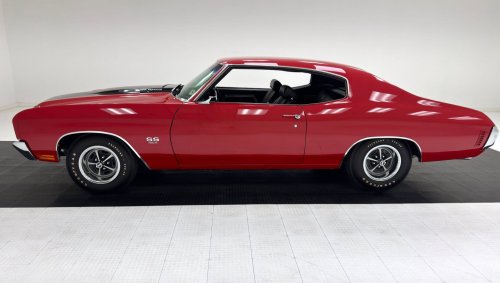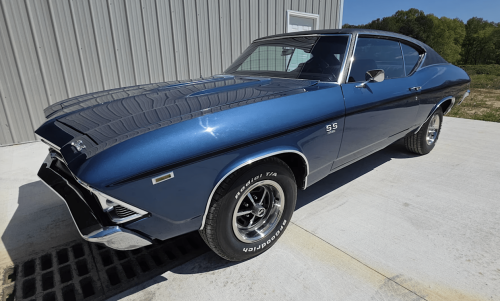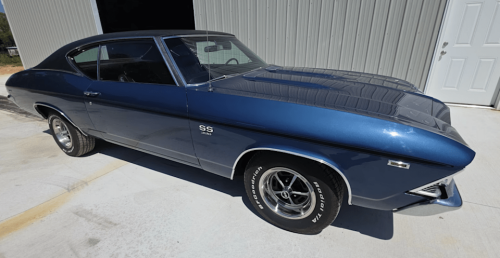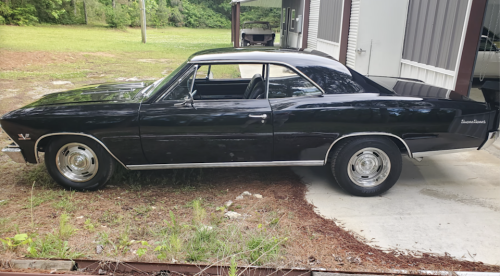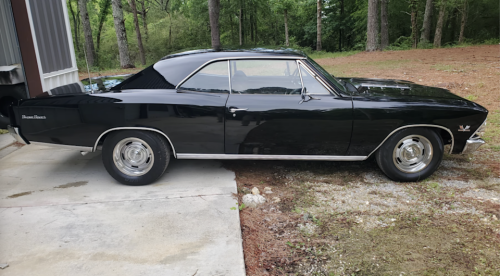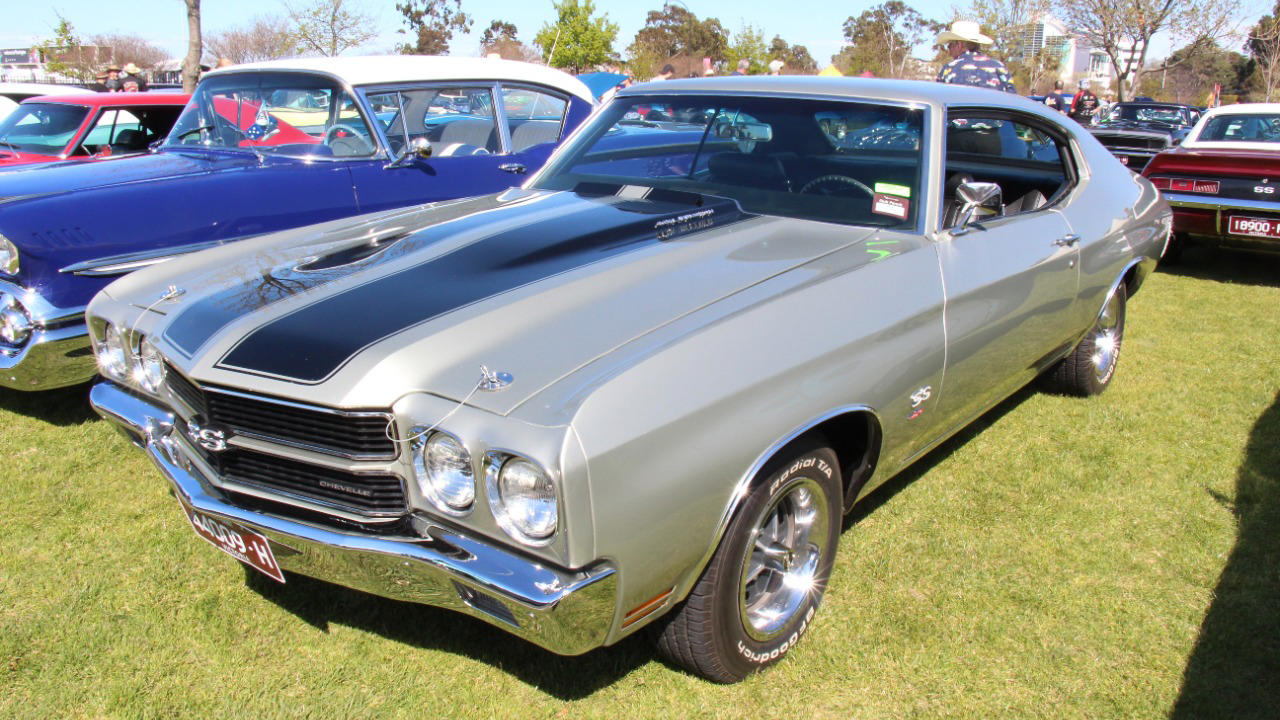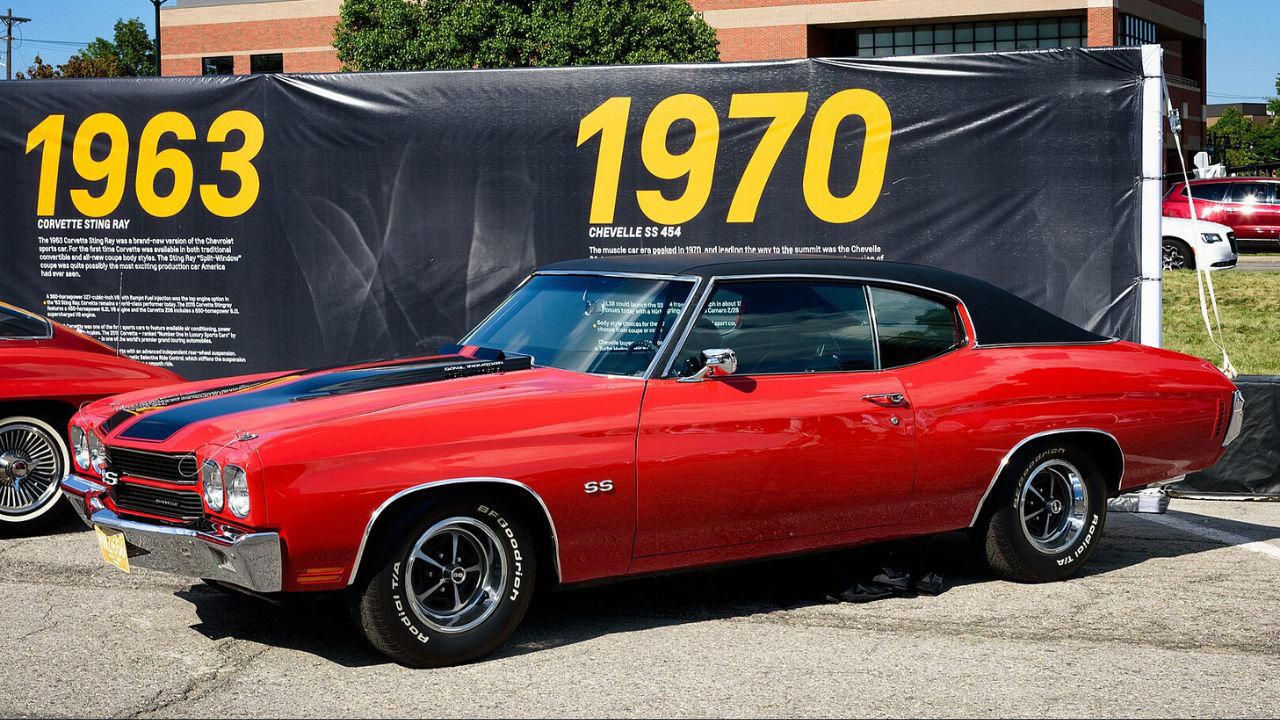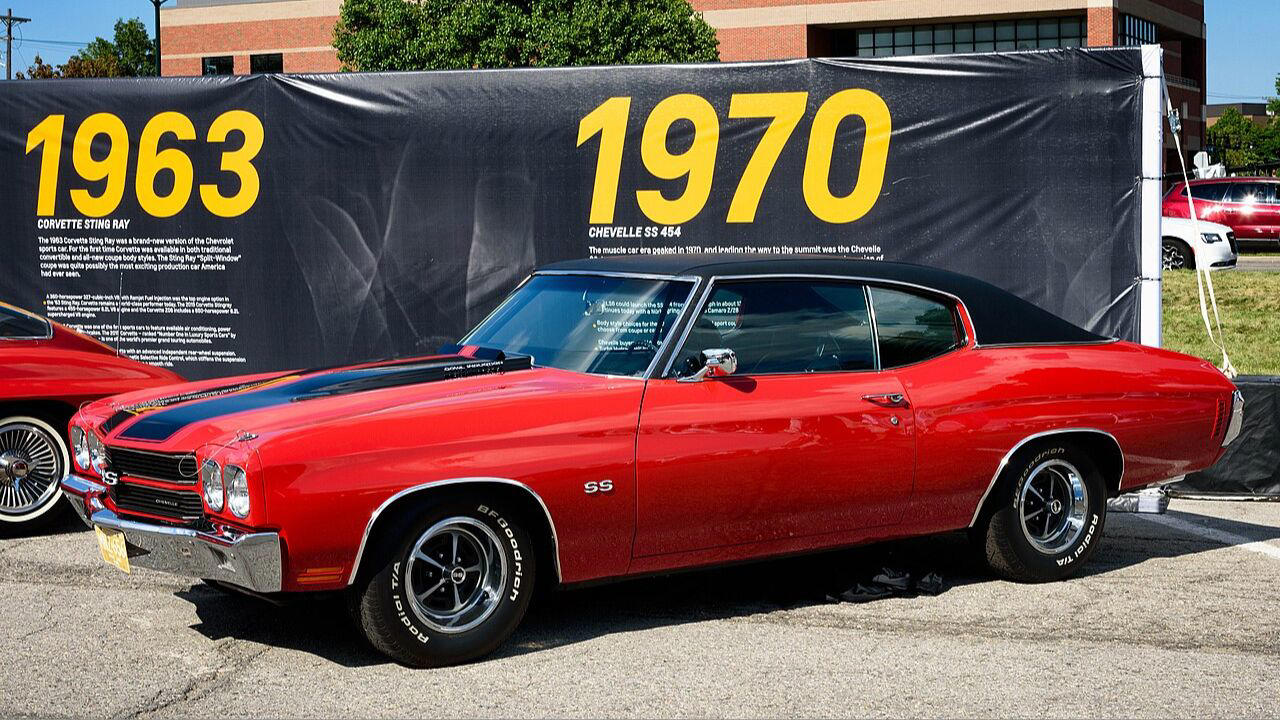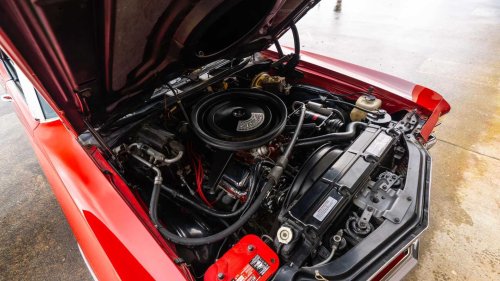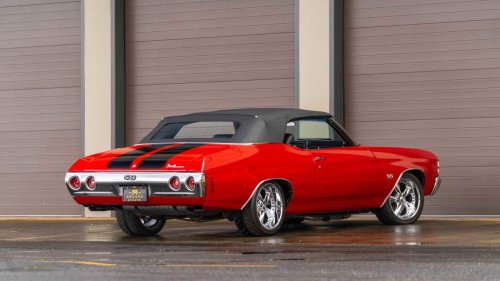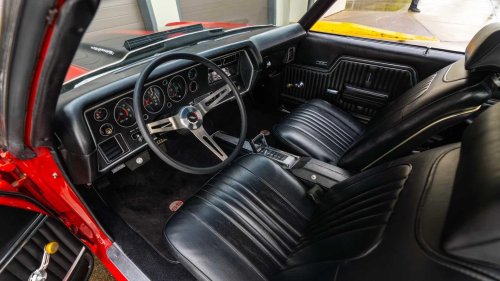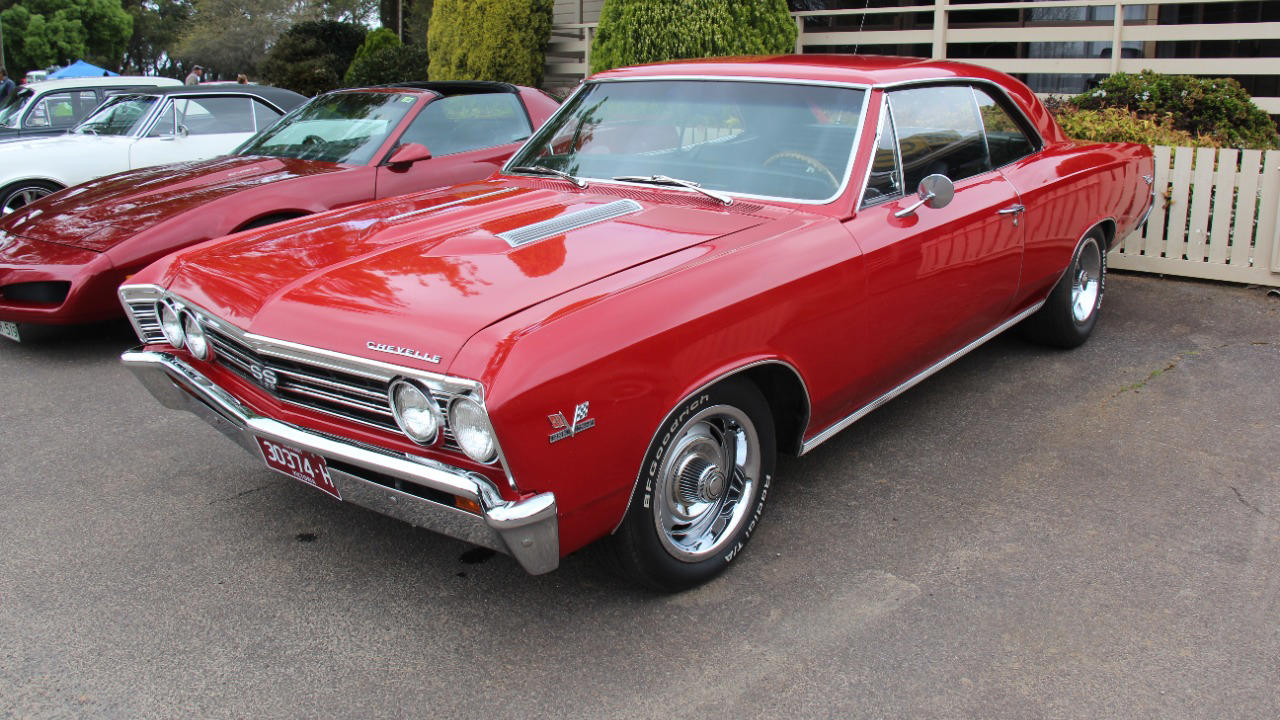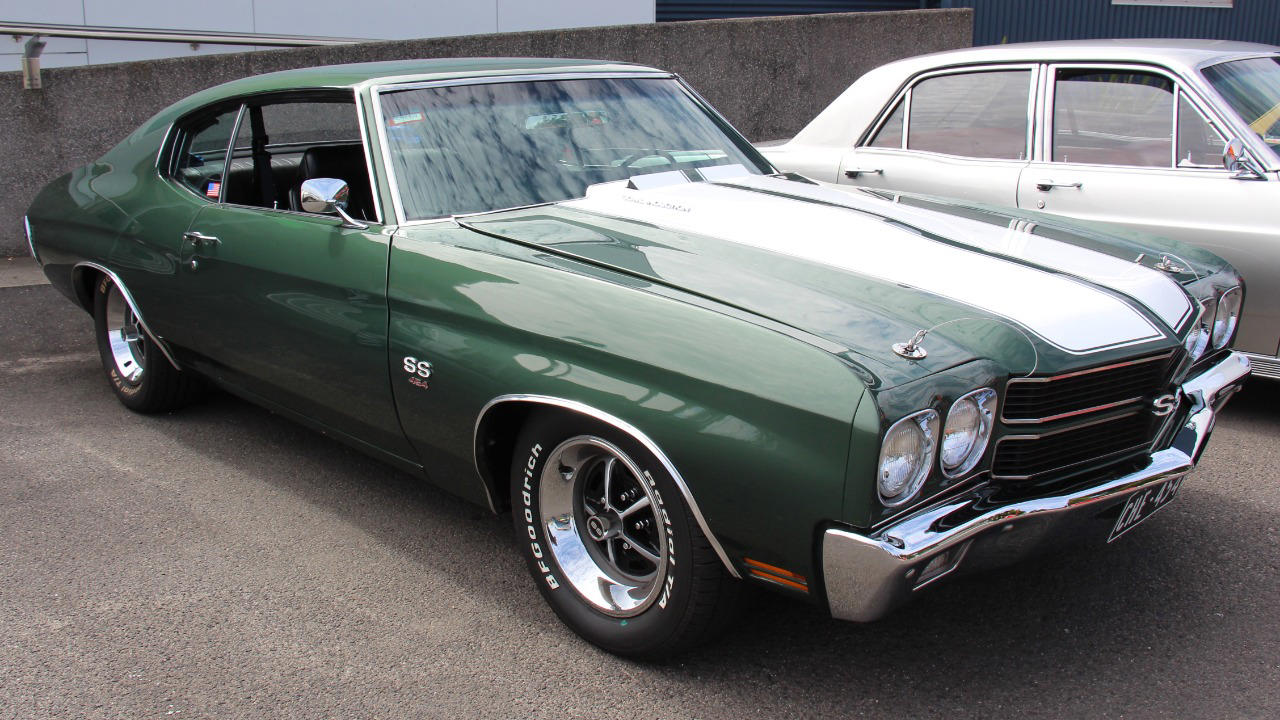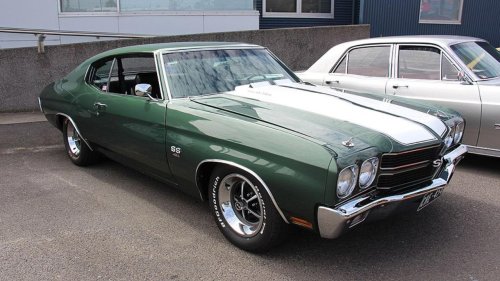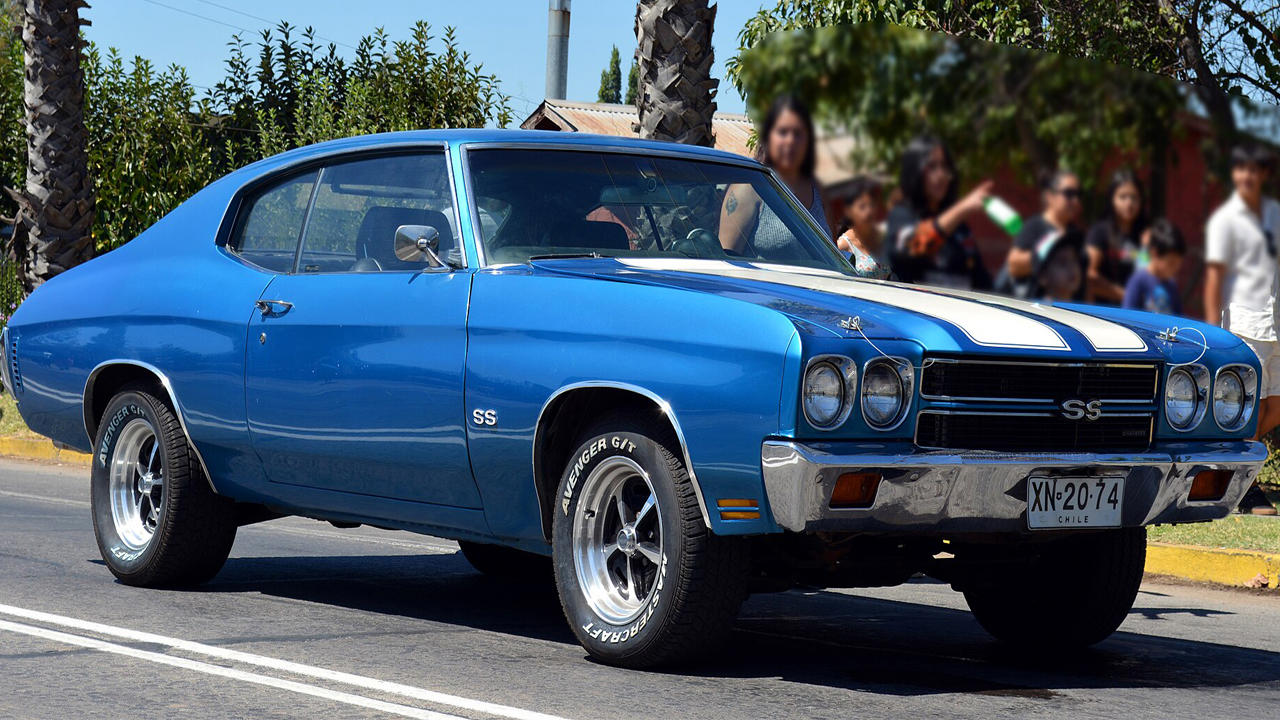


















Chevelle SS became the benchmark before people even realized itThe Chevelle SS did not just join the muscle car pack; it quietly reset the standard for what an American performance coupe could be, even as most buyers still saw it as a practical family car with an attitude. By the time enthusiasts and rivals fully understood what Chevrolet had built, the Super Sport badge had already become shorthand for street authority, quarter-mile bragging rights, and a design language that still shapes how modern muscle is judged. The everyday car that turned into a street benchmark From the start, the Chevy Chevelle was meant to be a middle-of-the-road machine, sized between compact and full-size and aimed at commuters and families. Within a few short model years, however, it evolved into a car that enthusiasts now see as one of the most iconic muscle platforms in history, a transformation traced in detail in the History of the Chevy Chevelle. That evolution explains why the Super Sport version became a benchmark almost by stealth: it was born from an ordinary platform that suddenly started punching far above its weight. The Chevelle SS package took that practical base and added the ingredients that defined the muscle era. The Chevelle SS was a high-performance muscle car version that offered powerful V8 engines and sporty styling, transforming a sensible two-door into a serious performance statement. In enthusiast accounts of the Chevelle SS, the Super Sport is described as one of the most iconic expressions of American muscle and performance passion, a car that channeled the same everyday usability as the base Chevelle but with a completely different personality once the throttle opened. Part of the reason the SS became a reference point before people fully realized it lies in how quickly Chevrolet escalated its hardware. Earlier in the decade, the company experimented with limited runs such as the Z16, and one retrospective notes that the legendary SS 396 was just a year away with little promotion or fanfare. That quiet lead-up meant the market did not immediately grasp that the Chevelle SS 396 would soon anchor a family of coupes and convertibles that enthusiasts would later treat as yardsticks for power and style. From SS 396 to 454: power figures that rewrote expectations The heart of the Chevelle SS reputation is under the hood. In period, Chevrolet offered big-block V8 engines that elevated the car from quick to fearsome. The SS 396 established the template, and by 1970 the Chevelle SS could be ordered with engines such as the 396 and the 454-ci big-block, as documented in technical references that invite readers to find all the information about the 1970 Chevrolet Chevelle SS. Those displacements were not just big on paper; they translated into real-world acceleration that rivaled or embarrassed more exotic machinery. Performance storytellers often return to a specific set of numbers to explain why the Chevelle SS captured imaginations. One account of a late-sixties Chevelle SS 454 cites 450 cubic inches, 500 pound feet of torque, and 0 to 60 in 5.4 seconds, a combination that should have guaranteed instant legend status. Another look at the Baddest Muscle Car America Ever Made repeats the same headline figures, with 450 horsepower, 500 lb feet of torque, and 0 to 60 in 6 seconds flat in 1970. Whether the focus is on torque, horsepower, or acceleration, the pattern is consistent: the Chevelle SS delivered figures that pushed the boundary of what a factory street car could do. Those numbers were not abstract. They shaped how owners used the cars and how rivals measured their own products. Enthusiast commentary on the 1970 Chevrolet Chevelle SS 454 describes it as the car that defined the height of the muscle car era, with its wide stance and cowl-induction hood helping it earn a reputation as King of the Streets. Another fan discussion of the 1970 Chevrolet Chevelle SS LS6 Coupe calls that configuration the undisputed king of American muscle, a raw, unapologetic muscle machine that embodied the peak of the SS formula. When a single model line repeatedly earns language like “king” and “peak,” it signals that the benchmark status had arrived even if the broader market had not yet caught up. Technical documentation, restoration guides, and enthusiast books reinforced that status by treating the Chevelle SS as a reference platform. One widely cited volume on the Chevelle SS from 1964 through 1972 is marketed with the promise that Chevelle SS owners can be confident their car is as original as possible, and that Rarely does a book offer this much hard data in an easy and concise read. Listings for that guide through outlets such as collector book sellers show how deep the documentation has become, and how the SS has shifted from everyday muscle car to studied artifact. Design, attitude and the Malibu connection Power alone did not turn the Chevelle SS into a yardstick. The way the car looked and felt on the street mattered just as much. The SS package, available primarily on the Malibu sport coupe and convertible, brought aggressive styling touches that separated it from the regular Chevelle. Enthusiast descriptions of the SS on the Malibu mention a blacked-out grille and bolder trim that signaled intent even before the engine fired. That visual aggression, layered on a body that still had clean, almost understated lines, gave the SS a dual identity: part family car, part street weapon. Later commentary on the 1970 Chevrolet Chevelle SS 454 highlights its wide stance and cowl-induction hood as defining features. These cues did more than decorate the body. The cowl-induction system fed cooler, denser air to the big-block, and the stance helped the car put power to the pavement. In photographs and modern video segments, the Chevelle SS often appears hunkered down, with muscular rear haunches and a long hood that visually announces the presence of a large V8. The design influence did not stop with factory cars. Custom builders and digital artists have used the Chevelle shape as a canvas for reinterpretations. One example is a project nicknamed BRUCE, described as a McLaren-infused 1970 Chevelle that borrows cues from the McLaren M8F Can-Am racecar. The commentary on that build notes that the inspiration car used an 8.1 liter big block with 494 cubic inches and 830 horsepower, and that the Chevelle adaptation uses available big-block V8 engines like the 454 cu in (7.4L) producing up to 450 horsepower. The goal in that project was to transplant the look and feel of the M8F onto the Chevelle without taking away the originality of either vehicle, a testament to how strong the Chevelle SS design language remains. Even in social media shorthand, the styling and stance of the SS carry weight. A post that opens with “Stay Rad! Chevelle” describes how the Chevelle SS was not just a car but a street legend on wheels, and recalls how Back in 68, Chevy dropped the SS 396 with an attitude that could humiliate cars costing far more. Another short clip refers to the 68 Chevel SS396 as an affordable Chevy that could embarrass cars costing five times more. Those snapshots capture how the car’s look and presence on the street became as much a part of its legend as the spec sheet. From affordable menace to collector obsession When new, many Chevelle SS models were marketed as attainable performance, not rare exotics. That affordability is part of why they seeped into so many aspects of American life, from local drag strips to high school parking lots. Over time, however, scarcity and nostalgia transformed the SS into a prized collectible. Auction coverage of rare variants such as the Chevelle Z16 underscores how limited early performance versions were, and how the arrival of the SS 396 and later 1970 Chevelle SS models built on that foundation with more power and broader availability. Today, the market treats well-documented examples almost like blue-chip assets. Detailed restoration and authenticity guides, such as the Chevelle SS references that promise owners they can verify original configurations, have become essential tools for collectors. Listings for these guides through platforms like online marketplaces show how enthusiasts seek out data on correct engine codes, trim, and options. The fact that such granular documentation exists, and that it is in demand, reflects how the Chevelle SS has become a benchmark not only for performance but for the broader collector-car ecosystem. The collector focus extends to modern pro-touring builds that reinterpret the SS formula with contemporary hardware. A prominent example is a 1970 Chevelle SS 427 LSX described as a world-class, professionally engineered build that produces 1,000 plus horsepower on pump gas. That car, Completed in 2024 and driven just 2,000 test miles for tuning and refinement, is promoted as one of the finest and most comprehensively built Chevelle SS examples in existence. The language around it treats the Chevelle SS body and heritage as a worthy base for cutting-edge engineering, again reinforcing that the SS remains a measuring stick for performance projects more than half a century after its debut. Collectors also gravitate to specific configurations that enthusiasts have anointed as the ultimate expressions of the breed. The 1970 Chevrolet Chevelle SS 454 is routinely singled out as the car that marked the peak of the muscle car era, and accounts of that model describe it as King of the Streets. Another discussion of the 1970 Chevrolet Chevelle SS LS6 Coupe labels it the undisputed king of American muscle and calls it a raw, unapologetic muscle machine. Those superlatives drive demand in the auction world and help explain why original LS6 cars, in particular, command intense interest. How the SS rewired expectations for American muscle By the late sixties, the muscle car wars were in full swing, and Chevrolet needed something that could compete not only on power but also on image. Commentary that looks Back at Chevelle SS History notes that in 1963 Chevrolet wanted a mid-size car that could serve everyday buyers and still host serious performance options. The Chevelle SS emerged from that strategy as a car that could wear multiple hats: commuter, family transporter, drag strip regular, and boulevard cruiser. That versatility is a key part of why it became a benchmark before the market fully recognized it. Accounts of the Chevelle SS history trace how the Super Sport badge signaled that Chevrolet was serious about performance. A retrospective titled Here and subtitled Chevelle SS History: Where It All Started explains that the muscle car wars pushed Chevrolet to treat the SS not as a mere trim package but as a statement that the brand was serious about performance. The Chevelle SS became the platform where that statement was clearest, with engine options, suspension tweaks, and styling cues that turned a mainstream model into a halo car for the entire lineup. Enthusiast descriptions of the Chevrolet Chevelle SS (Super Sport) emphasize that it is one of the most iconic American muscle cars, celebrated for its powerful engines and classic styling. In those accounts, the Super Sport badge is not a footnote but a defining element of how the car is remembered. The SS is presented as a symbol of American performance, with hashtags and captions that tie it directly to American muscle culture and car history. That cultural positioning feeds back into how later performance cars are judged: if a new coupe wants to claim muscle credentials, it inevitably invites comparisons to the Chevelle SS and its contemporaries. The influence of the SS extends into contemporary design and media. The History of the Chevy Chevelle notes that the car’s impact can be seen in modern sports cars and in pop culture portrayals of classic American performance. The Chevelle SS, with its long hood, short deck, and muscular fenders, helped define a silhouette that later designers still reference. Whether in movies, television, or digital renderings, the Chevelle SS often stands in for the idea of the classic American muscle coupe, which further cements its benchmark status. Living legacy: from social feeds to track builds The Chevelle SS story is not confined to museums and auction catalogs. It lives actively in social media feeds, YouTube builds, and grassroots events. Short videos that revisit the 68 Chevel SS396 describe it as an affordable Chevy that could humiliate cars costing five times more, and those clips often rack up significant engagement. Another Instagram reel framed as Stay Rad, Chevelle, celebrates how Back in 68, Chevy dropped the SS 396 with a mix of nostalgia and admiration, suggesting that new generations are discovering the car through bite-size content rather than period brochures. Video essays on platforms like YouTube take a more analytical tone but reach similar conclusions. One piece titled How the 1969 Chevy Chevelle SS 454 Became the Most focuses on the figures 450 cubic inches, 500 pound feet of torque, and 0 to 60 in 5.4 seconds, and then asks why those numbers did not immediately translate into universal recognition. Another video that calls the Chevelle the Baddest Muscle Car America Ever Made repeats the figures 450 horsepower, 500 lb feet of torque, and 0 to 60 in 6 seconds flat in 1970, then argues that these numbers were revolutionary, not just impressive. Both narratives suggest that the Chevelle SS set a bar that took time for the broader culture to process. Modern builders also treat the Chevelle SS as a platform for experimentation. A video titled This is What the Chevelle Should’ve Been opens by noting that the creators have already had their way with the Corvette and are now turning to the Chevel, suggesting that the Chevelle offers a different canvas for performance and design. The commentary points out that looking at the Chevel, one can tell that the car has untapped potential, and the project aims to realize what the SS could have been with different engineering choices. That kind of reimagining keeps the SS relevant and shows how its benchmark status invites both preservation and reinterpretation. Even institutional players that preserve and sell classic cars contribute to the ongoing narrative. The Volo Museum, which documents the Evolution of the Chevelle and its impact on contemporary designs, also promotes its work through channels such as social media pages and professional profiles. Those outlets highlight specific Chevelle examples, share restoration stories, and connect the car’s history to current enthusiasts, reinforcing that the SS is not just a relic but a living part of automotive culture. More from Fast Lane Only Unboxing the WWII Jeep in a Crate 15 rare Chevys collectors are quietly buying 10 underrated V8s still worth hunting down Police notice this before you even roll window down