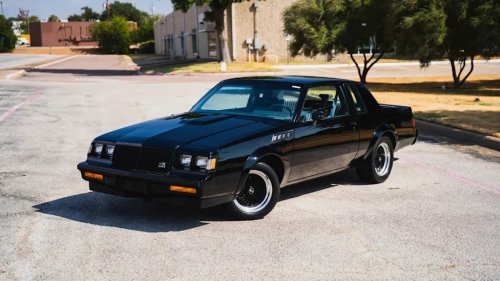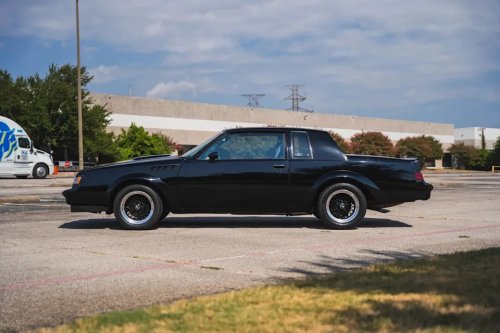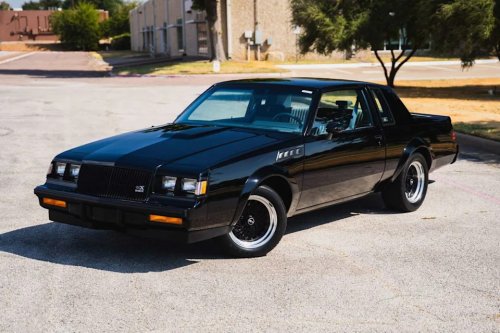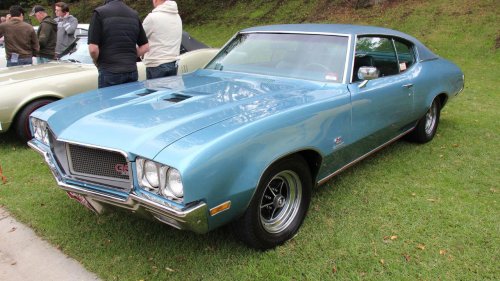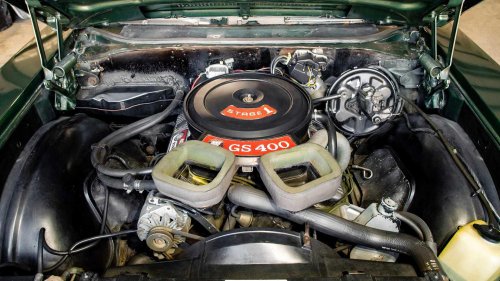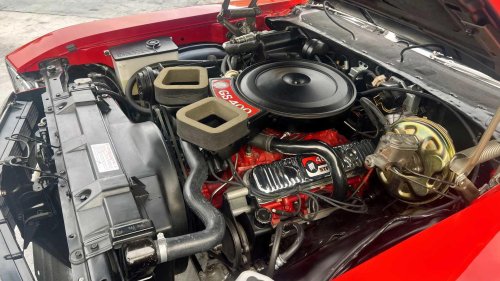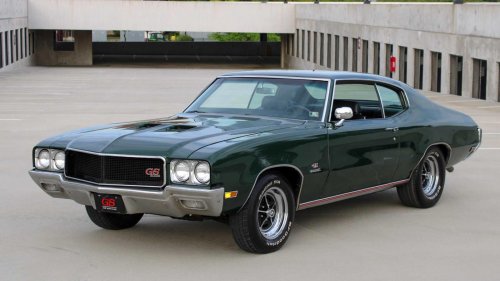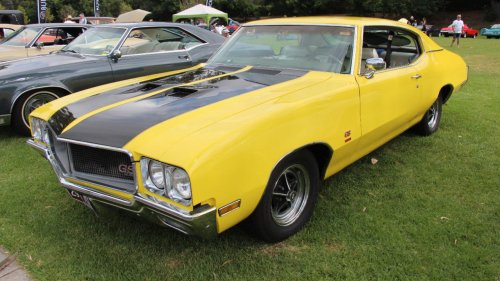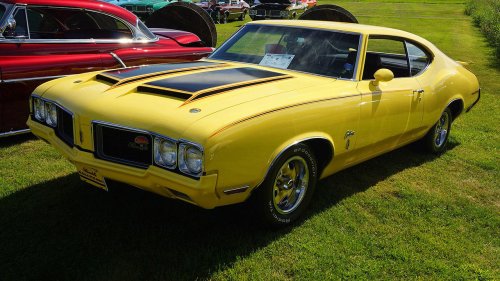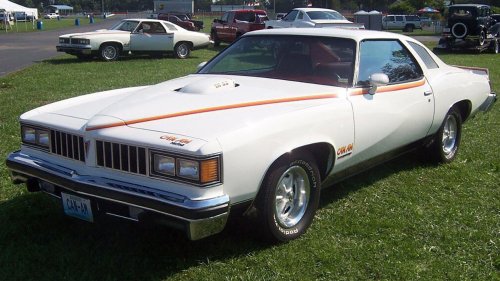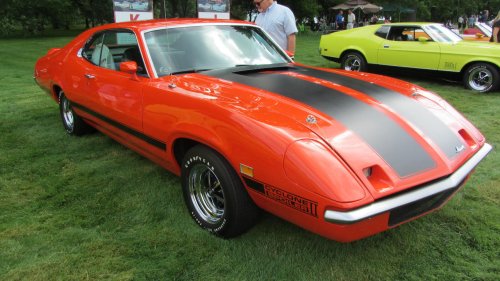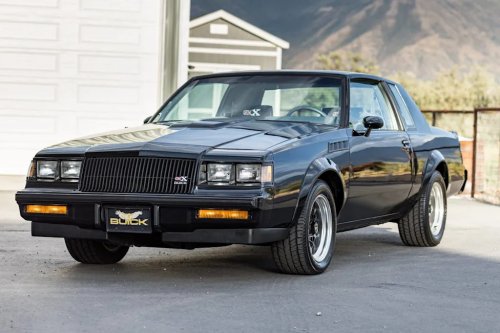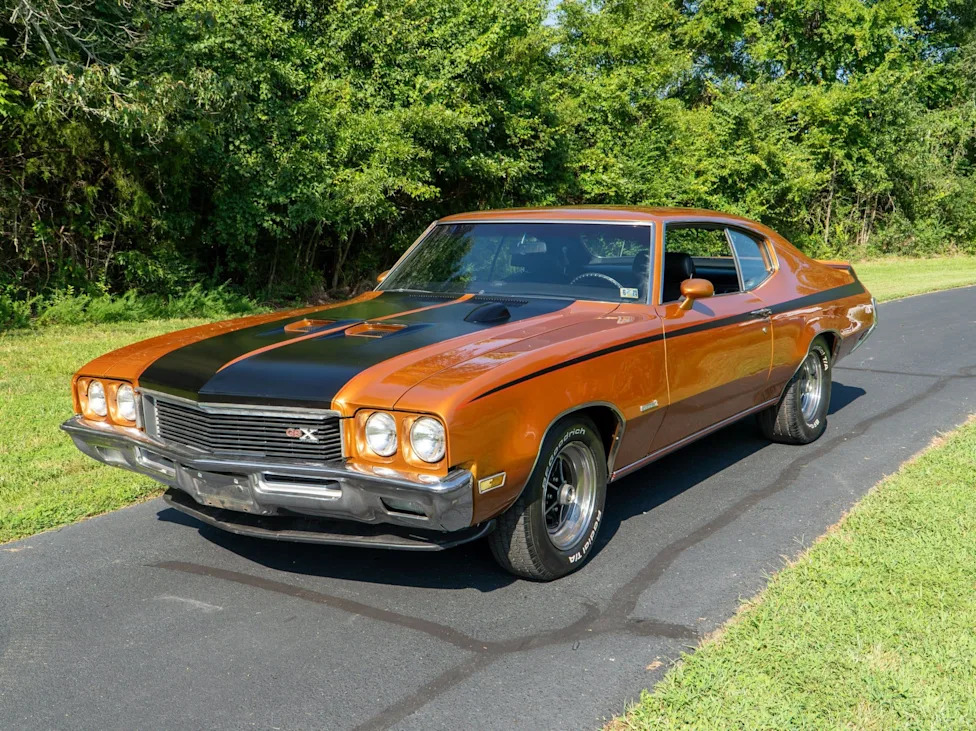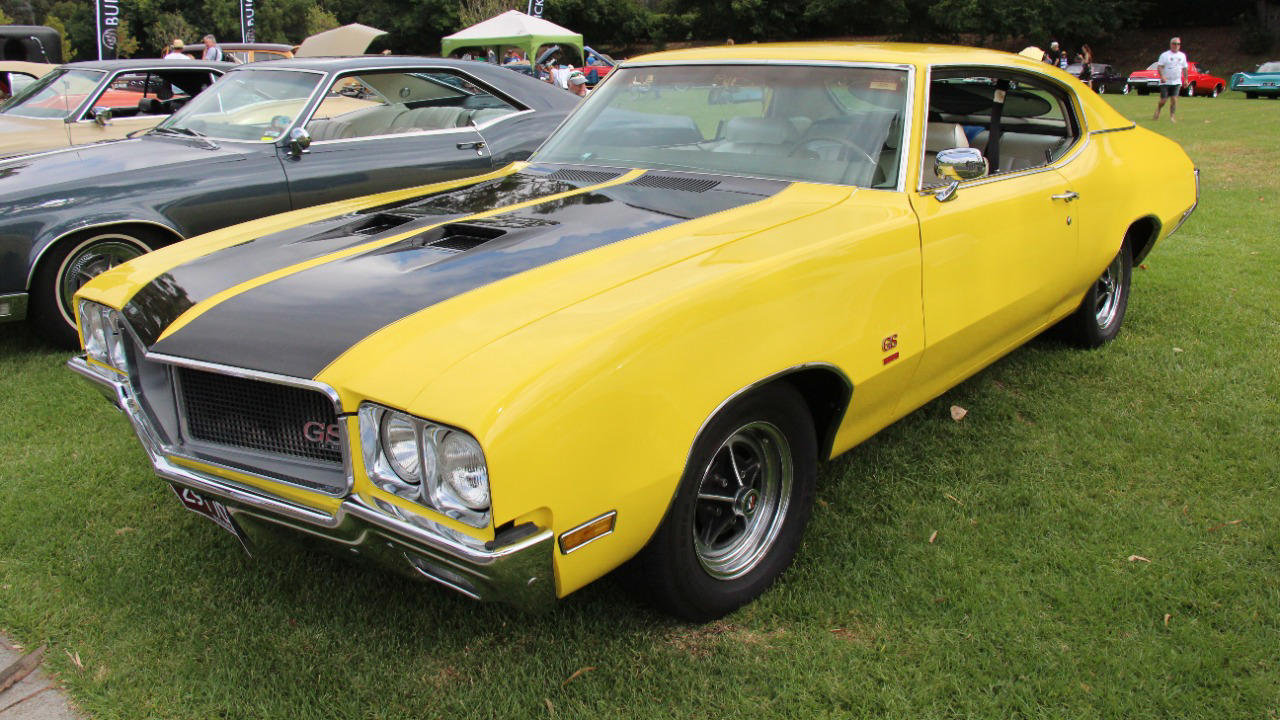



















The 1970 Buick GSX quietly became one of the most respected muscle carsThe 1970 Buick GSX arrived late in the muscle car wars, wearing loud stripes and a towering rear spoiler, yet it never shouted as loudly as some rivals. Instead, it quietly built a reputation for brutal torque, surprising refinement, and rarity that would turn it into one of the most respected American performance cars of its era. Today, collectors and historians increasingly point to this single model year as the moment Buick proved it could build a street brawler without sacrificing its luxury DNA. The moment Buick decided to roar By 1970, the muscle car formula was well established: big engines, bright colors, and quarter-mile bragging rights. Buick had flirted with performance through The Buick Gran Sport, but the brand still carried an image of sensible comfort. The 1970 Buick GSX changed that equation by taking the existing GS455 and turning it into a factory hot rod with visual aggression and serious hardware that could stand beside anything from Detroit. The official record in the GM Heritage Collection describes the 1970 Buick GSX as a 2 Door Hardtop, built off the intermediate platform with a 112.0 inch wheelbase and a base price of $4,880.00, and it notes that the package sat on the foundation of The Buick Gran Sport rather than a stripped economy shell. That combination of an upscale starting point and a focused performance package made the GSX feel different from the more bare bones competition. Buick engineers did not simply bolt stripes onto a Skylark. Under the hood sat a 455 cubic inch V8, available in standard tune or as the even more serious Stage 1 specification. Period and modern coverage of the Buick GSX Stage 1 describe it as one of the most legendary American muscle cars ever built, with huge torque, underrated power figures, and a reputation that grew for decades as enthusiasts realized how quick these cars really were. Stage 1: the quiet storm under the hood The heart of the GSX legend is the Buick GSX Stage 1 engine package. Enthusiast groups highlight the 1970 Buick GSX Stage 1 455ci V8 with 510 lb-ft torque and 360 HP, figures that many consider conservative for the real-world performance owners experienced. Those numbers put the car squarely in the top tier of factory muscle and help explain why the Stage 1 is often singled out as the most desirable configuration. Fans of the car often describe the 1970 Buick GSX Stage 1 as a quiet storm, a machine that could deliver devastating acceleration without the raw, unrefined feel of some rivals. The big 455 worked with either a TH400 Auto or a 4-Speed Manual The transmission, giving buyers a choice between boulevard-friendly smoothness and more involved shifting. That dual personality fit Buick’s brand image, but it also meant the GSX could surprise drivers of more famous nameplates at a stoplight. Modern commentators argue that Mar performance culture sometimes overlooks the Buick GSX Stage story because it does not fit the stereotypical image of a budget muscle car. Yet the data tells a different story. With 510 lb-ft on tap and a chassis tuned to put that torque to the pavement, the GSX Stage 1 earned a reputation at the drag strip that has aged well as more owners share time slips and restoration details. Rarity by the numbers If performance made the GSX respected, scarcity turned it into a collectible. Production of the GSX package in 1970 remained low, and later references to the program frequently emphasize how few cars left the factory. One auction listing for a matching-numbers 1970 BUICK GSX STAGE 1 notes that the car is No. 344 of 668 built for the model year, a figure that underlines just how limited the run was. That same listing specifies the configuration as a 1970 BUICK GSX 455 STAGE 1, with Exterior Color APOLLO WHITE and Interior Color BLACK, powered by a 455 cubic inch V8 and backed by a 3-speed transmission. The reference to No. 344 within that 668 car total, preserved in a POLL of enthusiasts and documentation, gives collectors a concrete sense of where individual cars sit within the tiny production pool. Separate coverage of the GSX lineage notes that the 1970 Buick GSX was initially offered as a high-performance package on the Buick Gran Sport GS455. A later retrospective on the model points out that Only 678 G SXs were produced across the early years, and that GSXs are extremely collectible today. While different sources sometimes cite slightly different totals depending on how they count specific subvariants, all agree that the GSX never approached the volume of more mainstream muscle cars. Design that shouted while the car stayed composed Visually, the 1970 GSX abandoned Buick’s conservative image. The package added bold striping, a rear spoiler, and functional hood scoops that made the car instantly recognizable. Enthusiast groups describe how the 1970 Buick GSX introduced a high-performance twist on the Buick Gran Sport with those scoops, front and rear spoilers, and bright colors that stood out even in show fields packed with Detroit iron. Paint choices for 1970 focused on high impact hues such as Apollo White and Saturn Yellow. Later posts celebrating the car’s history emphasize how GSXs in subsequent years came in a variety of colors, but the early cars in colors like Exterior Color APOLLO WHITE have become touchstones for collectors. A feature on a low-mile example points to a 19,000 m GSX that still wears its Apollo White finish, and the way that car’s doors open and close is described as a reminder of the build quality Buick baked into its performance halo. Inside, the GSX leaned on the Buick Gran Sport’s more upscale cabin rather than a stripped racer approach. The Interior Color BLACK combination found on many Stage 1 cars paired with bucket seats, full instrumentation, and options like air conditioning. That mix of comfort and speed is part of why some modern commentators describe the GSX as a misunderstood muscle car, one that blurred the line between luxury coupe and quarter-mile weapon. How enthusiasts remember 1970 as Buick’s perfect hit Contemporary voices often frame 1970 as the year Buick got performance exactly right. In one detailed video review, a commentator introduces the topic by saying that Buick had built interesting cars before, but that only once did they really get it right in 1970. In that discussion, the GSX is held up as the car that truly epitomized what a muscle car should be, loud, visually aggressive, and brutally quick, yet still engineered with the refinement expected from Buick. Another deep dive on the 1970 Buick GSX (covering both the 455 and 455 Stage 1) contrasts the car with more Spartan lower-end models from other brands. The host explains that while some muscle cars of the period were almost bare shells with big engines, Buick chose to start from a more luxurious baseline and then add serious performance parts. That decision gave the GSX a different character on the road, one that combined long-distance comfort with the ability to light up the rear tires at will. Enthusiast coverage also highlights how the GSX’s engineering details, such as suspension tuning and power steering calibration, contributed to a more controlled feel compared with some rivals. The result was a car that could handle both highway cruising and drag strip duty, which helped it age well as owners used them for more than just weekend racing. A forgotten gem that grew into a legend Modern retrospectives sometimes refer to The Buick GSX as a Forgotten Gem Of The Muscle Car World. One history of the model notes that the car is occasionally called the Skylark GSX after the model on which it was based, and that period reaction from the public was positive even if sales volumes remained modest. The same overview explains that the GSX package bundled performance upgrades with visual enhancements, and that heavy duty components were also standard on the GSX. That combination of strong but understated engineering and extroverted appearance may help explain why the GSX quietly built its reputation rather than dominating magazine covers in period. While other brands leaned on constant marketing and racing headlines, Buick’s approach meant that many casual fans did not fully appreciate what the GSX could do until years later, when surviving examples began to surface with documentation and time slips. Collectors now frequently place the 1970 GSX at the top of Buick’s performance hierarchy. Online communities dedicated to the Buick GSX Stage and broader Gran Sport heritage regularly share restoration stories, factory documentation, and performance data that reinforce the car’s status. As more information circulates, the narrative of the GSX as a forgotten gem has given way to recognition of its place among the great muscle cars. Survivors, restorations, and the pull of originality The survival of specific cars has helped cement the GSX’s reputation. The matching-numbers 1970 BUICK GSX STAGE 1 identified as No. 344 has attracted attention not only because of its place within the 668 car production run but also because it retains its original 455 drivetrain and factory-correct details. Documentation tied to that car, accessed through a link discovered as Discovered in an enthusiast listing for a 1970 Buick GSX Stage, provides a window into how carefully collectors track authenticity. Other stories focus on GSXs that spent years as drag cars before being returned to original condition. In one video from the Muscle Car and Corve show, host Lou on My Car Story walks through a 1970 Buick GSX 455 V8 that had been modified for racing and then painstakingly restored. The segment underscores how much effort owners invest to bring these cars back to factory appearance, including sourcing correct striping, spoilers, and interior trim. At the same time, unrestored survivors like the 19,000 m Apollo White example featured in a Muscle Car Of The Week episode offer a different kind of appeal. That car’s largely untouched state, from paint to interior, serves as a reference point for restorers and a reminder of how the GSX left the assembly line. When doors close with a solid thud and original components still function smoothly, enthusiasts see tangible proof of Buick’s build quality. Why the GSX feels different behind the wheel Owners and reviewers often describe the GSX driving experience as distinct from that of other muscle cars. In a detailed road test, one host explains that while some period performance cars feel crude, the 1970 Buick GSX operates with a sense of precision. The way the doors open and close, the smoothness of the steering, and the overall solidity of the 2 Door Hardtop body all contribute to that impression. Another video review, introduced in Jan and focused on the 1970 Buick GSX (455 & 455 Stage 1), contrasts the GSX with more Spartan machines. The host notes that the Buick’s cabin isolation, seat comfort, and sound deadening make it feel like a grand tourer until the driver presses the accelerator and unleashes the full force of the 455. That dual nature is central to the GSX’s lasting appeal. More from Fast Lane Only Unboxing the WWII Jeep in a Crate 15 rare Chevys collectors are quietly buying 10 underrated V8s still worth hunting down Police notice this before you even roll window down