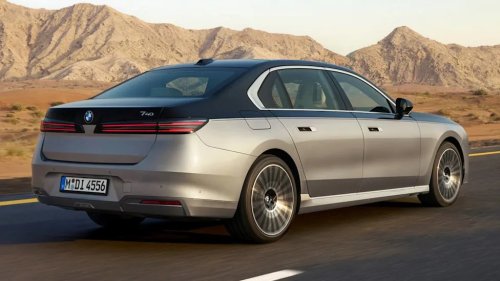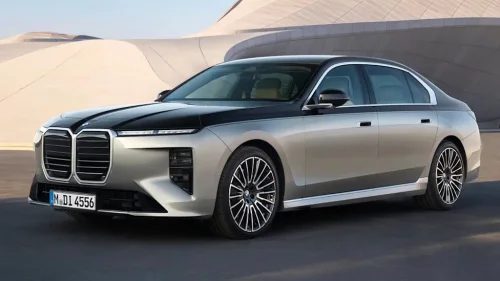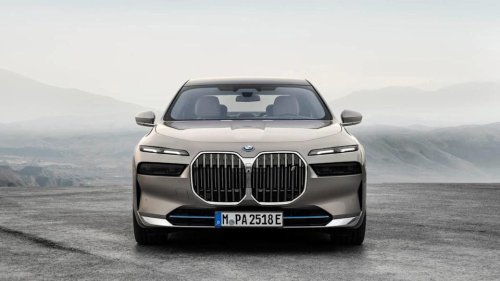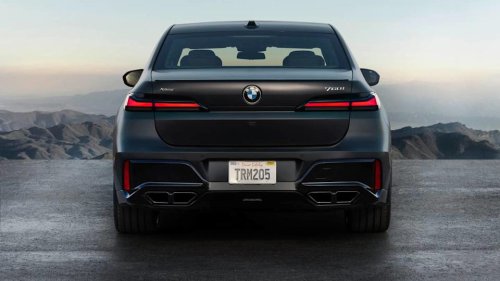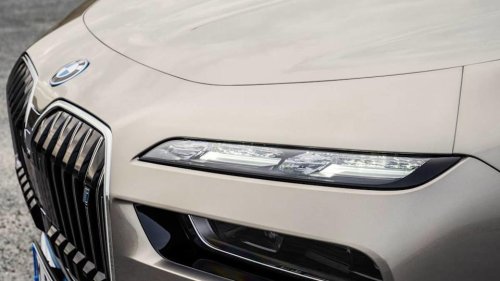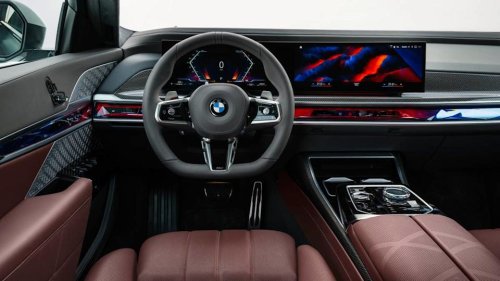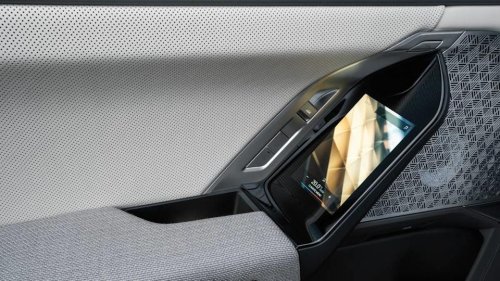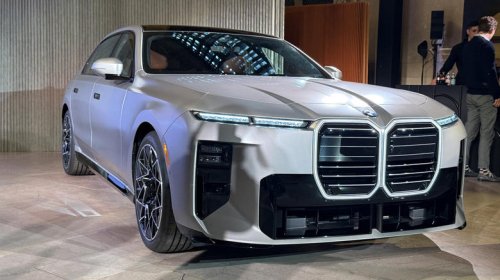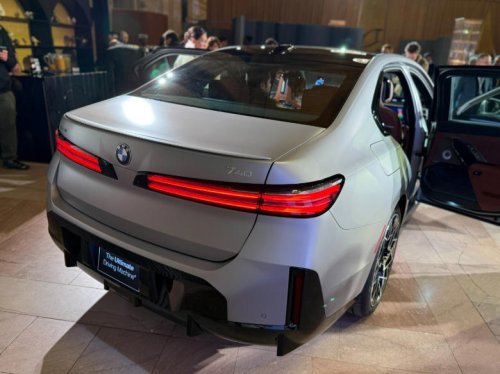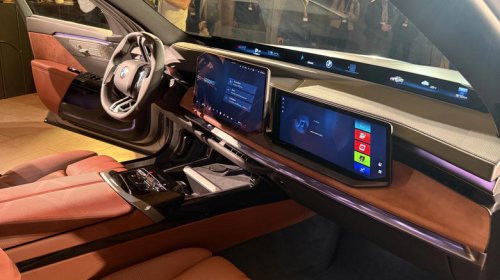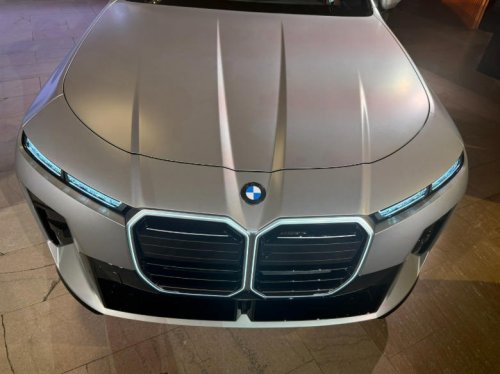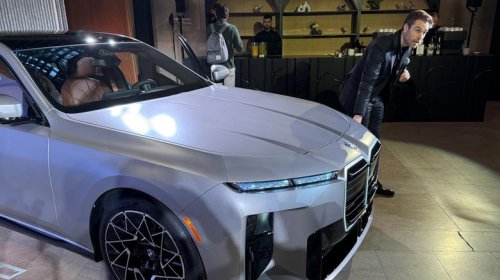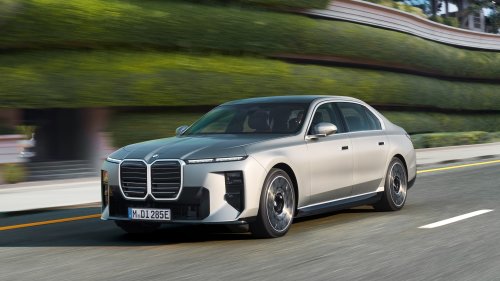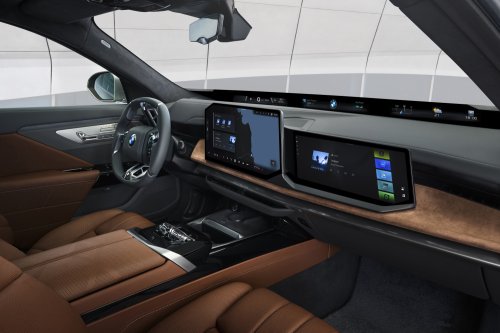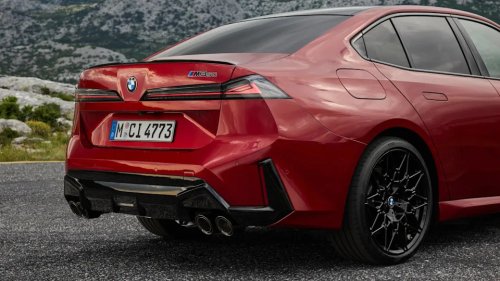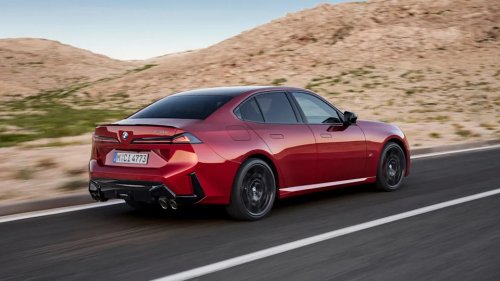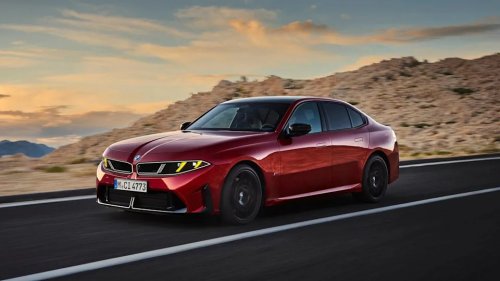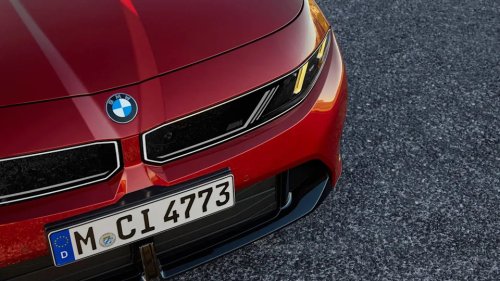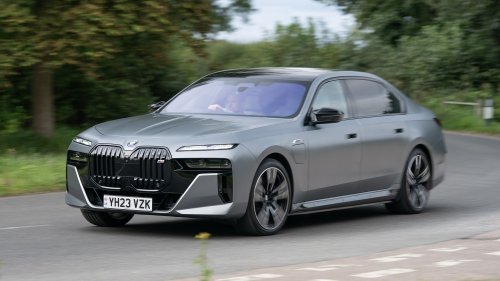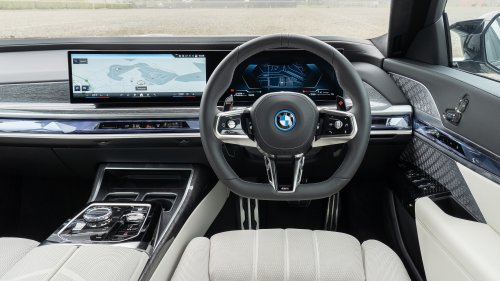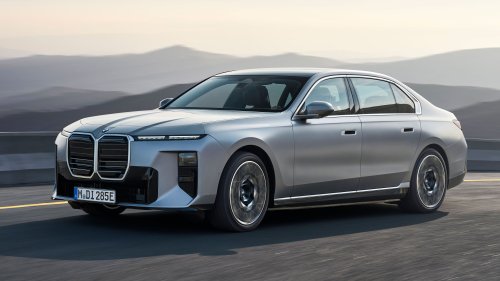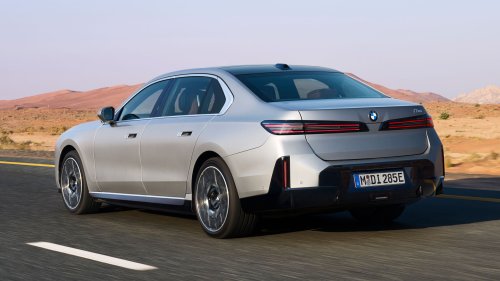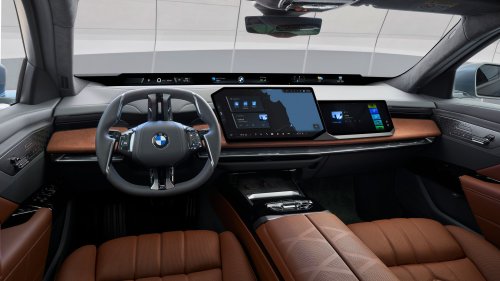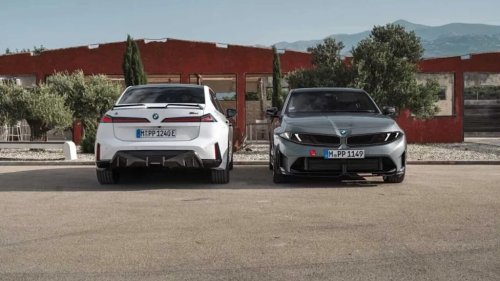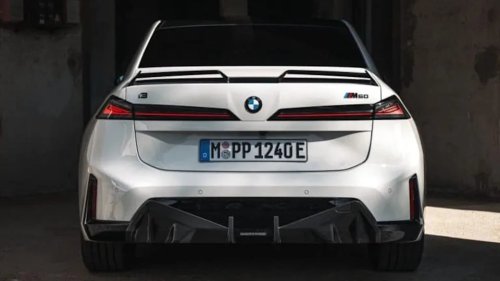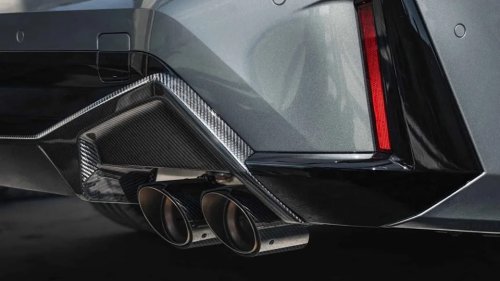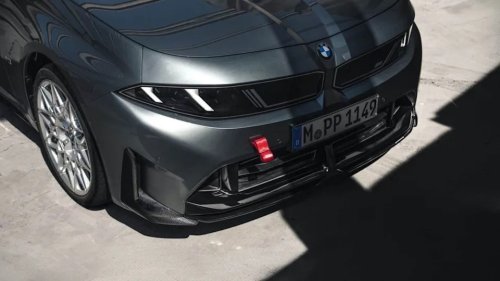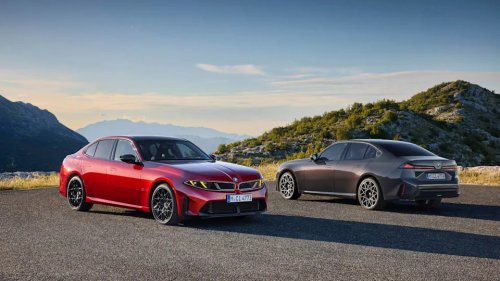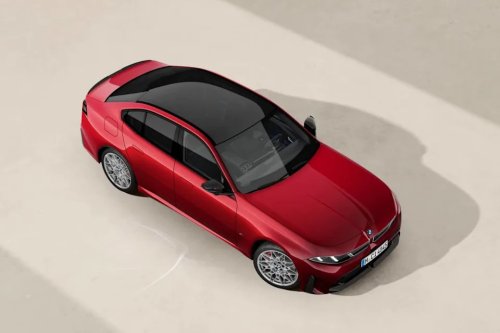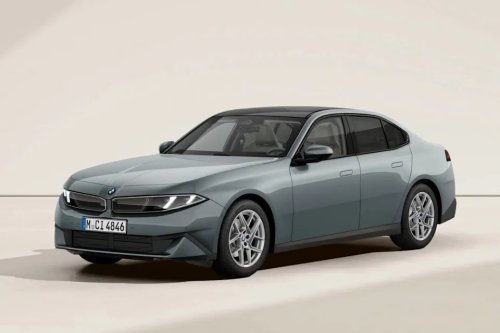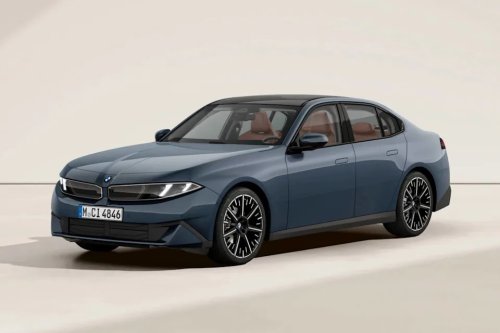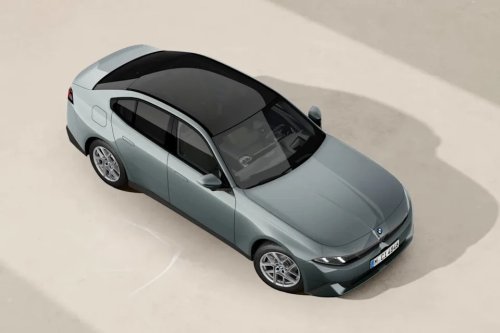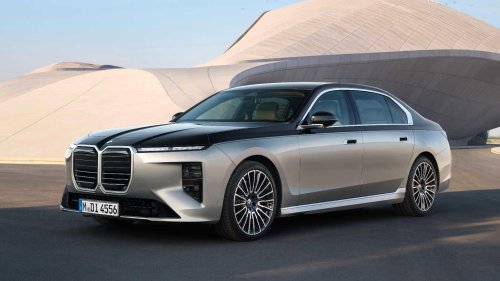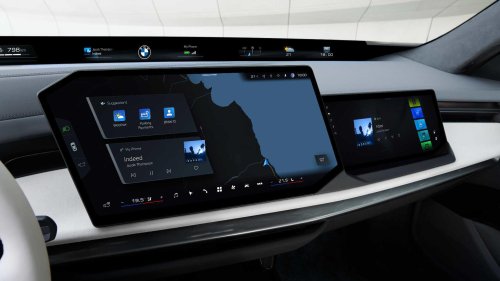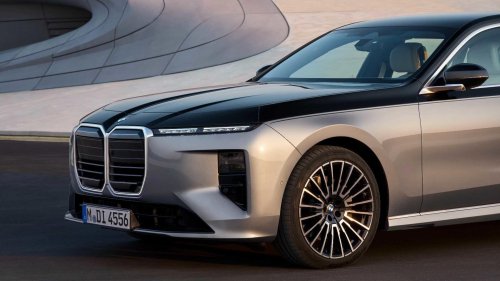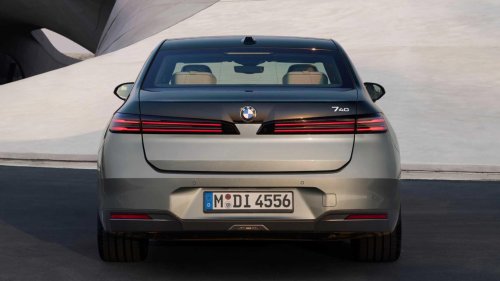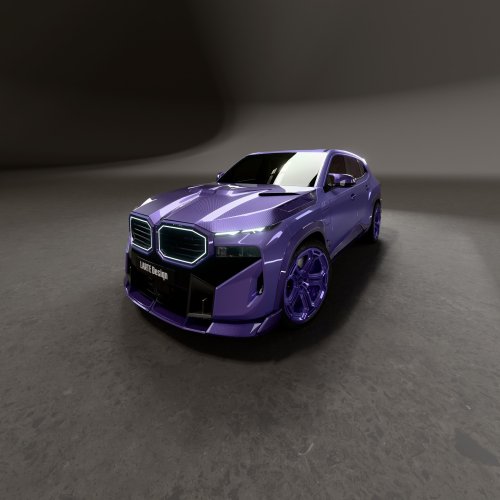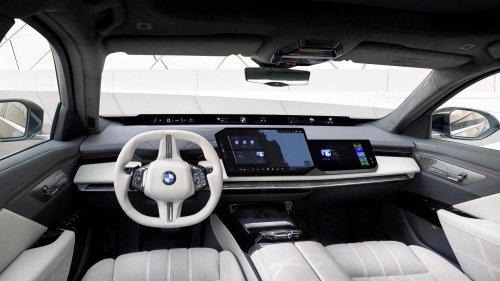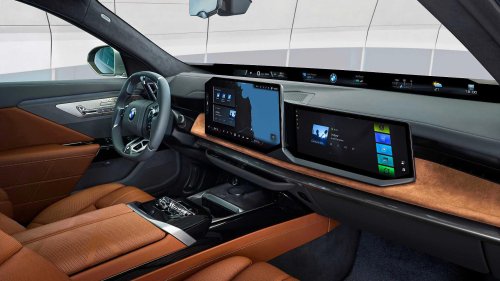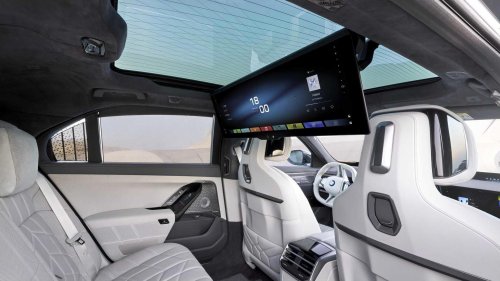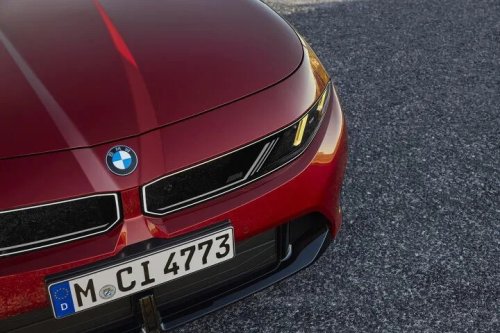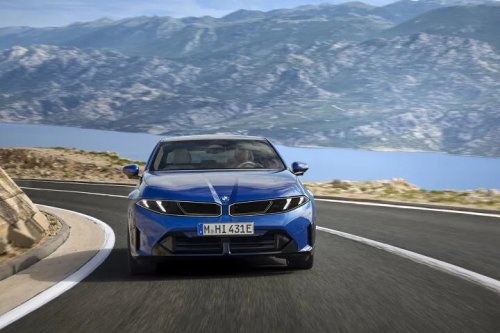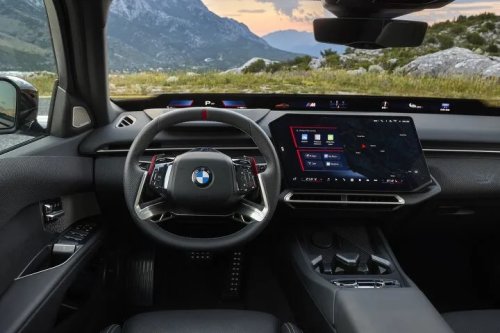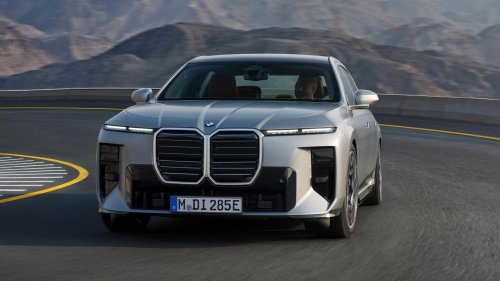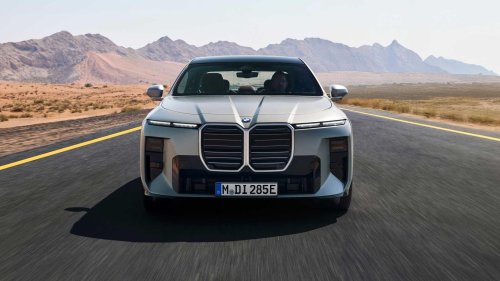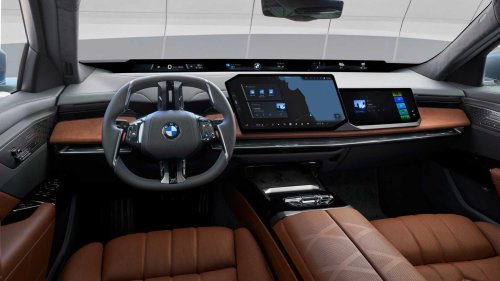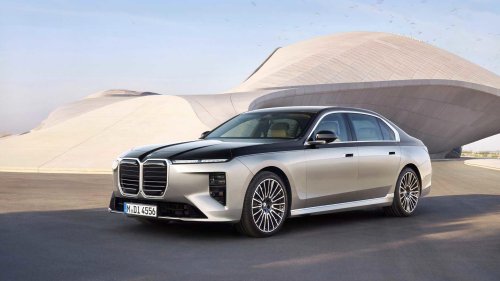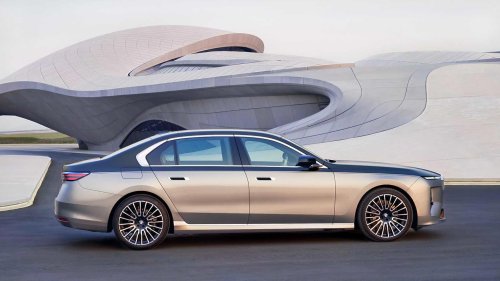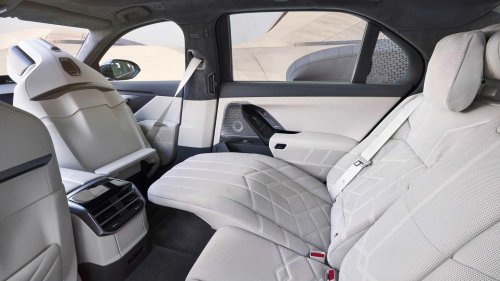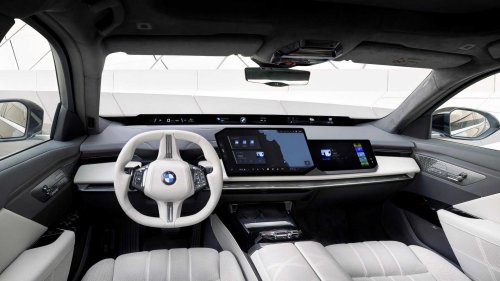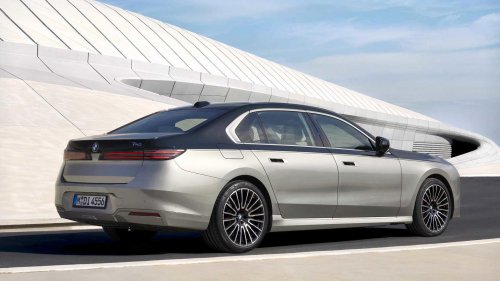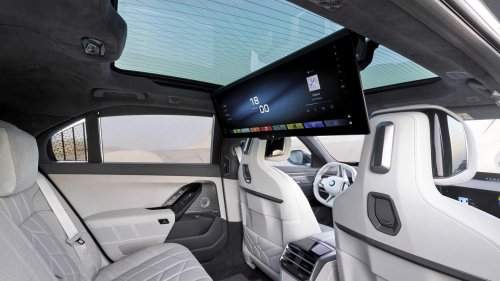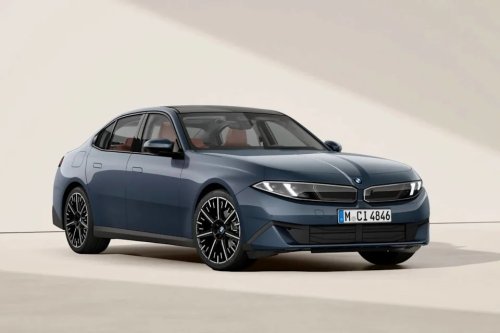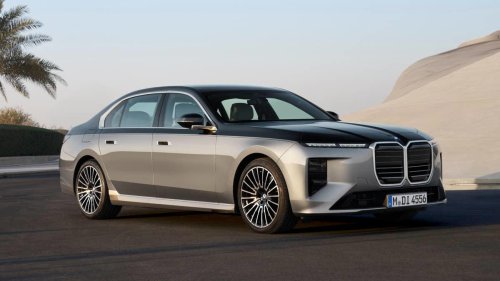
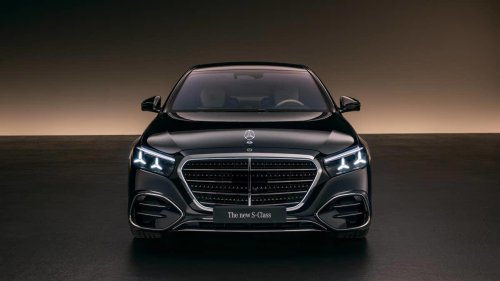
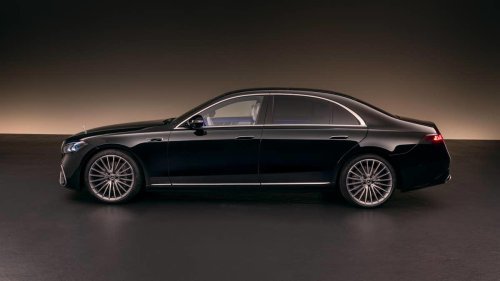
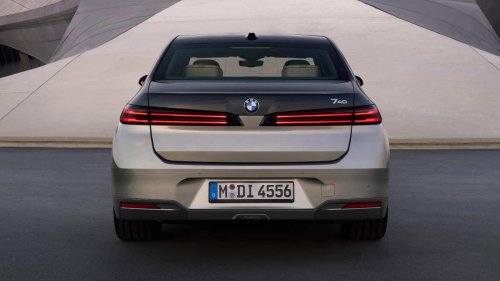
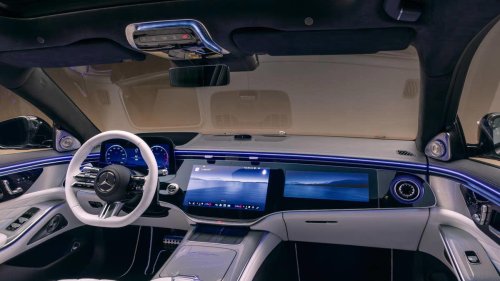
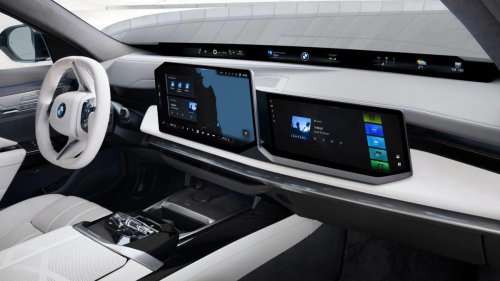
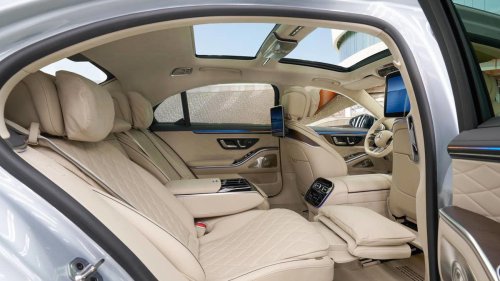
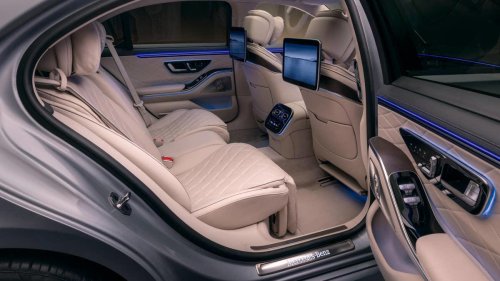
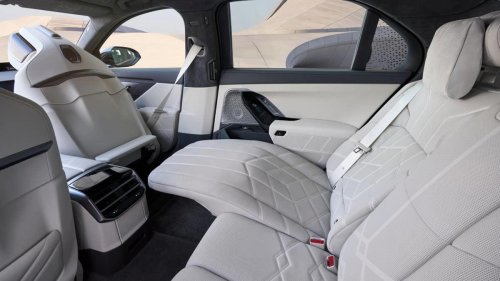
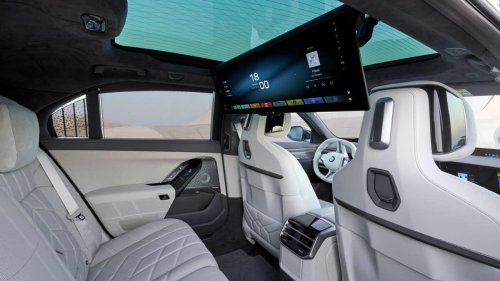
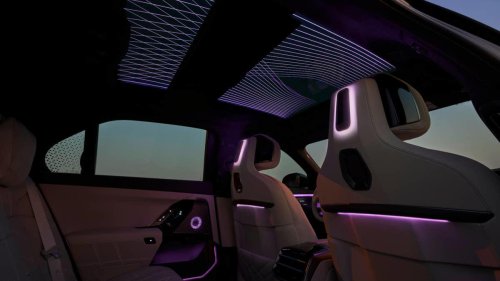
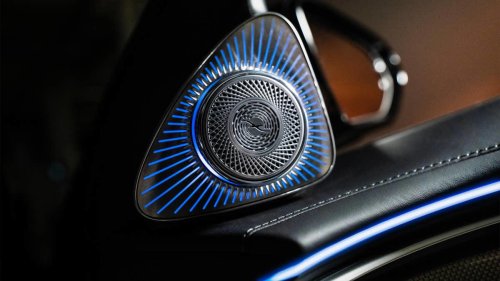
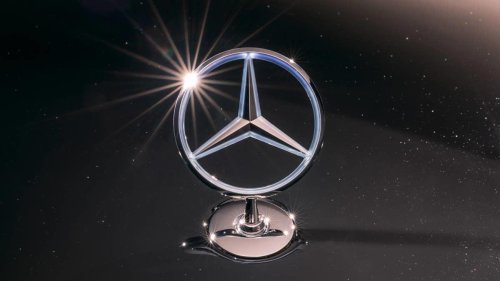



















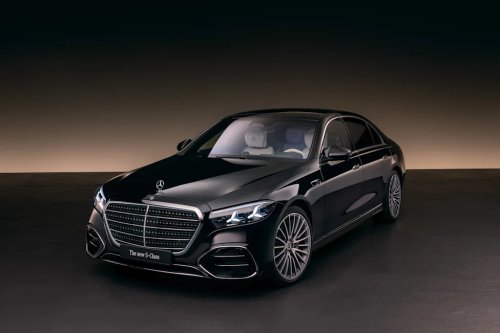
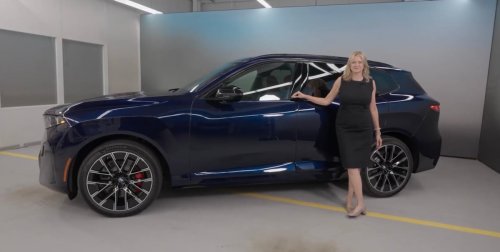

After Mercedes-Benz revealed the heavily revised 2027 S-Class in January, BMW has now responded with a similarly overhauled 7 Series for the 2027 model year, and both claim to be the pinnacle of luxury sedan motoring, from comfort to technology. The S-Class comes with either a 442-horsepower 3.0-liter straight-six turbo engine, a hybridized version of the same engine with a total of 576 hp, or a 4.0-liter V8 biturbo with 530 hp. Combustion-powered 7 Series models come with a 3.0-liter turbocharged inline-six making 394 hp and going to either the rear wheels only or both axles. There's also a hybrid version with a total of 483 hp coming, and eventually, a V8-powered model with more power than before will be offered. Neither has yet reached showrooms, so while we wait and before you buy, let's take a closer look at the two luxury limos side by side to see how they compare to each other.1 While both cars are clearly evolved from their predecessors, the BMW is the one with the more obvious changes. While the previous iteration of the G70 7 Series looked somewhat awkward from some angles, particularly the front, its design is now more intentional and, dare we say, sporty. The 7 is still a big slab of metal, but it looks more resolved with slimmer kidney grilles, headlights integrated into side intakes, longer taillights, and a hand-painted two-tone finish. The Mercedes is more classical and arguably more elegant with its curvier bodywork and light clusters that have gained star-shaped DRLs but otherwise look consistent with other Merc models. 2 The S-Class, like the 7 Series, has an illuminated grille, now festooned with star motifs, showing that Mercedes prefers gradual evolution over wholesale reimagination. The star on the hood of the S-Class can now be illuminated, while the 7 Series's DRLs can be had with crystal glass elements. With narrower kidney grilles, now with horizontal bars instead of vertical ones, the Bimmer takes on an imposing yet minimalist aesthetic. Overall, the S-Class remains more elegant than the 7 Series, but the gap is arguably much closer than before. We particularly like the increased use of body-color plastic on the latter, an improvement over ungainly masses of gloss black paint.3 In profile, the softer lines of the S-Class are especially clear against the monolithic 7 Series, and it's tough to say which is better. The conservative S-Class is arguably a design that will look good for decades, while the 7 Series looks more futuristic and bolder; its longer front overhang is a key indicator of the sheer yacht-like bulk its design conveys. Optionally, the 7 Series can lose the chrome around its flush-fitting glasshouse for a sleeker look, but on the S-Class, the chrome accents look like they belong.4 At the back, the BMW embraces its size with those long LED taillights framing the new BMW roundel in a matte finish, but the valley between the taillights (and that between the kidney grilles up front) ensures the 7 Series doesn't look like an oversimplified slab. The S-Class, on the other hand, bases its styling on the Russian doll philosophy that Mercedes and Audi have embraced in the past, looking similar to some smaller Mercs. That is changing somewhat, as the new C-Class moves in a different styling direction, prematurely aging the 2027 S-Class, but when the next Sonderklasse arrives, it'll doubtless take on many of the C's new design cues. 5 Inside, the two luxury limos can be summed up with the phrase, "Same same, but different." Both place three screens on the dashboard, but while the S-Class puts these displays (12.3-inch driver display, 14.4-inch center display, 12.3-inch passenger display) directly beside each other under a single glass surface in the expansive Superscreen, the 7 Series takes a different approach with its Panoramic Vision iDrive. The Bimmer puts one long, thin, continuous screen at the base of the windshield, with nothing directly behind the steering wheel. In the middle of the dash, the 17.9-inch "free-cut" touchscreen handles infotainment, and alongside it, all 7 Series models get a 14.9-inch passenger display as standard. Both cars track eye movements so the driver isn't distracted by the passenger screens, and both offer AI-enhanced operating systems that should better respond to natural speech, so leaving fingerprints on the screens can be avoided. The Bimmer looks sleeker and more carefully thought out, despite its weird four-spoke steering wheel, while the Merc feels somewhat forced given the brand's usual understated methods.6 Both cars are designed as four-seaters, and both cars rely heavily on ambient lighting, extending even to the speaker grilles. Both cars offer sumptuous leather (or vegan imitations) and the ability to allow the occupant behind the front passenger seat to stretch out in comfort. And both can provide back-seat entertainment via screens, but the way in which they go about this couldn't be more different. The S-Class can be had with two 13.1-inch screens with separate remote controls that handle both the screens and the seat functions (heating, ventilation, and massage), and the car allows one to handle Teams meetings through an integrated camera. But the 7 Series wins for drama. Below the Panoramic Skylounge LED roof, whose patterns match the quilting on the seats, the optional 8K 31.3-inch Theater Screen folds down in a dramatic sequence that has its own soundscape. This can be controlled by touch or via the screens in the door cards, so you don't have to look for remotes. With an integrated camera, the 7 Series can also handle video conferencing, this time via Zoom, and thanks to a new HDMI port, you can use your laptop. Various AirConsole games can also be played, with rear-seat passengers using their smartphones as remotes as they battle each other. To ensure the driver can still see behind them, a camera on the rear parcel shelf connects to the digital rearview mirror.7 Both cars have high-end sound systems. The Mercedes S-Class boasts a Burmester 3D Surround Sound System as standard, including speakers in the headliner, with a Burmester High-End 4D Surround Sound System optional, boasting 39 speakers, four exciters, and 1,750 watts of power with Dolby Atmos. The 7 Series gets an 18-speaker Bowers & Wilkins Surround Sound System as standard, but those seeking the richest aural experience can spec a Bowers & Wilkins Diamond Surround Sound System with 36 speakers, 1,925 watts, Dolby Atmos, and a 4D audio function, featuring exciters in the backrests to provide all passengers with a perception of bass, even at low volumes. In other words, both cars are excellent. The Merc has more speakers, but the Bimmer has more power, but we doubt one will be able to tell the difference without several back-to-back listening sessions of the same song in both cars.Final Thoughts Buyers of either car will be enveloped in luxury, from heated seatbelts in the S-Class to a private cinema in the 7 Series. Both move the big luxury sedan game forward in their own ways, and it's easy to justify the purchase of either. However, the BMW has a clear advantage in that you can have an electric i7 with nearly identical looks to a combustion 7er, while Merc buyers have to opt for the unusual EQS. That's only a styling preference, though, as both the i7 and the EQS are excellent luxury EVs, just as the 7 Series and S-Class are outstanding gas limos. Overall, the S-Class remains the king of understated luxury, even if its interior may integrate its dashboard screens awkwardly. The 7 Series, on the other hand, is a more attention-grabbing vehicle, looking next-gen inside and out.Given that the luxury market is more interested in personalization and customization than ever (which both marques offer heaps of), the arresting looks of the 7 Series and its Theater Screen are arguably better suited to the new jetset. It's a car that commands attention and will do so whether it's in Times Square or the deserts of Dubai. The Merc, while regal in its own right, has a more old-school aesthetic flavor, and its interior is less compelling. But that's just the opinion of one writer—share your preference with us in the comments below.