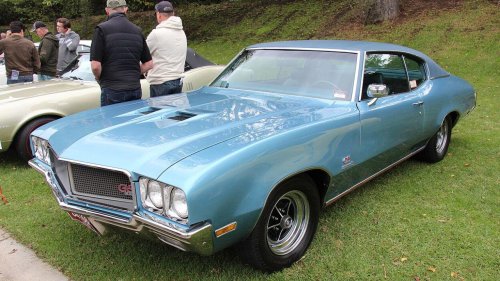
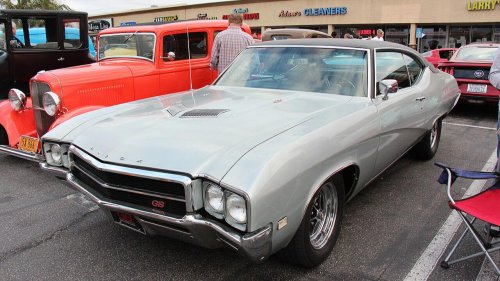
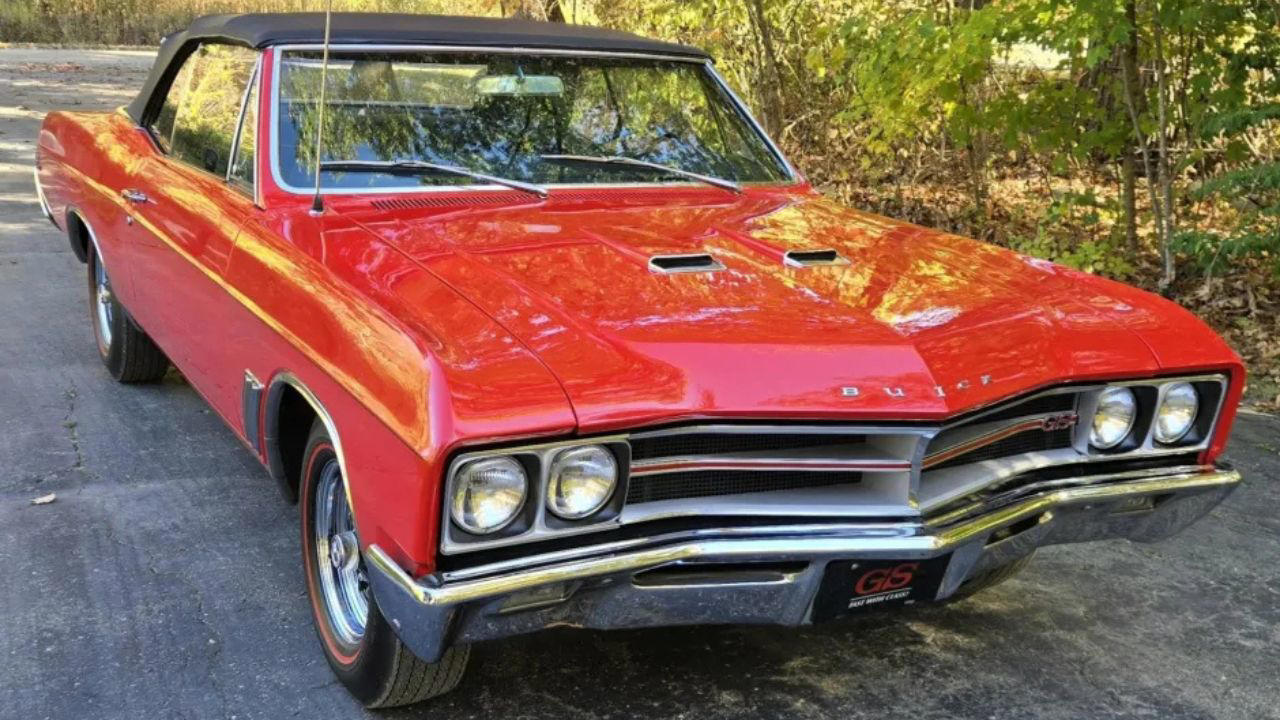
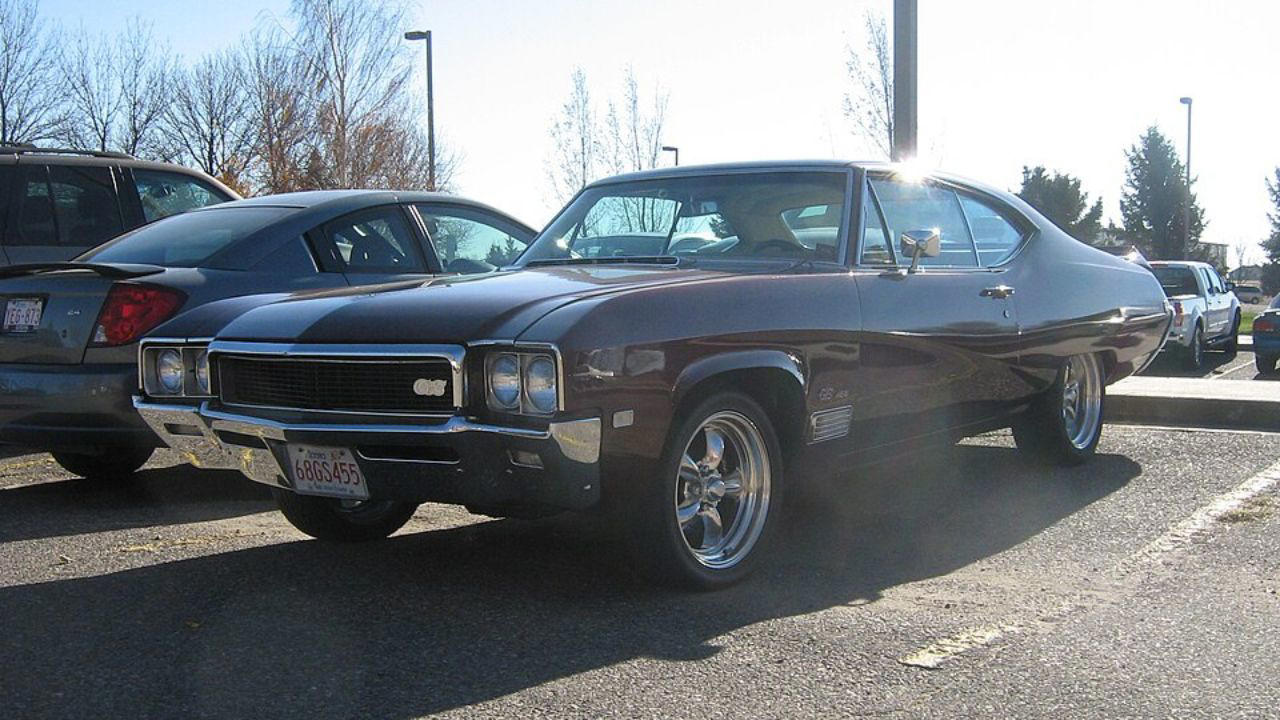
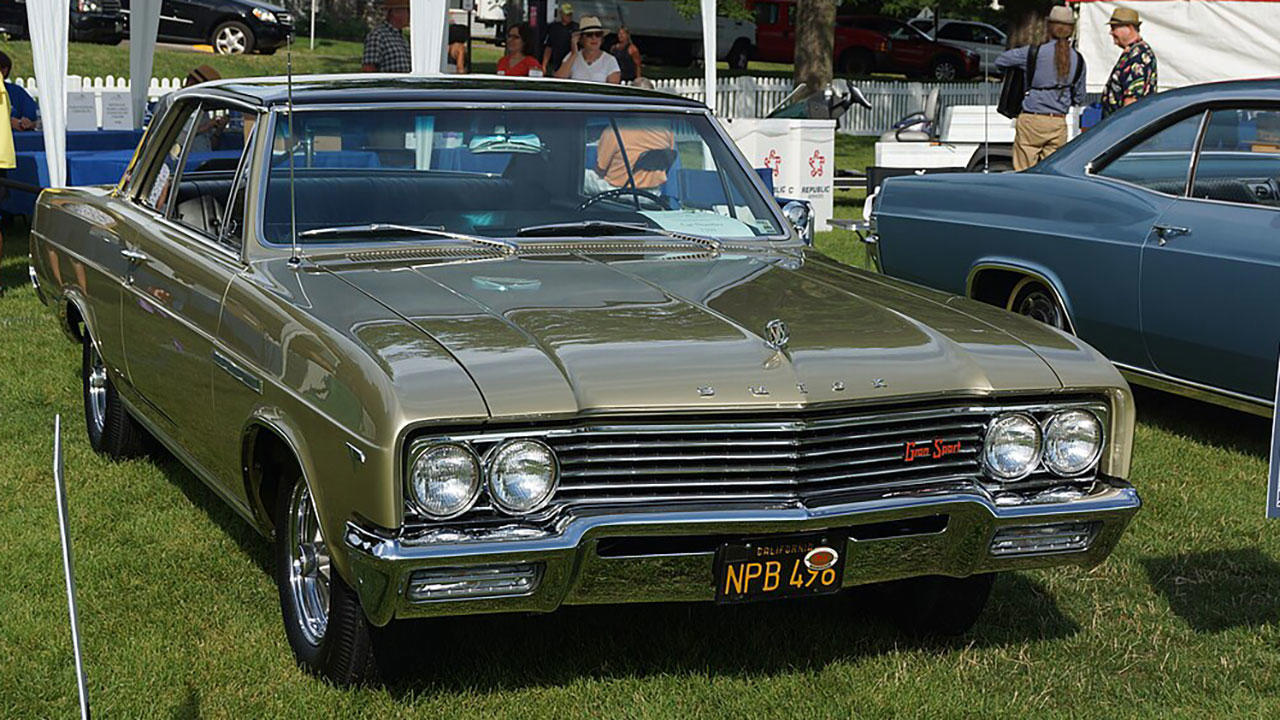
The 1965 Skylark GS became more important than anyone expectedThe 1965 Buick Skylark GS arrived as a niche option in a conservative brand’s catalog, yet it quietly rewrote what a Detroit performance car could be. By mixing big torque, restrained styling, and real comfort, it became far more significant than anyone around Flint expected at the time. Six decades later, that single model year looks like the hinge between Buick’s “doctor’s car” reputation and the luxury muscle identity enthusiasts now celebrate. From doctor’s car to street contender Through the early 1960s, Buick cultivated an image of quiet prosperity, the kind of car a professional might choose for its comfort and status rather than quarter-mile times. Contemporary coverage of Buick’s 1960s portfolio describes a brand that leaned heavily on this “doctor’s car” character, even as performance fever spread across Detroit. In 1965, however, Buick produced nearly a quarter of a million midsize cars, a volume that created room for experimentation inside what one report calls a Buick Muscle Car. The base Skylark sat at the heart of that experiment. It shared its A-body bones with other General Motors intermediates, but Buick engineers and marketers approached the car differently. While rivals chased raw aggression, the division from Flint tried to keep its upscale identity intact while still answering the new demand for speed. The result was the Skylark Gran Sport package, a subtle but decisive step away from the purely genteel image that had defined the brand. Conceived as Buick’s late entry into the muscle car race The Skylark Gran Sport did not emerge in a vacuum. General Motors divisions were already turning midsize platforms into hot performers, and Buick was last to the big-engine party. The Gran Sport package for the Skylark was conceived as a direct response to GM siblings that had already embraced the formula of big displacement in a lighter body. Contemporary analysis notes that the Skylark Gran Sport was designed to answer those internal rivals while preserving a more refined character. That balancing act shaped nearly every aspect of the GS. Instead of wild graphics, the car wore clean lines and restrained trim that looked more executive than street racer. Inside, bucket seats and a console shifter signaled intent, but the overall impression remained closer to a well-appointed family coupe than a stripped-out drag car. Buick tried to give buyers who liked the idea of a muscle car, but not the brash image, a place to land. The mechanical heart: Buick’s Nailhead twist on muscle Under the hood, the 1965 Skylark GS relied on Buick’s distinctive V8 architecture rather than simply copying a corporate big block. The car used a 401 cubic inch Nailhead V8 that Buick marketed as a 400, a familiar piece of engineering within the brand that delivered strong torque and a unique character. Period descriptions of the Buick Gran Sport package emphasize how this engine transformed the midsize Skylark from a pleasant cruiser into a serious performer. The Nailhead’s long-stroke design produced abundant low-end pull, which suited Buick’s emphasis on effortless acceleration over shrieking high-rpm runs. Enthusiasts looking back at the Buick Skylark Gran performance history highlight how the GS proved that combining a strong engine with carefully tuned suspension and chassis upgrades could yield a car that was more than just a straight-line machine. The 1965 GS showed that Buick understood performance as a total package rather than a single big number on a spec sheet. Design that whispered instead of shouted Visually, the 1965 Skylark GS took a different path from many of its contemporaries. Rather than stripes and scoops, it relied on proportion, subtle badging, and tasteful chrome. Modern enthusiasts who study the car point to examples finished in vibrant green paint, with sleek lines and brightwork that catch the light without overwhelming the shape. One profile of the Buick Skylark GS notes how its stylish lines and chrome details manage to combine elegance with performance in a way that still feels sophisticated. The interior followed the same philosophy. Bucket seats, a floor-mounted shifter, and an available console-mounted tachometer gave the driver a sense of occasion, but materials and layout remained consistent with Buick’s upscale image. The GS did not ask owners to sacrifice comfort for speed. That decision would echo through later decades as Buick continued to position its performance models as cars that could handle daily driving and spirited runs without punishing their occupants. Sales, scarcity, and the “forgotten” label On paper, the Gran Sport option found a healthy audience. The sales leader of the 1965 Buick Gran Sport was the two-door hardtop, with more than 11,000 orders recorded for that configuration. That figure looks modest next to some rivals, but it established a core of owners who experienced Buick’s new performance direction firsthand. Even with those numbers, the Skylark GS quickly slipped into the shadows of more flamboyant nameplates. Later icons like the 1970 GSX and the 1987 Buick GNX drew more attention, which helps explain why one modern analysis labels the 1965 car a Buick Muscle Car. Production of Skylark Gran Sports never reached the massive volumes of some muscle-era legends, and that relative scarcity has turned surviving examples into a quiet prize for collectors who appreciate understatement. Performance luxury before the market had a name for it What makes the 1965 Skylark GS more important in hindsight is how clearly it foreshadowed the modern performance luxury formula. Enthusiast retrospectives describe the car as a Rare Future Collectible Hit, noting that Buick did not crank out Skylark Gran Sports in huge numbers even in the muscle-crazy mid-1960s. In that context, the GS looks less like a me-too product and more like an early attempt to claim a specific niche. Analysts who track the evolution of Buick’s performance image argue that the Skylark Gran Sports helped shape the future of the performance luxury segment. By blending a comfortable ride, upscale appointments, and serious power, the 1965 GS built a template that later Buick models would refine. The car proved that there was a chunk of the enthusiast market that wanted speed without the rough edges, and it showed that Buick could serve that audience without abandoning its core identity. A bridge from early prestige to muscle credibility The Skylark name already carried a certain cachet before 1965. Earlier in the decade, the limited-production Roadmaster Skylark had demonstrated that Buick could build an expensive, stylish halo car. One retrospective notes that the Roadmaster Skylark cost just over $5,000, equivalent to approximately $48,000 in today’s dollars, and that it commanded serious money despite its limited practicality. The 1965 Skylark GS translated some of that prestige into a more accessible performance car. It did not match the Roadmaster Skylark on price or exclusivity, but it carried the same sense that Buick could build something special when it chose to. Later commentary on the Buick GS line points out that these cars became legitimate muscle contenders while still reflecting the brand’s luxury roots. The 1965 model sits at the beginning of that arc. Reception from period media and rival comparisons Contemporary automotive media did not ignore Buick’s late arrival to the muscle scene. Accounts of the period recall that most of the major magazines of the time, including Hot Rod, Motor Trend, and Car Life, tested the Gran Sport and compared it with other midsize performance cars. One detailed feature on how Gran Sport joined the muscle craze notes that editors recognized Buick’s effort to combine comfort with speed even if the GS did not always dominate raw performance charts. Within General Motors, the 1965 Skylark Gran Sport shared showroom space with hard-charging siblings like the Chevrolet Chevelle SS 396. A later comparison of the Buick Skylark Gran and the Chevelle SS describes the Buick as an elegant yet aggressive entry that marked Buick’s bold step into the muscle era. Where the Chevelle leaned into its street-fighter image, the Skylark GS appealed to buyers who wanted a more polished expression of the same basic idea. Driving character: power with manners Owners and enthusiasts who drive surviving cars often describe a blend of strong acceleration and relaxed cruising ability. Reports on the 1965 Buick Skylark emphasize that the car stands out with its powerful V8 engine yet remains suitable for daily driving and spirited performance. The combination of torque-rich power delivery, relatively compliant suspension, and sound insulation gives the GS a character that feels different from some harsher muscle contemporaries. That personality has helped the car age gracefully. Modern collectors often praise the GS for being a machine they can actually use, not just trailer to shows. The balance that Buick struck in 1965 between comfort and capability now looks prescient, given how modern performance sedans and coupes market themselves on exactly that mix. Survivors, personal stories, and collector appeal The limited production of Skylark Gran Sports means that each surviving car carries a story. One enthusiast video highlights a 1965 Buick GS nicknamed “Granny,” the centerpiece of a collection that Mike Peters of spent years assembling. The nickname reflects the car’s original owner, but it also captures the GS’s ability to hide serious performance under a relatively unassuming exterior. Collectors who seek out these cars often mention the appeal of owning something that stands apart from more common muscle machines. The GS offers the satisfaction of a big V8 and period-correct styling, but it also brings a layer of refinement that fits long-distance drives and family outings. That versatility, combined with the car’s status as a Rare Future Collectible Hit in some analyses, has helped push interest upward while still keeping prices within reach of dedicated enthusiasts. Why affordability and “forgotten” status matter now Modern market watchers sometimes describe the 1965 Skylark Gran Sport as The Forgotten Buick Muscle Car That Is Still Affordable Today. That framing reflects a reality in which headline-grabbing models from the era have climbed far beyond the budgets of many enthusiasts, while more obscure but historically significant cars remain accessible. The Skylark Gran Sport fits squarely into that category, offering a way into genuine 1960s performance without the price tag associated with later legends like the Buick GNX. Affordability intersects with historical importance in a way that makes the 1965 GS particularly compelling. Enthusiasts who study the period see the car as a turning point where Buick began to experiment with a new identity that would influence later decades. Owning one is not just about having a fast classic; it is about holding a piece of the moment when a conservative brand decided to join the muscle conversation on its own terms. The 1965 GS as a template for Buick’s future Later performance Buicks, from the GS 455 Stage I to the turbocharged Grand National, can trace part of their lineage back to the decisions made around the 1965 Skylark GS. The idea that a Buick could be both quick and comfortable, both elegant and aggressive, first took real shape in that model year. Retrospectives on The Buick Skylark describe the 1965 model as a transitional car that helped the company respond to booming demand for muscle while still refining its design language and chassis tuning. More from Fast Lane Only Unboxing the WWII Jeep in a Crate 15 rare Chevys collectors are quietly buying 10 underrated V8s still worth hunting down Police notice this before you even roll window down



















 +74 others