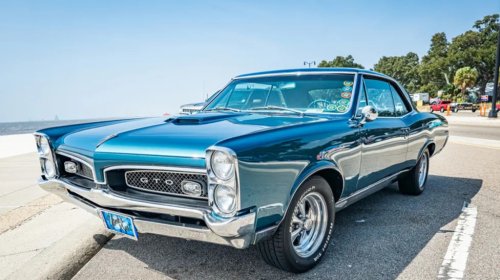
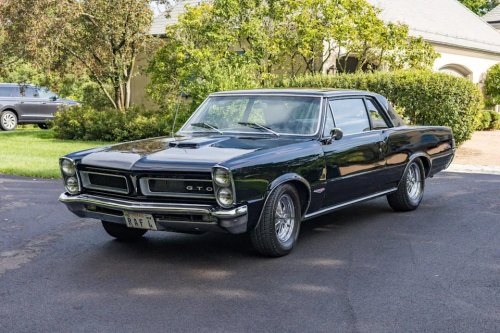
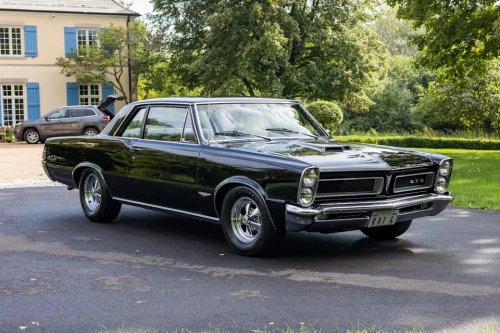
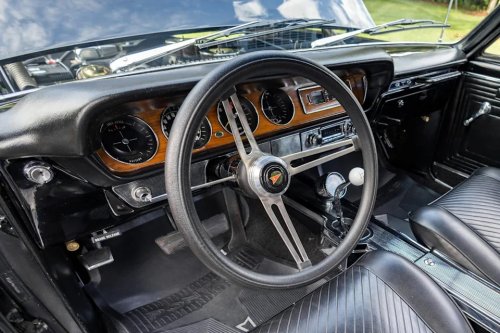
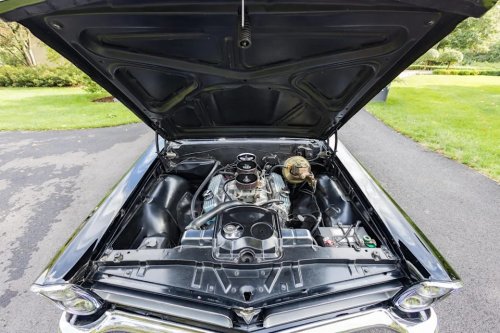
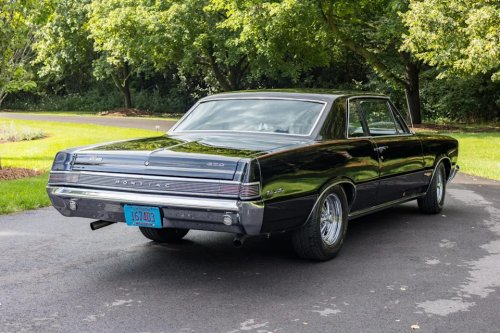
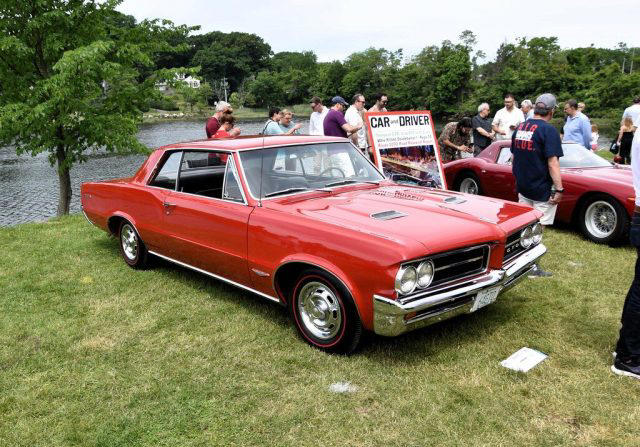
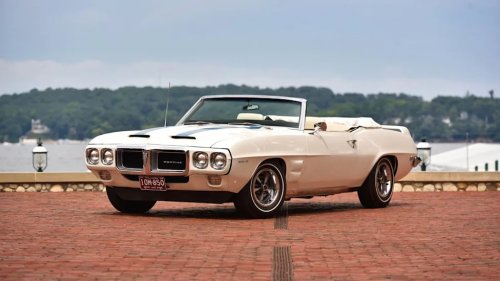
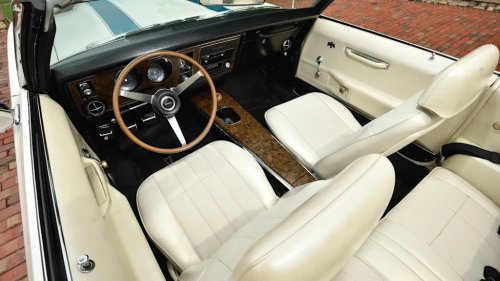
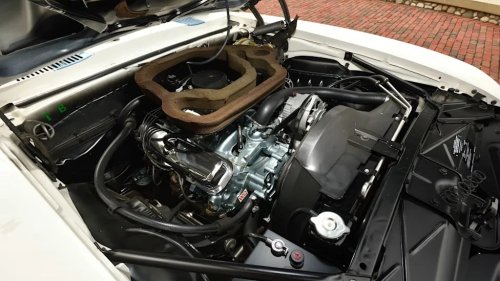
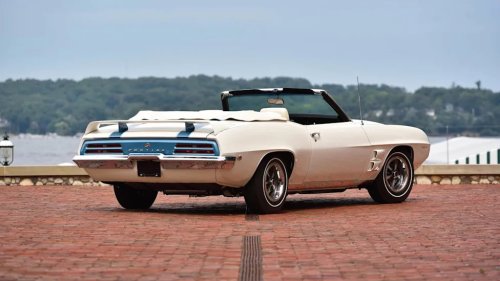
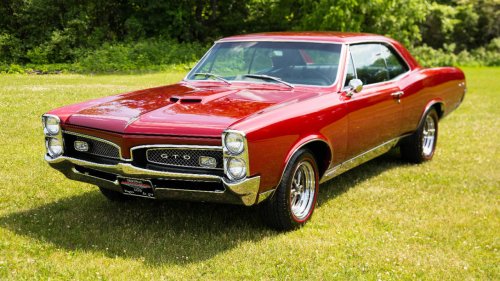
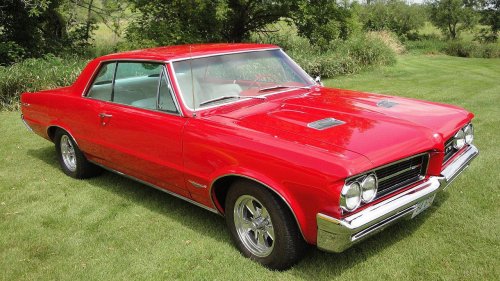
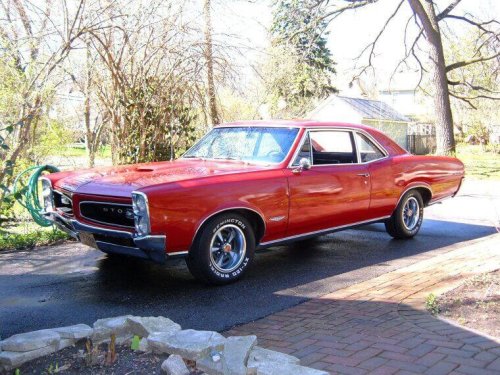
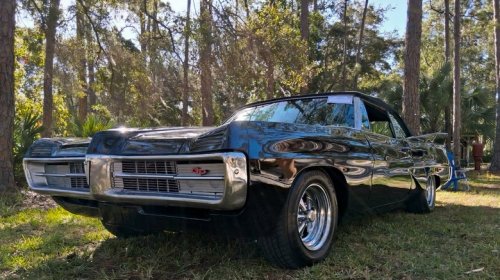
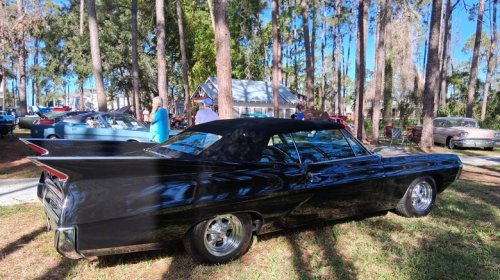
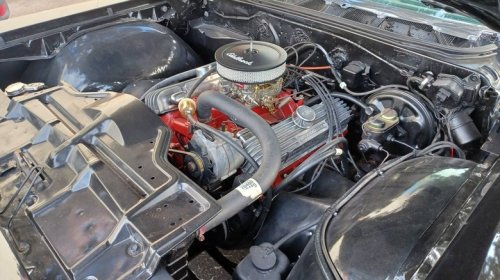
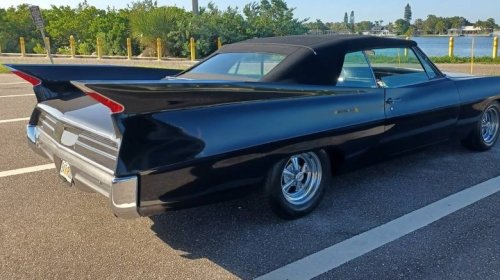
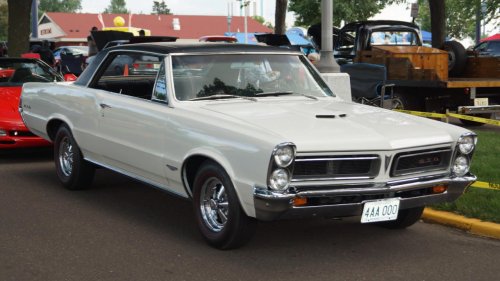
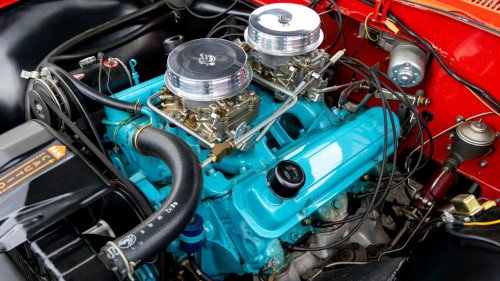
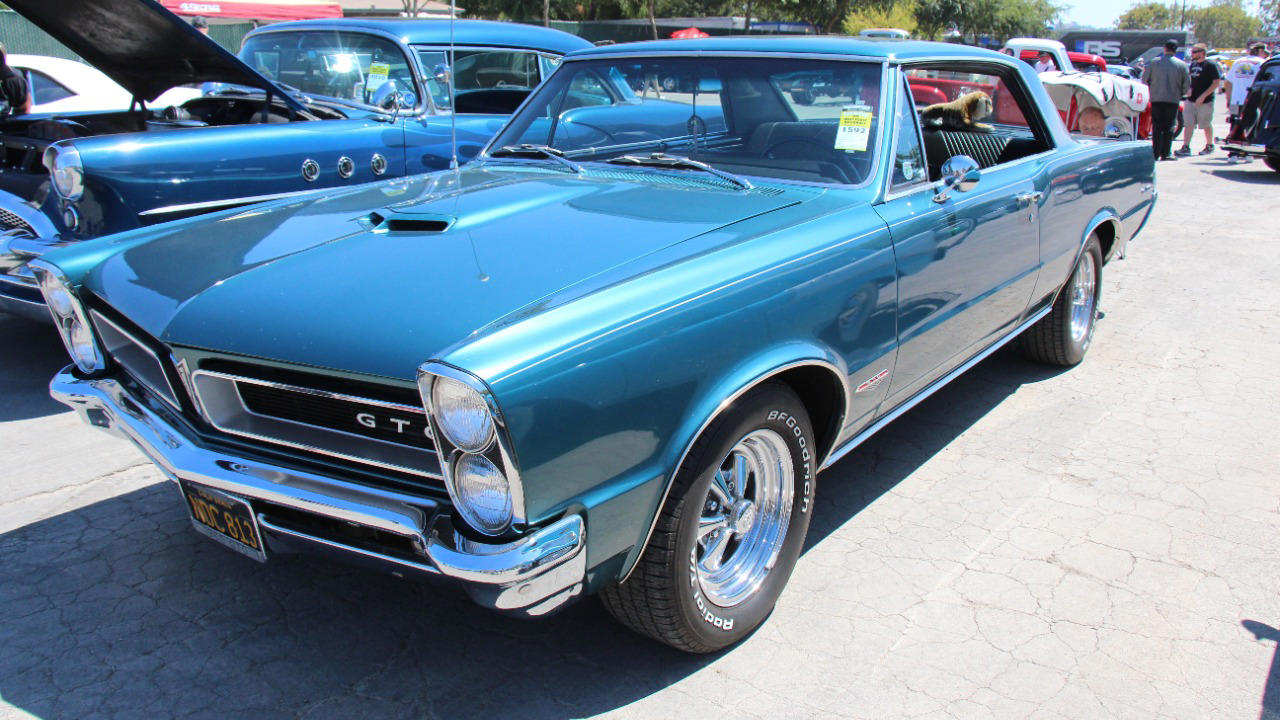
1965 Pontiac GTO Tri-Power set the template for real muscle carsThe 1965 Pontiac GTO Tri-Power did not just add more carburetors to a midsize coupe, it crystallized what you now recognize as a real muscle car. Big displacement, straightforward styling, a relatively attainable price and a focus on raw acceleration all came together in a package that enthusiasts still point to as the moment the formula clicked. When you look back at the crowded 1960s performance scene, plenty of cars were quick, but the Pontiac GTO with its Tri-Power setup turned speed into a clear, repeatable recipe. That is why so many historians and collectors still credit this specific configuration with lighting the fuse on the muscle car era and setting expectations that later legends would follow. The moment the muscle car formula snapped into focus By the mid 1960s, American performance cars were already flirting with big power, yet the Pontiac GTO cut through the noise by packaging that performance in a way you could actually buy and drive every day. Enthusiasts often describe the GTO as the car that started the muscle car movement, and you see that argument reinforced whenever the model is singled out as the machine that “started it all” in retrospectives on the Pontiac GTO. When you focus specifically on the 1965 Tri-Power version, you are looking at the point where that reputation hardened into legend. Collectors and historians repeatedly circle back to the idea that the 1965 Pontiac GTO is a true icon of the muscle car era, often credited as one of the first cars to define the American muscle movement. In enthusiast communities, the Pontiac GTO is described as a legendary muscle car that helped define the performance era of the 1960s, not just another fast GM product. That status is what lets you trace a straight line from this car to the broader culture of big-engined street machines that followed. Tri-Power hardware and the 389-ci punch What really set the 1965 Tri-Power apart was not a marketing slogan but the hardware under its hood. The car’s 389-ci V8, rated at up to 360 horsepower in period, delivered the kind of straight-line shove that made stoplight runs feel like a personal drag strip. Reports on the 1965 Pontiac GTO emphasize that combination of a 389-ci engine and up to 360 hp as central to why the car is often hailed as the one that ignited the muscle car era. The Tri-Power setup itself, three two-barrel carburetors feeding that 389, gave you both flexibility and drama. You could cruise on the center carb for drivability, then bring the outer two online when you buried the throttle, a mechanical surge that enthusiasts still talk about in almost sensory terms. Enthusiast write ups on the 1965 Pontiac GTO with Tri Power describe Its 389 cubic-inch V8 and triple two-barrel carburetors as the heart of one of the first true muscle cars, a configuration serious collectors still chase. Speed, style and affordability in one package Raw power alone would not have made the GTO a template; the car also had to be something you could realistically aspire to own. That is where its pricing and positioning mattered. The base Price and Value Price in 1965 for a Pontiac GTO hardtop coupe sat around $2,500, a figure that put serious performance within reach of younger buyers who might otherwise have been priced out of big-block territory. Analyses of the Price and Value of the Pontiac GTO underline how its blend of speed, style and affordability helped define the muscle car era. That balance is exactly what later muscle cars tried to copy. You see the same formula in how enthusiasts describe the 1960s as a time when you could chase a serious performance thrill without breaking the bank, a point often made in historical looks at how the GTO sparked a broader revolution. When you factor in the clean, purposeful styling that let the car look both muscular and usable, you can see why later Detroit performance models kept chasing that same three-part mix. From option package to cultural detonator Another reason you still hear about the 1965 Tri-Power is the way it broke internal rules and reshaped corporate thinking. The GTO began life as an option package for the midsize Pon Tempest and LeMans, a clever way for engineers to slip big performance into a smaller body. Enthusiast histories of the 1965 Pontiac GTO point out that it was Introduced as an option package for the Pon midsize line, a workaround that let the division sidestep corporate limits on engine size in smaller cars. That act of defiance is part of why one account flatly states that The GTO was not a car, it was a door kicked open, arguing that Pontiac detonated the muscle car movement by ignoring General Motors rules about big engines in mid-size platforms. When you read that the The GTO changed the air around it, you get a sense of how this one model shifted expectations inside Detroit and among buyers who suddenly realized what a midsize car could do. Why the 1965 Tri-Power still anchors the muscle car story Decades later, you still see the 1965 Tri-Power held up as a benchmark whenever people talk about authentic muscle. Enthusiast groups describe the 1965 Pontiac GTO with Tri Power as one of the first true muscle cars and a must-have for any serious collector, stressing Its 389 engine and triple carburetors as defining features of that status. That same configuration is often singled out as one of the greatest muscle cars of all time in discussions of the 1965 Pontiac GTO, reinforcing how central this exact spec has become to the legend. That reverence is not just nostalgia. Modern write ups still call the 1965 Pontiac GTO a legendary muscle car that started the American muscle car movement and describe it as Born from a desire for more performance in a streetable package. In those accounts, the Pontiac GTO is still framed as the muscle car that started it all, a car whose early lines and thunderous V8 continue to define what you expect when you hear the phrase “real muscle car.” That is why, when you trace the roots of the genre, you keep coming back to the same core facts. The 1965 Pontiac GTO is often credited as the car that started the muscle car era, with a 389 engine producing 360 horsepower that made it one of the most sought after muscle cars ever built. Enthusiast histories of the Pontiac GTO make that 389 and 360 figure central to the story, and when you pair those numbers with the Tri-Power induction, accessible pricing and rebellious origin, you can see why this specific car still feels like the blueprint every later muscle machine tried to follow. More from Fast Lane Only Unboxing the WWII Jeep in a Crate 15 rare Chevys collectors are quietly buying 10 underrated V8s still worth hunting down Police notice this before you even roll window down



















 +3 others