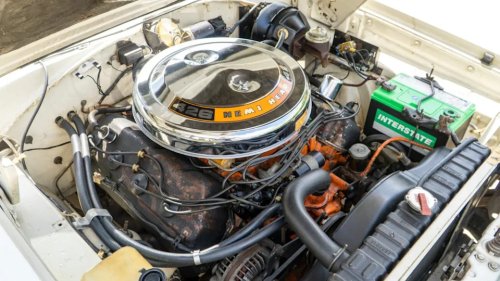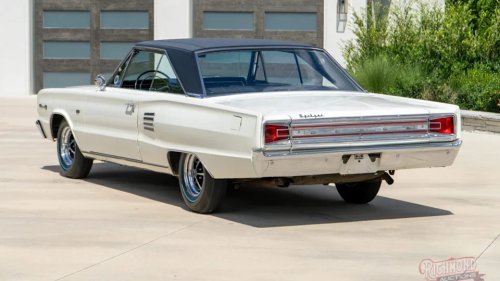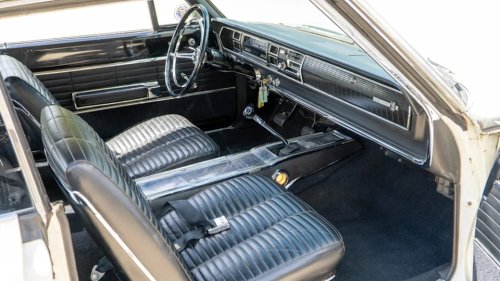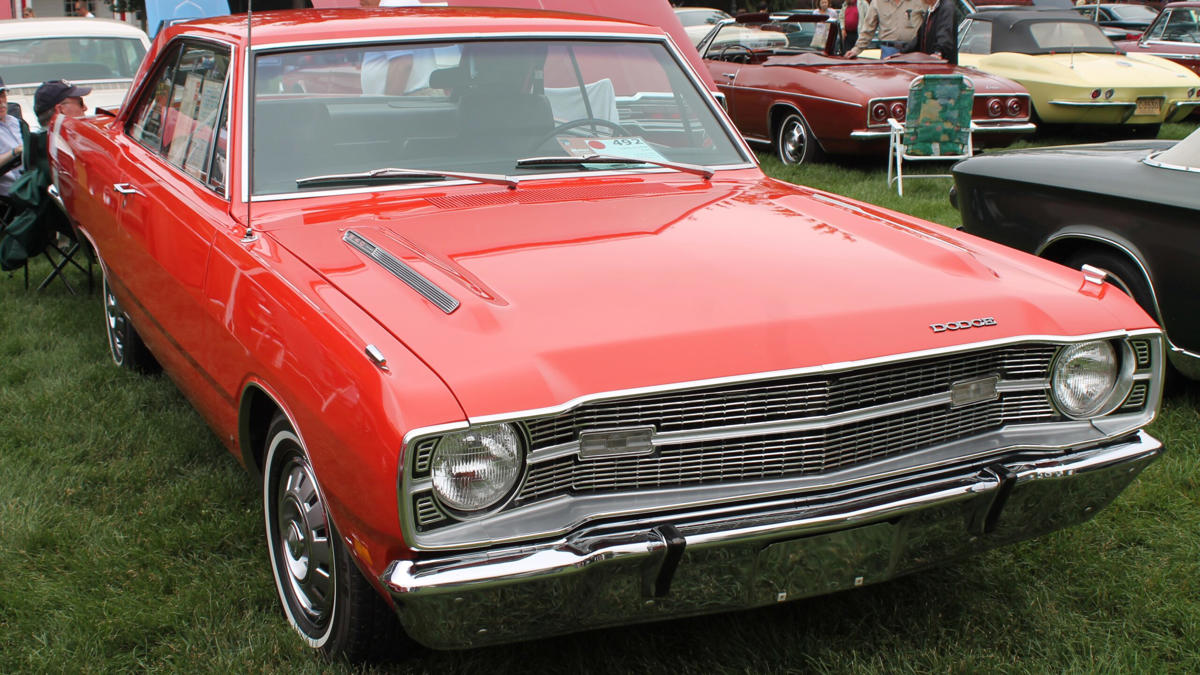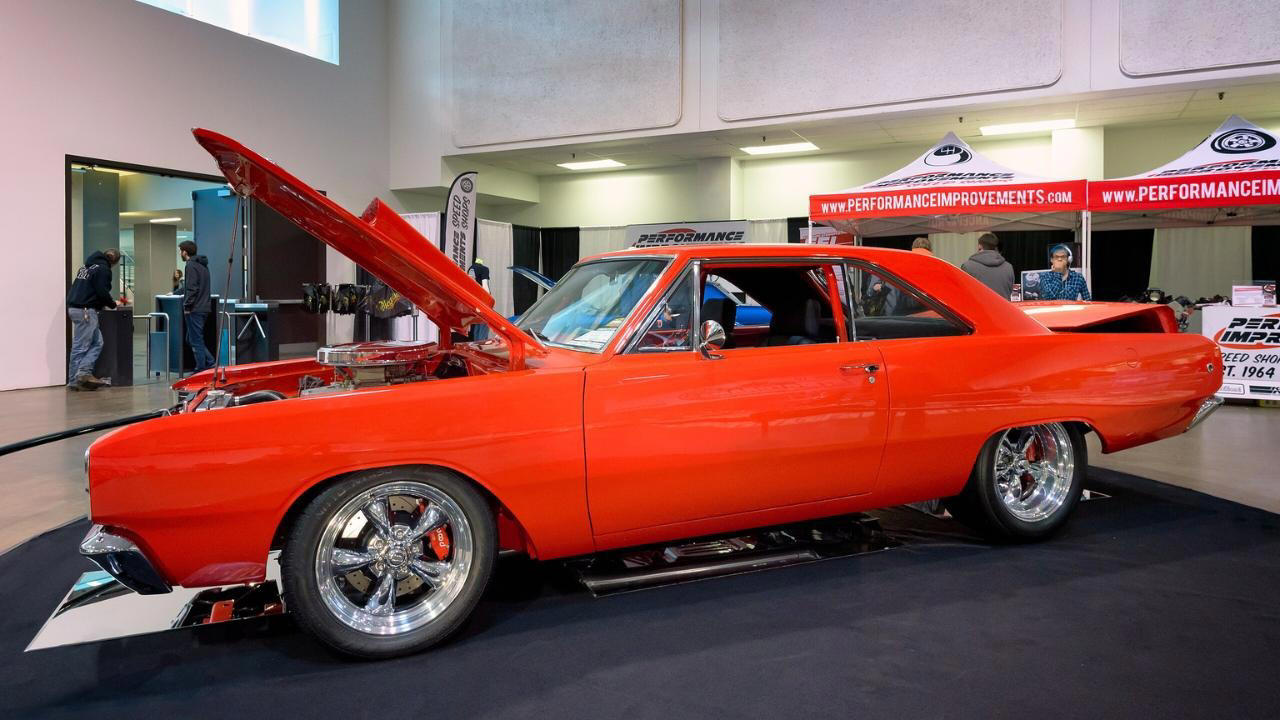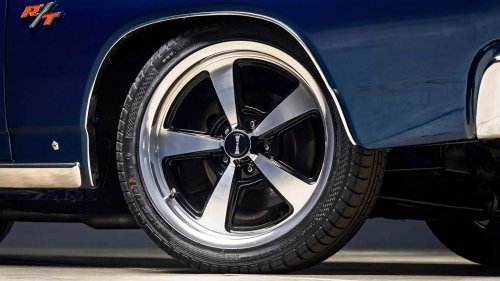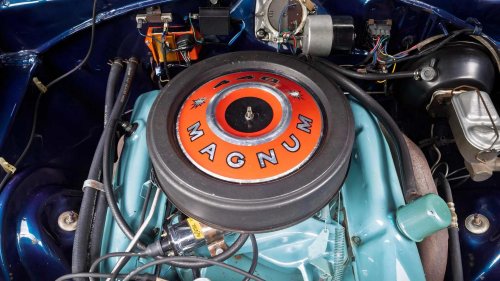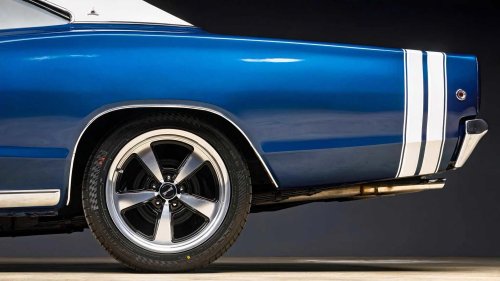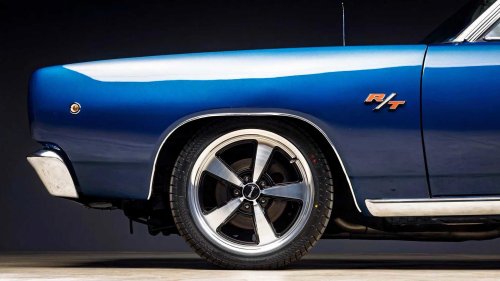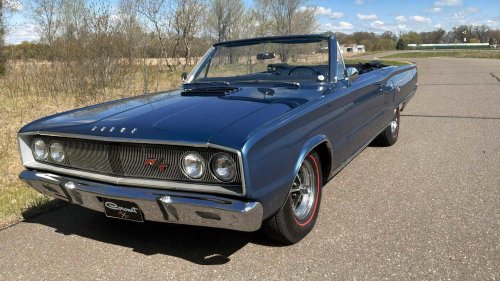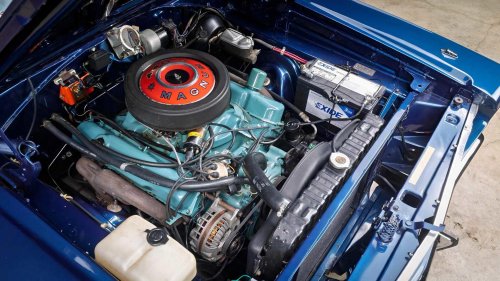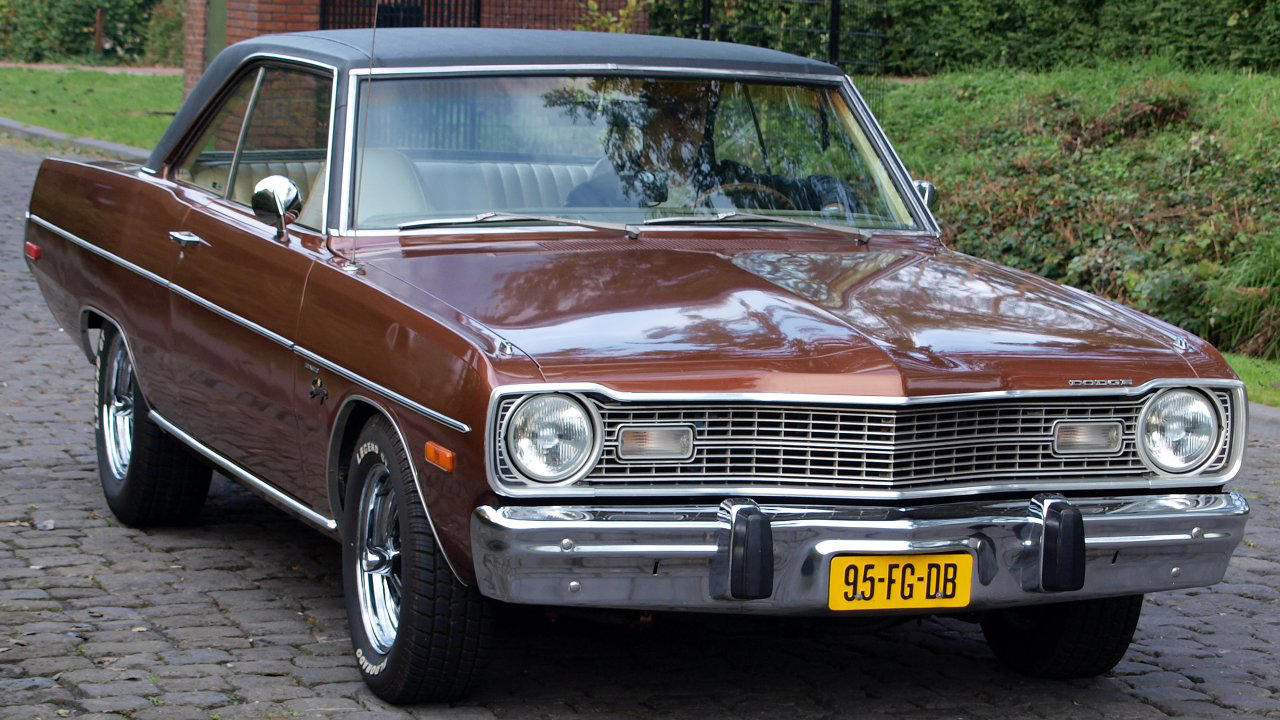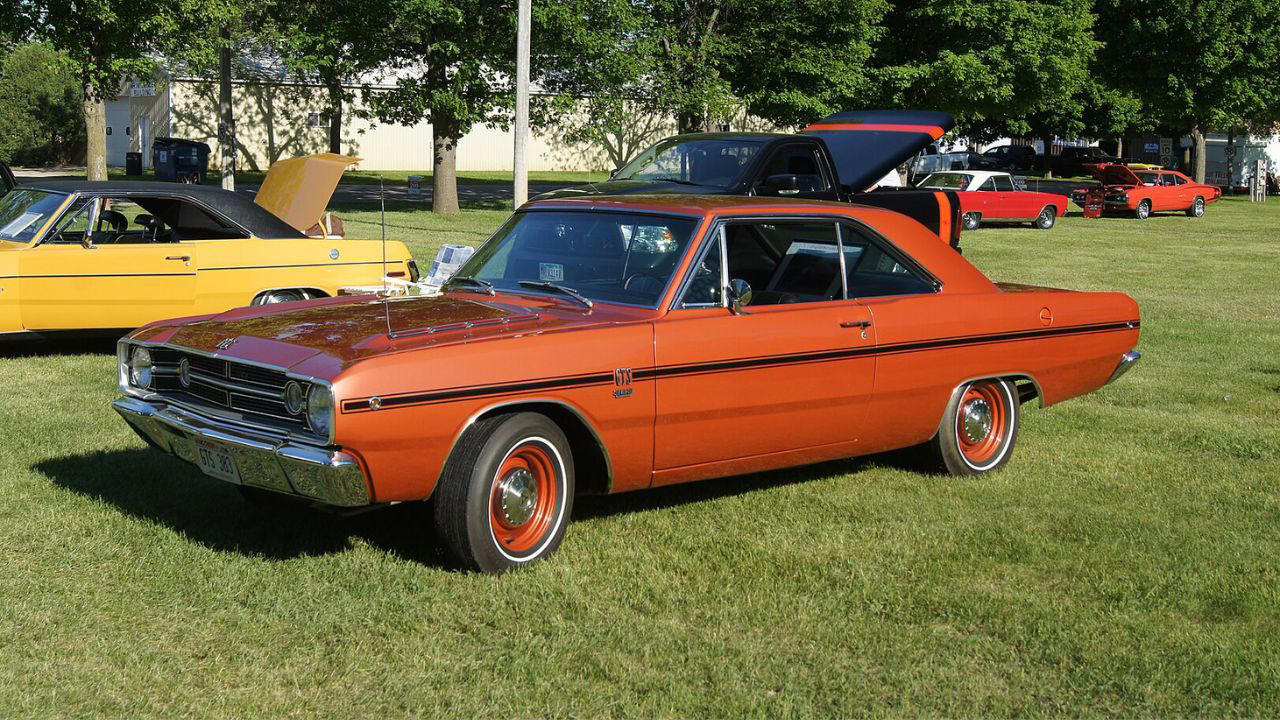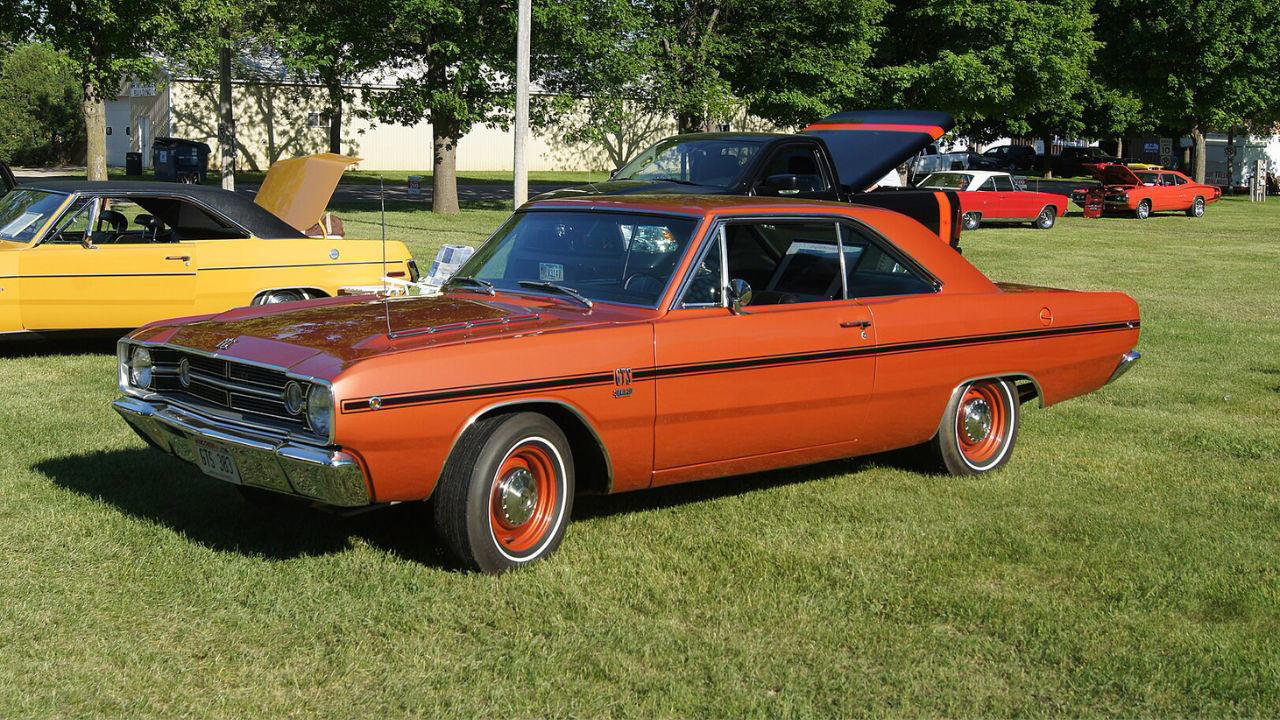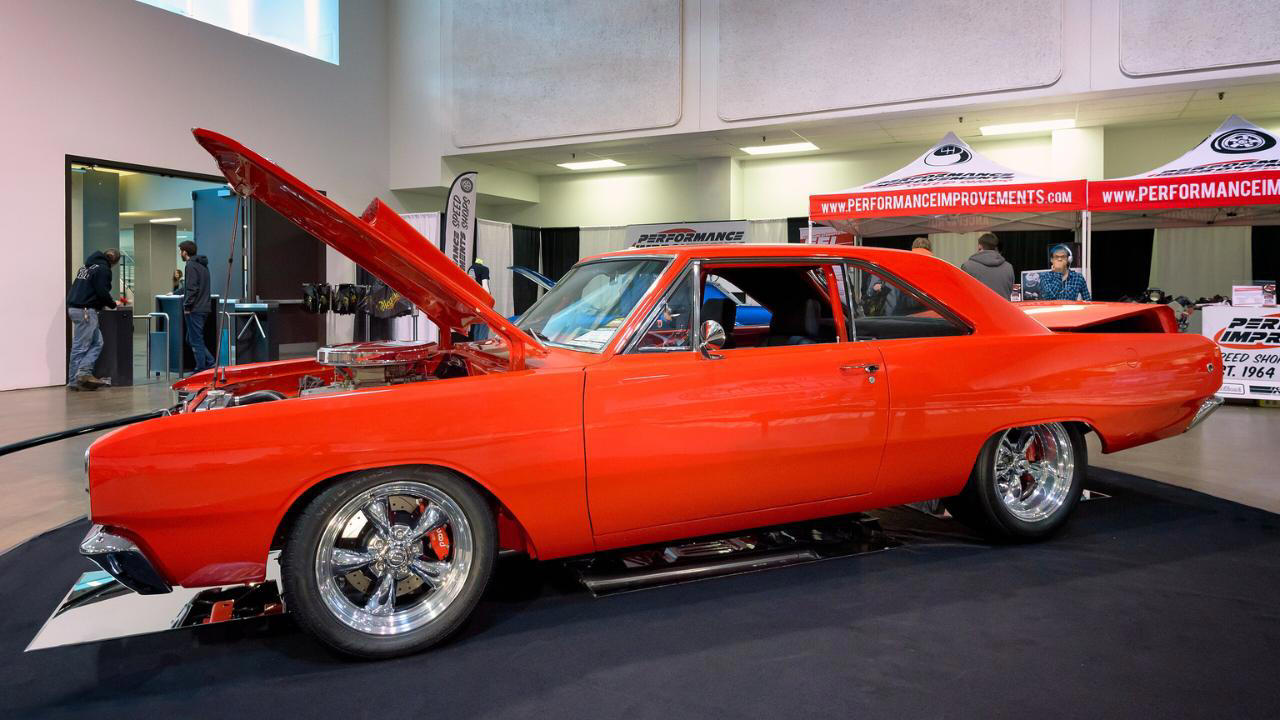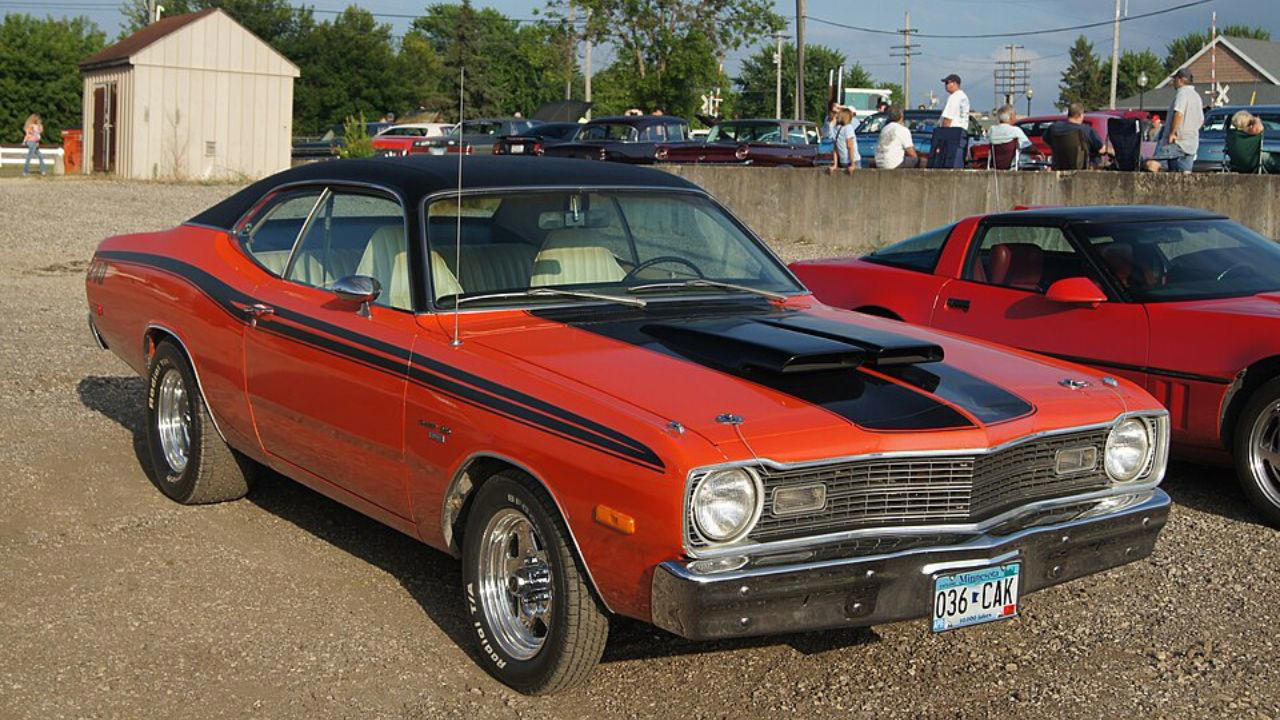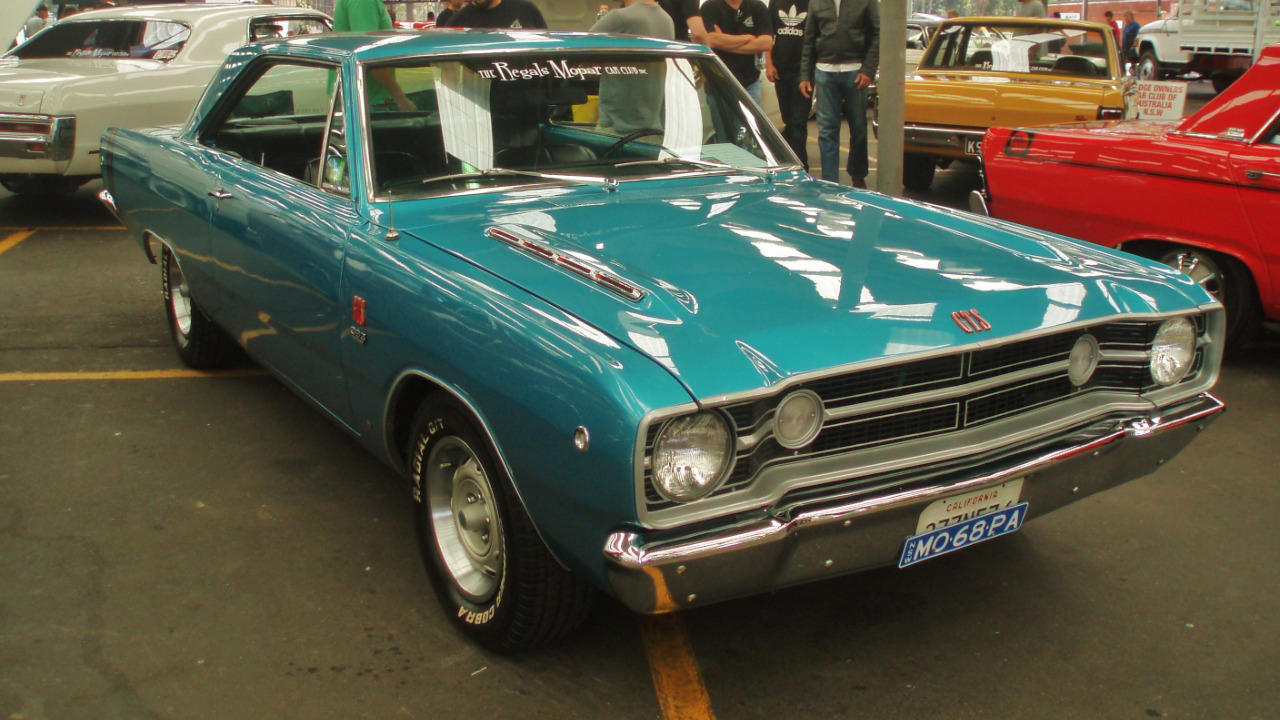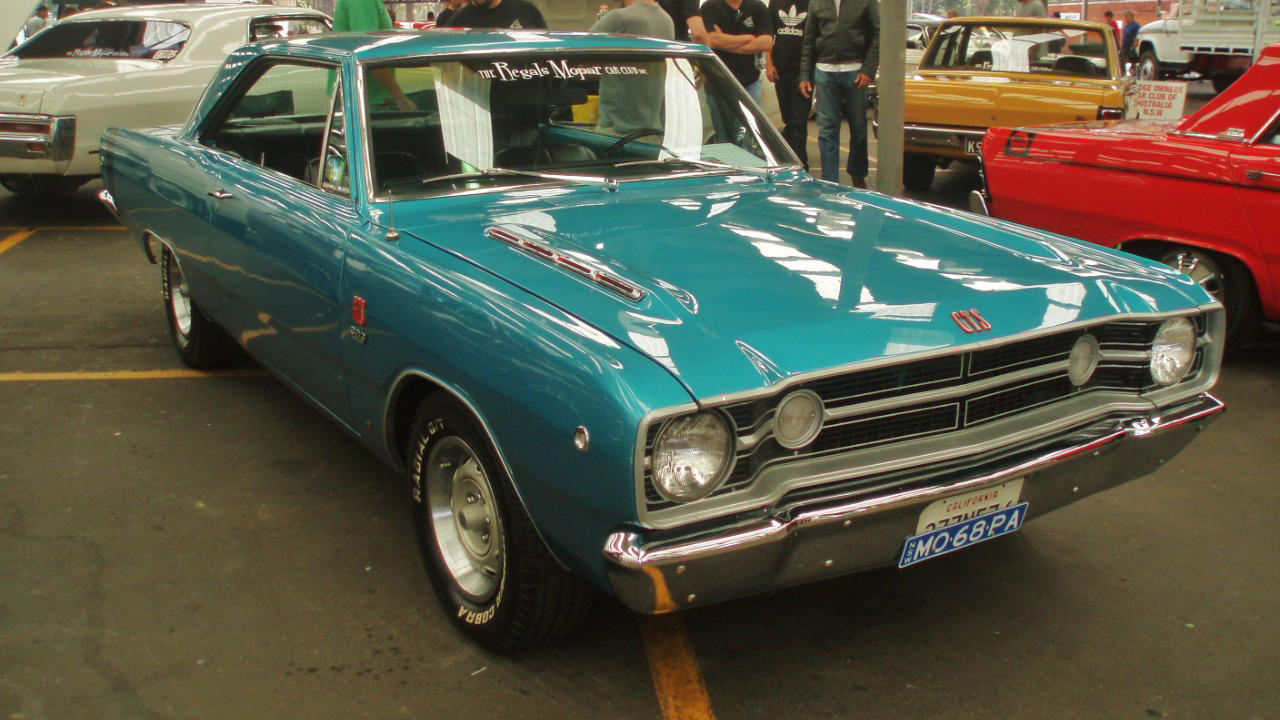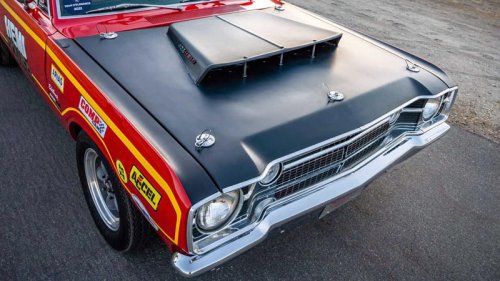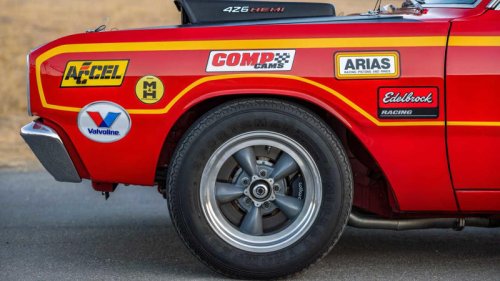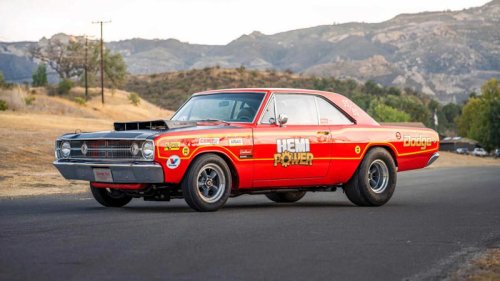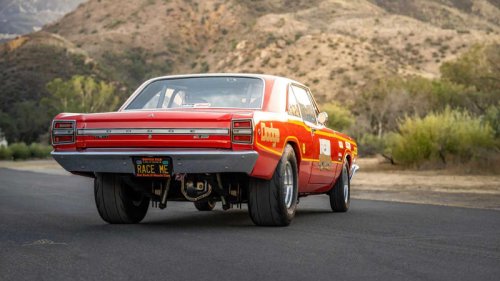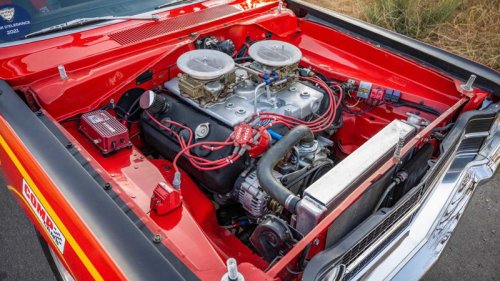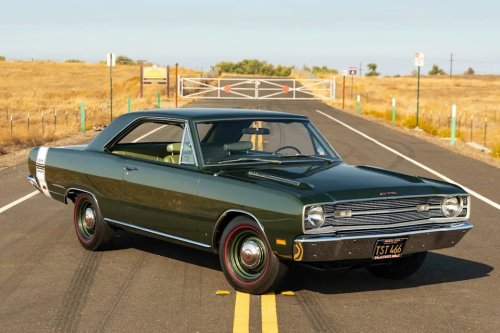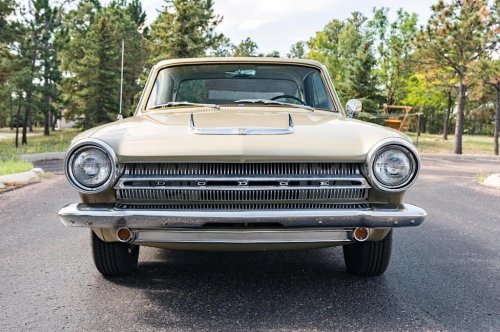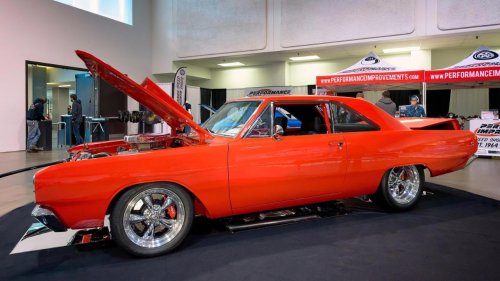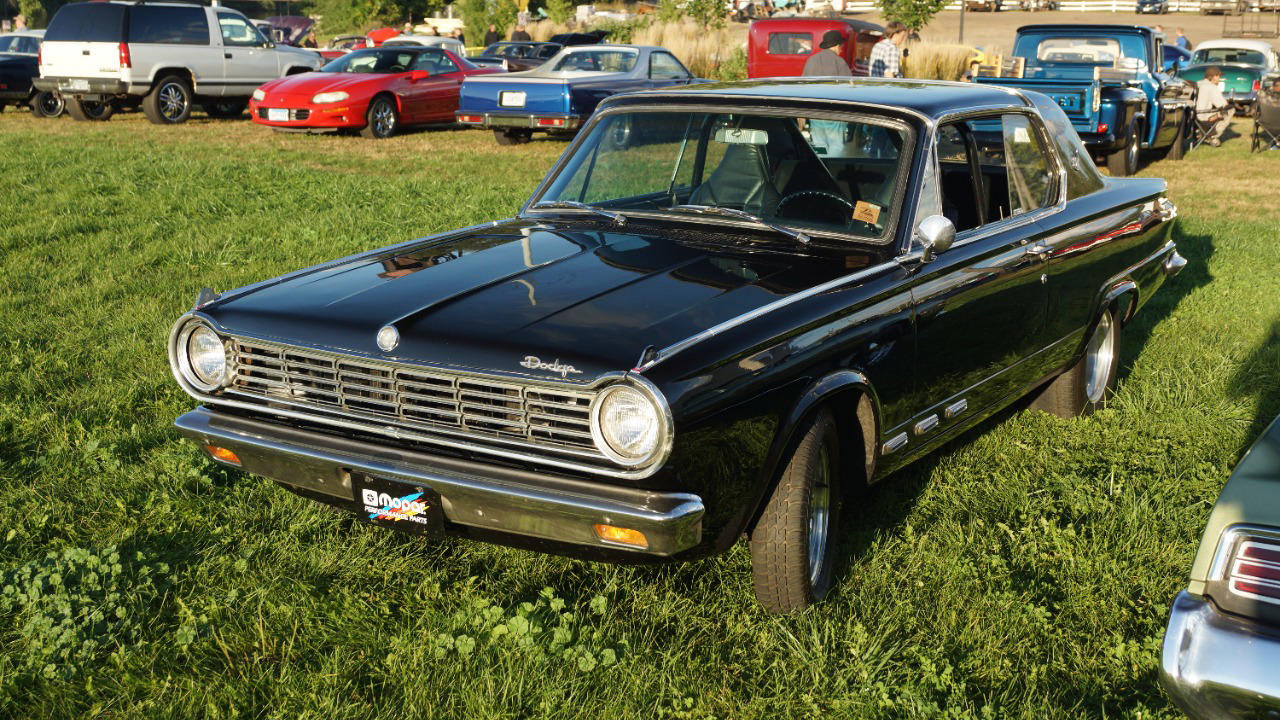



















The 1965 Dodge Dart GT sits in that sweet spot between everyday classic and cherished survivor, but age is reshaping what it takes to keep one on the road. Mechanics say jobs that look like quick Saturday fixes often sprawl into weeklong projects once brittle plastics, obsolete hardware, and past-owner improvisations reveal themselves. The car’s charm is intact, yet its aging components mean owners increasingly need a project mindset even for basic maintenance. The simple repair that snowballs On paper, a mid sixties compact like the Dodge Dart GT should be straightforward to service. The engine bay is roomy, the slant-six and small-block V8 layouts are familiar, and the factory service procedures were written for dealership technicians with basic tools. In practice, decades of heat cycles and patchwork repairs have turned many of these cars into one-off puzzles. Mechanics describe a familiar pattern. A customer arrives for a minor coolant leak, only to discover that the original heater core, blower motor, and associated hoses are all at the end of their lives. In one widely shared build, a 1965 Dart that came in for a freshening ended up with a new heater core, a new blower motor, new plugs and wires, new interior carpet and floor mats, and a rebuilt transmission so the car would not drip anything on the ground. What began as a tidy list of upgrades became a near systems-level refresh once the car was opened up. Owners who buy cars that have sat for decades see the same escalation. One video chronicling the first clean up in 30 years on a $500 65 Dodge Dart 2 door shows the crew stacking up wiper motors on the bench and joking that they drove an 80 Buick Park, so they know all about wedging tools into awkward spaces. A simple plan to make the wipers work again quickly turns into a search through spare parts, wiring checks, and a debate about which previous repair to trust. Age, rust and the hidden costs of time Mechanics say the real enemy is not any single weak component but the accumulation of age. A 1965 Dodge Dart is now more than six decades old, and even the best preserved examples carry the scars of time. Rust is a recurring character in the story. A detailed Station Wagon Overview for the Dart notes that 1965 Dodge Dart station wagons are prone to corrosion in the wheel wells and other body seams, and those same weak spots show up on GT hardtops when water has been allowed to sit. Rust does more than create cosmetic headaches. It seizes fasteners, distorts mounting points, and can turn a straightforward suspension or brake job into a wrestling match with the shell itself. A mechanic who expects to unbolt a shock absorber in minutes may instead spend hours cutting hardware free and patching thin metal around the mounting area. Even on a car that is mechanically “good for a 62 year old car,” as one buyer described a slightly earlier 1964 Dart in a Facebook group, the cosmetic roughness still has to be confronted before any simple fix stays simple. Under the hood, age shows up as hardened rubber, varnished fuel passages, and corroded electrical connections. A guide to 6 of the points to lack of lubrication, rust, and mistiming as repeat offenders in older engines. Mechanics working on Dodge Darts see that list play out in stuck distributor advance mechanisms, clogged oil passages, and timing chains that have stretched far beyond factory tolerances. A tune-up that should involve plugs and points can evolve into a hunt for deeper mechanical wear. Parts are available, but the catalog is a maze One reason the 1965 Dodge Dart GT remains viable as a hobby car is the surprising depth of the parts market. Specialty catalogs list everything from small trim clips to complete interior kits, although the abundance of options can hide gaps and compatibility traps. On the general replacement side, retailers such as Advance Auto stock wear items for the 1965 Dodge Dart, including filters, ignition parts, belts, and some suspension pieces. That keeps routine maintenance within reach for owners who want to treat the car like a driver rather than a museum piece. At the same time, many of the nuanced, Dart-specific components have migrated to niche Mopar specialists. Enthusiasts turn to catalogs like Classic Industries for 1965 Dodge Dart parts, where the listings run from interior trim to weatherstripping. A deeper drill into the same catalog shows how granular the offerings have become. The cooling section alone includes Additives, Cooling System Additives, Controllers, Repair Parts, Fan Components, and Blades, with Fan Components broken into 73 individual items. There are also radiator caps, overflow system hoses and clamps, radiator hardware and petcocks, along with water pumps and water pump pulleys. The breadth helps mechanics assemble complete systems, but it also demands careful cross-checking of part numbers, especially when a previous owner has already swapped in non-original hardware. Performance and restoration outlets such as Speedway Motors list a staggering array of universal and model-specific components for the 1965 Dodge Dart. Their catalog counts 166 Fuel Level Gauges, 163 Carburetors, 158 Coil Springs, 154 Boost Gauges, 152 Steering Wheels, and 140 Exhaust Tailpipe Tips that can be configured for Dart projects. That variety lets builders tailor the car to drag racing, street cruising, or period-correct restoration, but it also introduces the risk that a “simple” part swap will require modifications when the chosen aftermarket piece does not quite match Chrysler’s 1965 geometry. Specialist Mopar suppliers and the hunt for the right piece Where mainstream catalogs taper off, Mopar-focused suppliers pick up the slack. Sites like Old Moparts focus specifically on classic Dodge Dart components, from weatherstrips and window fuzzies to engine and drivetrain parts. Their broader homepage at Oldmoparts.com reflects a business built around sourcing and reproducing items that the big-box chains no longer carry. Another dedicated source, Dantes Parts, organizes 1965 Dodge Dart listings into clear categories for interior, exterior, and mechanical hardware, and maintains an active presence through Dantes Mopar Parts on social media. Mechanics who specialize in A-body Mopars say these vendors are often the only practical way to track down correct trim or hard-to-find engine brackets that make the difference between a bolt-in repair and a day spent fabricating. That same specialization, however, can extend the timeline for what starts as a quick job. A mechanic who discovers a cracked dash bezel or a missing clutch linkage while replacing a shifter bushing may have to pause the project while a box from a Mopar specialist works its way through the shipping network. In a restoration thread for a 1965 Dodge Dart GT that had been converted from a slant 6 4 speed to a 273 with an automatic, the owner notes having all the clutch linkage and related hardware in hand, but that level of preparedness is the exception rather than the rule. When past owners rewrite the car Every 1965 Dodge Dart GT that arrives at a shop carries its own history of repairs, shortcuts, and experiments. Mechanics say that history often matters more than the original factory design when they estimate how long a job will take. Some cars have been updated with modern safety and drivability upgrades. A long running discussion on a slant-six forum about whether an owner is missing anything for a 1965 Dodge Dart includes advice from a user identified as Reed, who argues that one really should get the car handling well and stopping better with a split dual pot master cylinder before chasing power. That kind of sensible modification can make a Dart easier to live with, but it also means that a later mechanic has to understand both Chrysler’s original single-circuit brake system and the specifics of the retrofit. Other cars show more improvised changes. Wiring harnesses might be spliced for aftermarket stereos, ignition systems may have been converted from points to electronic modules, and engines swapped across generations. In the Facebook restoration group for a 1965 Dodge Dart GT, one owner describes buying a car that was originally a slant 6 4 speed but now carries a 273 and an automatic transmission. The owner mentions having all the clutch linkage and related parts, which opens the door to another drivetrain change. Each of those transitions requires additional brackets, pedals, and frame modifications that can complicate what looks like a basic engine or transmission service. Suspension and weight distribution changes add another layer. In a video on a 1965 Dodge Dart GT budget build nicknamed a Weight Watchers Special, the builder explains that for every inch the engine is moved forward, about a hundred pounds are added to the front axle, shifting weight from the rear of the car. That kind of modification affects handling, alignment, and even steering box loads, so a mechanic who is simply trying to replace coil springs or shocks has to account for a very different weight balance than the factory intended. Vintage quirks meet modern expectations Owners raised on modern vehicles often expect a 1965 Dodge Dart GT to behave like a contemporary compact once it has “had a tune-up.” Mechanics caution that reliability expectations need to be calibrated to the underlying design and materials. A broad overview of Dodge Dart reliability points out that understanding performance and longevity for this nameplate requires attention to maintenance, driving style, and known weak spots. For the 1965 GT, those weak spots include drum brakes that fade under repeated stops, steering systems with more play than modern racks, and cooling systems that were sized for period traffic and fuel. Modern fuels and driving conditions also stress parts in ways Chrysler engineers did not anticipate. Ethanol blends can swell old rubber fuel lines and degrade original carburetor components, while sustained highway speeds put extra load on cooling systems and bearings. Mechanics frequently recommend replacing old fuel hoses, upgrading to new radiators and water pumps, and fitting electronic ignition modules to reduce maintenance. Yet each upgrade can reveal another layer of aging or incompatible components, turning a short visit into a staged modernization project. Electrical reliability is another area where expectations and reality diverge. The original charging system on a 1965 Dart was designed around modest electrical loads. When owners add high-output stereos, electric fans, and auxiliary lighting, alternators and wiring harnesses that were marginal when new can become failure points. A quick alternator swap may spiral into a full charging system rewire once brittle insulation and corroded connectors are exposed. Shops adapt by treating every Dart as a project Faced with these realities, experienced mechanics have shifted how they approach the 1965 Dodge Dart GT. Instead of quoting isolated jobs, many now conduct a holistic inspection and present owners with a prioritized list of systems that need attention. That approach mirrors the way restoration shops handled a 6 day transformation of a well known Dart project, which included a new heater core, new blower motor, new plugs and wires, new interior carpet and floor mats, and a rebuilt transmission in one concentrated push. More from Fast Lane Only Unboxing the WWII Jeep in a Crate 15 rare Chevys collectors are quietly buying 10 underrated V8s still worth hunting down Police notice this before you even roll window down The post Mechanics warn the 1965 Dodge Dart GT’s aging components can turn simple fixes into projects appeared first on FAST LANE ONLY.