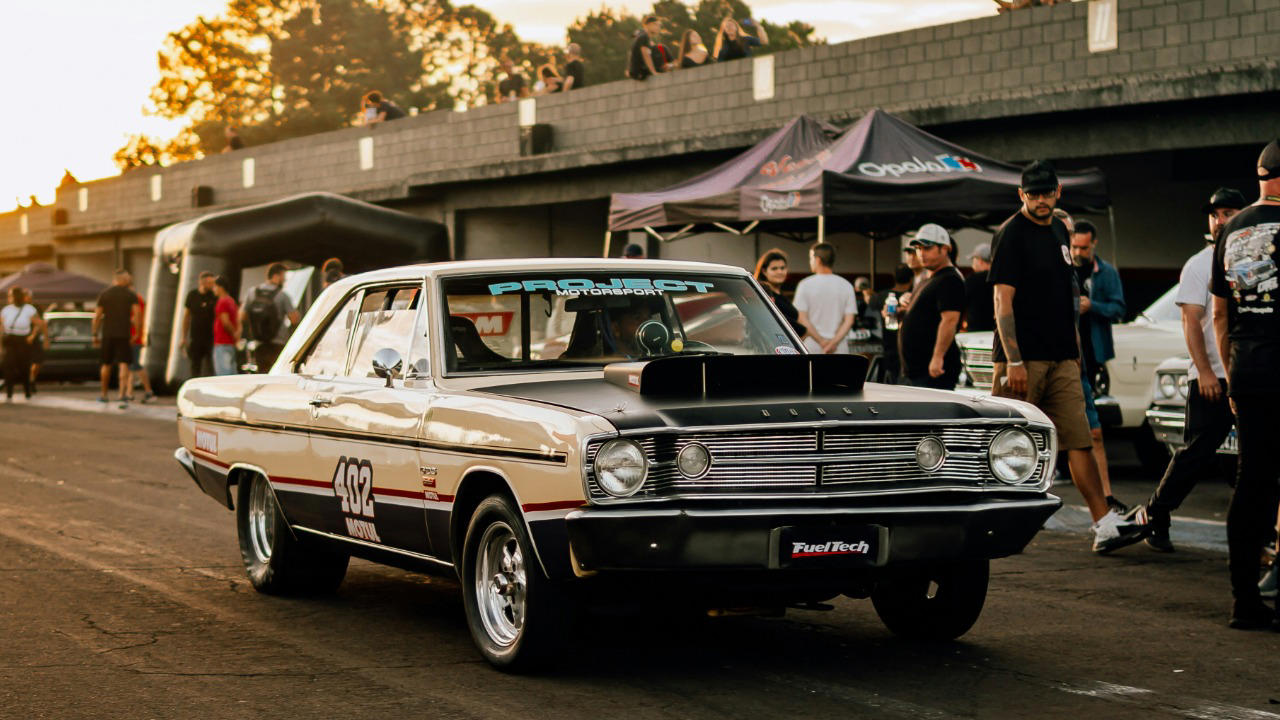
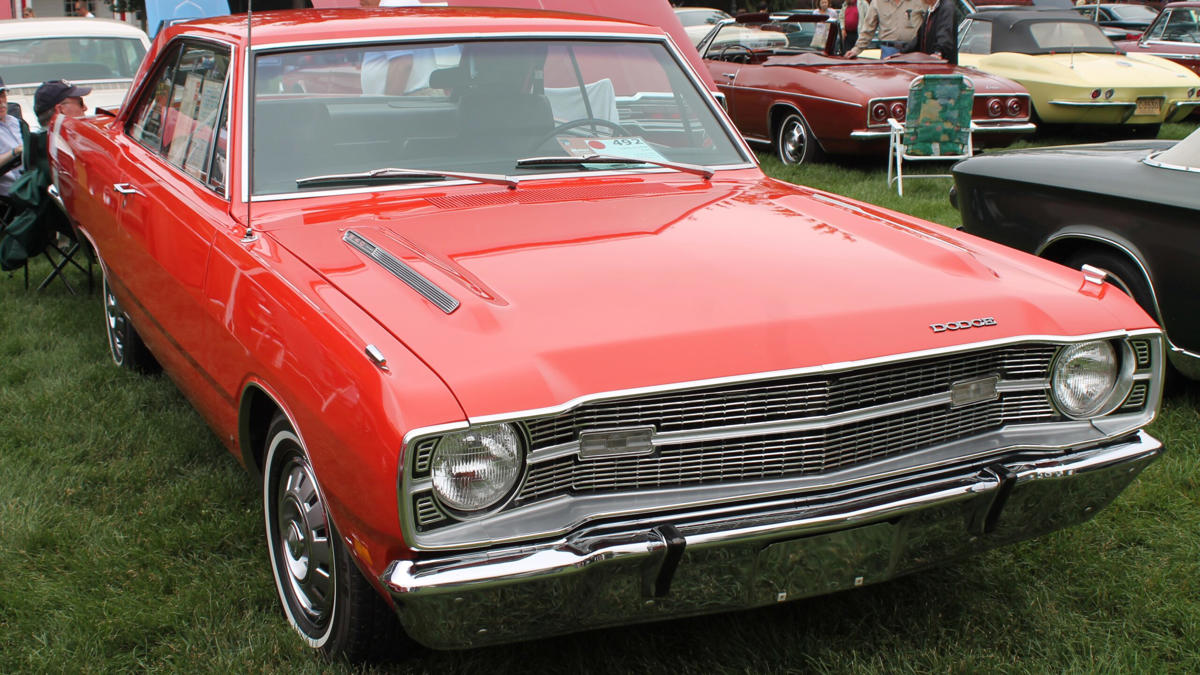
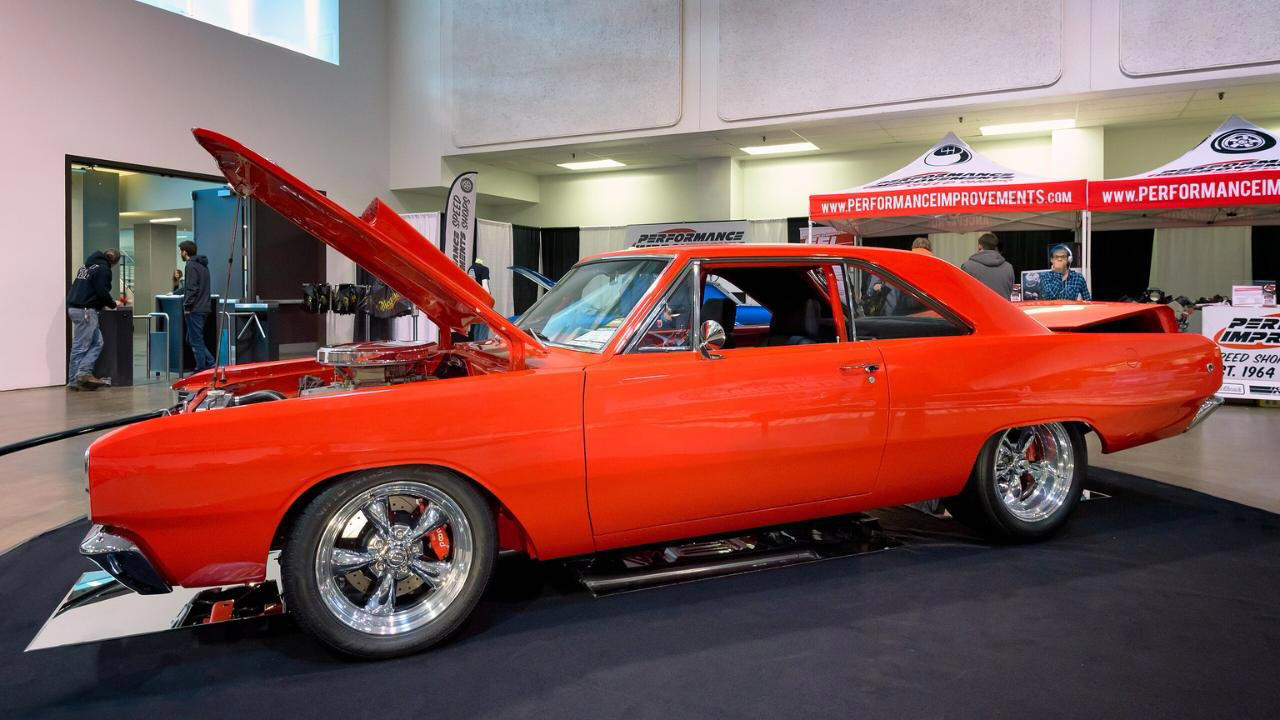
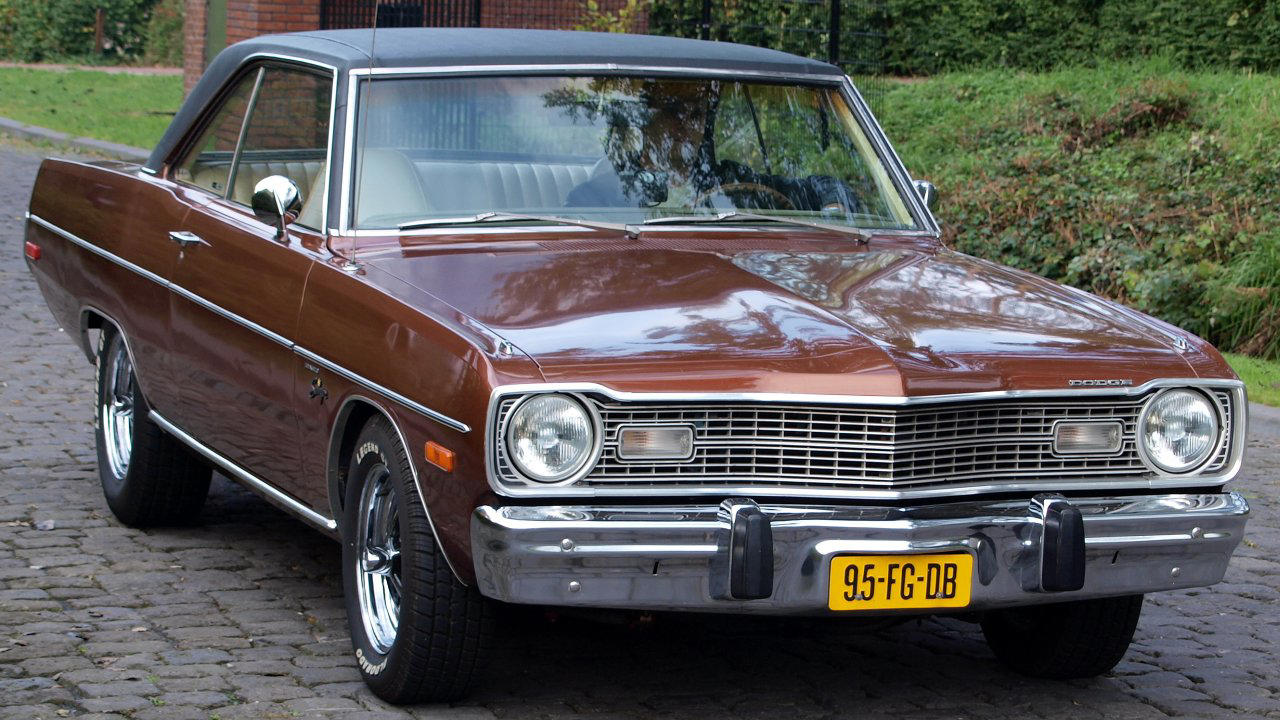
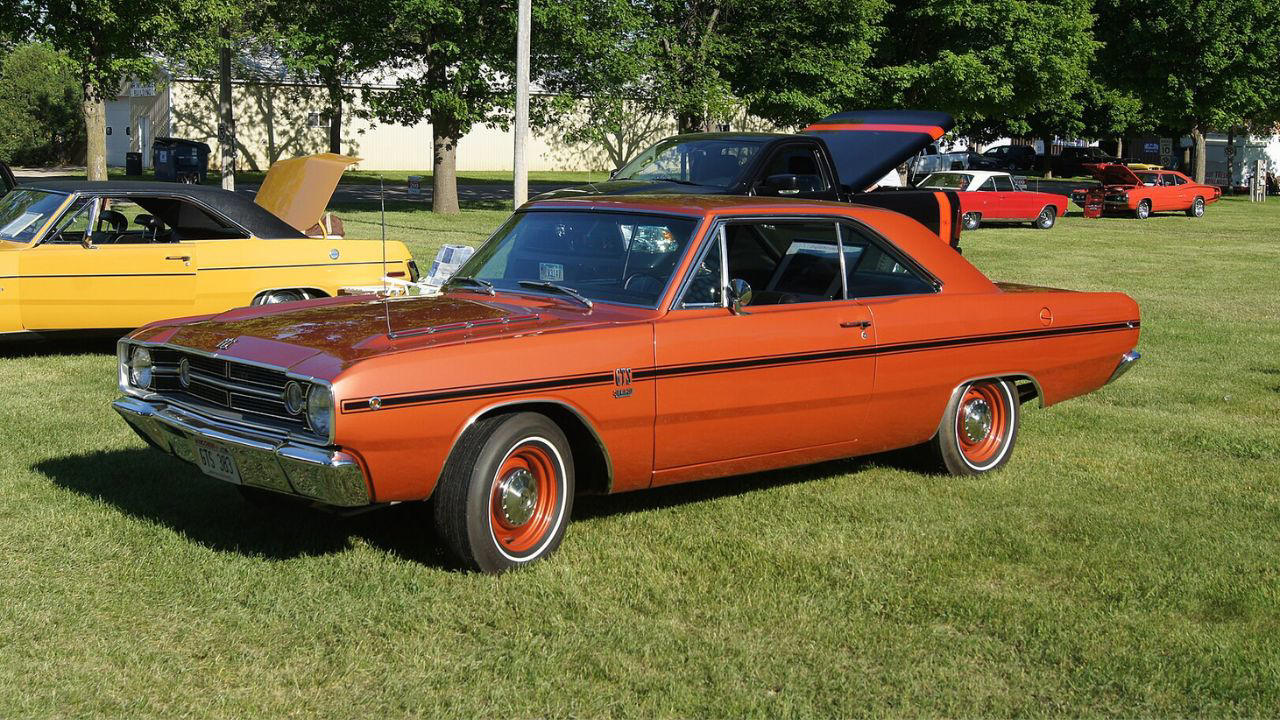
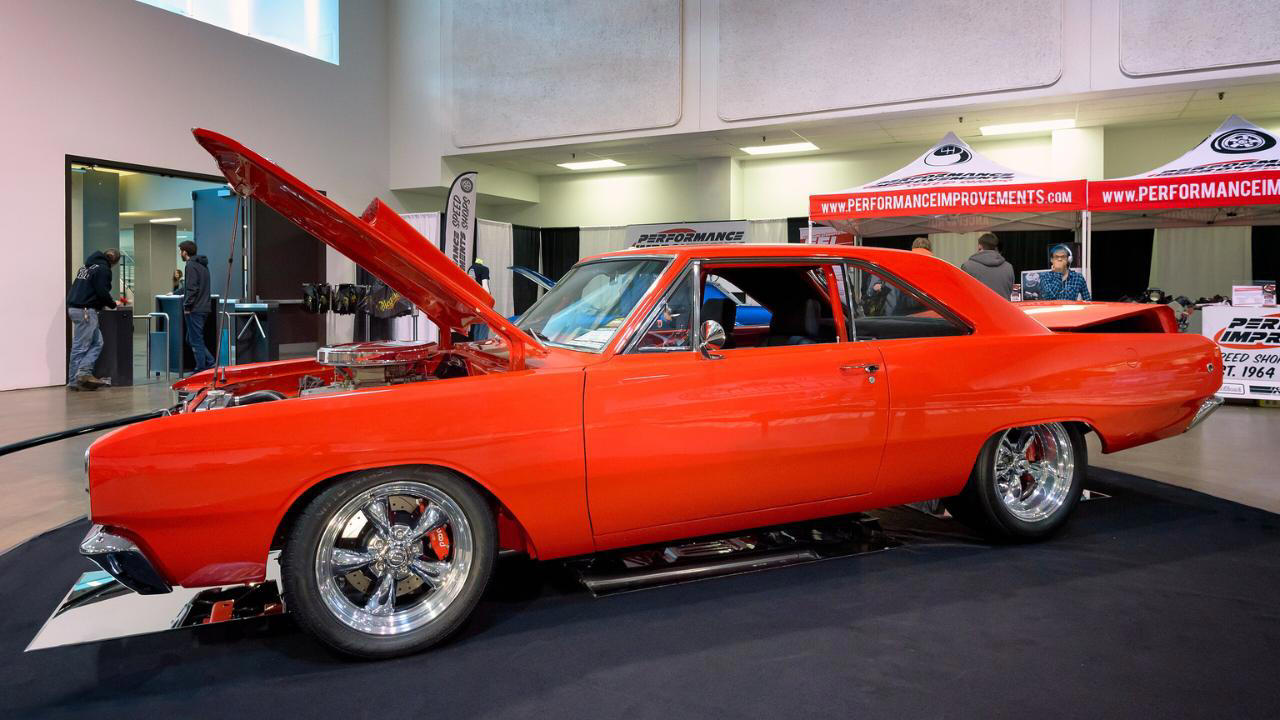
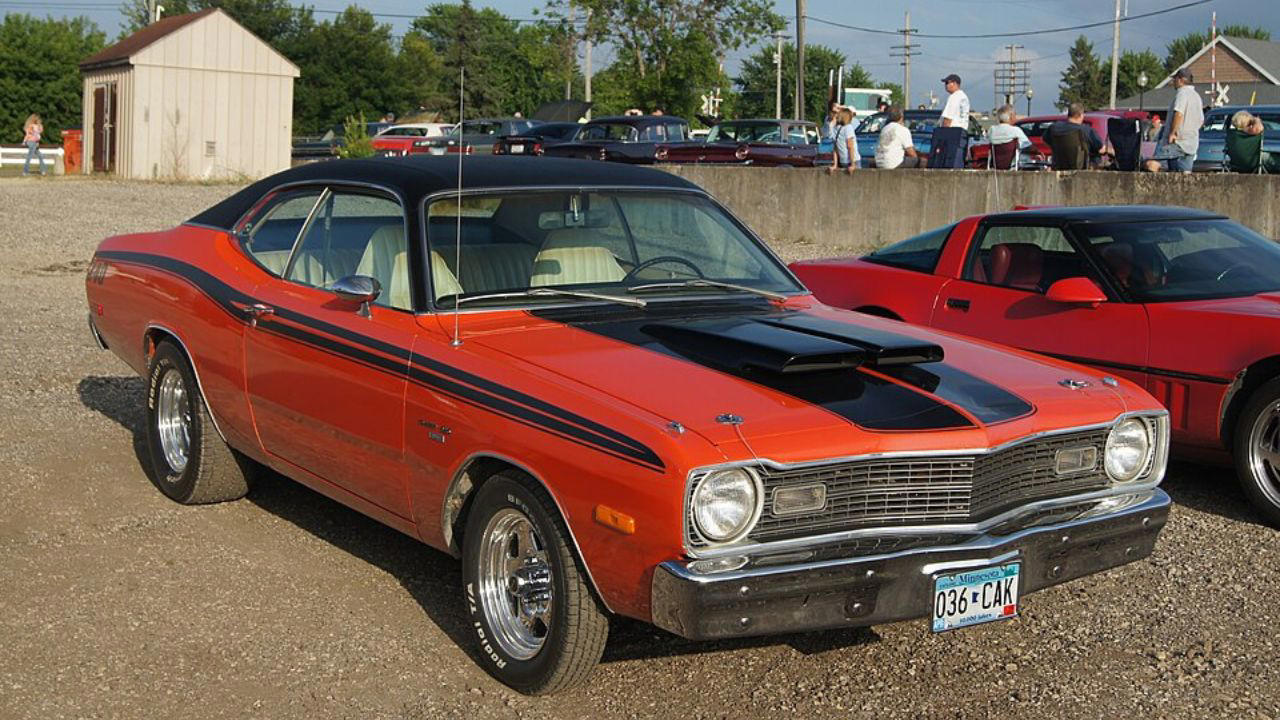
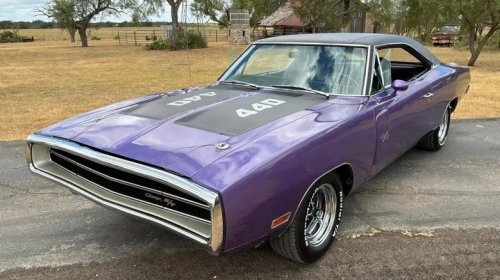
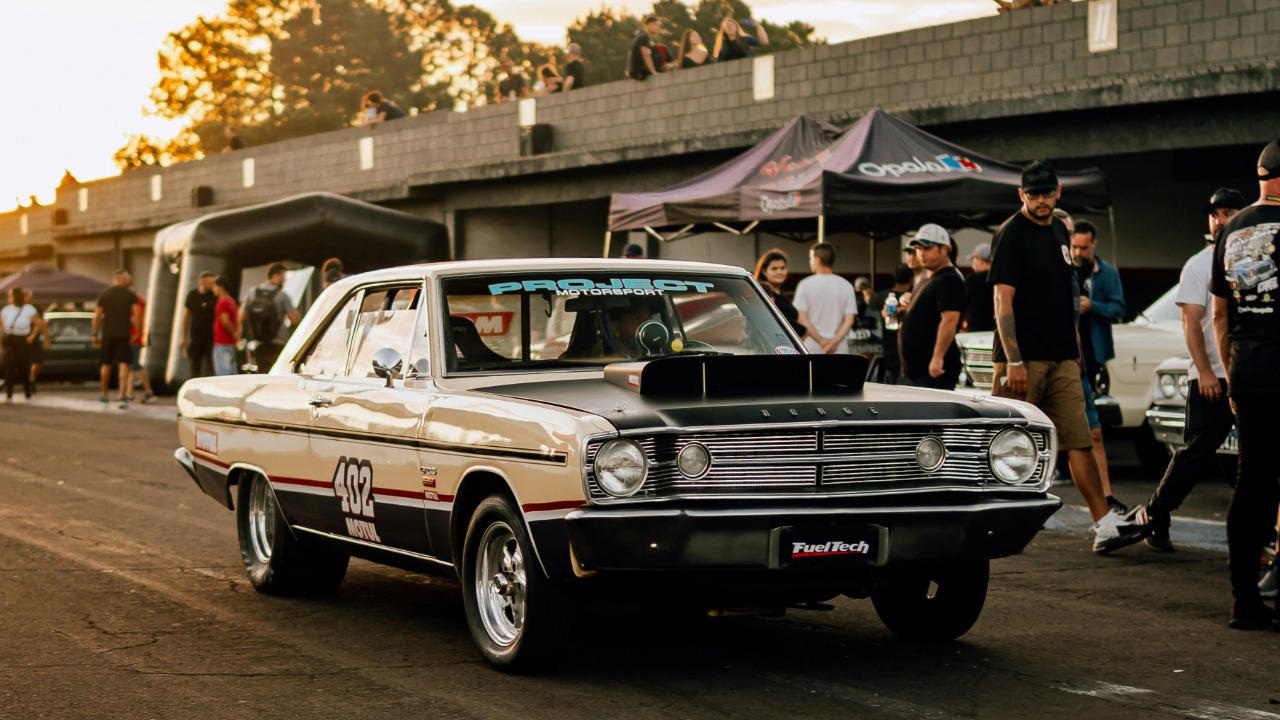
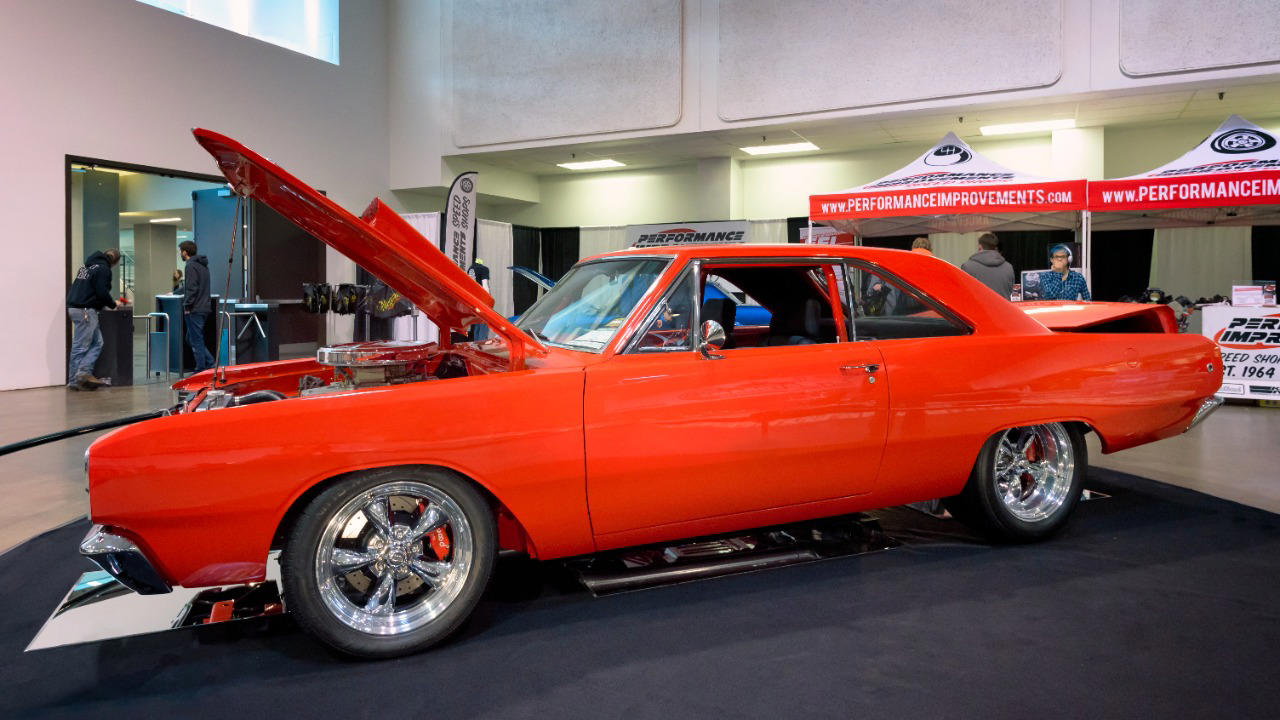
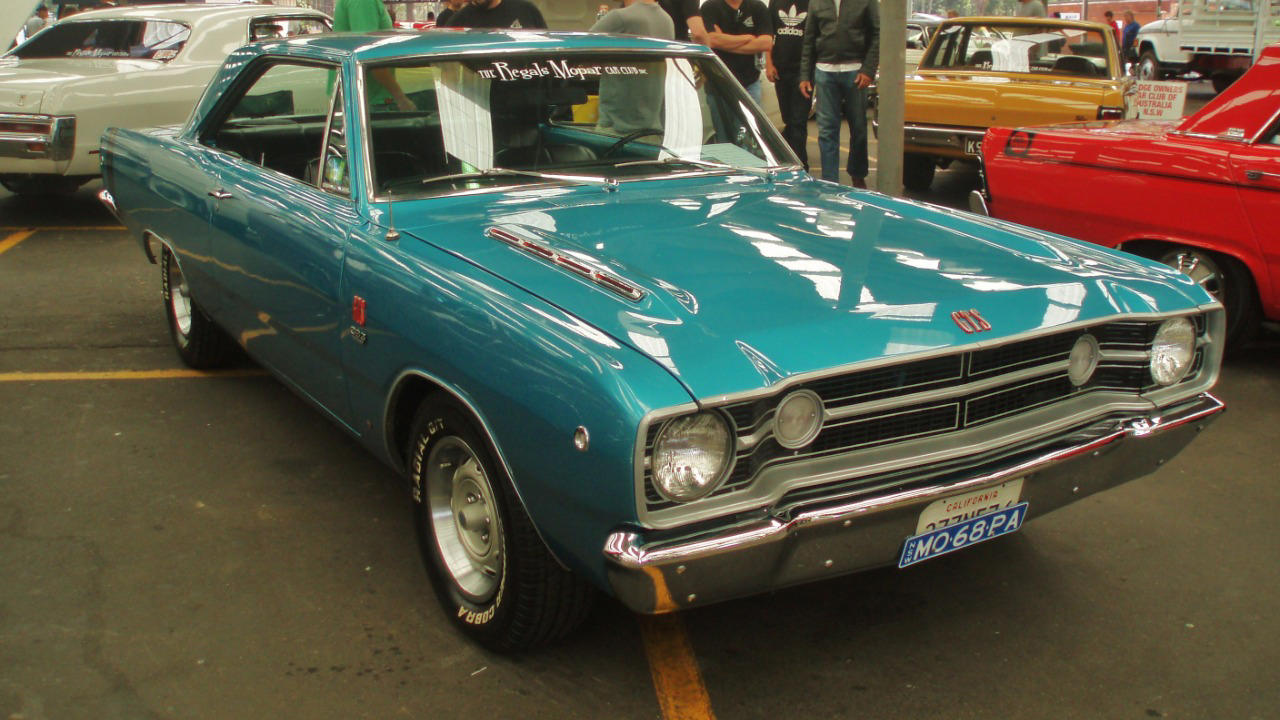
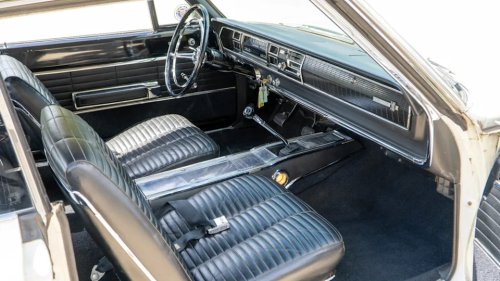
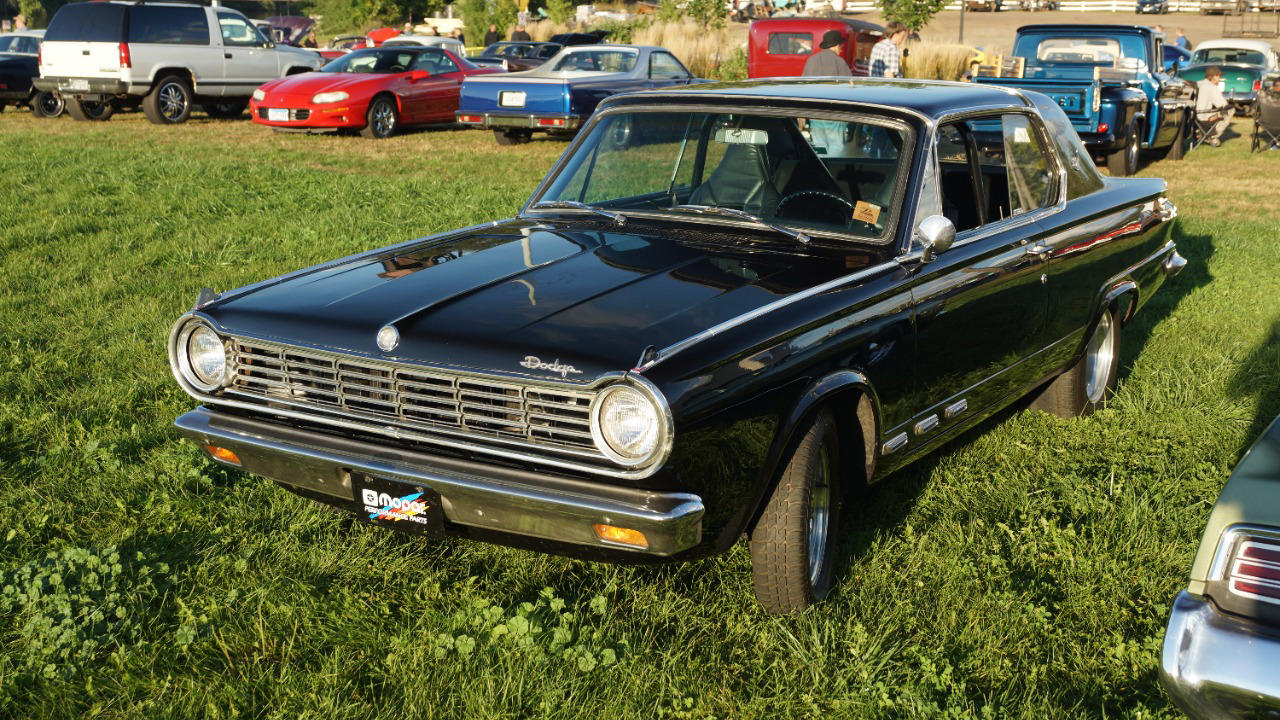
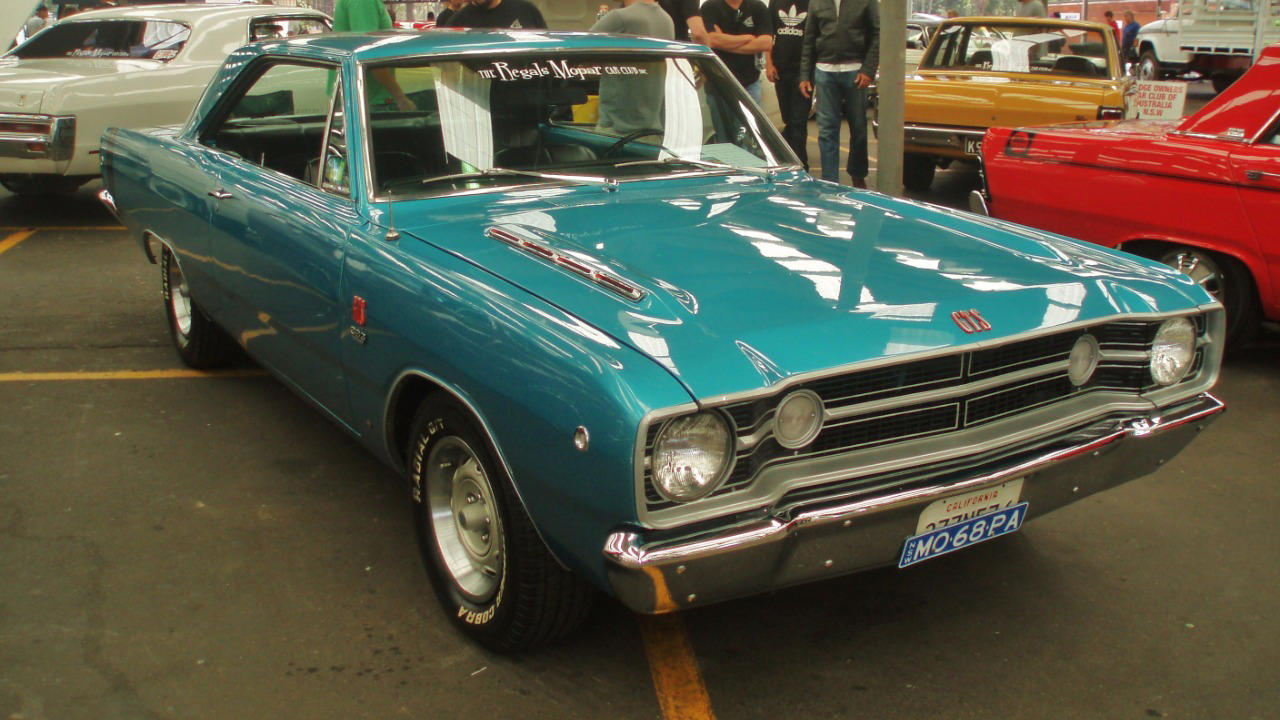
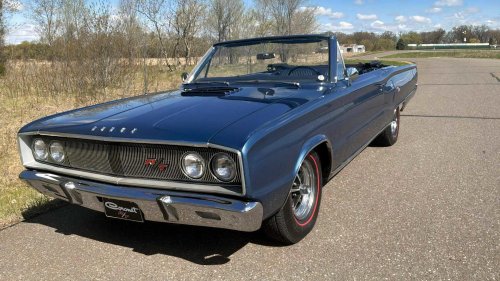
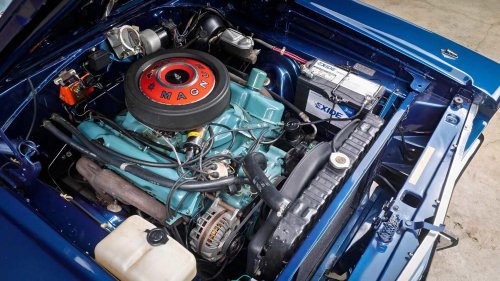
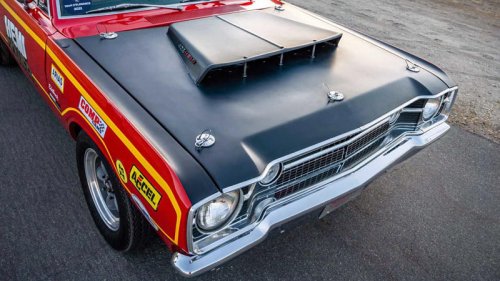
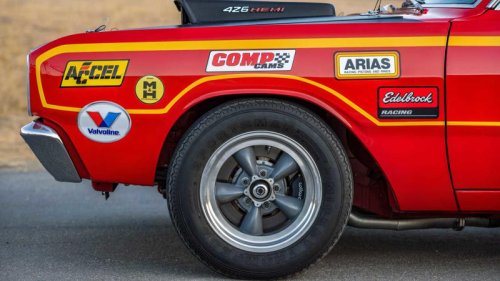
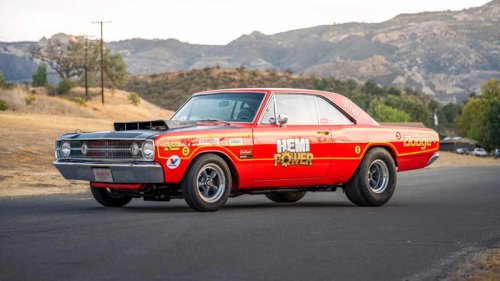
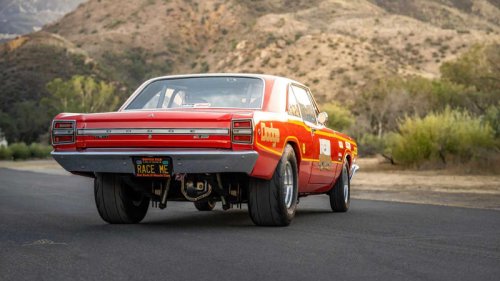
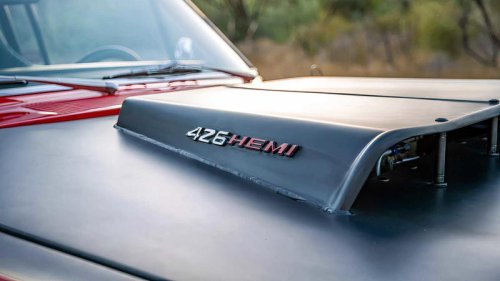
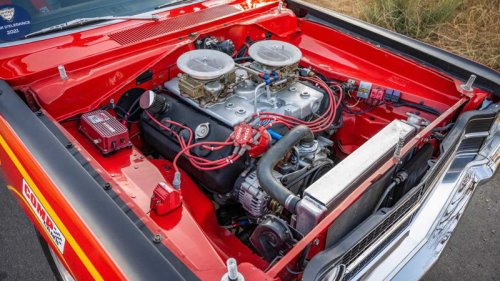
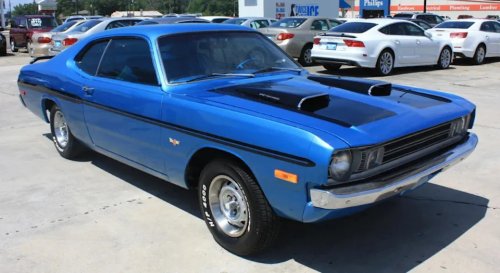
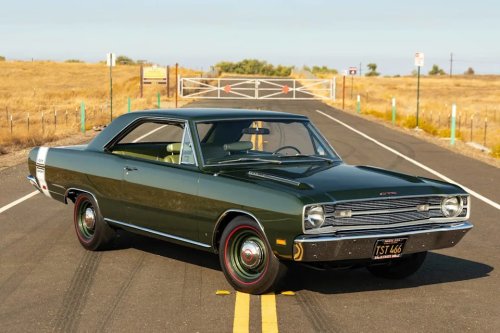
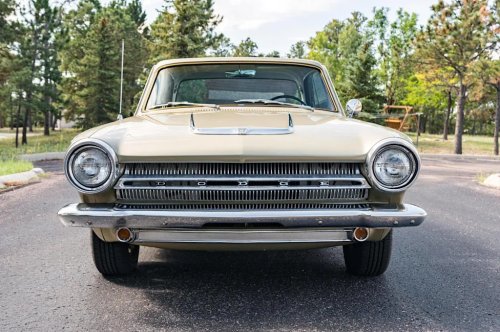
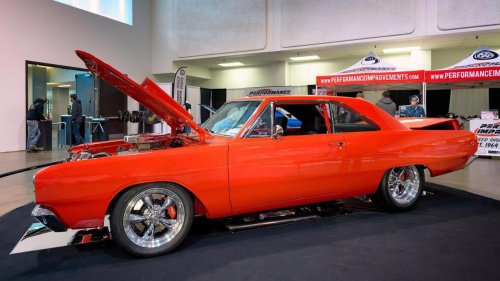
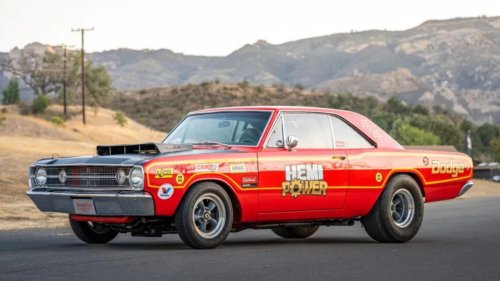
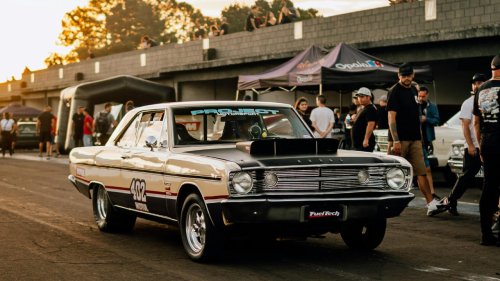
Dodge squeezed big power into the Dart GTS and surprised everyoneThe Dodge Dart was supposed to be sensible transportation, not a threat to big-block heroes. Yet in GTS trim, engineers crammed serious power into a compact shell and created a car that embarrassed larger muscle machines on the street and strip. By squeezing engines like the 340, 383 and even the 440 into the Dart GTS, Dodge surprised rivals, insurance companies and sometimes its own dealers. What emerged was a short-lived but legendary package that turned a budget compact into one of Chrysler’s most feared performance cars. Mixing lightweight dimensions, big power and just enough chassis upgrades to keep it pointed straight, the Dart GTS left a legacy that still fuels bidding wars and bench racing sessions today. From sensible compact to street predator The basic Dodge Dart started life as a straightforward compact, aimed at families that wanted reliability and low running costs. The GTS package flipped that mission. Instead of economy, it prioritized acceleration, with Chrysler treating the small A-body as a test bed for outsized engines. Early GTS models already packed a punch, but the real transformation came when Chrysler decided to install large displacement V8s in the compact bay. One source describes the 1968 Dodge Dart GTS as being defined by the decision to put a 440 cubic inch engine into a compact car. That single choice shifted the Dart from quick to genuinely intimidating. Even before the 440 arrived, the GTS lineup offered serious performance. A 340-cubic inch V8 rated at 275 horsepower turned the small Dart into a so-called giant killer that could run with bigger muscle cars while keeping weight and price in check, as period descriptions of the 1968 Dodge Dart GTS emphasize. The combination of compact dimensions and substantial V8 power set the stage for what came next. The 340: giant killer from Hamtramck Among enthusiasts, the 340-powered GTS often gets as much respect as the big-block versions. The 340 engine was known as a giant killer from Hamtramck, a high-revving powerplant with a 4.04 inch bore and 3.31 inch stroke that delivered strong power at higher rpm. Reports on the 1968 Dodge Dart 340 GTS Convertible describe how this relatively small displacement engine gave the car a lively, eager character that suited the compact chassis. In street trim, the 340-cubic inch V8 produced 275 horsepower in the Dodge Dart GTS and helped the car earn a reputation as a giant killer on the streets. That output might sound modest next to later big-block numbers, but in a lightweight Dart body it translated into serious real-world speed. Period commentary notes that the 340 car felt more balanced than heavier big-block versions, with better weight distribution and more responsive handling. The GTS package did more than drop a strong engine under the hood. It also included a Rallye suspension and high flow exhaust, upgrades that helped the Dart cope with the extra power. Enthusiast analysis points out that while the 383 is considerably heavier than the 340, a 340 car remains more nimble, which made the small block GTS a favorite for drivers who valued corners as much as quarter miles. Stepping up to the 383 For buyers who wanted more brute force, Dodge offered the 383 in the GTS. In 1969, the 383 got the full Road Runner and Super Bee treatment and horsepower climbed to 330, turning the compact Dart into a serious straight-line weapon. Production numbers for that year list a Number built of 6,702 GTS models with a Base price in the low three thousand dollar range, which made this performance surprisingly accessible. Technical breakdowns of the 1967 to 1969 Dart GT and GTS show the progression clearly. Engines for the Dart GT and GTS reached 330 brake horsepower by 1969, backed by Transmissions that included a 3-speed manual, optional 4-speed manual and 3-speed automatic. Even with a relatively low Weight figure for the platform, the 383 engine added significant mass over the front axle. That extra heft had consequences. A detailed look at a rare 1968 Dart GTS 4-speed notes that installing the larger 383 engine in the compact A-body made the car nose-heavy, affecting its handling compared to lighter Darts. The same point is repeated in another breakdown of the same car, which emphasizes that 383-powered Darts required more respect in corners, even as they excelled in a straight line. On the strip, the results spoke for themselves. Period testing cited in later analysis reports that the GTS excelled in straight line performance, with the 383 cars achieving mid 14 second quarter mile times and the 440 cars approaching the 13 second range. For a compact that shared showroom space with sedans and economy models, those numbers were startling. The wild idea: 440 cubic inches in an A-body The most audacious move came when Dodge and its partners found ways to fit the 440 into the Dart. A Chrysler V8 producing 375 horsepower and more than 440 pound feet of torque, combined with the Dart’s modest mass, created a package that bordered on unhinged. Enthusiast groups that track Dart GTS specs note that 0 to 60 times were in the low five second range and quarter mile runs were a tick over 13 seconds at a trap speed of about 107 miles per hour. One strand of the story centers on the factory backed 1969 GTS 440. Back in 1969, Dodge took a lightweight Dart body and dropped in a 440 cubic inch V8, creating the GTS M Code 440. A later account of that car describes how this Code package turned the compact into a drag strip terror and how surviving examples have sold for significant sums decades later. The M Code label signaled that buyers were getting something outside the normal catalog. Another strand involves a more grassroots origin. A single mechanic’s garage experiment in 1968 led to the creation of the 1968 Dodge Dart GSS 440, a highly formidable street machine that proved the concept before the factory fully embraced it. Later retellings frame this GSS 440 as one of the most feared street machines of the 1960s, a car so radical that it seemed more like a tuner fantasy than a dealer offering. Under the hood, the 440 itself was already a legend. The 440 was the 375 horsepower unit normally found in the Charger R/T and Coronet R/T, making its rated power at 4,600 rpm and hitting a peak of 480 pound feet of torque at 3,200 rpm. When that drivetrain was transplanted into the smaller Dart, engineers had to make compromises. Accounts of the 1969 Dodge Dart GTS 440 note that they could not make the clutch linkage work with some options, and power steering or power brakes were not available. Disc brakes were also nixed from the option sheet on 440 cars, a reminder that the chassis was being pushed beyond its original brief. Numbers that humbled bigger muscle cars Measured by the stopwatch, the Dart GTS did exactly what Dodge intended. Factory and enthusiast data on the 1968 Dodge Dart GTS 440 list Horsepower at 375 at 4600 rpm and Torque at 480 at 3200 rpm, with Representative Performance figures that include 0 to 60 mph in 5.0 seconds and a quarter mile in 13 seconds flat. Those numbers put the compact Dart in the same conversation as far more expensive and glamorous muscle cars. Other compilations of Chrysler V8 performance echo those results, citing a Chrysler V8 producing 375 horsepower and more than 440 pound feet of torque, with 0 to 60 times in the low five second range and quarter-mile passes just over 13 seconds. For context, many full-size muscle cars of the era struggled to match those times while carrying more weight and complexity. Even the slightly milder 383 GTS was hardly slow. As noted earlier, analysis of period tests reports that the GTS excelled in straight line performance, with the 383 cars turning mid-14-second quarter mile times. On real streets, that meant a Dart GTS could surprise owners of larger, more ostentatious machines who assumed a compact Dodge posed no threat. How it felt from behind the wheel Performance numbers tell only part of the story. Drivers who have spent time with surviving cars describe the Dart GTS as feeling like a big go-kart due to its wheelbase and size, which makes it easy to drive daily despite its age. A feature on a 1968 Dodge Dart GTS in a well-known enthusiast garage highlights that this compact footprint, combined with a strong V8, creates an experience that is both playful and demanding. That playful side shows most clearly in 340 cars, which carry less weight over the nose and respond more eagerly to steering inputs. The GTS package with Rallye suspension and high-flow exhaust gives these cars a more focused feel without turning them into track-only specials. For many owners, the 340 GTS represents the sweet spot between power and balance. By contrast, 383 and 440 cars require more commitment. The nose-heavy character described in coverage of rare 383 Darts means drivers need to respect weight transfer, especially on imperfect roads. Lack of power steering or power brakes on some 440 cars adds to the workout. Yet for enthusiasts who value raw acceleration, that compromise is part of the charm. Why the GTS burned bright and faded fast The Dart GTS story is also a case study in how quickly the muscle car era turned. Analysts looking back at Chrysler’s performance programs point out that the demise of the GTS came with rising insurance rates, government safety and emissions regulations, and increasing gas prices. By 1970, the GTS package was effectively gone, squeezed by external pressures that made high-powered compacts harder to justify. Those same pressures reshaped the broader Dodge lineup. Mopar diehards often idolize the hulking Charger, but some commentators argue that the lighter Dart GTS represented a harsher truth about what really worked on the street. A detailed retrospective on Mopar performance notes that, back in 1969, it took that lightweight Dart body and paired it with the 440 to create the GTS M Code 440, and that this car later sold for significant money in the collector market. The fact that a compact A-body commanded such attention decades later underscores how special the formula was. Even within Chrysler, the GTS sat at an interesting crossroads. It borrowed big block power from halo cars like the Charger R/T and Coronet R/T, yet it wore a relatively understated compact body. That disconnect between appearance and capability is part of why the Dart GTS still fascinates enthusiasts who enjoy sleepers and underdogs. The GTS legacy among Mopar faithful Today, Mopar fans often split into camps. Some gravitate toward the iconic Charger and its fastback lines. Others champion the Dart GTS as the smarter street choice, a car that delivers similar thrills with less bulk and cost. Enthusiast groups that focus on the Dart GTS 4th Gen continue to trade data on Chrysler V8 combinations, 375 horsepower builds, and more than 440 pound-feet torque setups that keep these cars competitive even by modern standards. More from Fast Lane Only Unboxing the WWII Jeep in a Crate 15 rare Chevys collectors are quietly buying 10 underrated V8s still worth hunting down Police notice this before you even roll window down




















 +66 others