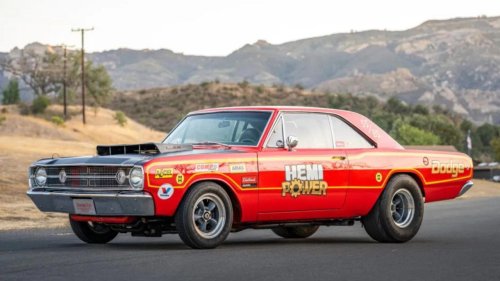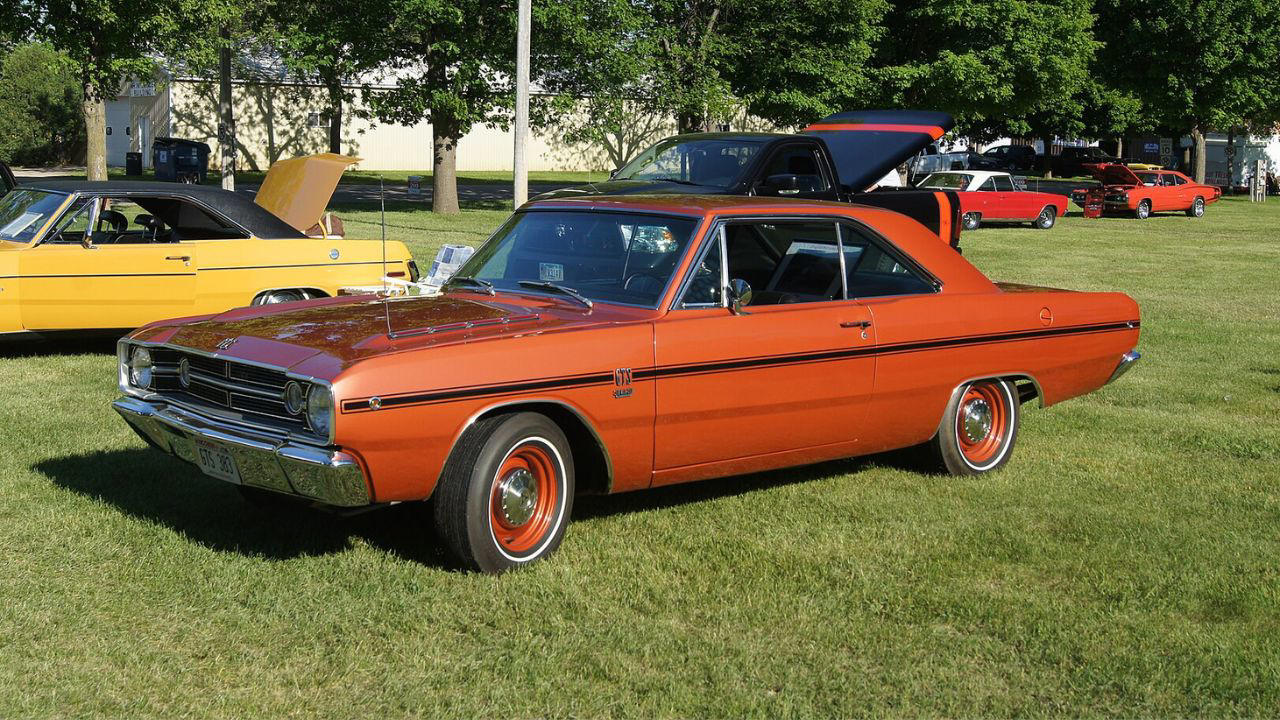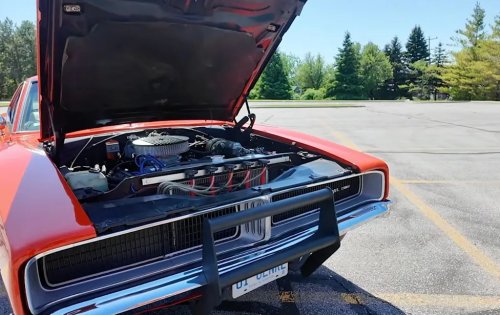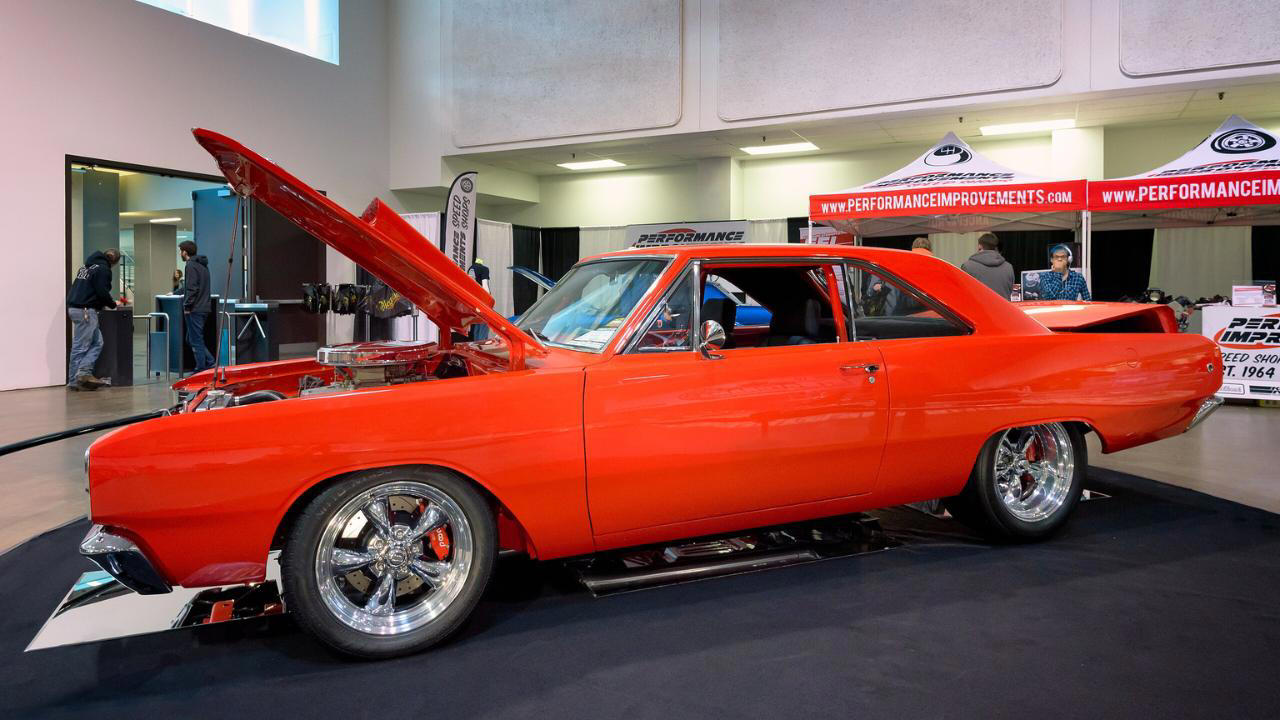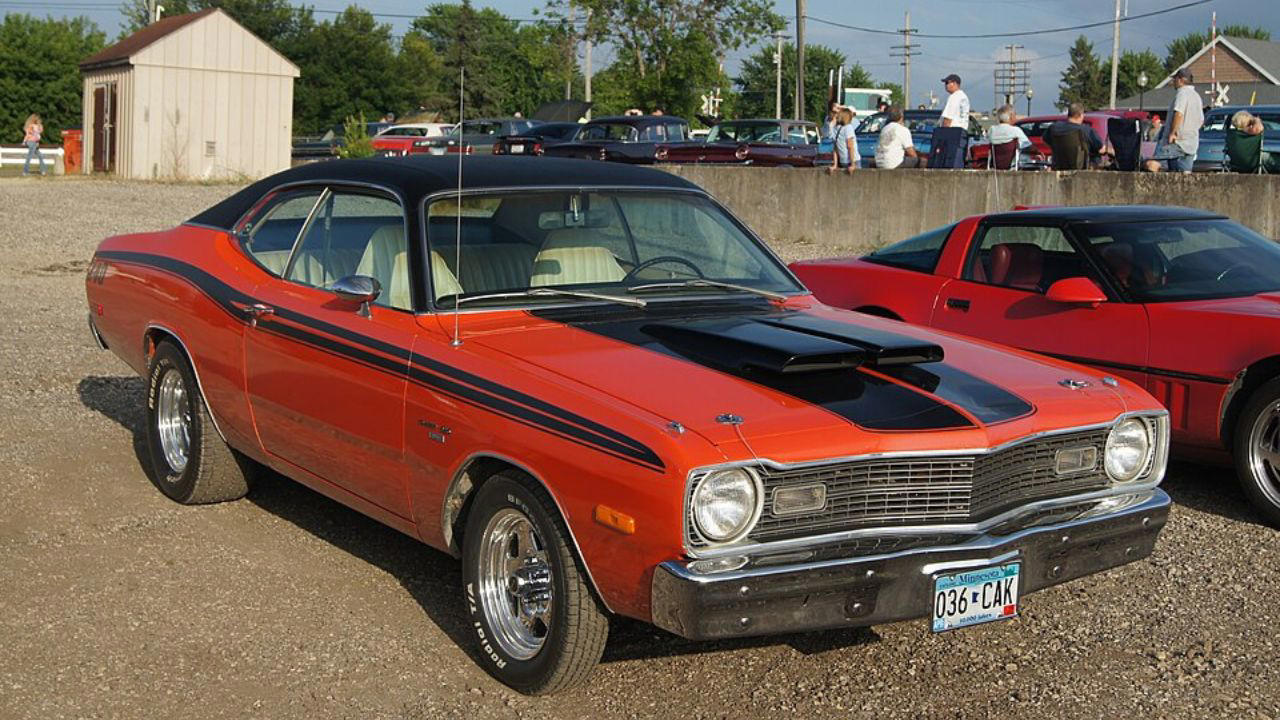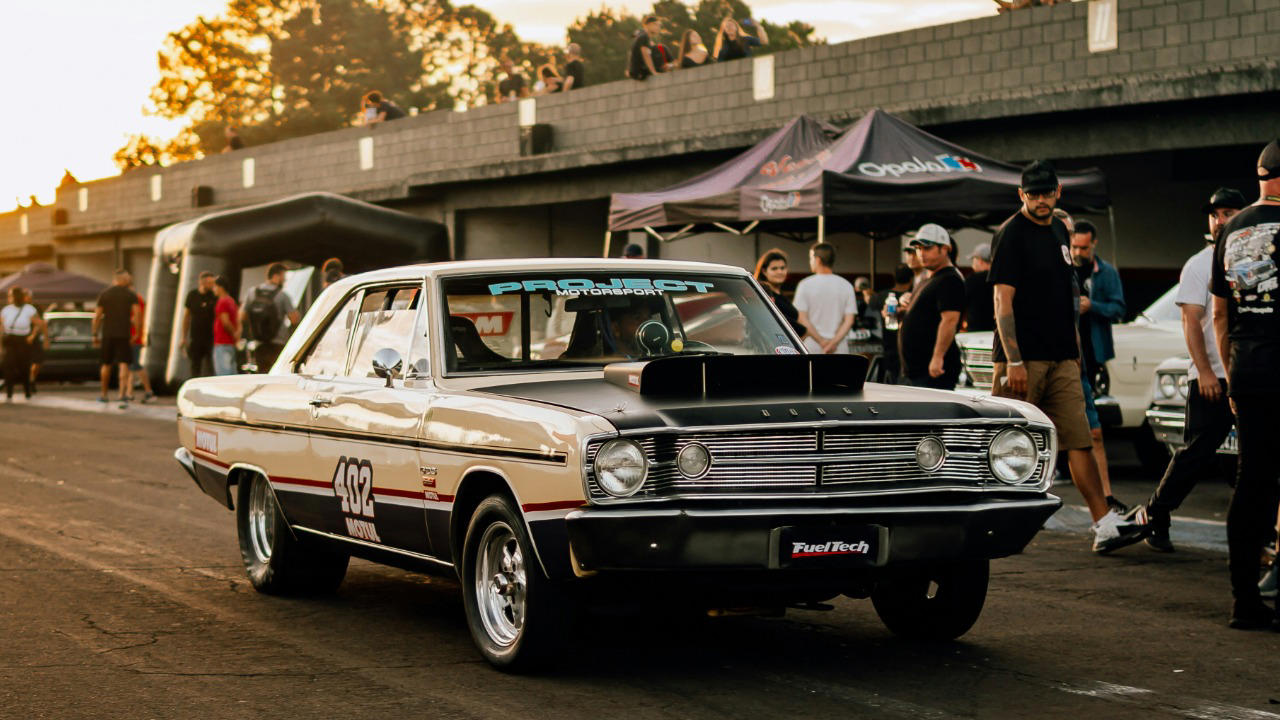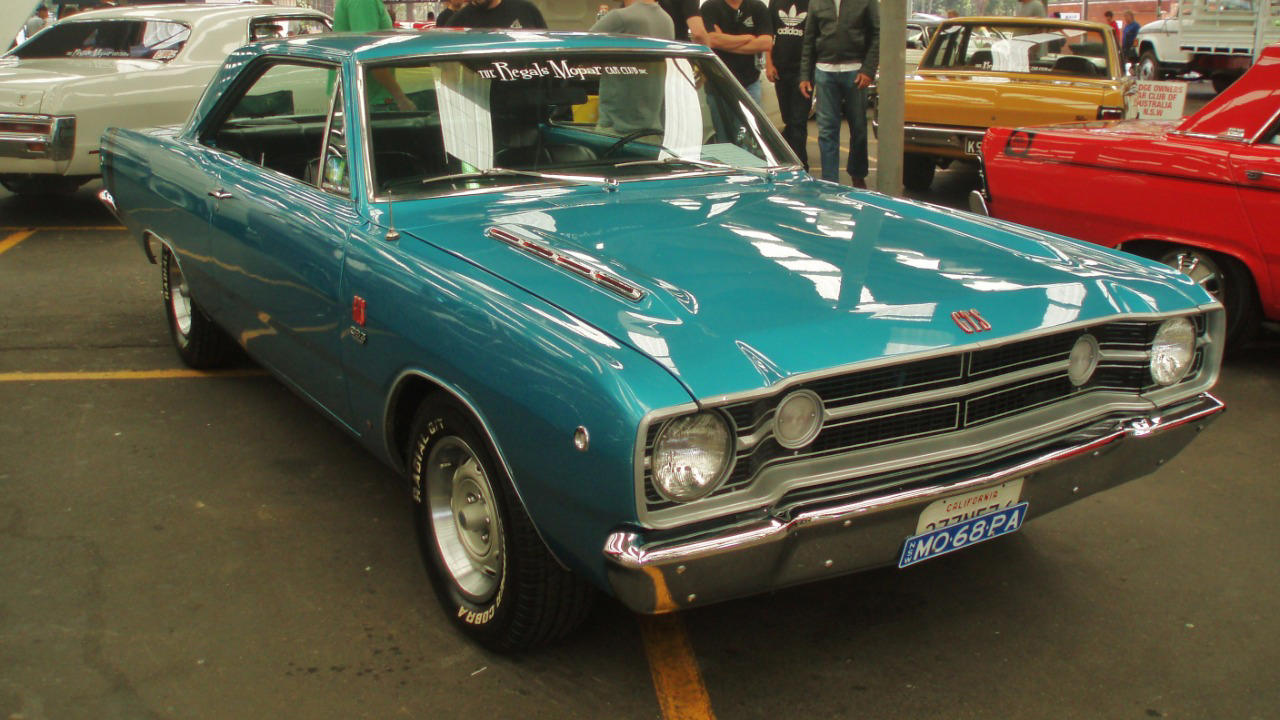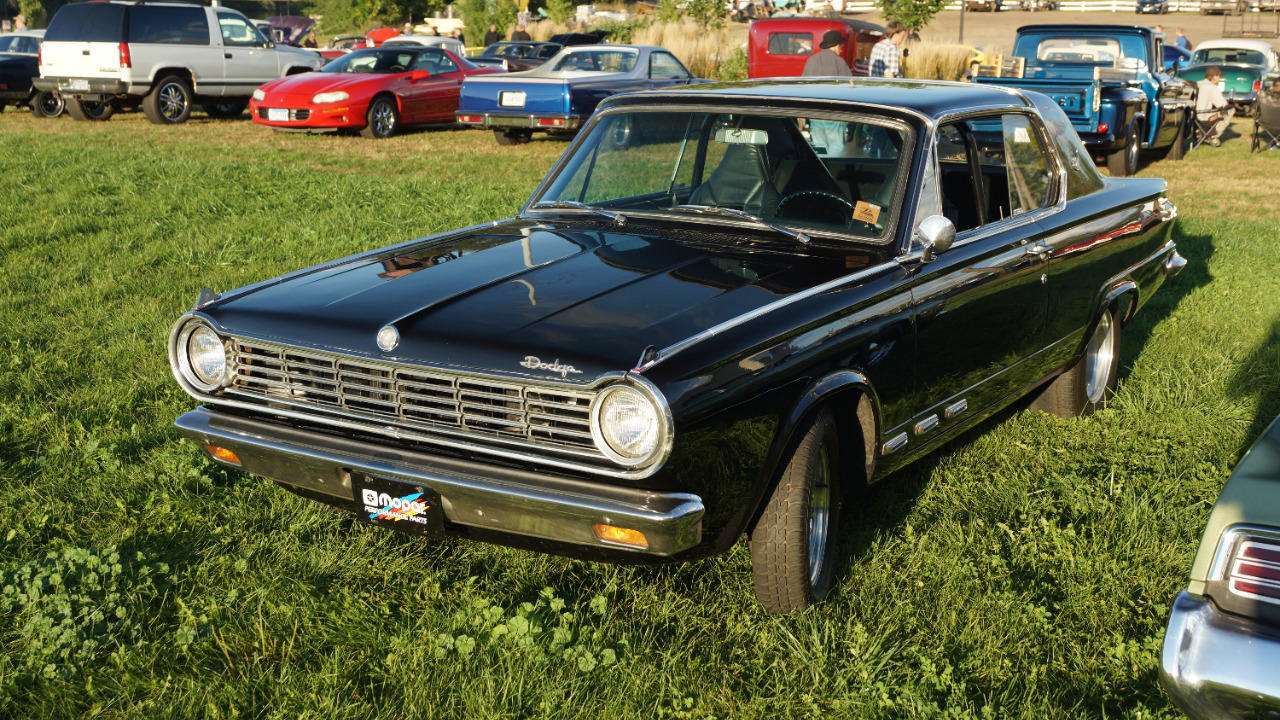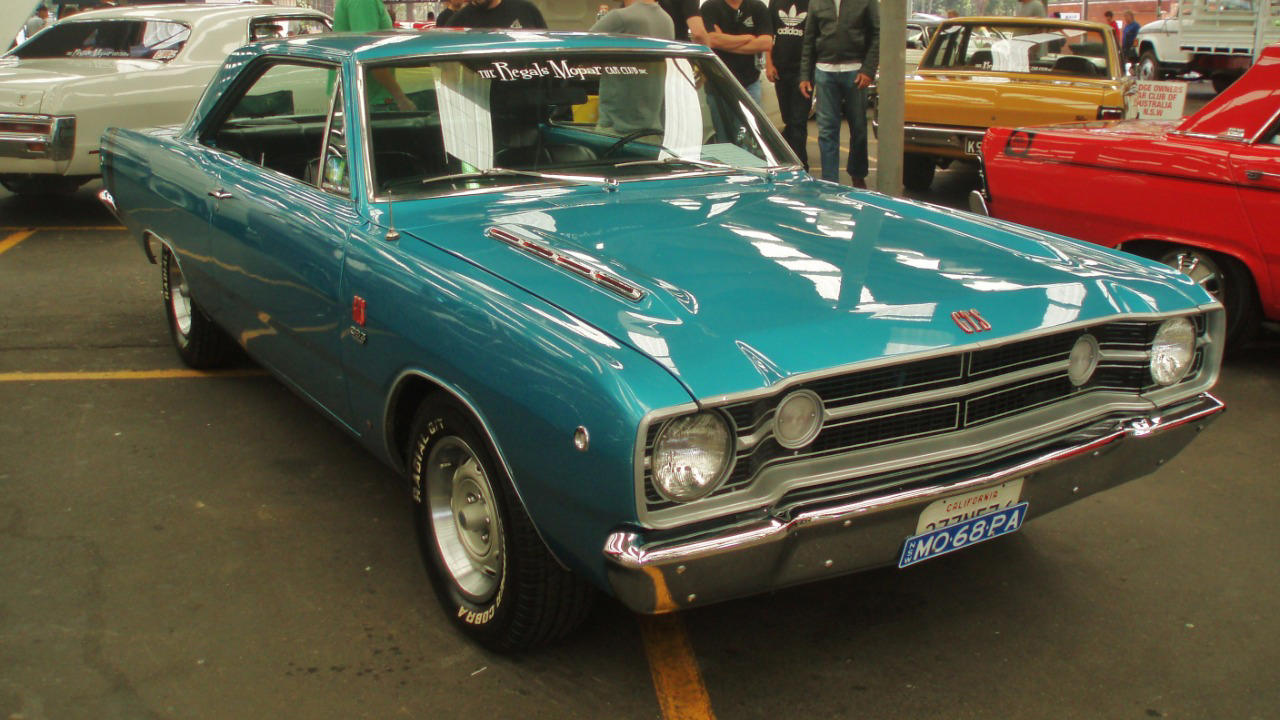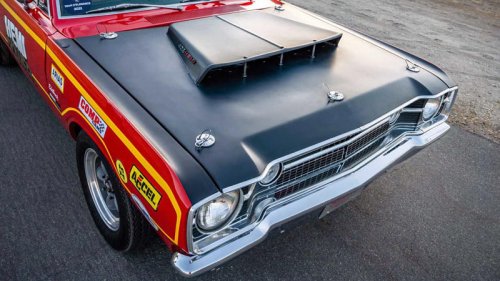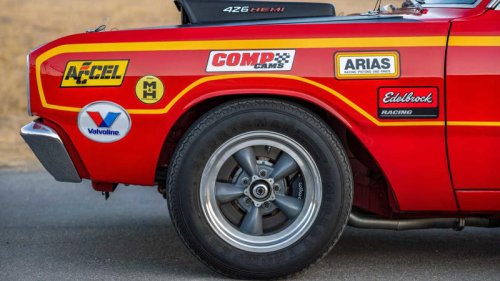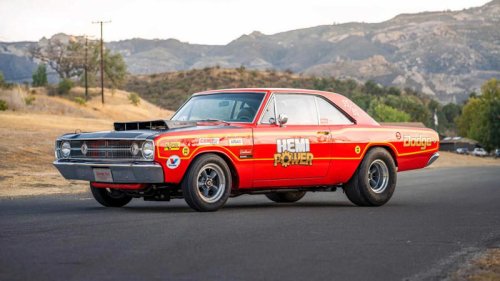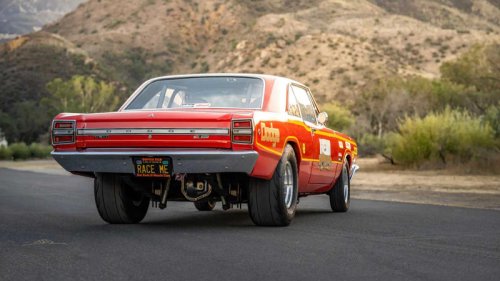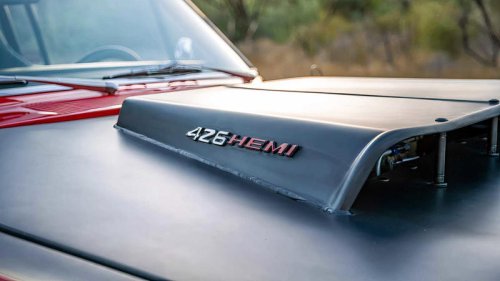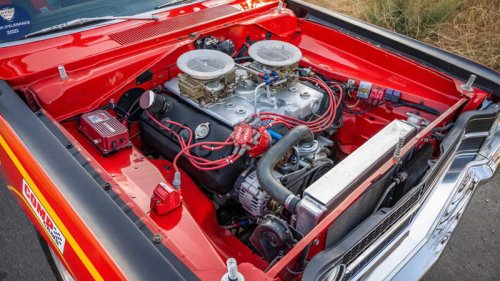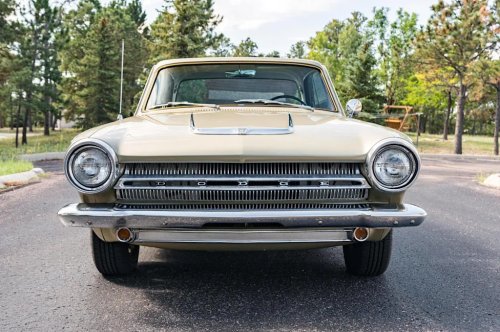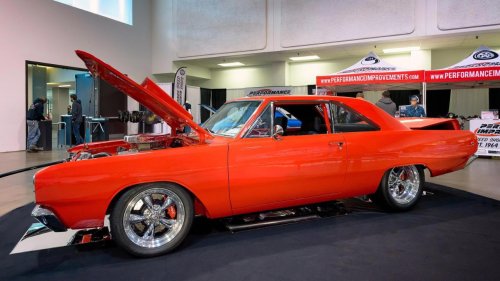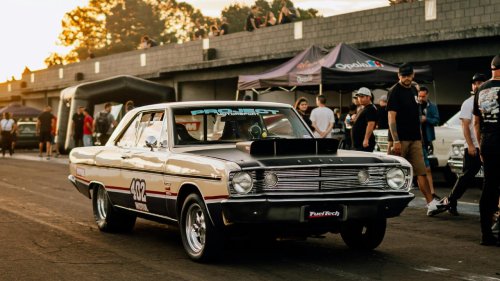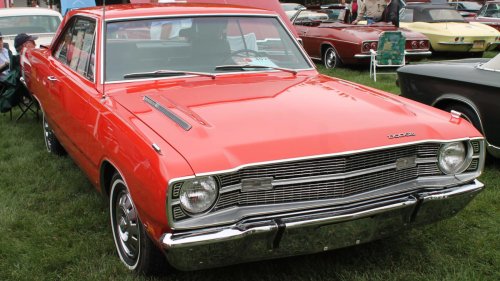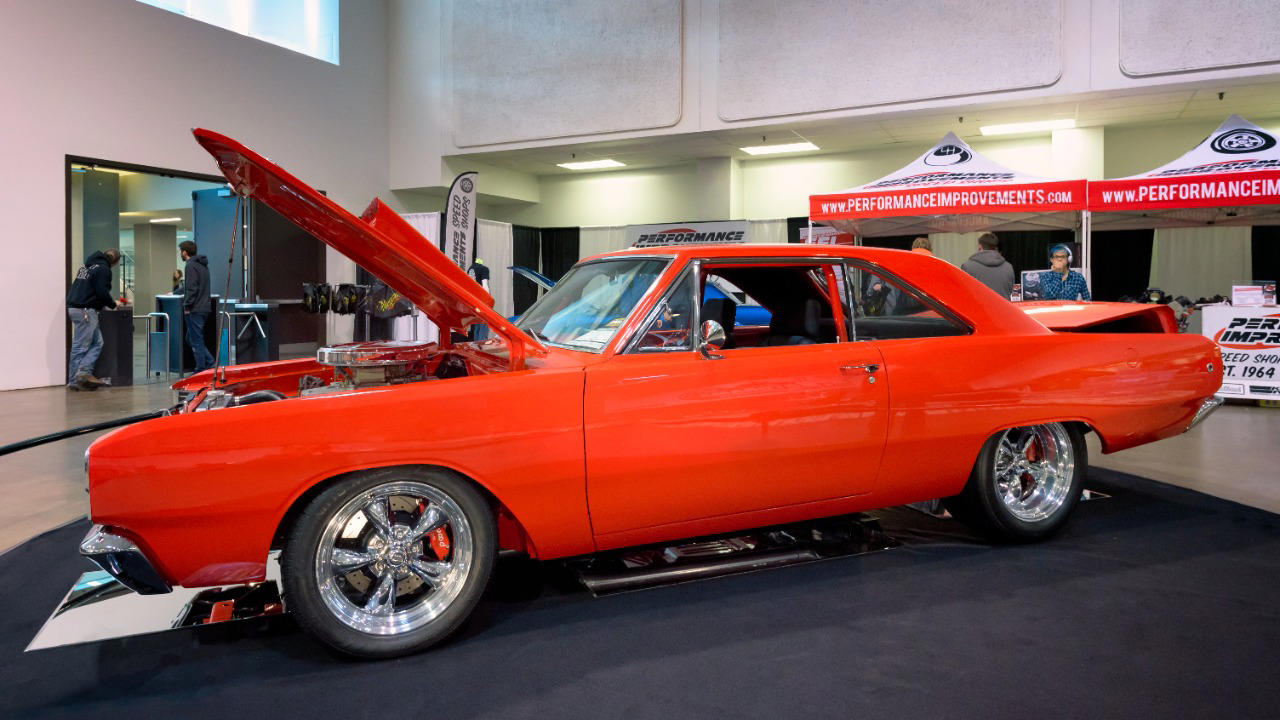



















Dodge built the 1968 Hemi Dart so fast it didn’t belong in normal competitionBuilt in tiny numbers, stripped of comfort, and stuffed with one of the wildest engines Detroit ever sold, the 1968 Hemi Dart was so single minded about quarter mile speed that it barely qualified as a production car. Dodge aimed it squarely at the drag strip, not the daily commute, and the result was a factory machine that ran times usually reserved for purpose built race cars. The car’s blend of featherweight bodywork and brutal Hemi power pushed it beyond normal competition and into legend. The moment Dodge stopped pretending In early 1968, Dodge took the compact Dart and turned it into something that no reasonable buyer would want to drive to work. The company built a small batch of cars specifically to chase National Hot Rod Association trophies, not showroom traffic. Promotional material that Chrysler sent to Dodge dealers in February made the intent plain, describing a limited run of Hemi powered Darts that were barely street legal and aimed squarely at drag racers rather than family drivers. To meet NHRA rules, Dodge produced exactly 50 Dart 426 and then sent them to the Hurst Corporation for conversion into dedicated Super Stock weapons. The figure, 50, was just enough to satisfy sanctioning requirements while keeping the program focused on racers who understood what they were getting into. These were not dealer floor curiosities. They were tools for a specific job. That job was simple: dominate the quarter mile. The 1968 Hemi Dart carried the internal code LO23, and Dodge quietly funneled the cars to drag racers who could showcase what the brand’s engineering department could do when freed from the constraints of comfort, emissions, and long term durability. In an era already packed with big block muscle, this car still stood apart. How the LO23 program broke the mold The LO23 program treated the Dart as a starting point rather than a finished product. Dodge shipped body shells to Hurst with almost everything unnecessary removed. Inside, sound deadening, insulation, and many trim pieces disappeared. Lightweight bucket seats replaced the standard chairs, and even the side glass could be made thinner to shed ounces wherever possible. Under the hood sat the real reason for the project. Each car received a 426 cubic inch Hemi V8, the same basic architecture that had already made a name in NASCAR and Top Fuel. One enthusiast description of a HEMI Dart Tribute captures the spirit, calling it a lightweight monster powered by a legendary 426 HEMI that etched the Dart name into drag racing history. The factory combination was tuned for the strip, with high compression, aggressive breathing, and a focus on high rpm power rather than drivability. Technical details of the HEMI architecture underline why the engine was so feared. The HEMI blocks were iron with a 4.250-inch bore and, fed by a mild street cam, 12.5:1 compression, aluminum heads and a high rise intake. Even in relatively conservative tune, this combination delivered brutal torque and horsepower. In the featherweight Dart body, it created a power to weight ratio that rivaled dedicated dragsters. The approach was so extreme that even enthusiasts later described the Hemi Dart as Mopar’s Most Dangerous Secret, a compact car turned into a drag monster that Dodge unleashed quietly compared with its more publicized muscle models. The LO23 cars did not chase broad brand awareness. They existed to win. Weight loss at any cost Everything about the 1968 Hemi Dart revolved around shedding mass. A description of a specialized ultra-lightweight factory captures the concept: this was a factory sanctioned drag racer disguised as a compact car. Steel parts gave way to fiberglass panels wherever possible, and even the bumpers could be modified to cut weight and improve weight transfer off the line. Enthusiasts who study the LO23 program highlight how Dodge and its contractors used creative methods to avoid expensive retooling. Discussions of why the 1968 Dart Hemi LO23 and similar Barracuda builds did not fit cleanly into normal production classes refer to tricks like shipping cars to outside firms such as Creative Industries and experimenting with parts such as thinner bumpers. One analysis mentions that Daytonas were shipped to Creative Industries and notes the possibility (captured in the shorthand name Possib) that central office production orders allowed the company to muscle through its own bureaucracy by treating these cars as one off projects rather than standard models. The result was a Dart that weighed hundreds of pounds less than a typical big block muscle car. Combined with the 426 Hemi, the car launched so hard that even seasoned drivers struggled to keep it pointed straight. A short video that calls the 1968 Hemi Dart a Drag Strip Legend notes that Dodge made a car that was almost uncontrollable for the average driver and that its extreme performance scared even experienced racers. Numbers that did not belong on a factory window sticker On paper, the Hemi Dart looked like an outlier. In practice, it behaved like a full race car with license plates. Contemporary accounts and later retrospectives describe the cars running quarter mile times that normal showroom models could not touch. A widely shared description of the LO23 program notes that Dodge made 50 and that when handed over to factory sponsored racers such as “Dandy” Dick Landy, the cars immediately ran in the low 10 second range. Those times put the Dart in territory usually reserved for dedicated drag machines, not cars that technically rolled out of a manufacturer’s program. Another enthusiast description goes even further, calling the 1968 Dodge Hemi Dart the car that was running 9 second quarters in period and pointing out that such performance would embarrass modern supercars from brands like McLaren. While exact times varied by tune and driver, the pattern is clear. The LO23 cars operated well outside the envelope of normal muscle. A short clip that introduces the 1968 Dodge Hemi Dart as the only car that did not come with a warranty states that its only promise was 10 seconds of down the strip. That line captures the attitude behind the program. Dodge did not pretend these cars were balanced, durable, or comfortable. They were sold essentially as race hardware, with the understanding that owners would abuse them and that the manufacturer would not be responsible when components failed under the strain. Audio of a Dodge Dart Super Hemi at full song reinforces the point. The engine sounds raw and unfiltered, with a hard edged idle and a violent sweep through the rev range that would be out of place on a quiet boulevard. The car’s character was defined by that soundtrack. Hurst, Mopar, and the art of controlled chaos The partnership between Dodge and Hurst turned what could have been a simple engine swap into a fully integrated drag package. A retrospective that calls the 1968 Hurst built Hemi Darts legendary among Mopars and racers emphasizes how far from street trim these cars really were. Chrysler’s promotional push in February framed them as barely street legal, and the involvement of Hurst signaled that they were intended to live on trailers and in staging lanes, not in suburban driveways. Another enthusiast overview of the project, which introduces the car as Mopar’s Hemi Dart legend, calls it one of the most extreme muscle cars Dodge ever produced and stresses that it was designed specifically for drag racing. The language used by fans decades later mirrors the intent of the original program. This was a factory backed experiment in how far a manufacturer could push a production shell toward pure motorsport. Video features on the car often underline the contrast between the ordinary Dart and its Hemi sibling. One clip that introduces the Dodge Dart points out that the nameplate is often associated with mediocre build quality and lackluster performance, then sets that reputation against the wild LO23 variant that could cover the quarter mile in single digit seconds. Another feature that spotlights a 1968 Dodge Dart as a factory built race car reinforces how unusual it was for a major automaker to sanction such a focused drag package. The Hurst conversions also required creative engineering just to keep the cars alive for a pass. A technical feature on the Hurst Hemi Darts describes efforts to manage cooling and reliability in a package that was never expected to idle in traffic. Engineers had to balance extreme power with enough durability to survive repeated drag strip launches. Fans still share animated clips of Hemi Darts lighting up their rear tires, a reminder that the cars were as unruly visually as they were statistically. The whole package felt like controlled chaos, with just enough factory backing to give it legitimacy. From “Dandy” Dick Landy to modern tributes The Hemi Dart’s reputation was sealed not only by its specifications but also by the drivers who campaigned it. Factory supported racers such as “Dandy” Dick Landy took delivery of the LO23 cars and immediately used them to reset expectations of what a factory based machine could do on the strip. Accounts of early outings describe Darts bursting into the low 10 second zone as soon as experienced hands like Landy started tuning and launching them. Modern enthusiasts continue to build and celebrate tributes. A social media post that highlights a 1968 HEMI Dart calls it a true beast on the street and strip and again emphasizes that it is powered by a legendary 426 HEMI. These builds aim to capture the raw feel of the original cars, even if they sometimes incorporate modern safety gear and tuning. Clubs and online communities dedicated to the Dart share photos, build sheets, and stories about surviving LO23 cars and replicas. A group post that introduces a Hemi Dodge Dart describes everything being removed from the car to save weight and highlights how the monstrous engine, nestled within a stripped shell, carved the Dart name into drag racing history. The language mirrors the original engineering philosophy: take out everything that does not help at the starting line. Even broader platforms within the Meta family, such as the information hub at about.meta.com, showcase how deeply the Hemi Dart has penetrated car culture. Enthusiast content that flows through tools described in Instagram documentation, or is surfaced by AI services like Meta AI, keeps the LO23 story in front of new generations of fans. Threads of discussion on platforms such as Threads and help resources like Instagram support may seem far removed from a 1968 drag car, yet they are part of the same ecosystem that now preserves and shares its legend. Why the Hemi Dart still matters Looking back, the 1968 Hemi Dart represents a moment when a major automaker briefly abandoned the pretense of building all purpose vehicles. Dodge accepted that this version of the Dart would be uncomfortable, temperamental, and short lived. The company built it anyway, because success at the drag strip translated into brand credibility among enthusiasts who valued raw performance above all else. More from Fast Lane Only Unboxing the WWII Jeep in a Crate 15 rare Chevys collectors are quietly buying 10 underrated V8s still worth hunting down Police notice this before you even roll window down The post Dodge built the 1968 Hemi Dart so fast it didn’t belong in normal competition appeared first on FAST LANE ONLY.