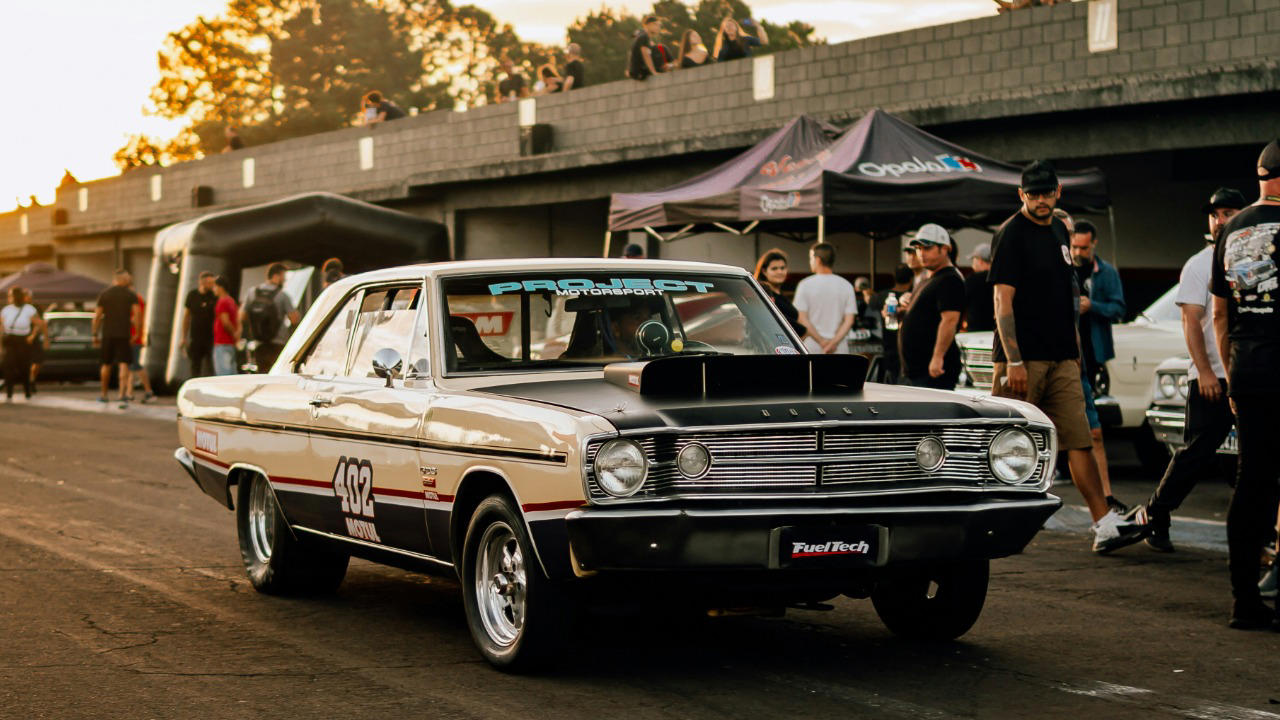
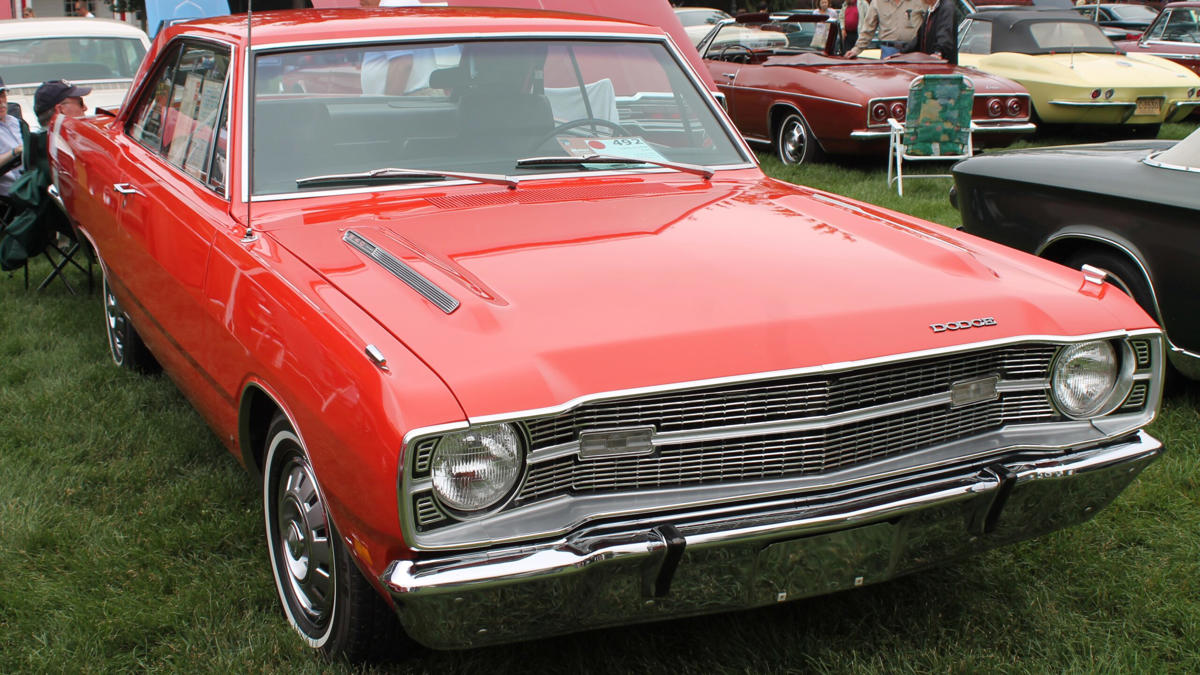
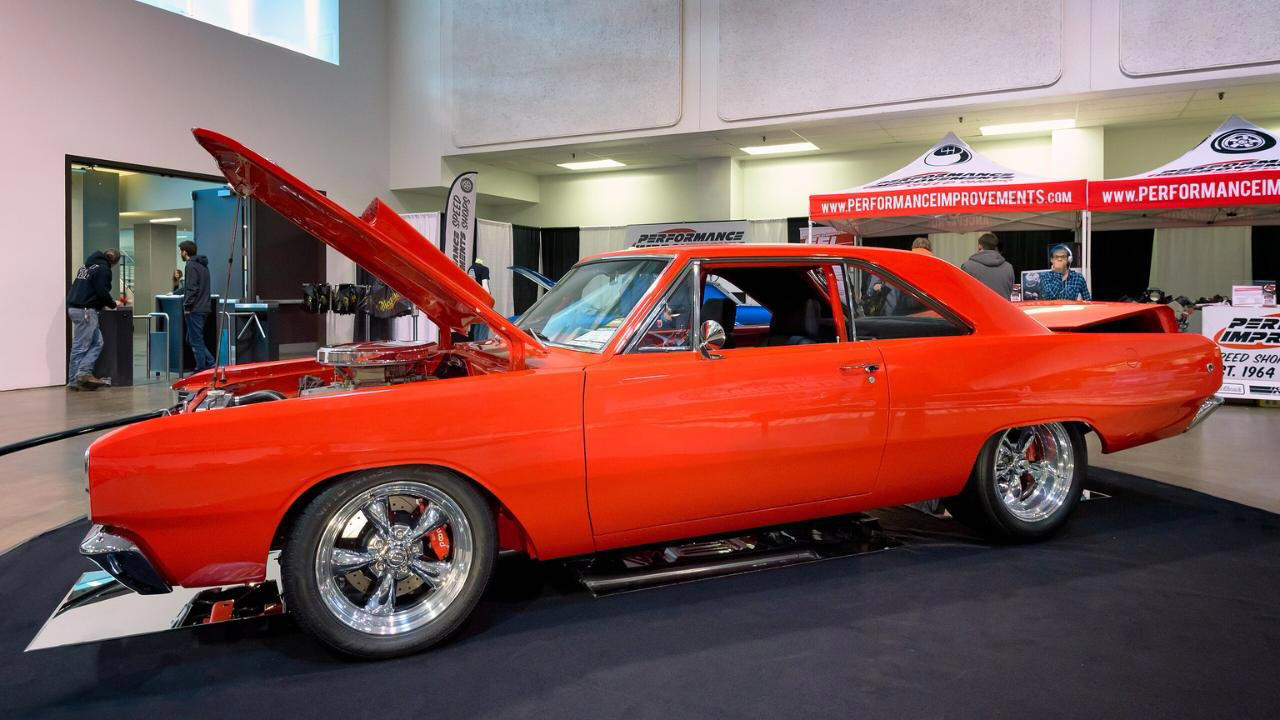
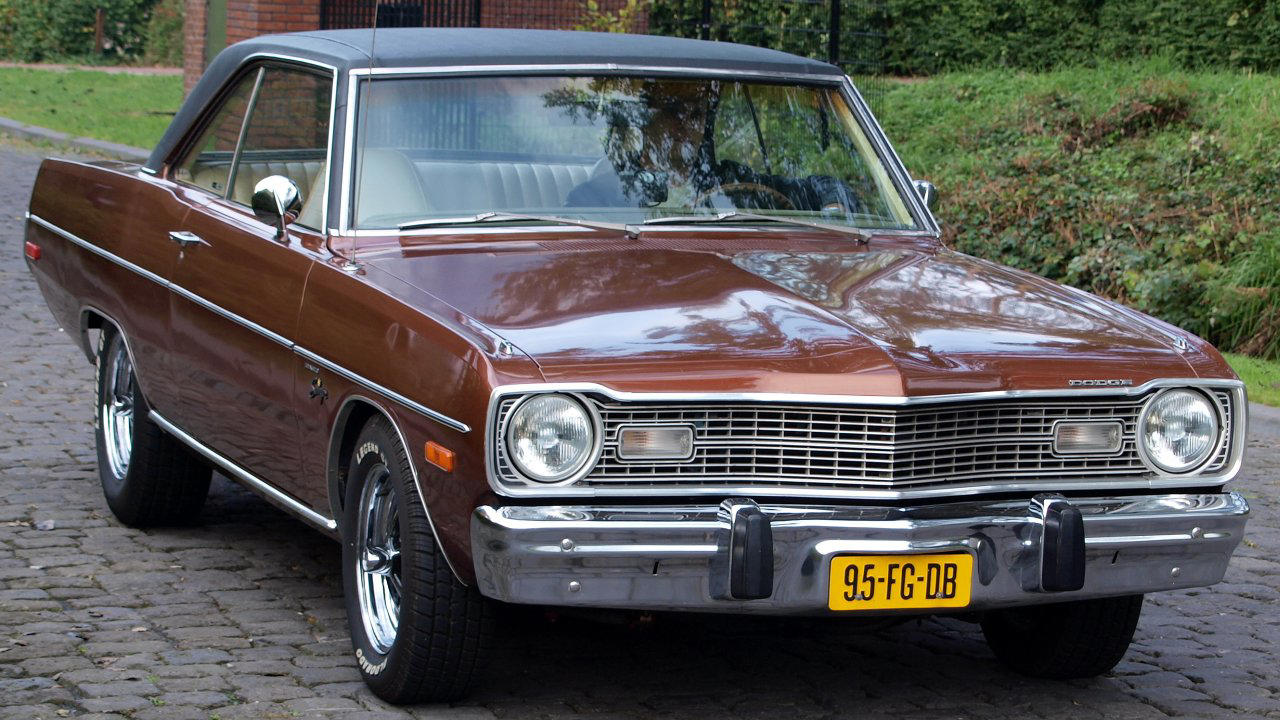
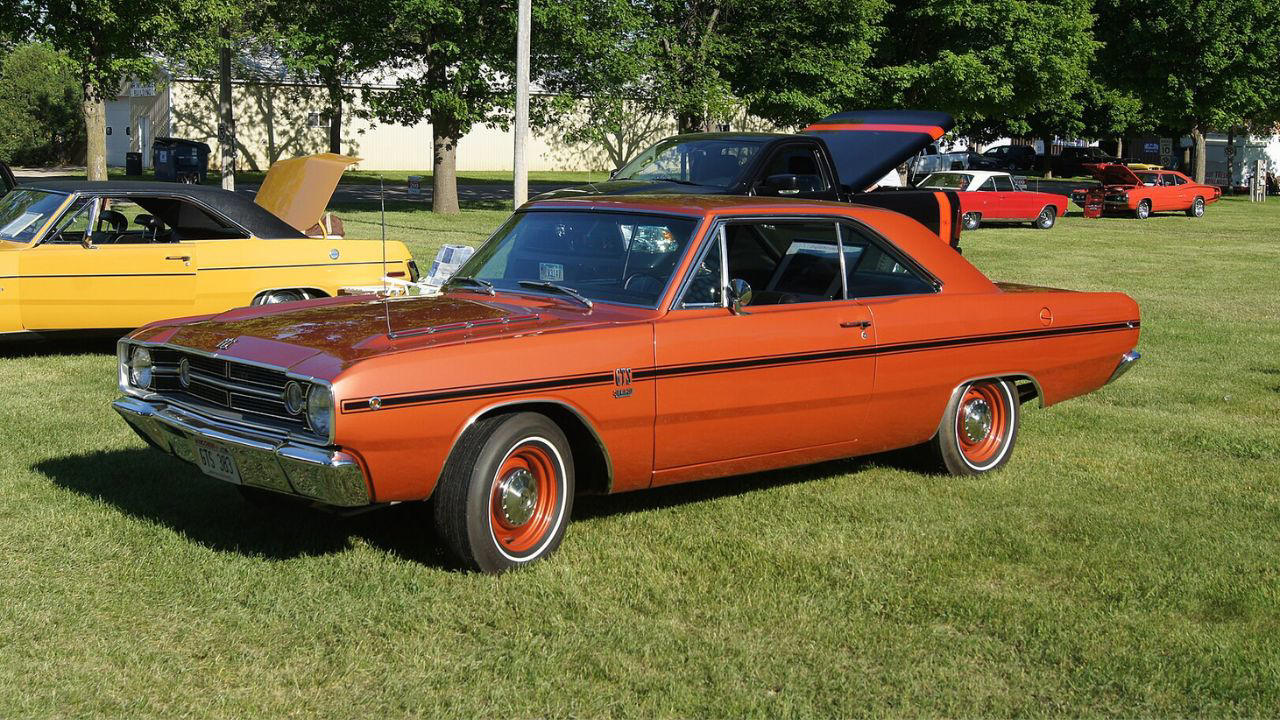
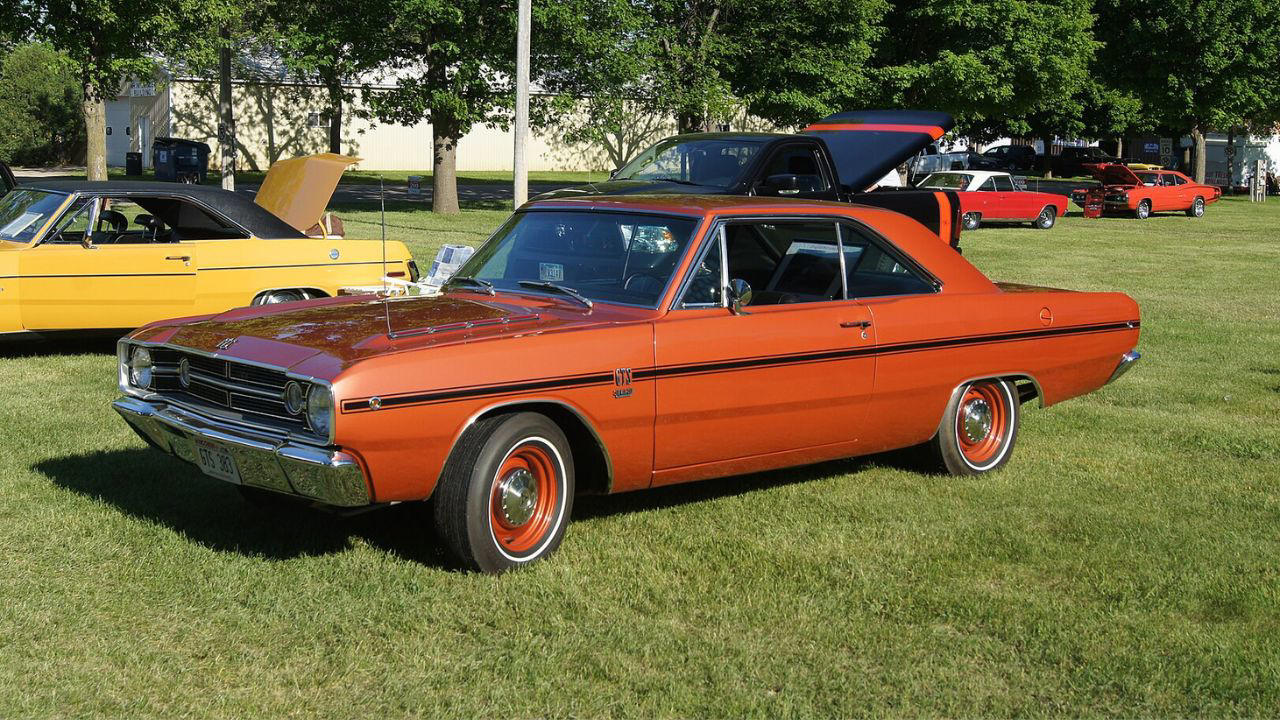
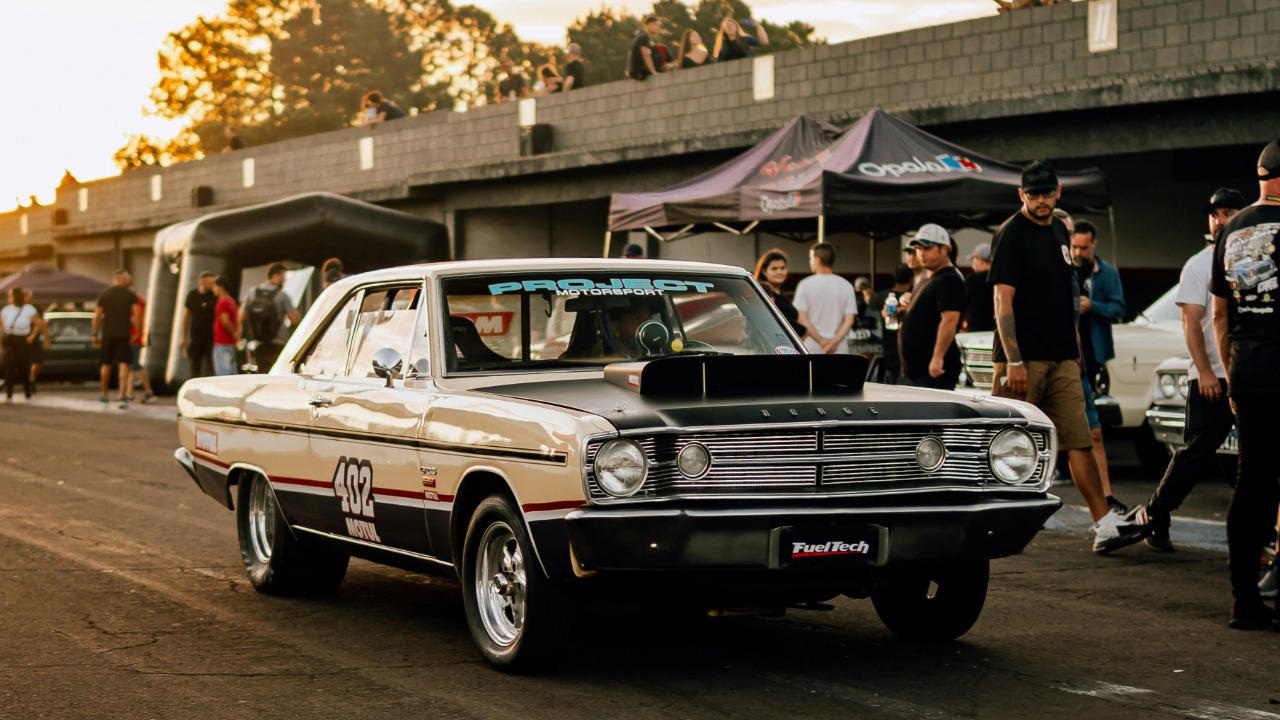
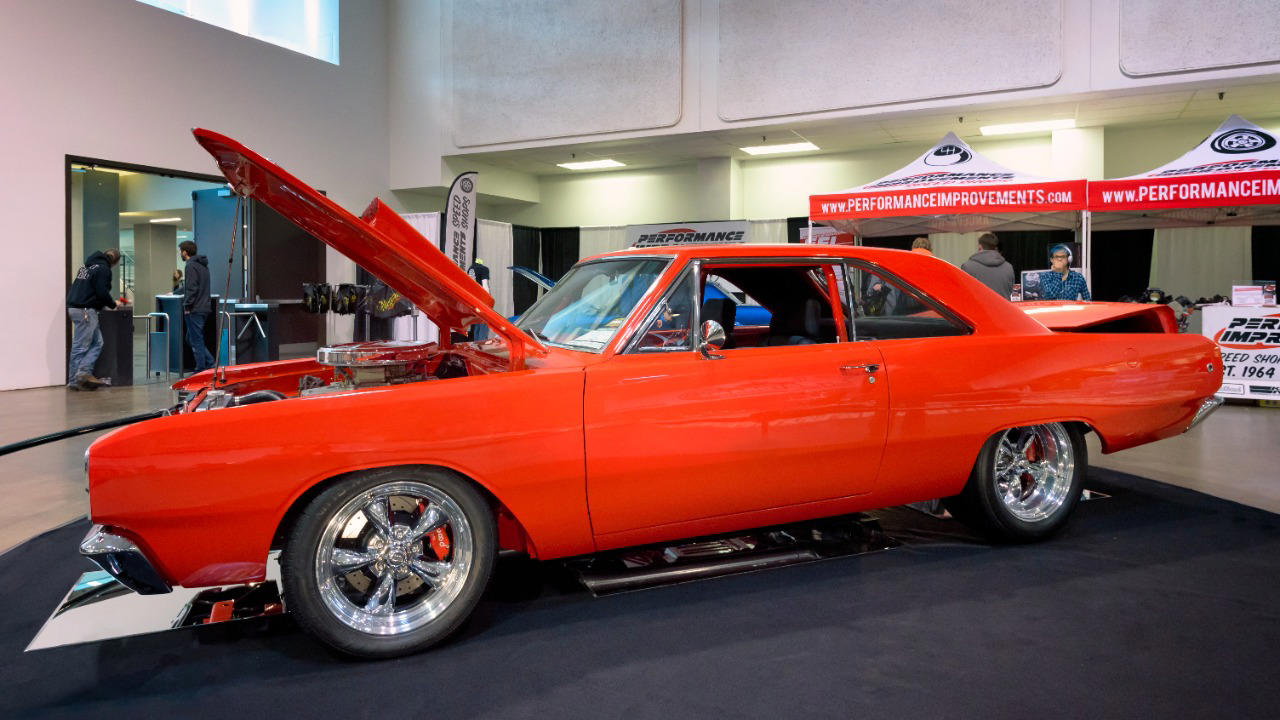
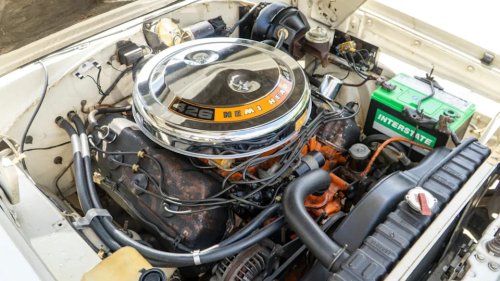
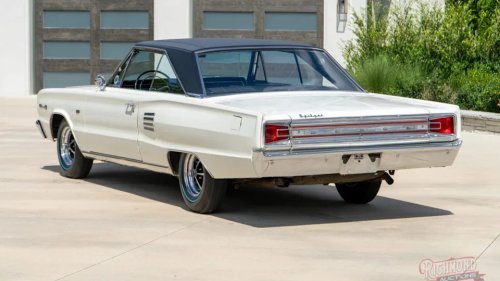
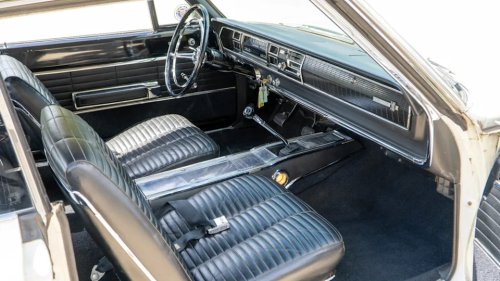
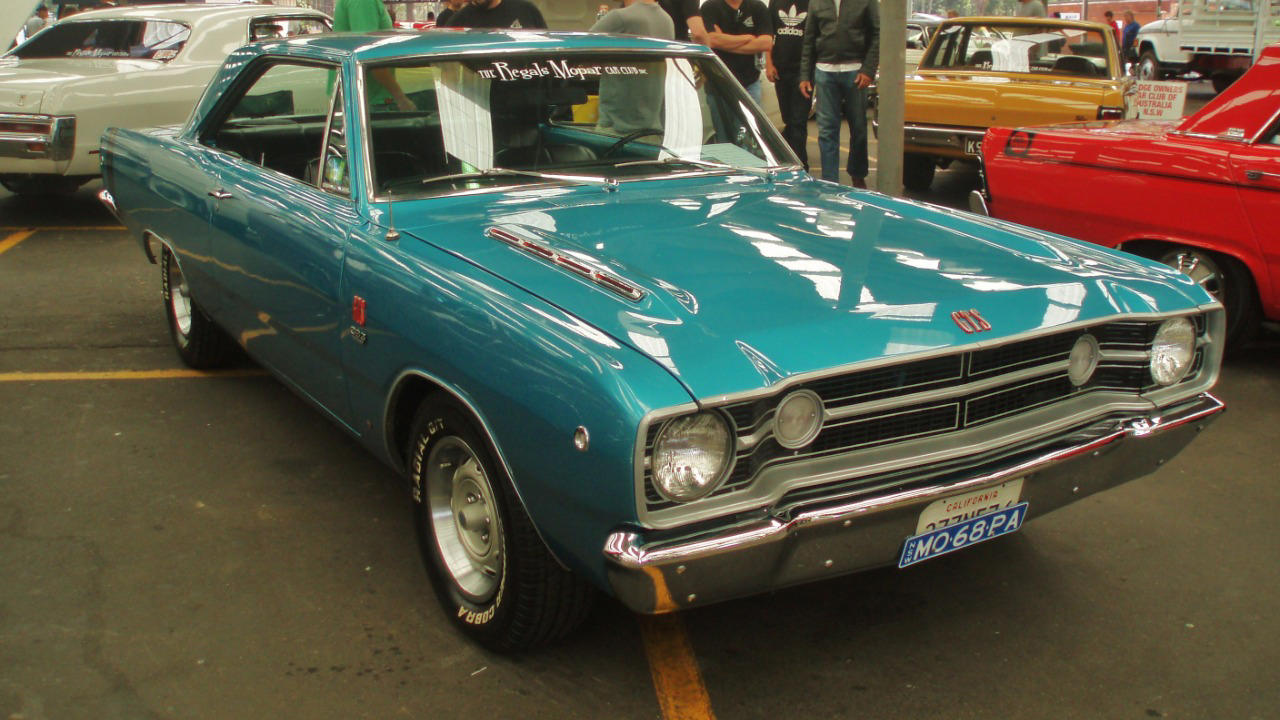
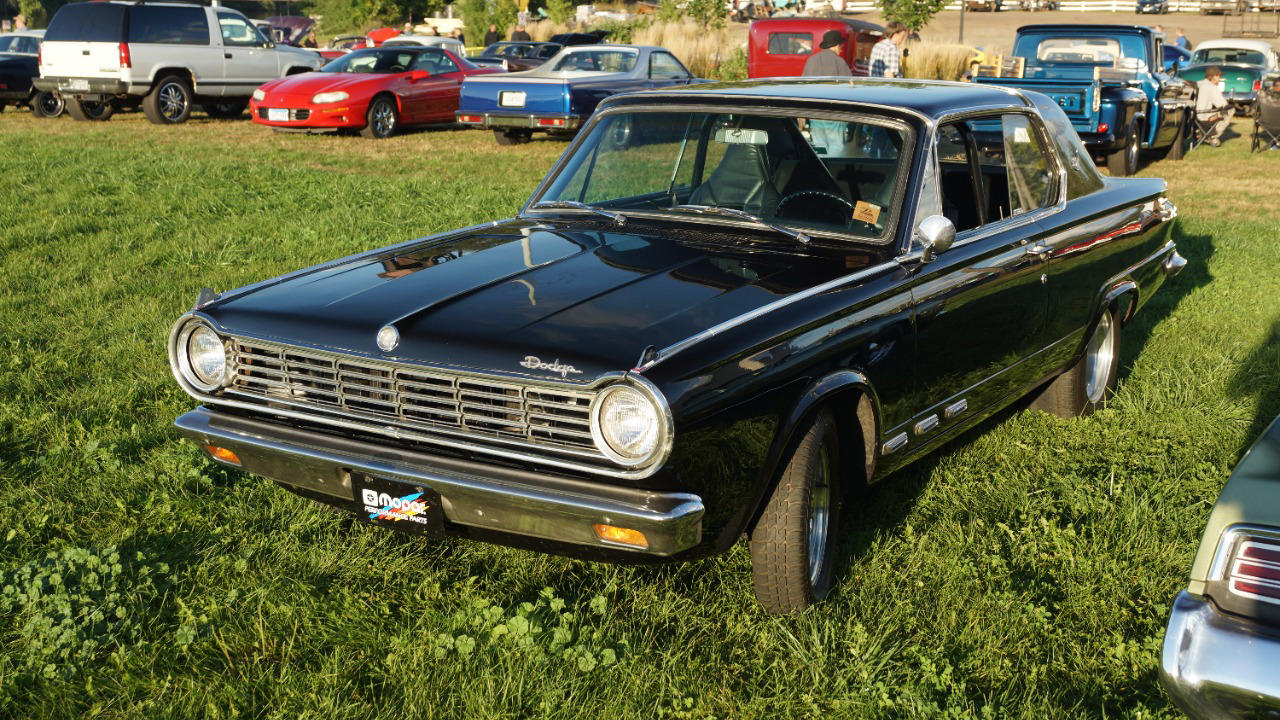
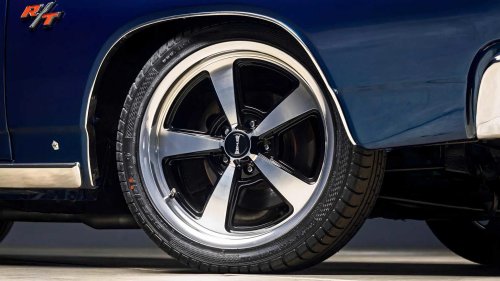
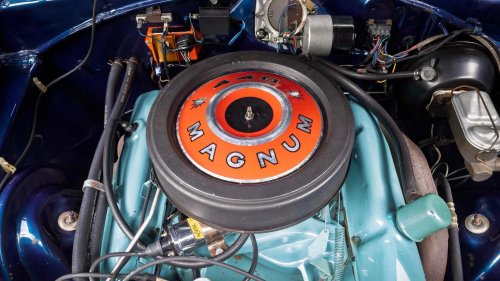
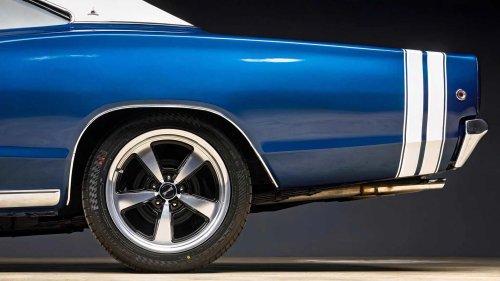
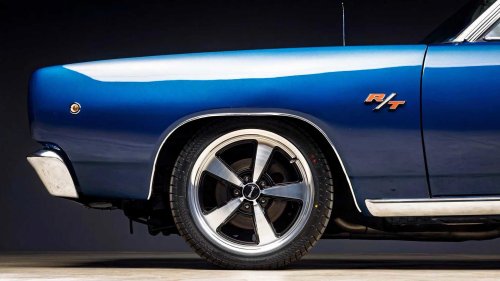
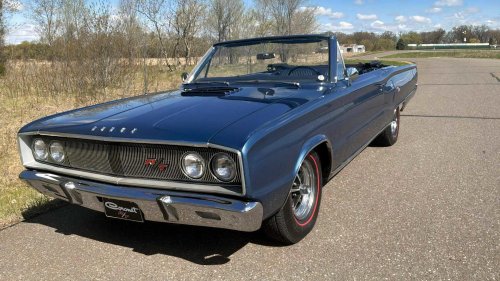
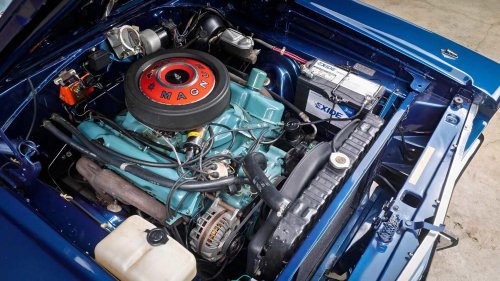
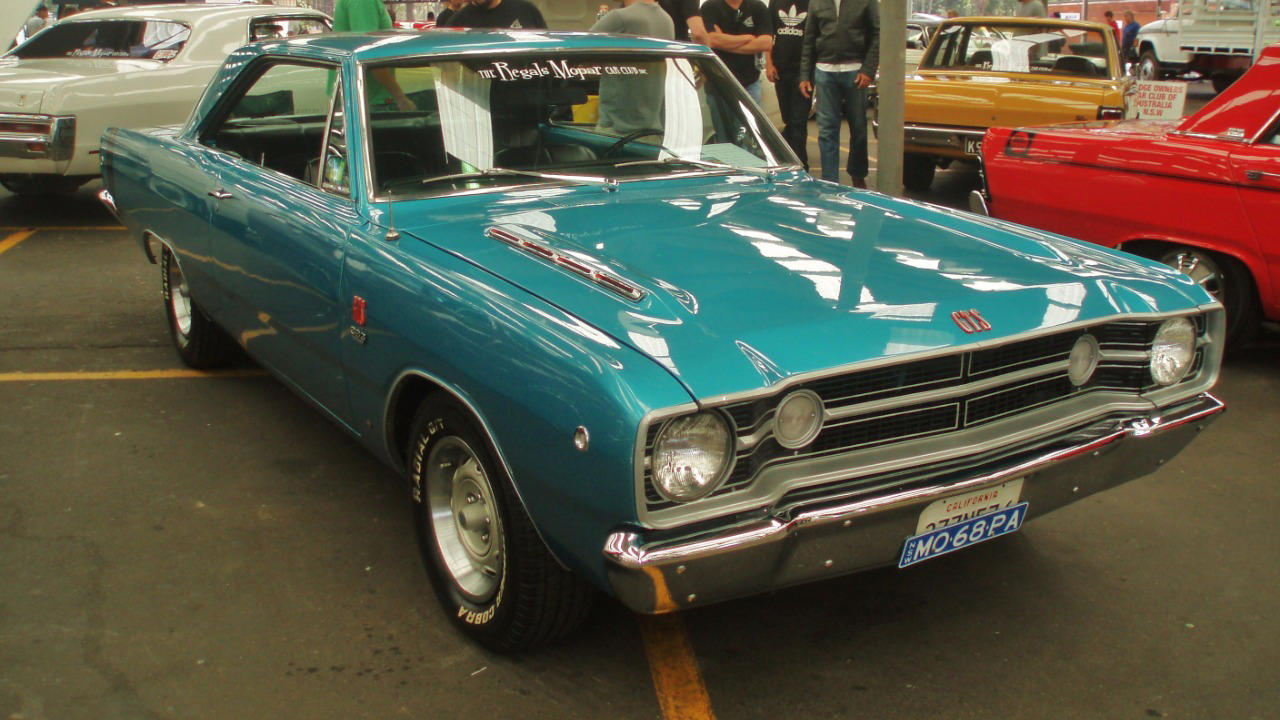
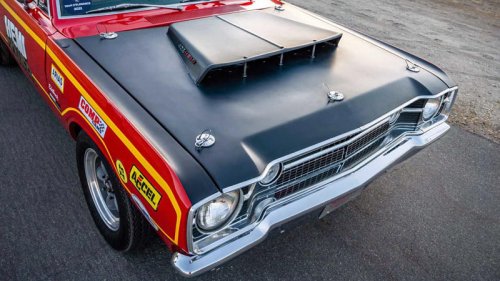
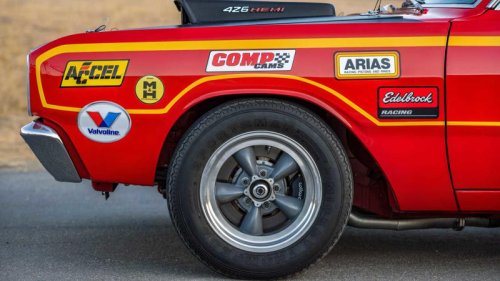
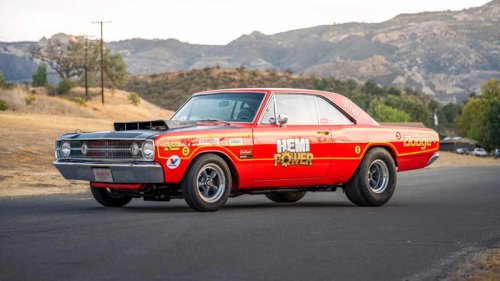
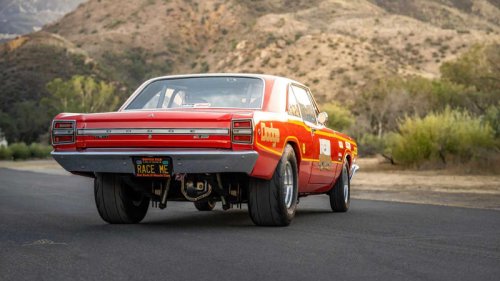
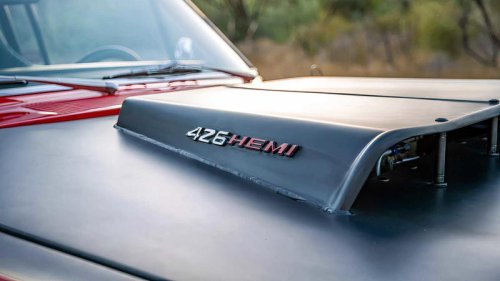
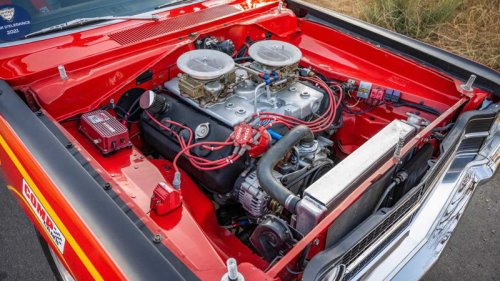
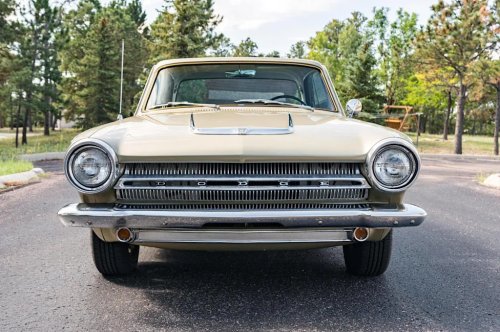
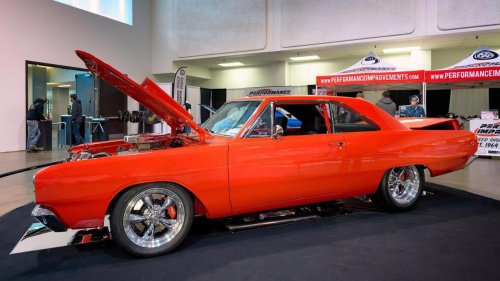
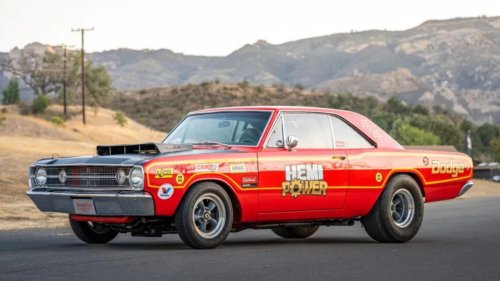
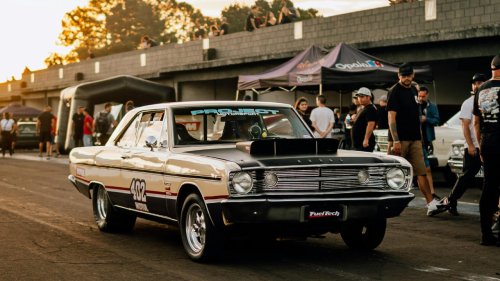
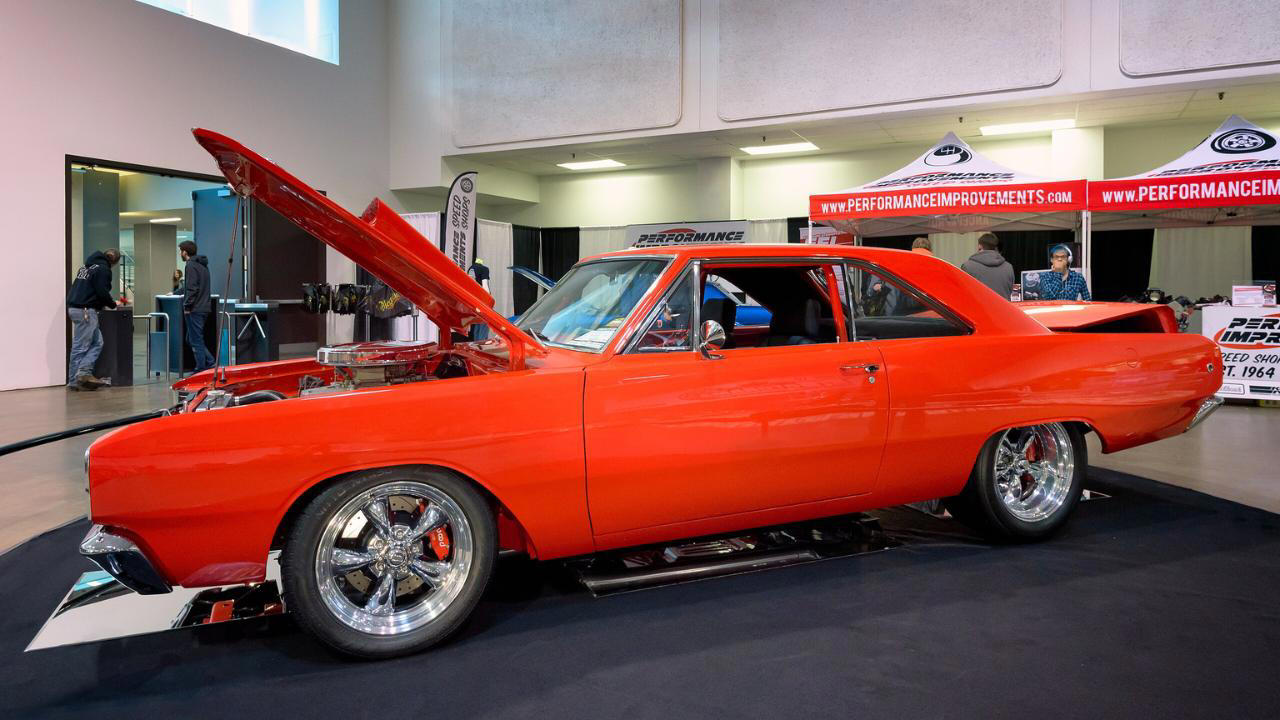
Built for racing first the 1968 Dodge Hemi Dart LO23 wasn’t for everyoneThe 1968 Dodge Hemi Dart LO23 was not built to cruise downtown or sit pretty in a dealership showroom. It was conceived as a bare-knuckle drag strip weapon, a compact Dodge Dart stuffed with a 426 Hemi and stripped of almost everything that did not make it quicker through the quarter mile. That single-minded purpose made it brutally fast, incredibly rare and, for anyone who expected a normal car, almost unusable. Today the LO23 Hemi Dart stands as one of the most extreme factory efforts of the muscle era, a car that treated the street as an afterthought and racing as the only real mission. Its story shows how far Dodge and its partners were willing to go when the stopwatch, not the showroom, set the rules. From compact commuter to factory assassin In the late 1960s the regular Dodge Dart was known as a sensible compact, not a headline drag racer. Contemporary commentary has even described the standard Dart as associated with mediocre build quality, modest performance and conservative styling, a reputation highlighted in a video on the Dodge Dart that contrasts the ordinary versions with what came next. That made the transformation of this mild-mannered platform into a Super Stock terror all the more dramatic. Dodge saw an opportunity. The National Hot Rod Association Super Stock classes were becoming a high-profile battlefield, and Chrysler wanted a lighter, shorter-wheelbase alternative to its big B-body cars. Engineers and product planners zeroed in on the Dart shell, then worked with outside specialists to turn it into something that could carry the 426 Hemi into new territory. The result was the LO23 program, a run of purpose-built race cars that looked like Darts but shared little with the sedans that commuters drove to work. Internally coded as LO23, these cars were engineered around the drag strip, not the highway. Dodge and Hurst Performance rewrite the rulebook The key to turning the idea into reality was a collaboration between Dodge and Hurst Performance. The partnership is described in detail in accounts of how the Dodge and Hurst teams split the work. Dodge supplied the basic Dart shells and the 426 Hemi engines, while Hurst Performance handled the heavy modifications that made the LO23 cars so radical. Hurst had already proven its ability to build specialty drag machines, and for the Hurst HEMI Dodge Dart LO23 it went even further. One report describes how the Hurst HEMI Dodge, designated by the internal Chrysler code LO23, was widely considered a limited-production factory Super Stock project rather than a conventional model line. Developed through this collaboration, the Dart was never intended for regular street use and instead left the factory as an almost race-ready shell. Chrysler shipped partially assembled bodies to Hurst, which then carried out extensive surgery to make room for the Hemi, reduce weight and prepare the cars for the brutal launches of drag racing. The partnership blurred the line between factory engineering and race shop craftsmanship, giving Dodge a competitive weapon that still qualified as a production-based car under the rules of the day. Built in tiny numbers, with a clear warning Production of the LO23 Hemi Dart was deliberately small. Multiple historical accounts converge on the same figure, noting that 80 special models were created specifically for drag racing and that these 80 cars were sold with a clear non-warranty disclaimer. Another detailed history of a specific Super Stock example states that it was one of 80 produced for Chrysler by Hurst Performance at their facility, reinforcing the limited run and the direct link between Chrysler by Hurst. That tiny production run has become a central part of the LO23 legend. A Mopar-focused retrospective describes how the Hemi Darts, internally coded as LO23, were the most extreme factory drag cars of their day and emphasizes that they were never meant for mass consumption. The same account recalls how, when handed over to Dodge’s factory-sponsored racers, such as “Dandy” Dick Landy, the Darts immediately started running in the low 10 second range, a performance level that confirmed the logic of building only a small batch of Hemi Darts, internally. Ownership came with strings attached. Buyers were told in plain language that these were competition vehicles. The non-warranty disclaimer signaled that Chrysler would not stand behind the cars if something broke, which, given the power and the lightweight construction, was almost guaranteed under hard use. For Dodge, that was the point. For anyone hoping to treat an LO23 like a regular Dart, it was an early warning that this machine belonged at the drag strip, not on the daily commute. A 426 Hemi with race-bred power At the heart of every LO23 sat the 426 Hemi V8, the same basic architecture that had already proved itself in NASCAR and Top Fuel dragsters. In Super Stock trim the engine was officially rated at 425 horsepower, a figure repeated in multiple factory-style descriptions of the car. One detailed profile of a 1968 Dodge Dart LO23 Super Stock notes that the engine was officially rated at horsepower, while adding that race-prepped versions used in these cars often produced significantly more thanks to high-compression internals and aggressive tuning. Enthusiast analysis of the LO23 program explains that Dodge adapted the compact Dart to accept the 426 Hemi with help from Hurst Performance, creating a combination that was both brutally quick and notoriously temperamental. One feature on the car points out that, with a bit of Hurst Performance magic, the LO23 package turned into a celebrated drag racer that could rip through the quarter mile far faster than most street cars of its era. The Hemi itself was not a subtle engine. High-flow heads, big valves and a radical cam profile gave it enormous breathing capacity at high rpm, but it also demanded careful tuning and high-octane fuel. In a regular road car that might have been a liability. In the LO23 context it was a feature, since every component of the package was pointed toward one objective: maximum acceleration over 1,320 feet. Lightweight body, heavy consequences To make the most of the Hemi, Dodge and Hurst attacked the Dart shell with the same intensity. Extensive use of lightweight materials turned the compact body into a fragile but effective drag racing platform. A fact sheet on the 1968 Dart notes that these 80 special models received a fiberglass hood and front fenders, part of a broader effort to cut mass wherever possible on the 1968 Dodge Dart cars. Other sources describe how the doors, bumpers and various brackets were thinned or replaced, and how sound deadening, insulation and many comfort features were deleted entirely. The result was a car that weighed far less than a typical muscle coupe yet carried one of the most powerful engines in Chrysler’s catalog. A documentary from Rare Cars, which focuses on the short but intense history of the 1968 Dodge Hemi Dart LO23, highlights how this extreme weight reduction strategy helped the LO23 become one of the fastest factory-backed drag cars of its time, with the Rare Cars narrative emphasizing the trade-off between speed and everyday usability. Even the glass was sometimes swapped for thinner pieces, and the interior trim was pared to the minimum required to keep the car legal for its class. For a racer, these choices meant lower elapsed times. For an ordinary driver, they meant a loud, hot, rattling shell that felt closer to a purpose-built dragster than to any showroom Dart. From dealership lot to low 10s Once the LO23 Hemi Darts reached racers, the impact was immediate. Historical recollections of the program explain that when Dodge handed the cars to its factory-sponsored drivers, including “Dandy” Dick Landy, the Darts quickly ran in the low 10 second range in NHRA Super Stock competition. These performances are often cited as proof that the LO23 package delivered exactly what Dodge had intended: a car that could dominate its class with relatively minor additional tuning. A detailed heritage feature on the LO23 program describes how the Darts became legends among Mopar fans and how their success helped cement Dodge’s reputation in NHRA drag racing. The same account notes that today they are still regarded as among the fastest and most popular carbureted door slammers in professional NHRA competition, a testament to the original engineering choices that made the NHRA drag racing package so effective. Another retrospective on the Hemi Dart program reinforces this view, presenting the LO23 as a factory-built drag strip weapon disguised as a compact muscle car. That description aligns with the way many owners and historians talk about the car: as a machine that blurred the line between production vehicle and race chassis, and that required a racer’s mindset to operate successfully. Why it was never a street car For all its success on the strip, the LO23 Hemi Dart was a nightmare as a road car. Several period-style descriptions emphasize that the cars were sold with minimal creature comforts, intentionally rough manners and a strong warning that they were not intended for daily driving. One detailed overview of the program states plainly that the LO23 Dart was never meant for regular street use, a point repeated in discussions of how the Dart was never to behave like a normal production model. The reasons were straightforward. The 426 Hemi, especially in race-prepped form, idled poorly in traffic, drank fuel at an astonishing rate and produced significant heat. The lightweight body panels and stripped interior amplified noise and vibration. The suspension and tire choices were optimized for straight-line traction rather than ride quality or cornering stability. On top of that, the non-warranty disclaimer meant that any mechanical failure was the owner’s problem, not Chrysler’s. One enthusiast-focused feature on the LO23 program sums up the effect by describing the Hemi Dart as barely street legal, and then only in the most technical sense. The combination of a high-strung engine, fragile lightweight components and race-oriented gearing created a car that could be driven on public roads but punished anyone who tried to treat it like a typical muscle car. It was, quite literally, built for racing first and everything else a distant second. How the LO23 fits into Dodge heritage Within Dodge history, the LO23 Hemi Dart occupies a special niche. A heritage-focused feature on the car portrays it as one of the most hardcore factory drag efforts the brand ever attempted and connects it to a broader lineage of competition-focused Mopars. That same piece traces how the story of the LO23 has been preserved through archival photography and enthusiast communities, many of which gather under the legendary LO23 banner. Social media posts from dedicated Mopar groups also keep the memory alive. One widely shared description on a Dodge-focused page describes the 1968 Dodge Hemi Dart LO23 as a factory-built drag car that was barely street legal and emphasizes its role as a purpose-built Super Stock entry. That post highlights how the 1968 Dodge Hemi was understood from the start as a competition machine rather than a regular production model. More from Fast Lane Only Unboxing the WWII Jeep in a Crate 15 rare Chevys collectors are quietly buying 10 underrated V8s still worth hunting down Police notice this before you even roll window down The post Built for racing first the 1968 Dodge Hemi Dart LO23 wasn’t for everyone appeared first on FAST LANE ONLY.



















 +78 others