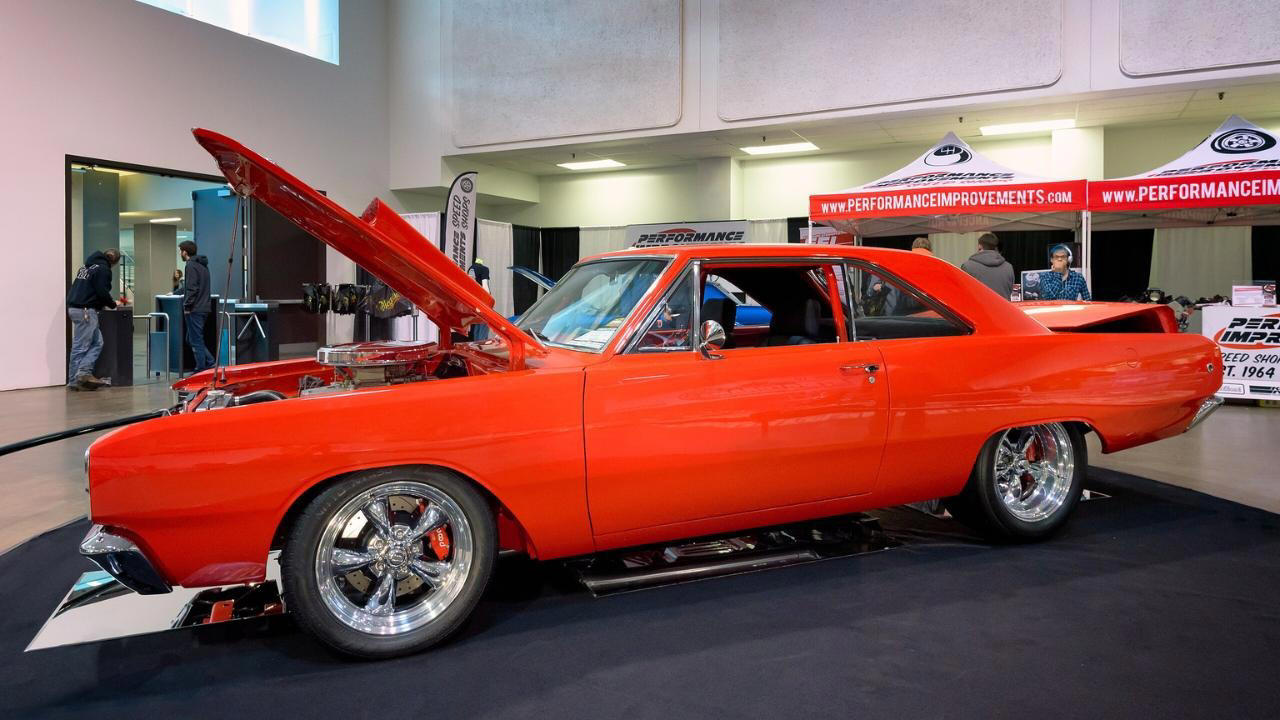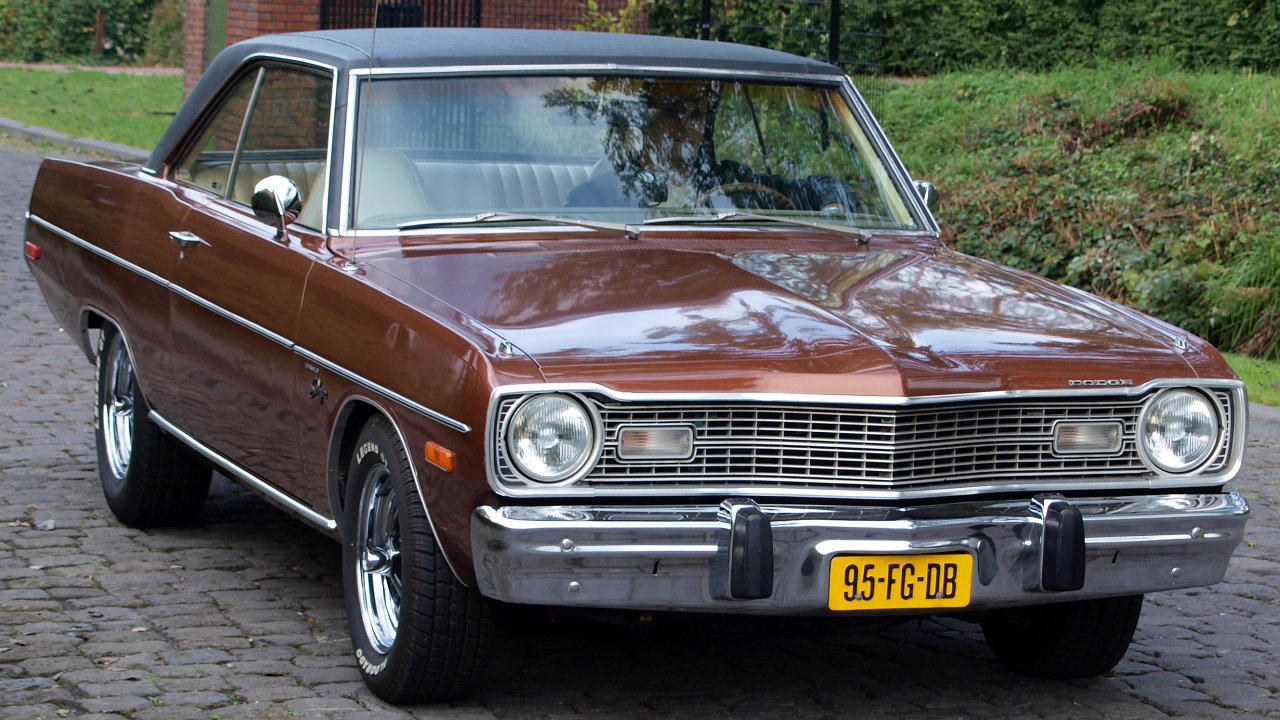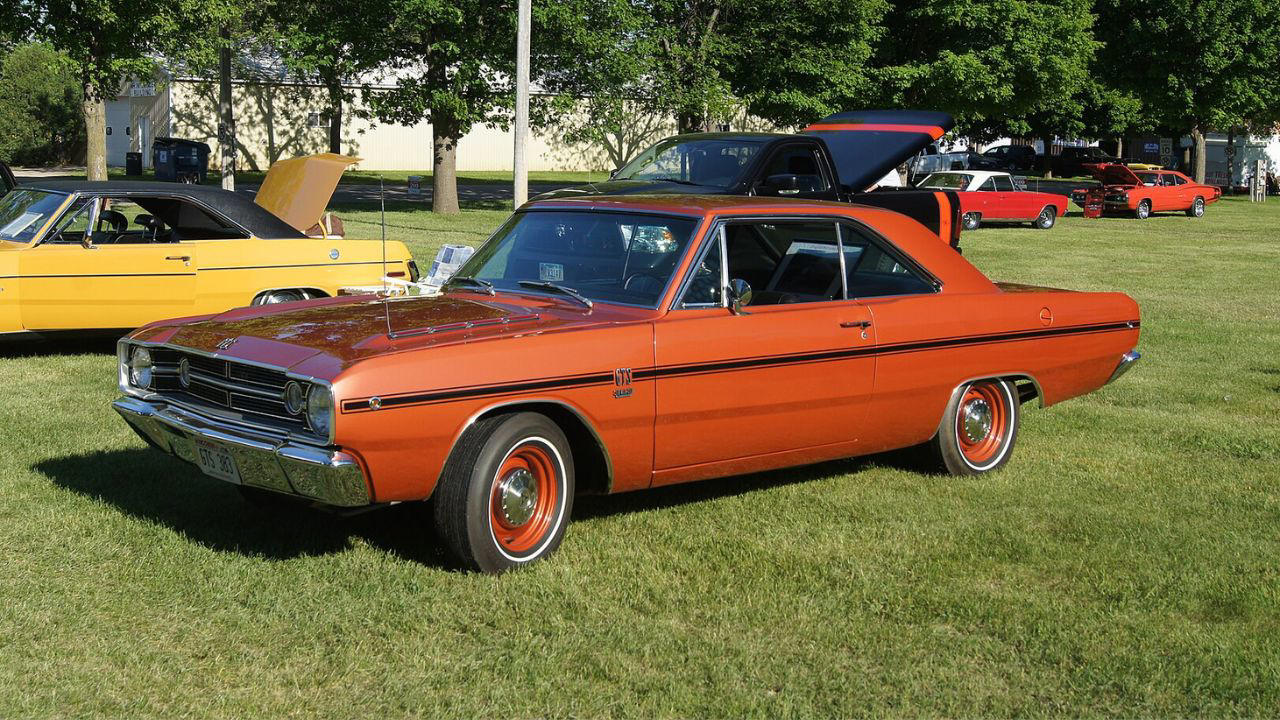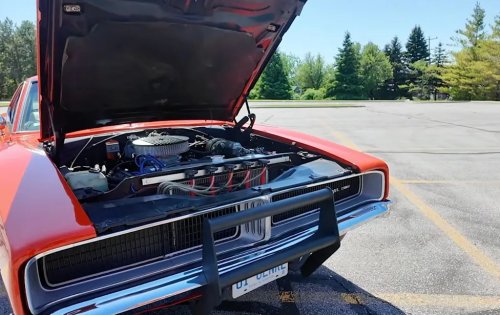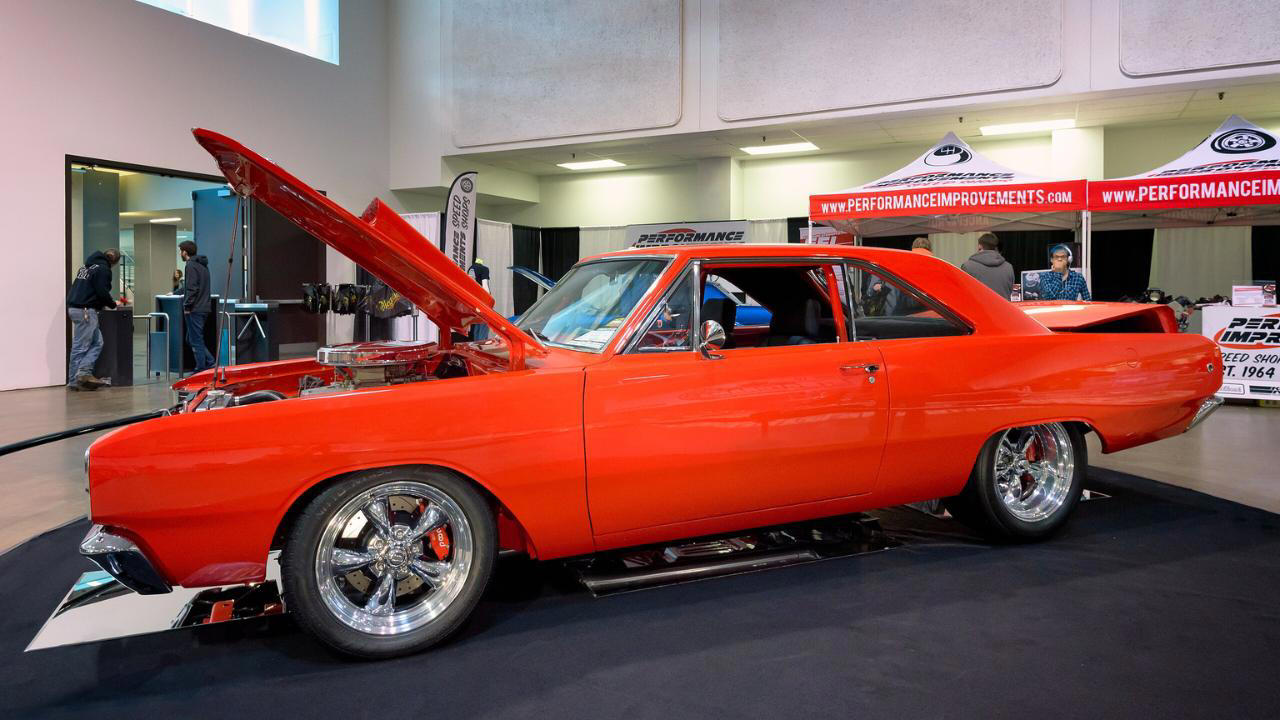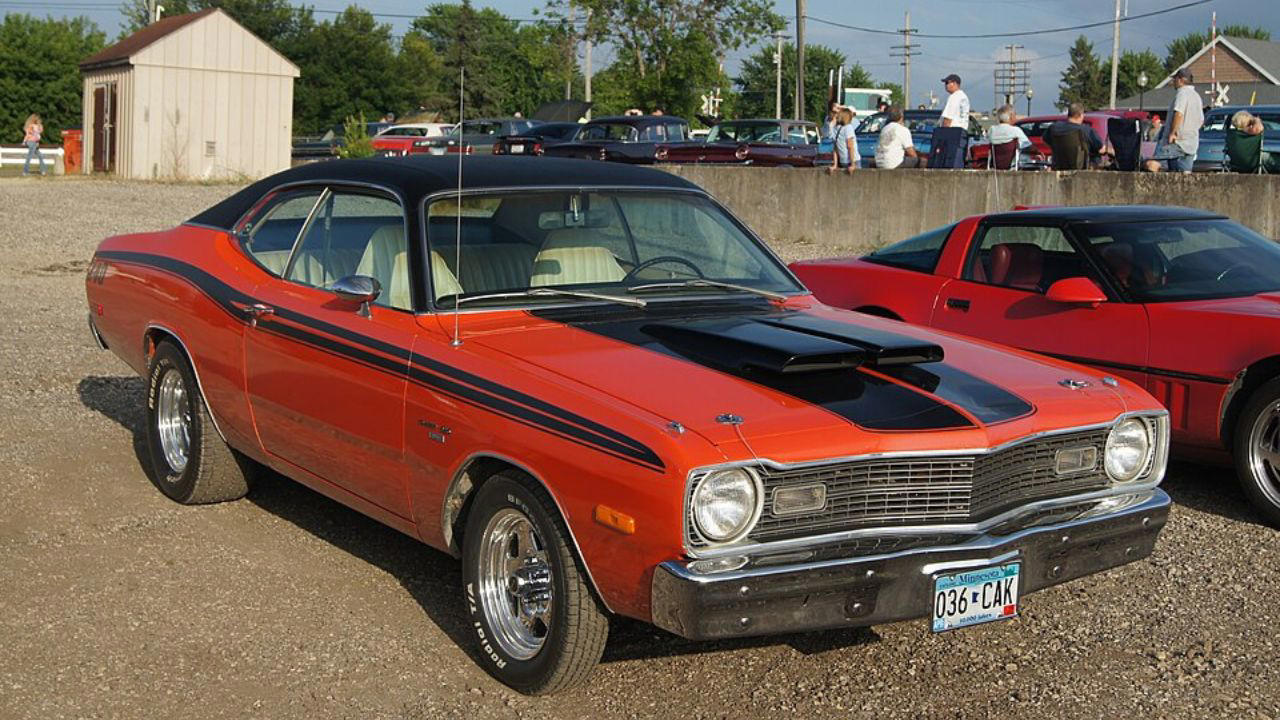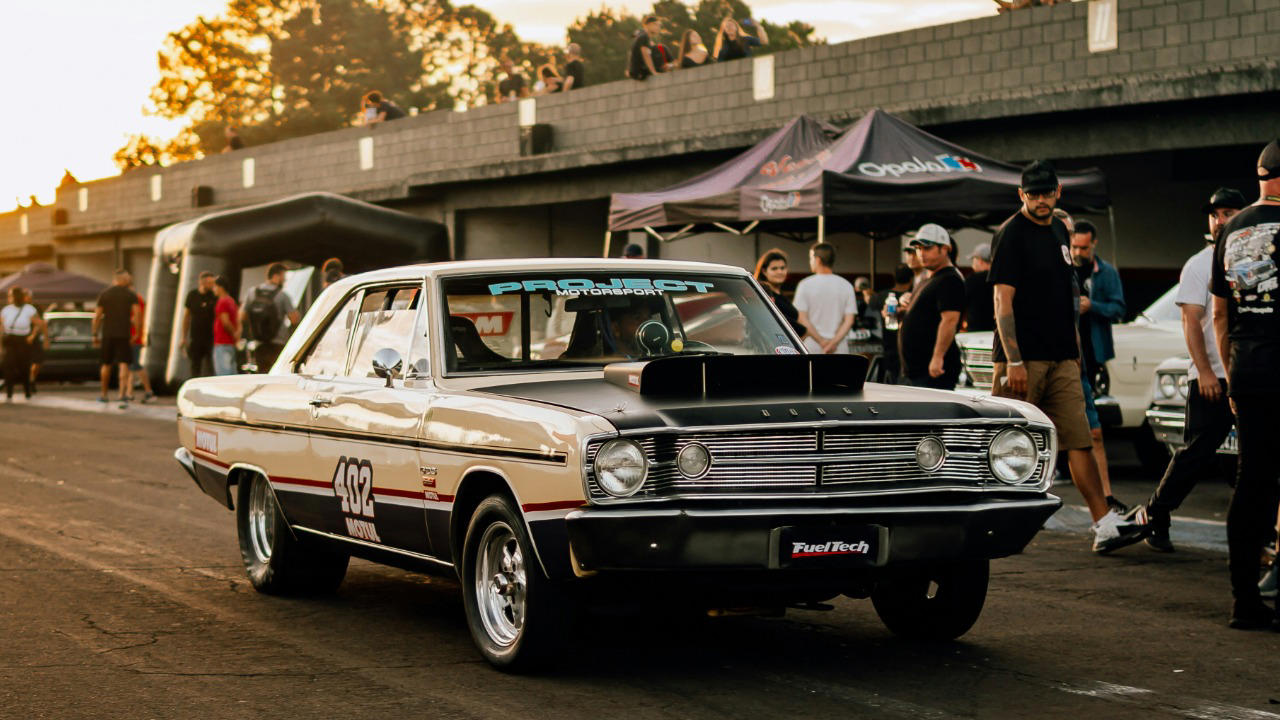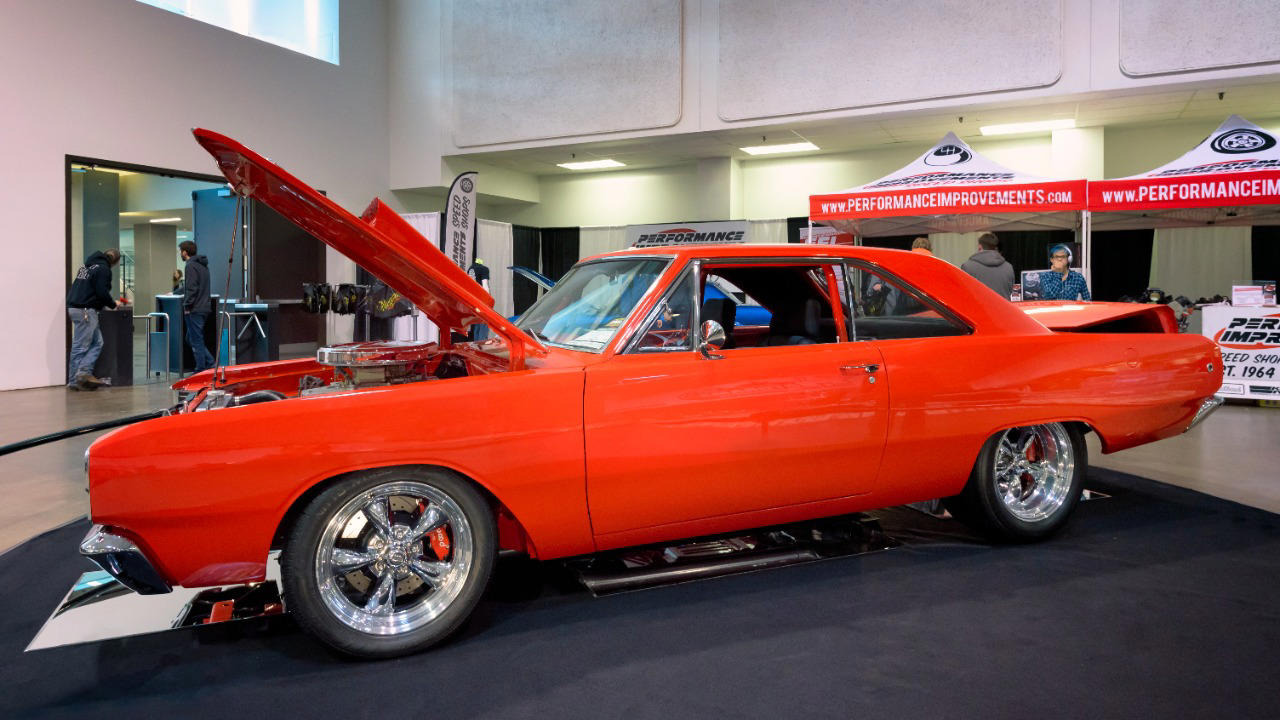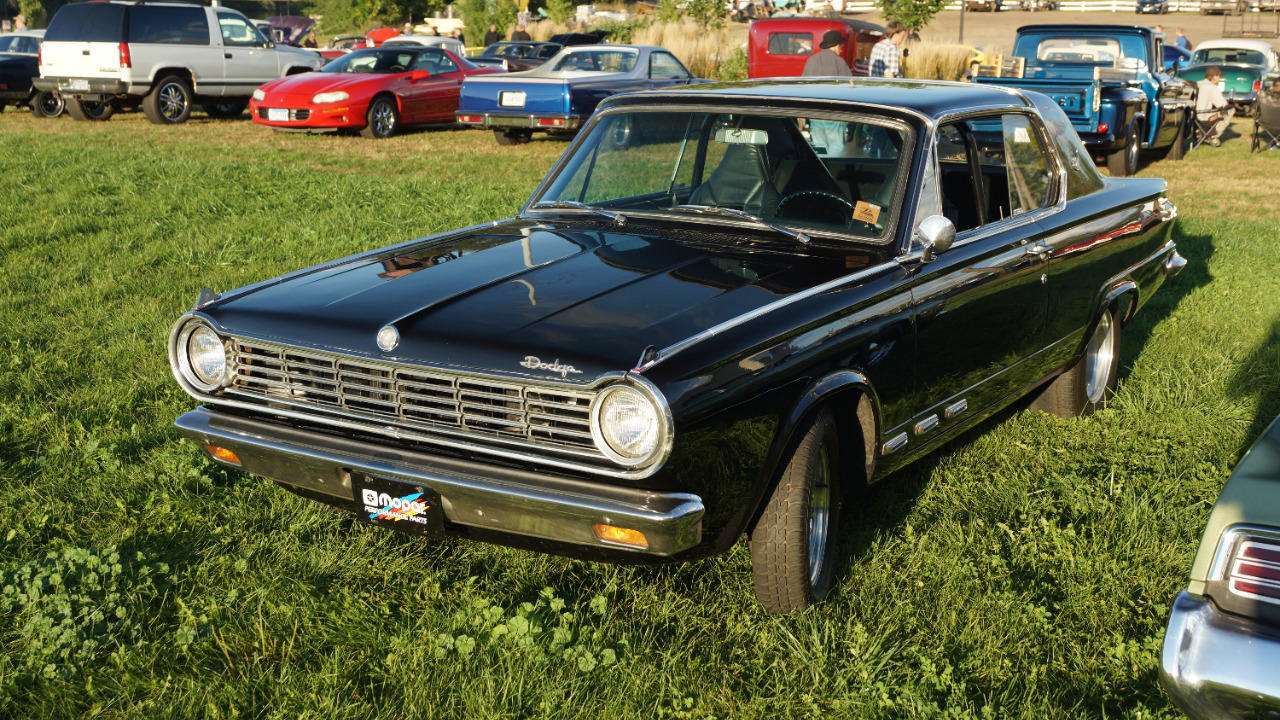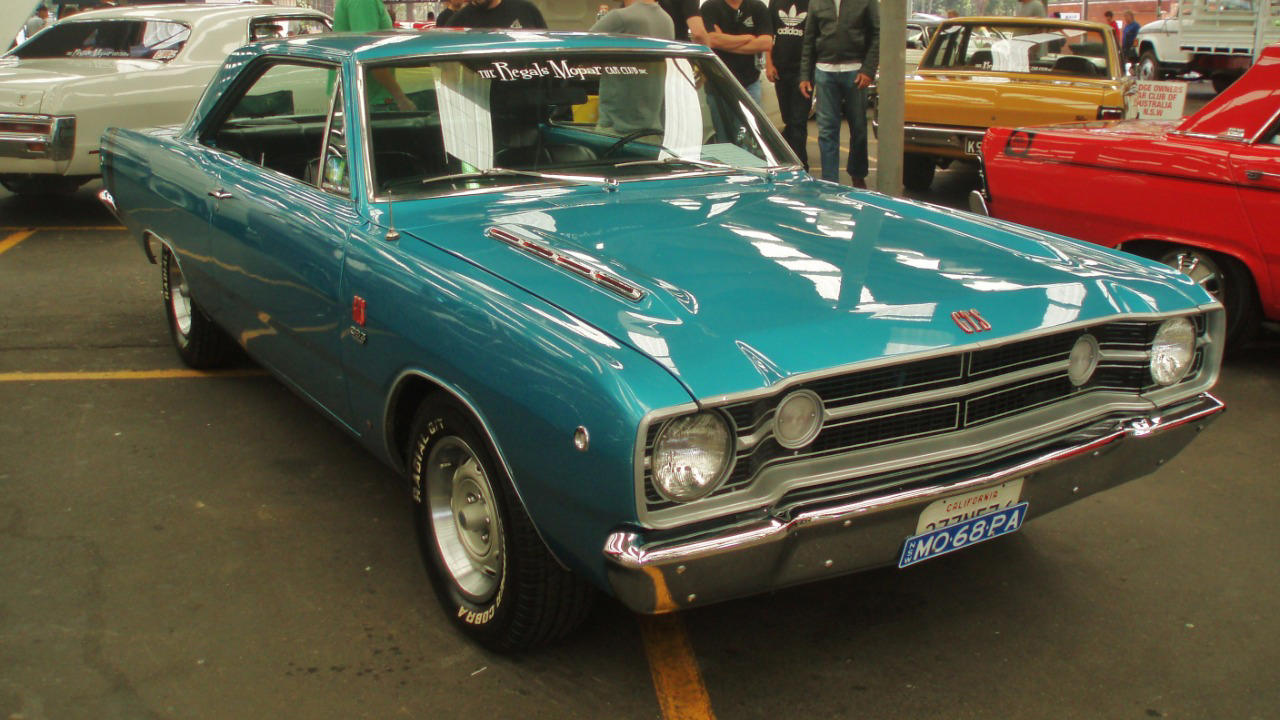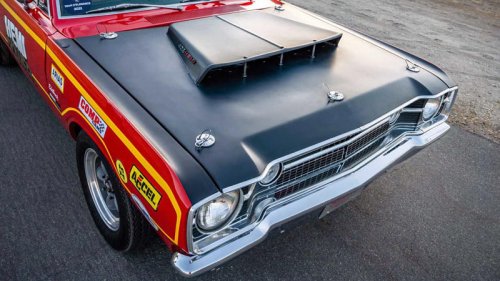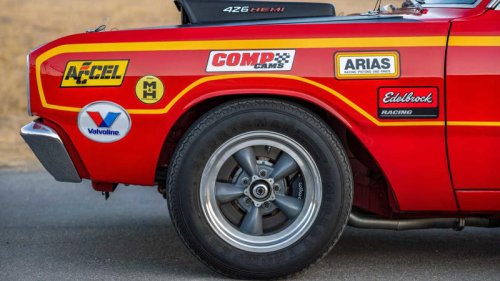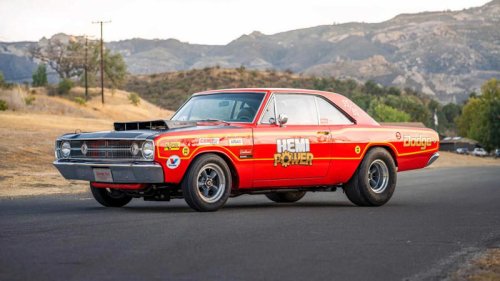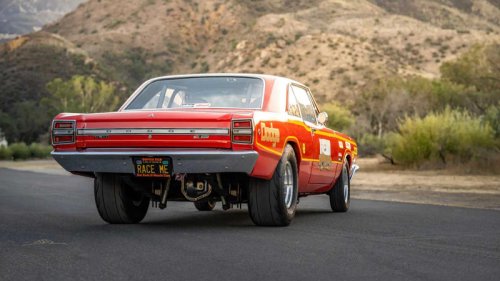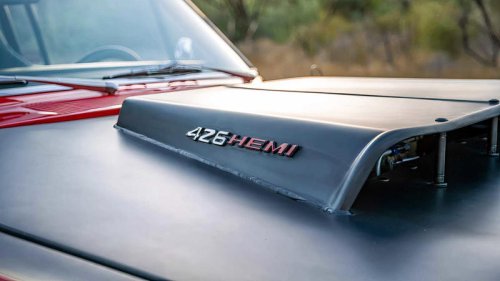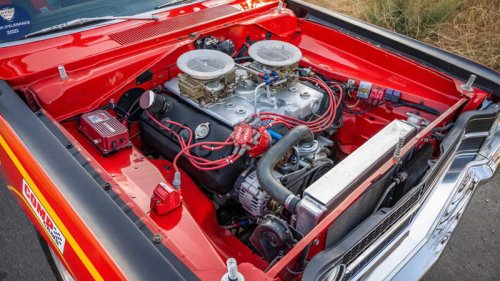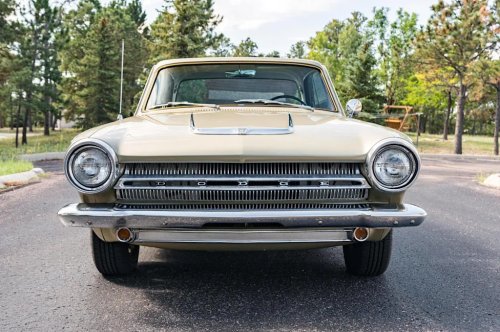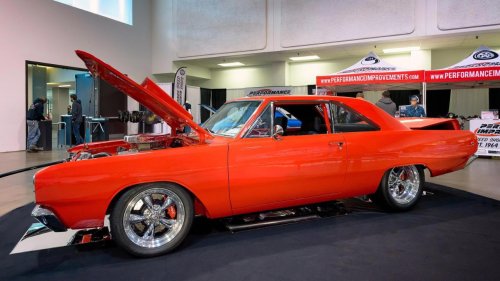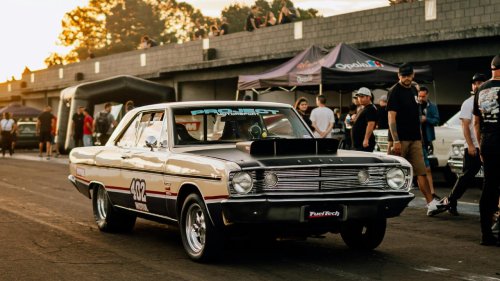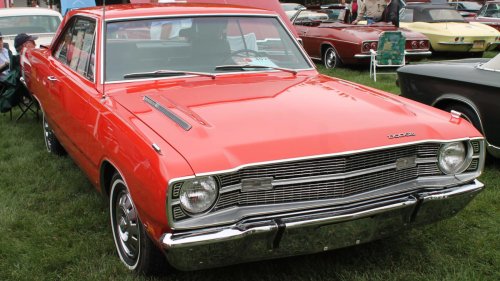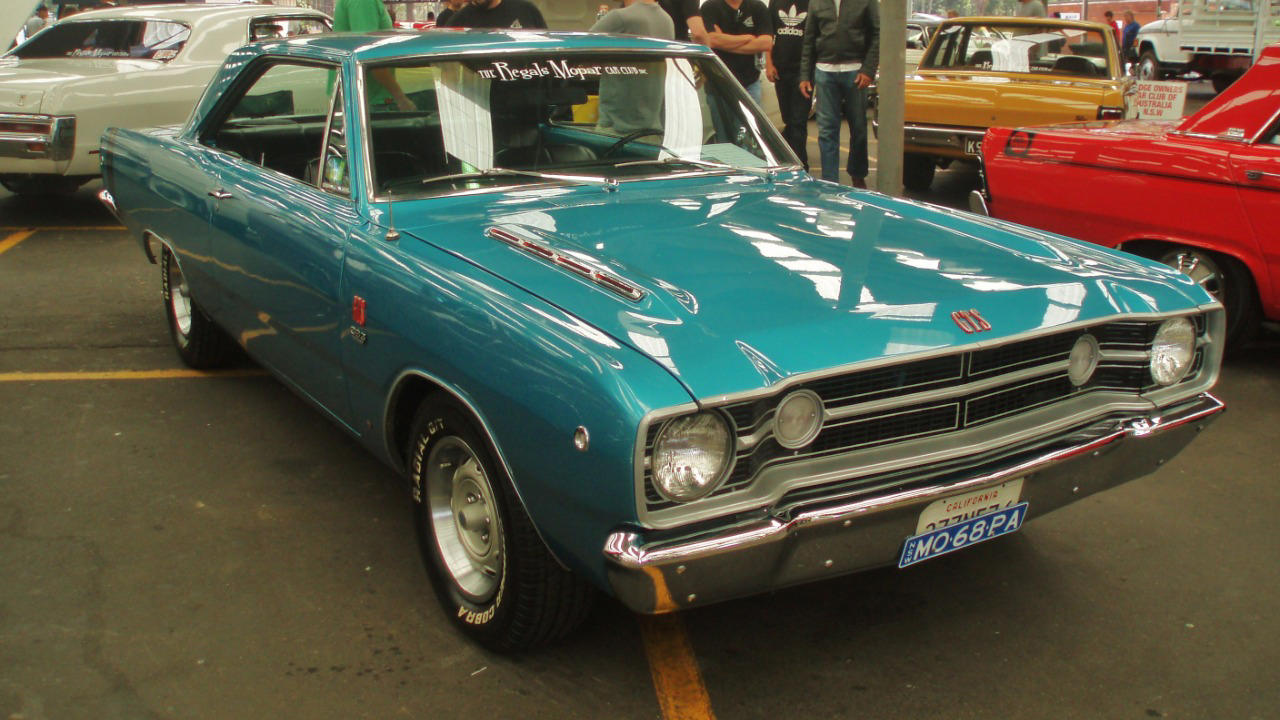





















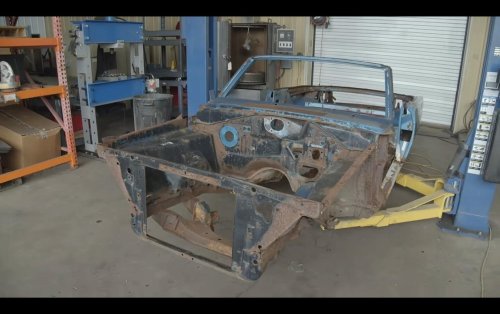

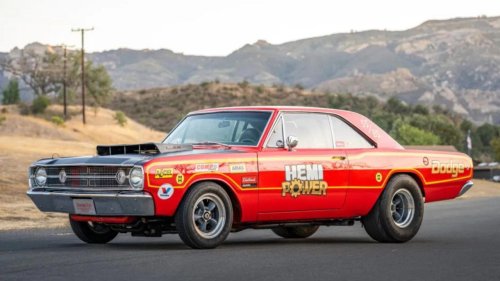

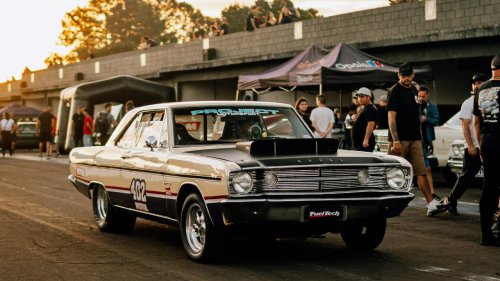
This 1968 Dodge Dart earned its reputation the hard wayThe 1968 Dodge Dart did not roll off the line as a blue-chip collectible. It arrived as a compact with what one video calls “objectively mediocre” build quality and unremarkable styling, then fought its way into legend through brute force, broken parts, and quarter-mile times that embarrassed exotic machinery. Its reputation was not handed down by marketers but forged at the drag strip, one violent launch at a time. By the time Chrysler engineers finished with the Dodge Dart GTS and the HEMI variants, this modest compact had become one of the most feared factory race cars of its era. The transformation from basic transportation to Compact Super Stock Monster explains why the 1968 Dodge Dart is still spoken of with a mix of awe and disbelief. The humble Dart that refused to stay humble The story begins in a context that made the later legend hard to predict. As one detailed look at the Dodge Dart points out, the nameplate had become synonymous with average build quality, modest performance, and styling that did not turn many heads. It was born as a full-size car and then downsized into a compact, a sensible choice for families rather than a halo project for speed freaks. That very ordinariness is what made the transformation so striking. The compact shell was light, cheap to build, and easy to modify. Chrysler’s performance arm, Mopar, recognized that the small footprint and relatively low weight could serve as the perfect foundation for a drag car that would punch far above its class. The 1968 model year became the moment when that theory was tested on a grand scale. Chrysler decides to get serious Inside Chrysler, the late 1960s were defined by escalating horsepower wars. The company already had the legendary 426 HEMI, a race-bred V8 with a fearsome reputation. The question was how far that engine could be pushed in a compact platform without the whole package becoming unmanageable. According to a detailed breakdown of the Dodge Dart GTS, engineers were willing to stretch that limit in ways that seemed reckless even by muscle car standards. They did not start with mild upgrades. One account of the factory drag program notes that started with the and transmissions, the hardest components to fit into the compact bay. The powerplant of choice was the 426 HEMI, a piece of hardware that had already proven itself in NASCAR and at the drag strip. Stuffing that engine into a small Dart was less a packaging exercise and more a declaration that Chrysler intended to dominate Super Stock competition. From family car to Compact Super Stock Monster The transformation is best captured by the Dodge Hemi Dart LO23, often described as Mopar’s Compact Super Stock Monster. A detailed retrospective on Remembering the car traces how the Dart, born as a full-size model, evolved into a compact that could handle serious race hardware. Mopar engineers stripped weight wherever possible, added heavy duty rear shocks and specialized suspension components, and tuned the chassis to survive brutal launches. The goal was simple: build a factory package that could run the quarter mile in the 9 second range in Super Stock trim. To reach that level, the Dodge Hemi Dart LO23 combined the 426 HEMI with a lightweight body, minimal creature comforts, and drag-focused gearing. The result was a car that looked like a small economy model but behaved like a dedicated race machine. The unhinged HEMI experiment If the LO23 was focused, the Dodge Dart HEMI L023 project showed just how far Dodge was willing to go. A period description of the Dodge Dart HEMI calls it one of the rarest and most hardcore factory drag cars ever built. Created by Dodge specifically for the strip, the L023 cars were essentially race chassis with just enough production DNA to qualify for Super Stock classes. The L023 and LO23 projects did not chase comfort or broad market appeal. They chased elapsed time. Body panels were thinned, sound deadening was removed, and interiors were reduced to the bare essentials. Even the glass and front fenders were often replaced with lighter components. The compact shell became a delivery system for the 426 HEMI and a short, violent trip through the quarter mile. Hurst, HEMI, and the 80-car legend Chrysler did not build these monsters alone. The 1968 Hurst HEMI Dodge Dart program brought in Hurst to help turn factory shells into drag weapons. A detailed social post on the Street Dominator project describes the 1968 Hurst HEMI Dodge Dart as a factory-built drag strip weapon disguised as a compact muscle car. Only 80 units were produced, a figure that has become central to the car’s mystique. Another detailed overview of the program reinforces that scarcity, noting that Only 80 Hemi were built for 1968. That tiny production run explains why surviving cars now trade hands at prices that would have seemed absurd when the Dart was still considered a budget compact. It also reflects how narrowly targeted the program was. Chrysler and Hurst were not chasing showroom volume. They were chasing trophies and headlines from the drag strip. Powered by 426 and built for violence At the heart of the legend sits the 426 HEMI. A detailed enthusiast description of a tribute build describes a HEMI Dart Tribute that is powered by a legendary 426 HEMI, a reminder that the engine itself remains the centerpiece of any accurate recreation. The hemispherical combustion chambers, large valves, and race-bred bottom end gave the compact Dart a powerplant better suited to professional competition than grocery runs. Some modern Super Stock style builds go even further. One description of a Dodge Dart Super mentions a 572 cubic inch HEMI V8 that produces an enormous power figure, a modern interpretation of the same idea that guided Chrysler in 1968. Whether in original 426 form or enlarged to 572 cubic inches, the concept is unchanged: too much engine in too little car. Factory paperwork and a thin street veneer The HEMI Dart program walked a fine line between street legality and pure race intent. An archival description of the rollout notes that In February of 1968, Chrysler sent promotional materials to Dodge dealerships across the country that outlined the plan to sell these cars as barely street legal factory race machines. The paperwork framed them as production vehicles, but the hardware and build sheets told a different story. Other descriptions of the period emphasize just how marginal that street veneer really was. A modern analysis of the car’s reputation describes a Complete Lack Of in the way Dodge approached the project. The cars were loud, harsh, and temperamental. They did not idle politely in traffic. They were built for the strip and tolerated the street only as much as the rulebook required. Drag strip numbers that rewrote expectations The 1968 Dodge Hemi Dart LO23 and related variants earned their reputation where it mattered most: at the track. A focused retrospective on the car’s performance notes that the combination of heavy duty suspension and the 426 HEMI allowed the Super Stock package to achieve nine second runs in the quarter mile. For a car that still carried a recognizable production body, those numbers were staggering. A modern video summary of the HEMI Dart’s track exploits describes it as a car that was running 9 second quarters in 1968 and uses the Dodge Hemi Dart as a benchmark that can still embarrass modern supercars in straight line acceleration. The implication is clear. While technology has advanced, few street legal or semi-legal cars of any era can match what Chrysler and Hurst created under the constraints of late 1960s production rules. Street terror, strip hero The HEMI Dart’s dual identity as a street car and race car helped cement its legend. One enthusiast description of Dodge Dart Drag car calls the 1968 Dodge Dart a legend in the drag racing world, celebrated for raw power and a no-nonsense focus on speed. That duality meant owners could, at least on paper, drive to the track, run competitive Super Stock times, and then drive home again. In practice, the experience was far from civilized. A modern analysis of the car’s street manners describes how the disclaimer about its barely legal nature matched the way it behaved in traffic. The car would buck, rattle, and overheat. It was loud enough to wake entire neighborhoods. Yet for the small group of buyers who wanted a factory race car with plates, those compromises were part of the appeal. Mythmaking in the modern era The HEMI Dart’s legend has only grown over time, helped by modern storytellers and restorers. One widely shared video frames the car as a forgotten monster that humiliated supercars, while another asks viewers to imagine how a single mechanic’s experiment could create one of the most feared street machines of the 1960s, a story teased in a Nov feature. These narratives build on the same core facts: a compact body, a 426 HEMI, and a factory program that prioritized elapsed time over refinement. Even tribute builds and modern Super Stock recreations lean heavily on that mythology. The presence of a 426 badge on the fender, the stripped interior, and the stance of a car ready to lift its front wheels on launch all signal a connection to the original 1968 program. Owners and builders know that the details matter, because the legend is tied to specific hardware and a specific year. Why this reputation still matters The 1968 Dodge Dart’s hard-earned status speaks to something deeper than nostalgia for carburetors and bias-ply slicks. It represents a moment when a major manufacturer was willing to bend the rules of production in order to compete at the highest levels of drag racing. The fact that Chrysler and Hurst produced Only 80 units for the core HEMI Dart run shows how targeted that effort was, and how little interest they had in compromise. For modern enthusiasts, that scarcity and single-minded purpose turn the HEMI Dart into a kind of automotive folk hero. It started life as a compact that few people admired, then clawed its way into the record books with 9 second quarter miles, a 426 HEMI under the hood, and a body that barely passed as street legal. The reputation was not inherited. It was earned, one violent pass at a time, by a 1968 Dodge Dart that refused to behave like the sensible compact it was supposed to be. More from Fast Lane Only Unboxing the WWII Jeep in a Crate 15 rare Chevys collectors are quietly buying 10 underrated V8s still worth hunting down Police notice this before you even roll window down