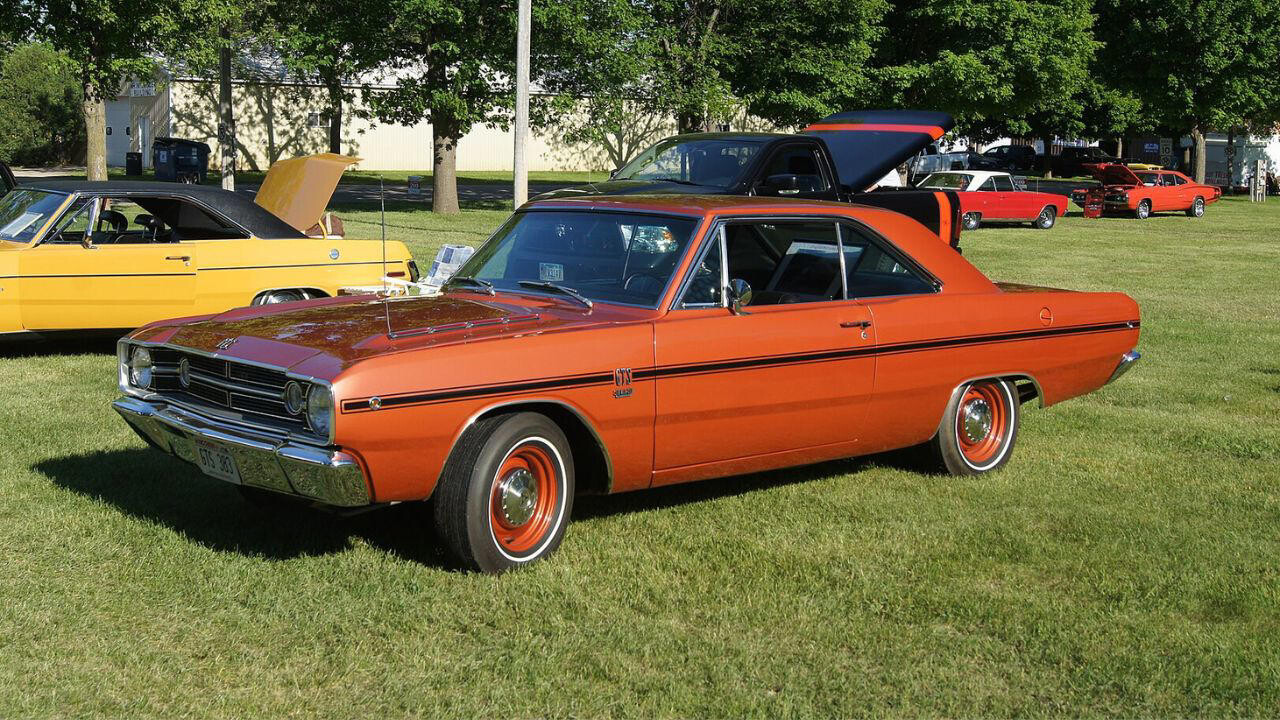
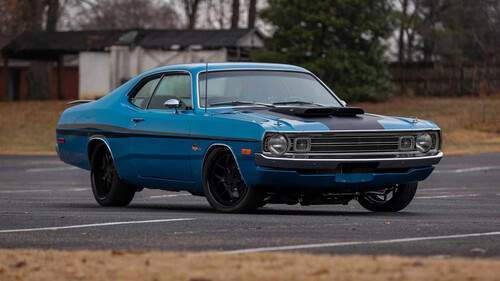
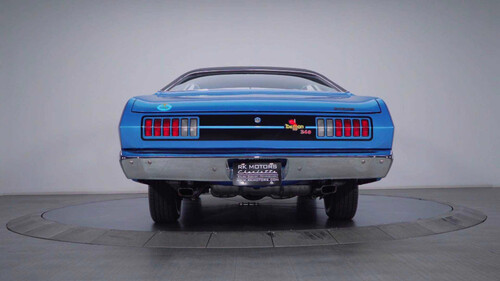
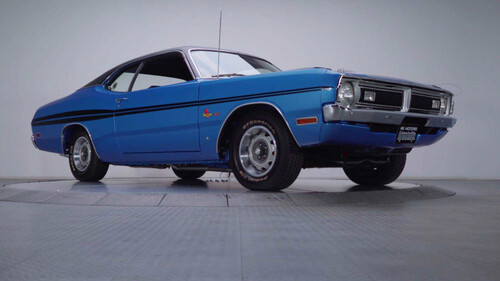
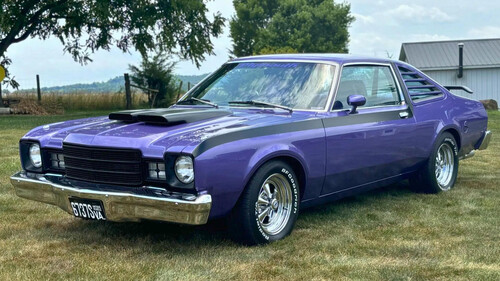
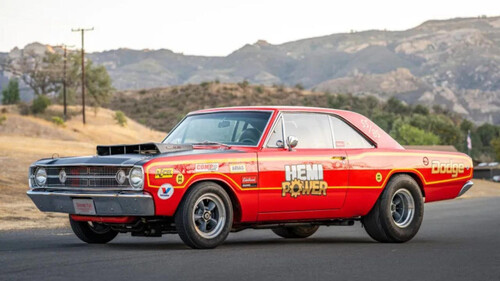
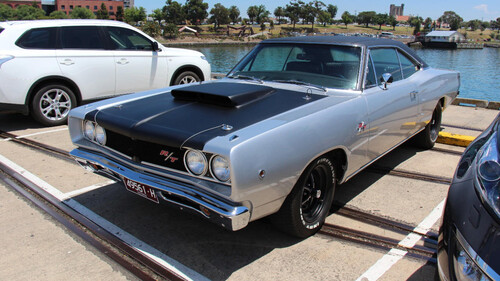
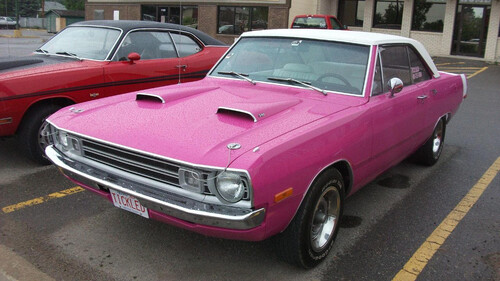
The 1968 Dodge Dart GTS packed big power but stressed its smaller chassisThe 1968 Dodge Dart GTS put big-block power into a compact footprint, creating one of the most aggressive engine-and-chassis combinations of its era. It delivered the straight-line punch buyers expected from Detroit muscle, yet it also exposed the limits of a small-car platform asked to handle high speed and weight. That tension between brute force and modest underpinnings is what still makes the Dart GTS fascinating decades later. The compact that went hunting for big cars In the late 1960s, Dodge needed a response to rivals that were stuffing large V8s into smaller bodies. The Dart had started life as sensible transportation, but by 1968, the company had turned it into a multi-trim lineup that ranged from basic transportation to serious performance. Period coverage notes that buyers could choose from the plain Dart, the Dart 270, and more upscale variants, while the GTS badge signaled a car built around speed rather than comfort, a point reinforced by contemporary descriptions of the Sep model range that highlight how far the GTS sat from a standard Dart 270 in intent. The GTS package turned the compact shell into a straightforward muscle car. It brought performance-oriented styling, bucket seats and sportier trim, but the real story lived under the hood. Dodge used the lightweight body as a launchpad for power levels usually reserved for intermediates, which gave the GTS an immediate advantage in power-to-weight contests and set the stage for the chassis stress that followed. From 340 small-block to 383 big-block The standard GTS engine was a high-compression 340 cubic inch V8 that turned the little Dart into a quick street car without overwhelming it. Period testing of the GTS 340 described a car that did exactly what it was supposed to do, with strong acceleration, solid brakes and usable road manners over long distances. The 340 gave the car a balanced personality, fast enough for weekend strip duty but still manageable on daily drives. Then Dodge added big-block options. Enthusiasts could order a 383 V8 in the GTS, and marketing material leaned on the engine’s reputation. The 383 was already known inside Mopar circles for stout torque, and later summaries of the family of engines point out that the 383 delivered 305 hp and 410 lb-ft in some applications, figures that illustrate how much extra twist the heavier engine brought compared with the 340. A modern breakdown of what made Mopar 383 powerplants distinct lists those 305 and 410 numbers to underline the jump in output. For 1968, Dodge pushed the idea even further with a limited run of Dart GTS 440 models. These cars took the big-block concept to its logical extreme, dropping the company’s 440 cubic inch V8 into the compact engine bay. A detailed look at the 1968 Dart GTS explains how the package used a massive engine in a relatively small car, which created ferocious straight-line performance but also magnified every compromise in packaging, cooling, and handling. How many big-block Dart GTS cars survived The most notorious of these combinations was the Dart GTS 440. Factory records and later research agree that only 640 of these cars were built, a figure repeated in modern Mopar retrospectives. One detailed factory-backed account of the program notes that today, roughly a third of the 640 Dart GTS 440s built still exist, with many of the missing cars having been used hard at the drag strip or sacrificed in late-night street racing. That same piece describes the 440 Dart as the ultimate big cube engine in a small car, and the Dart GTS run of 640 as a rare slice of Mopar history. The 383-powered GTS models were more common but still limited. One auction listing describes a 1968 Dodge Dart GTS as one of only 991 built with a 383 four-barrel and four-speed combination, and uses that production figure to frame the car as a scarce survivor among late 1960s muscle. The same listing reminds readers that street racers valued the GTS because options like the 383 and 440 V8 engines gave the compact Dart startling power-to-weight numbers, which made it a natural choice for informal competition and contributed to the attrition rate among original cars. The listing of that 991 figure appears in a detailed sale description that positions the car as both a performance piece and a collectible. Weight, wheelbase and the limits of a small chassis All of that power sat on a compact footprint. The Dart used a relatively short wheelbase and narrow track compared with full-size or intermediate Mopars, which helped launch the car quickly but left less margin for stability as speeds climbed. Contemporary road tests of the 340 GTS already commented on a lively rear end under hard acceleration, and that was before the extra weight of a big-block sat over the front axle. When the 383 and 440 were installed, owners effectively asked a compact suspension and braking system to manage full-size levels of power. To cope, Dodge added upgrades such as heavy-duty front torsion bars, firmer rear leaf springs and better shocks. A later review of a survivor car notes that other technical enhancements included a low-restriction dual exhaust system with chrome tips, a heavy-duty Rallye suspension, and 14 x 5.5 wheels, all of which were intended to keep the GTS controllable at speed. That breakdown of the Rallye suspension and related hardware shows how engineers tried to stiffen the compact platform without completely sacrificing ride quality. Even with those changes, the basic architecture remained that of a small car. The extra mass of the big-block engines shifted weight forward, which increased understeer and put more stress on the front brakes and steering components. On rough pavement, the combination could feel nervous, especially with bias-ply tires that had limited grip compared with modern rubber. Enthusiasts accepted those compromises as part of the package, but they illustrate how far the GTS pushed the Dart chassis from its original mission. Drag strip hero, grocery getter in name only If the chassis sometimes felt taxed on the street, it came into its own at the drag strip. The big-block Dart GTS was conceived with quarter-mile performance in mind, and owners quickly stripped weight, changed gearing and tuned suspensions for straight-line launches. A modern social media post that calls the 1968 Dodge Dart GTS a compact powerhouse describes how its clean design and bold lines hid a serious drag-spec personality, and notes that this was not an average grocery getter once the right parts were installed. That description of a Dodge Dart GTS built for traction captures how owners leaned into the car’s strengths rather than trying to turn it into a balanced grand tourer. On the street, the same traits made the GTS a favorite for stoplight races. A separate enthusiast feature urges readers to check out a 1968 Dodge Dart GTS with a 383 V-8 Magnum engine, highlighting how the Magnum package could deliver an impressive 300 horsepower and turn the compact into a serious threat. That breakdown of the 383 Magnum and its 300 hp rating shows why the car shocked larger competitors that carried more weight. For many owners, the Dart GTS was never expected to behave like a refined sedan. The goal was simple: run hard in a straight line, win races, and accept that the small chassis would feel busy and occasionally overmatched. In that environment, the same short wheelbase that could feel twitchy on a broken two-lane road became an asset off the starting line. Manual gearboxes and fragile parts The drivetrain also revealed where the compact car’s roots showed through. Some GTS buyers chose automatic transmissions for consistency at the strip, but others ordered four-speed manuals. Enthusiast coverage of one 1968 example points out that transmission choice mattered, and that Fred knows the score when it comes to manual transmissions. The Chrysler-built A-833 manual box is described there as nearly grenade-proof, a phrase that underscores how durable the 833 m unit was compared with other parts of the car. That praise for the Chrysler gearbox highlights a rare component that did not flinch under big-block torque. Elsewhere, the hardware was not always so stout. Rear axles, driveshafts and clutches could suffer under repeated hard launches, especially when owners added slicks and steeper gears. Brakes that were marginal on a 340 car became a real concern when trying to stop a heavier big-block GTS from triple-digit speeds. The compact underpinnings had not been designed with constant drag-strip abuse in mind, which is one reason so many original big-block Darts were eventually retired, broken, or converted into dedicated race cars. Styling that looked calmer than it drove Part of the Dart GTS appeal came from the contrast between its relatively clean styling and its aggressive performance. The body lines were crisp and understated compared with the wilder shapes appearing elsewhere in the muscle market. A period feature on a restored car notes that Dodge continued to make the Dart in a variety of series, which meant the GTS shared much of its sheetmetal with everyday commuters. Visual cues like the bumblebee stripe, hood scoops and badging hinted at the power underneath, but the overall shape remained recognizably Dart rather than a dedicated halo model. That dual identity helped the GTS serve as both a sleeper and a statement. In some colors and trim combinations, it could pass as a tidy compact. In others, especially with bright paint, wide tires, and a nose-down stance, it looked every bit the drag-strip refugee. A modern feature that walks through the car’s history emphasizes how the Sep lineup allowed Dodge to sell everything from a mild Dart 270 to a full-bore GTS using the same basic shell, and the Dodge Dart GTS sat at the top of that pyramid. Why collectors still chase the GTS Today, surviving Dart GTS models, especially big-block cars, command strong attention from collectors. The combination of limited production, factory performance parts, and a clear link to grassroots drag racing gives them a story that goes beyond simple horsepower figures. The fact that only 640 Dart GTS 440s were built, with roughly a third believed to remain, adds rarity to the equation. The 991 figure attached to certain 383 four-speed cars does the same for that configuration. Modern Mopar-branded merchandise and nostalgia marketing lean heavily into this heritage. Company-backed outlets promote the GTS as an example of the brand’s willingness to experiment with big engines in small cars, and tie that history to current performance models. One official store even uses the phrase The Ultimate Big Cube Engine in Small Car Offering in connection with Dodge performance gear, and links that theme to a Dodge Garage storefront that sells branded items to fans who remember or aspire to cars like the Dart GTS. Enthusiast media also keeps the legend alive. Features on restored or modified cars appear alongside gear reviews and hot rod merchandising, with cross-promotion that includes links to hot rod-themed products and broader coverage of classic muscle. That ecosystem reflects how the GTS has moved from an affordable street weapon to a symbol of a particular moment when automakers were willing to push compact platforms to their limits. More from Fast Lane Only Unboxing the WWII Jeep in a Crate 15 rare Chevys collectors are quietly buying 10 underrated V8s still worth hunting down Police notice this before you even roll window down