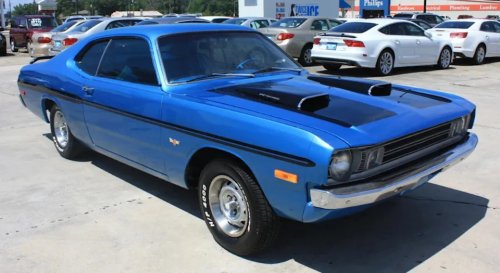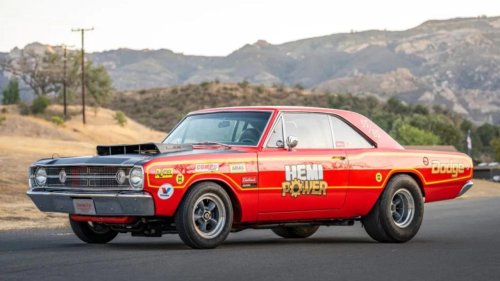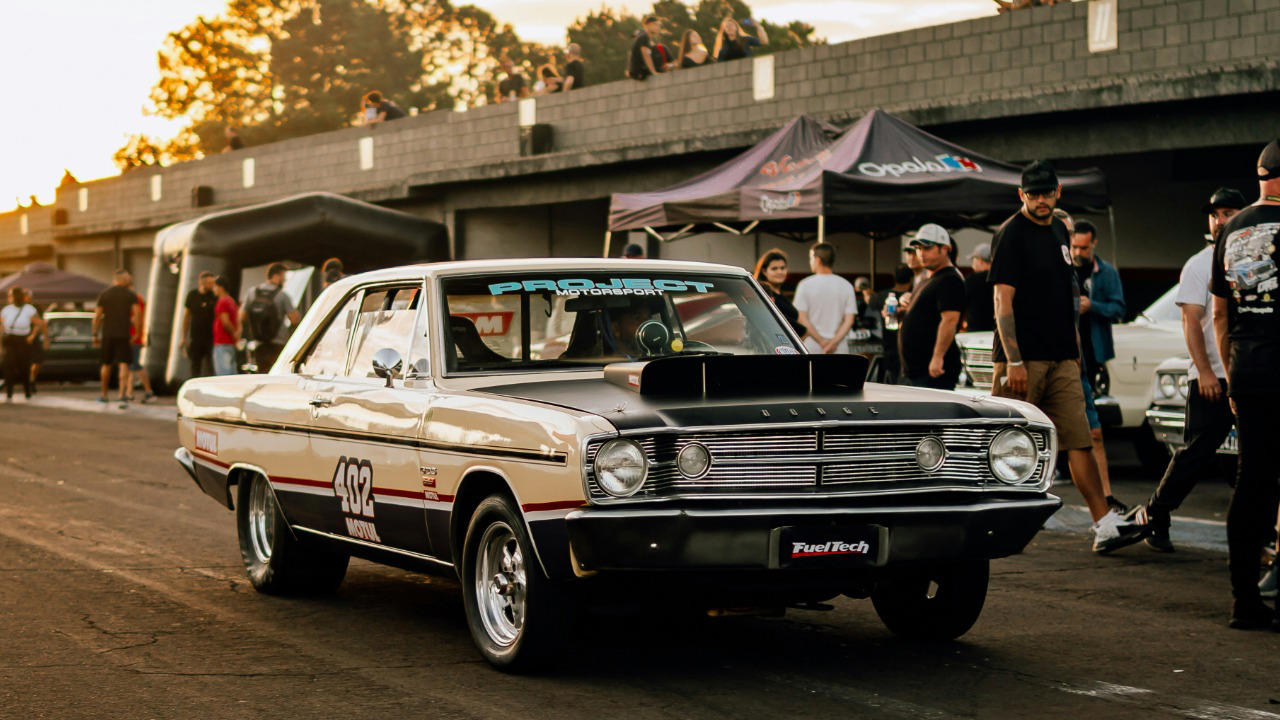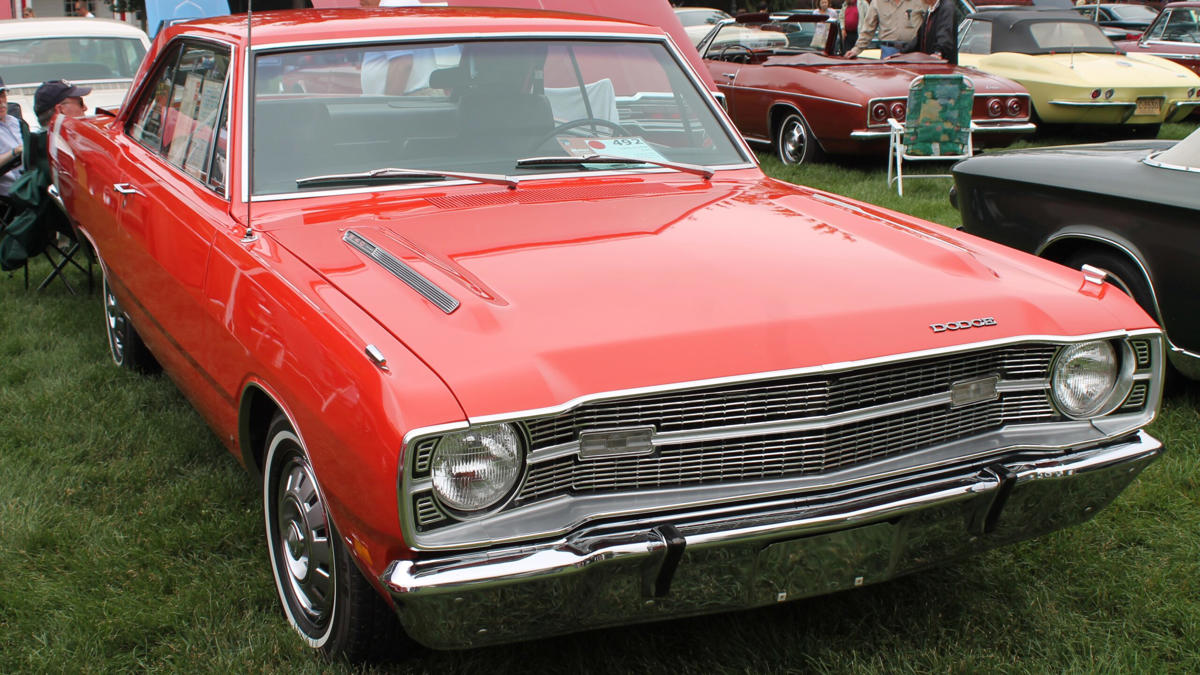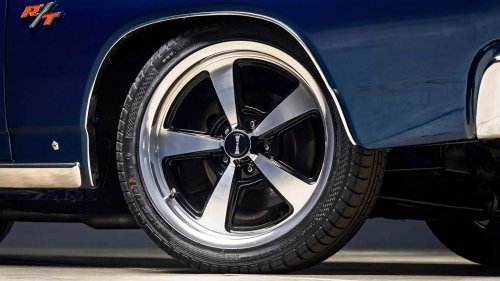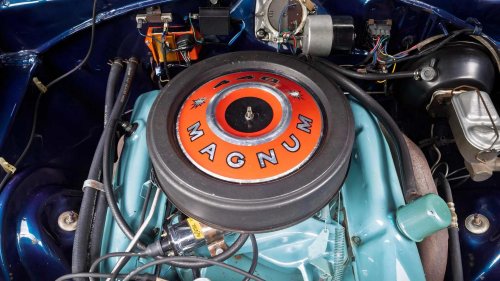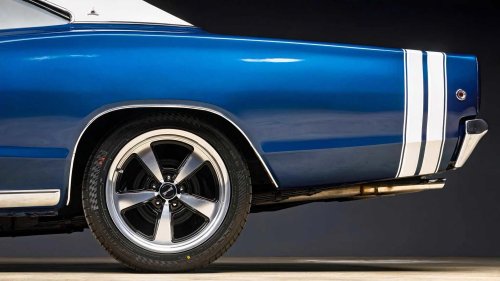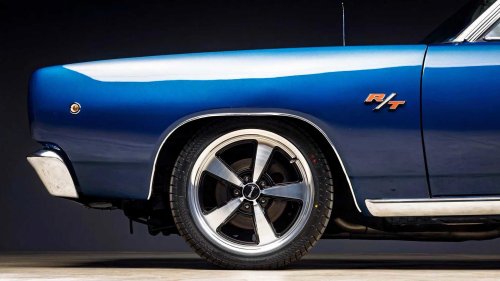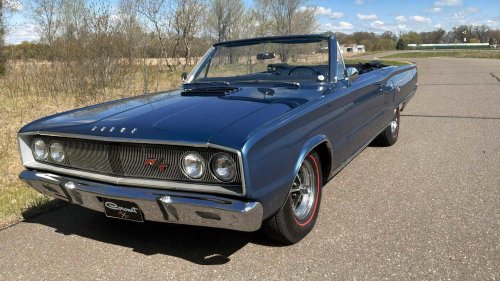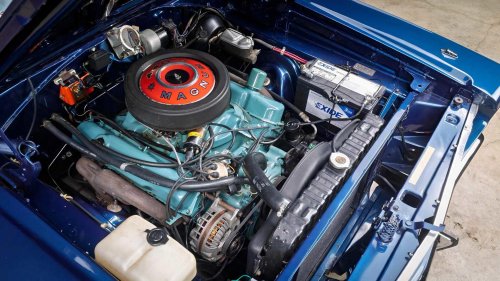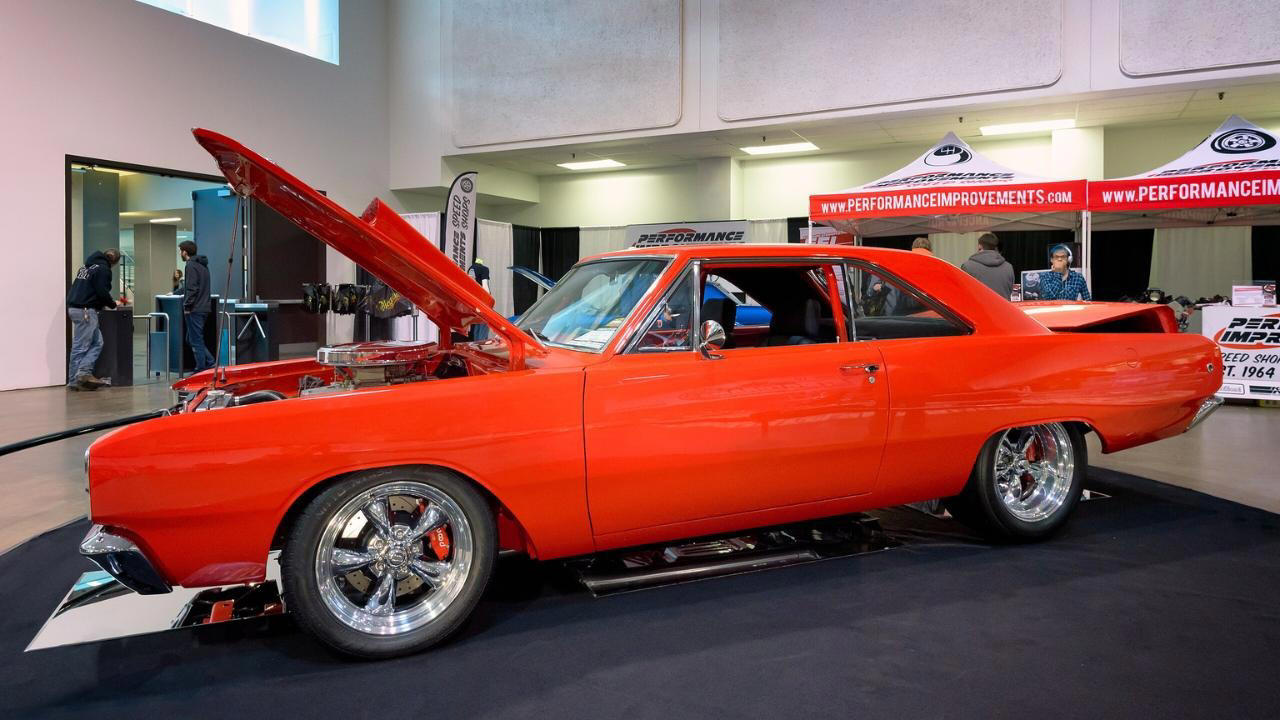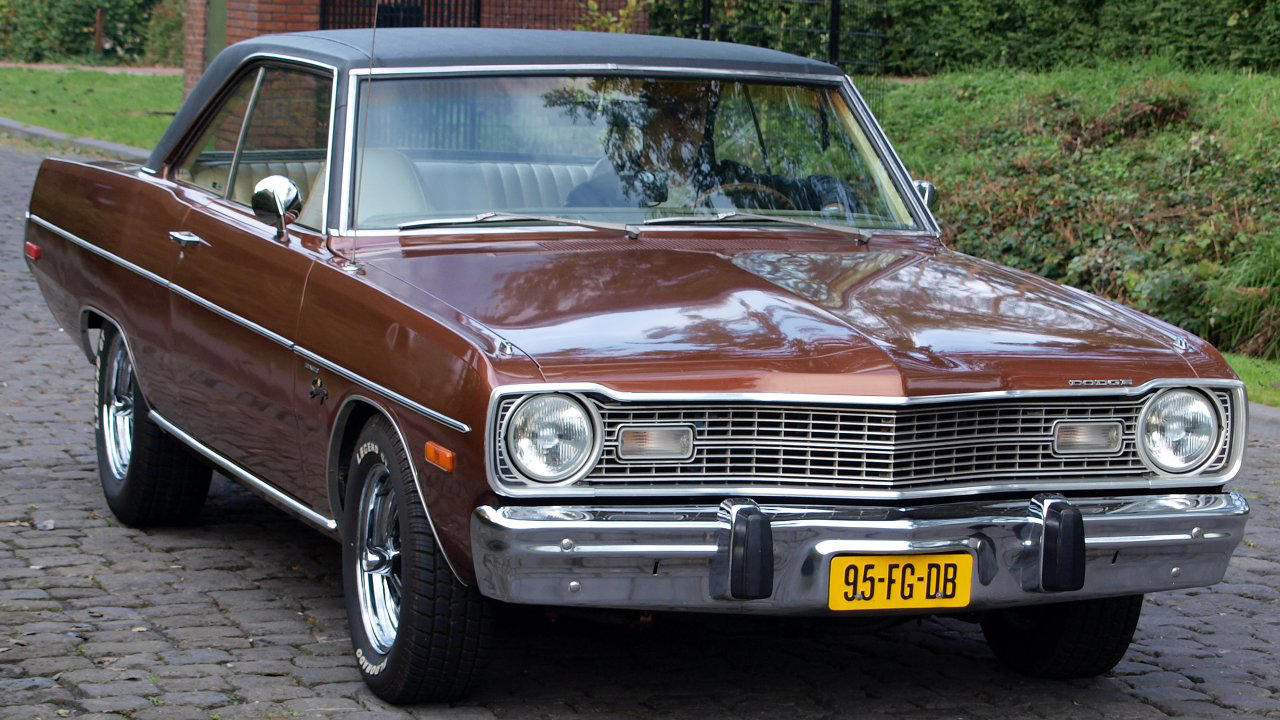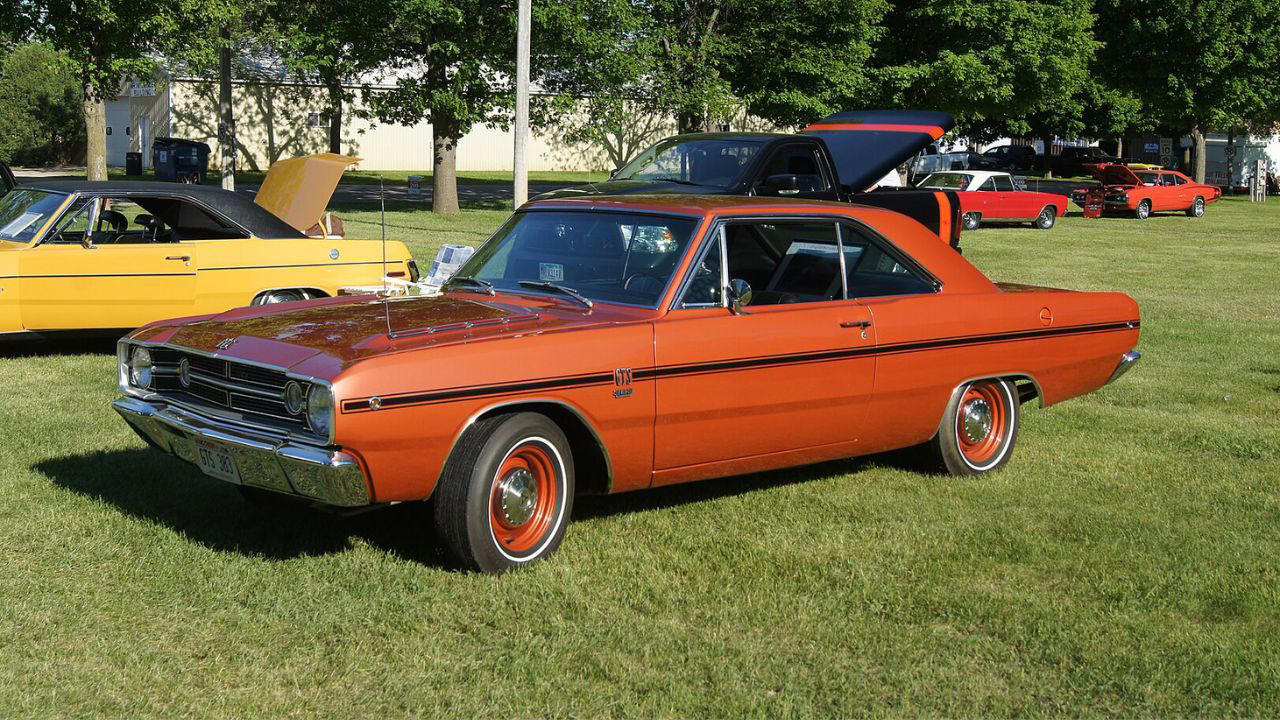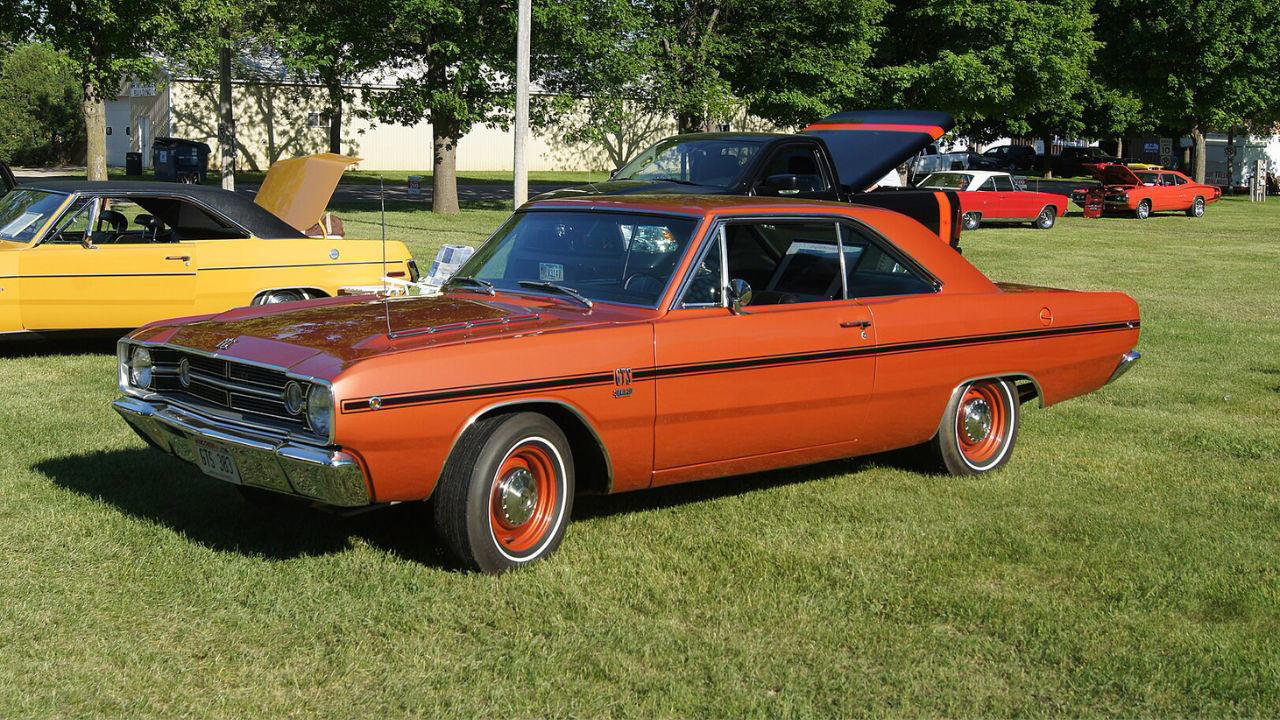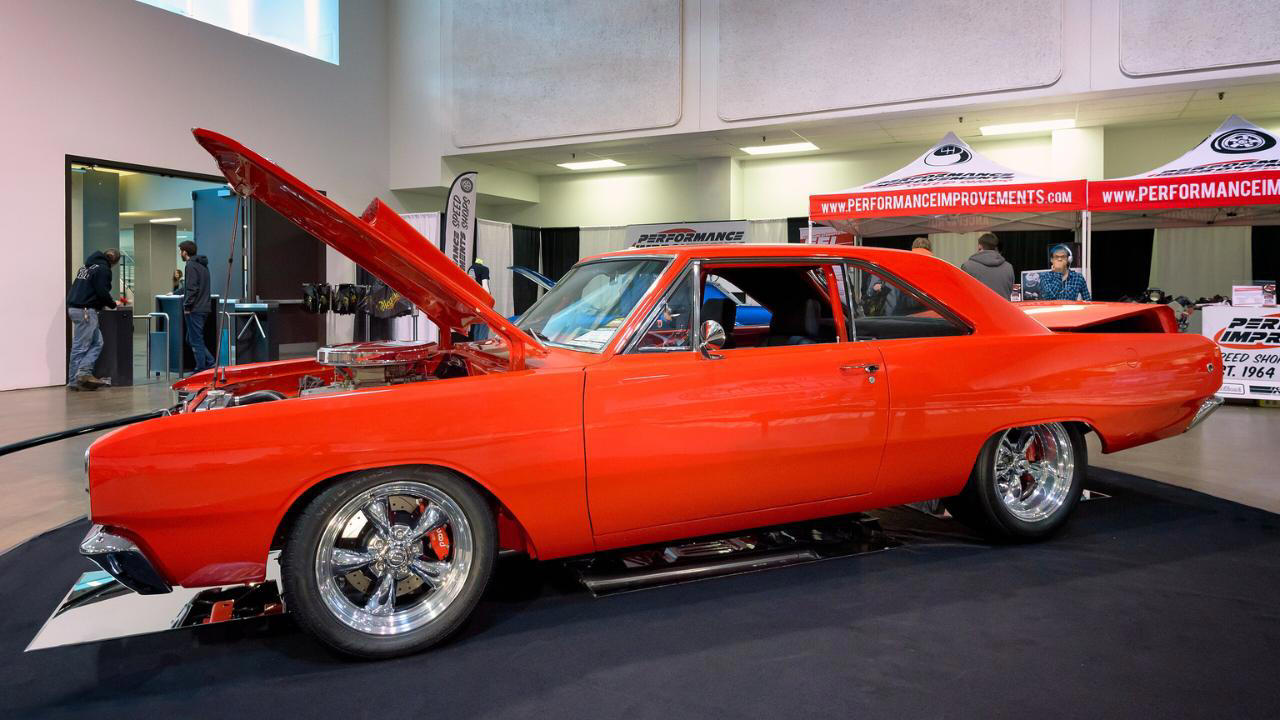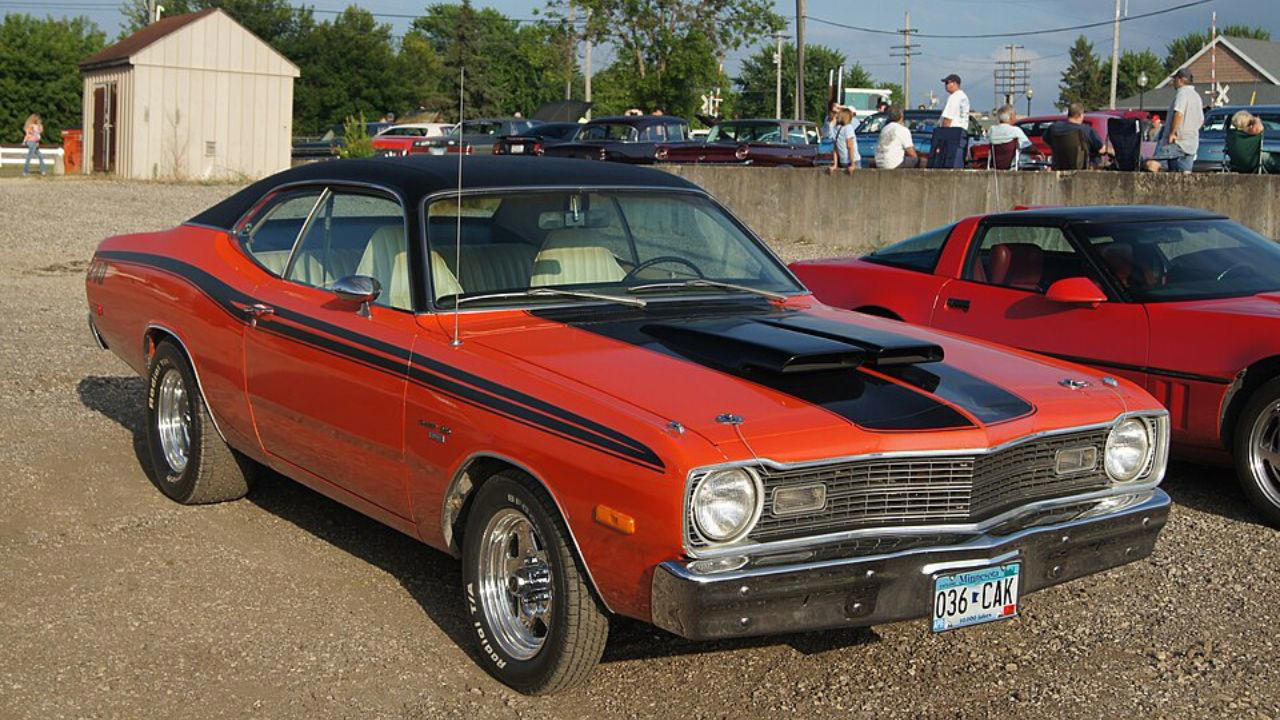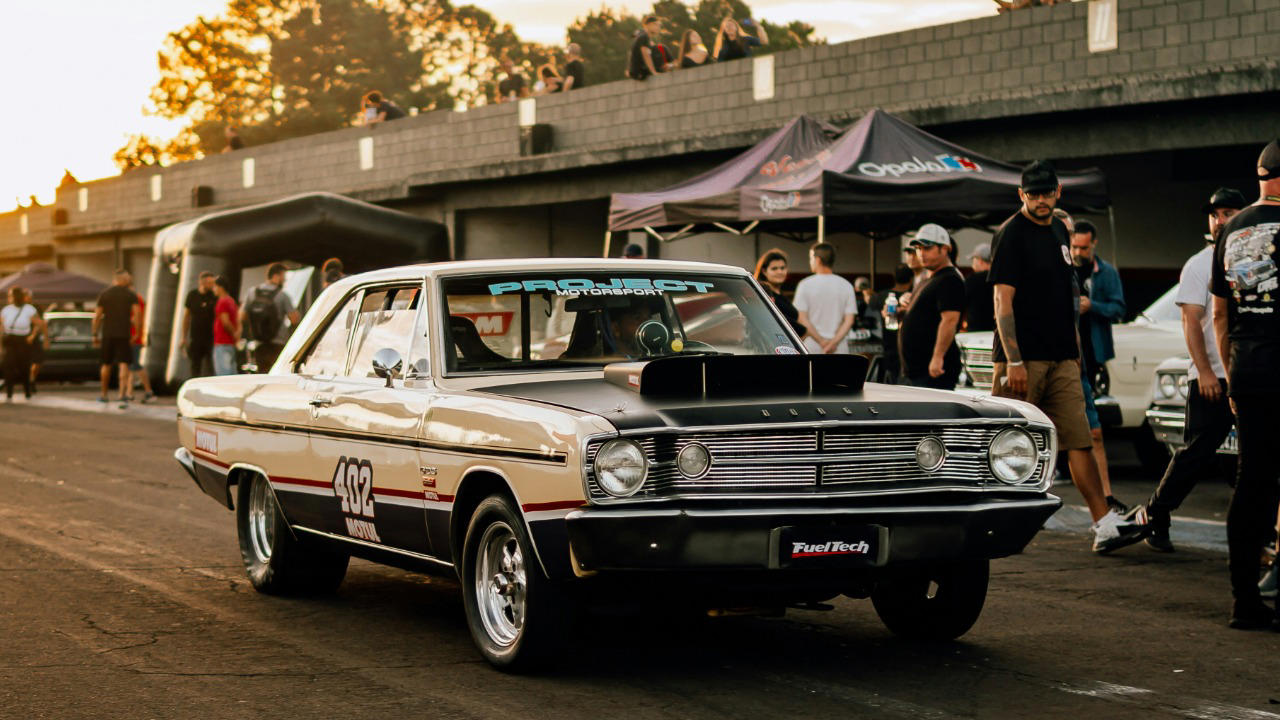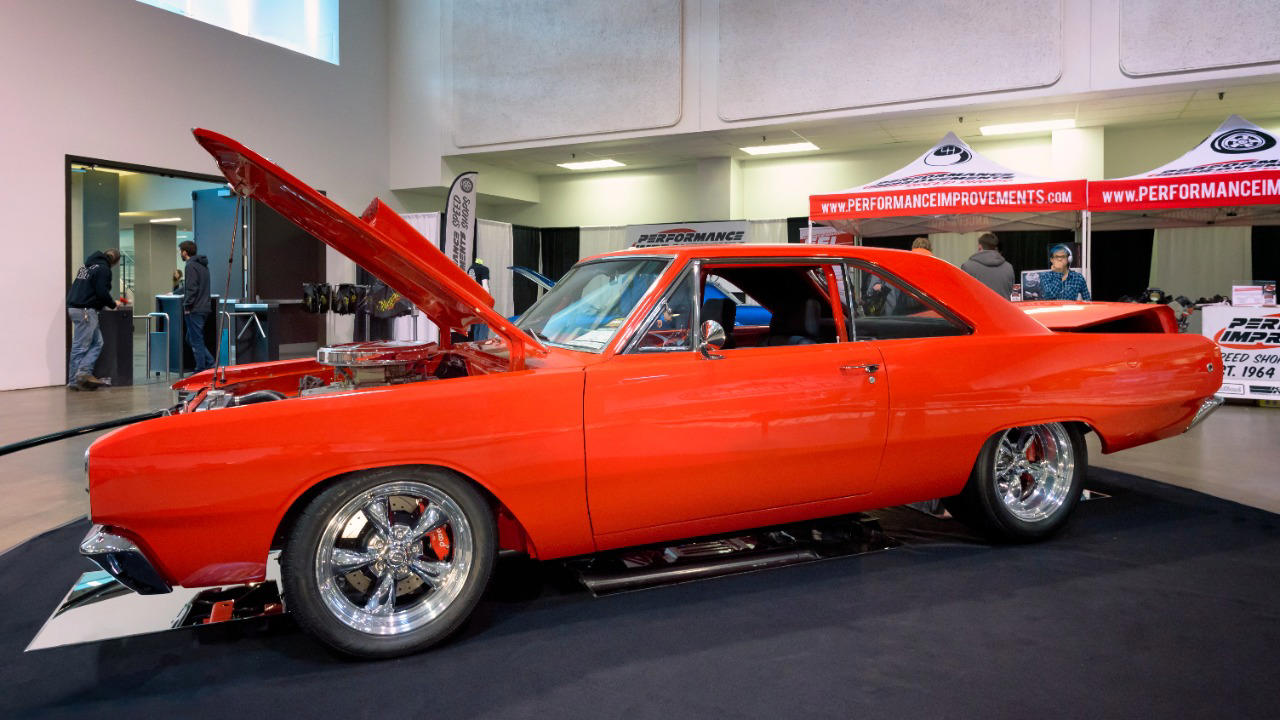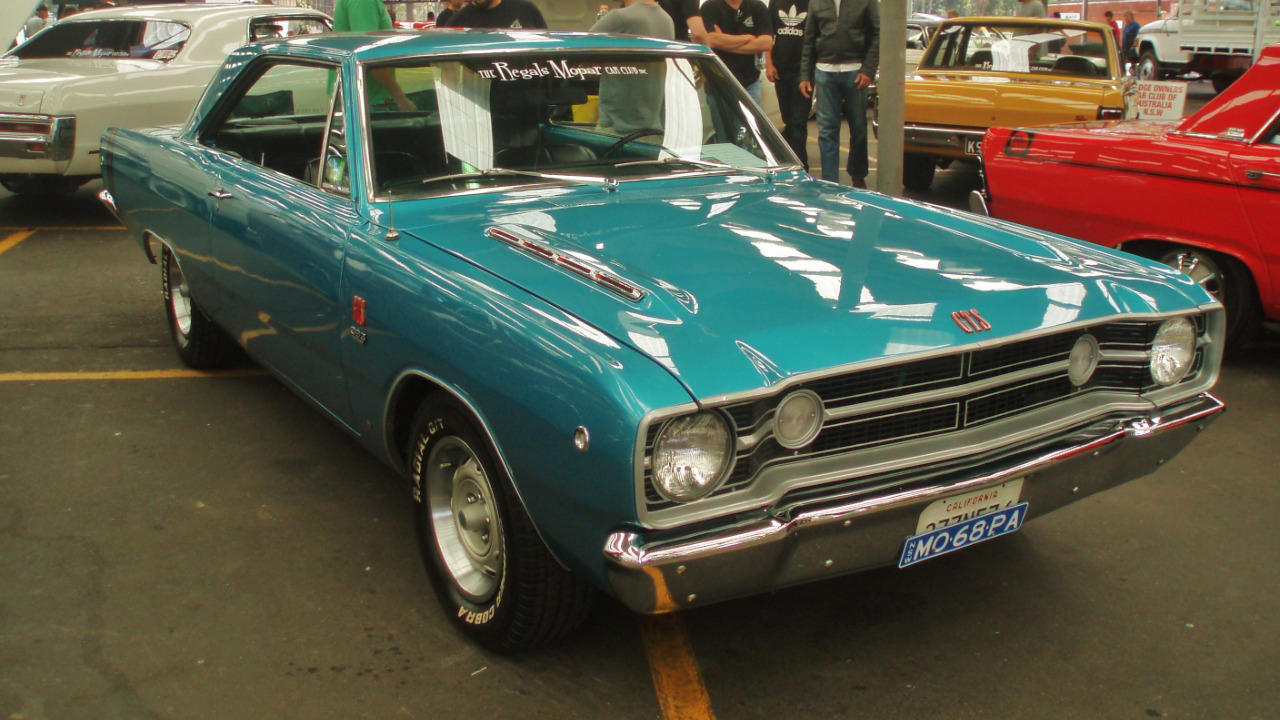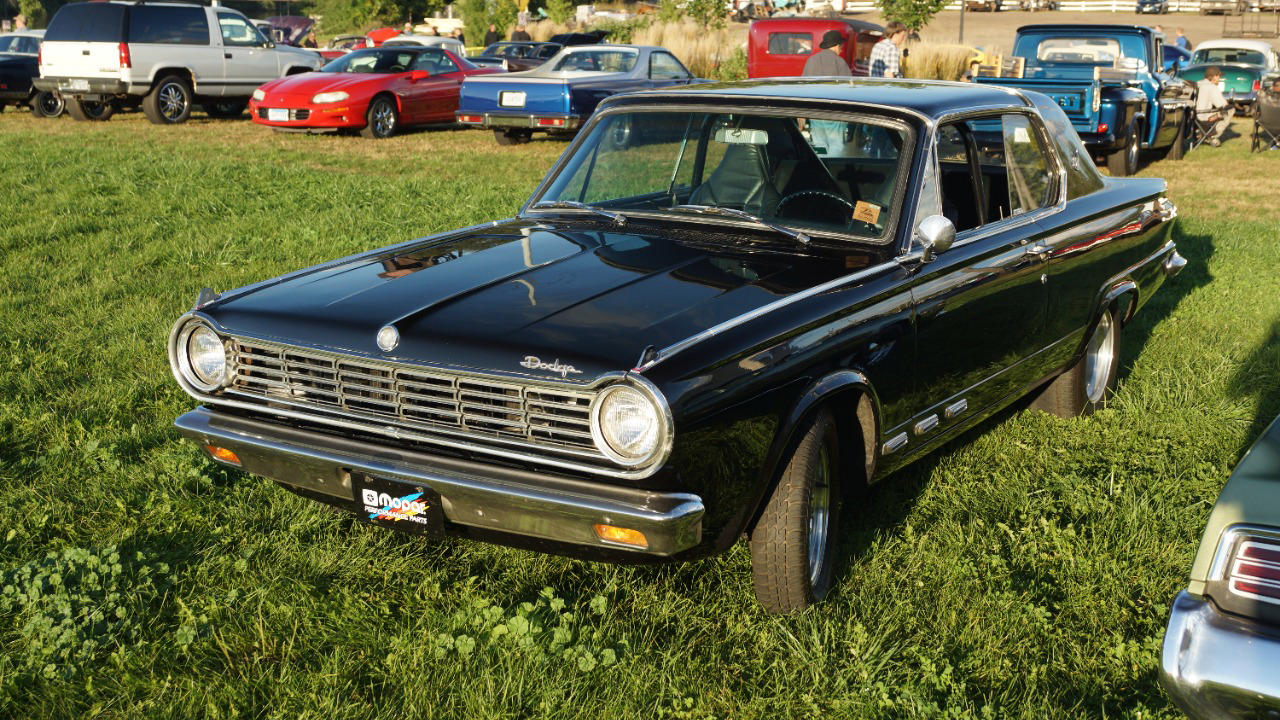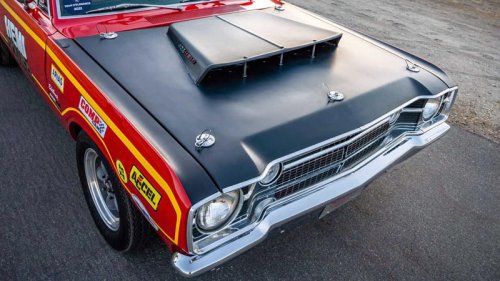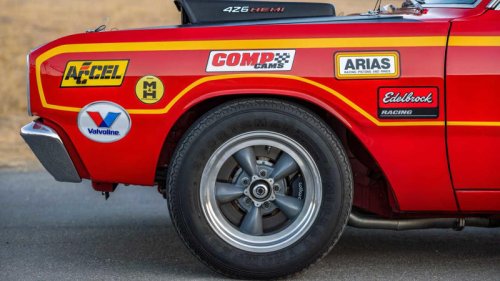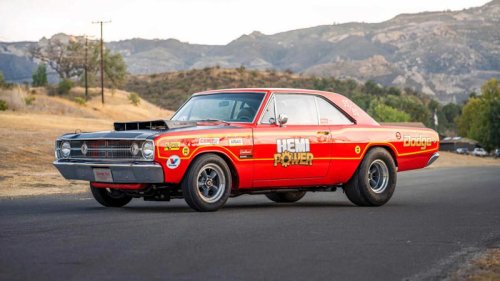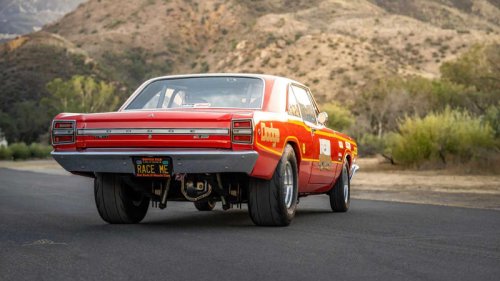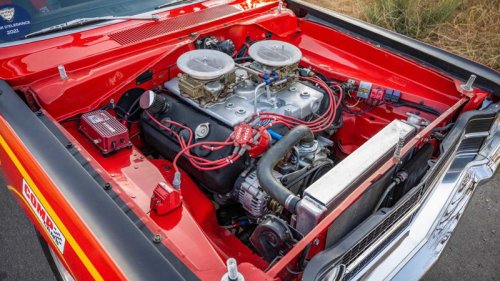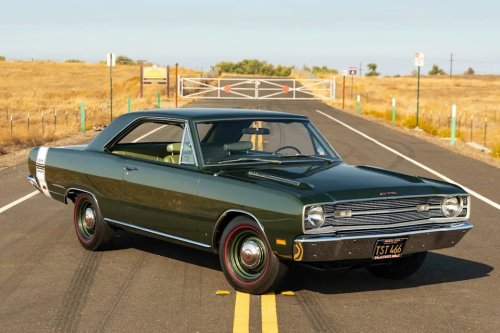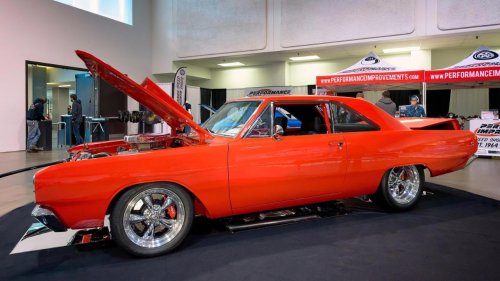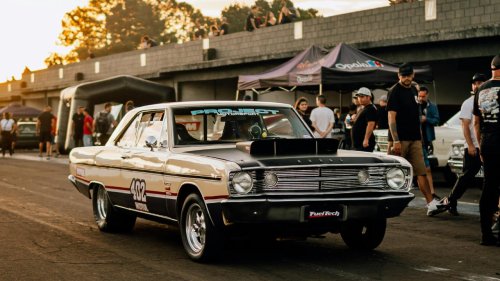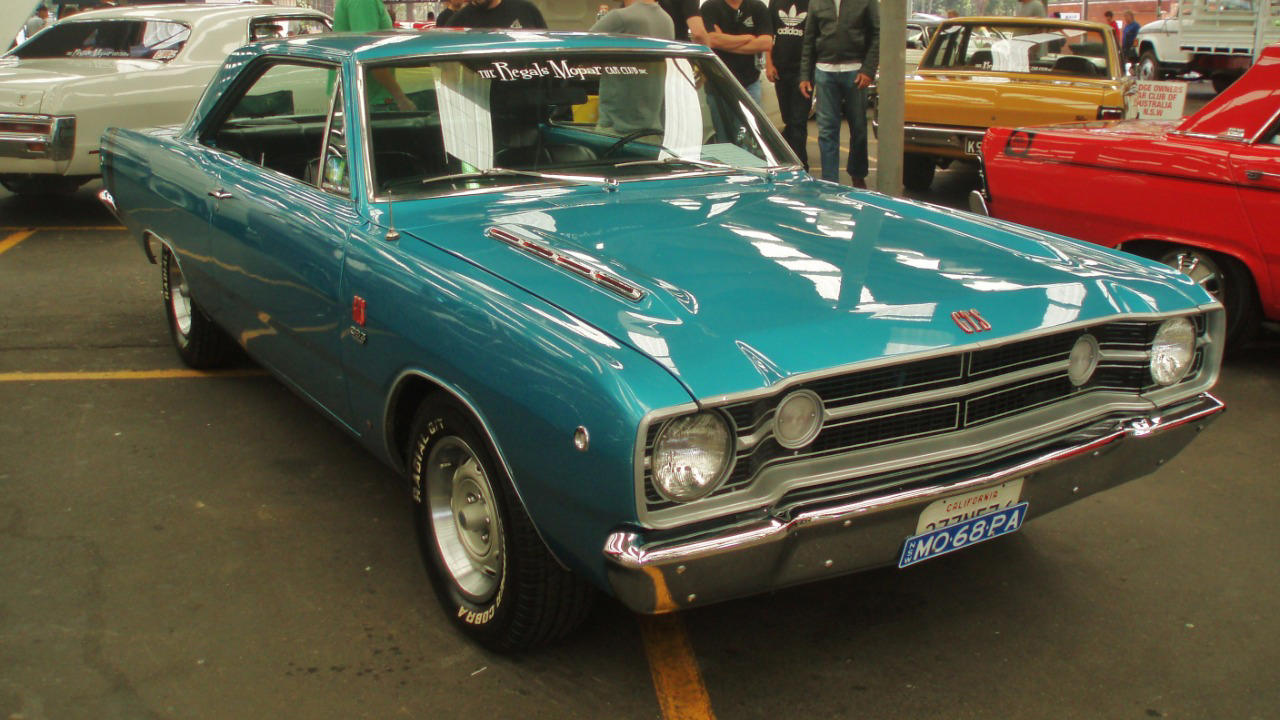



















Stuffing a big block into the 1968 Dodge Dart GTS 383 made it something elseThe 1968 Dodge Dart GTS 383 was never meant to blend into polite company. Chrysler took its sensible compact and crammed in a big-block V8 usually reserved for heavier, more expensive machinery, turning a commuter shell into a street brawler that punched far above its weight. That single decision shifted the Dart’s character from practical runabout to one of the most startling muscle cars of its era. On paper it looked like a mismatch: a small A-body wrapped around a big-block 383, a combination that challenged engineers, unnerved dealers and thrilled drivers. In practice it produced a car that felt raw, slightly unhinged and utterly different from almost anything else wearing a Dodge badge at the time. The compact that asked for trouble The Dart entered 1968 as a rational answer to rising insurance costs and urban congestion. In base form it was compact, affordable and easy to park, with six-cylinder power or mild V8s aimed at families and commuters. A factory sheet of Dodge Dart Factoids lists the small-block choices that framed expectations: the new-for-1968 340 CID performance V8 that replaced the earlier 273, and the more workaday 318 that powered countless everyday Darts. Those engines suited the car’s size and mission. The 340, in particular, gave the lightweight A-body sharp reflexes and a rev-happy personality that enthusiasts embraced. It was the combination most people expected: small-block power in a compact shell. Dropping a heavy big-block between the fenders of the same car sounded more like a dare than a product plan. Chrysler, however, had spent the mid-1960s chasing Ford and Chevrolet in a horsepower contest that kept escalating. The Dodge division of Chrysler had already pushed larger intermediates into muscle territory, and executives knew the brand needed something that could stand next to the Mustang and the Camaro in conversation, if not in showroom volume. The Dart GTS would become that answer. How the GTS badge sharpened the Dart The GTS package took the compact body and layered on attitude. Period descriptions of the Dodge Dart GTS describe a car that looked purposeful even before the hood was opened, with performance cues that separated it from sedate sedans. Bucket seats, sportier trim and performance-oriented hardware turned the Dart from a basic compact into a legitimate muscle car entry. Underneath, the GTS specification leaned on heavy-duty components to cope with more power. Enthusiast writeups highlight a low-restriction dual exhaust system with chrome tips, a heavy-duty Rallye suspension and 14 x 5.5 inch wheels, upgrades that allowed the car to handle harder launches and more aggressive driving than the base models. The GTS was not just a stripe kit; it was a structural rethink of what a compact Dodge could be. Visually, the GTS also tied into Dodge’s broader performance identity. One detailed profile of the Scat Pack notes that the striping scheme on the Dart clearly signaled that the car belonged to Dodge’s muscular club of factory hot rods. The stripes were not subtle. They told anyone watching at a stoplight that this was the fast one. The moment Chrysler chose the 383 Inside Chrysler, the decision to shoehorn a 383 into the Dart GTS was anything but a gentle evolution. A video analysis of the Dodge Dart GTS makes the point directly: what astonishes enthusiasts is not that the car was quick, but that Chrysler convinced itself this big-block experiment made sense in a compact at all. The 383 was already proven in larger cars. A technical overview of the 383 Magnum notes that in the then-new Dodge Super Bee and Plymouth Road Runner supercars, the 383 M Magnum carried a rating of 335 horsepower, a figure that put it squarely in the thick of the muscle car wars. Taking that architecture and adapting it for the smaller A-body meant confronting packaging, cooling and traction problems that the platform had never been designed to solve. Competitive pressure made the risk feel necessary. One analysis of period rivals points out that at the time, both the Mustang and the Camaro were available with big-block V8 engines generating more than 300 horsepower. Dodge did not want its compact to seem timid next to those cars. The 383 GTS became a statement that the brand could match or exceed the power available in the most aggressive pony cars, even in a smaller footprint. Engineering a big-block into a small shell Fitting the 383 into the Dart required far more than different engine mounts. The A-body’s engine bay was tight, and the big-block’s extra width and weight tested every dimension. Accounts of factory and dealer experience describe tight clearances around the steering gear and exhaust manifolds, with heat management becoming a constant concern. The car’s nose carried noticeably more weight, which affected turn-in and braking feel. Suspension specialists who catalog parts for the 1968 Dart platform show how much attention the chassis needed. Catalog entries linked from the Dodge Dart GTS suspension listings highlight specific springs and rates tailored to the heavier front end. The car needed stiffer front coils and carefully matched rear leaves to keep the ride height correct and to prevent the big-block from overwhelming the front suspension during hard braking. Cooling also became a limiting factor. Larger radiators, shrouded fans and careful routing of hoses were necessary to keep the 383 comfortable in traffic and during repeated hard runs. The packaging compromises were obvious to anyone who tried to work on the car: spark plug access was tight, and exhaust routing left little room for error. Even so, the result was functional enough for production, and that was all Chrysler needed to greenlight a small run of factory big-block Darts. Power figures and the reality on the street Period marketing for the Dart GTS 383 often quoted conservative figures, in part to keep insurance companies from panicking. One enthusiast description of a Dodge Dart GTS with the available 383 V-8 Magnum mentions an impressive 300 horsepower rating. That number sat slightly below the 335 horsepower quoted for the same basic 383 Magnum in larger intermediates, an adjustment that reflected both tuning differences and strategic restraint. On the street, owners and racers treated those numbers as a starting point rather than a ceiling. The combination of a relatively light A-body, stout big-block torque and short gearing produced acceleration that startled drivers used to heavier B-body muscle cars. With traction-limited launches on narrow factory tires, the Dart GTS 383 became known for its ability to light the rear wheels almost at will, a party trick that fed its reputation as a handful. Survivor cars and restored examples help illustrate how the package translated into real hardware. One showroom listing of a 1968 Dart GTS describes a factory big-block 383 paired with a 4 Speed Manual transmission, finished in Medium Green Metallic, with only 2,234 miles showing on the odometer. That car, preserved rather than thrashed, hints at how potent the combination could be when new, with a close-ratio four-speed and big-block torque wrapped in a compact body. Styling that hid and flaunted the big-block Visually, the Dart GTS 383 walked a line between sleeper and showpiece. The basic Dart shape remained relatively clean and understated, without the towering scoops or flamboyant spoilers that some rivals adopted. Yet specific details gave the game away to anyone who knew what to look for. Feature rundowns of the Dodge Dart GTS emphasize its connection to Dodge’s performance branding. The car featured the Scat Pack identity, distinguishable by two bold stripes along the width of the car at the tail, a visual signature that linked it to other factory hot rods. GTS badges, bright exhaust tips and optional hood treatments added to the effect without turning the car into a caricature. Paint options also helped the big-block Dart stand out. Factory color charts for the 1968 Dart, linked through references from Dodge Dart Fact resources, show a range of bright and metallic finishes that could transform the compact’s presence. A GTS 383 in a vivid color with Scat Pack stripes and wide tires looked every bit the equal of larger muscle cars, even if its dimensions were tidier. From practical compact to feared street machine The cultural impact of the Dart GTS 383 came from this clash of form and function. Commentators who revisit the car often describe it as one of the most feared street machines of the late 1960s, precisely because it looked smaller and less intimidating than the big intermediates that dominated drag strips. The idea that a compact Dodge could embarrass larger rivals at a stoplight gave the car an underdog mystique. Enthusiast stories recount how some of the most radical examples started as experiments in small garages, where mechanics and racers pushed the factory formula even further. One widely shared video piece frames the origin of a particularly wild 1968 Dart GTS as the result of a single mechanic’s garage experiment that turned the car into an especially feared street machine. Whether factory-built or modified, the core formula remained the same: big-block torque in a compact shell, lightly disguised by modest proportions. Within Dodge’s own performance hierarchy, the GTS 383 also helped validate the Scat Pack concept. By offering serious power in a smaller, more affordable package, it broadened the reach of the brand’s muscle image beyond full-size and intermediate buyers. That influence can be traced in later compact performance cars that followed the same basic recipe of big power in a small footprint, even when they adopted different engines and platforms. How it stacks up against its own family Inside the Dart lineup, the 383 GTS sat at an interesting crossroads. The 340-powered cars were arguably better balanced, with less weight over the nose and more playful handling. The 318 cars were cheaper to run and insure, and the six-cylinder models remained the sensible choice for buyers who valued economy over speed. Yet none of those variants transformed the Dart’s personality as completely as the big-block option. Technical sheets that list the 340, 273 and 318 side by side underline how far the 383 stretched the platform. The small-blocks shared similar external dimensions and weights, which kept the car’s dynamics within a comfortable window. Swapping to the 383 introduced a step change in mass and torque, which in turn required the heavy-duty Rallye suspension, stronger driveline components and upgraded brakes that defined the GTS 383 package. In that sense, the big-block Dart was less an incremental trim level and more a different animal that happened to share a body shell. Owners who drove both often describe the 340 GTS as nimble and the 383 GTS as brutal, with the latter demanding more respect from the driver. That distinction is exactly what gives the 383 cars their enduring aura among collectors and historians. More from Fast Lane Only Unboxing the WWII Jeep in a Crate 15 rare Chevys collectors are quietly buying 10 underrated V8s still worth hunting down Police notice this before you even roll window down The post Stuffing a big block into the 1968 Dodge Dart GTS 383 made it something else appeared first on FAST LANE ONLY.