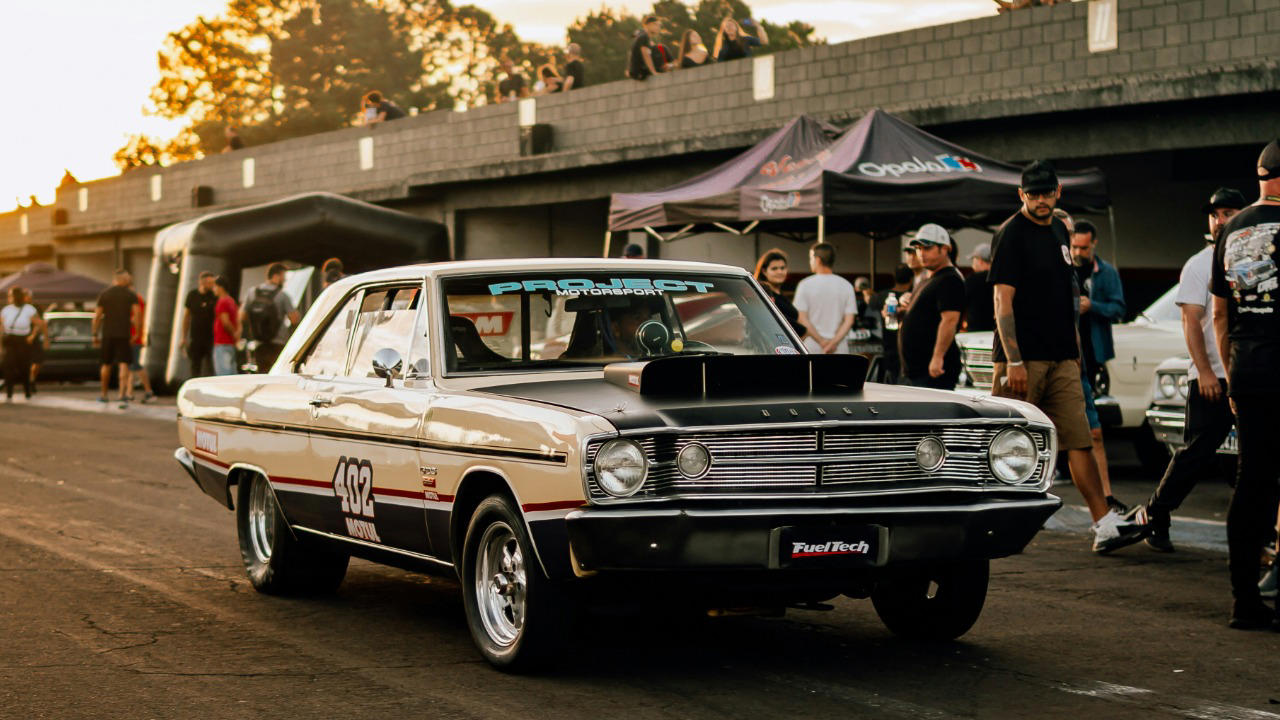
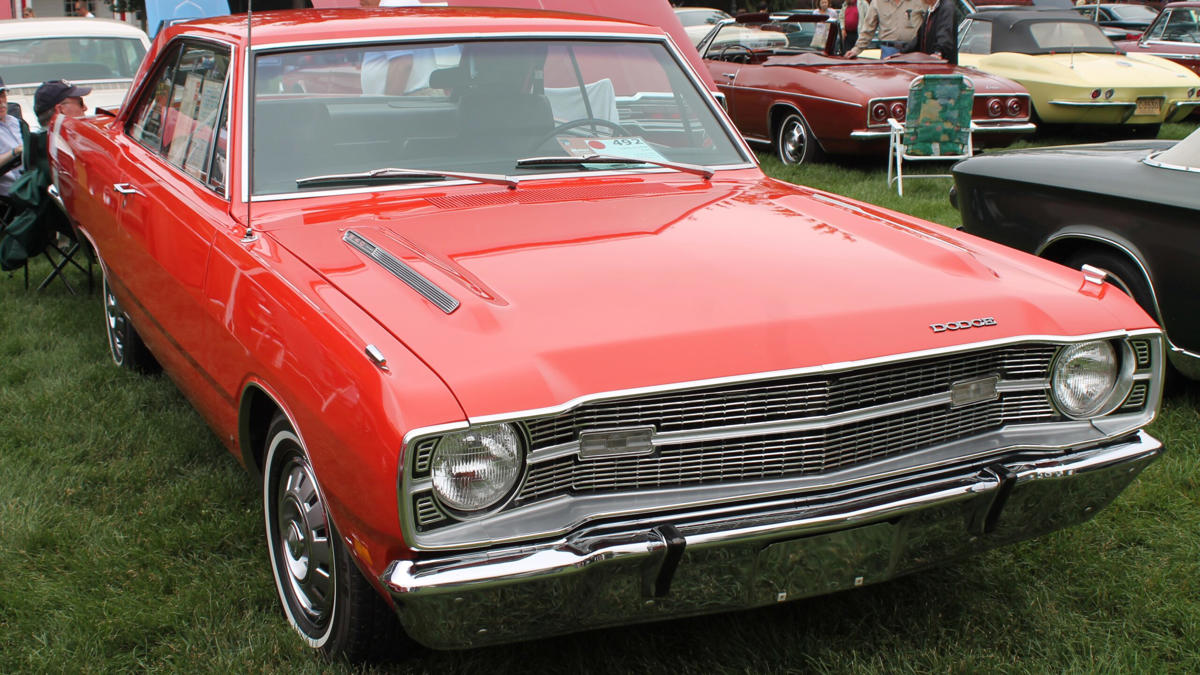
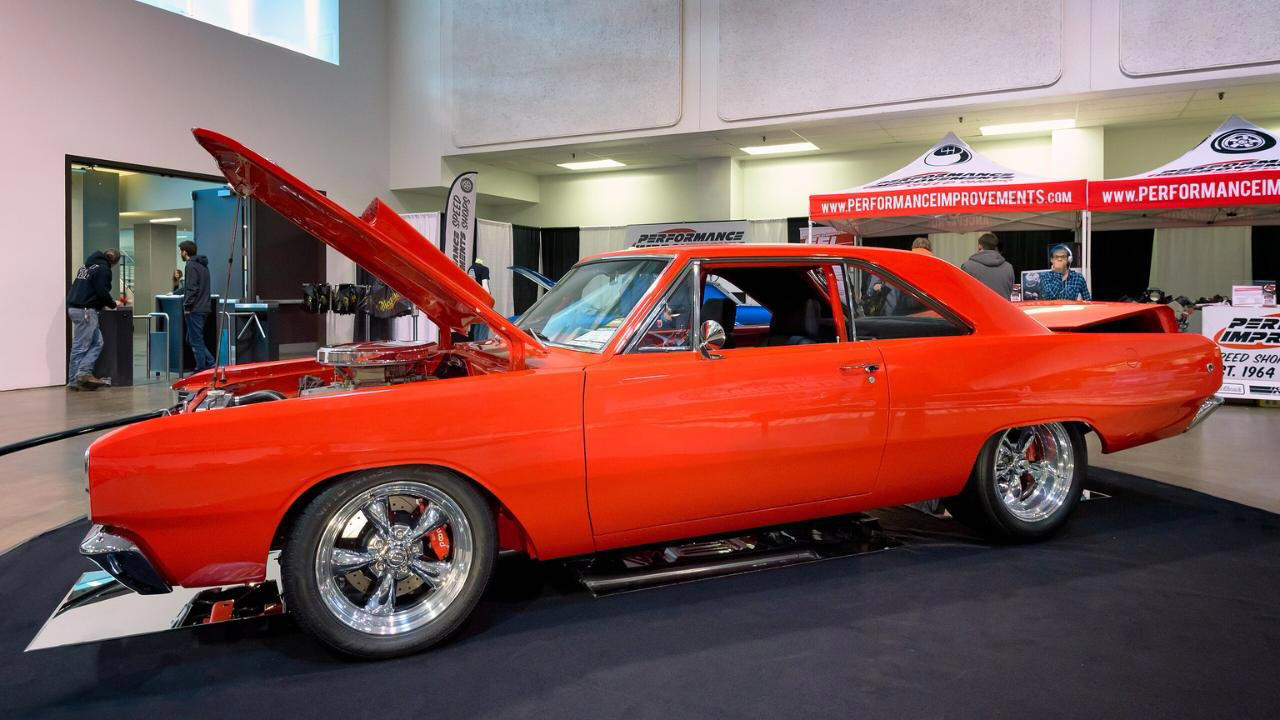
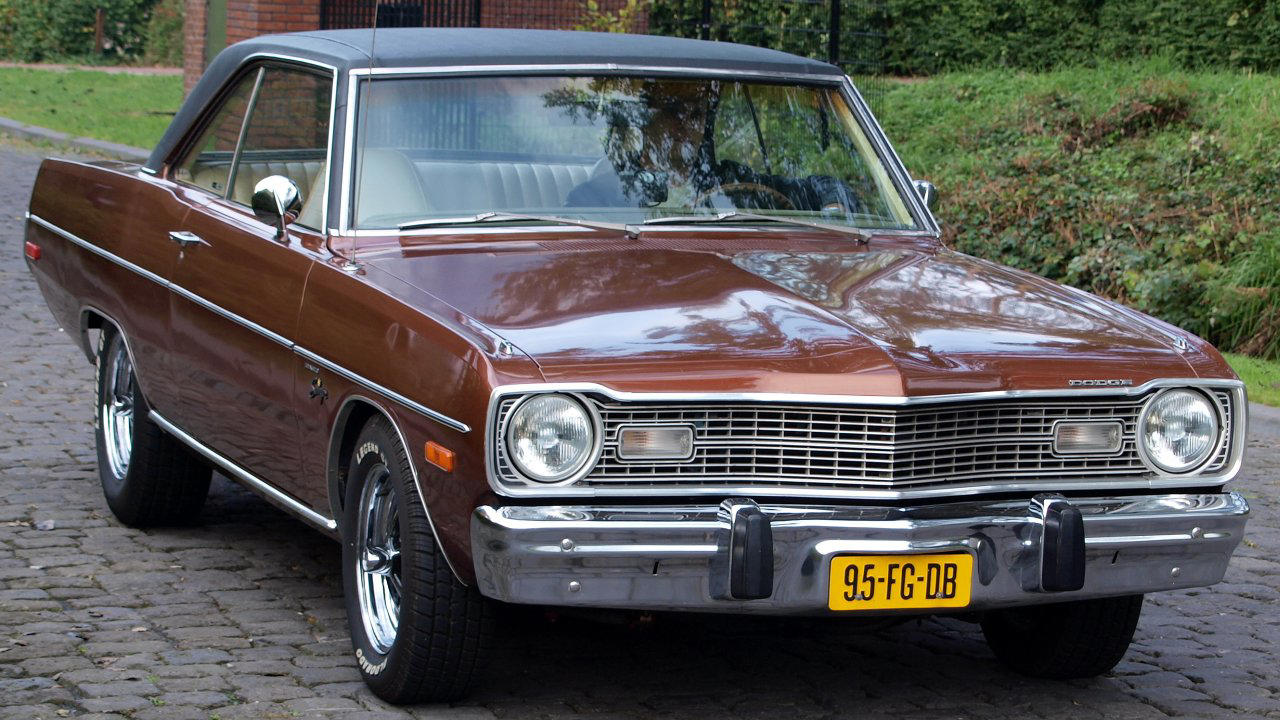
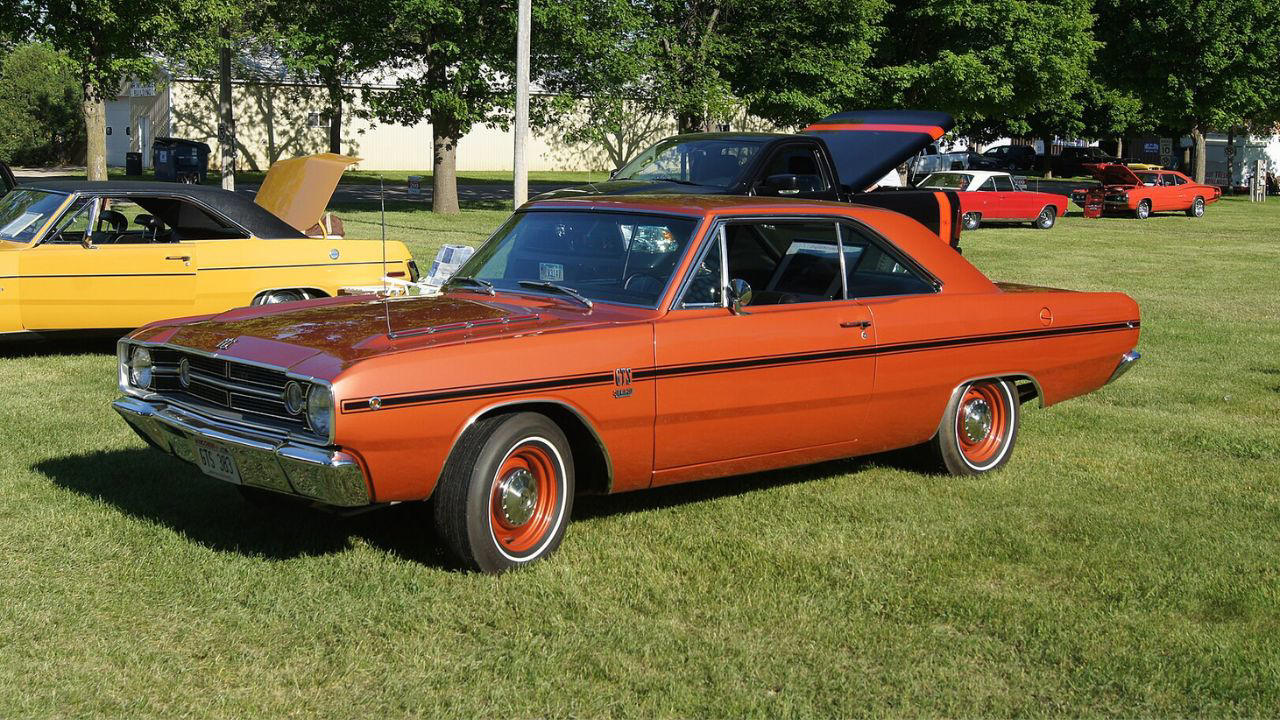
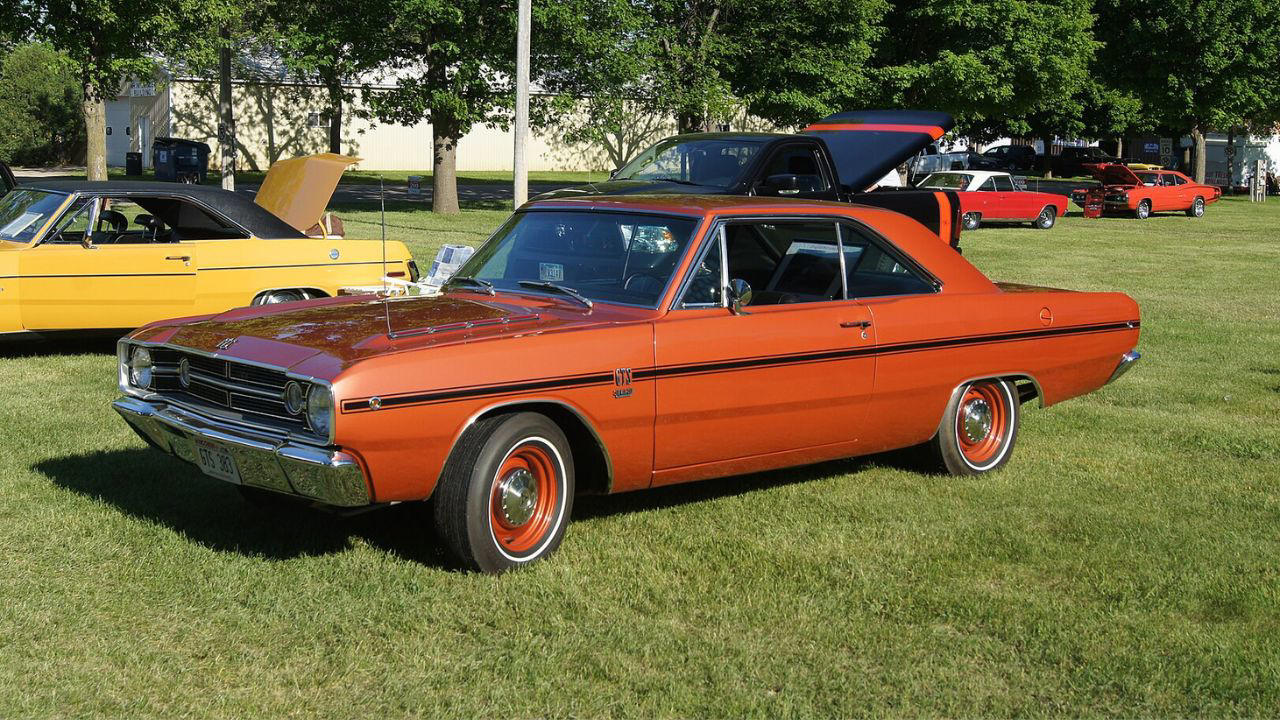
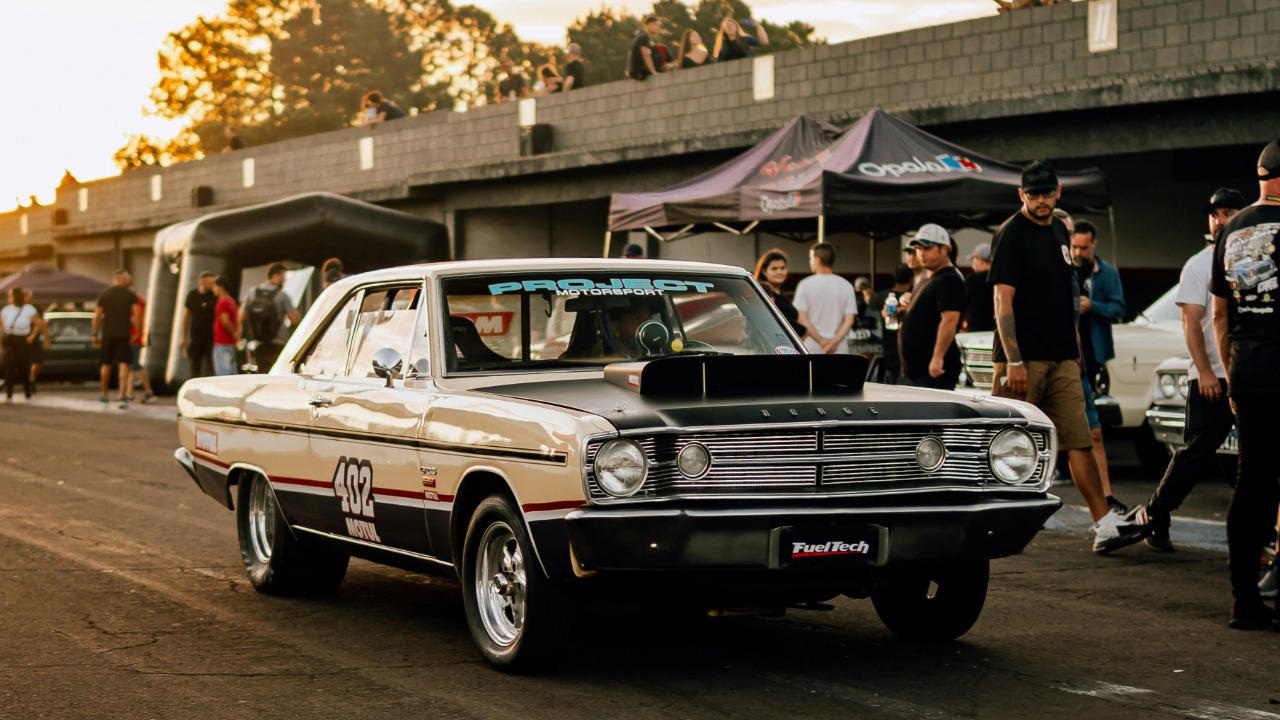
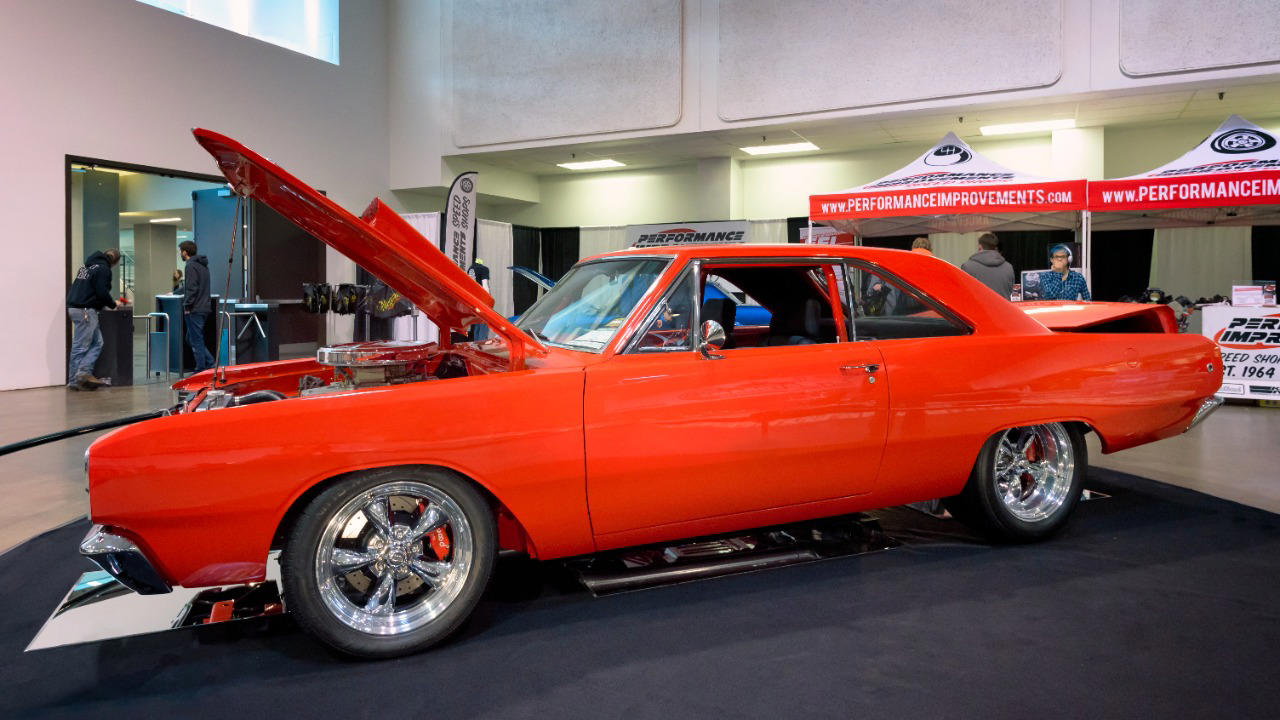
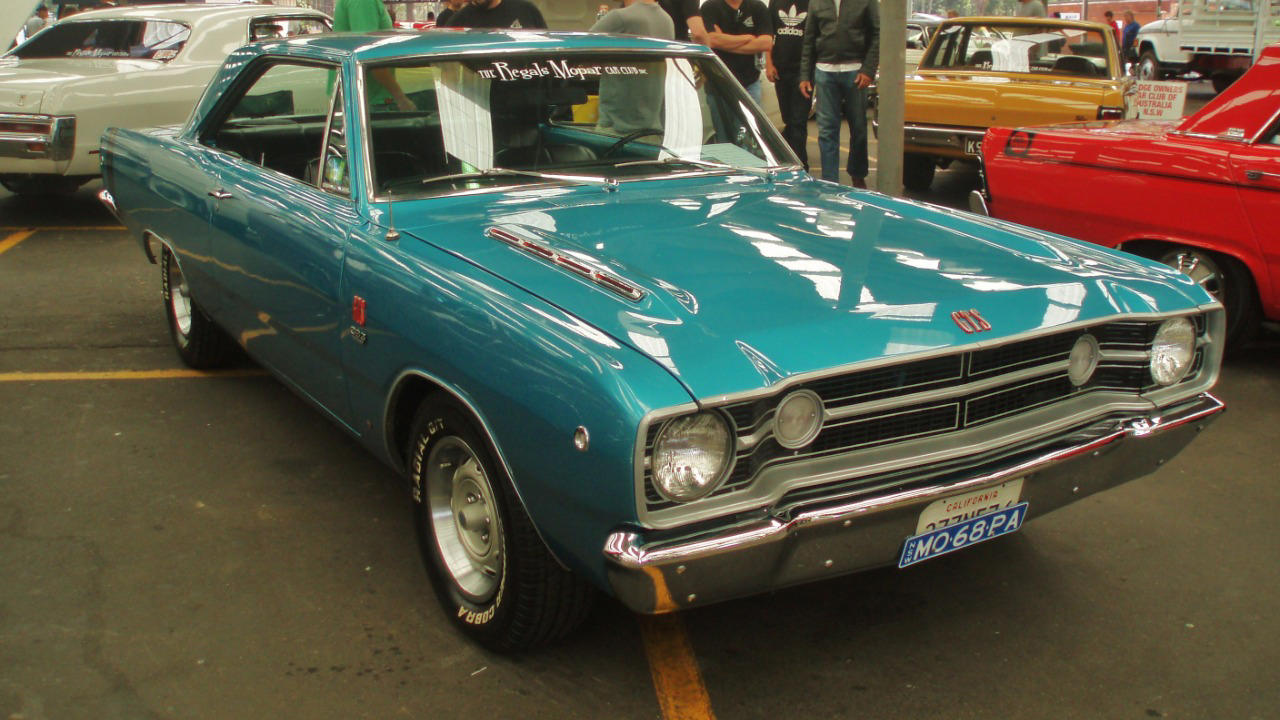
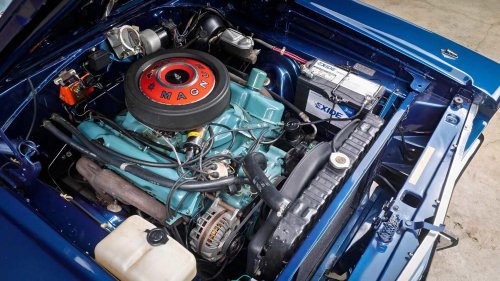
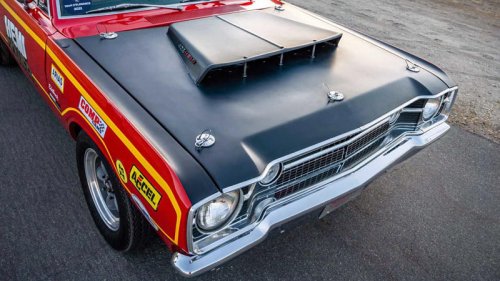
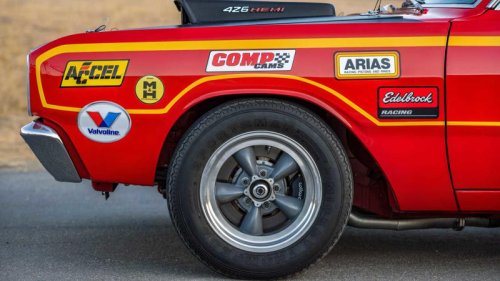
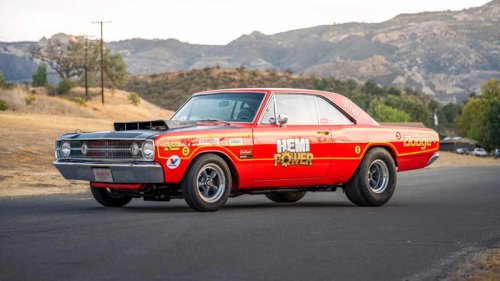
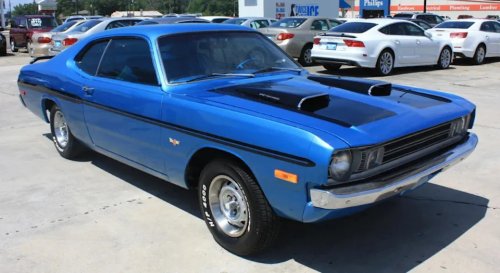
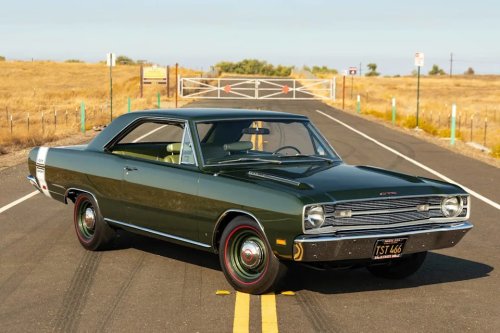
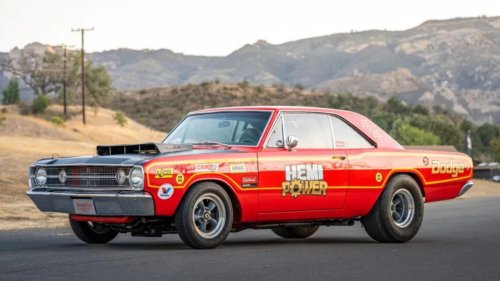
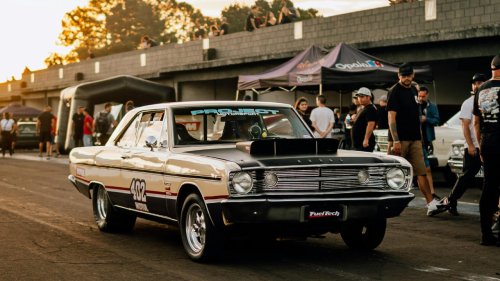
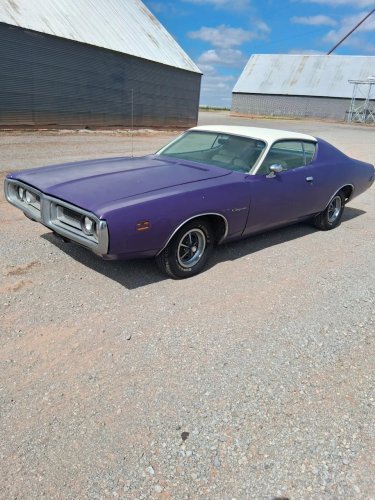
The 1973 Dodge Dart Sport looks familiar but ownership can bring surprisesThe 1973 Dodge Dart Sport looks like a familiar compact from the days of leaded gas and chrome bumpers, but living with one in the twenty first century can be far more complicated than its simple lines suggest. Beneath the tidy fastback profile are quirks in rust, drivability and specification that surprise new owners who expected only no fuss nostalgia. For buyers who prepare, those surprises can become the charm that keeps a Dart Sport in the garage long after the novelty has worn off. The Dart Sport’s double life: sensible compact, sneaky muscle The Dodge Dart Sport arrived as a practical two door built on the same basic bones as the Plymouth Duster, with a low, sleek, fastback inspired silhouette that looked sportier than the sedan without losing compact sensibility. Period marketing leaned on value and everyday usability, yet enthusiasts quickly learned that with the right options the car could deliver real performance. One enthusiast post about a Dodge Dart Sport describes it as Dodge’s compact answer to rising insurance rates and fuel costs, a car that tried to keep some muscle attitude while acknowledging a new era of restraint. That tension produced a split personality. A base slant six Dart Sport was an honest commuter, while the 340 equipped versions carried genuine muscle car hardware in a more modest wrapper. Another detailed description of the 1973 Dodge Dart Sport 340 notes that this variant was a performance oriented version of the Dart, created to offer a compact yet powerful muscle car experience in a body that still looked like basic transportation to anyone not paying attention. The same source highlights how the Dart 340 Sport name tried to soften the image for insurers while keeping the 340 engine and handling hardware that enthusiasts wanted. Why the 340 matters so much The engine that defines the hottest 1973 Dart Sport is the 340 cubic inch small block. In enthusiast circles, the figure 340 is practically shorthand for the car itself. A social media post focused on the 1973 Dodge Dart stresses that this specification turned the otherwise mild Dart into a compact muscle car, even as emissions regulations and insurance pressure were cutting into performance across the industry. A separate feature on a triple black 1973 Dodge Dart Sport reinforces that point by calling out its spotless presentation and the way the 340 package blended muscle car looks with slightly more sensible running costs. The black paint, black vinyl top and black interior in that example underline how the Dart Sport could be optioned to look far more expensive than its compact roots suggested. Context from broader muscle car history helps explain why the Dart Sport 340 existed at all. Coverage of the 1967 to 1976 Dart line notes that tighter emissions rules strangled performance and higher insurance rates hit Mopar’s muscle offerings every year, which pushed Dodge toward more vanilla, church friendly names like Dart 340 Sport while still trying to keep enthusiasts interested. The Dart Sport 340 sat directly in that compromise space, a car that could be sold as sensible but still deliver a strong hit of acceleration. Rust in familiar places, plus a few hidden ones Anyone who has spent time around 1970s Mopar compacts expects rust, but owners of Dart Sports report some specific problem zones that can catch new buyers off guard. A detailed buyer advice thread on what to check when buying a 1973 Dodge Dart Sport includes a warning from a user named Quietus76, who asks bluntly, “Did it have a vinyl top?” and then explains that vinyl top cars typically have rust and rot problems around the roof and pillar seams. The same conversation notes that water trapped under the material can eat into the metal long before bubbles appear on the surface. That concern is echoed in a separate post about a slant six survivor 1973 Dodge Dart Custom, where the writer states, “Sadly, points are deducted for rust being hidden under both sides of the vinyl top at the C pillar, and general vinyl top issues.” The word Sadly in that context is not just a throwaway. It captures the disappointment of buyers who thought they had found a solid car, only to discover that the trim they liked most was hiding serious corrosion. Floor pans and lower body areas can also surprise owners. In a discussion titled “Should I buy this 1973 Dodge Dart?” one commenter in the Comments Section points out that the carpet in the driver’s floorboard looks water damaged and suggests that it could mean the floor is already compromised. That same exchange, hosted on Reddit, shows how quickly a seemingly minor cosmetic issue can turn into a negotiation over structural repairs once experienced eyes look at the photos. Professional listings back up those concerns. A detailed description of a 1973 Dodge Dart Sport offered by Classic Auto Mall notes that the underside of the door jambs has areas of minimal surface rust but is otherwise unremarkable, and then adds that keeping the ride in check requires attention to suspension components that can also corrode in neglected cars. The phrasing “Keeping the” in that description hints at the ongoing maintenance that comes with ownership, even for relatively clean examples. Steering, suspension and the wandering Dart Beyond rust, the steering and suspension of a 1973 Dart Sport can introduce surprises on the first highway drive. A technical Q and A about a 1973 Dodge Dart that wanders after steering repairs describes a common complaint. The owner reports that the Dart often experiences steering wander and instability despite new bushings and other front end work, and asks what to check next. The response suggests that alignment settings, steering box condition and even tire choice can all contribute to the vague feel that some owners accept as normal until they drive a properly sorted car. A separate support discussion about a 1973 Dodge Dart Swinger 318, referenced under the heading “Dart and,” explains how to identify whether a 1972 or 1973 Dart has electronic ignition by looking for a double primary lead from the distributor and a dual ballast resistor. That kind of detail matters because mis matched ignition parts or wiring shortcuts can produce hard to diagnose misfires that feel like suspension issues or driveline shudder, especially to new owners unfamiliar with Chrysler’s early electronic systems. Real world driving impressions from a test drive video of a 1973 Dodge Dart Sport, filmed during a sale at a Maple Motors style dealer, capture the way these cars can feel both solid and slightly loose. In the clip, a viewer comments that they would have said a particular feature worked, since everything else was working and it probably just needed a connection hooked up. That casual observation reflects a broader truth about these cars. Many small faults, from inoperative gauges to intermittent lighting, come down to grounds, connectors and aged wiring rather than catastrophic component failures. Engines that idle high and choke issues Engine behavior is another area where the Dart Sport can surprise owners who expect modern smoothness. A support thread about a high idle issue in a 1973 Dodge engine outlines a scenario that many carbureted Mopar owners know too well. The advice given is simple but revealing. If the owner opens the butterfly plate and then opens and revs the throttle by hand, and the idle comes down to normal rpm, the choke is likely sticking or mis adjusted. This kind of quirk is not unique to the Dart Sport, but it is a reminder that a 1973 carbureted engine needs a different kind of attention than a fuel injected car. Choke pull offs, fast idle cams and vacuum lines all interact. When any one of them is out of spec, the car may idle too high, stall when hot or behave unpredictably in traffic. For some owners that is part of the charm. For others, it is a rude awakening that an old compact still demands regular tuning. Discussions on Mopar focused forums reinforce this point. In the thread about what to check when buying a 1973 Dart Sport, the original poster thanks respondents with the phrase “Thanks for the advice!” after learning about specific mechanical checks. Contributors such as Quietus76 mention not only rust but also the importance of inspecting carburetor linkage, fuel lines and ignition components before trusting the car on a long drive. The mix of body and mechanical concerns shows how intertwined cosmetic and functional issues can be on a fifty year old Dodge. Comparisons with the Plymouth Duster Because the Dart Sport shares its basic structure with the Plymouth Duster, owners often cross shop or compare the two. A listing for a 1973 Plymouth Duster highlights the low, sleek, fastback inspired silhouette and notes that this particular Plymouth Duster wears black paint with stylish red decals and 340 emblems. The description makes clear that, visually, the Duster and Dart Sport occupy the same territory, with only trim and brand identity separating them. That similarity can be both a blessing and a curse. On one hand, parts availability is helped by the shared platform. On the other, new owners sometimes assume that information for a Duster applies directly to a Dart Sport without accounting for Dodge specific details such as badges, interior trim or certain option packages. When a seller advertises a Dart Sport 340, for example, buyers should confirm that the car carries the correct engine and not just 340 emblems borrowed from a Plymouth Duster or aftermarket catalog. Paint, restoration and the reality of project cars Restoration stories offer another window into Dart Sport ownership. A feature on a 1973 Dodge Dart Sport brought back on the road describes how the Dart’s sheet metal was repaired, prepped and painted in a fresh coat of sparkling dark purple metallic. New lighting, bumpers and trim were installed to complete the transformation. The narrative shows how a tired driver can become a head turning weekend car, but it also hints at the time and money required to reach that point. In that same project, the phrase “The Dart” is used repeatedly to personify the car, and the word New marks each upgraded component. The cumulative effect is a reminder that even a relatively simple compact can soak up a long list of parts, from weatherstripping to suspension bushings, once an owner commits to a full refresh. For buyers who hoped to get by with a quick respray and a set of wheels, the depth of work behind a truly clean example can be surprising. Professional sales listings reinforce the value of thorough restoration. The triple black Dart Sport 340 mentioned earlier is praised for its spotless presentation, which suggests that previous owners addressed the rust, vinyl top and interior issues that plague many survivors. That level of finish rarely comes cheap, but it can save a new owner from the cascade of surprises that often follow a bargain purchase. More from Fast Lane Only Unboxing the WWII Jeep in a Crate 15 rare Chevys collectors are quietly buying 10 underrated V8s still worth hunting down Police notice this before you even roll window down




















 +71 others