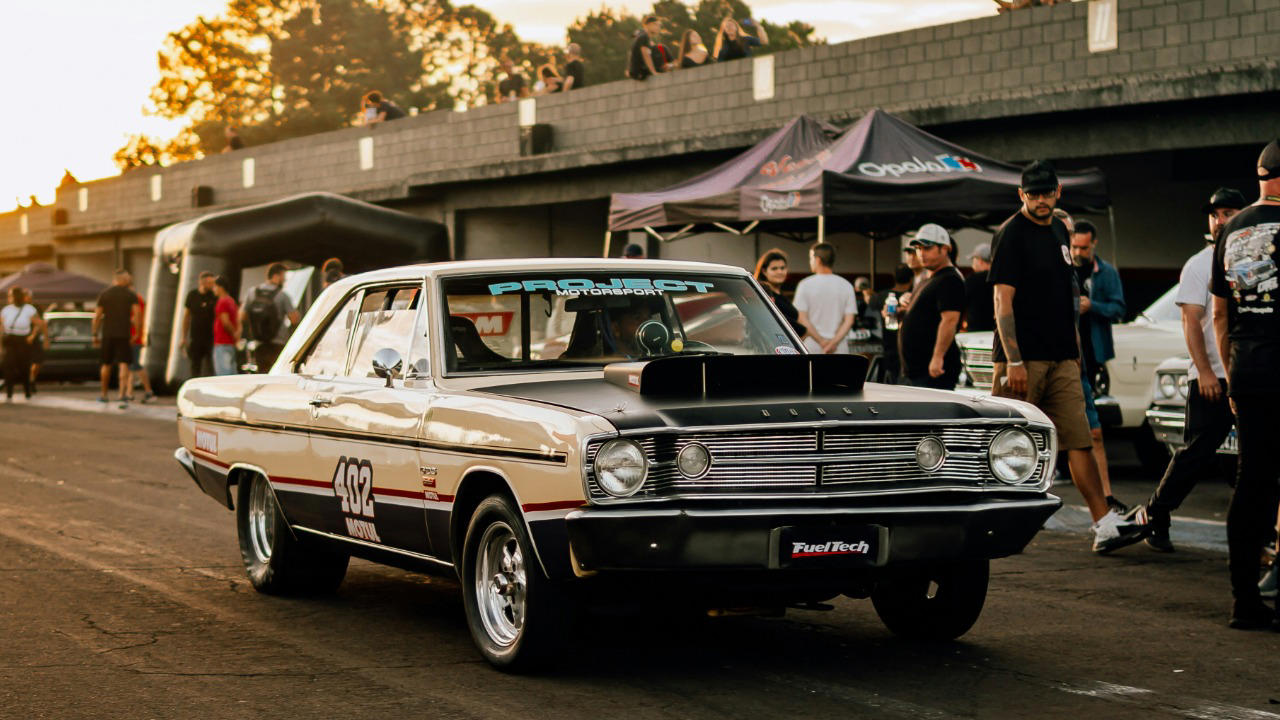
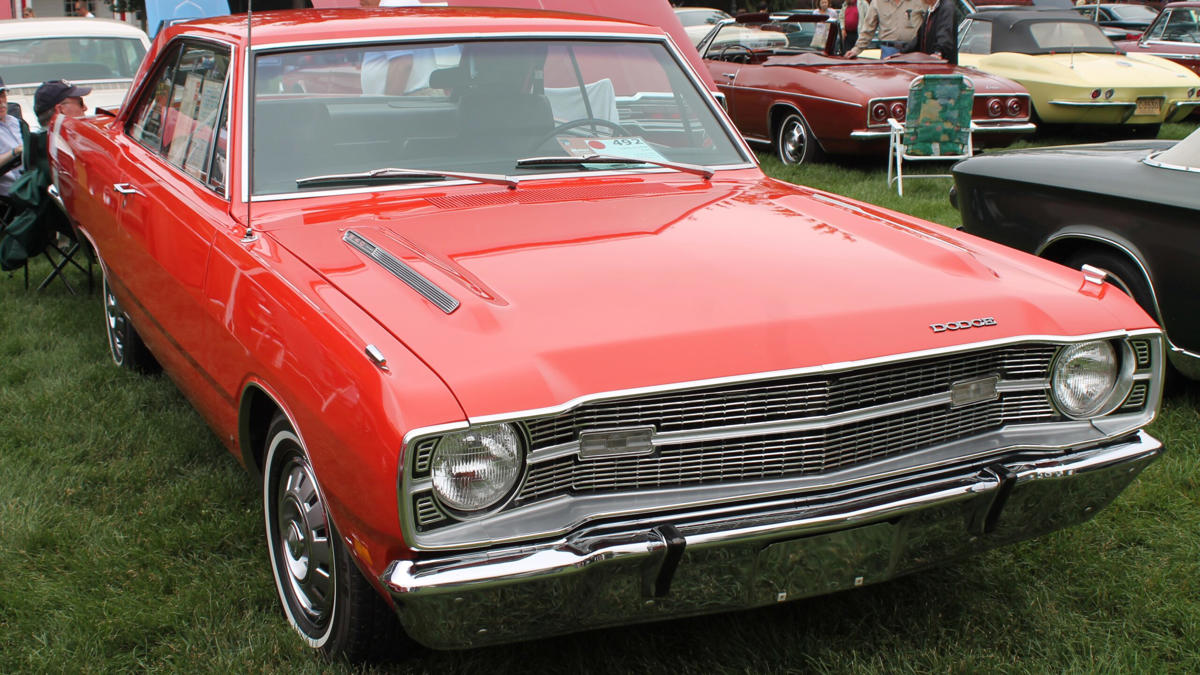
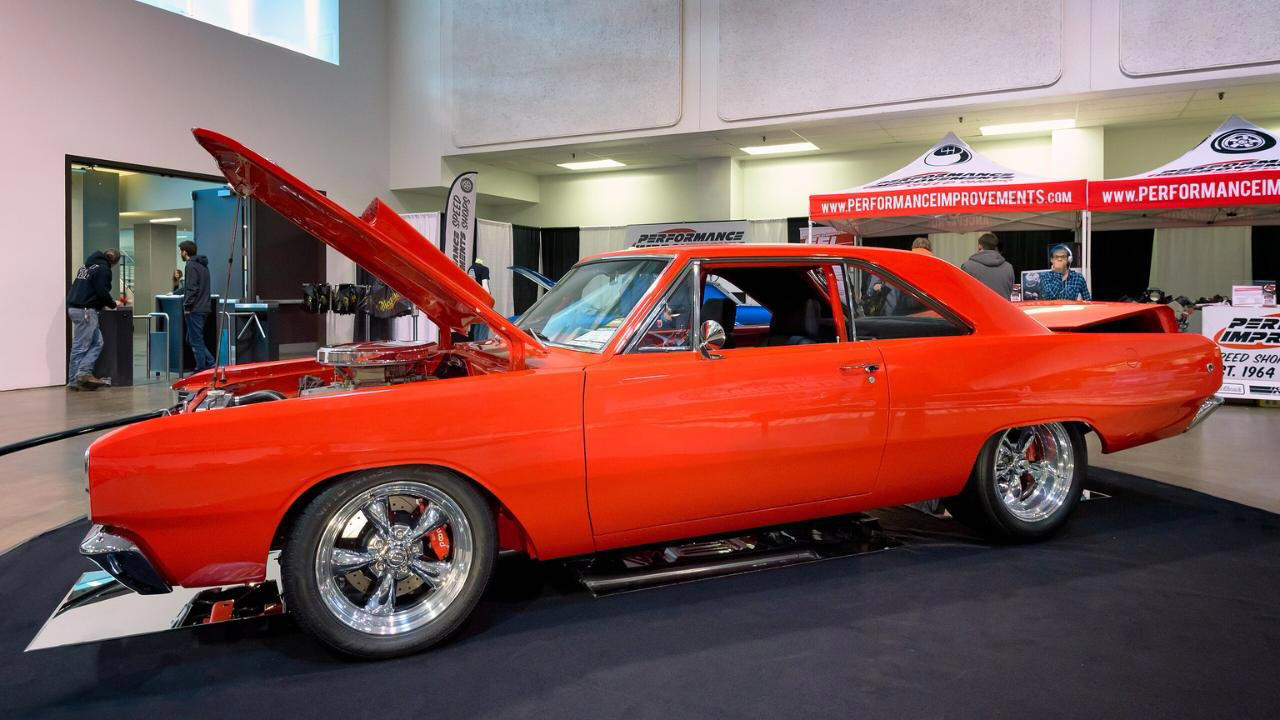
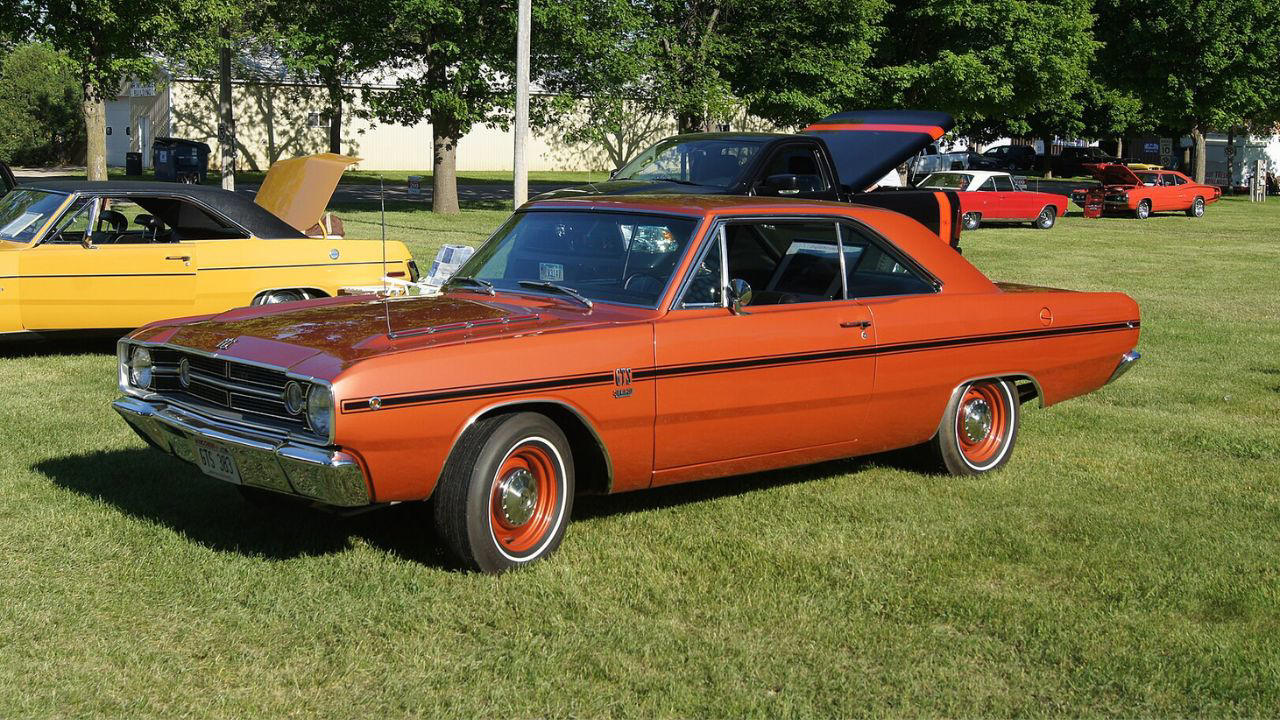
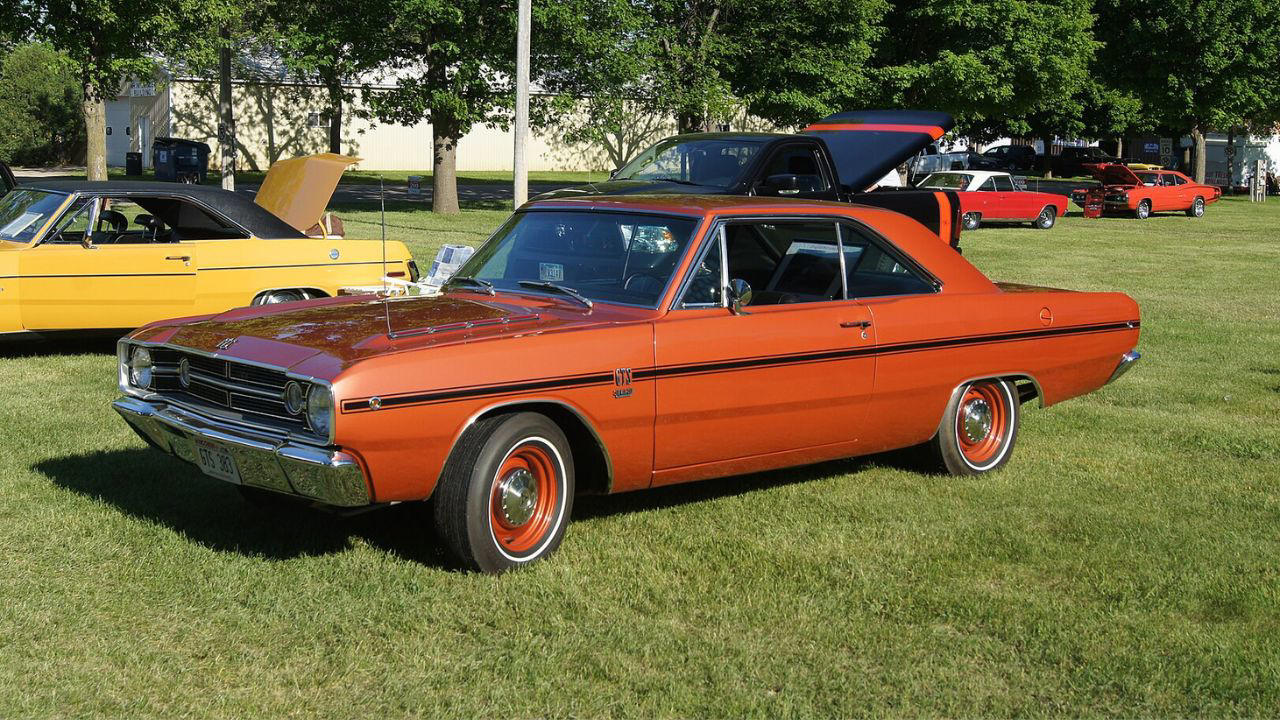
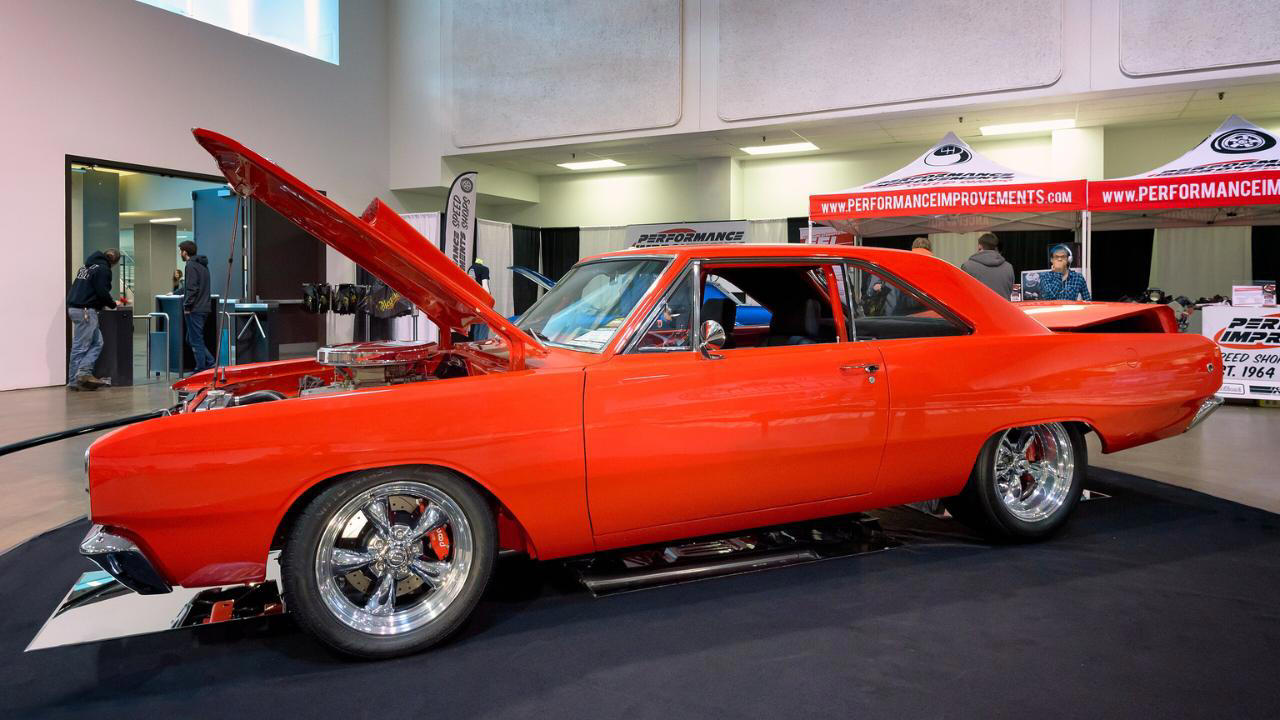
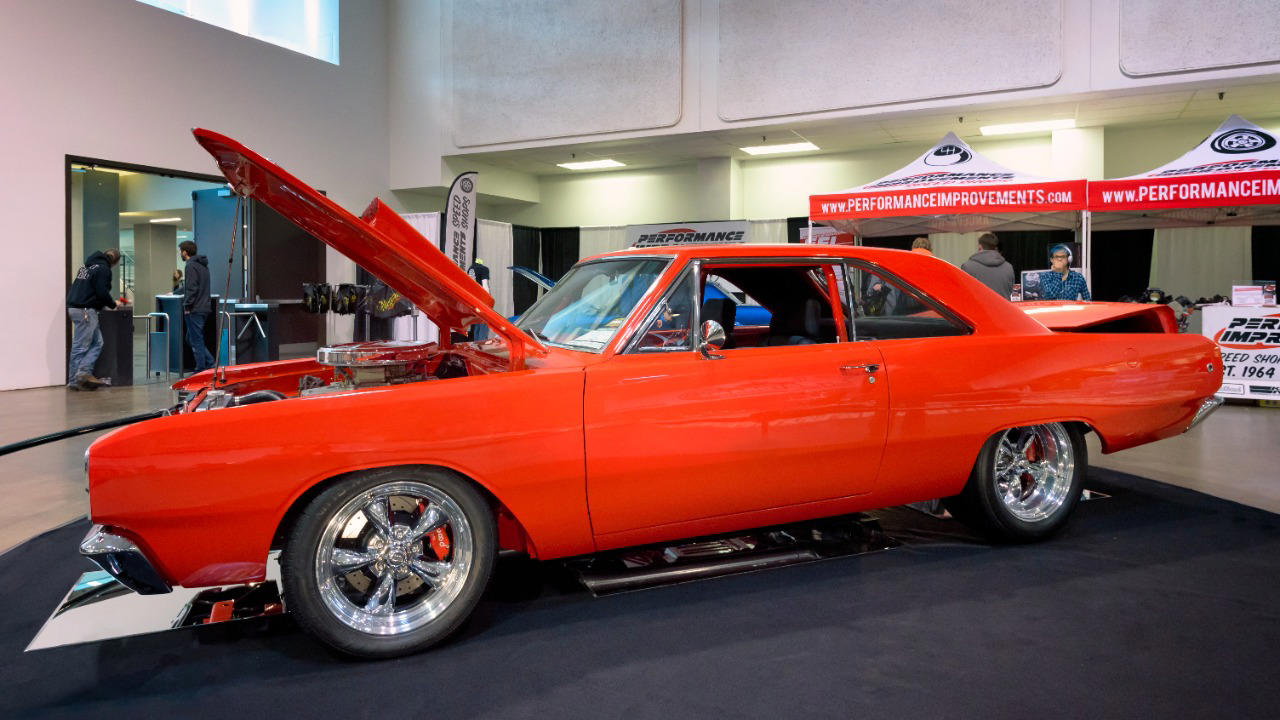
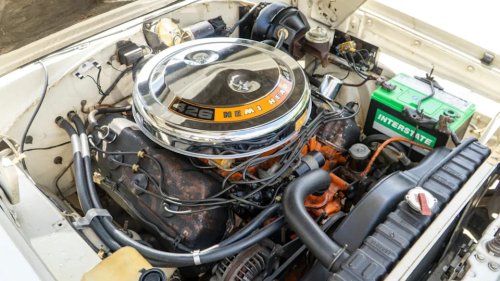
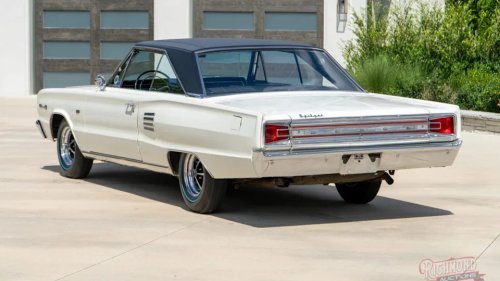
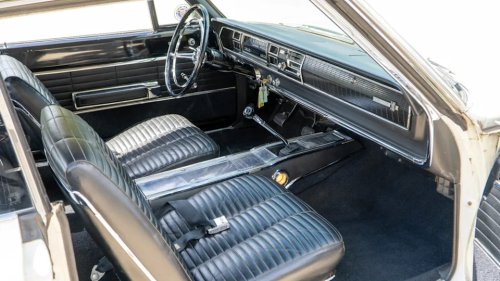
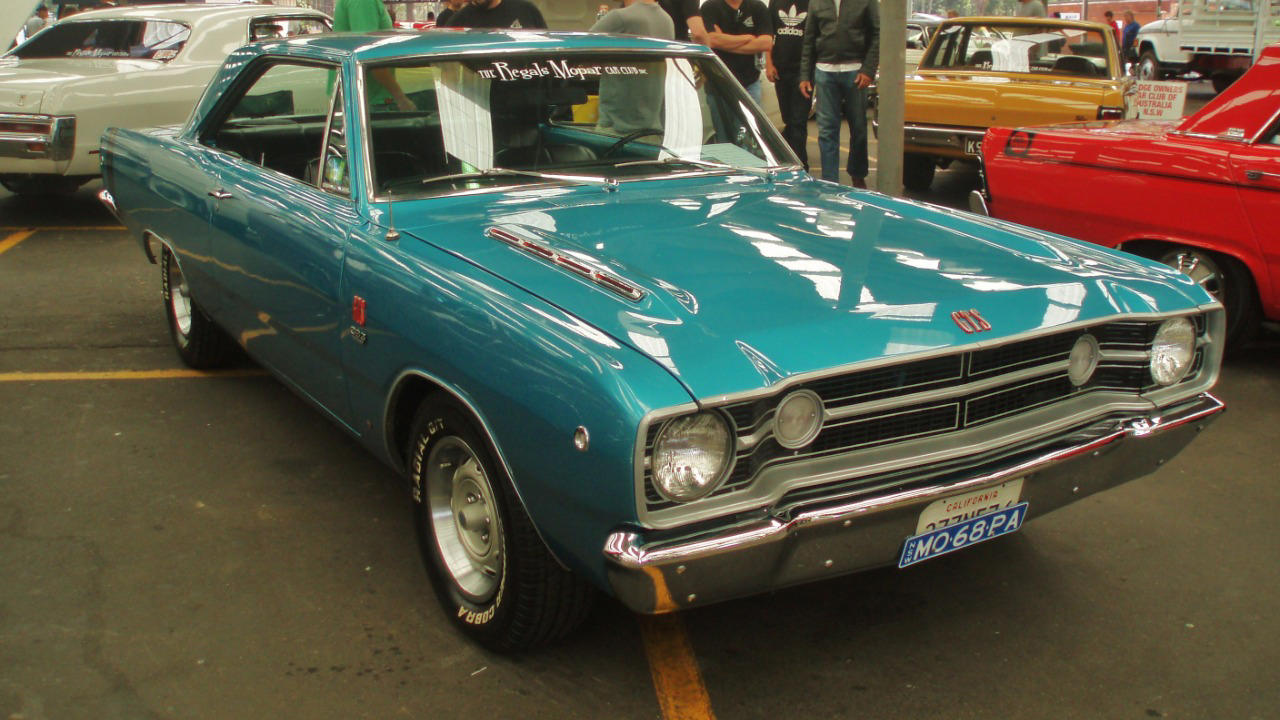
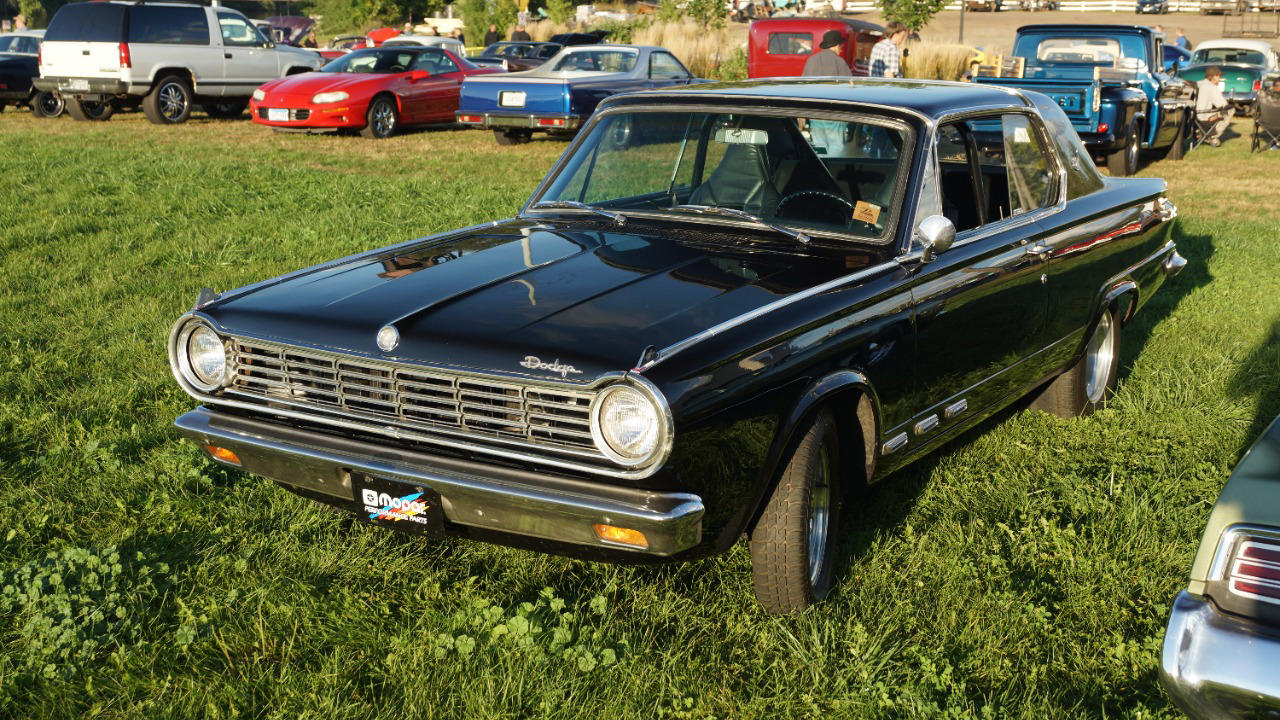
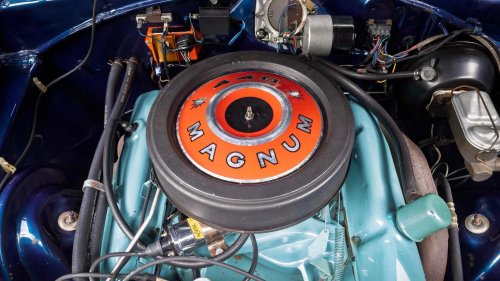
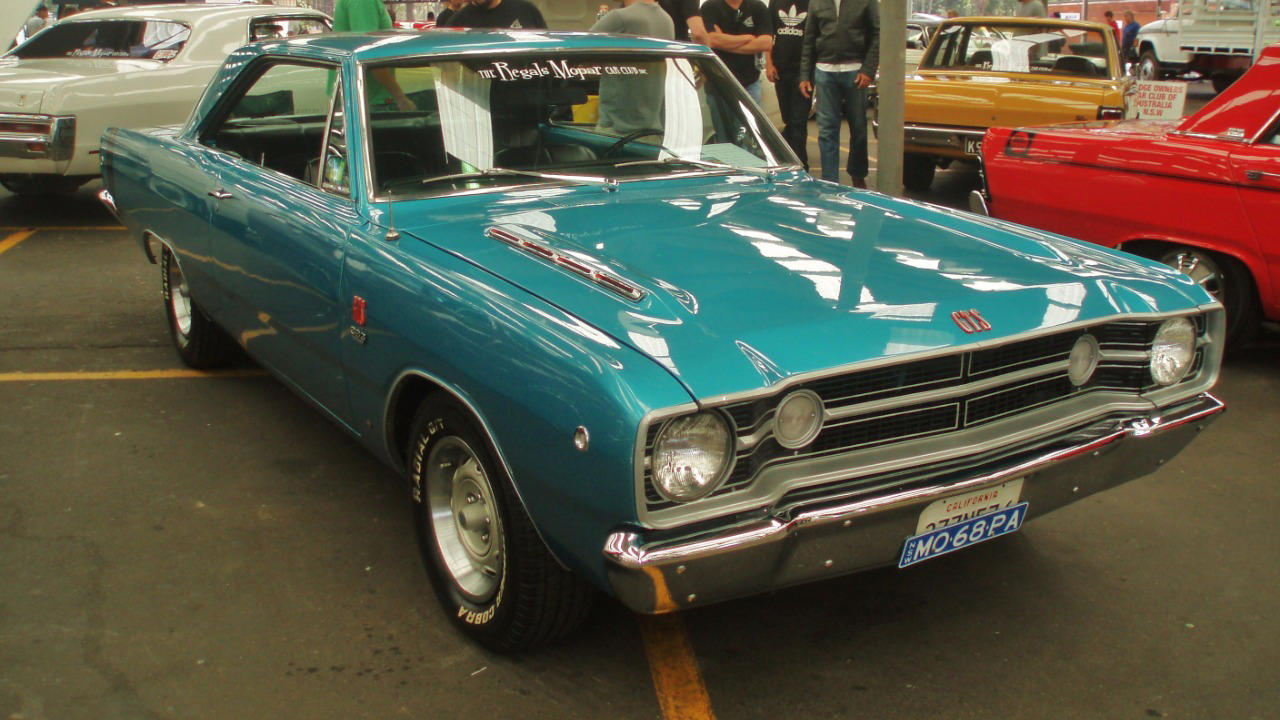
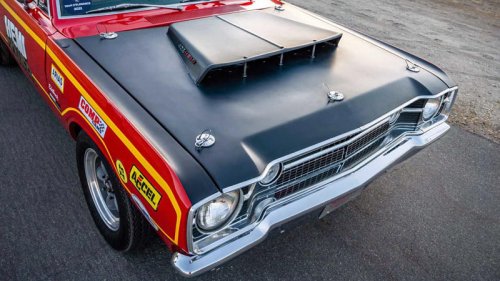
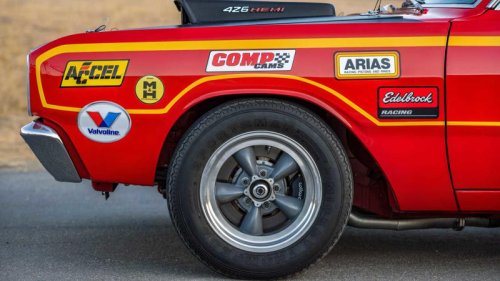
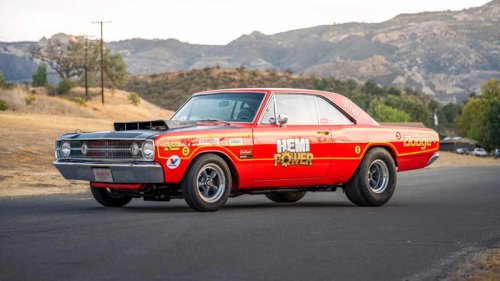
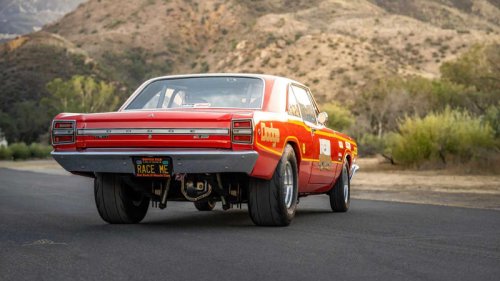
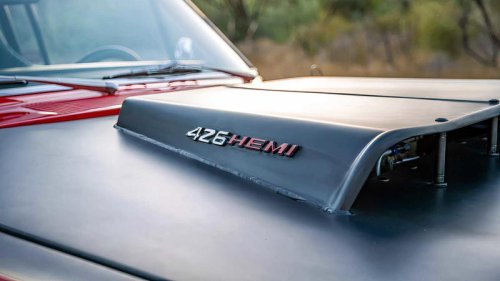
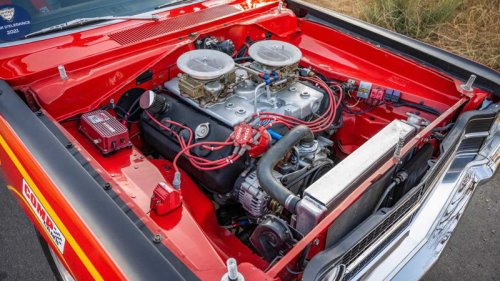
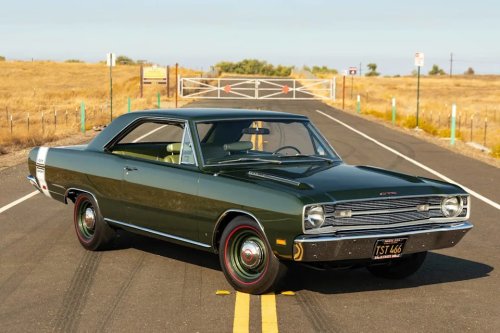
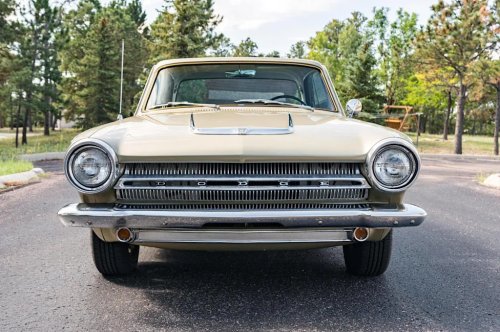
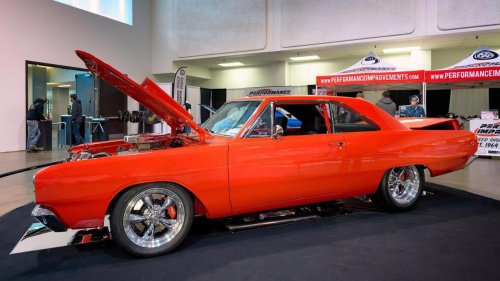
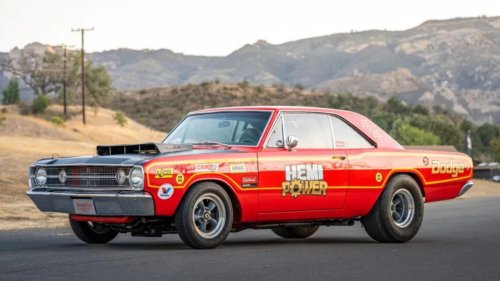
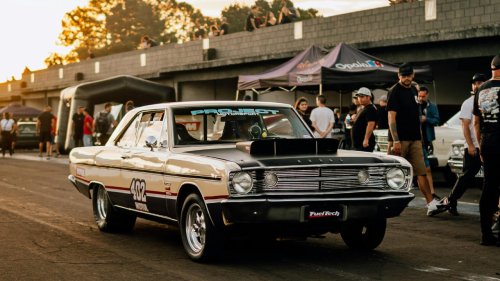
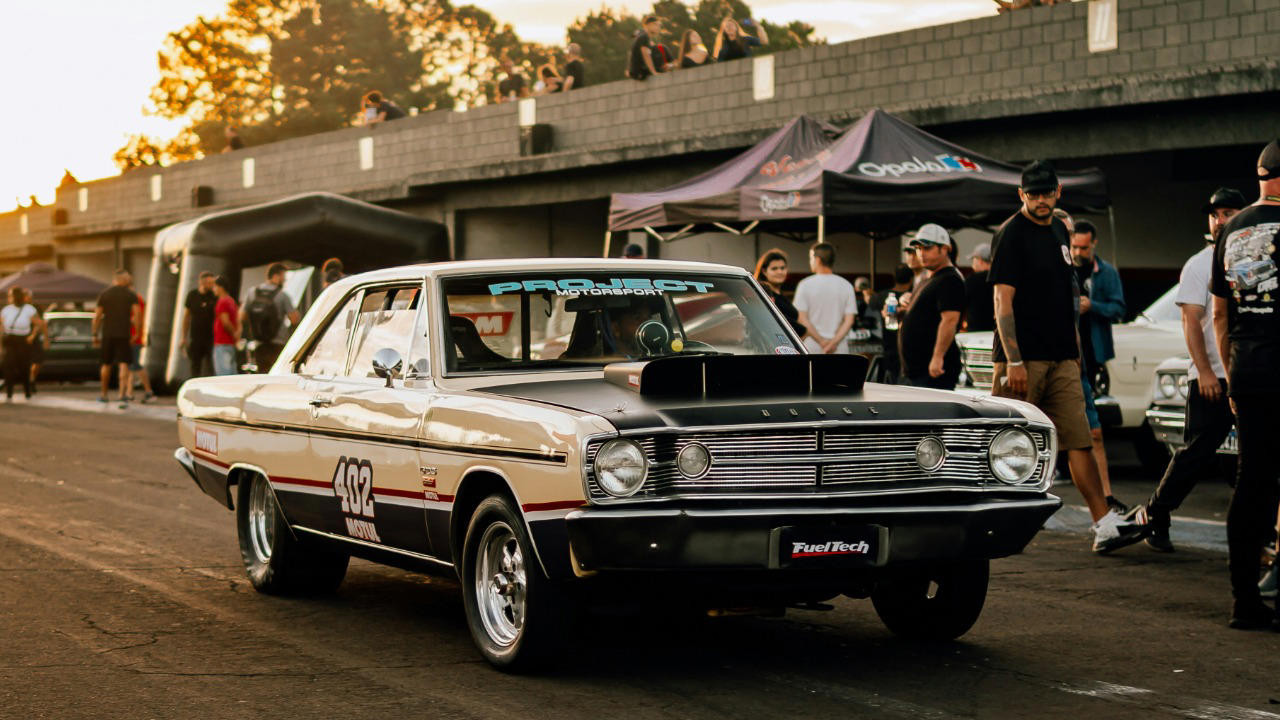
The 1968 Dodge Hemi Dart delivered extreme performance but lacked everyday usabilityThe 1968 Dodge Hemi Dart pushed Detroit performance to an extreme that bordered on absurd, even by muscle car standards. It delivered staggering quarter-mile numbers straight from the factory, but did so by sacrificing nearly every comfort and convenience that defined a usable street car. Built in tiny numbers and aimed squarely at the drag strip, the car embodied a simple idea: win races first, worry about everything else later. That single-minded focus created a legend, yet it also left owners with a machine that was barely manageable in daily traffic. Born as the LO23: a factory drag car in disguise Inside Dodge, the project carried the LO23 body code, a shorthand that signaled a very specific mission. Engineers took a compact Dart shell and turned it into a purpose-built drag package, then handed the unfinished cars to outside specialists to complete the transformation. Contemporary accounts describe the 1968 Dodge Dart HEMI LO23 as one of the rarest and most hardcore factory drag cars ever built, a status that still shapes its reputation today. The production run was tiny. One detailed overview of the 1968 Dodge Dart Hemi notes that only 80 examples were produced, enough for the car to qualify as a production model but far short of anything resembling mass manufacture. Another description of the Hemi Dart refers to it explicitly as one of the made in 1968, and notes that They Made Enough Of Them To Be Called a production car, but they were sold with a no-warranty disclaimer. That combination of tiny volume, extreme performance, and explicit factory disavowal tells the story in a single sentence. To keep weight down and speed up, Dodge stripped the Dart to its essentials. A detailed heritage piece on the LO23 program explains that the front fenders were replaced with lightweight fiberglass panels finished in raw black gel coat, part of a wider effort to remove every unnecessary pound from the front of the car. The same source notes that the hood and other front-end components were similarly lightened, and that the interior was pared back to the bare minimum required to pass inspection. The result, as one factory-focused piece puts it, was a group of Legendary LO23 HEMI that looked marginally like regular compacts but were built to do one thing. Hurst Performance and the brutal 426 Race Hemi Dodge did not attempt the conversion alone. The company entered into a partnership with Hurst Performance, shipping partially assembled Darts to the Hurst Corporation so that the most radical modifications could be handled off the main assembly line. One modern analysis of the program points out that Dodge entered into this arrangement to create the ultimate street-legal drag car, a project later summarized under the phrase Dodge Dart Finally a Hemi From Hurst. At the heart of the package sat a 426 cubic inch Race Hemi. A detailed breakdown of the LO23 package notes that for $4,200, body code LO23 came loaded with a 426 CI Race Hemi engine with 12.5:1 compression and a cross-ram intake manifold. That same source lists the 12.5 compression ratio and describes the engine explicitly as a Race Hemi, underlining that this was not a mild street tune but a full competition unit dropped into a compact shell. Another technical overview of the Hurst-built cars explains that the Darts were sent to the Hurst Corporation to have a 426 Hemi installed, along with a fiberglass hood and front fenders, and were delivered with no sound deadening and minimal interior trim. That description emphasizes that the cars were built for racing and not on public roads, and that the factory treated them as barely street legal even when they were registered. Fitting big-block power into a compact Dart Packaging this many engines into a small car required extensive surgery. A deep dive into the 1968 Hemi Dart Super Stock program notes that getting the massive big-block into the Dart engine bay was no easy task. The same analysis of the Apr project explains that the hand-built and notoriously underrated engine was rated at 425 horsepower, although period insiders and later tuners often suggested that the true output was considerably higher. To make room, the inner fenders and shock towers were cut and reworked. A detailed enthusiast account of the 1968 Dodge Dart describes how the front suspension mounting points were modified in the same manner as the rear wheel wells, which were opened up to accept larger slicks. The same source notes that the car used a fiberglass nose and fenders, and that the rear wheel well arches were reworked so the tires could sit higher in the body. That account of the Aug build highlights how deeply the shell was altered before the car ever reached a track, and it credits the use of Fiberglass components as a key part of the weight savings. A period-style feature on the Dart GTS platform describes how Chrysler engineers had already stretched the compact architecture to accept big-block engines, but the Hemi package went further still. The Oct discussion of the Dodge Dart GTS notes that Chrysler had convinced itself that stuffing a large engine into a small car made sense for performance, yet the Hemi conversion pushed that logic to the edge of practicality. From grocery-getter looks to 11-second passes Visually, the Hemi Dart could pass for a plain compact at first glance. One feature of the Jan program notes that the car looked like a grandma grocery-getter, a plain Dart with minimal trim and simple lines. Under the surface, however, the HEMI Dart was anything but ordinary. That same description calls the engine Underrated at 425 horsepower and states that actual output was said to exceed 500 horsepower. According to the same account, the HEMI Dart needed less than 11 seconds to cover the quarter-mile in factory trim. That level of performance placed the car among the quickest production-based vehicles of its era. A modern retrospective on the LO23 program calls the Hemi Dart one of the hottest factory-built drag cars of all time, and a video feature on the Dodge Dart repeats that description while showcasing the car in period-correct trim. Another enthusiast video on the same model reinforces the point by describing the 1968 Dodge Dart as a factory-built race car that could run with the quickest competition machines of its day. Even in a field crowded with big-block muscle, the Hemi Dart stood apart. A social media feature on the Dodge Dart Hemi describes it as a Legendary Drag Racer and highlights how its rarity and performance have made it one of the most valuable Mopar models. Another detailed profile of the Feb Dodge Dart HEMI program calls the LO23 car a street-legal assassin built in secrecy and bred for the dragstrip, a phrase that captures both its stealthy appearance and its uncompromising intent. Price, rarity and the no-compromise build sheet From the beginning, Dodge positioned the Hemi Dart as a special-order tool for racers rather than a mainstream performance option. The LO23 package price of $4,200 represented a significant investment for a compact car in 1968, especially given that the cars were delivered with no warranty. The same build-sheet summary that lists the 426 CI Race Hemi and 12.5:1 compression ratio also notes that the cross-ram intake and dual carburetors were included, reinforcing that the car was sold as a turn-key competition package. A separate overview of the Feb Dodge Dart HEMI program notes that Dodge created the LO23 cars specifically for drag racing, and that they were widely considered some of the most extreme factory drag cars ever offered. That description of the Dodge Dart HEMI LO23 underlines how far the company went to satisfy serious racers, even if that meant building a car that was almost unusable outside a quarter-mile strip. Another detailed heritage feature on the LO23 program explains that the cars were assembled in small batches, then shipped to Hurst for final preparation. The same piece notes that the front fenders were swapped for fiberglass units and that the raw black gel coat was left unpainted to save time and money, a visual cue that still helps identify original Legendary HEMI Darts today. Why the Hemi Dart was miserable to live with The same choices that made the Hemi Dart devastatingly quick also made it a chore in everyday use. The 12.5 compression Race Hemi demanded high-octane fuel that was difficult to find at regular stations, and the cross-ram intake with dual carburetors required careful tuning. The lack of sound deadening meant that engine, exhaust and driveline noise filled the cabin at any speed, and the thin fiberglass panels transmitted every vibration straight to the driver. Inside, the car was stripped of most of the features that made a regular Dart tolerable as a commuter. Many accounts of the LO23 build describe simple bench seats, minimal carpeting and even deleted rear seats in some configurations. Window regulators, insulation and other comfort items were removed to save weight. One enthusiast description of the Hemi Dart notes that the cars were sold with a no-warranty disclaimer and were intended for racing and not on public roads, which explains why Dodge felt comfortable delivering such a compromised package. On the street, the car could be unpredictable. The combination of a short wheelbase, narrow track, and huge torque made traction marginal on regular tires, especially in bad weather. The suspension was tuned for straight-line launches rather than cornering or ride comfort, and the altered wheel wells and shock towers further limited the car’s composure on rough pavement. A detailed enthusiast write-up on the 1968 Dodge Dart points out that the rear wheel arches were modified to accept large slicks, a change that did little to help stability in normal driving. Even the fiberglass bodywork created headaches. The raw black gel coat on the front fenders and hood was never meant to be a durable exterior finish, and many owners either painted over it or watched it weather quickly. The lightweight panels were also more vulnerable to damage from minor impacts or even careless use in a parking lot, a far cry from the durability expected of a typical streetcar. Street legal in name, drag car in practice Legally, the Hemi Dart occupied a gray area. The cars carried vehicle identification numbers and could be registered, which allowed them to compete in production-based drag classes. At the same time, multiple period-style accounts describe them as barely street legal and emphasize that they were built for racing and not on public roads. A social media post that revisits the Feb Hemi Dart program calls the 1968 Dodge HEMI Dart LO23 a street-legal assassin, a phrase that captures how thin the line was between compliance and pure competition. More from Fast Lane Only Unboxing the WWII Jeep in a Crate 15 rare Chevys collectors are quietly buying 10 underrated V8s still worth hunting down Police notice this before you even roll window down



















 +9 others