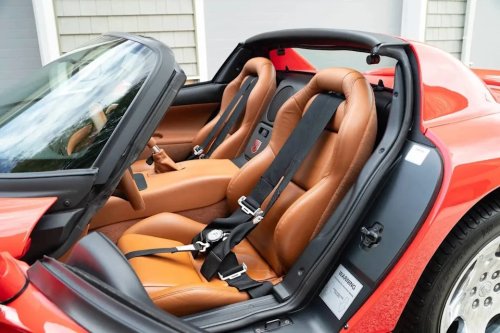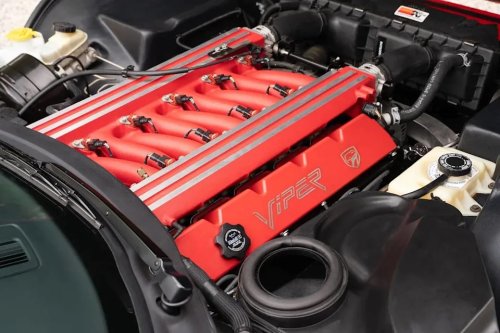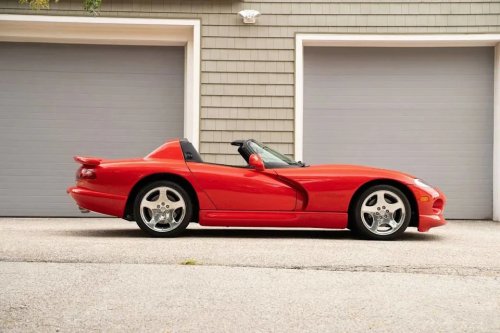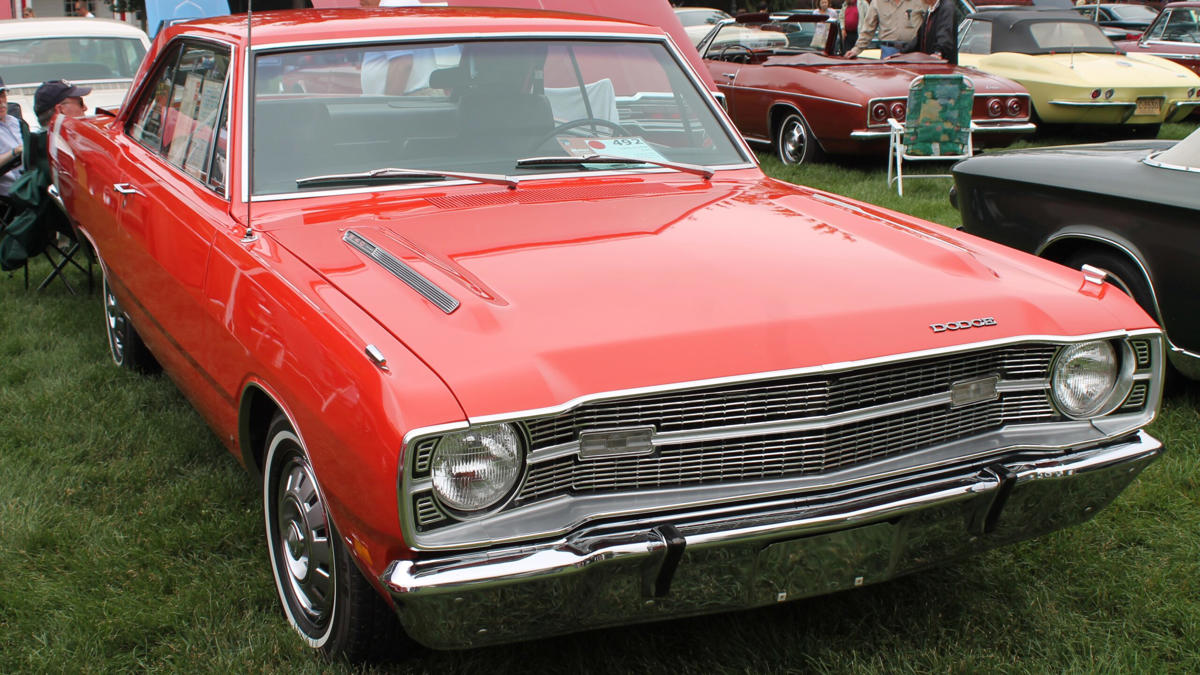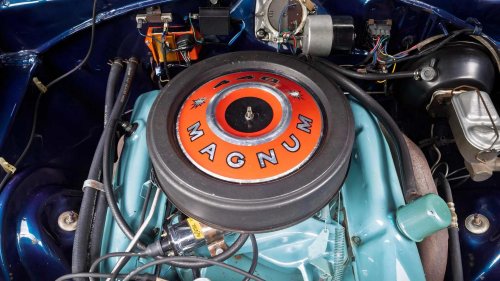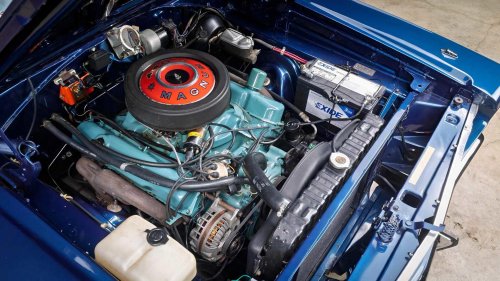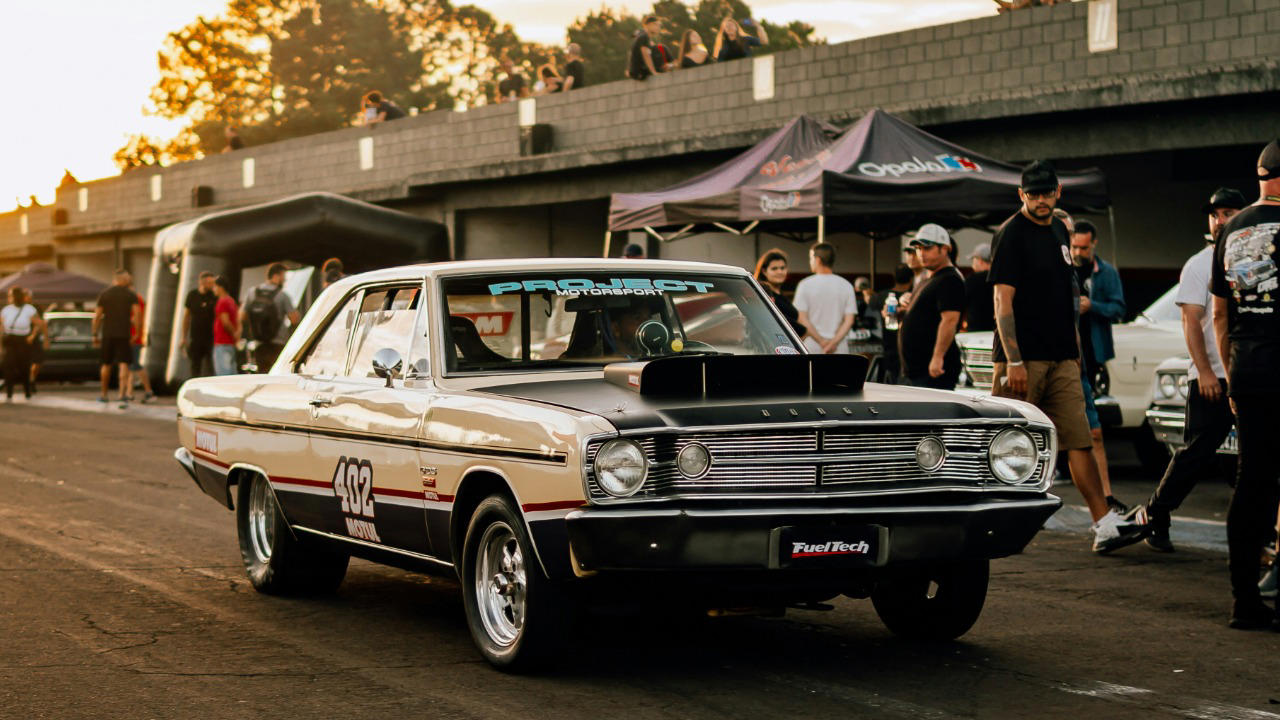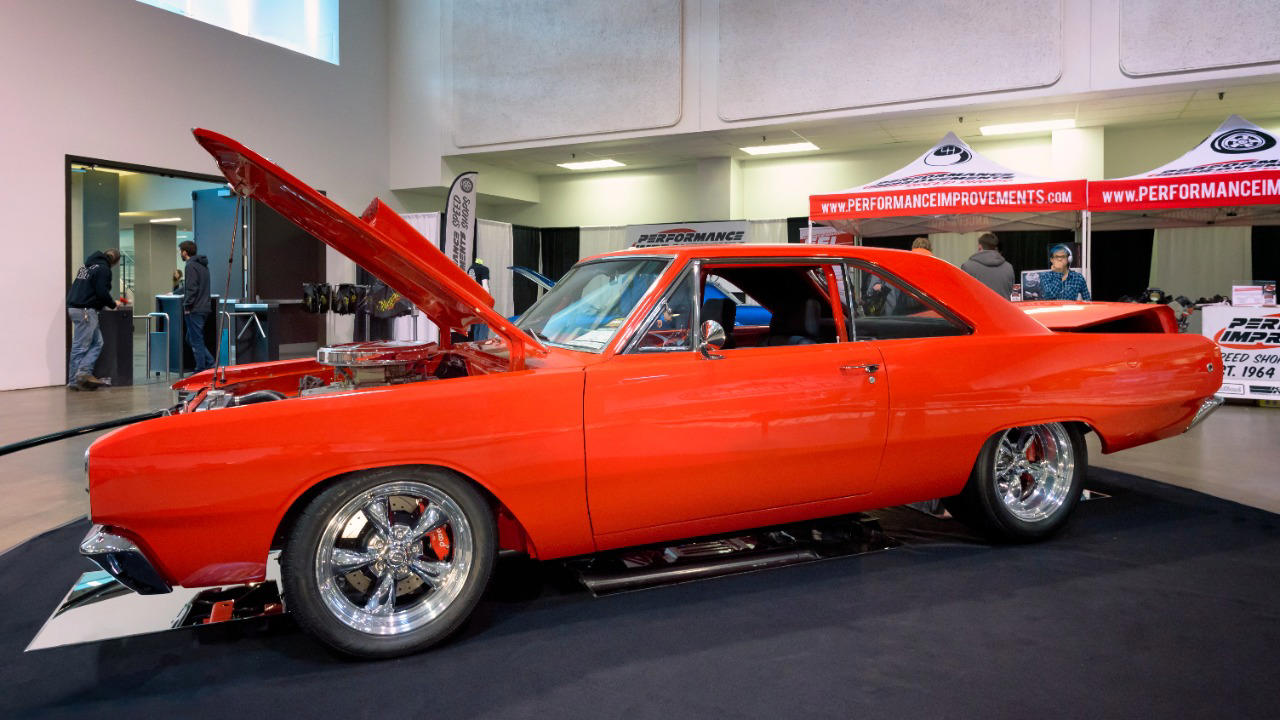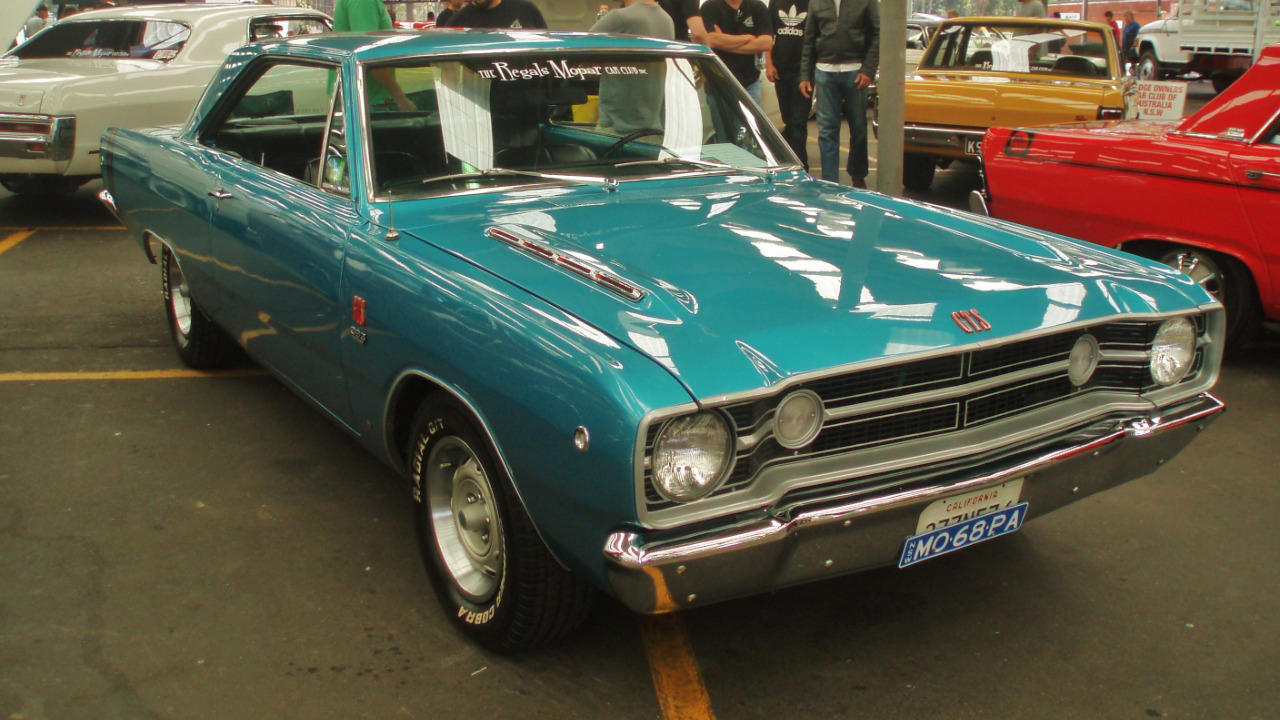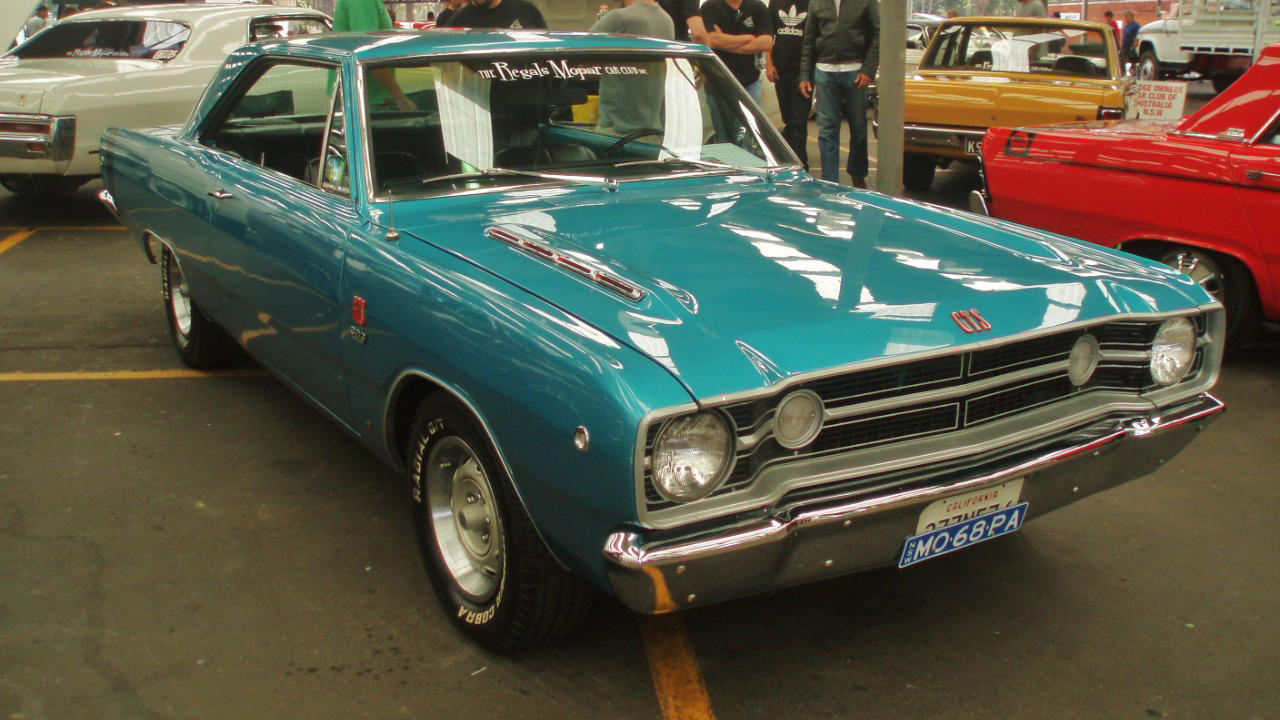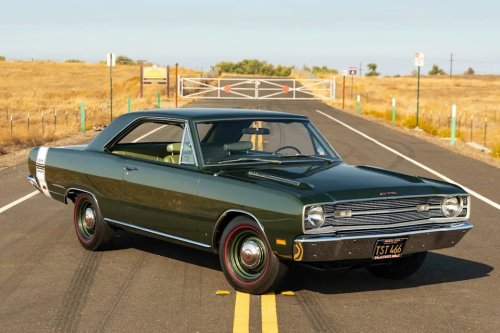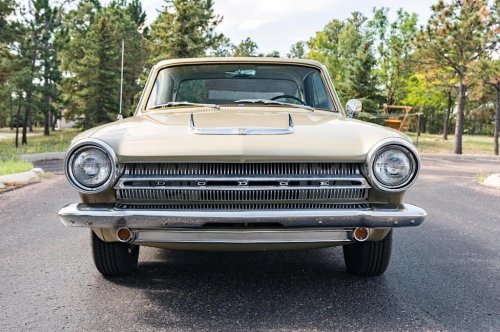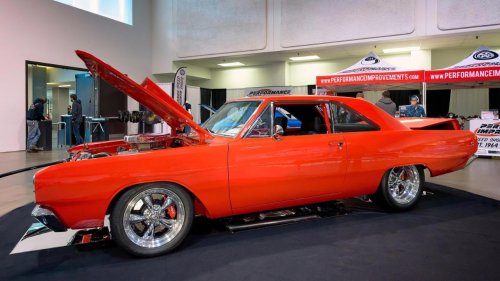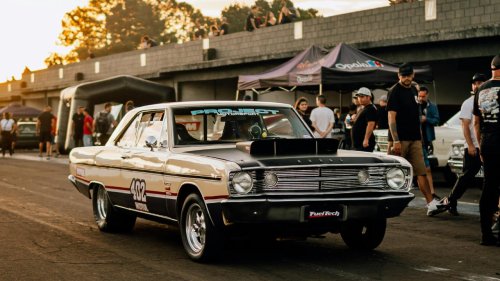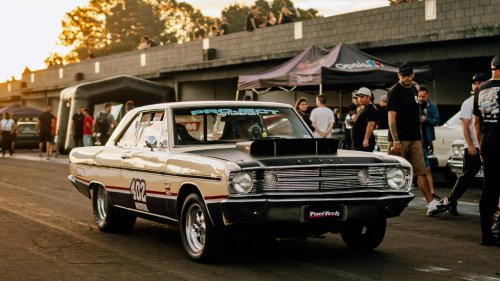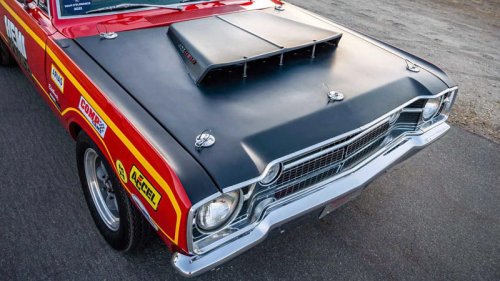
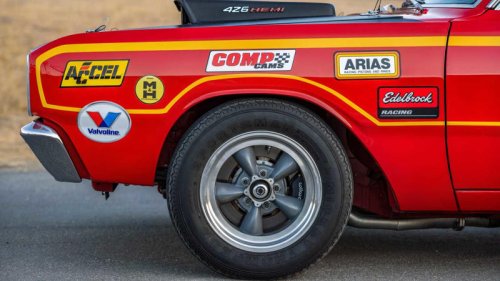
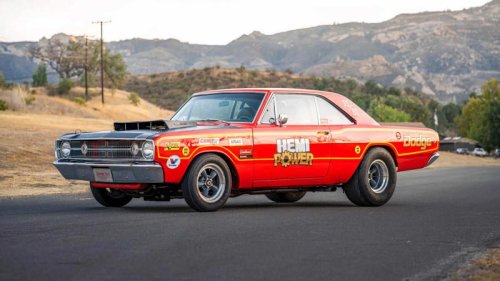
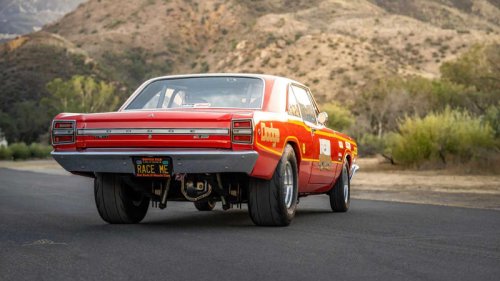
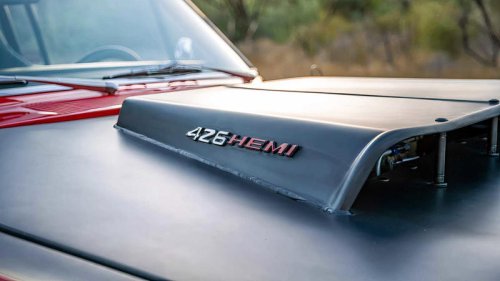
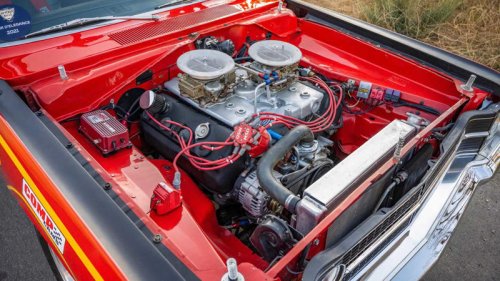
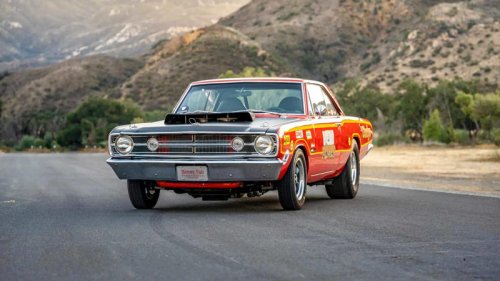
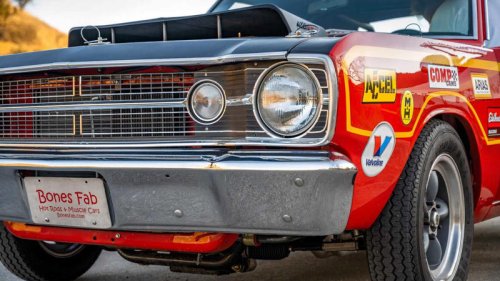



















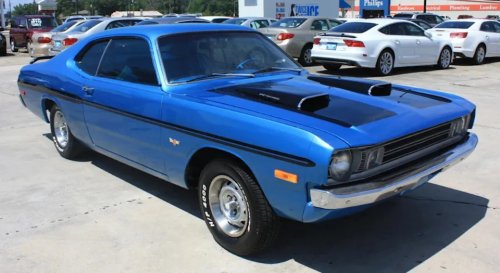
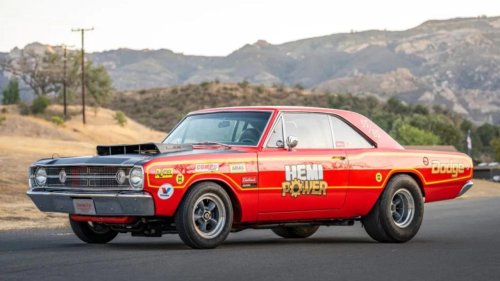
Dodge didn’t set out to make a friendly little street machine in 1968. It took a compact Dart, banged in a 426 Hemi, stripped out everything soft, and ended up with something that looked barely road-ready because, honestly, it almost wasn’t. What it ended up with was less muscle car and more factory-issued warning label.That’s what makes the LO23 Hemi Dart such a weird, wonderful piece of Mopar history. Plenty of fast cars from the era were unruly, loud, and built with all the subtlety of a bar fight. The Hemi Dart went a step further by making the whole thing feel semi-official. Dodge sold the public a machine that was legal enough to wear plates, but focused enough to make those plates feel like an afterthought. If there was ever a street car with drag slicks in its soul and a lawyer quietly sweating in the background, this was it. Dodge Started With A Small Car And Very Bad Intentions Bring A TrailerThe Hemi Dart worked because Dodge began with a very simple, very dangerous idea. Instead of stuffing serious power into a midsize body, Chrysler based the LO23 on the compact A-body Dart. That made the car roughly 10 to 15 percent smaller than Dodge’s earlier Hemi package cars, which meant the power-to-weight math suddenly got ridiculous in the best possible way. A small car with a giant engine tends to make engineers grin and insurance companies reach for aspirin. Dodge was clearly on the grin side of that equation.Dodge built the LO23 for NHRA Super Stock competition, where the point wasn’t comfort or balance or whether your passenger could hear themselves think. The point was to go very hard, very straight, very quickly. To make that happen, partially-assembled Darts were shipped to Hurst in Michigan for the final transformation. Hurst turned a humble compact into something that looked like it had escaped from a drag strip and accidentally found a dealer network. A Complete Lack Of Patience Bring A TrailerOnly 80 Hemi Darts were built for 1968, which tells you everything you need to know about the mission here. Dodge wasn’t trying to sell thousands of them to people who wanted bucket seats, a nice radio, and a smooth ride to dinner. It was offering a homologation-style brute to racers and maniacs with enough cash, enough courage, and probably a healthy disregard for tire life.And even before you get into the details, the formula already sounds faintly unhinged. Tiny car, giant Hemi, race-first engineering, low production, and a complete lack of patience. It was the automotive equivalent of handing a chainsaw to a squirrel and seeing what happened next. We love it for that. The Hemi Dart Was Dodge’s Most Dangerous Street Car Ever Bring A TrailerThe strangest thing about the Hemi Dart is that Dodge and Chrysler bothered to make it street legal at all. Sure, it met the basic requirements. Yes, you could drive one on the road. But each one also wore a disclaimer that said the car came without a warranty and was intended for “supervised acceleration trials.” That’s one of the great corporate understatements of the muscle car era. It’s like selling somebody a pet tiger and calling it an “enthusiastic cat.”That disclaimer, however, matched the car’s character. Inside, the Hemi Dart was stripped hard. To that effect, the rear seat was gone, the carpets and sound-deadening were tossed, and armrests, center console, heater, radio, and other niceties were deleted. The side windows used straps in place of normal regulators. Front seats were lightweight units borrowed for function, not style. By the time Hurst was done, the cabin felt closer to a sanctioned competition box than a normal Dodge showroom product.Reviews at the time noted it was raw, loud, and twitchy, which is exactly what you’d expect from a 426 Hemi stuffed into a compact body with drag-race priorities and no interest in pampering the driver. One account describes the chassis getting a bit lively under hard acceleration, with the car stepping into the next lane when the power came in. That’s exciting on a drag strip, but on a public road, it’s the sort of thing that makes your palms sweat and your passenger suddenly remember an urgent appointment elsewhere. Hurst Cut Weight Like It Had A Grudge Bring A TrailerThe Hemi Dart didn’t get down to its fighting weight by accident. Dodge and Hurst attacked mass with the kind of enthusiasm usually reserved for tax audits. Advertised shipping weight was 3,020 pounds, which was absurdly light considering what sat between the fenders. To get there, the cars used fiberglass front fenders and a fiberglass hood, lightweight bumpers, thin side glass, acid-dipped doors, and a long list of deleted hardware that would’ve made an ordinary street buyer wonder whether half the parts truck got lost on the way to the factory.The doors are a good example of how far this thing went. They were still steel, but acid-dipped to cut weight, and the usual window mechanism was removed. In its place, you got straps to hold the thin side windows. That’s the kind of detail that tells you the Dart was designed by people who looked at every component and asked whether it made the car quicker. If the answer was no, out it went. Scoop! Bring A TrailerOh, and to the glaringly-obvious scoop: the aluminum cross-ram intake with dual Holley four-barrels needed air, so Dodge gave the Hemi Dart a huge fiberglass “dust pan” hood scoop that looked as if subtlety had been formally removed from the parts list. It fed the engine, announced the car’s intentions from three zip codes away, and made the Dart look like it wanted to start an argument with anything parked next to it. On A Drag Strip It Was A Monster, On The Street It Was A Compromise Bring A TrailerThe Hemi Dart was built to move, and it moved in a way that made rival manufacturers scramble. Right out of the showroom, reviews at the time place it in the 10-second zone. Fully prepared examples pushed into the 10.40s at around 130 mph, and racers like Dick Landy soon found their way into the nines with very little additional tuning. Needless to say, that’s absurd.The engine package explains a lot of the violence. The Hemi Dart used the 426 Race Hemi with an aluminum cross-ram intake manifold, dual 735-cfm Holley carbs, and factory-installed Hooker headers. Dodge rated it at 425 horsepower and 490 pound-feet of torque, though anyone who has spent five minutes around old-school factory ratings knows there was often a little theater involved in those numbers. Either way, the car had more than enough grunt to turn its compact shell into a projectile. Not Without Its Faults Bring A TrailerAs for the transmission, people could get a modified A-833 manual or a 727 TorqueFlite automatic set up for drag work. The manual was altered to reduce the chance of missed shifts, while the automatic got a high-stall converter and Hurst shifter for more purposeful gear changes. The rear suspension was tuned around weight transfer and traction, with special springs and long-travel shocks helping the Dart plant itself under launch. It was all very serious stuff, the kind of engineering that says Dodge expected owners to spend more time staging than commuting.But once you removed the drag strip from the picture, the compromises became obvious. Short wheelbase, huge power, skinny civility, limited creature comforts, and a chassis set up around straight-line brutality do not combine to produce a polished street car. They produced a machine that feels hilarious in the right setting and mildly sketchy in the wrong one. It was brilliant at the job Dodge built it for. It just happened to be legally allowed to do other things, too, which was maybe the funniest and scariest part. The Hemi Dart’s Still Considered Unhinged Today Bring A TrailerPart of the Hemi Dart’s legend comes from how short-lived the whole thing was. The LO23 was a one-year-only proposition, and by 1969 the code was gone from the Dart option sheet. Values have followed that reputation for years. Back in 1968, a Hemi Dart cost roughly $4,100 to $4,600 depending on the source and specific sale. Today, these cars live in bonkers-money territory. The highest reported price for an original Hurst Hemi Dart was apparently a ridiculous $330,000 twice (!) for the same car, once in 2006 at the Barrett-Jackson's Scottsdale auction and then in 2016 at Mecum's Kissimmee event.Dodge itself later called the LO23 the most extreme factory-built drag racing machine in its history before the Demon came along, and that sounds about right. The Demon was faster, more sophisticated, and engineered with modern precision. The Hemi Dart was the old-world version, a blunt instrument with license plates, a disclaimer, and the emotional energy of a garage door kicked open at midnight.Sources: HotRod, Dodge Garage, Street Muscle Magazine.