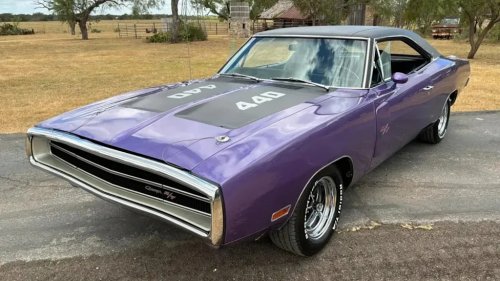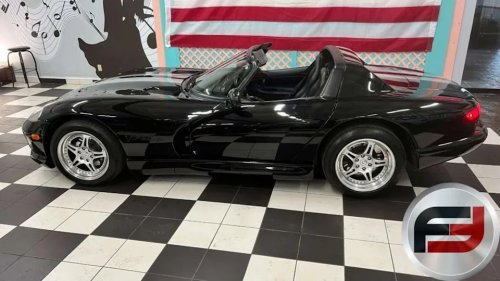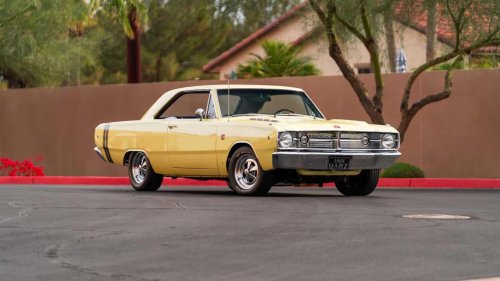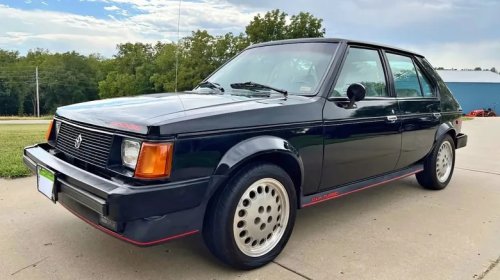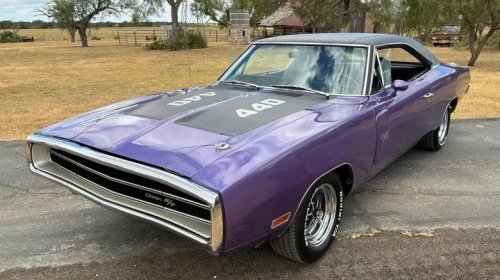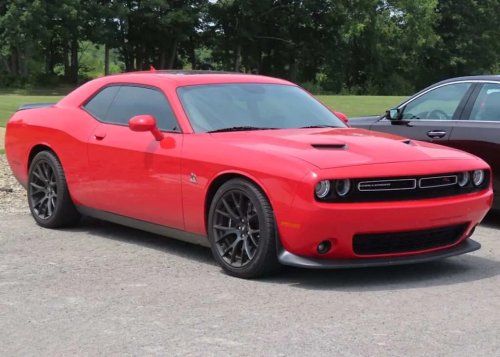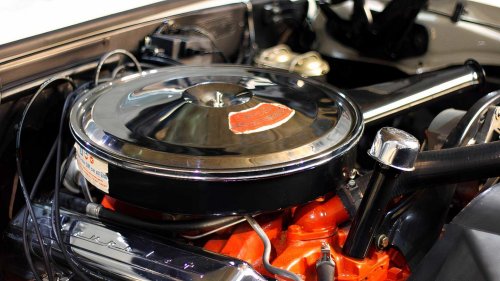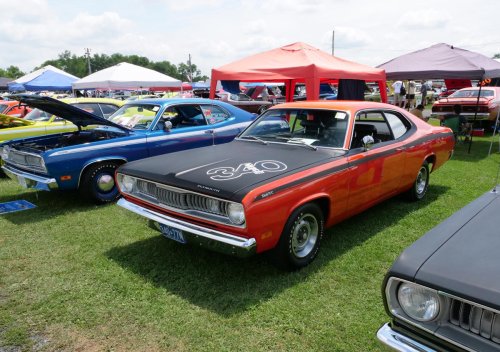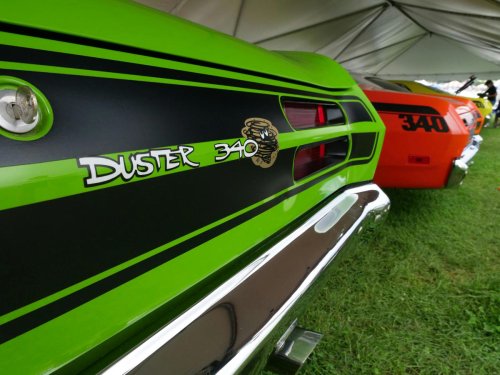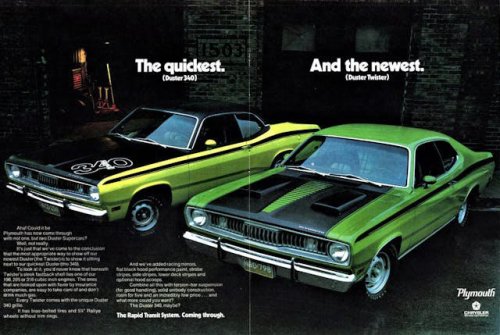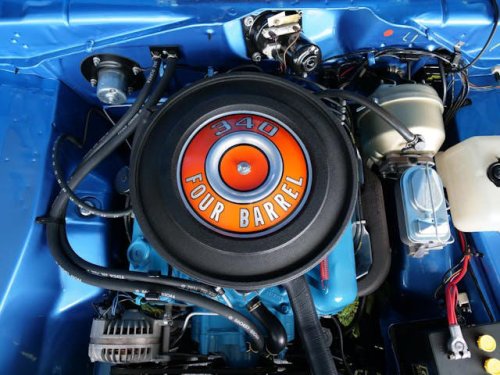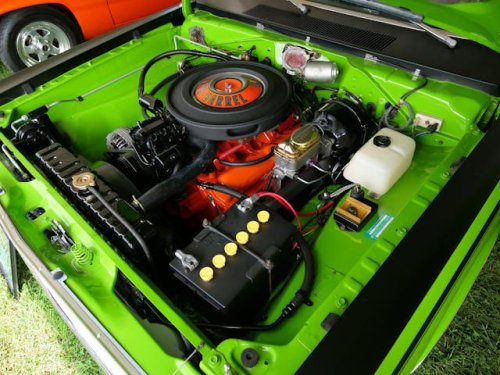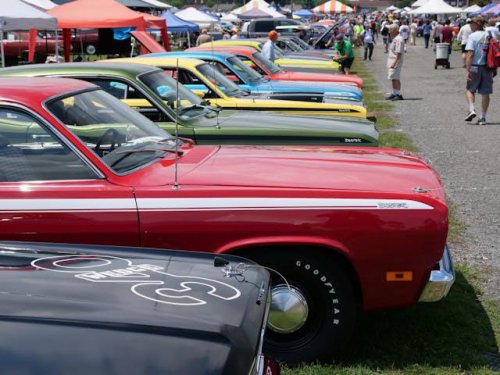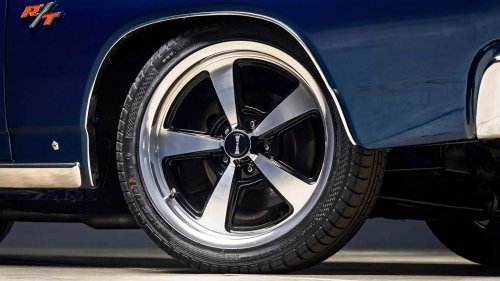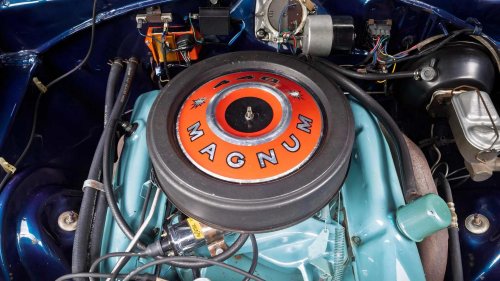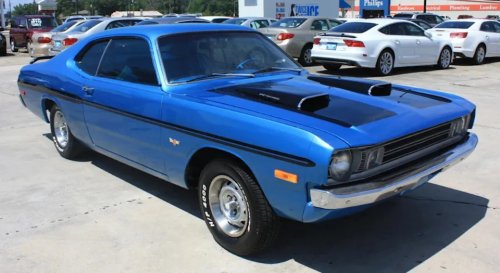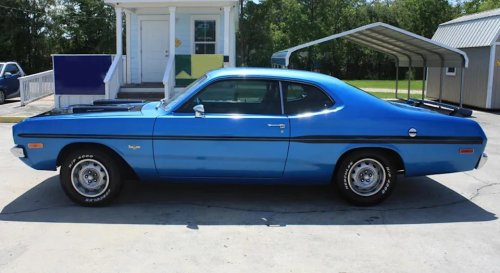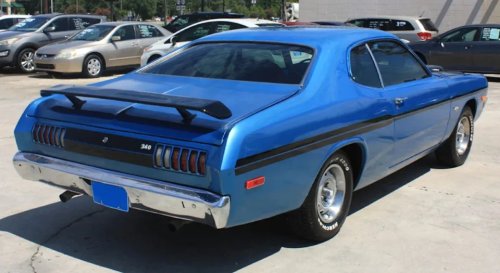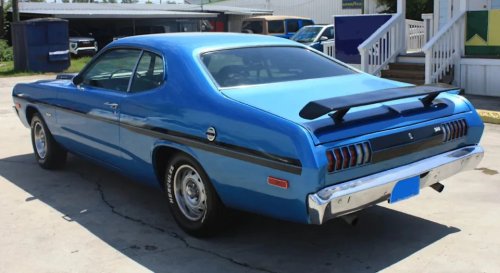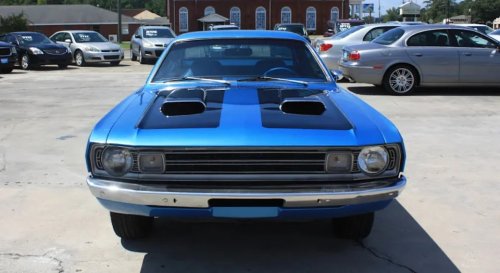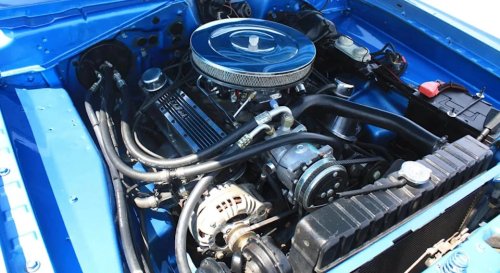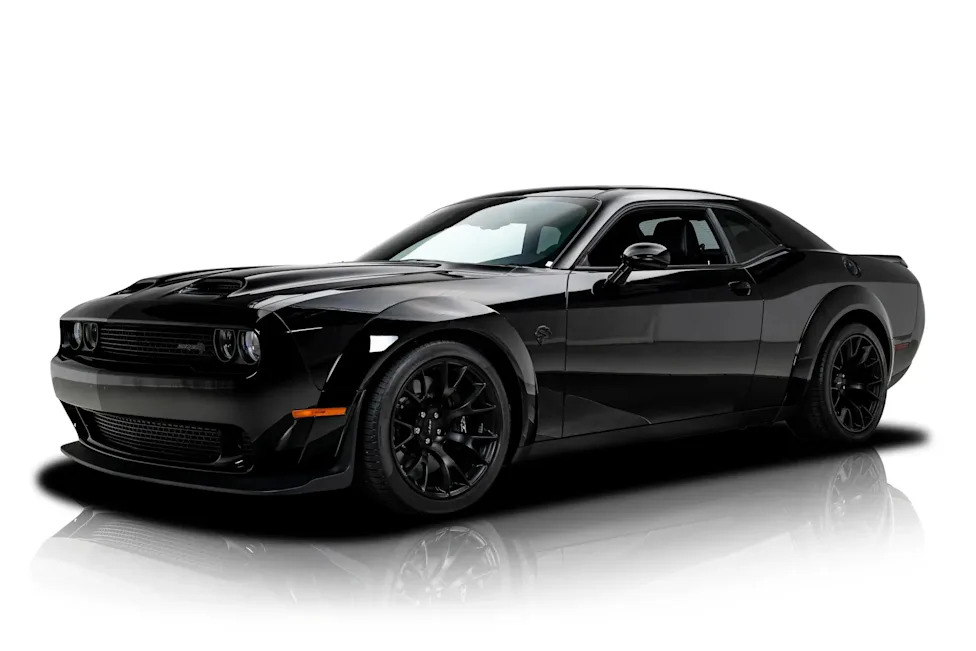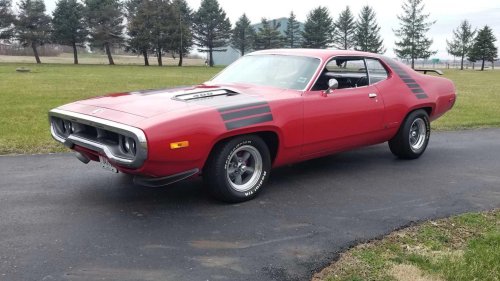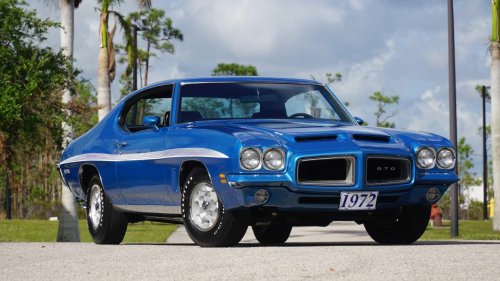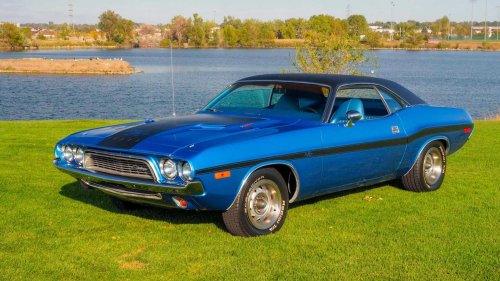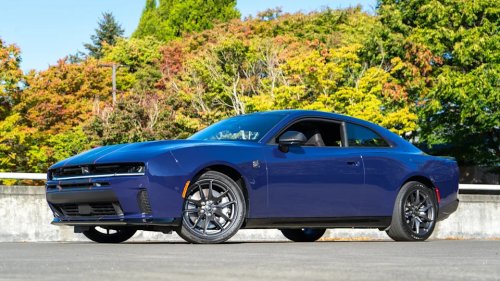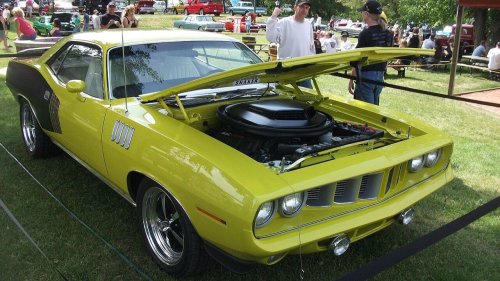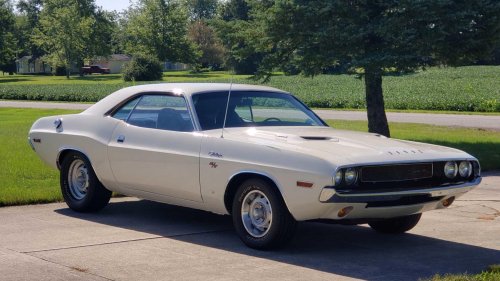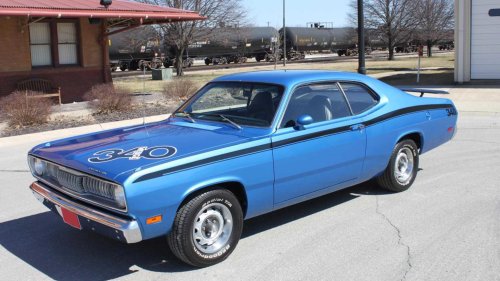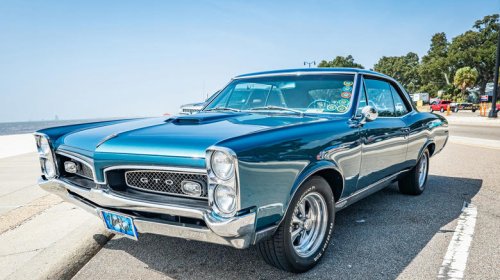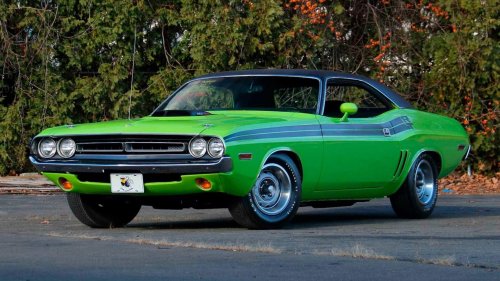
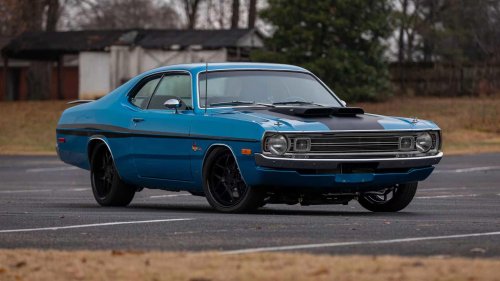
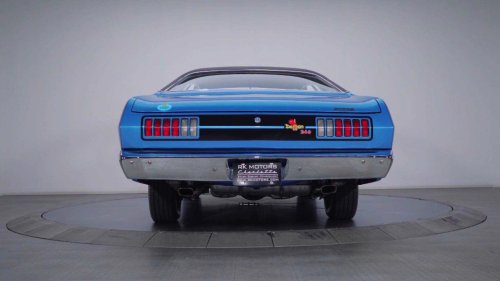
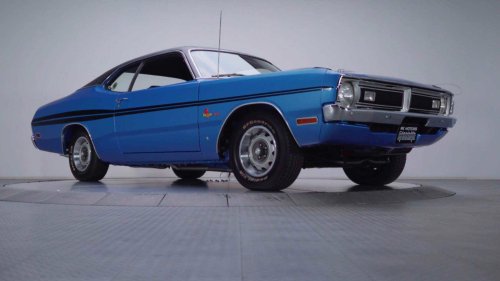



















I’m not sure if you can call yourself a legitimate Mopar fan if you’ve never heard of this rare muscle car. Dodge built a spectacular model that, unfortunately, had a short lifespan, which could be attributed to marketing mistakes. This unique Dodge muscle car could also be controversial, as it borrowed parts from Ford and Chevrolet to outrun them.While this car wasn’t popular at the time, it lives on as a rare collectible high-performance option. But it was never able to escape the shadows of more popular models like the Dodge Challenger or Charger. The Plymouth Duster was a more popular muscle car as well.However, it was still built for success and left its mark on the history of muscle car culture. Perhaps if it had a better name or was more focused on defeating the infamous Pony Car with a Hemi V8 stuffed under the hood, it would have been more popular. The Dodge Challenger Casts A Massive ShadowMecum When the Dodge Challenger arrived in 1970, it rapidly gained popularity as an attractive muscle car designed to beat the Ford Mustang and Chevrolet Camaro. It’s viewed as the brand's most popular muscle car with an attractive, aggressive style. It features a long, odd, wide stance and available “Shaker” hood scoop design elements that lasted for decades. The original styling was kept alive until 2023, making it difficult for its siblings to get their own time in the spotlight.Just like other muscle car icons of the era, such as the Pontiac GTO, it was an instant hit among younger buyers who were looking for raw power and fun. Plus, it featured the legendary 426 Hemi V8 engine. It was featured in the Dodge Scat Pack campaign, helping it spread like wildfire across drag strips.As a result, another competitive Dodge muscle car designed for racing at the time went a bit unnoticed. However, with the ability to outperform factory big blocks, it deserves respect. Luckily, it was kept alive for decades once it got a new name. The Dodge Demon 340 GSS Has Unique AdvantagesMecum When the Dodge Demon 340 arrived in 1971, it was ready to tackle speedways as a compact and affordable muscle car. It features a superior power-to-weight ratio with a light curb weight of between 3,100 and 3,300 lbs. Plus, the standard Rallye suspect features sway bars, heavy-duty torsion bars, rear springs, and shocks.The legendary Mr. Norm (Norman Krauss) crafted the Demon GSS (Grand Spaulding Special), which took the car to the next level by adding the six-pack setup to stock models. These models featuring GSS emblems are even harder to find.Overall, the Demon 340 only had a two-year production run. There were roughly 28,000 models produced between 1971 and 1972. Out of those cars, only a few hundred are believed to be GGS models. The Challenger didn’t exactly have great sales figures at the time, but it also never had to change its name due to declining sales.I would like to argue that “Demon” was a good idea for a name, in my humble opinion. Fans of the 1960s muscle car era wanted to stand out with rebellious attitudes and flair. But at the time, the title was just too controversial. The Dodge Demon 340 Is A Frankenstein BuildRK Motors/YouTube The Dodge Demon 340 has an interesting setup, which includes a Ford-style airline in a 1970 Edelbrock intake that includes Chrysler Electronic Suppression cables. It may have sourced application carbs from Chevrolet. They had a ⅜” fuel line on the driver’s side instead of Chrysler's 5/16” on the passenger side.The standard factory models paired the small-block 5.6-liter V8 engine with a four-barrel carburetor. The Demon 340 came with 275 hp and 340 lb-ft of torque. This helped the Demon gain its stats as an underrated pocket rocket. But it gained more power later thanks to Mr.Norm's coveted tinkering.Visiting his dealership in Chicacago to upgrade to the Demon 340 GSS provided access to 300 hp and 340 lb-ft of torque, thanks to Mr. Norm and his coveted tinkering. The Grand Spaulding Dodge conversion paired the 340 V8 engine Six-Pack setup featuring three two-barrel Holley carburetors on an aluminum intake to maximize lightweight power.In 1972, the Demon 340 received a reduced compression ratio from 10.5.1 to 8.5.1, which dropped the maximum power output to 240 hp. This move was made by Dodge to meet increasing emission restrictions. This didn't make Mopar fans very happy, but Mr.Norm used it as an opportunity to upgrade the GSS package. So, he paired the V8 with a belt-driven centrifugal Paxton supercharger and modified the fuel system to crank out 360 hp.The Dodge Demon 340 GSS can accelerate from 0 to 60 mph in about 5.5 seconds with a quarter-mile time of 13.6 seconds. It has a top speed of 130 mph. This muscle car is remembered for being faster than the Chevy Nova SS and AMC Hornet.Along with being a solid racer, the Dodge Demon stands out for having a simple engine bay, allowing easy access to essential components. Plus, the 340 engine has a reputation for being easy to rebuild. Other features like the AVS carburetor, are also straightforward with a simple design to easily modify. Here’s Why The Dodge Demon Got A New NameRK Motors/YouTubeUnfortunately, the Dodge Demon 340 suffered from a lack of sales. Rumors suggest that the Demon name was a bit of a problem, and there was a bit of a satanic panic in the 1970s and 80s. The cartoon devil logo and ‘Demon’ name may have prompted complaints from religious groups. However, it was also viewed as a late-model rebadged version of the Plymouth Duster, which was already well established and popular. This may have made it too hard to compete against the Duster, which was already popular as an affordable fastback.Over 187,000 Dusters were sold in 1971, crushing the Demon. So, the Dodge Demon was rebranded as the Dodge Dart Sport 340. That is probably a more familiar name, even though it lacks a devil and pitchfork logo. It lasted in the lineup until 1976. The Dart Sport arrived with massive styling updates to set it apart and to help it meet new federally required mandates, such as energy-absorbing bumpers. With the Dodge Dart Sport name, production increased to 79,000 units in 1973.The Demon name proved to be so controversial that it wasn’t used again until the 2018 Dodge Challenger SRT Demon was released. Despite being a more accepted and popular name, the Dart was discontinued in 2016. However, the iconic Dodge Challenger name manages to survive into 2026 with a SIXPACK Hurricane twin-turbo inline-six engine.