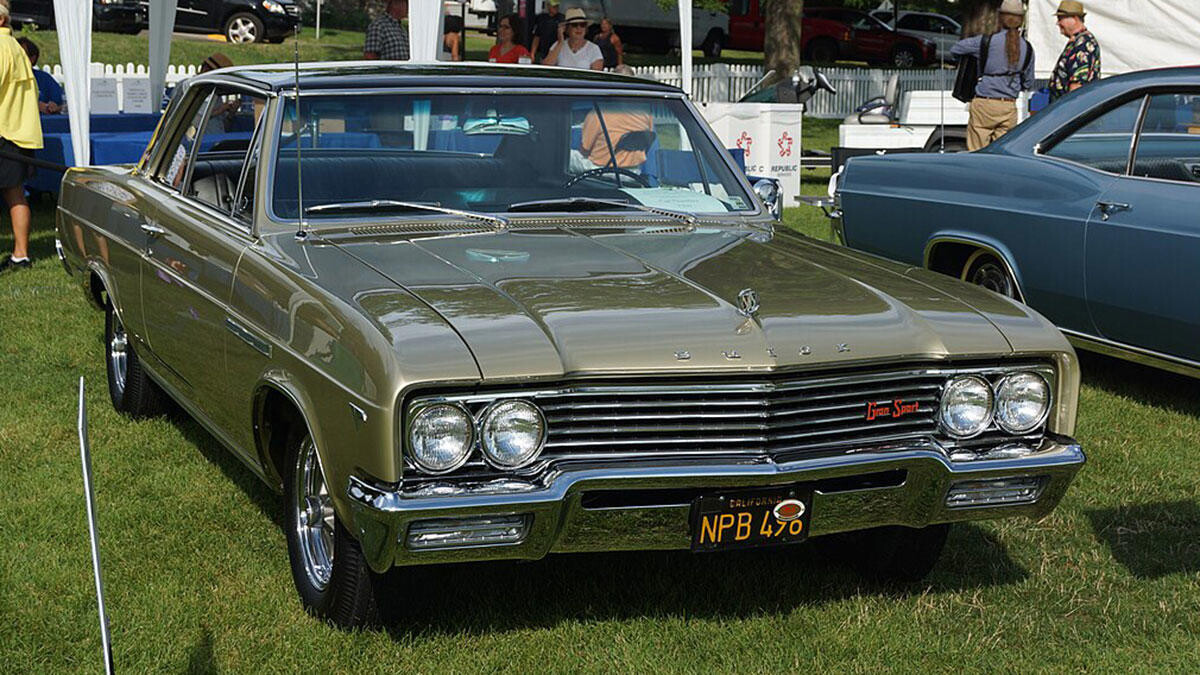
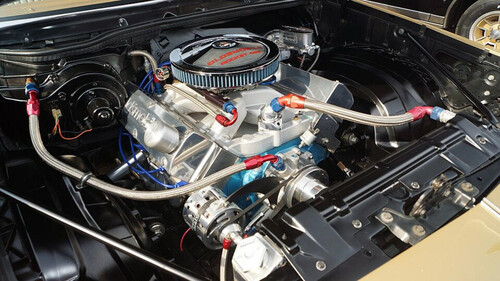
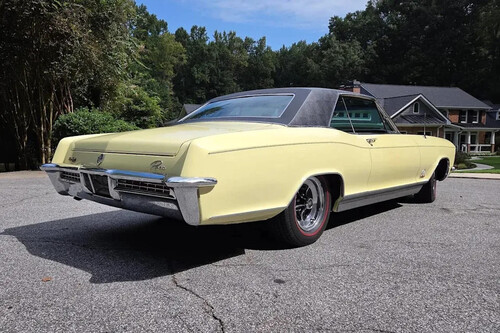
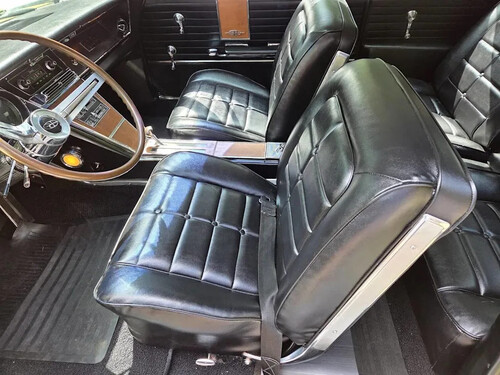
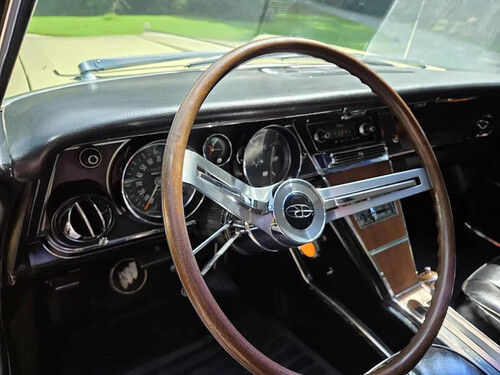
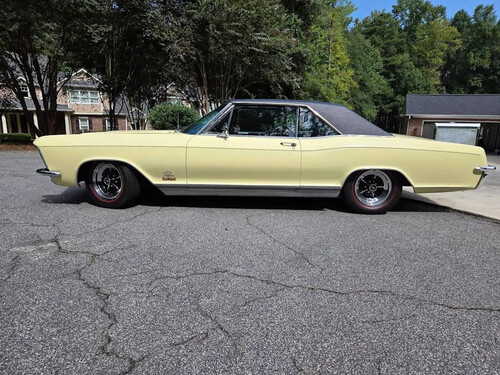
Why the 1965 Buick Skylark GS matteredThe 1965 Buick Skylark GS arrived just as Detroit was discovering how far buyers would go for big power in a mid-size shell. It mattered because Buick chose a different route into the muscle car contest, pairing serious performance with a polished, almost understated image that still shapes how enthusiasts define the brand. Today the car anchors personal collections, fuels nostalgia, and provides a tangible link between luxury tradition and the emerging performance culture of the mid‑1960s. The quiet rebel in Buick’s lineup Within General Motors, the Gran Sport identity signaled that Buick was finally prepared to say out loud that some customers wanted speed along with comfort. The 1965 Buick Skylark Gran Sport took the compact Buick Skylark and turned it into a serious performer, yet it kept the chrome, brightwork, and restrained lines that had long defined the marque. While competitors chased attention with stripes and scoops, the Buick Skylark Gran Sport, as described in a later look back at its performance history, focused on refinement and usable power. That balance is why collectors still treat the model as a turning point in the brand’s identity rather than a one‑year curiosity. Engineering muscle in a tailored suit Beneath the calm sheet metal sat the 401 cubic inch Nailhead V‑8 that enthusiasts still reference with near reverence. Later commentary described the 1965 Buick Skylark Gran Sport as “muscle in a tailored suit,” with the Nailhead delivering strong acceleration and performance while the rest of the car projected restraint. Technical summaries of the Buick Skylark Gran Sport option package detail how Buick combined that big engine with specific gearing and chassis tweaks to move the Skylark into genuine performance territory. Coverage of the car’s specification, including its pricing, axle ratios, and equipment, shows how Buick engineers worked within corporate limits to create a serious package, as laid out in period style by the auto editors of consumer guide for muscle cars. Road tests from the period and later retrospectives describe 0 to 60 m times that placed the GS in the thick of the emerging muscle field, yet it still behaved like a Buick on longer journeys. Luxury meets straight‑line speed Contemporary analysis of Buick’s strategy notes that the division sold a “luxury car with sports car power” well before that combination became marketing shorthand. One account of Buick’s big‑power coupes explains how the company bundled heavy‑duty hardware, from a cross‑flow radiator to larger exhaust pipes, into packages that transformed its mid‑size cars without sacrificing comfort, a pattern that framed the 1965 Skylark GS as a forerunner of later performance luxury models from the brand, as examined in a detailed look at buick luxury car. That dual identity mattered because it allowed buyers to have a car that could run with more aggressive rivals yet still present itself as a respectable family or business vehicle. In the Buick context, performance was not an act of rebellion but an extension of status and comfort, which gave the Skylark GS a distinct cultural role in the muscle era. Design that aged into classic status Styling also played a central role in the car’s lasting influence. Commentary in praise of the 1965 Buick Skylark points out that 1964 marked the dawn of the Buick Skylark rise to middleweight status in the GM family, and that by 1965 the proportions, trim, and interior appointments had found a sweet spot between compact practicality and near‑full‑size presence, as highlighted in a reflective piece on Praise the buick. The GS version added subtle cues rather than radical changes, which helped the car avoid the fad‑driven look that dated some of its peers. Enthusiasts on forums such as the discussion involving Guest John Chapman and Rich have noted that key interior elements, including bucket seats, were identical across certain Skylark and GS configurations, reinforcing how Buick treated the GS as an integrated part of the Skylark line rather than a separate, stripped‑out hot rod. From new car to cherished heirloom The significance of the 1965 Skylark GS is perhaps best seen in how owners treat surviving examples. One car, a 1965 Buick GS called “Granny,” became the centerpiece of a collection that Mike Peters of Burlington Connecticut spent years assembling, a story captured in a video profile of the car and its owner, which presents “Granny” as much more than a machine, as shown in the feature on 1965 Buick GS. Another yellow convertible appears in a segment hosted by Lou for My Car Story in Milwaukee, where the presentation focuses on both the engine bay and the car’s presence on a show floor, evidence that the GS still commands attention in a crowded field of classics. Clubs and social media groups dedicated to the Buick Skylark Gran Sport describe the 1965 model as Buick bold entrance into the muscle car arena, emphasizing its blend of performance, comfort, and understated style, themes that recur in enthusiast posts that celebrate the Buick Skylark Gran. Even broader tributes to the 1965 Buick Skylark, separate from the GS badge, treat that model year as a benchmark for the car’s evolution, a point reinforced in the detailed appreciation of the Buick Skylark that links its design, performance, and cultural footprint. More from Fast Lane Only Unboxing the WWII Jeep in a Crate 15 rare Chevys collectors are quietly buying 10 underrated V8s still worth hunting down Police notice this before you even roll window down