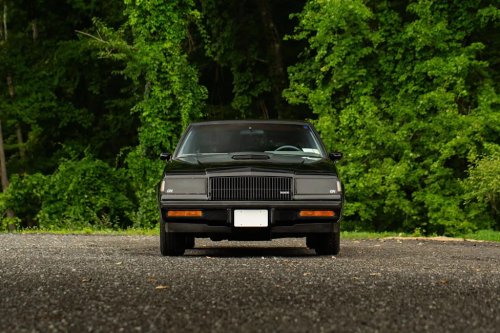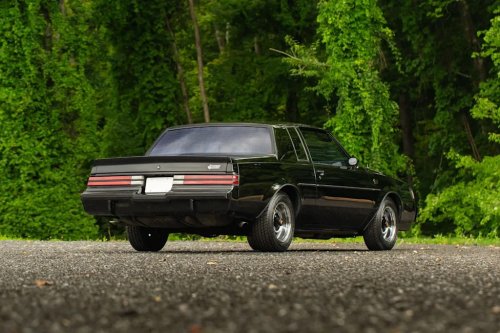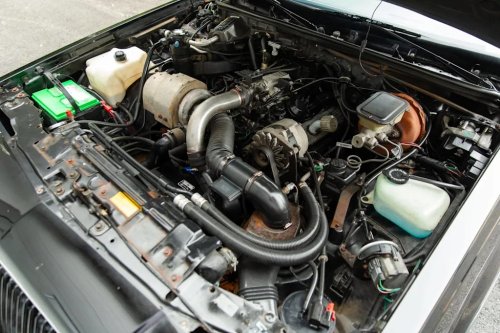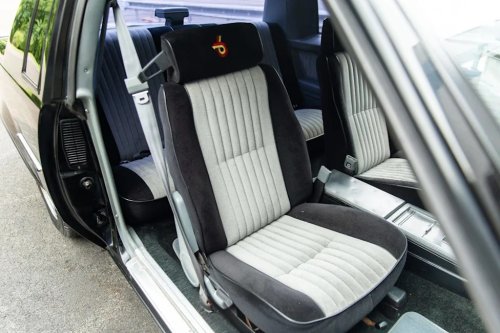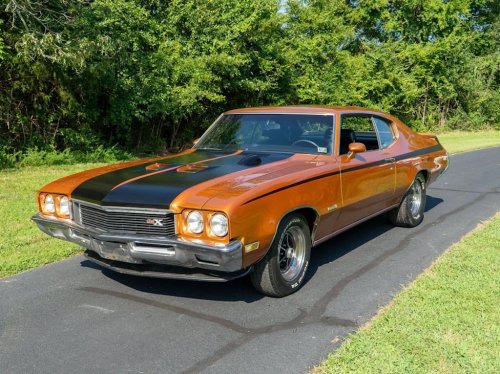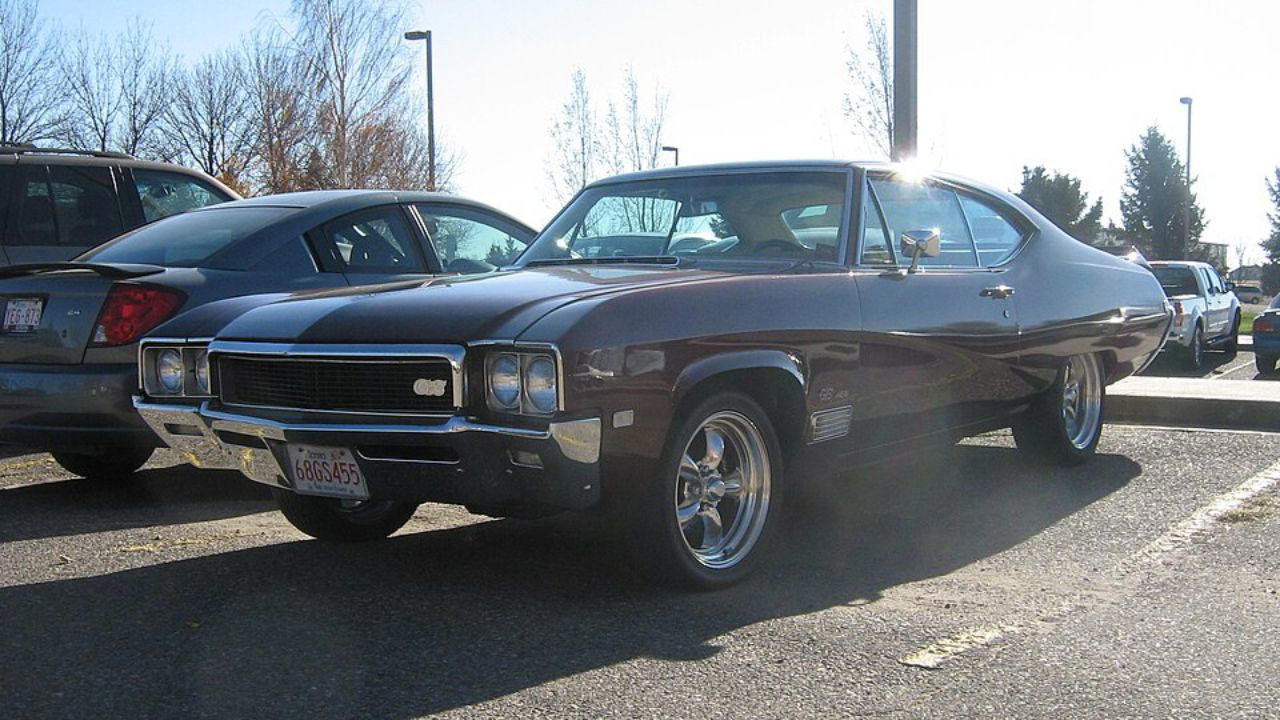



















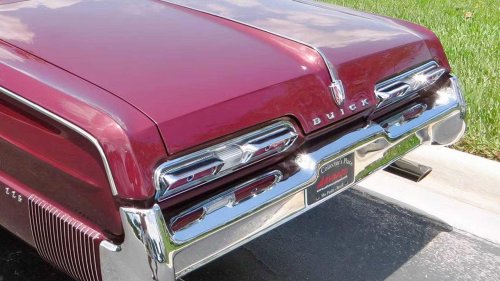


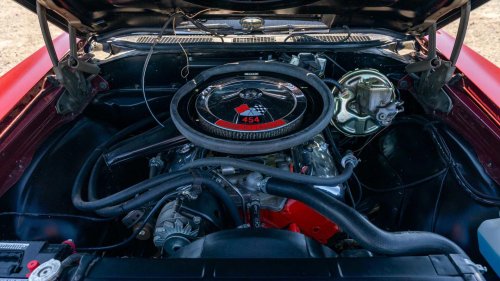
The 1968 Buick Skylark GS offered performance but remained overlooked The 1968 Buick Skylark GS arrived with serious muscle under its sculpted sheet metal, yet it never claimed the spotlight that surrounded flashier rivals. It delivered big torque, refined manners, and genuine speed, but the market mostly treated it as a niche choice for buyers who wanted performance without giving up Buick comfort. That combination left the Skylark GS in a curious position. Quick enough to run with the era’s street heroes, priced and trimmed like a near-luxury car, and built in modest numbers that now intrigue collectors, it remained overshadowed in period and is still often overlooked today. From polite Skylark to serious Grand Sport Buick had already learned how to turn its midsize Skylark into a performance machine earlier in the decade. Engineers created the Skylark Grand Sport by dropping in a 401 cubic inch Nailhead V8 and giving the car a more aggressive personality that still fit the brand’s upscale image. That formula of big displacement in a relatively trim body set the stage for the 1968 Skylark GS. By 1968, the GS badge had become a sub-brand in its own right, meant to let traditional Buick buyers feel part of the muscle car wave without abandoning the comfort and status they associated with the marque. The Grand Sport name signaled that this was not just a dress-up package; it was Buick’s answer to the idea that a family car could also be a serious performer. The 1968 redesign and GS lineup The 1968 model year brought a new body for the Buick Skylark, with more sculpted body lines, a wide stance and a clean front grille that gave the car a mix of elegance and muscle. Contemporary descriptions of the Buick Skylark highlight the way this shape carried performance while maintaining Buick’s trademark smooth ride. Within that new body, the GS range is split into two main flavors. The GS 350 used a 350 cubic inch small block and was aimed at buyers who wanted a simpler, more affordable muscle car. One period assessment described the GS 350 as fairly bare bones in the vein of the Road Runner, although not really competitive with that Plymouth in sheer bang for the buck. Above it sat the GS 400, based on the same Skylark shell but with a much more serious powertrain and richer trim. This was the car that embodied the idea of a near-luxury muscle coupe, and it is the version that most sharply shows how much performance Buick offered while still being overlooked next to more famous nameplates. GS 400: Buick’s hidden hammer The GS 400 name told the story. Under the hood sat a 400 cubic inch V8 that contemporary specifications described as a 400-cubic-inch engine rated at 340 horsepower. Other detailed breakdowns list the GS 400 with 340 gross horsepower and 440 pound feet of gross torque from a four-barrel 400 cubic inch V8, confirming that under the hood, the car had serious thrust. Buyer-focused guides describe the GS 400 as using a 400-cu.in. V-8 that was officially rated for 340 hp at 5,000 rpm and 440 lb-ft of torque. That level of output put the Buick squarely in the middle of the muscle pack in terms of raw numbers, but the way it delivered that power, with a broad torque curve and quiet refinement, fit the brand’s personality. Performance summaries from the period state that this Topping the GS 400 could reach 60 mph in roughly six seconds. That made it one of the quicker factory midsize cars available, even if the Buick rarely headlined magazine covers or drag strip legends. Stage 1 and the quiet escalation Midway through the model year, Buick escalated the GS 400 formula with a higher performance option called the Stage 1. Factory literature described the new GS-400 as receiving this Stage 1 package, which added a higher lift, longer duration camshaft, and heavy-duty valve springs. It was a subtle but meaningful step that sharpened the car without compromising its character. Later coverage of the engine program explains that these Stage 1 and Stage 2 valve train packages were offered along with forged aluminum pistons, a special intake manifold gasket that blocked the heat riser and other upgrades. Together, they turned the GS 400 into a sleeper that could surprise more famous rivals while still carrying full Buick appointments. Convertible glamour and limited numbers Within the GS 400 range, the Convertible body style represented the most glamorous and expensive configuration. Contemporary fact sheets state that the 1968 Buick GS 400 Convertible was the most upscale and highest performing mid-size Buick, and that its high price precluded many from buying it. Production figures underline that point. Total GS output for 1968 has been summarized as 21,514 G Buicks, including 2,454 GS400 convertibles. Other descriptions of individual cars repeat that this is one of 2,454 G GS convertibles produced, powered by an original 400 engine. Video walkarounds of surviving examples show how the Convertible combined performance hardware with visual drama. The front showcases cool styling with a non-functional hood scoop, a black egg crate grille, a chrome bumper, and a Grand Sport emblem that quietly announces the car’s intent. Another feature on a 1968 Buick GS400 Convertible highlights it as an ultra-rare muscle car with factory air conditioning and notes that approximately 130,000 of these Buicks were built across the broader Skylark range, which makes the GS 400 Convertible a small slice of total production. California specials and the GS 350’s supporting role Below the GS 400 in price sat the GS 350 and its offshoot, the GS California. The GS 350 used a 350 cubic inch engine and, as mentioned, was described as a fairly bare bones muscle car in the spirit of the Road Runner. One account of a survivor car notes that 350 cubic inches and simple trim gave it a different flavor from the more lavish GS 400. The GS California itself added visual flair. Reports on that variant explain that the GS California came standard with an automatic transmission, a vinyl top, styled steel sport wheels and unique trim. It was aimed at buyers who wanted the Grand Sport image and some extra flash without paying for the full GS 400 powertrain. Together, these versions broadened the Skylark GS story but also diluted the badge in the eyes of some enthusiasts. When people talk about the 1968 Buick GS today, they often mix memories of the 350 cars, the California specials and the true 400-powered machines, which can obscure just how capable the top specification really was. Why the GS 400 stayed in the shadows In the period, the Skylark-based GS had the misfortune of competing directly with some of the most hyped muscle cars of the era. Road testers swooned over the new GTO, which earned Car of the Year honors from Motor Trend. The Buicks, on the other hand, earned a lukewarm reception, and detractors felt that their styling lagged behind the other new A-Bodies. Sales figures tell the same story. A comparison of production totals notes that More than 77,000 G GTOs were built in 1968, including 9,980 convertibles, with a starting price of $2,996 that put an out-of-the-box supercar within reach of a broad audience. Against that, the 21,514 GS Buicks, and especially the 2,454 G convertibles, look modest. Pricing and positioning played a major role. The 1968 Buick GS 400 Convertible was described as the most upscale and highest performing mid size Buick, but its high price kept many buyers away. When shoppers could get a GTO or similar car for less, with more aggressive marketing and a louder performance image, the Buick’s quieter strengths were easy to miss. Luxury, restraint and the Buick character Part of the GS 400’s relative obscurity comes from the way it expresses performance. Enthusiast descriptions of the 1968 Buick GS describe it as a true gem of late 1960s American muscle that blended luxury and performance in a way only Buick could. One fan post praises the Buick GS Gran Sport as a car that delivered big power while still feeling like a proper American Buick. Another enthusiast reflection on the same theme, shared within a group titled The Untold Story Of America, calls the Buick GS Gran Sport a true gem that let owners enjoy American muscle without sacrificing comfort. That dual mission meant the GS 400 did not shout its performance credentials in the same way as some rivals, which may have limited its immediate impact but helps explain its enduring appeal. Even the exterior cues were relatively subtle. A later look at a Skylark based tribute car notes that, aside from the subtle badging and striping, a few fake scoops are all that separate a Gran Sport from a standard Skylark. Many original GS 400s shared that restrained approach, which made them less conspicuous on the street and in showrooms. How enthusiasts see the car now Modern coverage of the 1968 GS 400 often emphasizes how much performance value it still offers. Detailed buyer guides point out that the 400 engine, with its 400-cu architecture, 340 horsepower rating and 440 lb-ft of torque, benefited from careful engineering and, in later years, from an improved hood scoop induction system. Enthusiasts who drive these cars today frequently comment that the engine growls low and pulls hard, dishing out real-world speed with old school authority, Just raw Buick muscle. Video features on individual convertibles reinforce that impression. One clip focuses on a car described as one of 2,454 G GS convertibles, powered by a rebuilt 400 engine, and presents it as an Amazing 1968 Buick Skylark GS 400 Convertible that combines rarity with a strong driving experience. Another video, promoted through a platform that highlights vintage cars, calls the 1968 Buick Skylark Gran Sport the most equipped muscle car of its era, presented by an e-auction site that treats the car as a special find. Within online communities, debates about which Buick GS from 1968 to 1972 is most desirable often place the 1968 GS 400 near the top, especially in Convertible form. Enthusiasts in groups like Old Car Lovers share photos and stories that frame the car as a hidden treasure from the muscle era rather than a mainstream hero. Why “overlooked” suits the 1968 Skylark GS Put together, the record shows a car that had all the ingredients of a classic performance model yet never quite broke through. The Skylark-based GS 400 carried a 400 cubic inch V8 with 340 horsepower and 440 pound-feet of torque, sprinted to 60 mph in about six seconds, and could be optioned with Stage 1 hardware that sharpened its already strong engine. It wrapped that in a body that mixed elegance and aggression, with features like a non-functional hood scoop and Grand Sport emblems that signaled intent without shouting. More from Fast Lane Only Unboxing the WWII Jeep in a Crate 15 rare Chevys collectors are quietly buying 10 underrated V8s still worth hunting down Police notice this before you even roll window down