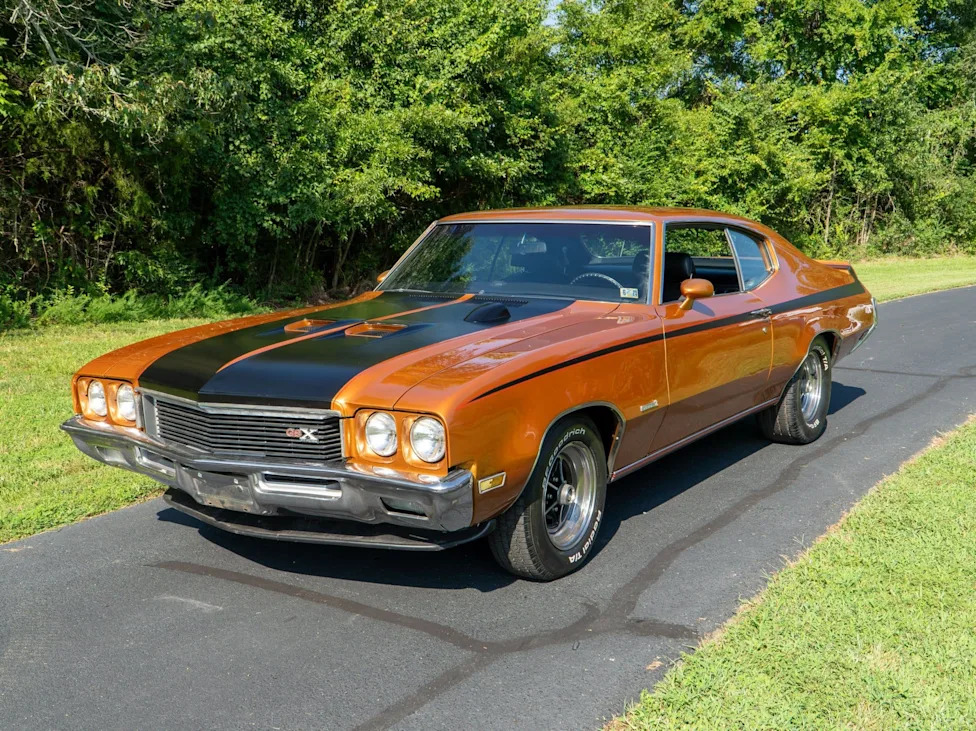
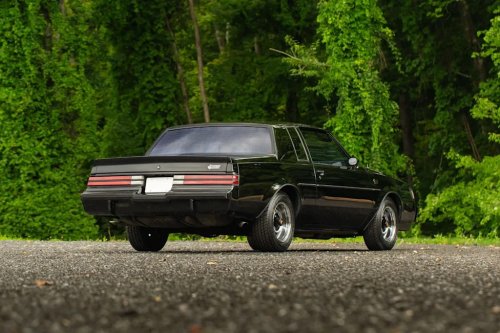
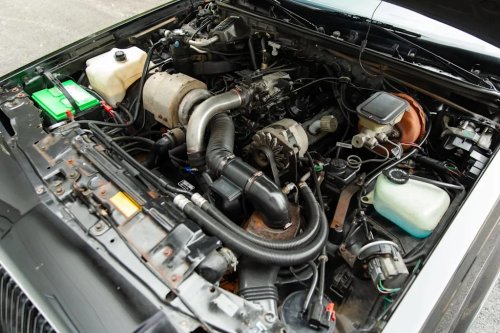
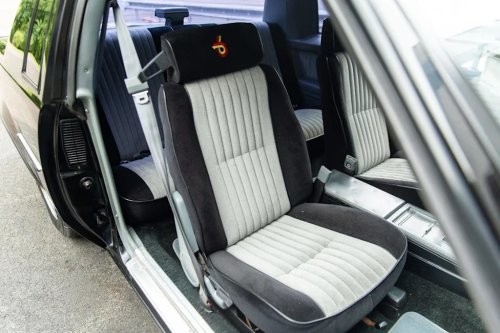
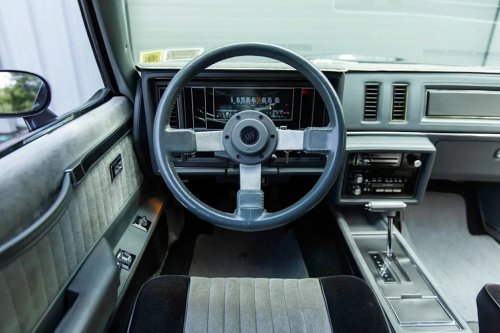
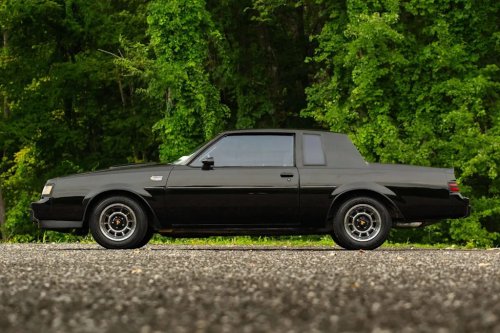
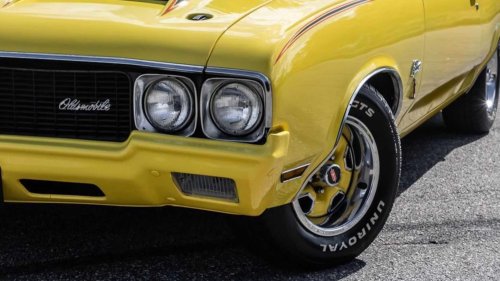
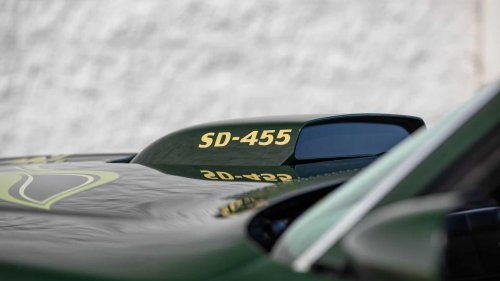
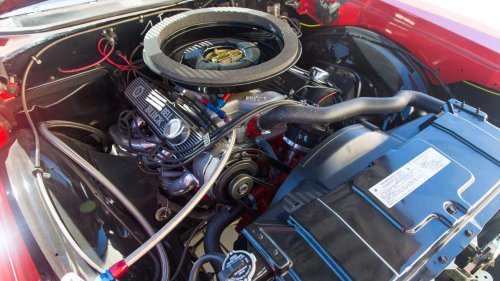
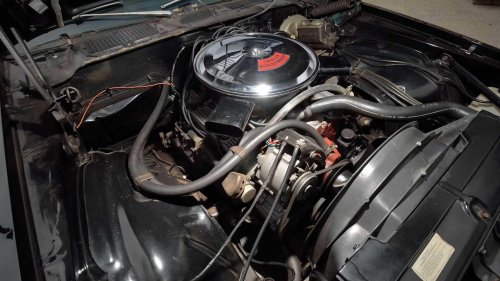
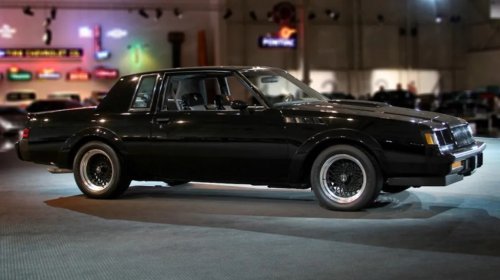
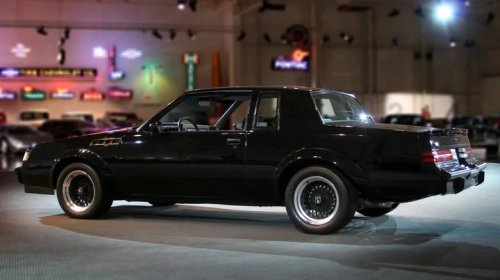
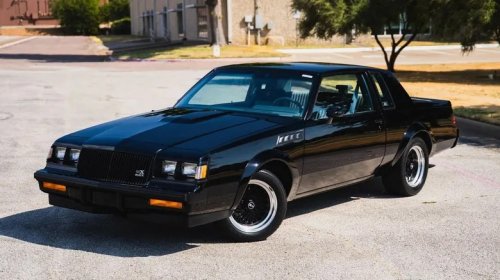
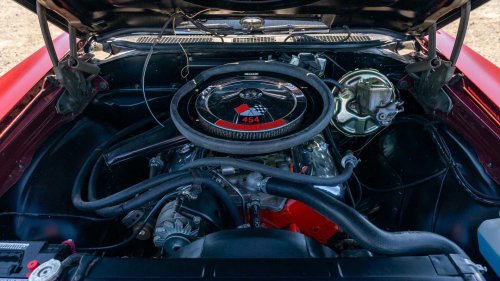
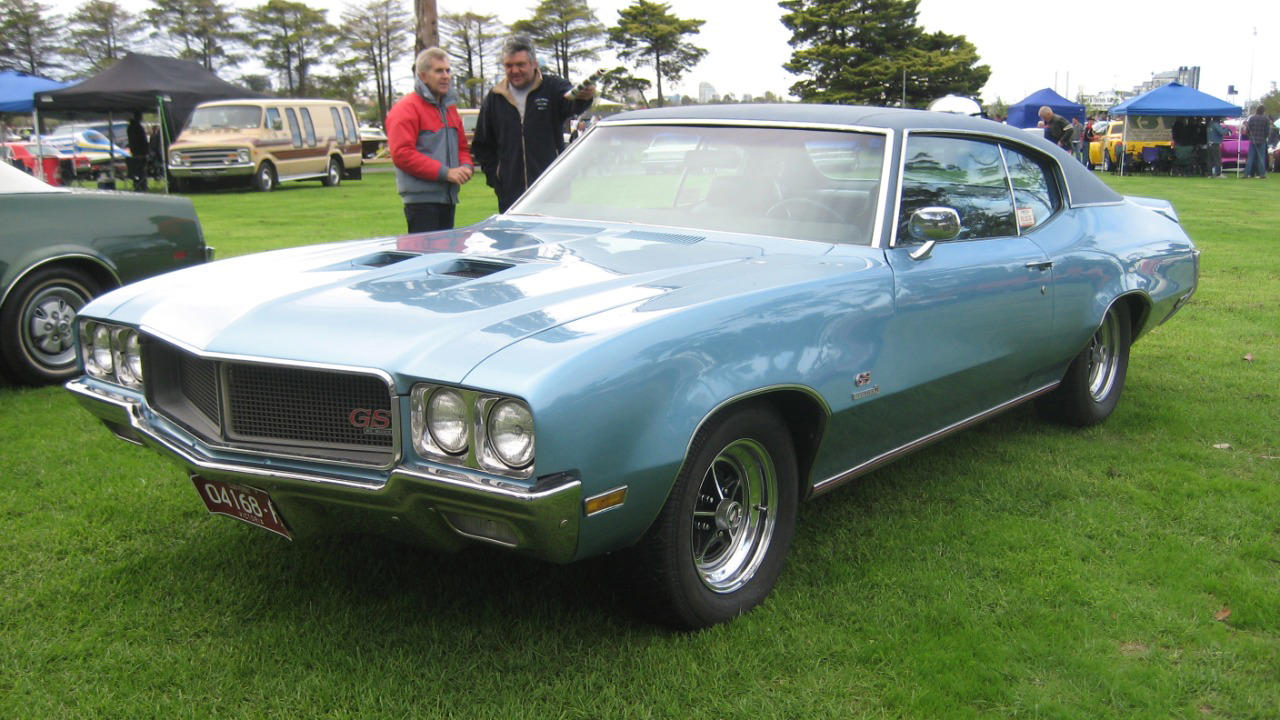
Torque was the story behind the 1970 Buick Skylark GS Stage 1 and it showedThe 1970 Buick Skylark GS Stage 1 was built around a single obsession: torque. In an era fixated on peak horsepower numbers, Buick engineered a big-block that shoved hard from idle and turned a comfortable Skylark into one of the fiercest street cars of its time. That focus on twist rather than revs is why the GS Stage 1 still feels different from its muscle car peers, and why its legend has only grown. Behind the hood scoops and Gran Sport badges sat a 455-cubic inch V8 tuned to deliver a factory-rated 510 lb-ft of torque, a figure that reshaped expectations for what a mid-size Buick could do. The car’s story is not just about straight-line speed, but about how that tidal wave of torque defined its character, its sleeper status and its enduring appeal among collectors who value real-world performance over brochure bragging rights. The moment Buick decided torque would win By 1970, the muscle car scene had turned into an arms race of compression ratios and high-strung big-blocks. Chevrolet, Pontiac and Oldsmobile chased headline horsepower, while Buick quietly took a different path. Instead of spinning a small-block to the moon, Buick GS engineers stuffed a 455 into the Skylark platform and then created the Stage 1 package to unlock its full potential. At the heart of the 1970 Buick GS 455 Stage 1 was a 455-cubic V8 specifically tuned for brutal street acceleration. Enthusiasts point to the way the Buick GS package used higher-lift camshaft profiles, revised cylinder heads and careful carburetor calibration to transform a big luxury engine into a weapon. The Stage 1 option did not chase exotic race parts; it refined a production 455 into a torque specialist that could haul a relatively heavy Skylark with ease. Contemporary coverage and later analysis agree that 1970 represented a peak for General Motors performance engines. Commentators looking back on the 1970 GS 455 describe that model year as the high-water mark before compression ratios and output began to fall under insurance and emissions pressure. Buick used that brief window to deliver its most aggressive interpretation of the Skylark Gran Sport formula. Inside the Stage 1 455: how Buick built a torque monster On paper, the Stage 1 engine did not look outrageous in the way some rival big-blocks did. It relied on displacement and smart tuning rather than exotic hardware. The 455 cubic inches were paired with a performance cam, larger valves and carefully matched intake and exhaust flow. The result was an engine that produced a factory-rated 510 lb-ft of torque and roughly 360 advertised horsepower, though multiple sources suggest real output was higher. Technical breakdowns of the Buick GS Stage 1 point to the way engineers biased the combination toward low and midrange pull. The compression ratio, cam timing and port design were chosen so the engine would hit hard in the rpm band drivers used on the street. Reports on the Buick GS Stage package emphasize that the 455 cubic-inch V8 was rated at 510 lb-ft of torque and 455 horsepower in some interpretations, with the Stage 1 specification focused on delivering that twist as early as possible. That philosophy carried over to the related GSX Stage 1 variant. Detailed coverage of the Buick GSX Stage notes that Buick built a 510 lb-ft car that few expected from a brand associated with quiet luxury. Tuners and historians highlight how the big valves, specific ignition advance curve and carburetor calibration made the engine extremely responsive off idle, with a broad plateau of torque rather than a narrow peak. From Skylark to GS and GSX: a luxury shell with a violent shove The GS Stage 1 story starts with the Buick Skylark, a mid-size platform better known for comfort than quarter-mile times. Buick took that base and created the Gran Sport identity, then layered the Stage 1 package on top. The result was a car that looked refined compared with some competitors yet could embarrass them when the light turned green. Analyses of the 1970 model year stress that the Based on the Buick Skylark platform, the GS Stage 1 blended upscale interior materials with serious performance hardware. The Gran Sport suspension, quick-ratio steering and heavy-duty cooling were combined with that 455 big-block to create a car that felt composed at speed. Owners and restorers often point out that the GS Stage 1 delivered the kind of quiet, solid ride expected from Buick, then overlaid it with an engine that could light the rear tires at will. The GSX Stage 1 took the same basic mechanical recipe and wrapped it in more extroverted graphics, spoilers and high-visibility colors. Reports on the Buick Skylark GSX describe how Buick surprised performance fans by taking a traditionally conservative nameplate and turning it into one of the most enticing and complete muscle cars of its time. The GSX version shared the Stage 1 455, so the same torque-rich personality sat under the stripes and spoilers. Real-world performance: where torque beats the spec sheet On the street and strip, the GS Stage 1 backed up its numbers. Period tests and modern recreations show that the car could run with or past many better-publicized rivals. The key was the way that 510 lb-ft figure translated into immediate thrust without needing to spin the tachometer toward redline. Comparisons with other big-block legends help clarify the Buick’s character. A widely viewed drag race video that pits a 1970 Chevrolet Chevel Super Sport and LS6 against a GS 455 highlights how the Buick’s 455 and Turbo 400 combination stacks up against the Chevrolet’s 396 and 454 packages. The clip of the Chevrolet Chevel Super its rivals illustrates how the Buick could leap off the line and hold its own even against the most celebrated Chevelle variants. Writers who have revisited the GS Stage 1 often note that the car felt even stronger than its official horsepower rating suggested. One detailed look at the 455-cubic engine points out that the Stage 1 package pushed torque to levels that rivaled or exceeded any American production car of the era. That helps explain why owners recall effortless highway passing and immediate response with even a small press of the throttle. Torque against the Hemi, Corvette and Chevelle SS In the muscle car mythology, the 1970 GS Stage 1 and GSX Stage 1 earned a reputation as giant killers. One prominent theme is their ability to challenge Chrysler Hemi cars, high-spec Corvettes and the most feared Chevelle SS variants, not by matching peak horsepower but by delivering more usable torque. Coverage of the classic 1970 Buick GS 455 Stage 1 points out that Buick enthusiasts saw it as a car that could, in colorful language, eat Hemis for breakfast. Analysis of that claim highlights how the Instead of chasing the highest horsepower rating, Buick focused on building a 455 that hit hard early. Comparisons with The Cadillac 500 big-block, which produced a stated 400 horsepower, underline that Buick was less concerned with brochure numbers than with the area under the torque curve. Another angle comes from comparisons with the Chevelle SS and the Corvette. A detailed review of Buick’s most overlooked muscle car notes that the 70 G and 455 GS delivered more torque than the Chevelle SS, which helped the Buick feel stronger in real-world driving. A separate analysis of the Buick GSX argues that the secret to its ability to beat a Corvette lay in the specific engineering of the 455 Stage 1 V8. While the Corvette relied on a lighter chassis and high-revving power, the Buick used a tidal wave of torque to move a heavy luxury car quickly. Some accounts even refer to the GSX Stage 1 as a Hemi Killer. A technical discussion of how Buick shoehorned a 455 into the GSX platform explains that the Stage 1 configuration became known as the Hemi Killer because its 455 torque output allowed it to run with Chrysler’s most feared engines in street encounters. Skylark civility with Gran Sport attitude Part of the GS Stage 1 mystique comes from its dual personality. From the curb, a Skylark-based Gran Sport could look like a well-kept mid-size Buick with tasteful trim and a comfortable interior. Inside, drivers found supportive seats, quality materials and the kind of quiet ride that buyers expected from the brand. Underneath, however, the Gran Sport suspension and Stage 1 engine turned it into a serious performance car. Accounts of the Buick Grand Sport heritage emphasize that the Grand Sport name had already been used on several high-performance Buicks before 1970, but the 455 Stage 1 represented a new level. The car carried Gran Sport badges and a functional hood scoop, yet it still offered the ride comfort and refinement associated with Buick. That contrast made the GS Stage 1 feel more mature than some of its louder, rougher competitors. Later models like the 1972 Buick GS 350 illustrate how quickly the market shifted. A description of that Buick GS notes that its 350 cubic inch V8 prioritized smooth operation and usable power over high compression and raw output. That car represented a refined and more understated approach to American muscle, while the 1970 GS Stage 1 marked the brief period when Buick let its engineers pursue maximum torque without compromise. GSX Stage 1: the louder sibling with the same twist If the GS Stage 1 was the refined brute, the GSX Stage 1 was its extroverted brother. It used the same 455 Stage 1 engine and much of the same chassis hardware, but wrapped it in bold colors and graphics that made its intent obvious. Enthusiasts recall Saturn Yellow and Apollo White GSX cars with black striping, rear spoilers and functional hood scoops that turned heads even before the engine fired. Video walkarounds of a 1970 Buick GSX Stage 1 in Saturn Yellow show how the combination of bright paint, GSX striping and Stage 1 badges created a visual identity that matched the engine’s personality. Hosts like Lou and owners such as Dennis describe the car as loud, unapologetic and yet still surprisingly refined to drive. The GSX retained the Buick ride quality but added a more aggressive stance and presence. Drag racing clips of a GSX Stage 1 lining up against cars like a 1971 Plymouth Duster 340, sometimes filmed as enthusiasts talk about going global to Canada, Mexico and Australia, reinforce how the Buick’s torque allowed it to dominate from a roll or a dig. The GSX did not need to spin to high rpm to feel fast; it simply leaned on its 455 torque curve and surged ahead. Survivors, myths and the collector market Decades later, the GS Stage 1 and GSX Stage 1 have become highly sought after among collectors who value both their performance and their relative rarity. Stories of survivor cars underline how special these Buicks were even when parked and forgotten. More from Fast Lane Only Unboxing the WWII Jeep in a Crate 15 rare Chevys collectors are quietly buying 10 underrated V8s still worth hunting down Police notice this before you even roll window down The post Torque was the story behind the 1970 Buick Skylark GS Stage 1 and it showed appeared first on FAST LANE ONLY.



















 +74 others